
Last updated September 23, 2026
Free visual inspection and a written scope of work before any mitigation begins - photos, moisture readings, and drying logs go in your claim file
The scope we write is the scope we bill. Anything new gets shown to you, in writing, before we touch it.
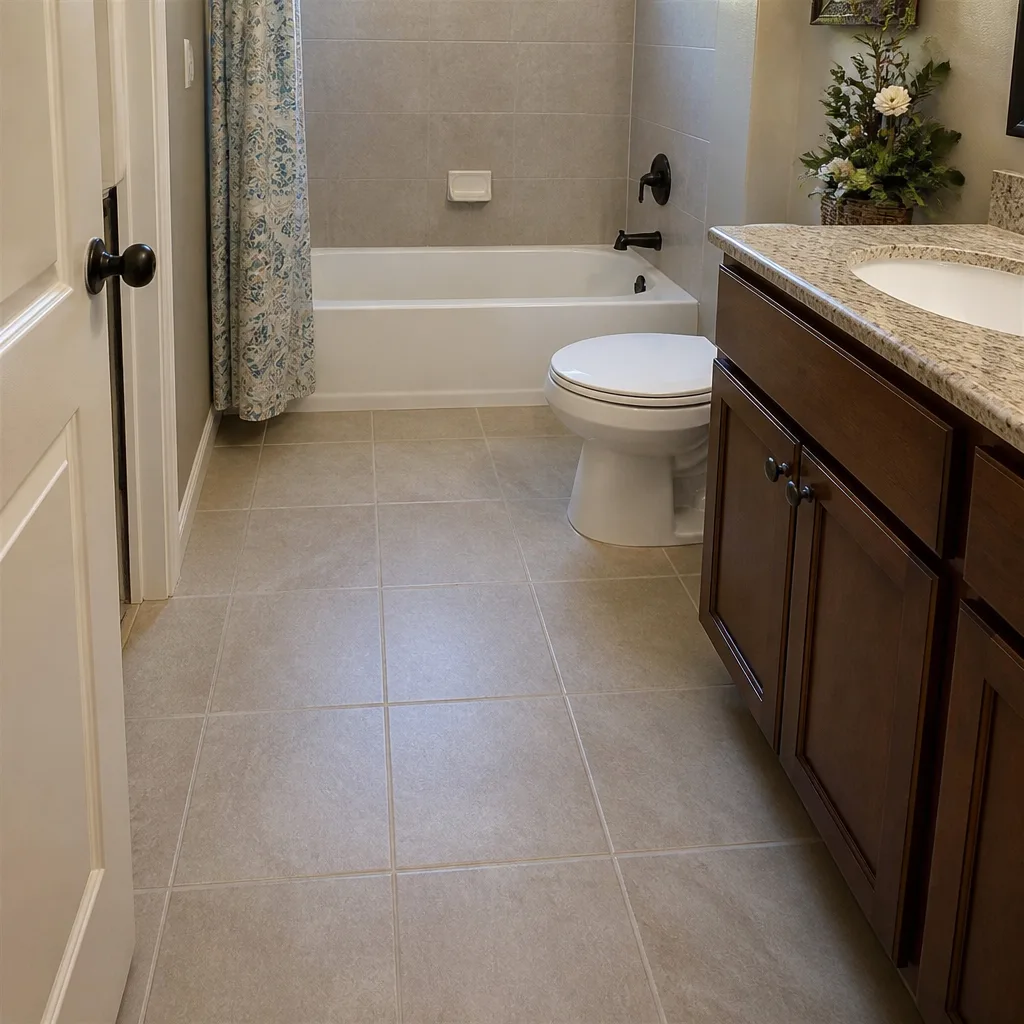
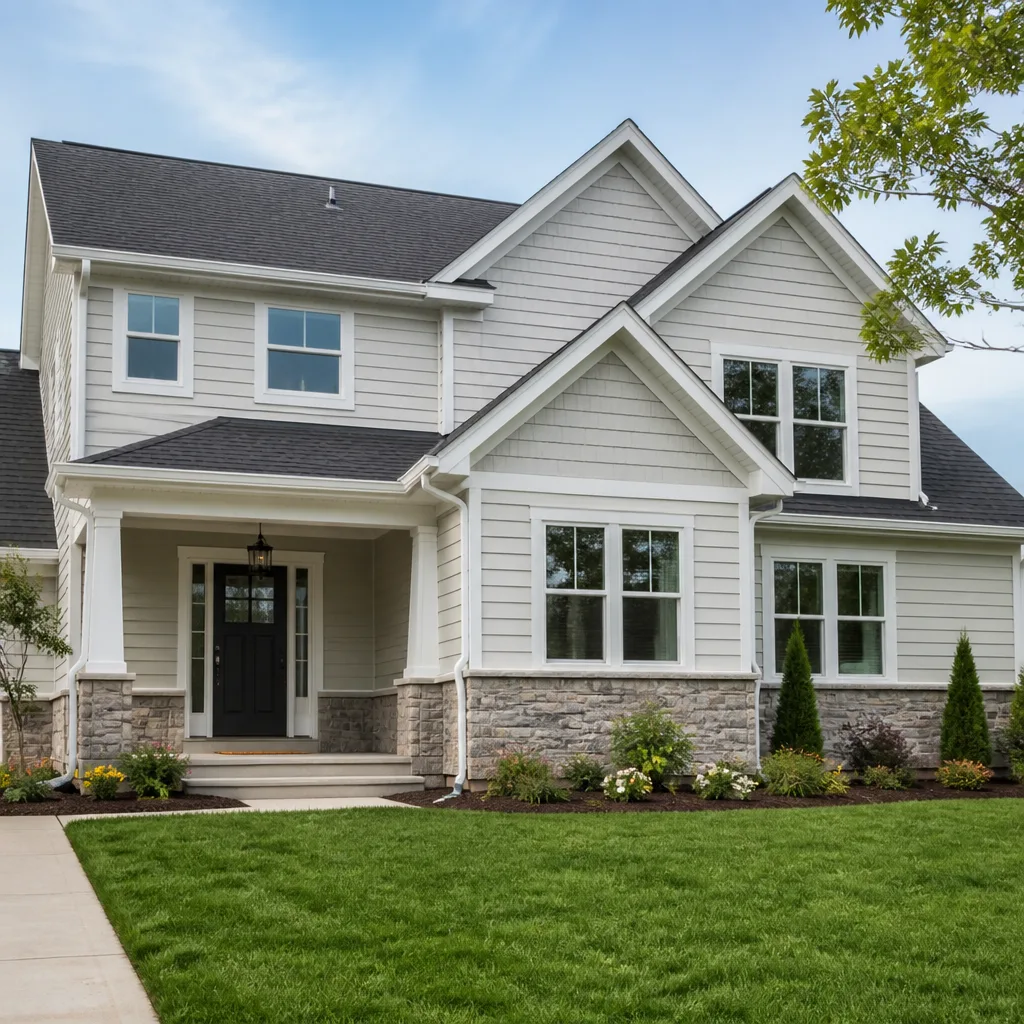
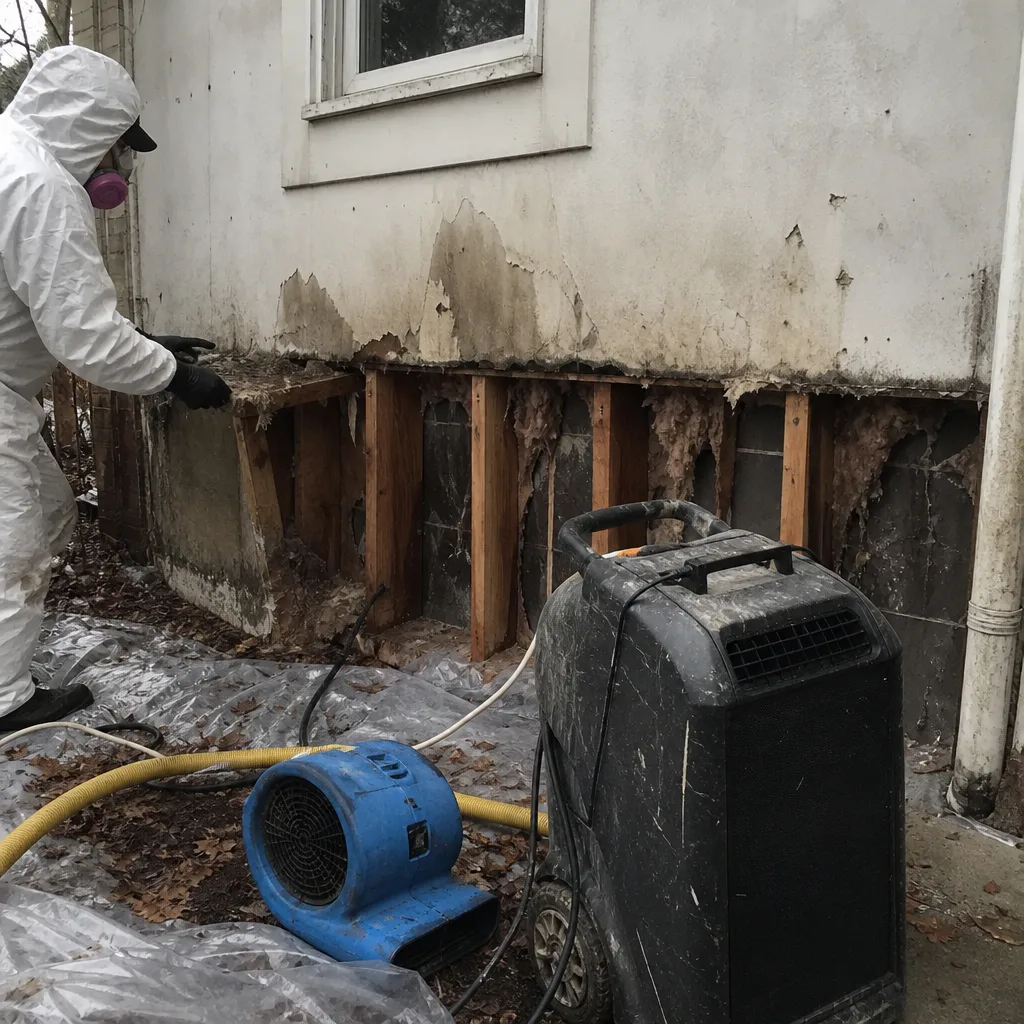 Before
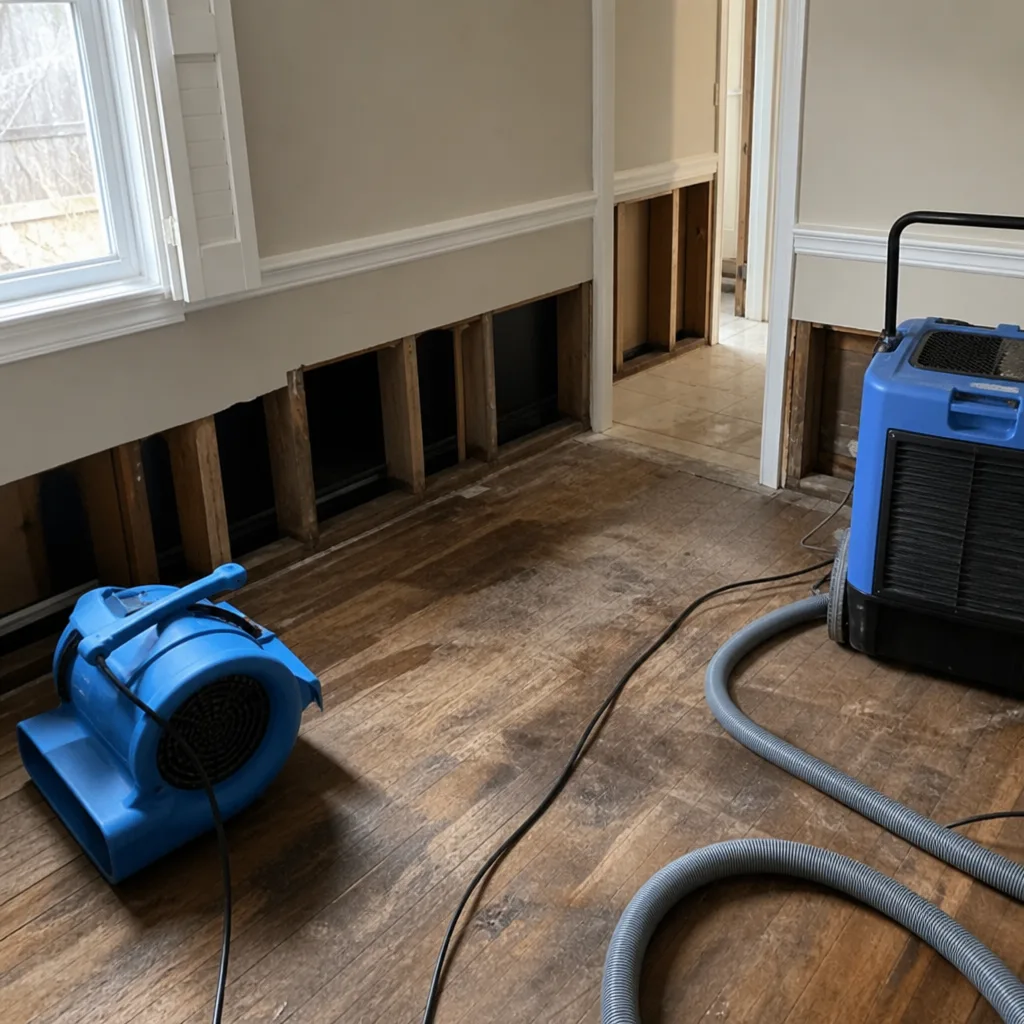 After
After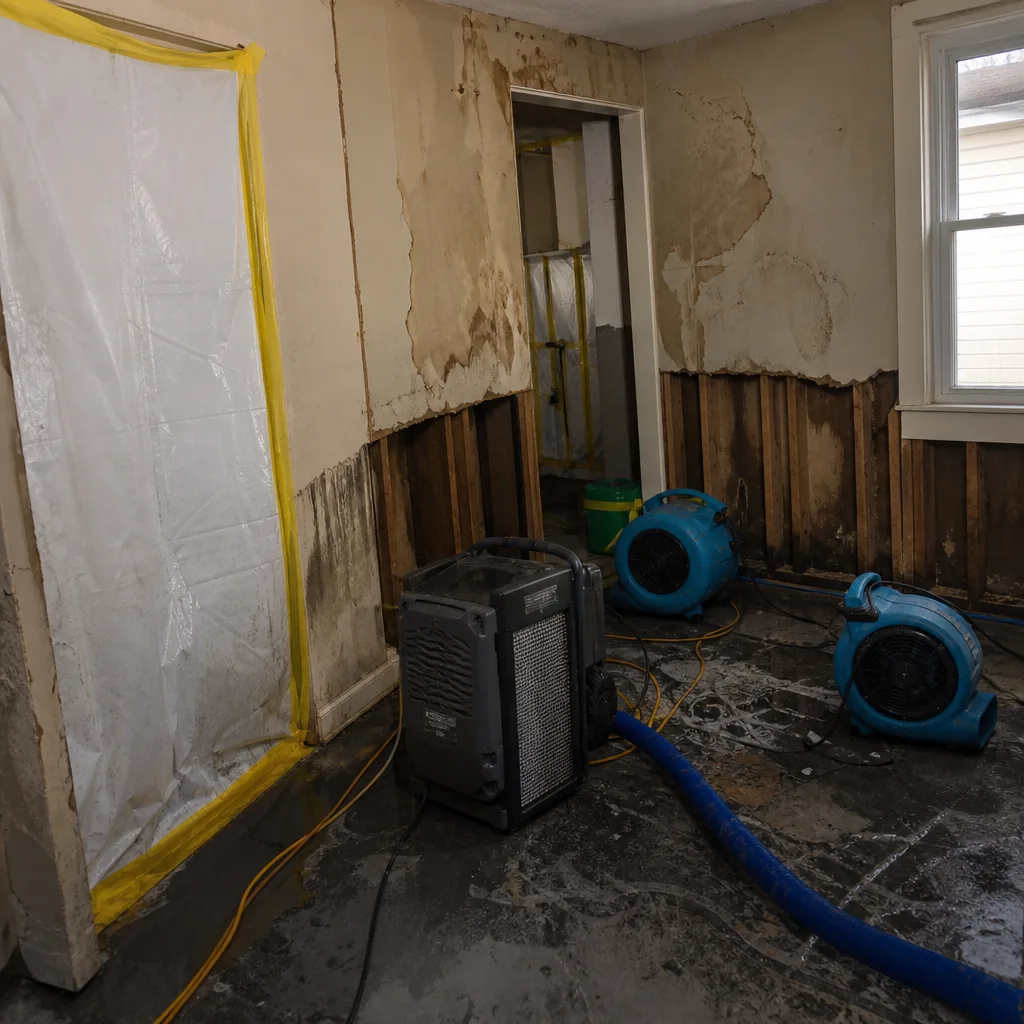 Before
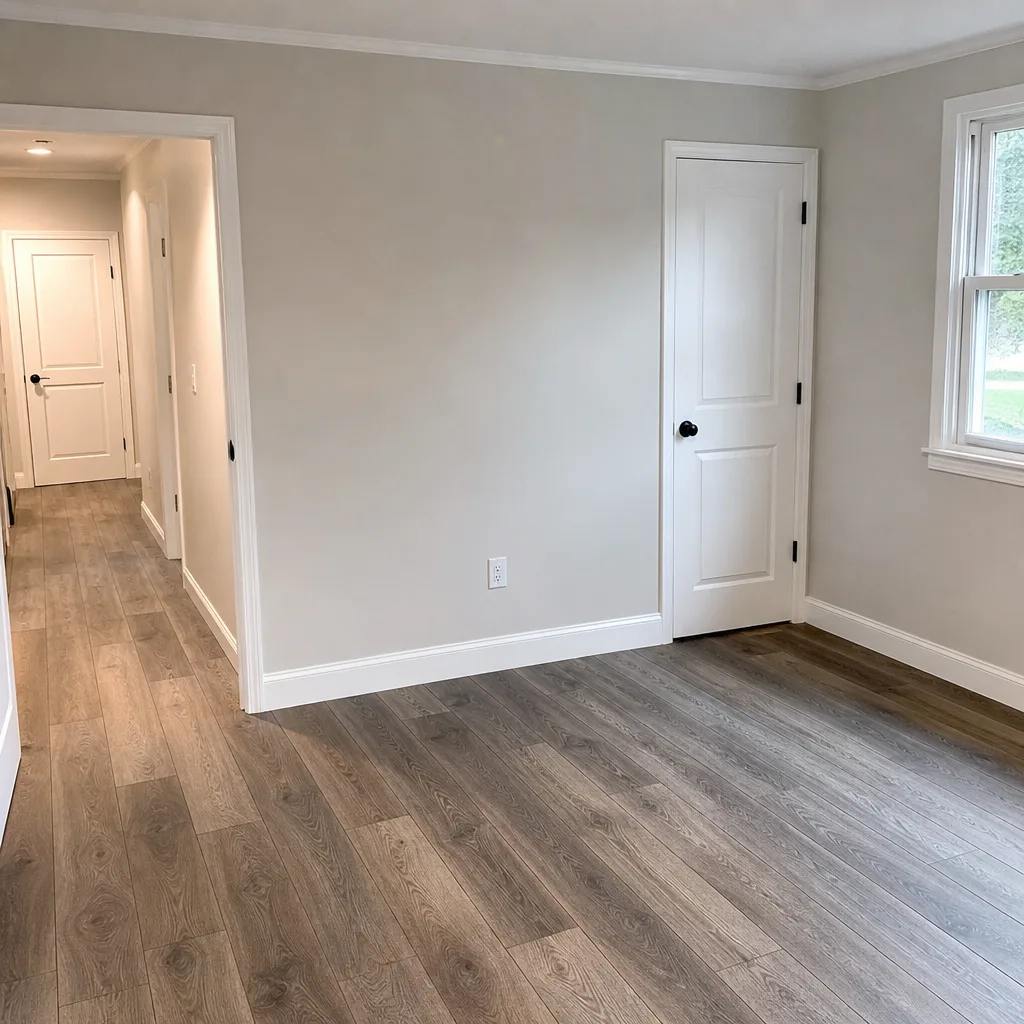 After
After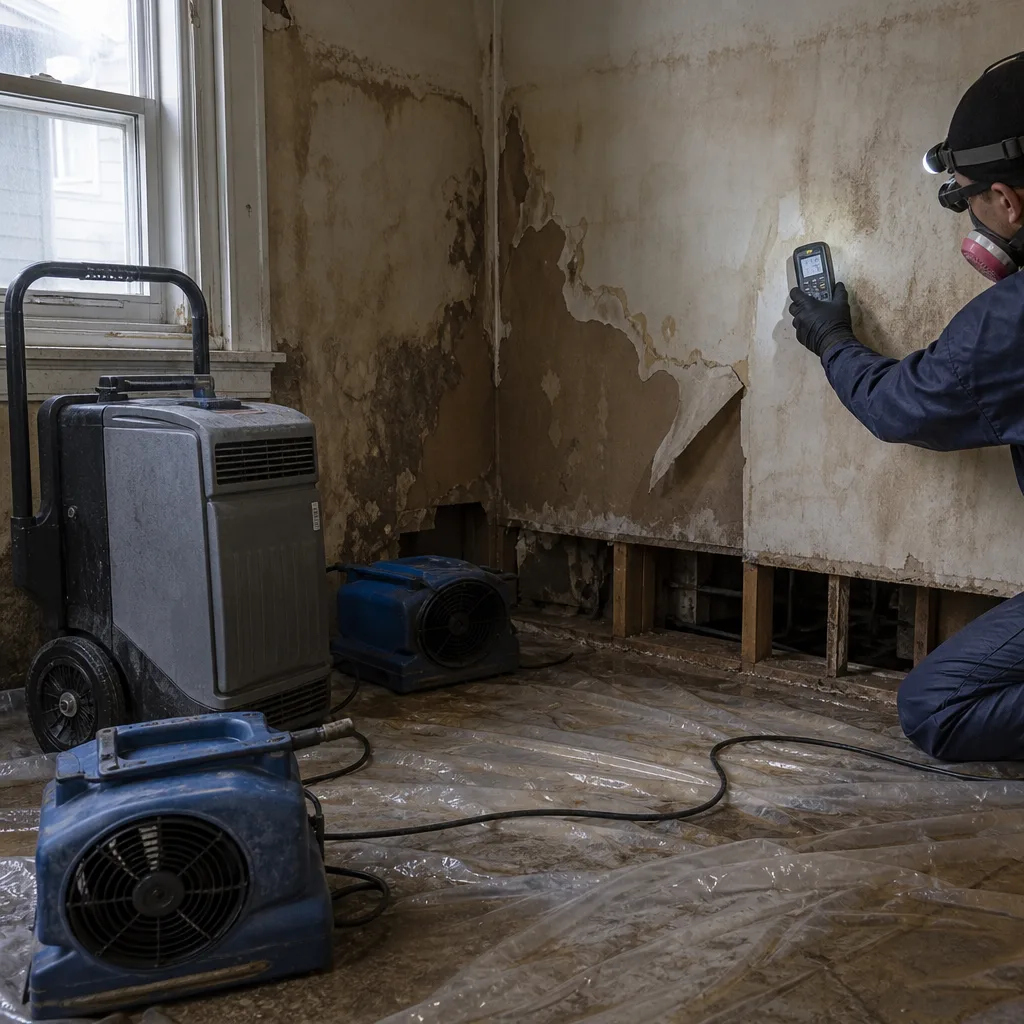 Before
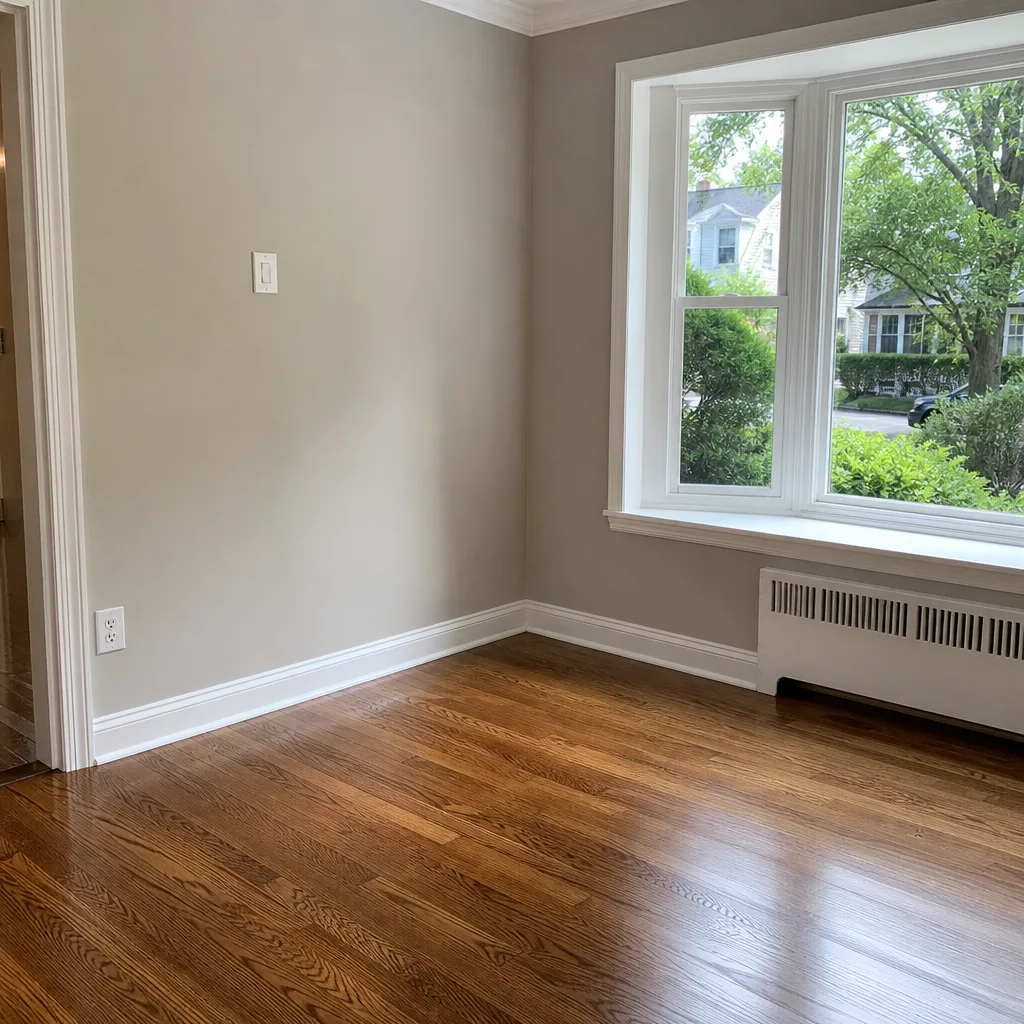 After
AfterThe Complete Guide to Damage Restoration in Forest Hills
A Queens County public adjuster reviewed 200 denied residential claims in 2023 and found that the single most common reason for partial denial wasn’t policy exclusion - it was missing or vague contractor documentation submitted with the initial estimate. In Forest Hills, where pre-war co-ops, post-war garden apartments, and single-family homes each present distinct restoration challenges, that documentation gap costs homeowners thousands in out-of-pocket rebuild costs. This guide defines every phase of damage restoration, every document you should hold in your hand before work begins, and the Forest Hills-specific factors that determine whether your claim is paid in full or disputed line by line.
Quick Answer
Damage restoration in Forest Hills is a four-phase process - mitigation, drying, demolition, and reconstruction - each producing distinct written deliverables that insurers review separately. A properly documented restoration includes a written price before work starts, daily drying logs with equipment serial numbers and psychrometric readings, photo records from every visit, and a signed scope agreement that prevents add-on charges once crews are inside your home. Without these documents, even valid claims face partial denial under standard NY insurance review protocols.
Table of Contents
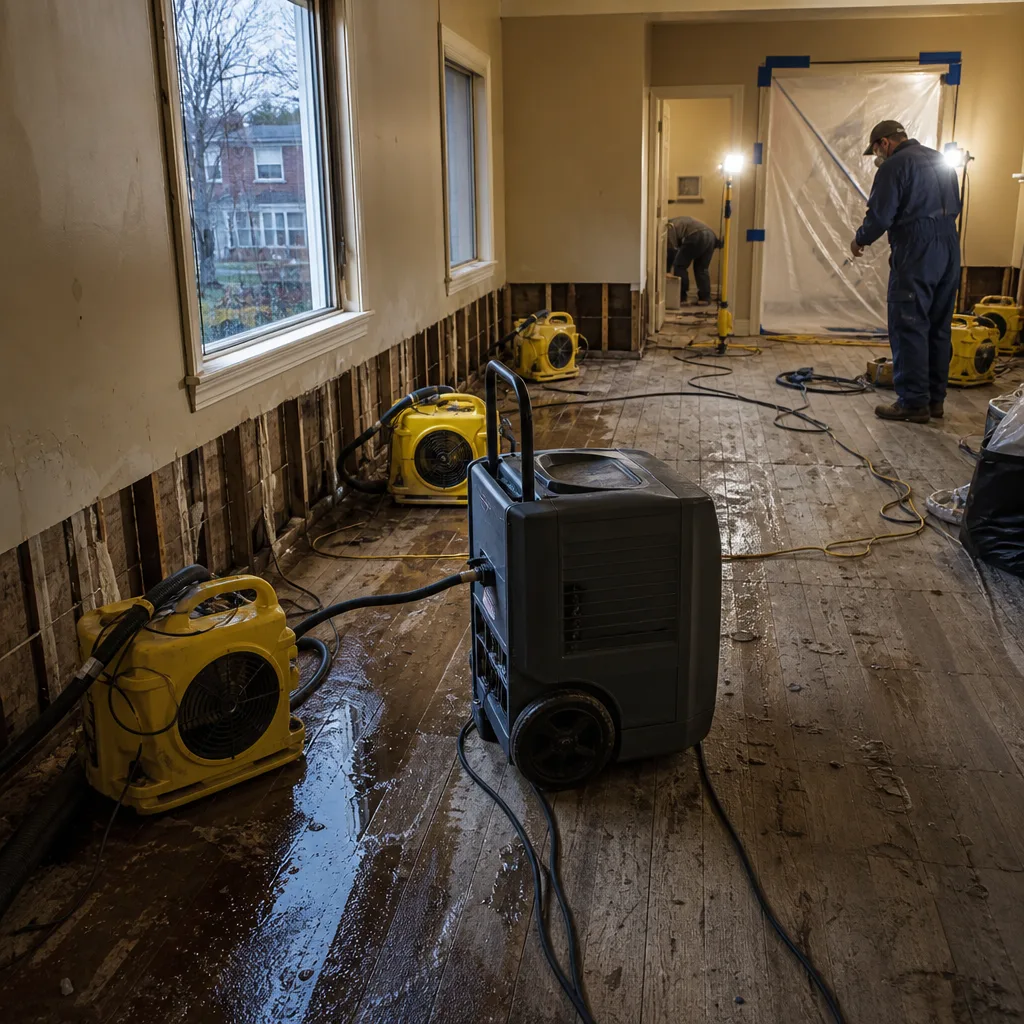
- Mitigation vs. Reconstruction: Why Insurers Treat Them Differently
- The Four Phases of Restoration and Their Deliverables
- Forest Hills-Specific Restoration Challenges
- Documentation Standards That Get Claims Paid
- Your Rights Under NY Insurance Law §3420
- Choosing a Restoration Contractor in Forest Hills
- Costs and Timelines: What to Expect
- Common Mistakes to Avoid
- When to Call a Professional
- Frequently Asked Questions
BeforeAfterMitigation vs. Reconstruction: Why Insurers Treat Them Differently
Most Forest Hills homeowners first encounter restoration billing when they receive two separate invoices for what felt like one continuous job. The mitigation invoice covers emergency water extraction, drying equipment, and moisture monitoring - work performed to prevent further damage. The reconstruction estimate covers drywall replacement, flooring installation, painting, and finish carpentry - work that returns the property to pre-loss condition. Insurers process these as separate claim line items because they follow different pricing databases, different contractor licensing requirements, and different documentation standards.
Mitigation pricing in the Forest Hills market typically references Xactimate or Symbility databases adjusted for Queens County zip codes. A mitigation invoice for a standard garden apartment water loss might run $3,200-$5,800 for extraction and drying, while reconstruction of the same space could add $8,500-$14,000 depending on material selections and co-op board requirements. The critical distinction: mitigation is billed based on equipment deployed and time on site, while reconstruction is scoped as a fixed-price contract with material allowances.
We’ve seen claims delayed six weeks because a contractor submitted a single combined invoice without separating mitigation from rebuild. Major carriers - including those writing the most policies in Forest Hills zip codes 11375 and 11374 - require line-item separation to apply proper depreciation schedules. Mitigation is typically paid at replacement cost without depreciation; reconstruction may be subject to recoverable depreciation based on your policy terms. The Haven Standard, Clause 1 requires that we deliver these as separate written prices before any work begins, precisely to prevent this confusion.
Your adjuster needs to see that mitigation stopped at “dry and stable,” documented with moisture readings below 16% in wood framing and below 4% differential in adjacent unaffected materials. Only then does reconstruction pricing become relevant. A contractor who begins demolition without establishing this dry baseline risks having rebuild costs challenged as unnecessary or premature.
The Four Phases of Restoration and Their Deliverables
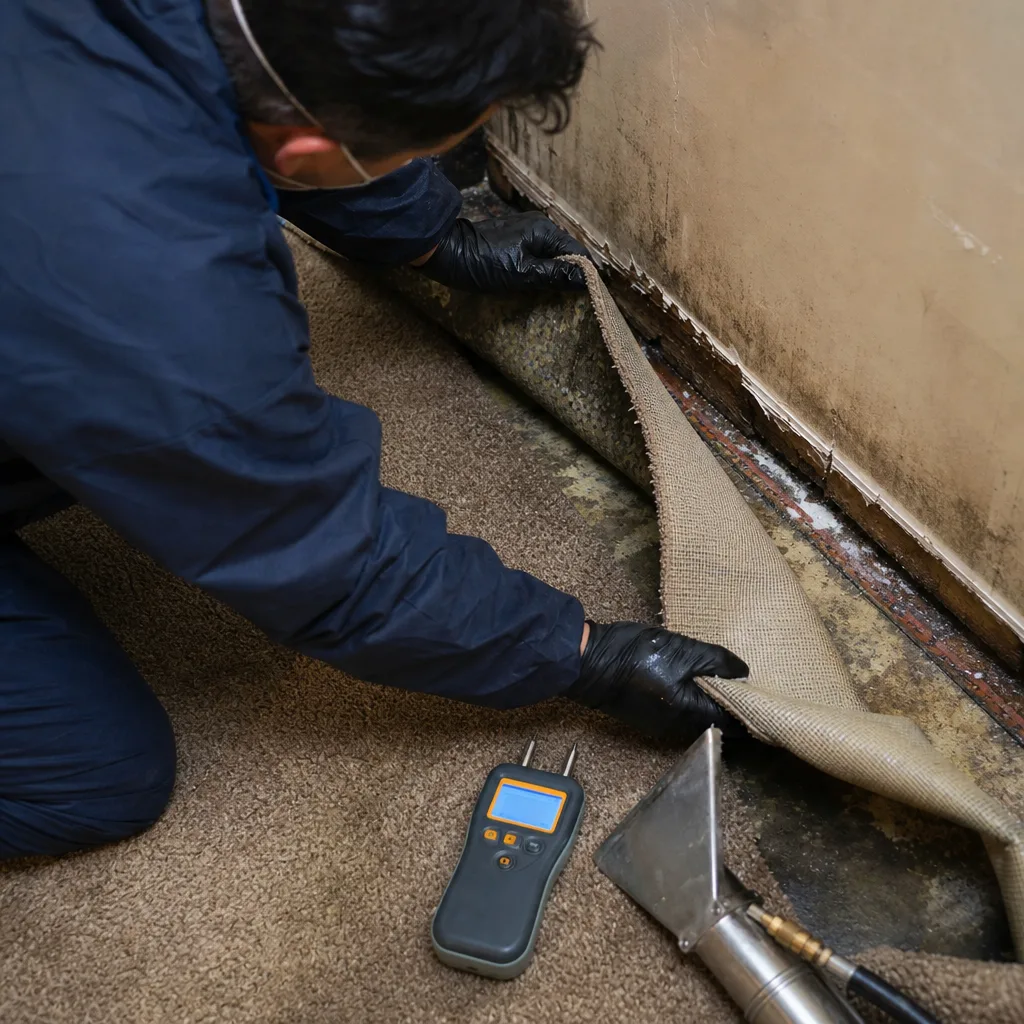
Phase 1: Mitigation (Hours 0-72)
Mitigation begins when standing water is present or moisture has migrated beyond the visible damage. In Forest Hills, where many buildings date to the 1930s-1950s, plaster-and-lath construction and embedded radiant heating pipes complicate initial assessment. The deliverable at this phase is a written mitigation scope with a fixed price, signed before equipment is deployed.
What the document must include:
- Classification of water damage by IICRC Category (1, 2, or 3) based on contamination level
- Extent of migration: affected square footage by room, with moisture mapping
- Equipment specifications: dehumidifier pint capacity, air mover CFM ratings, and count of each
- Daily monitoring schedule with technician name and license number
- Estimated duration of drying phase with psychrometric targets
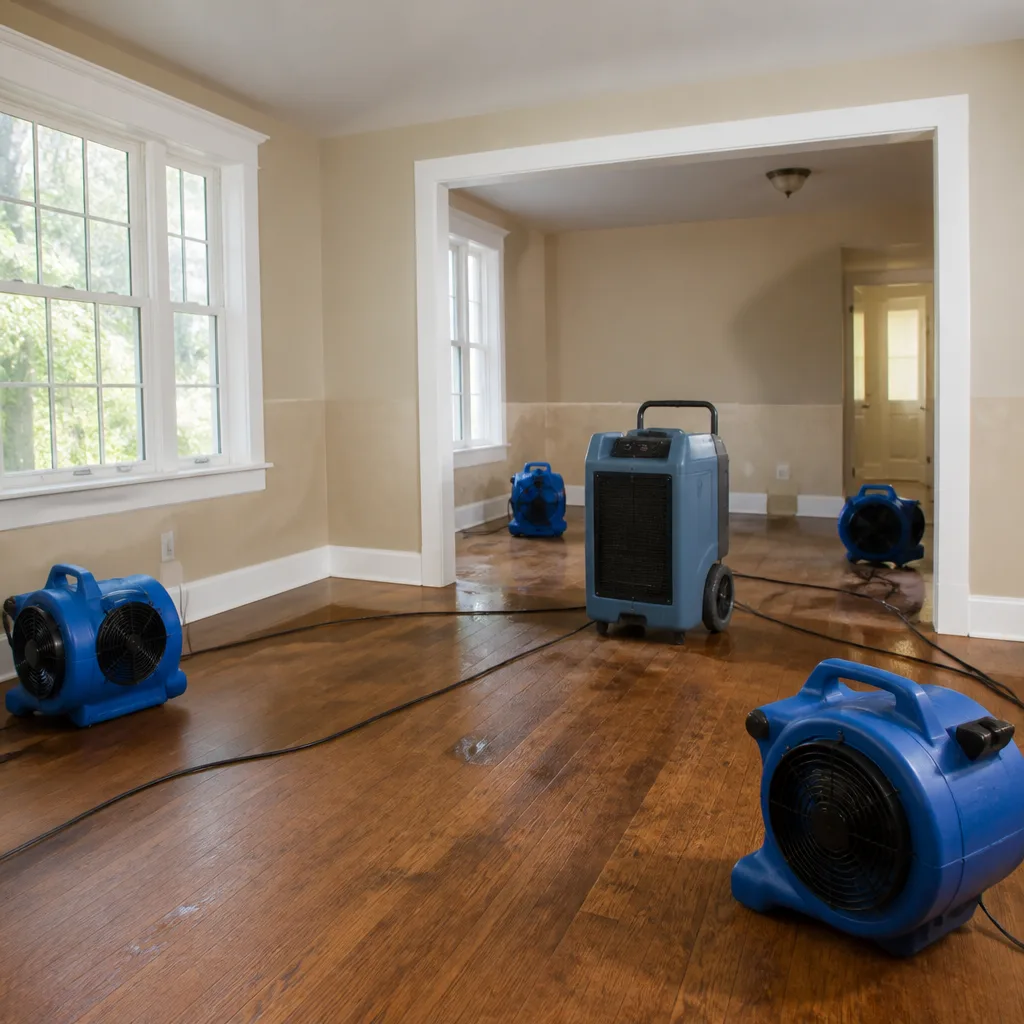
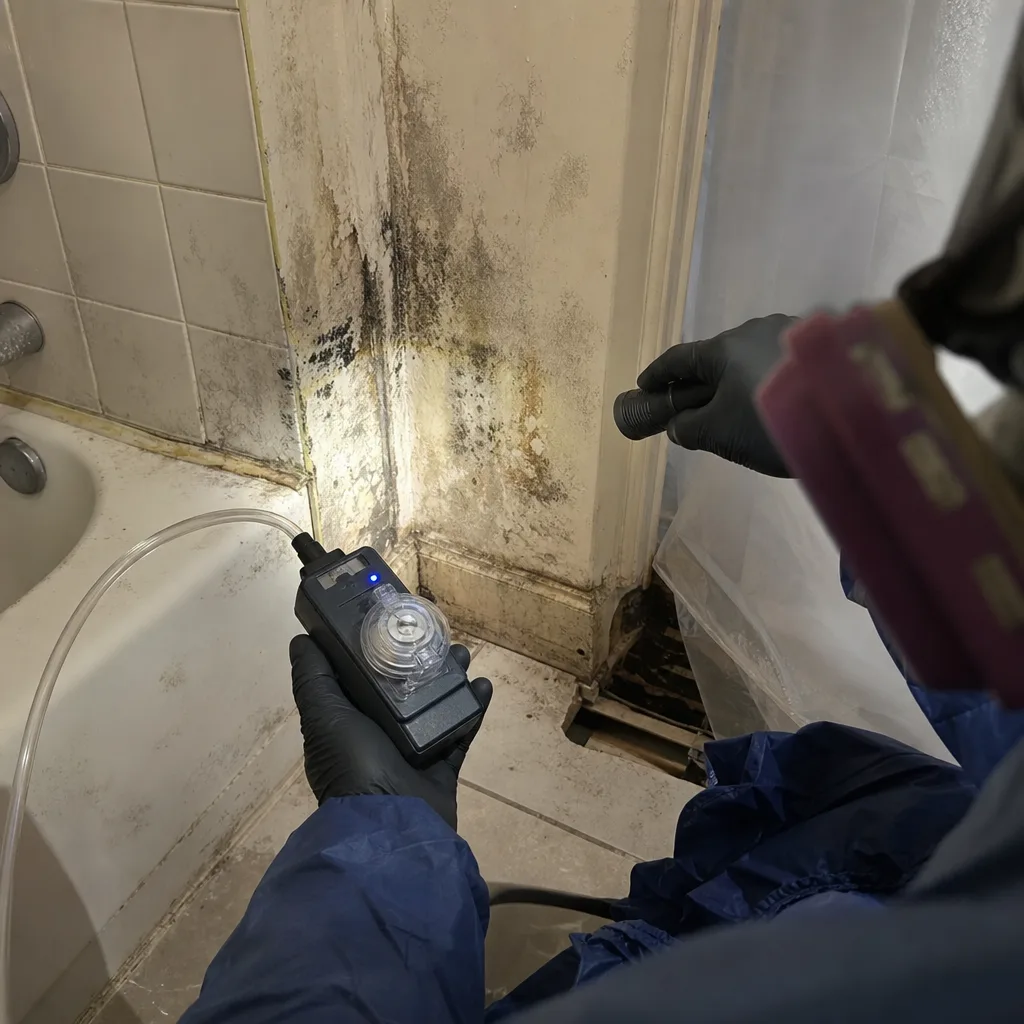
Our crews deploy Dri-Eaz and Phoenix dehumidification systems sized to the space, with vapor pressure differential calculations documented at placement. Psychrometric data - temperature, relative humidity, and specific humidity readings - establishes the drying baseline that carriers expect to see.
Phase 2: Drying (Days 1-5, typically)
Drying continues until materials return to established equilibrium moisture content. The deliverable is a daily drying log, and this document determines whether your mitigation invoice is paid or disputed.
Each daily log entry must contain:
- Date, time, and technician name with license verification
- Equipment serial numbers in service (not just model numbers - carriers cross-reference these)
- CFM readings at each air mover intake and exhaust
- Psychrometric data: ambient temperature, relative humidity, grains per pound (GPP), and dew point
- Moisture content percentage in affected materials, measured with calibrated pin or pinless meters
- Photographs with date stamp showing equipment placement and material condition
- Technician signature attesting to readings taken on site
In Forest Hills garden apartments with concrete slab foundations, we’ve documented drying extending to 7-9 days when vapor barriers beneath slabs slow evaporation. Without daily logs showing progressive moisture reduction, carriers may classify extended drying as contractor inefficiency rather than structural necessity.
Phase 3: Demolition (Overlaps with drying completion)
Demolition removes unsalvageable materials once drying targets are met. The deliverable is a demolition scope with waste disposal documentation, including manifest numbers for regulated materials.
Forest Hills-specific consideration: pre-war buildings may contain asbestos-containing materials (ACMs) in plaster, flooring mastics, or pipe insulation. NYC DEP requires asbestos assessment before demolition in buildings constructed before 1987. A contractor who tears out suspect materials without this assessment exposes the homeowner to stop-work orders and carrier denial of associated costs. We document asbestos survey results in the written scope before demolition begins.
Phase 4: Reconstruction (Scheduled, not emergency)
Reconstruction is scoped, priced, and scheduled - never performed as emergency dispatch. The deliverable is a fixed-price reconstruction agreement with material specifications, allowance schedules, and milestone payment terms.
Unlike mitigation, reconstruction in Forest Hills often requires co-op board approval of contractor insurance certificates, work schedules, and material selections. The Haven Standard requires that we identify these requirements in writing before pricing, so homeowners aren’t surprised by board rejection after demolition has left their unit uninhabitable.
Forest Hills-Specific Restoration Challenges
Forest Hills presents restoration conditions that don’t appear in generic guides written for national audiences. Understanding these factors before damage occurs helps homeowners ask better questions and choose contractors prepared for local conditions.
Co-op Board Requirements
Approximately 60% of Forest Hills housing stock operates under co-op or condominium governance. Most boards require:
- Certificate of insurance naming the building corporation as additional insured, with minimum $2 million general liability
- Work-hour restrictions: typically 9 AM to 5 PM weekdays, limited Saturday hours, no Sunday work
- Material approval for visible finishes: flooring, paint colors, door hardware must match building standards
- Licensed plumber or electrician sign-off for any utility work, even when triggered by restoration
A contractor unfamiliar with Forest Hills co-op protocols may price reconstruction without board-mandated upgrades, then present change orders mid-project. Our written scopes identify known board requirements before pricing, based on 12,000+ restorations since 2011 including hundreds in Queens County co-ops.
NYC DEP Drain and Discharge Rules
Water extraction from basement flooding cannot discharge to NYC storm drains without DEP approval. Extracted Category 2 or 3 water must be containerized and disposed through licensed waste haulers. We’ve seen mitigation invoices challenged when carriers discover discharge violations - the homeowner becomes responsible for both the fine and the re-cleaning costs. Our crews document disposal manifests with licensed hauler information on every job.
Basement Flooding Near the LIRR Corridor
Properties south of Queens Boulevard and east of 71st Avenue, particularly those backing the Long Island Rail Road embankment, experience distinct hydrostatic pressure patterns. The elevated track bed creates a groundwater dam effect during heavy rainfall, pushing water through foundation walls and slab joints. Standard drying protocols assume overhead or lateral water intrusion; LIRR-adjacent properties often require sub-slab depressurization or exterior waterproofing as part of restoration, not as an optional upgrade.
We’ve documented this pattern in dozens of Forest Hills restorations. A contractor who treats LIRR-corridor basement flooding as standard Category 1 cleanup without addressing hydrostatic pressure will face recurring damage - and carriers will deny subsequent claims as maintenance issues rather than covered perils.
Seasonal Freeze-Thaw Cycling
Forest Hills’ freeze-thaw cycles, typically 80-100 cycles annually, accelerate building envelope failure. Ice damming on low-slope roofs common in 1940s garden apartments forces water behind fascia and into wall cavities. Spring restoration demand peaks in March-April when hidden winter damage becomes visible. Homeowners who discover staining in April often face 10-14 day contractor availability delays unless they’ve established relationships with documentation-first restoration companies.
Documentation Standards That Get Claims Paid
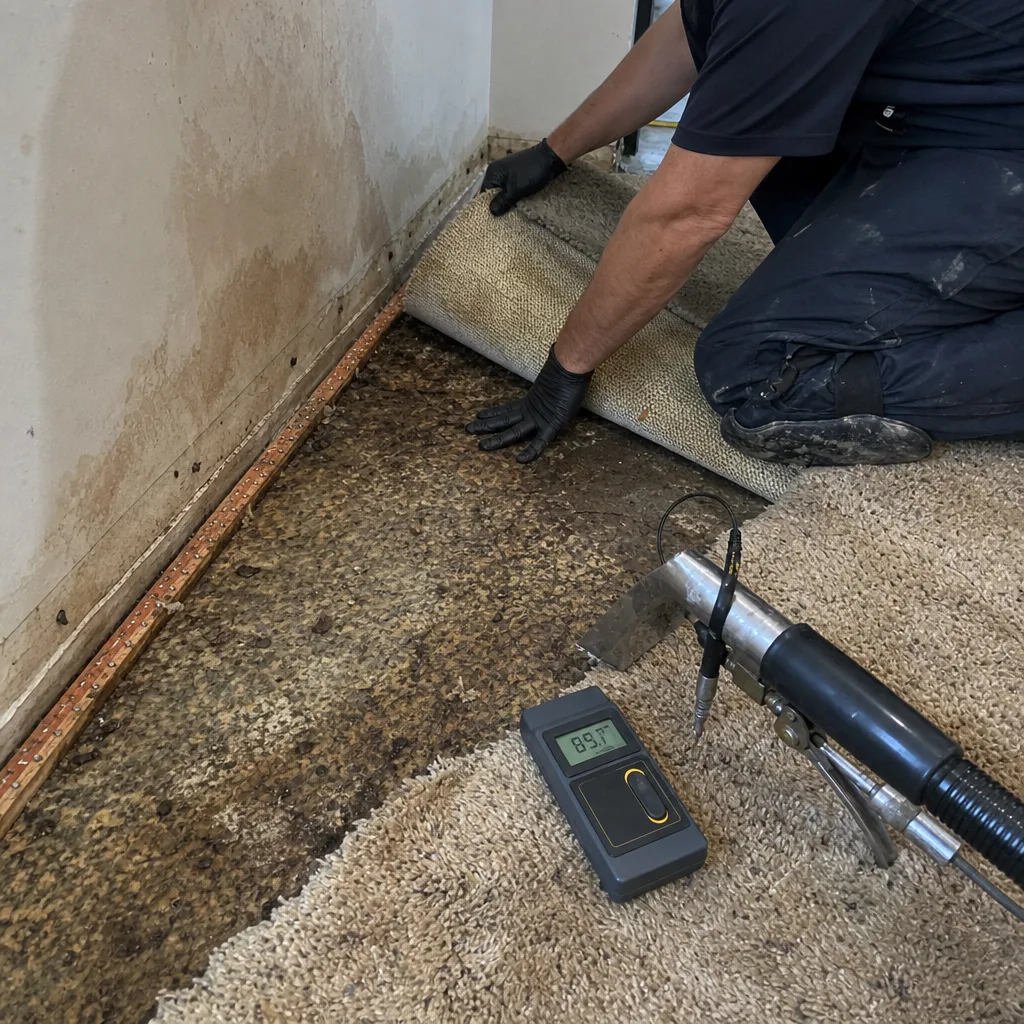
The restoration process is only as strong as the paper trail it generates. After reviewing thousands of claims, we’ve identified the documentation elements that carriers accept without challenge versus those that trigger review delays.
The Five Documents Every Homeowner Should Receive
- Written price before work begins - Haven Standard, Clause 1. Not an estimate range, not a “not to exceed” figure. A fixed price for defined scope, with change-order procedures specified in writing.
- Photo record on every visit - Date-stamped, geotagged, showing equipment placement, material conditions, and progressive drying. Delivered as a shared album or PDF, never held hostage pending payment.
- Daily drying log with psychrometric data - The technical record that transforms “we dried it” into verifiable proof. Includes equipment serial numbers, CFM readings, and moisture content percentages with meter calibration dates.
- Material testing results - Asbestos surveys, lead paint tests, microbial sampling with laboratory chain-of-custody documentation. Required for demolition approval and carrier reimbursement.
- Signed warranty - The 365-Day Done Right Promise, a written guarantee under The Haven Standard, not a verbal assurance. Specifies response procedure, coverage limitations, and contact protocol.
What Carriers Reject
We’ve seen these documentation failures cause partial or full denial:
- Handwritten notes without technician identification or license number
- Moisture readings without meter make, model, and calibration date
- Photographs without date stamps or with timestamps inconsistent with claimed visit times
- Equipment logs showing serial numbers that don’t match manufacturer production records
- Scopes that describe work performed without reference to pre-loss condition or drying targets
Professional-grade drying systems from Dri-Eaz, Phoenix, XPOWER, B-Air, and Injectidry produce the data points carriers expect. But the equipment alone doesn’t create documentation - disciplined logging protocols do. Our technicians are trained to treat each daily log as evidence in a potential dispute, because that’s precisely what it becomes when carriers question mitigation duration.
Your Rights Under NY Insurance Law §3420
NY Insurance Law §3420 requires insurers to respond to claims within prescribed timeframes and provides remedies when carriers delay or deny without reasonable basis. For Forest Hills homeowners, this statute creates specific protections during restoration disputes.
Key provisions:
- Insurers must acknowledge claim receipt within 15 business days and begin investigation within 15 days of acknowledgment
- Denial must be in writing with specific reasons, not general “under review” status
- Policyholders may request independent appraisal when carrier and contractor scope disagree
- Unreasonable delay or denial may trigger statutory interest at 2% per month on amounts ultimately found due
The practical application: when a carrier disputes your contractor’s documented scope, you have the right to demand specific technical objections in writing. Vague denials like “excessive” or “not customary” don’t satisfy §3420 requirements. A contractor who produces daily drying logs with psychrometric data, equipment serial numbers, and progressive moisture readings can challenge generic denials with measurable evidence.
We’ve participated in dozens of §3420 proceedings where documented restoration records reversed initial denials. In one Forest Hills co-op case, a carrier denied $4,200 in extended drying costs for a LIRR-adjacent basement. The daily logs showed vapor pressure differentials consistent with sub-slab moisture migration, equipment serial numbers verified through manufacturer records, and technician license verification. The denial was reversed with statutory interest.
Your contractor’s documentation discipline directly affects your legal position. Choose accordingly.
Choosing a Restoration Contractor in Forest Hills
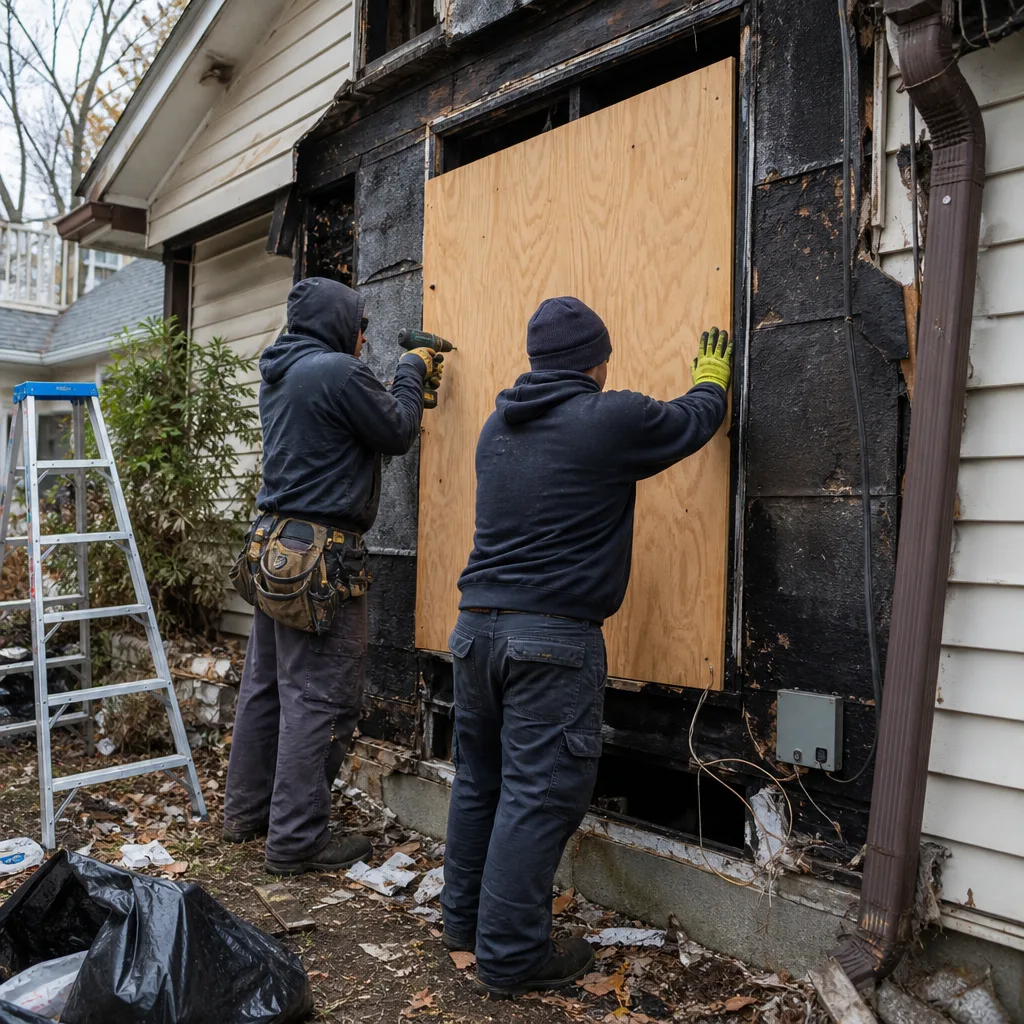
The contractor selection process in Forest Hills differs from suburban markets because of co-op board requirements, NYC regulatory complexity, and the density of older housing stock. Here’s how to evaluate candidates.
Verify Before You Invite
Before allowing any contractor into your home:
- Confirm license status through NYC Department of Consumer Affairs license lookup
- Request certificate of insurance naming your building as additional insured
- Ask for three recent Forest Hills or adjacent Queens references with claim numbers (not just names)
- Verify IICRC or RIA certification for technicians who will perform water damage or mold remediation
- Request sample documentation package: daily drying log, photo record, and written scope from a completed job
A contractor unwilling to show sample documentation before engagement won’t produce better documentation under pressure. This is non-negotiable.
Interview Questions That Reveal Process
Ask these specific questions and evaluate answers against documentation standards:
- “What does your daily drying log include?” - Look for psychrometric data, equipment serial numbers, technician license. Vague answers suggest template logging.
- “How do you handle co-op board insurance requirements?” - Experienced Forest Hills contractors have standing relationships with building managers and know certificate formatting requirements.
- “What’s your protocol when moisture readings plateau?” - Look for specific technical responses: adding dehumidification capacity, introducing heat, evaluating vapor barriers. “We just wait longer” indicates inadequate equipment or training.
- “Can I see a written price before you start work?” - Haven Standard, Clause 1 exists because the answer should always be yes. Hesitation or “we’ll email it after” is a disqualifier.
Water Damage Restoration in Forest Hills requires contractors who understand these local conditions. Our documentation-first approach was built from a former claims adjuster’s experience with exactly these disputes.
Costs and Timelines: What to Expect
Restoration pricing in Forest Hills reflects Queens County labor rates, material costs, and the regulatory overhead of NYC permitting - see our Damage Restoration Cost Breakdown: The Forest Hills Homeowner’s Reference for 2026 for detailed ranges. The ranges below represent typical documented costs for jobs we’ve completed since 2011, adjusted for current market conditions.
Mitigation Costs
| Service | Typical Range | Duration |
|---|---|---|
| Water extraction (up to 1,000 sq ft) | $1,800-$3,200 | Day 1 |
| Structural drying (standard residential) | $2,400-$4,500 | 3-5 days |
| Extended drying (concrete slab/LIRR-adjacent) | $3,800-$6,200 | 5-9 days |
| Mold remediation (contained area, <100 sq ft) | $2,200-$3,800 | 1-2 days |
| Mold remediation (whole room, HEPA containment) | $4,500-$8,500 | 3-5 days |
| Sewage cleanup (Category 3, with disposal) | $3,500-$6,800 | 2-4 days |
| Fire/smoke mitigation (structure only) | $5,500-$12,000 | 5-10 days |
Reconstruction Costs
| Component | Typical Range | Notes |
|---|---|---|
| Drywall replacement (per room, standard 8′) | $1,800-$3,200 | Includes insulation if required by code |
| Hardwood flooring (per 100 sq ft) | $1,400-$2,800 | Material allowance varies by species/grade |
| Kitchen cabinet replacement (per linear ft) | $450-$850 | Co-op board may require specific styles |
| Bathroom full remodel (5′ x 8′) | $12,000-$22,000 | Plumbing rough-in separate if damaged |
| Electrical panel replacement (100A) | $2,200-$3,800 | Requires NYC DOB permit and inspection |
These ranges are written prices delivered before work begins, per Haven Standard, Clause 1. Your specific price depends on material selections, access conditions, and co-op board requirements. DryMark Restoration Forest Hills home provides free estimates with no obligation.
Timeline Realities
Mitigation begins same-day for emergency water and sewage situations - our live dispatch answers 24 hours a day, 7 days a week with no voicemail trees. Reconstruction is scheduled after mitigation completes, typically 10-14 days for standard residential projects, 4-8 weeks for whole-unit rebuilds requiring co-op board approval and NYC DOB permits - our Damage Restoration Permits, Codes & Inspections in NY: What You Need to Know explains these requirements.
Fire restoration extends timelines because of required air quality testing, structural engineering assessment, and potential DOB vacate orders. We’ve completed fire rebuilds in Forest Hills co-ops in 12-16 weeks when board coordination was proactive, and seen comparable projects extend to 28 weeks when documentation disputes delayed permit issuance.
Common Mistakes to Avoid
- Signing authorization without a written price. Haven Standard, Clause 1 exists because this mistake costs homeowners thousands. Any contractor who asks you to “just sign so we can start” is building scope-creep into their business model.
- Accepting verbal assurances about insurance coverage. “Don’t worry, insurance will cover it” is not a pricing strategy. Get the written scope, submit it to your adjuster, and confirm coverage before demolition begins.
- Ignoring co-op board notification requirements. Many Forest Hills buildings require 48-hour notice for any work affecting common systems. Starting emergency mitigation without board notification can trigger fines and stop-work orders that delay drying.
- Discarding damaged materials before documentation. Your carrier may require physical evidence of damaged items for contents coverage. Photograph everything before disposal, with date stamps and room identification.
- Assuming one contractor handles both mitigation and reconstruction. Some firms excel at emergency drying but lack finish carpentry expertise. Others rebuild beautifully but use outdated drying protocols. Evaluate each phase separately, or choose a firm with documented competence in both.
- Neglecting to verify equipment serial numbers on daily logs. Carriers occasionally spot-check that dehumidifiers and air movers listed on invoices were actually deployed. Serial number documentation prevents “phantom equipment” disputes.
- Waiting for carrier approval before starting mitigation. NY policies require reasonable emergency measures to prevent further damage. Document everything, keep receipts, and submit with your claim - but don’t let standing water sit while waiting for adjuster assignment.
When to Call a Professional
Call immediately when water exceeds your capacity to extract with household equipment, when you smell musty odors after any water event, when fire damage affects structural elements or HVAC systems, or when sewage backup involves Category 3 contamination. These situations worsen rapidly and create documentation gaps that complicate claims.
For Forest Hills homeowners, specific triggers include: water visible in basement near LIRR corridor properties (indicating potential hydrostatic pressure issues), any water loss in pre-war buildings with plaster walls (moisture hides behind intact surfaces), and smoke odor persisting beyond 48 hours after a cooking fire (indicating HVAC contamination requiring professional cleaning).
DryMark Restoration Forest Hills offers free estimates in Forest Hills - call (516) 687-6900. Our live dispatch answers 24 hours a day, 7 days a week with no voicemail. Every estimate includes a written price before work begins, documented to IICRC and RIA standards, with the 365-Day Done Right Promise under The Haven Standard.
Frequently Asked Questions
Mitigation typically ranges from $1,800 for minor water extraction to $12,000 for extensive fire and smoke cleanup, while reconstruction adds $8,500-$22,000 depending on materials and co-op board requirements. Your exact price depends on damage extent, building type, and material selections. Call (516) 687-6900 for a written estimate - estimates are free and delivered before any work begins under Haven Standard, Clause 1.
Most Forest Hills homeowners policies cover sudden and accidental water damage, fire, and storm damage, but coverage varies by peril type and policy endorsements. Flood damage from exterior sources typically requires separate NFIP coverage. Your carrier will review contractor documentation to determine covered amounts - which is why daily drying logs and photo records are essential. We coordinate directly with adjusters and provide the documentation package that supports your claim.
Emergency mitigation for water and sewage damage dispatches same-day with our 24-hour live answering service. Reconstruction is scheduled, not dispatched, typically beginning 10-14 days after mitigation completion. Response time to Forest Hills from our Queens operations is generally under 90 minutes for emergency calls. Call (516) 687-6900 to confirm current availability.
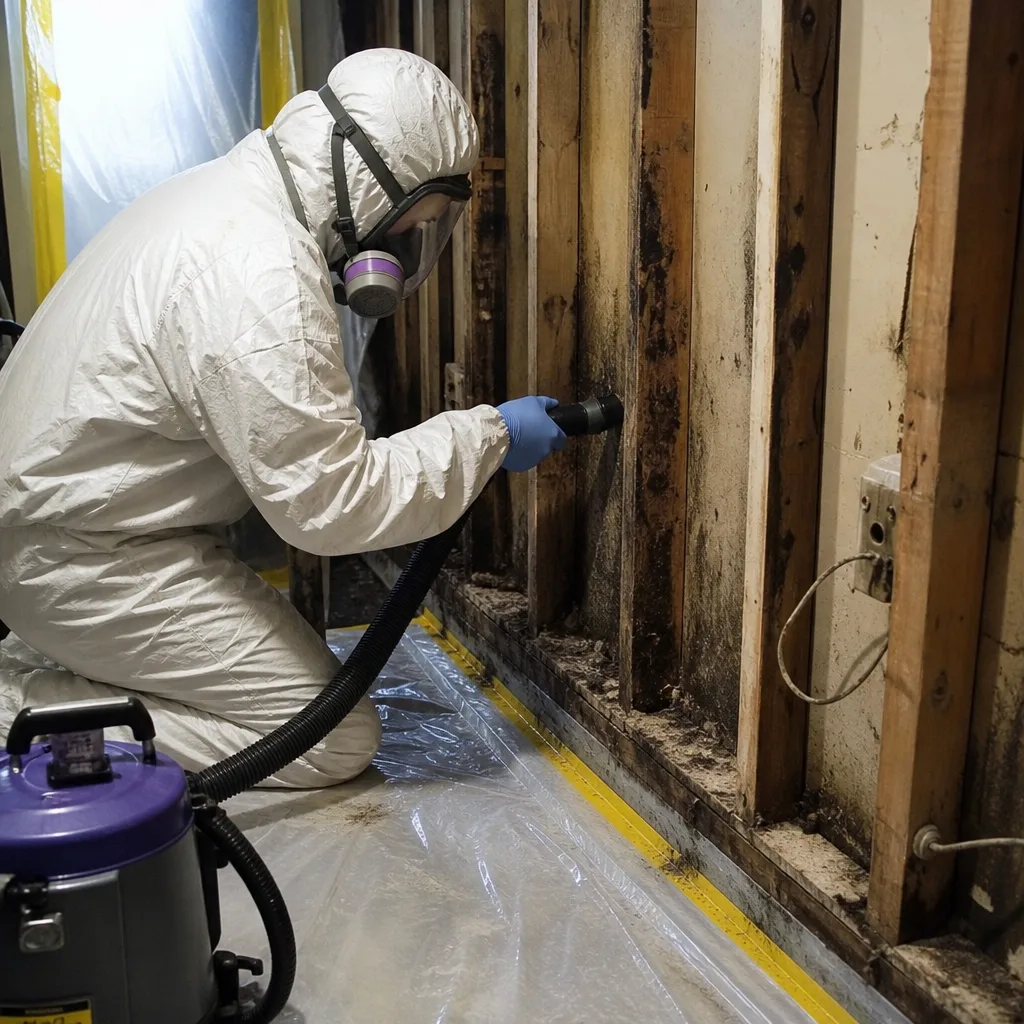
Visible mold growth exceeding 10 square feet, or any mold growth following Category 2 or 3 water damage, requires professional remediation with containment and HEPA filtration per IICRC S520 standards. “Cleaning” without containment spreads spores and creates liability issues. We assess with moisture mapping and air sampling, then provide a written remediation scope with fixed pricing before work begins. Mold Remediation in Forest Hills follows strict documentation protocols for carrier submission.
We provide complete documentation packages - daily drying logs, photo records, written scopes, and material testing - that we submit directly to your adjuster with your authorization. We don’t negotiate settlements (that’s your public adjuster’s role if you engage one), but we do defend our documented scope with technical evidence when carriers question specific line items. Our former-adjuster background means we speak the language adjusters need to hear.
Mitigation invoices cover emergency drying, extraction, and stabilization - billed by equipment and time, typically paid at replacement cost without depreciation. Reconstruction estimates cover rebuilding to pre-loss condition - priced as fixed contracts, often subject to recoverable depreciation and material allowances. Insurers require these as separate claim line items with distinct documentation. We deliver both as separate written prices before work begins, per Haven Standard, Clause 1.
Request the specific deficiency in writing - typically missing additional insured endorsement, insufficient liability limits, or incorrect building corporation name. We maintain standing certificates formatted for major Forest Hills co-op requirements and can reissue within 24 hours for most buildings. Delays beyond this suggest the contractor lacks appropriate coverage, which is a disqualifier regardless of price.
The Bottom Line
Damage restoration in Forest Hills succeeds or fails on documentation. The four phases - mitigation, drying, demolition, reconstruction - each produce distinct deliverables that insurers review with increasing scrutiny. Homeowners who understand these phases, demand written prices before work begins, and verify that daily logs contain equipment serial numbers and psychrometric data protect both their property and their claim. Forest Hills’ co-op requirements, LIRR-adjacent hydrostatic pressure patterns, and NYC regulatory environment reward contractors who document precisely and penalize those who don’t. Choose documentation over reassurance, written scope over verbal promise, and evidence over urgency theater.
Written by Alicia Brennan, Owner at DryMark Restoration Forest Hills, serving Forest Hills since 2011.