
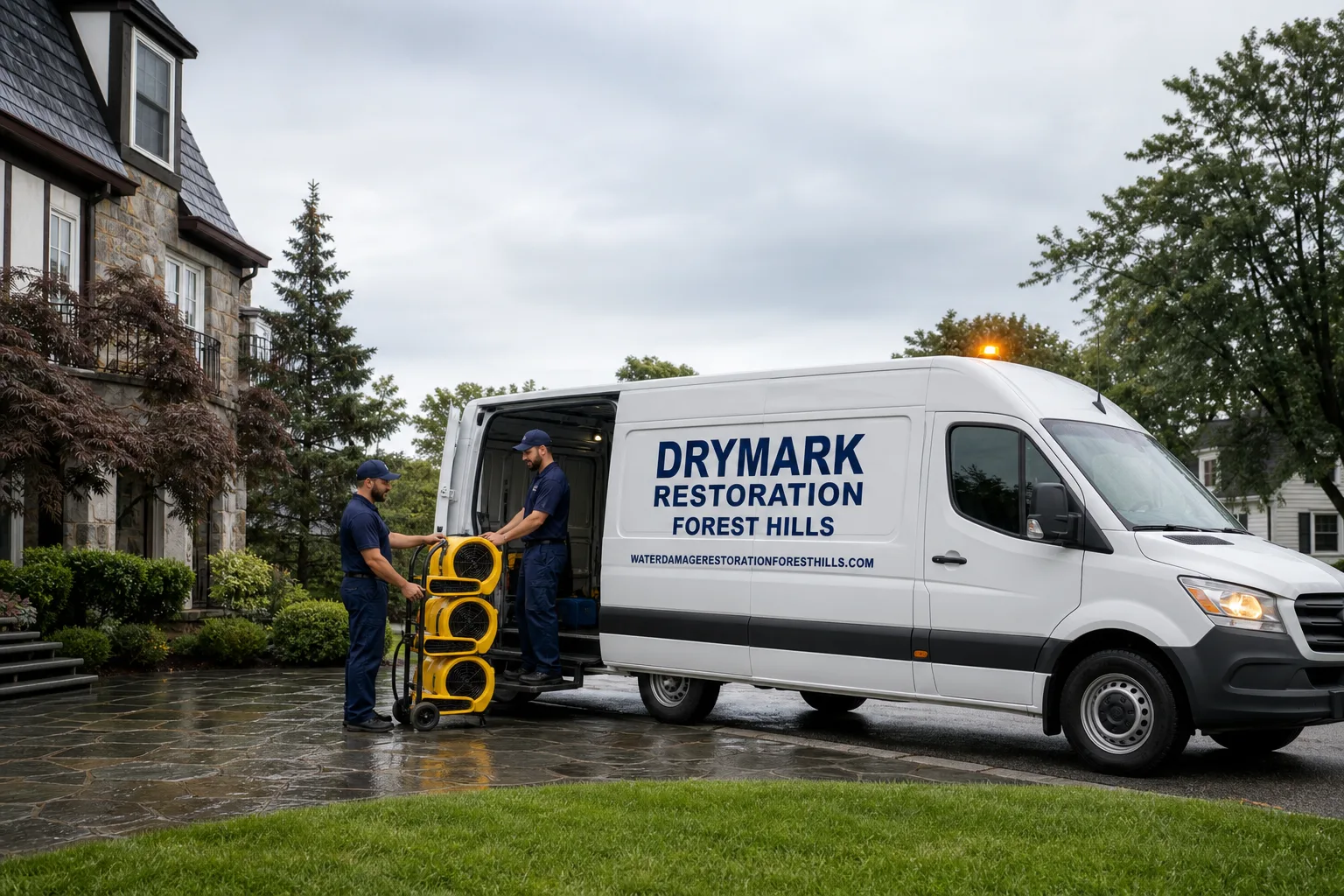
Free visual inspection and a written scope of work before any mitigation begins - photos, moisture readings, and drying logs go in your claim file
The scope we write is the scope we bill. Anything new gets shown to you, in writing, before we touch it.
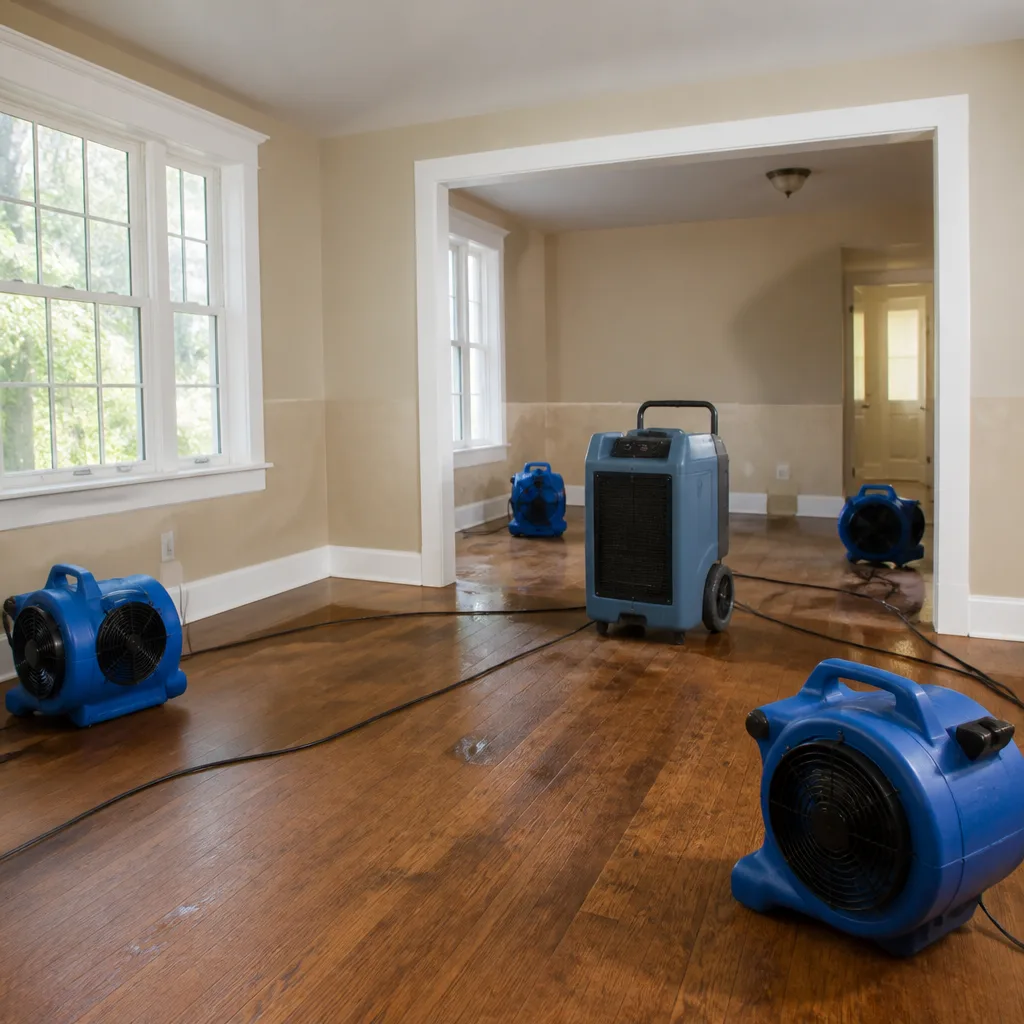
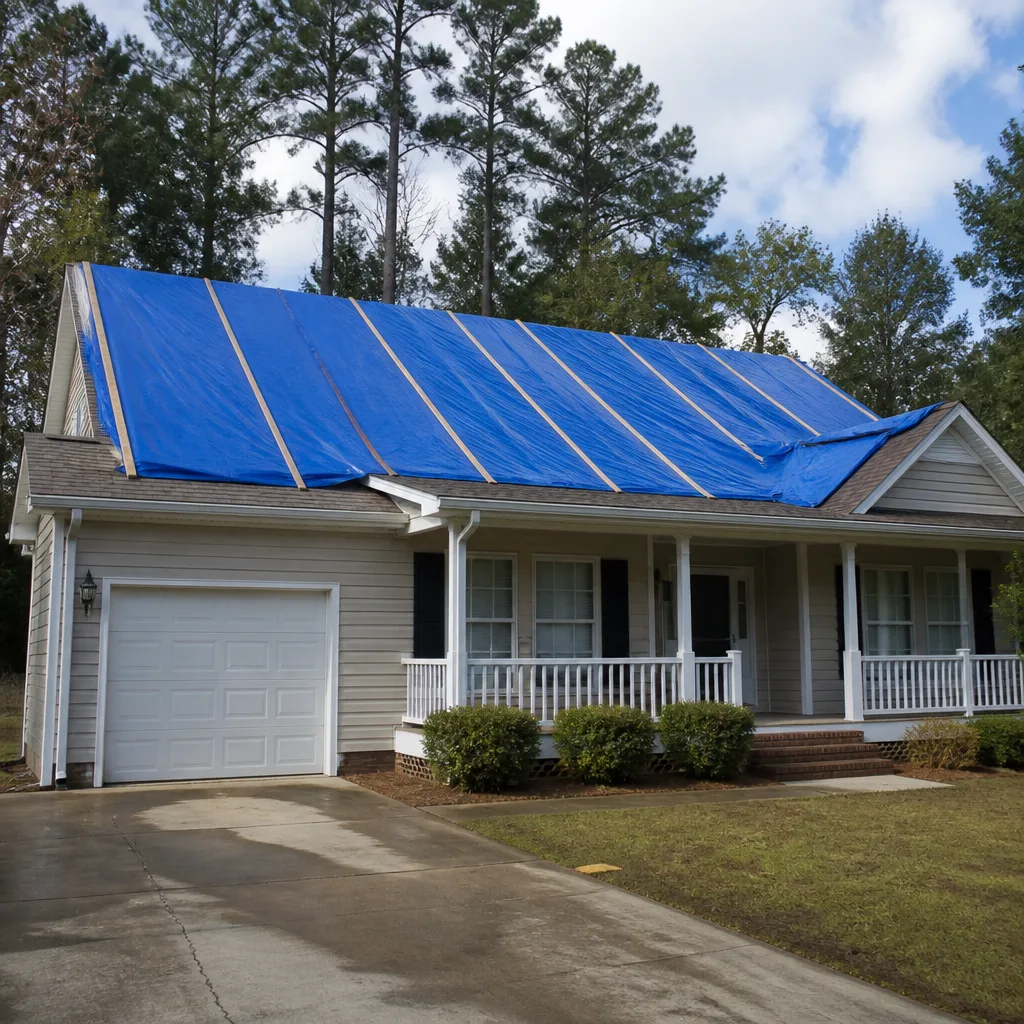
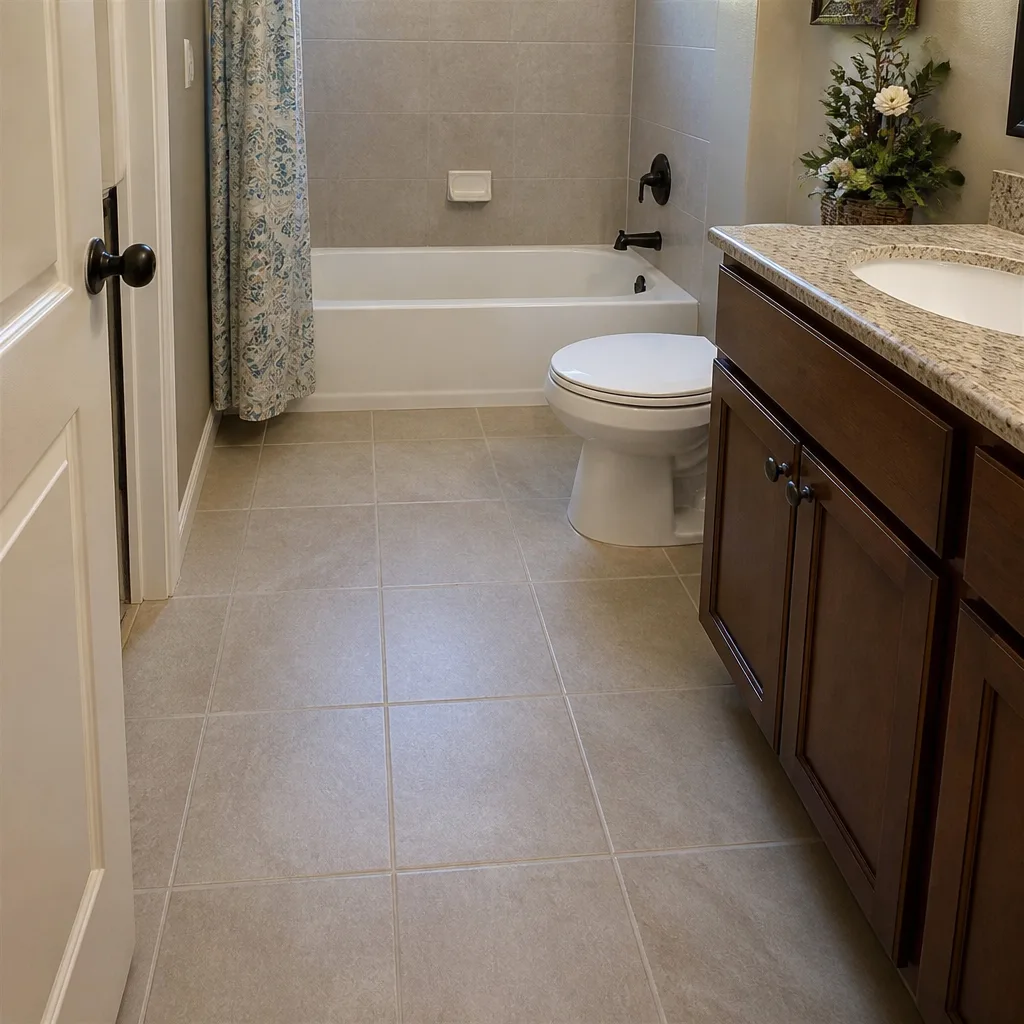
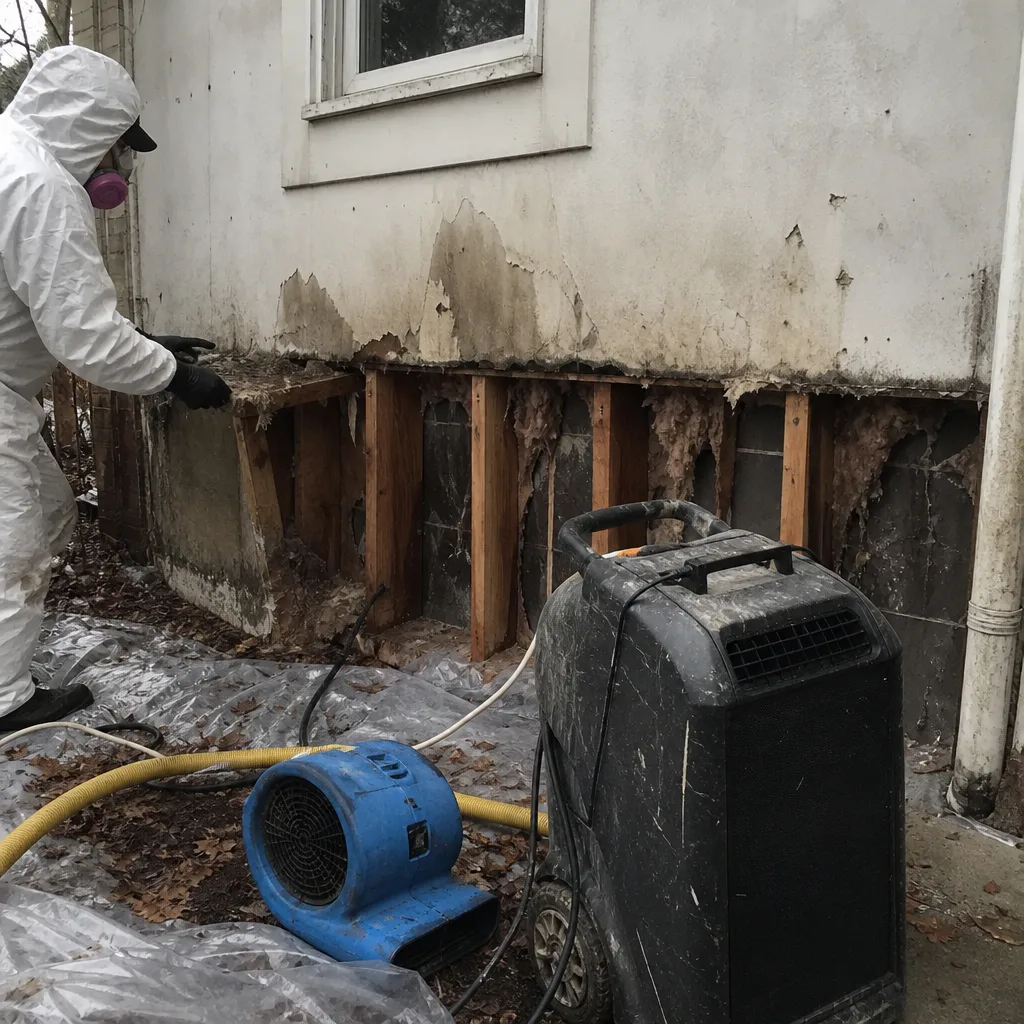 Before
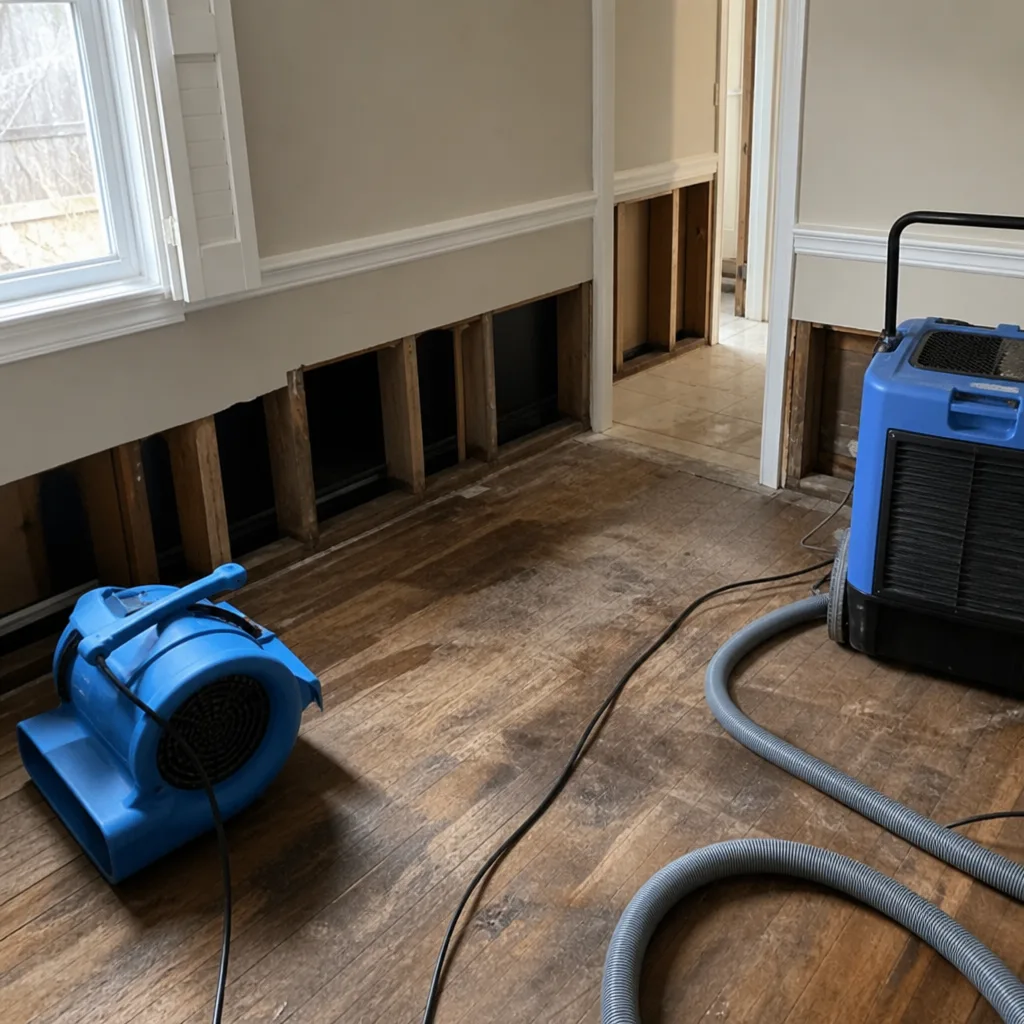 After
After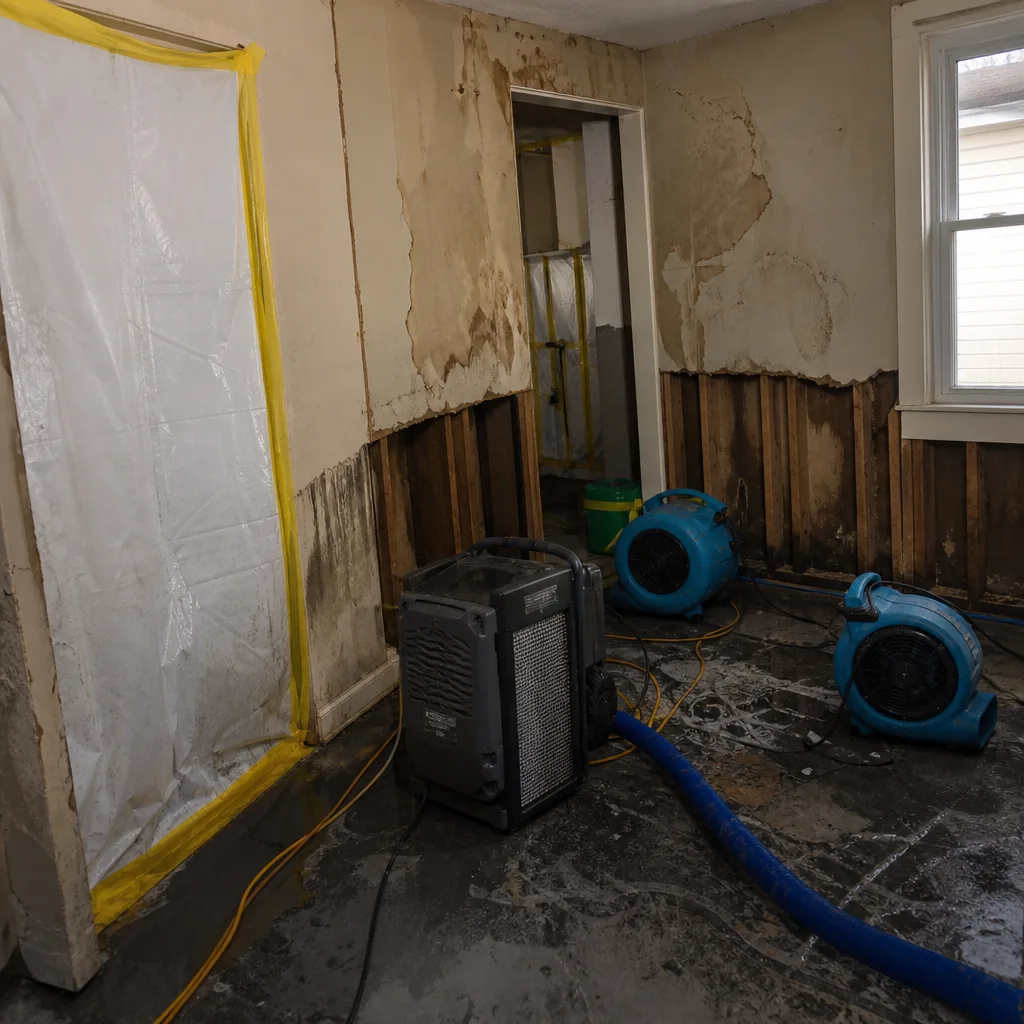 Before
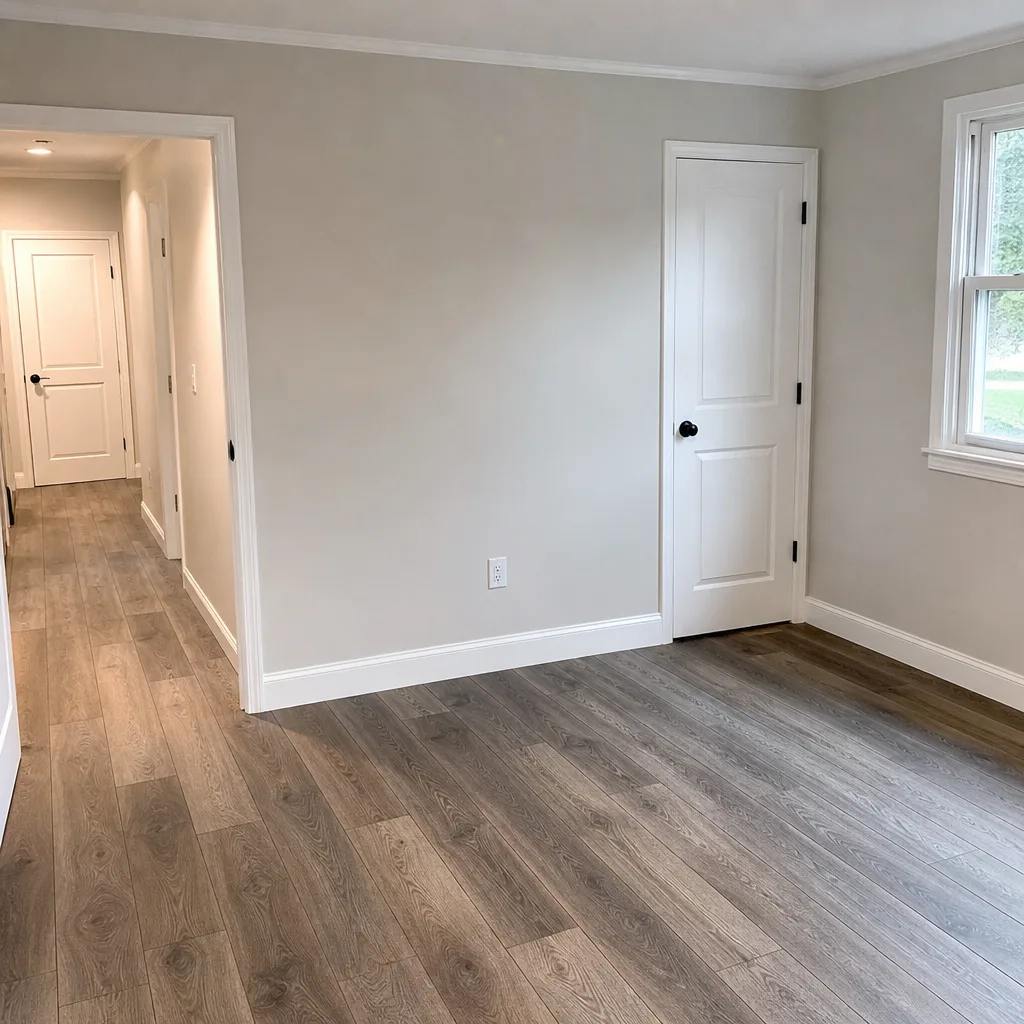 After
After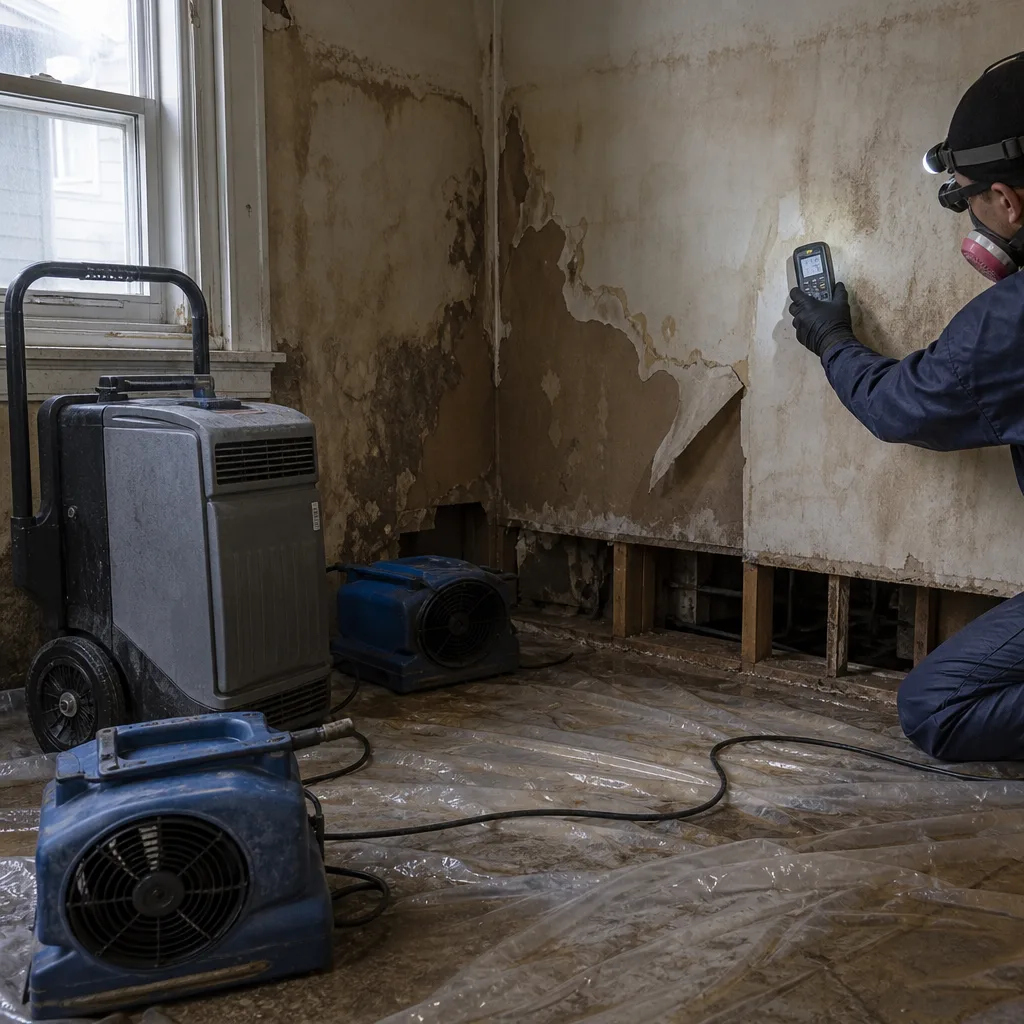 Before
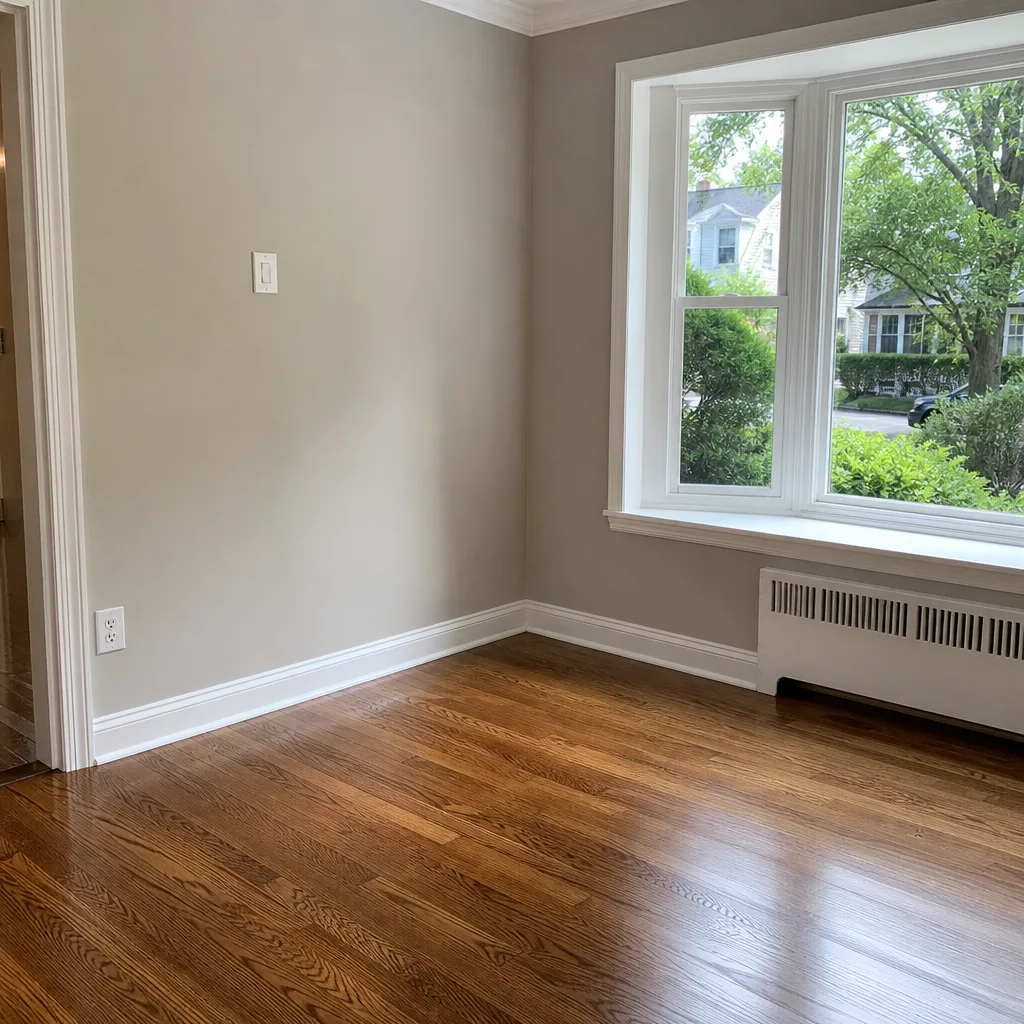 After
AfterTrusted Mold Remediation for Forest Hills Homeowners
Mold Remediation in Forest Hills typically costs between $1,200 and $6,500 depending on the affected square footage, with most single-room jobs falling in the $1,800-$3,400 range. At DryMark Restoration Forest Hills, we provide a written price before any work begins, documented to IICRC standards, and backed by our 365-Day Done Right Promise under The Haven Standard. Call (516) 687-6900 for a free estimate with no obligation.
We’ve restored more than 12,000 homes since Alicia Brennan founded Back to Dry in 2011, and Forest Hills presents a specific mold profile we see repeatedly. The pre-war co-ops along Queens Boulevard, the Tudor-style homes south of Austin Street, and the garden apartments near 108th Street each carry distinct moisture patterns. Older plaster walls with horsehair lath absorb water differently than post-war drywall. Basements in the hilly terrain between Yellowstone Boulevard and Union Turnpike collect groundwater that wicks upward through foundation cracks. We’ve documented each pattern in our drying logs, and we know which building materials respond to which treatment protocols.
Our technicians arrive in uniform, background-checked, with license numbers visible on every written scope. We don’t send day laborers or subcontractors you can’t identify. Every visit produces a photo record, every job starts with a written price, and every customer receives the 365-Day Done Right Promise stamped and signed. Live dispatch answers (516) 687-6900 24 hours a day, 7 days a week. No voicemail trees. No next-business-day callbacks while spores are still colonizing.
What Our Mold Remediation Service Includes
Mold Inspection & Testing
A proper Mold Inspection & Testing in Forest Hills begins with moisture mapping, not guesswork. We use thermal imaging and calibrated moisture meters to locate hidden colonization behind baseboards, inside wall cavities, and beneath flooring where the eye cannot reach. In the garden apartments near 71st Avenue, we’ve found repeated condensation patterns in exterior-facing closets where warm interior air meets cold masonry. Our inspection delivers a written scope with affected square footage, material classifications by trade name, and a line-item price before any remediation begins. Air and surface sampling goes to an independent laboratory when the scope requires definitive species identification for insurance documentation.
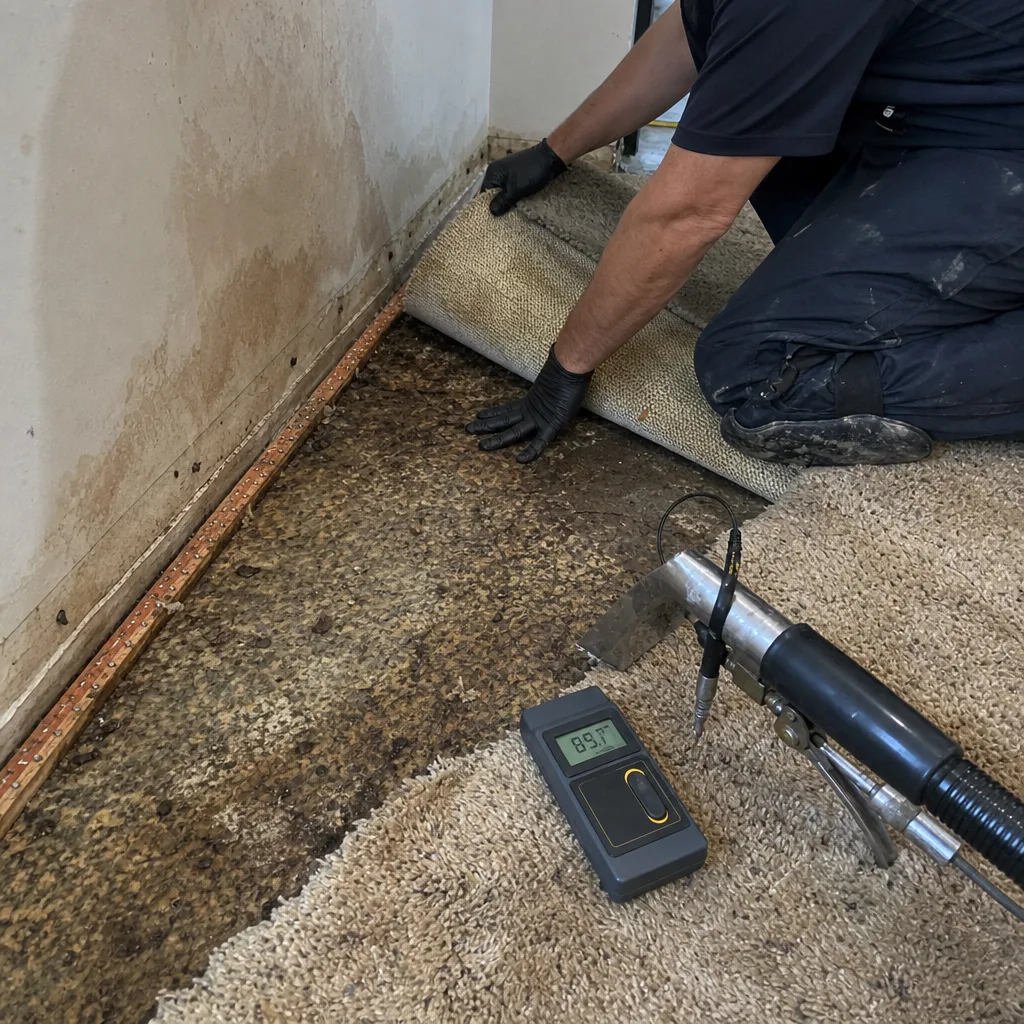
Mold Removal
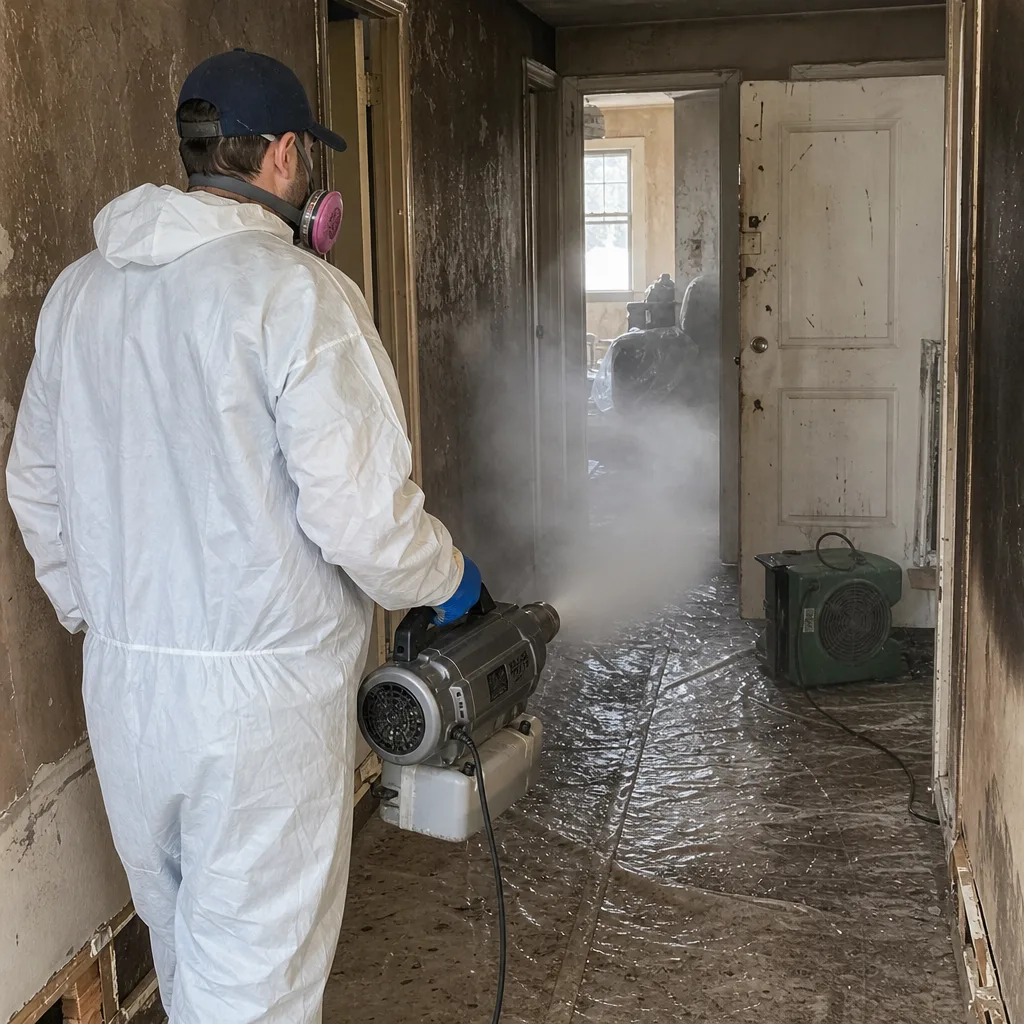
Mold Removal is the physical extraction of colonized materials and the HEPA vacuuming of settled spores from all surfaces in the contained work area. In Forest Hills co-ops with plaster and lath construction, we often remove only the deteriorated finish coat while preserving sound base plaster, a decision that saves thousands compared to full demolition but requires judgment about structural integrity. Our crews build polyethylene containment under negative air pressure using HEPA-filtered scrubbers from Phoenix and XPOWER, preventing cross-contamination to adjacent units. The work is documented with dated photos at setup, during removal, and at completion, with moisture readings recorded on every visit.
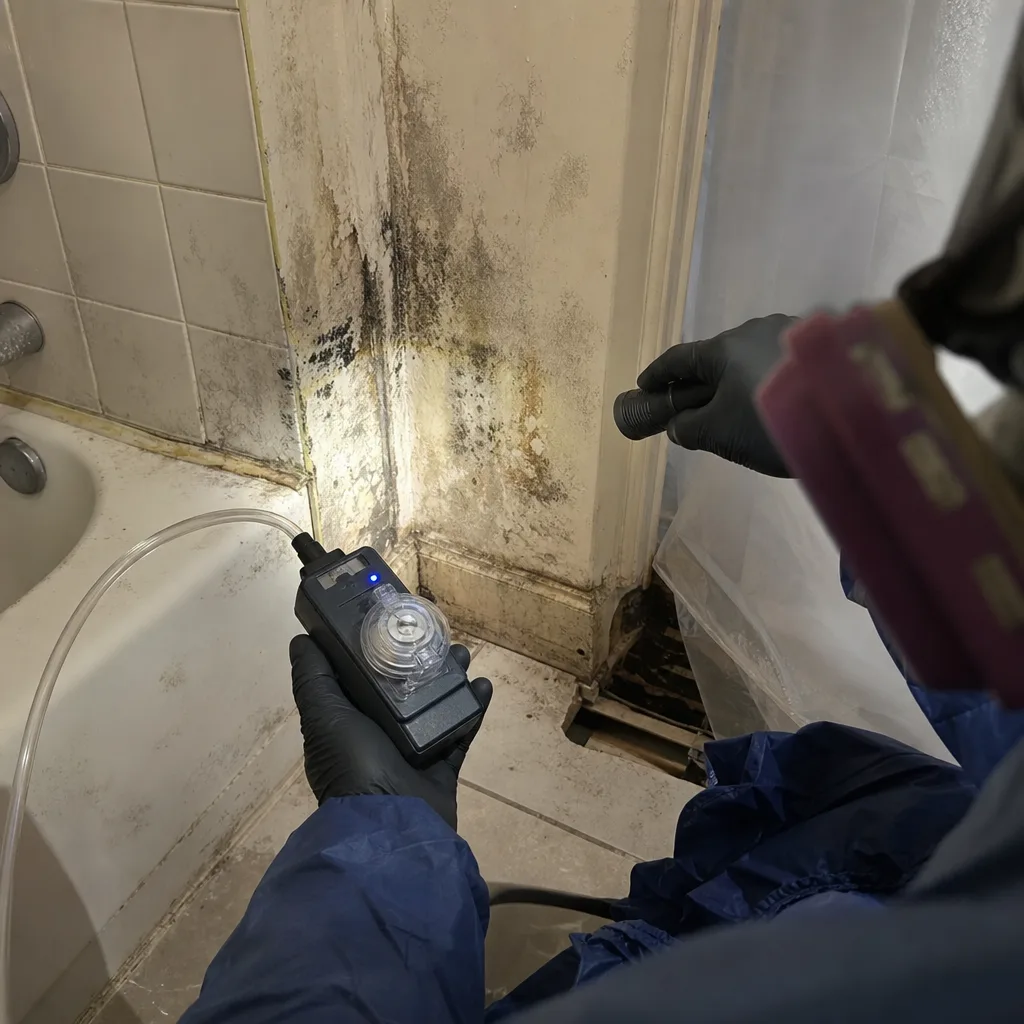
Black Mold Remediation
Black mold, specifically Stachybotrys chartarum, requires the same containment and removal protocols as other toxigenic species, with additional attention to substrate saturation history because this mold demands chronically wet cellulose. In Forest Hills, we encounter it most often in basement utility rooms where washing machine drains have leaked undetected, and in bathroom ceilings below leaking shower pans in pre-war buildings. We do not use scare tactics or unnecessary biocide fogging. The remediation is complete when the moisture source is eliminated, the colonized material is removed, the area is HEPA-cleaned, and post-remediation verification shows airborne spore counts at or below outdoor baseline levels. A written clearance report accompanies every black mold job.
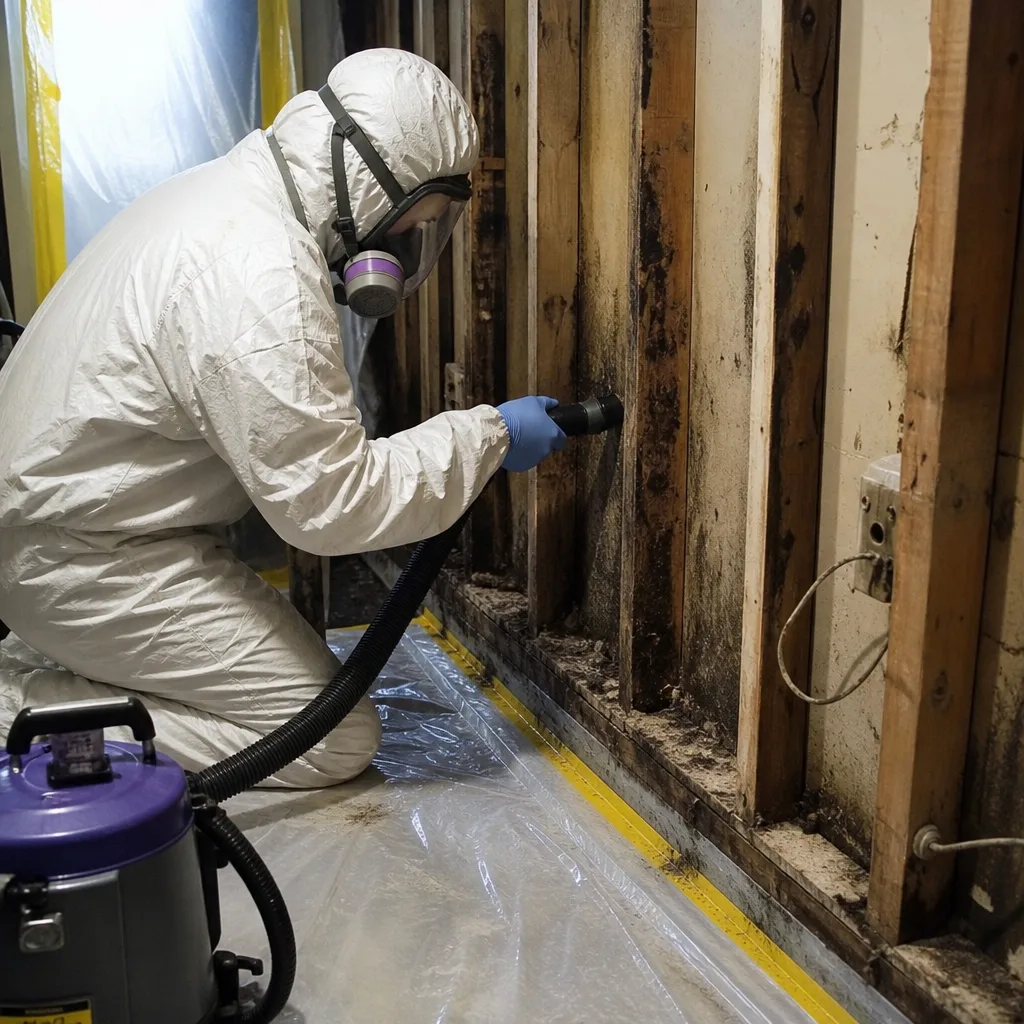
Air Quality Restoration
Air quality restoration returns the breathable environment to acceptable fungal ecology after remediation or independently when mold has affected HVAC distribution. In Forest Hills buildings with shared ductwork, particularly the larger co-ops along Queens Boulevard, spore migration through the ventilation system can establish secondary colonization in rooms never directly water-damaged. We inspect duct interiors with remote cameras, clean mechanically where accessible, and apply appropriate treatments only to surfaces that testing confirms are colonized. Post-restoration air sampling documents that the mechanical system is no longer amplifying and distributing mold spores. The deliverable is a lab report with room-by-room comparisons to outdoor reference samples.
Crawl Space Treatment
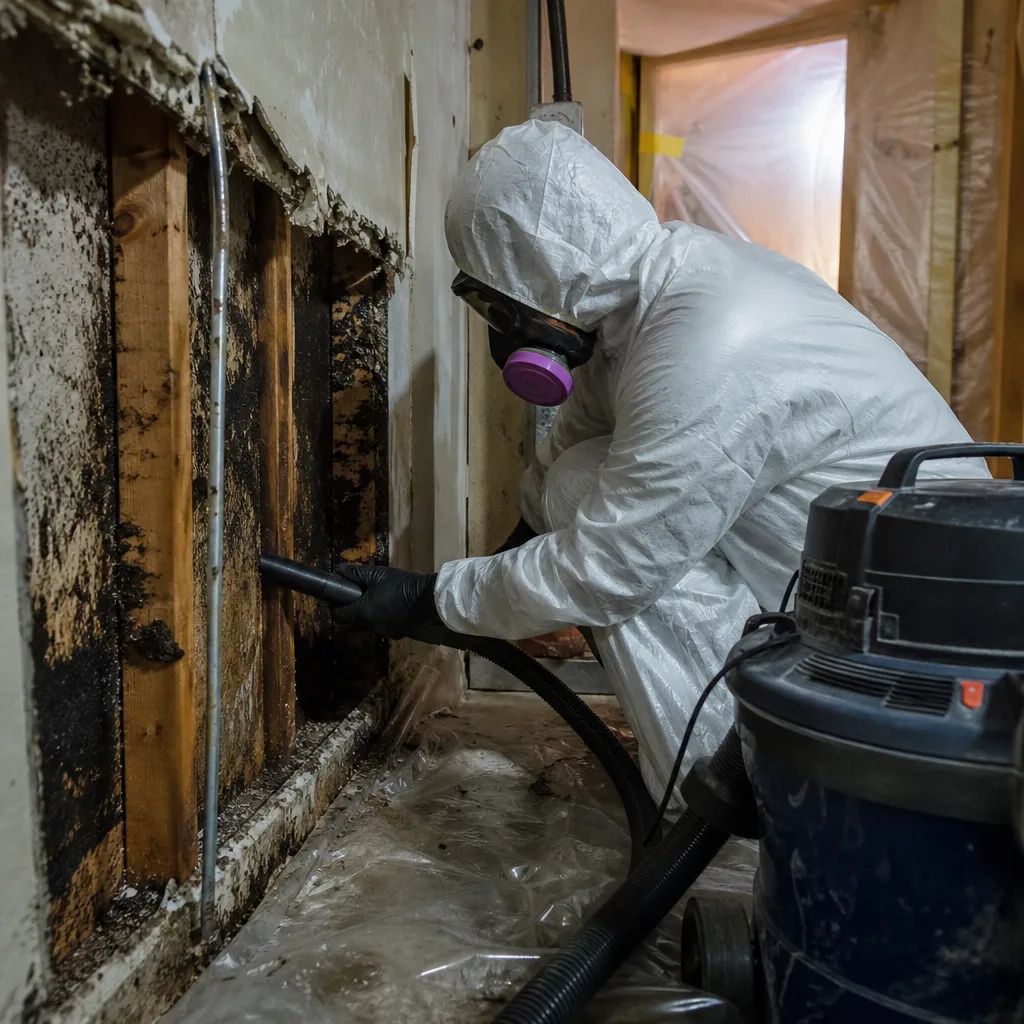
Crawl space treatment addresses the substructure voids common in Forest Hills homes built on the sloping terrain between Metropolitan Avenue and Union Turnpike, where partial basements give way to dirt-floor crawl spaces with inadequate vapor barriers. These spaces develop relative humidity above 70% seasonally, supporting mold on floor joists and subflooring that affects indoor air quality through stack effect. We install sealed vapor barriers over exposed soil, apply closed-cell insulation to foundation walls where appropriate, and deploy dehumidification systems sized to the cubic footage. Our drying logs track vapor pressure differential, the measurable force that drives moisture from soil through the structure, until the space stabilizes below 60% relative humidity.
Moisture & Humidity Control
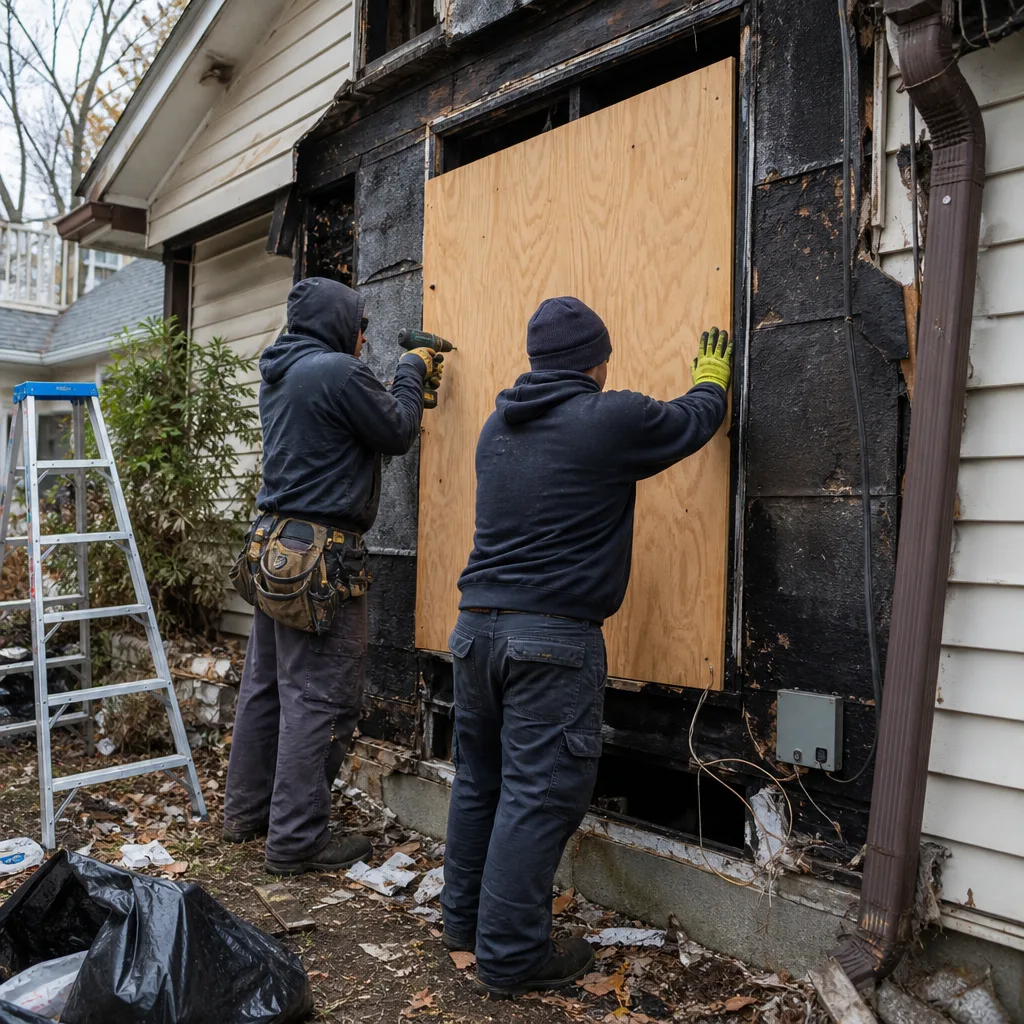
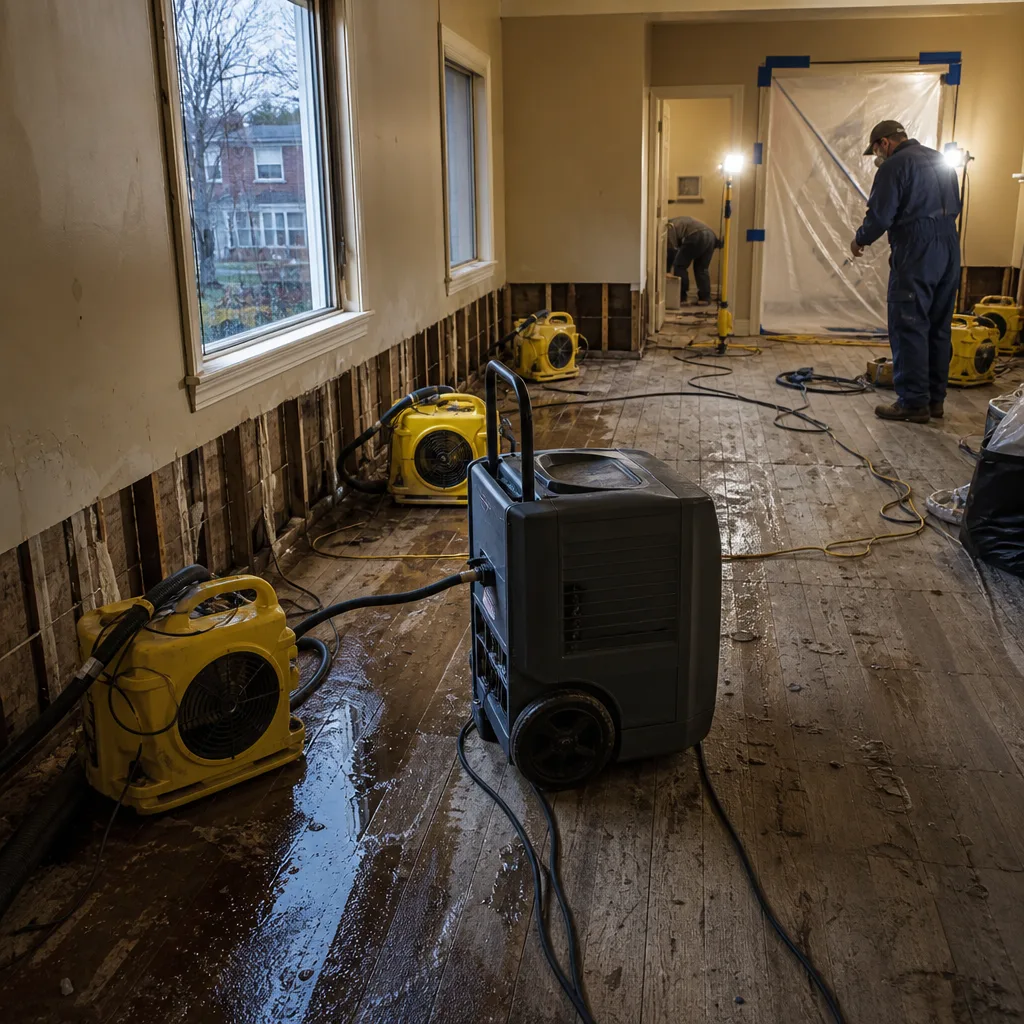
Moisture and humidity control is the preventive discipline that keeps remediation from repeating. After mold removal, we identify the source mechanism: liquid water intrusion, capillary wicking, or airborne vapor condensation. In Forest Hills, we see all three. Groundwater rises through foundation walls during spring thaw. Summer humidity loads overwhelm window air conditioners in top-floor apartments. Bathroom exhaust fans vent into attics instead of outdoors. Our written scope includes source elimination, whether that’s grading correction, a sump pump installation, or simply a properly sized and ducted dehumidifier. We specify equipment by capacity and brand, B-Air or XPOWER units for smaller applications, Phoenix systems for whole-house drying, and we document performance with daily or weekly moisture readings until the environment is stable.
What happens when you call
- 1
A real person answersNo phone trees - you reach a local pro.
- 2
You get an upfront price rangeHonest numbers before anyone is dispatched.
- 3
A background-checked tech heads outLicensed & insured, dispatched right away.
- 4
You approve before work beginsNothing starts until you say go.
Signs You Need Mold Remediation Right Now
- A persistent musty odor that doesn’t resolve with cleaning. This indicates active microbial volatile organic compound production, meaning mold is growing and metabolizing somewhere in the structure. In Forest Hills apartments with sealed windows for winter, residents often notice this first in January when the building is closed tight. The smell localizes near the source, but HVAC circulation can distribute it broadly. If standard cleaning doesn’t eliminate it within 48 hours, hidden colonization is likely.
- Visible discoloration on walls, ceilings, or baseboards that spreads or darkens. What begins as a faint shadow can progress to obvious staining within weeks if moisture continues. In Forest Hills co-ops with plaster construction, water wicks laterally along the lath channels, producing characteristic rectangular stain patterns that follow the wood strips behind. Darkening at the center of a stain indicates active growth; light, uniform discoloration may be historic water damage without current colonization. We distinguish the two with moisture meters and thermal imaging.
- Chronic respiratory symptoms that improve when you leave home. Not all mold-related illness presents dramatically. Persistent congestion, throat irritation, or asthma exacerbation that resolves during work hours or travel suggests an indoor environmental trigger. In Forest Hills, where many residents work in Manhattan and return evenings, this pattern is common but often attributed to seasonal allergies. If symptoms track with time spent at home rather than with pollen counts, mold investigation is warranted.
- Recent water damage that was dried without professional documentation. A burst pipe, overflowed tub, or leaking appliance that was mopped up without moisture mapping almost certainly left residual water in wall cavities or subflooring. In the garden apartments near Yellowstone Boulevard, we’ve found active mold six months after a “minor” kitchen leak because the tenant dried only what was visible. Professional drying requires psychrometric data, the measurement of temperature and relative humidity that determines whether materials are actually dry or merely surface-dry.
- Peeling paint, warping trim, or efflorescence on masonry. These are moisture signatures, not mold itself, but they indicate conditions that support mold within 24-48 hours of water contact. In Forest Hills basements with limestone foundations, efflorescence, the white crystalline deposit of mineral salts, signals ongoing water migration through the wall. Where that migration meets organic material like paper-faced drywall or wood framing, mold follows predictably. Addressing the moisture mechanism prevents the mold; ignoring it guarantees recurrence.
BeforeAfterOur Mold Remediation Process - Step by Step
- 1
Documented Assessment and Written Scope Our technician arrives with moisture meters, thermal imaging camera, and hygrometers to map the affected area. We identify the water source, classify materials by porosity and salvageability, and calculate affected square footage. Within 24 hours, you receive a written scope with line-item pricing, a proposed containment strategy, and a timeline. Haven Standard, Clause 1: the price is fixed before work begins. No additions once the crew is inside.
- 2
Containment and Negative Air Establishment We isolate the work area with 6-mil polyethylene sheeting sealed with painter’s tape and negative air machines equipped with HEPA filtration. The containment prevents spore migration to clean areas during demolition. Air scrubbers from Phoenix or XPOWER maintain negative pressure relative to adjacent spaces, verified with manometer readings documented in the job file. In Forest Hills co-ops, we coordinate with building management on hallway protection and egress paths.
- 3
Controlled Demolition and Material Removal Colonized porous materials, drywall, insulation, ceiling tiles, carpet cushion, are removed and bagged within the containment. Non-porous materials, tile, metal, sealed wood, are HEPA-vacuumed and cleaned with appropriate antimicrobial agents. We minimize demolition to what is necessary, preserving original plaster in Forest Hills pre-war homes when moisture readings confirm it is dry and structurally sound. Every bag is sealed, labeled, and disposed of per New York State solid waste regulations.
- 4
HEPA Cleaning and Surface Treatment All surfaces within the containment receive sequential HEPA vacuuming and damp wiping to remove settled spores released during demolition. We do not fog biocides into clean air as a substitute for physical removal. The cleaning is verified with ATP bioluminescence testing or surface sampling, depending on the scope requirements. Drying equipment, B-Air or Phoenix dehumidifiers with Injectidry drying systems for cavities, runs until moisture content readings stabilize within acceptable ranges for the material type.
- 5
Post-Remediation Verification and Documentation Before containment is removed, we conduct visual inspection, moisture measurement, and air sampling to confirm the environment meets clearance criteria. The deliverable includes dated photos, the drying log with psychrometric data, laboratory results if sampling was performed, and the signed 365-Day Done Right Promise. This documentation package is what transforms a restoration invoice into a claim an insurer pays without dispute. We also provide a written moisture management plan to prevent recurrence.
How Much Does Mold Remediation Cost in Forest Hills?
Mold remediation pricing in Forest Hills follows the scope, not the scare-see our Mold Remediation cost guide for typical ranges. A contained single-room removal with limited demolition typically runs $1,800-$3,400. Whole-basement treatments with vapor barrier installation and dehumidification range $4,500-$6,500. Crawl space encapsulation on sloped Forest Hills lots starts around $3,200 and increases with accessibility constraints and square footage. Air quality restoration with duct cleaning and post-verification sampling falls between $2,400 and $4,800 depending on system complexity.
| Scenario | Typical Range | Primary Cost Drivers |
|---|---|---|
| Single room, limited demolition | $1,800 - $3,400 | Square footage, material type, containment complexity |
| Basement with moisture control | $4,500 - $6,500 | Foundation access, sump pump needs, dehumidifier capacity |
| Crawl space encapsulation | $3,200 - $5,800 | Soil condition, clearance height, vapor barrier grade |
| Air quality / HVAC restoration | $2,400 - $4,800 | Duct accessibility, register count, sampling scope |
| Black mold (Stachybotrys) remediation | $2,800 - $5,200 | Substrate saturation extent, containment tiers, clearance testing |
What moves the price: affected square footage, the accessibility of the colonized area, whether plaster or drywall must be removed, and whether the moisture source requires simultaneous correction. What does not move the price: once Haven Standard, Clause 1 fixes the written scope, that scope does not expand without a new written agreement. We have reviewed competitor estimates for Forest Hills homeowners who were quoted $8,000 for work we scoped at $2,400 with identical containment and removal protocols. Our Free Second Opinion on any written estimate exists precisely for this discrepancy.
Every estimate includes the inspection, the written scope with line-item pricing, the photo record on every visit, the drying log, and the 365-Day Done Right Promise. There is no separate charge for documentation that other companies treat as an upsell. Call (516) 687-6900 for a written estimate at no charge.
Mold Remediation Near Forest Hills - Our Service Area
We respond to mold calls throughout central and eastern Queens with the same documentation standards. From Mold Remediation in Forest Hills, typical drive time to Mold Remediation in Middle Village is under 15 minutes. Mold Remediation in Elmhurst and Jackson Heights share the pre-war building stock and similar plaster-wall mold profiles we document routinely. Jamaica, Flushing, and Fresh Meadows present larger multi-family structures with more complex HVAC distribution. Ozone Park and Howard Beach see crawl space and basement moisture issues from high water tables. Maspeth, Woodside, and Bushwick round out our primary response zone. We do not charge travel fees within this service area, and we schedule non-emergency inspections within 48 hours of contact.
Serving Forest Hills, NY - Our Local Coverage Area
We’re based in the Forest Hills area and know this community well. Use the map below to see our service coverage - if you’re nearby, we can almost certainly help.
Frequently Asked Questions - Mold Remediation in Forest Hills
Mold remediation is the complete process of containing, removing, and verifying the elimination of mold growth, including correction of the moisture source that enabled it. Mold cleaning, by contrast, typically addresses only visible surface growth without containment, source elimination, or post-verification, which allows hidden colonization to continue and spores to redistribute. At DryMark Restoration Forest Hills, remediation includes the written scope, the photo record, the drying log, and the signed 365-Day Done Right Promise under The Haven Standard. Call (516) 687-6900 for a written estimate.
Most single-room mold remediation projects in Forest Hills are completed in 3-5 business days, with drying equipment remaining in place for 48-72 hours after physical removal to ensure moisture stabilization. Larger basement or crawl space projects extend to 7-10 days, and whole-house air quality restoration with duct cleaning may require 2 weeks including laboratory turnaround for clearance sampling. We provide a specific timeline in the written scope before work begins, and we do not remove drying equipment until moisture readings confirm materials are dry, not merely surface-dry. Call (516) 687-6900 to schedule an assessment with timeline.
A typical contained mold removal in Forest Hills runs $1,800-$3,400, with whole-basement treatments at $4,500-$6,500 and crawl space encapsulation starting at $3,200. The final price depends on affected square footage, material type, accessibility, and whether moisture source correction is included in the scope. Haven Standard, Clause 1 requires a written, line-item price before any work begins, with no additions once the crew is inside. We also provide a Free Second Opinion on any competitor’s written estimate. Call (516) 687-6900 for your specific quote.
We deploy professional-grade drying systems from Phoenix, XPOWER, B-Air, and Injectidry on mold remediation jobs throughout Forest Hills, and our technicians are trained in the specific operation, maintenance, and diagnostic protocols for each brand. Phoenix dehumidifiers handle large-capacity whole-house drying, XPOWER and B-Air units serve confined spaces and targeted applications, and Injectidry systems deliver controlled airflow into wall cavities and subfloors without destructive demolition. Whether your project requires one brand or a combined deployment, we size and document equipment to IICRC standards. Call (516) 687-6900 to discuss your specific drying needs.
Active water intrusion with visible mold growth requires same-day response to prevent structural damage and limit colonization spread, and our live dispatch at (516) 687-6900 answers 24 hours a day, 7 days a week for these situations. Established mold without active water can typically be assessed within 24-48 hours without additional damage. We do not manufacture urgency for established colonization, but we do prioritize calls where moisture is still migrating. The written scope will specify whether same-day containment is required or whether scheduled remediation is appropriate.
Every mold remediation job is covered by our 365-Day Done Right Promise under The Haven Standard: if the treated area shows recurrence of mold growth due to our workmanship or incomplete source elimination, we return to correct it at no charge. This is a written, signed guarantee, not a verbal assurance, and it is stamped on every job file. The warranty requires that the customer maintain the moisture management plan we provide, including any specified dehumidification or ventilation measures. Call (516) 687-6900 for warranty terms in writing.
Gather any documentation of the water damage history, including dates, photos, and previous repair invoices, and ensure access to the affected area and any adjacent utility spaces. Do not attempt to clean or disturb visible mold before our assessment, as this can release spores and complicate containment planning. If you have a competitor’s written estimate, bring it for our Free Second Opinion review at no charge. We will conduct the inspection, explain our findings with moisture readings and thermal images, and deliver a written scope with line-item pricing within 24 hours. Call (516) 687-6900 to schedule.
Schedule Your Mold Remediation Service in Forest Hills Today
Call (516) 687-6900 to speak with a live dispatcher 24 hours a day, 7 days a week. We’ll schedule your free assessment, deliver a written price before any work begins under Haven Standard, Clause 1, and provide the documented photo record, drying log, and signed 365-Day Done Right Promise that turns your restoration into a payable claim. No obligation. No scope creep. Just evidence.
Written by Alicia Brennan, Owner at Back to Dry Restoration, serving Forest Hills since 2011.