
Last updated September 23, 2026
Free visual inspection and a written scope of work before any mitigation begins - photos, moisture readings, and drying logs go in your claim file
The scope we write is the scope we bill. Anything new gets shown to you, in writing, before we touch it.
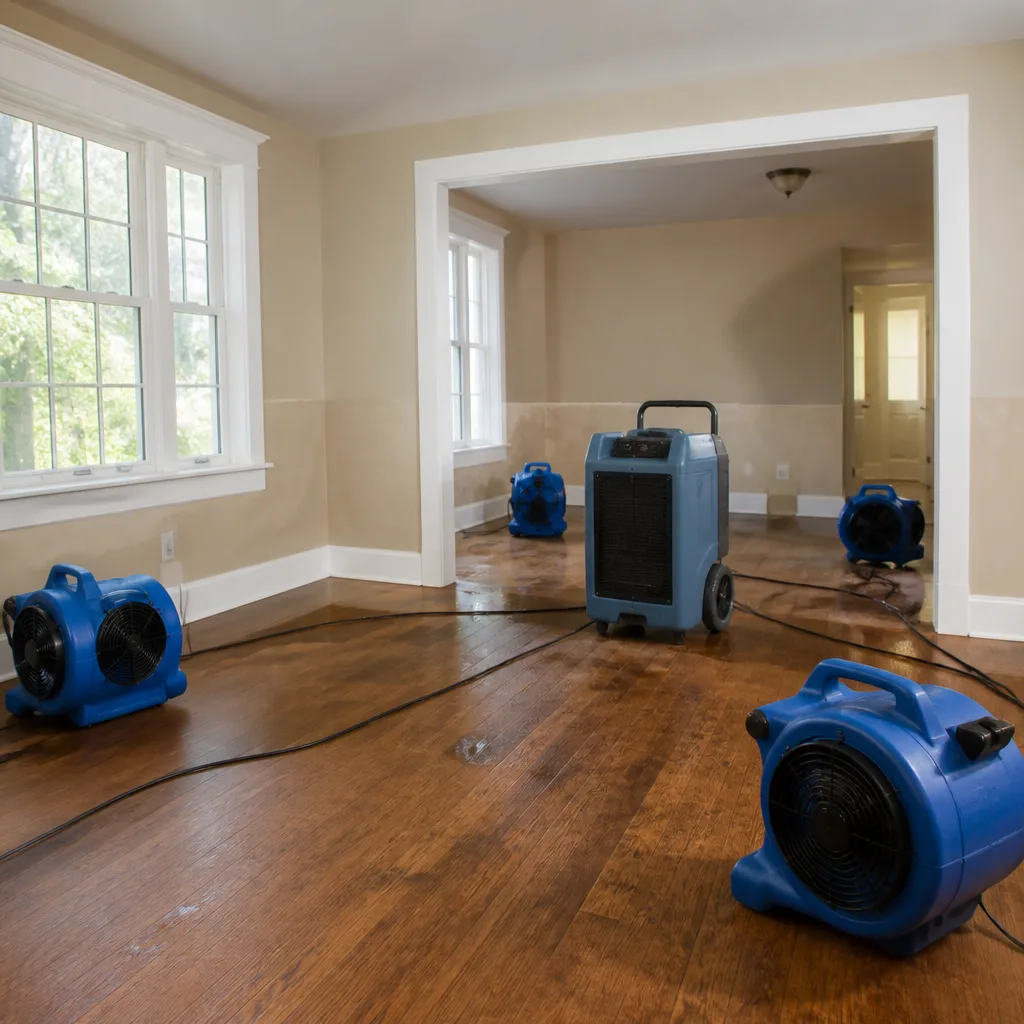
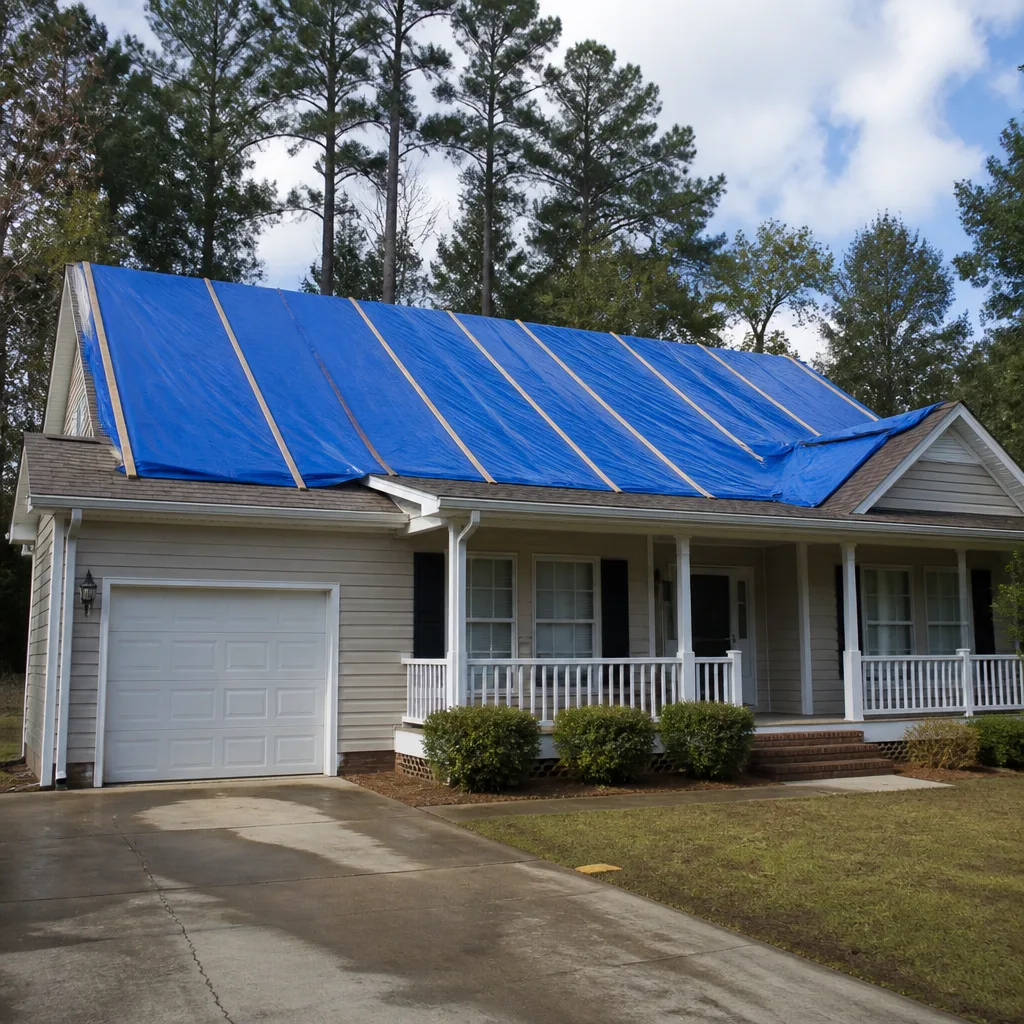
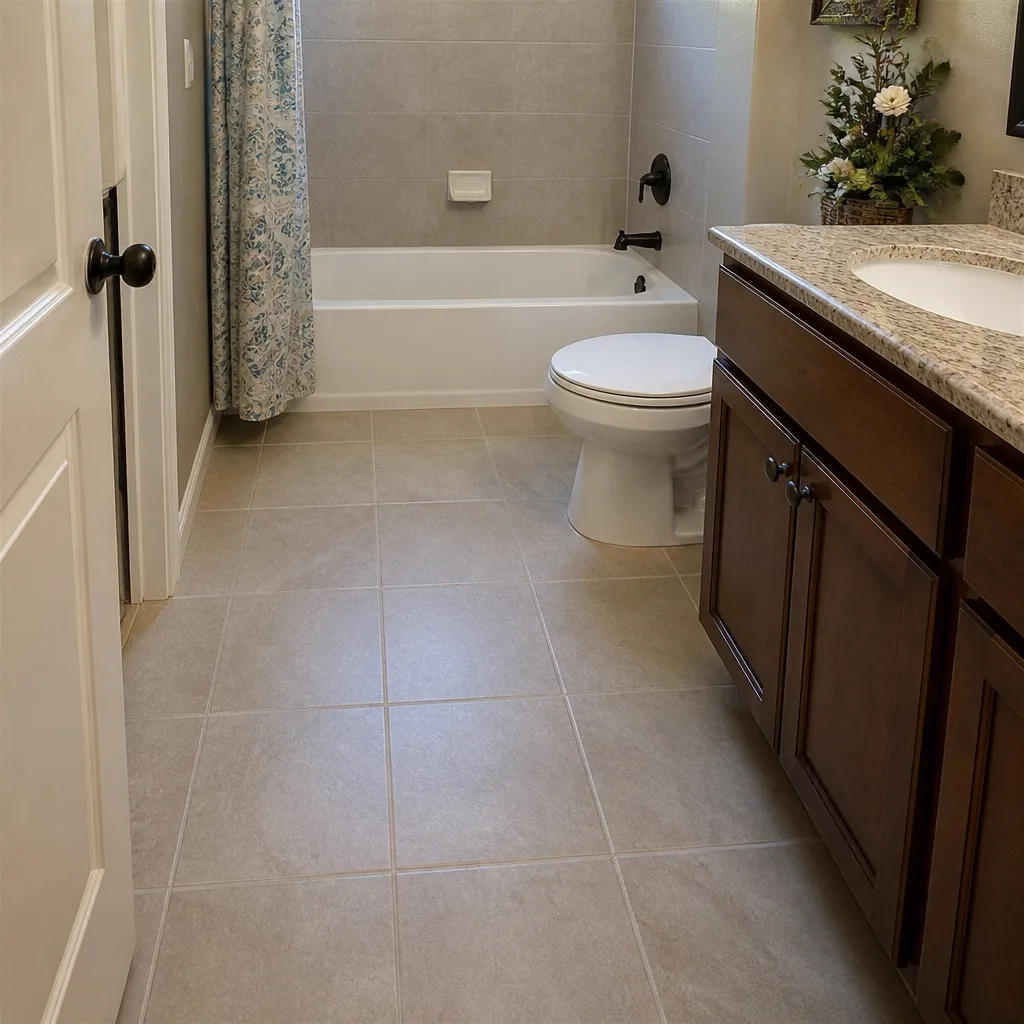
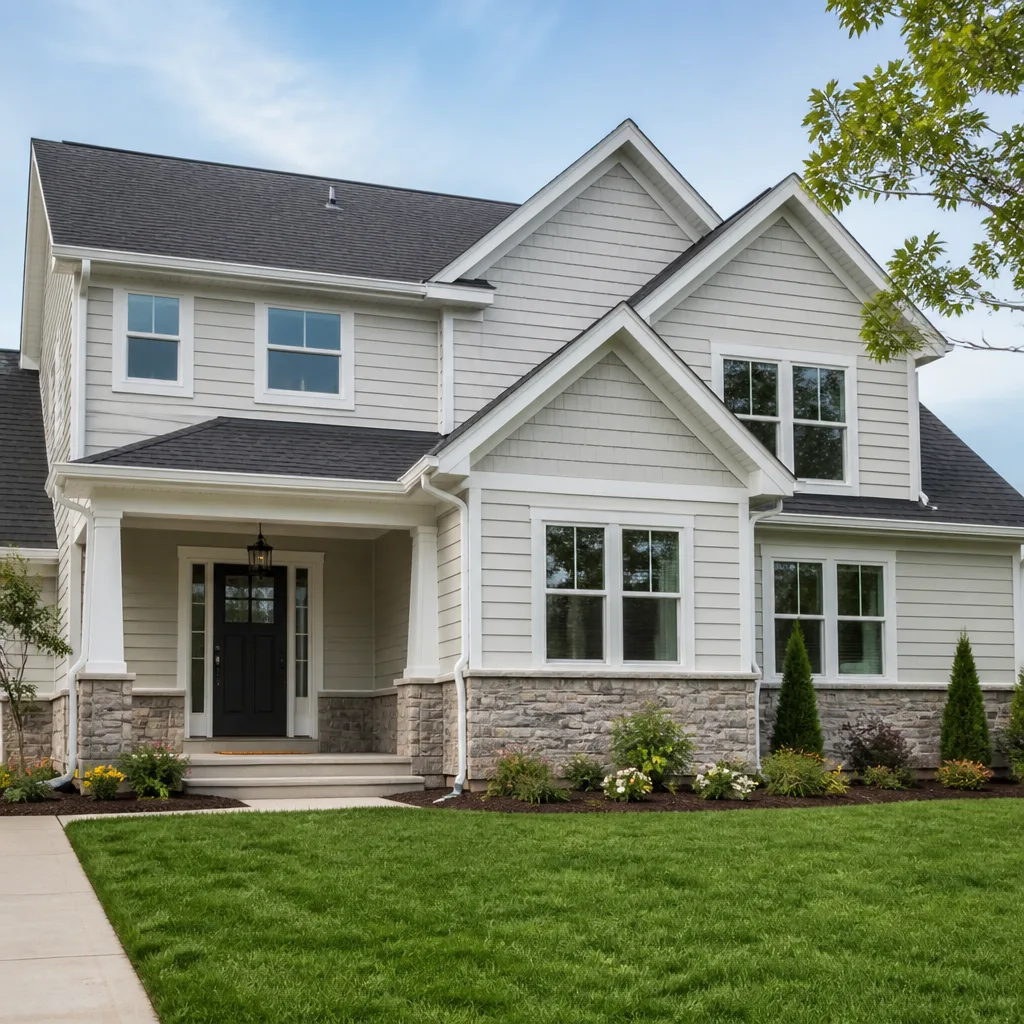
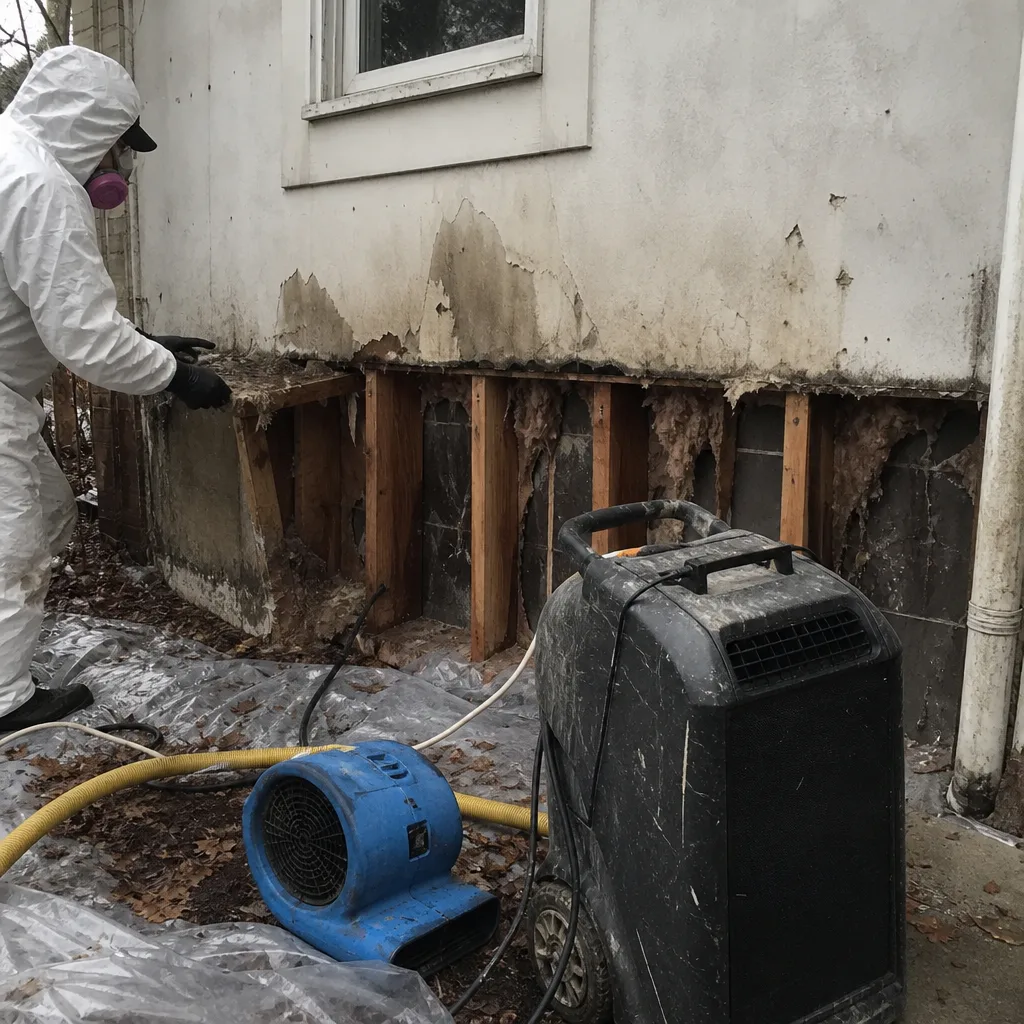 Before
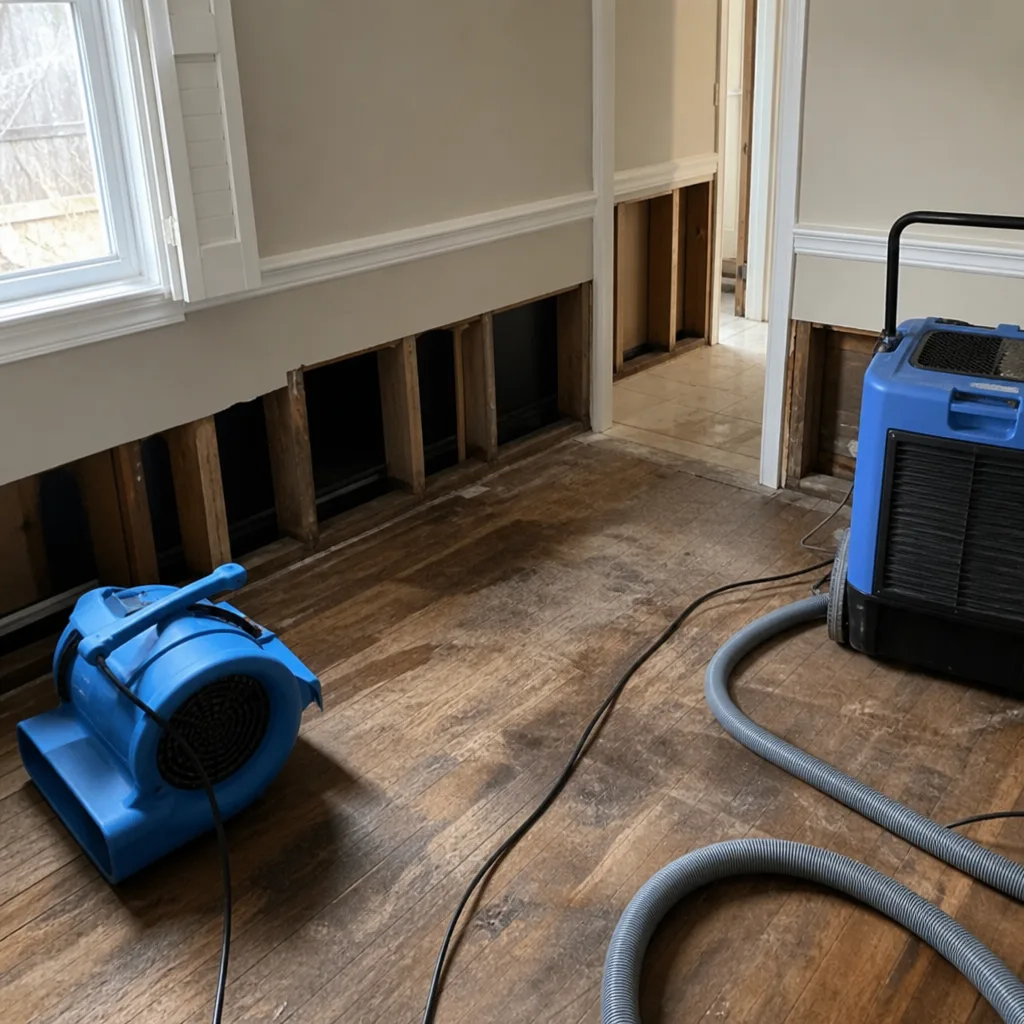 After
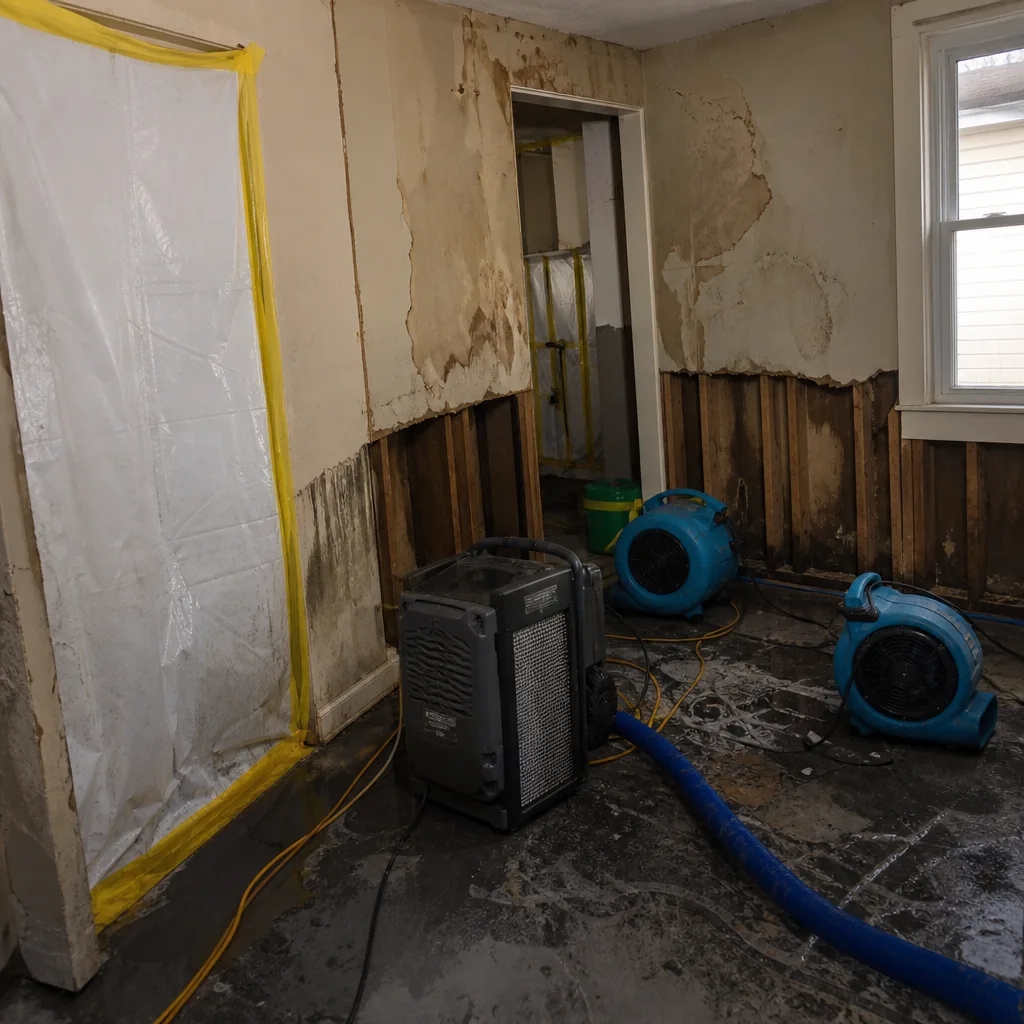 Before
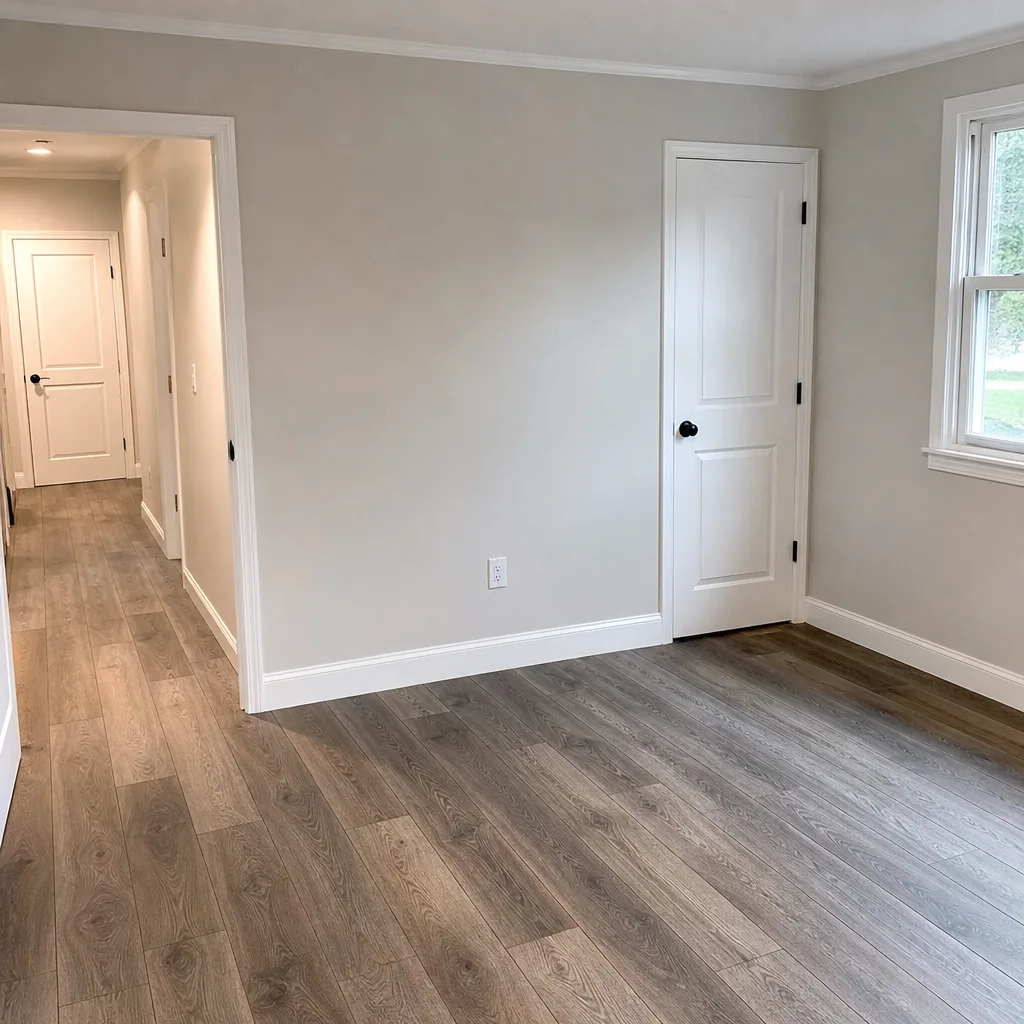 After
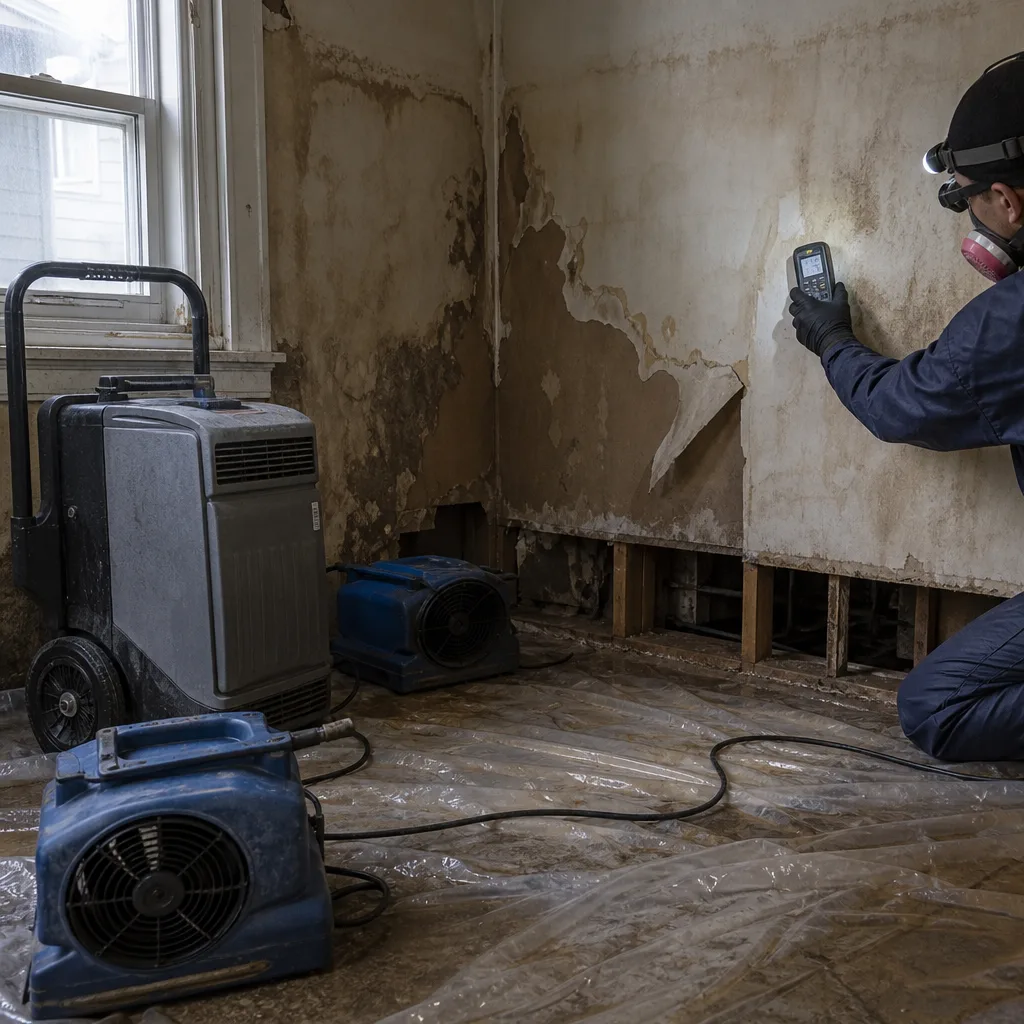 Before
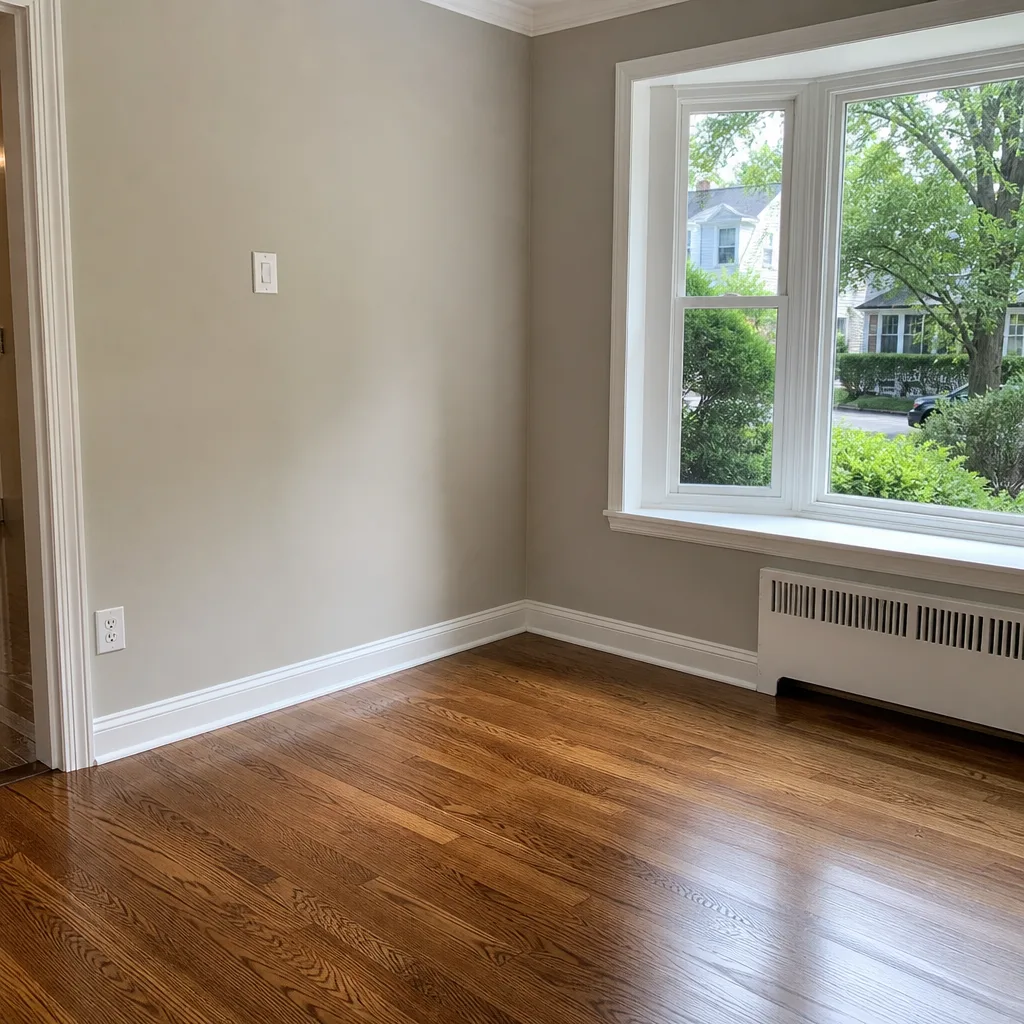 After
Damage Restoration Cost Breakdown: The Forest Hills Homeowner’s Reference for 2026
Xactimate prices drywall removal in Forest Hills at $2.84 to $4.16 per square foot, assuming Class II labor and a 2-ton dumpster allowance. Yet we’ve reviewed competitor estimates that invoice “Kitchen demo: $3,200” with no square footage, no material classification, and no equipment documentation. The adjuster downgraded that line to $1,847 automatically. The homeowner paid the gap. This guide-along with our Damage Restoration Warning Signs: A Forest Hills Homeowner’s Reference Guide-deconstructs what each line item on a Forest Hills restoration estimate should specify, so you can verify that your contractor’s pricing will survive adjuster scrutiny before anyone starts work. A number without a unit of measure is not a price; it’s a guess.
Quick Answer
Water damage restoration in Forest Hills, NY in 2026 typically runs $3,200 to $8,500 for a standard residential drying job, with full reconstruction adding $12,000 to $35,000 depending on finish level. The single biggest cause of insurance underpayment is not the total amount, it’s vague line-item descriptions that adjusters cannot cross-reference to Xactimate. Every legitimate invoice should specify units of measure, labor classifications, equipment make and model with AHAM-rated capacity, and daily psychrometric readings.
Table of Contents
- How Xactimate Line Items Work (And Why Your Contractor Should Reference Them)
- The Four Cost Categories of Every Restoration Invoice
- 2026 Forest Hills Pricing by Unit of Measure
- The Six Most Commonly Underpaid Line Items in Queens Claims
- Equipment Documentation: The Documentation That Saves Claims
- The Homeowner Invoice Review Checklist
- Common Mistakes to Avoid
- When to Call a Professional
- Frequently Asked Questions
BeforeAfterHow Xactimate Line Items Work (And Why Your Contractor Should Reference Them)
Most major carriers use Xactimate, an estimating platform maintained by Verisk, to price restoration claims. The software contains thousands of line-item codes, each tied to a specific unit of measure, labor class, and material specification. When a contractor submits an invoice with proprietary descriptions like “wet bar removal” or “dehumidifier service,” the adjuster cannot match it to a Xactimate code. The result is automatic downgrading to a lower-cost line or outright rejection.
Here’s how this plays out in Forest Hills. A pre-war co-op on Yellowstone Boulevard suffers a pipe rupture in a plaster-and-lath bathroom wall. A contractor invoices “Wall demo and haul: $4,500.” The adjuster sees no Xactimate code, no square footage, no plaster classification. They apply WTR WALL (water damage, wall removal) at $2.84 per square foot for 120 square feet of standard drywall, totaling $340.80. The remaining $4,159.20 becomes the homeowner’s responsibility unless they can document why plaster-and-lath removal with asbestos testing and Queens-specific disposal rates justifies a different code.
The fix is simple but rarely practiced. The estimate should read: “WTR WALLP (plaster and lath removal): 120 SF @ $8.50/SF = $1,020. DMO DUMP (debris disposal, plaster): 2.4 tons @ $185/ton = $444. INSP ASB (asbestos inspection, NYC DOB requirement): $350.” Each line references a Xactimate code or a documented local requirement. The adjuster can verify every figure.
We write every Water Damage Restoration in Forest Hills estimate this way. Haven Standard, Clause 1 requires a written price before work begins, and that price must be defensible. A price that cannot be defended is not a price; it’s a liability.
What to Look For on Your Estimate
- Line items begin with Xactimate codes (WTR, DMO, CLN, RFG, etc.) or explicit local code references
- Every quantity has a unit of measure: SF (square feet), LF (linear feet), CY (cubic yards), EA (each), HR (hours)
- Labor classifications are specified: Class I (unskilled), Class II (skilled), Class III (specialty)
- Material specifications include trade names and grades, not generic descriptions
- Overhead and profit are listed separately, not buried in line-item markups
The Four Cost Categories of Every Restoration Invoice
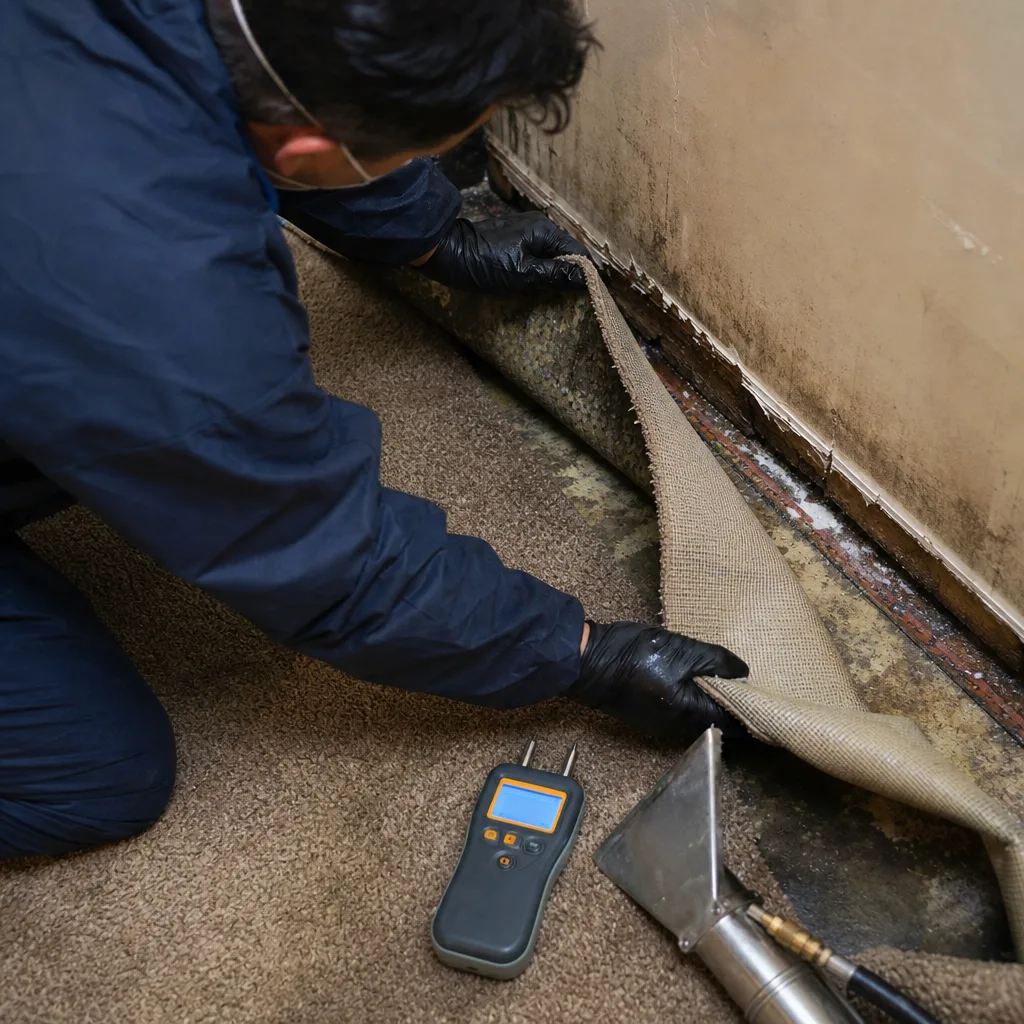
Every restoration invoice, whether for water damage, fire damage, or mold remediation, breaks into four cost categories. Understanding these categories helps you identify what’s missing and what’s inflated. In Forest Hills, where pre-war construction, co-op board requirements, and NYC Department of Buildings regulations add complexity, the category breakdown matters even more. See Damage Restoration Permits, Codes & Inspections in NY: What You Need to Know for regulatory specifics.
Category 1: Emergency Services
This is the work performed in the first 24 to 72 hours to stop ongoing damage and establish a safe work environment. It includes water extraction, initial moisture mapping, containment setup, and emergency board-up. Pricing is typically time-and-materials with minimums.
In Forest Hills, emergency services carry higher labor rates than standard construction because they require immediate dispatch, after-hours availability, and specialized equipment. A burst pipe at 2 AM on a Saturday in Kew Gardens Hills requires the same response as one in Forest Hills proper, but parking constraints near the Forest Hills LIRR station and co-op access protocols can extend mobilization time. Your invoice should show arrival time, crew size, and hourly rates separately from equipment charges.
Category 2: Structural Drying
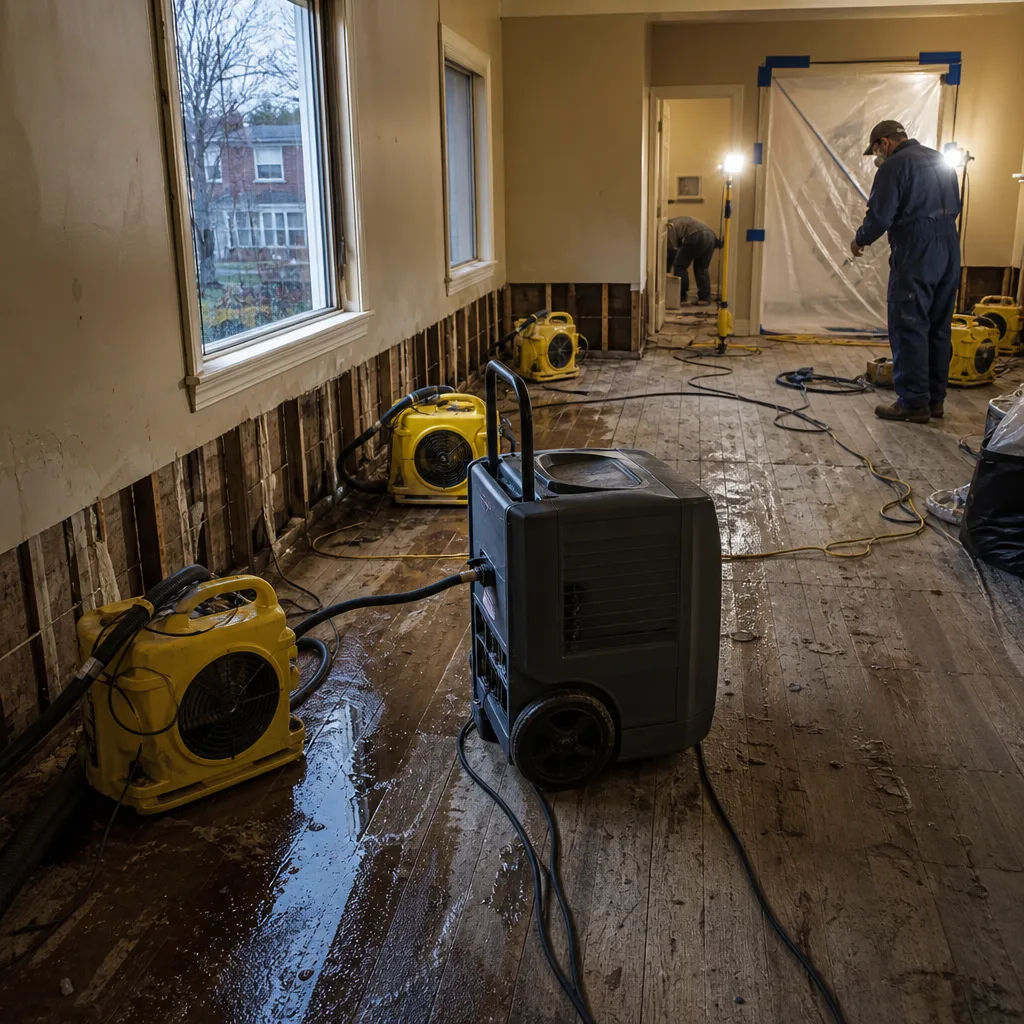
Structural drying is the controlled removal of moisture from building materials using air movers, dehumidifiers, and sometimes specialized systems like Injectidry cavity drying or desiccant dehumidification for large commercial losses. This category should include daily moisture readings, equipment placement logs, and psychrometric data, which is the measurement of temperature, relative humidity, and vapor pressure that proves drying progress.
The critical detail most contractors omit: drying equipment is priced per machine per day, with rates tied to AHAM-rated capacity (the Association of Home Appliance Manufacturers standard that verifies dehumidifier performance at 80°F and 60% relative humidity). A LGR 2000 (low-grain refrigerant dehumidifier with 200-pint daily capacity) commands a higher daily rate than a standard refrigerant unit because it removes more moisture per kilowatt hour. Without the AHAM rating on the invoice, the adjuster defaults to the lowest category.
Category 3: Demolition and Debris Removal
Demolition pricing varies dramatically based on material type, access difficulty, and disposal requirements. Plaster and lath, common in Forest Hills pre-war buildings, costs roughly 2.5 times more per square foot than standard drywall removal because of weight, labor intensity, and the higher probability of asbestos-containing materials requiring testing and specialized disposal.
NYC Department of Sanitation regulations require construction debris from properties in Queens to be transported to specific transfer stations, with weight tickets documented. Your invoice should include dumpster size, permitted weight allowance, and overage charges if applicable. A 30-yard dumpster with a 4-ton allowance costs approximately $650 to $850 in Forest Hills; overages run $85 to $120 per ton.
Category 4: Reconstruction and Build-Back
Reconstruction is scoped, scheduled, and priced in writing like a remodel, not dispatched as an emergency. This category includes framing, drywall, flooring, painting, and finish carpentry. It should never carry emergency service rates, and it should always include a separate written scope with material allowances and labor hours.
Forest Hills co-ops often require contractor insurance certificates naming the building, work-hour restrictions, and superintendent notification protocols. These requirements add administrative time that should appear as a line item, not be absorbed into overhead. A legitimate estimate names the specific co-op requirements and the hours allocated to comply with them.
2026 Forest Hills Pricing by Unit of Measure
The ranges below reflect Forest Hills market conditions as of early 2026, based on our experience pricing jobs across the 11375 ZIP code and adjacent Queens neighborhoods. These are not quotes. Your specific loss will vary based on access, material type, and extent of damage. Call (516) 687-6900 for a written estimate on your property.
Emergency Services
| Line Item | Unit | Forest Hills Range |
|---|---|---|
| Emergency water extraction | Per hour, 2-person crew | $185 - $265 |
| After-hours mobilization (nights/weekends) | Per call | $150 - $250 |
| Initial moisture mapping and documentation | Per affected area | $125 - $195 |
| Emergency board-up/tarping | Per opening | $225 - $450 |
| Containment setup (poly barrier, negative air) | Per linear foot | $8 - $14 |
Structural Drying Equipment
| Equipment Type | AHAM Rating | Daily Rate, Forest Hills |
|---|---|---|
| Standard refrigerant dehumidifier | 50-70 pints/day | $35 - $55 |
| LGR dehumidifier (Phoenix 200 MAX or equivalent) | 125-150 pints/day | $55 - $85 |
| Desiccant dehumidifier (large loss/commercial) | 500+ pints/day | $185 - $295 |
| Air mover (centrifugal) | 2,000-3,000 CFM | $18 - $28 |
| HEPA air scrubber | 99.97% at 0.3 microns | $45 - $75 |
| Injectidry cavity drying system | Hardwood/plaster cavity drying | $125 - $195/day |
| Thermal imaging documentation | Per visit | $85 - $150 |
Demolition and Removal
| Material/Service | Unit | Forest Hills Range |
|---|---|---|
| Drywall removal, standard 1/2″ | Per square foot | $2.85 - $4.15 |
| Plaster and lath removal | Per square foot | $7.50 - $11.50 |
| Hardwood flooring removal | Per square foot | $3.50 - $5.50 |
| Ceramic tile removal | Per square foot | $4.50 - $7.50 |
| Debris disposal, standard dumpster | Per 30-yard container | $650 - $850 |
| Disposal overage, plaster/concrete | Per ton over allowance | $85 - $120 |
| Asbestos testing (NYC DOB required) | Per sample | $45 - $75 |
Reconstruction (Build-Back)
| Trade | Unit | Forest Hills Range |
|---|---|---|
| Drywall installation, 1/2″ standard | Per square foot | $3.50 - $5.50 |
| Drywall installation, moisture-resistant (green board) | Per square foot | $4.50 - $6.50 |
| Hardwood flooring, mid-grade oak | Per square foot, installed | $12 - $18 |
| Luxury vinyl plank | Per square foot, installed | $8 - $14 |
| Interior painting, two coats | Per square foot | $2.50 - $4.00 |
| Baseboard, primed MDF | Per linear foot | $4.50 - $7.50 |
| General contractor overhead and profit | Percentage of trade costs | 18% - 25% |
These ranges assume standard access and finish levels. Pre-war buildings in Forest Hills with plaster walls, cast-iron radiators, and original millwork require specialty trades that can exceed these figures by 40 to 60 percent. The estimate should say so explicitly, with the specialty trade named and the rate justified.
The Six Most Commonly Underpaid Line Items in Queens Claims
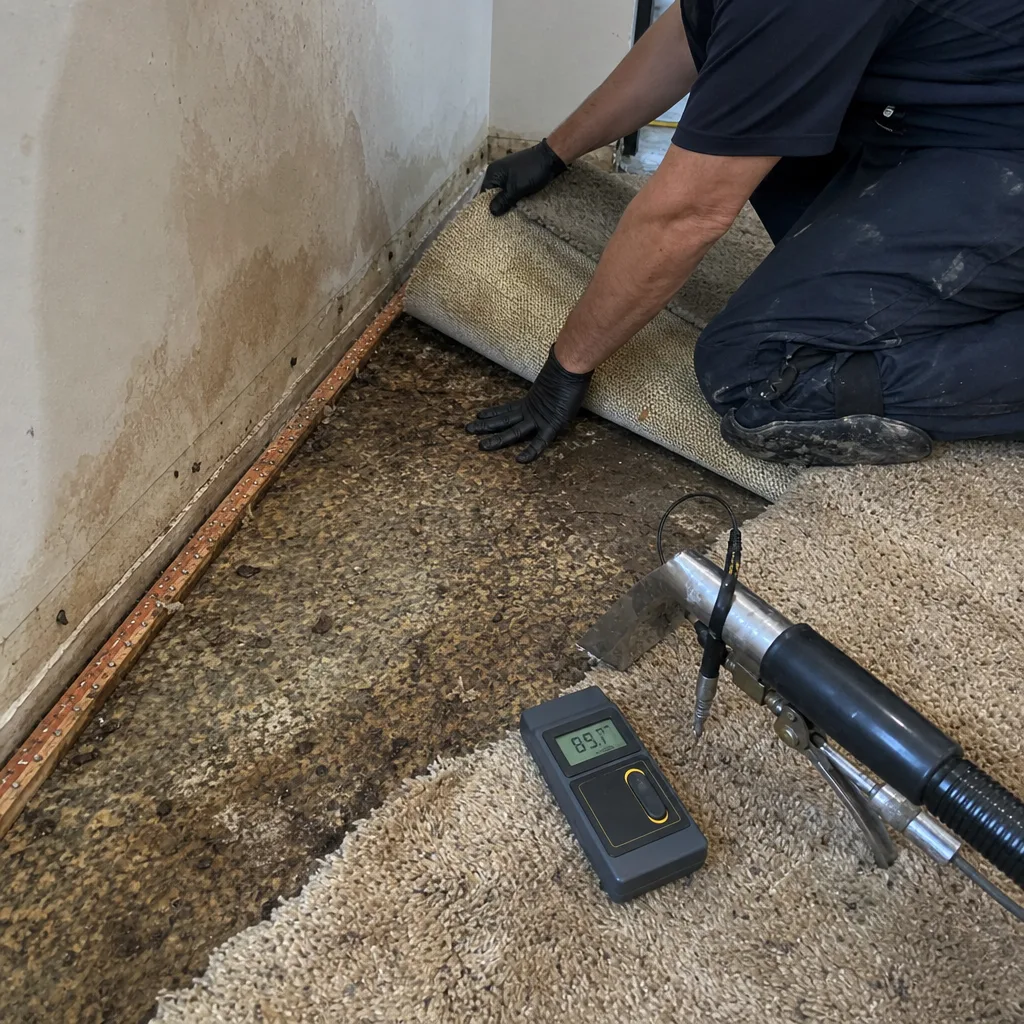
After reviewing hundreds of competitor estimates and insurance denials, we’ve identified six line items that adjusters consistently underpay or reject in Queens residential claims. Each represents legitimate, necessary work that contractors perform but fail to document properly.
1. Containment Labor
Containment, the construction of sealed barriers with negative air pressure to prevent cross-contamination, requires skilled labor for proper setup and monitoring. Xactimate codes it as CLN CONTAIN with labor hours specified. Contractors who write “set up containment” with a flat fee get downgraded to a lower labor class. The invoice should specify: barrier material (6-mil poly, fire-rated where required), linear feet installed, negative air machine make and model with CFM rating, and pressure differential readings in Pascals.
2. HEPA Air Scrubber Hours
Air scrubbers run continuously during mold remediation and some water damage jobs to filter airborne particles. The line item fails when the invoice says “air scrubber: $75/day” without specifying the machine’s AHAM-verified CADR (clean air delivery rate), the room volume it’s treating, or the hourly runtime. Xactimate prices HEPA air scrubbing per hour with a minimum daily charge. Document the make, model, serial number, filter change dates, and runtime log. We use Phoenix Guardian HEPA systems and document every hour to IICRC S520 standards.
3. Dehumidifier Placement Fees
Simply renting a dehumidifier is not the same as placing it correctly. Placement requires moisture mapping to identify the wettest areas, psychrometric calculation to determine the right number of machines, and physical positioning for optimal airflow. Xactimate separates equipment rental (DHW) from placement and monitoring (DHW MON). Contractors who bundle both into “dehumidifier service” lose the placement hours. The invoice should show: moisture readings by location, psychrometric target (grain depression goal), equipment count and placement map, and daily monitoring time.
4. Anti-Microbial Application
Anti-microbial treatment is standard after water damage to prevent mold growth, but it’s frequently rejected when applied as a blanket charge. Xactimate requires specification of the product (trade name and EPA registration number), application method (spray, fog, or wipe), and treated square footage. “Anti-microbial: $450” fails. “Concrobium Mold Control (EPA Reg. No. 82590-1), ULV fog application, 850 SF affected area @ $0.45/SF = $382.50” succeeds. We document the product lot number and application date on every job.
5. Dumpster Weight Overage
Plaster demolition generates roughly 10 pounds per square foot. A 200-square-foot plaster wall removal fills a 30-yard dumpster to its 4-ton weight allowance with no room for other debris. Contractors who estimate disposal as a flat container rate without calculating weight get surprised by overages, then either eat the cost or surprise the homeowner. The estimate should include: material weight calculation by type, container size and allowance, projected overage with rate, and disposal facility with weight ticket documentation. Forest Hills properties near Austin Street with no driveway access may require street permits for dumpster placement, adding $150 to $250 in NYC DOT fees that should appear as a separate line.
6. General Contractor Overhead
GC overhead and profit (O&P) is legitimate on jobs requiring three or more trades, which describes most reconstruction projects. The standard is 10% overhead plus 10% profit, or a combined 18 to 20% on smaller jobs. Adjusters deny O&P when the contractor cannot demonstrate coordination of multiple trades with schedules, permits, and inspections. The invoice should list each subcontractor, their scope, coordination hours, and permit costs. On a typical Forest Hills co-op rebuild, we document: plumber (rough and finish), electrician (permit and inspection), drywall (moisture-resistant, Level 5 finish), flooring (acclimation period specified), and painting (primer and two coats, co-op color approval). That’s five trades. O&P applies.
Equipment Documentation: The Documentation That Saves Claims
Drying equipment line items represent 25 to 40 percent of most water damage invoices. They’re also the most frequently challenged category because adjusters know contractors sometimes leave equipment running longer than necessary or bill for machines that were never on site. The defense is documentation that ties each machine to a specific location, a specific time, and a specific drying goal.
Every piece of equipment on a legitimate job should carry a documentation packet: make, model, serial number, AHAM-rated capacity in pints per day at standard conditions, and daily kilowatt-hour consumption. This information allows the adjuster to verify that the equipment class matches the charge, and it allows the homeowner to verify that the electricity usage on their utility bill aligns with the invoice.
Here’s what proper equipment documentation looks like in practice. A Forest Hills basement flood in a Tudor-style home on Ascan Avenue affects 1,200 square feet of finished space with plaster walls and oak flooring. The drying plan requires:
- Two Phoenix 200 MAX LGR dehumidifiers (AHAM: 145 pints/day each, 8.2 kWh/day each) positioned at opposite ends for balanced grain depression
- Six centrifugal air movers (XPOWER P-230AT, 2,250 CFM each) placed per IICRC S500 airflow calculations
- One Injectidry HP60 system with 12 floor mats for oak plank drying, monitored daily with pinless moisture meter
- One Phoenix Guardian HEPA air scrubber (CADR: 2,000 CFM) for airborne particle control during demolition
The daily drying log records: ambient temperature and relative humidity at each dehumidifier location, specific humidity (grains per pound) at start and current reading, moisture content percentage in oak flooring at three test points, and equipment runtime hours from already on hand hour meters. After five days, the log shows grain depression from 112 to 48, oak moisture content from 18% to 9%, and 41 total equipment-days billed. The adjuster pays in full because the documentation proves the equipment was necessary, present, and effective.
Without this documentation, the same invoice becomes “dehumidifiers and fans, 5 days, $2,800.” The adjuster allows $1,400. The homeowner disputes, the contractor stalls, and the claim enters the slow cycle that costs everyone time and money.
We document to this standard on every DryMark Restoration Forest Hills home job because we built the company around the documentation gap that costs homeowners their claims. The Haven Standard exists so that gap never opens on our watch.
The Homeowner Invoice Review Checklist
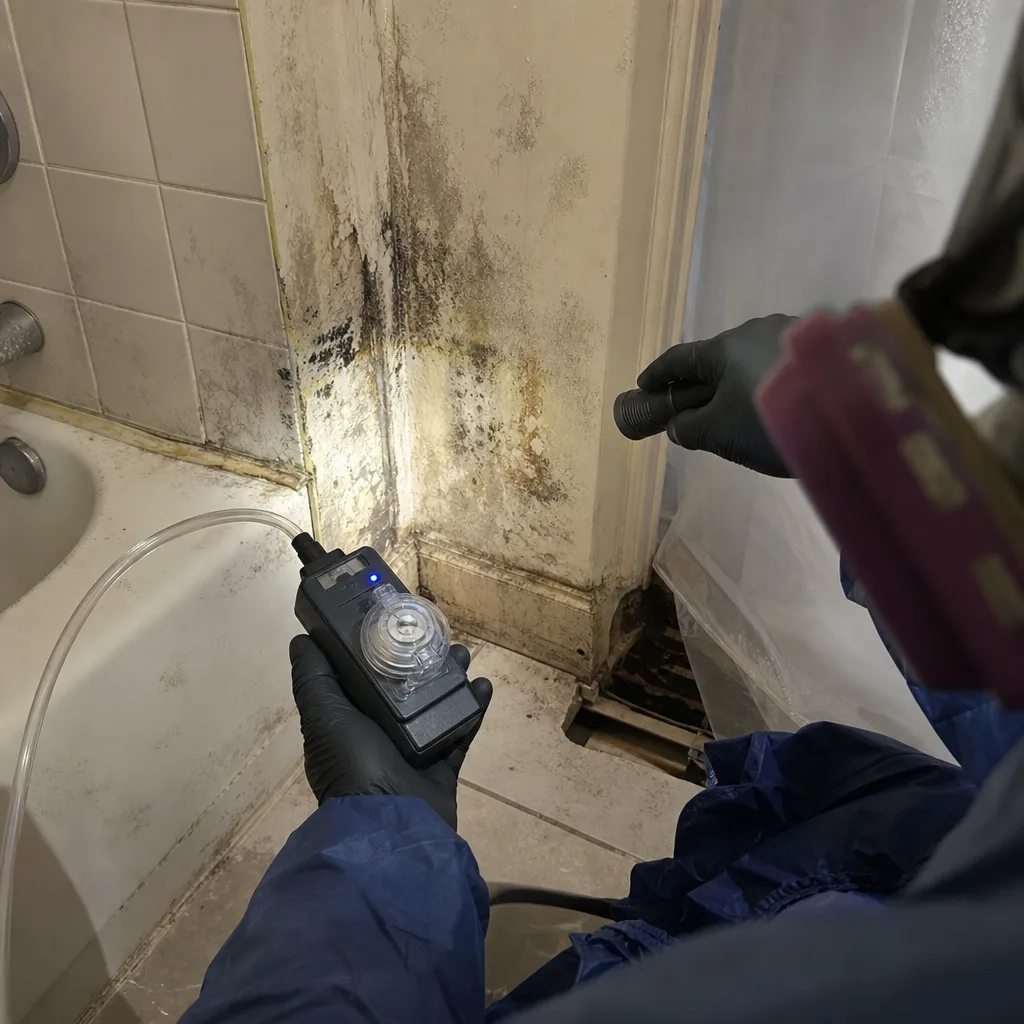
Before signing any restoration estimate or invoice intended for insurance submission, verify these elements. Missing items are not oversights; they’re vulnerabilities that adjusters exploit.
The 12-Point Checklist
- Xactimate codes or explicit local code references appear on every line item. Proprietary descriptions without codes are downgraded automatically.
- Every quantity has a unit of measure. SF, LF, CY, EA, HR. “Per room” is not a unit of measure.
- Labor classifications are specified. Class I, II, or III. Vague “labor” gets the lowest rate.
- Equipment documentation includes make, model, AHAM rating, and serial number. Without serial numbers, the adjuster assumes phantom equipment.
- Daily moisture readings are recorded with instrument type and calibration date. “Feels dry” is not a reading. A pinless moisture meter reading of 12% on oak flooring with the meter model (e.g., Delmhorst BD-2100) and calibration due date is.
- Psychrometric data shows progress toward a defined goal. Target grain depression should be stated and tracked.
- Material specifications include trade names and grades. “Drywall” fails. “USG Sheetrock Brand UltraLight 1/2″ panels, mold-resistant” succeeds.
- Disposal includes dumpster size, weight allowance, facility name, and weight ticket. NYC Sanitation regulations require this; the invoice should too.
- Overhead and profit are listed separately, not hidden in line items. Buried O&P is a red flag for adjuster scrutiny and a compliance issue with some state insurance regulations.
- Permit costs are itemized with issuing authority. NYC DOB, FDNY, co-op management - each has specific fees that should appear as named lines.
- The estimate is dated, signed by both parties, and references a written scope. Haven Standard, Clause 1 requires this; any contractor who starts work without it is not following a documentation-first protocol.
- A photo record is referenced as a standard deliverable, not an upsell. You should receive dated, geotagged photos of damage, work in progress, and completion without additional charge.
If your contractor’s estimate misses more than two of these items, the invoice will struggle at insurance review. We provide a Free Second Opinion on any competitor’s written estimate for exactly this reason. Bring us the paperwork before you sign, and we’ll identify the vulnerabilities at no charge.
Common Mistakes to Avoid
- Accepting a “ballpark” figure over the phone. Water damage in a Forest Hills basement with plaster walls and no sump pump is not comparable to drywall damage in a new build. Site-specific inspection is required for a defensible price.
- Signing an estimate without Xactimate codes because “the contractor knows the adjuster.” Personal relationships do not override software-driven claim processing. The adjuster who “takes care of it” may be reassigned tomorrow.
- Allowing work to start before receiving the written price. Haven Standard, Clause 1 exists because we’ve seen homeowners charged double the initial verbal estimate once demolition reveals additional damage. A written price with change-order protocols protects both parties.
- Ignoring co-op or condo notification requirements. Forest Hills co-ops on Queens Boulevard and Austin Street typically require 48-hour notice for work that affects common systems. Starting without notification can trigger fines and work stoppage that extends drying time and equipment rental costs.
- Not verifying that the contractor’s insurance certificate names your building. Co-op boards reject claims from uninsured contractors, leaving the homeowner liable for worker injuries and property damage. Request the certificate before work begins.
- Assuming all demolition debris goes in one dumpster. Plaster, asbestos-containing materials, and pressure-treated lumber require separate disposal streams in Queens. Mixed disposal triggers rejection at the transfer station and emergency re-hauling at premium rates.
- Failing to document pre-existing conditions. That crack in the basement slab or the stained ceiling tile from a 2019 leak? Photograph it before work starts. Adjusters attribute all visible damage to the current loss unless proven otherwise.
When to Call a Professional
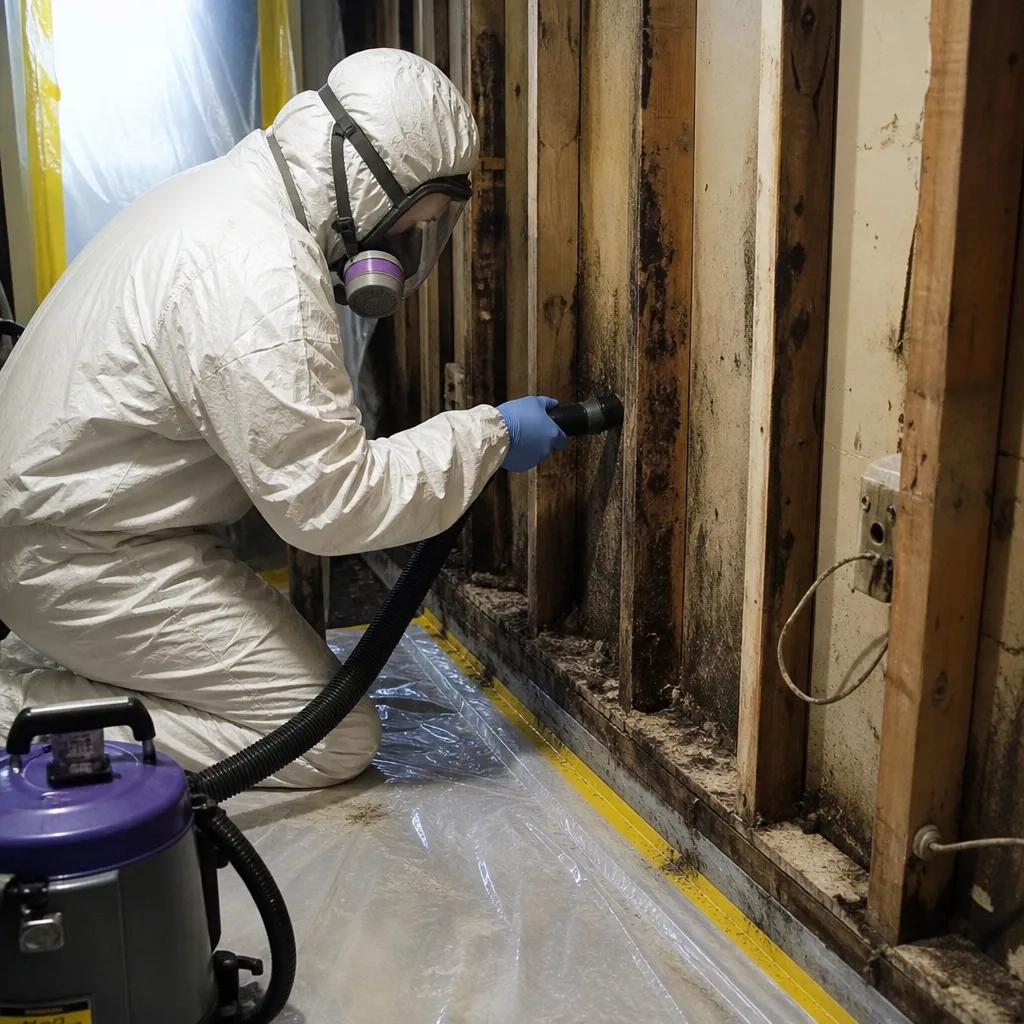
Call a restoration professional when water has affected more than a single small area that you can dry with household fans within 24 hours, when you smell musty odors that suggest hidden mold growth, when fire or smoke damage has affected multiple rooms or HVAC systems, or when sewage or biohazard contamination is present. These situations require containment, specialized equipment, and documentation that homeowners cannot provide.
In Forest Hills, the pre-war housing stock complicates even seemingly simple losses. Plaster walls dry differently than drywall, original oak floors require controlled dehumidification to prevent cupping, and co-op plumbing systems can transmit water damage between units in ways that aren’t visible from the affected apartment. A moisture meter reading at the baseboard in one room may reveal saturation three units away in a common wall cavity.
DryMark Restoration Forest Hills offers free estimates in Forest Hills. We’ll review your situation, provide a written price before any work begins per Haven Standard, Clause 1, and identify the documentation your specific loss will need for insurance submission. Call (516) 687-6900. A live person answers every call, 24 hours a day, 7 days a week, with no voicemail on emergency lines.
Frequently Asked Questions
Standard residential water damage restoration in Forest Hills typically ranges from $3,200 to $8,500 for drying and mitigation, with full reconstruction adding $12,000 to $35,000 depending on materials and finish level. Pre-war construction with plaster walls and original flooring runs 40 to 60 percent above these figures due to specialty labor and material requirements. Call (516) 687-6900 for a written estimate on your specific property.
Insurance covers sudden and accidental water damage from sources like burst pipes or appliance failures, but not gradual leaks or maintenance issues. The key factor is invoice documentation: carriers pay claims with Xactimate-coded line items, equipment documentation, and daily moisture logs. Vague invoices get downgraded automatically. We coordinate directly with adjusters and provide the documentation package that supports full payment.
Our live dispatch answers emergency calls 24 hours a day, 7 days a week, with no voicemail. Mobilization time to Forest Hills properties typically ranges from 45 to 90 minutes depending on traffic and access protocols for co-op buildings. Emergency water extraction and containment setup are same-day services. Reconstruction is scheduled after written scope approval, not dispatched as an emergency.
Visible mold on a surface often indicates larger hidden growth in wall cavities, under flooring, or in HVAC systems. IICRC S500 and S520 standards require moisture source elimination, containment, and air quality verification, not just surface cleaning. In Forest Hills pre-war buildings with plaster and lath, mold frequently spreads behind baseboards and into stud cavities where household cleaners cannot reach. A professional assessment with moisture mapping and air sampling determines the actual scope.
We deal with them directly. Our documentation package, including daily drying logs, photo records, equipment specifications, and Xactimate-coded invoices, is submitted to your adjuster as a standard service. We’ve worked with adjusters from every major carrier in the New York market and understand their documentation requirements. You focus on your property; we handle the claim paperwork.
Specificity at the line-item level. Every charge needs a unit of measure, a labor classification, a material specification, and a reference standard (Xactimate code, local code, or manufacturer specification). Equipment needs make, model, AHAM rating, and runtime documentation. Daily progress needs psychrometric data and moisture readings with instrument calibration dates. The invoice should read like a scientific record, not a shopping list. That’s the standard we apply to every job.
The Bottom Line
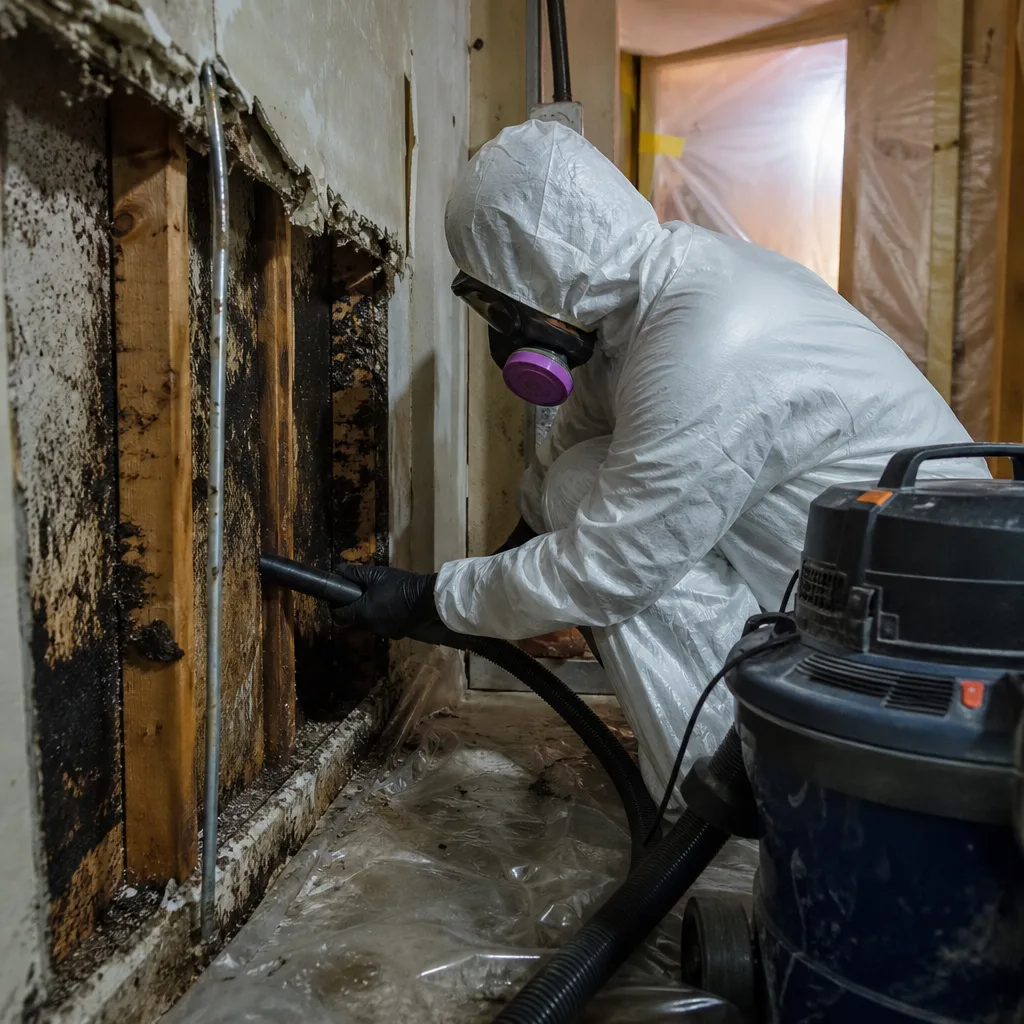
Restoration invoices fail insurance review not because they’re too expensive but because they’re too vague. Xactimate exists to standardize pricing, and adjusters use it ruthlessly. A contractor who understands this system, documents to its requirements, and provides you with a written, defensible price before work begins is not being difficult; they’re protecting your claim. In Forest Hills, where pre-war construction, co-op regulations, and Queens-specific disposal requirements add layers of complexity, documentation-first restoration isn’t a preference. It’s the difference between a paid claim and a disputed one.
We’ve restored over 12,000 homes since 2011, every one with a written price before work started and a documented record when the crew left. The Haven Standard was built around the documentation gap that costs homeowners their claims. If you’re facing damage in Forest Hills and want an estimate that will survive adjuster scrutiny, call (516) 687-6900. We’ll review your situation, identify the documentation your specific loss requires, and provide a written price before any work begins. Haven Standard, Clause 1. No exceptions.
Written by the team at DryMark Restoration Forest Hills.