
Last updated September 23, 2026
Free visual inspection and a written scope of work before any mitigation begins - photos, moisture readings, and drying logs go in your claim file
The scope we write is the scope we bill. Anything new gets shown to you, in writing, before we touch it.
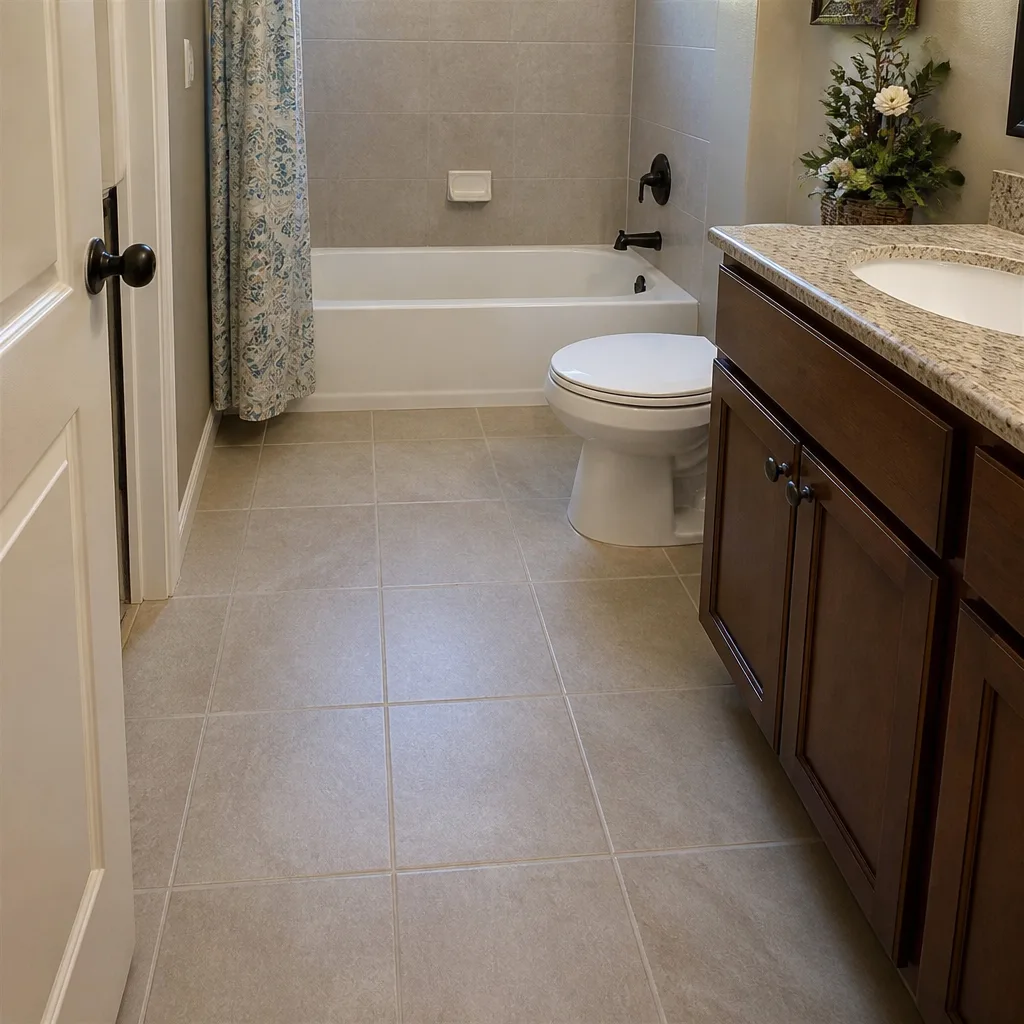

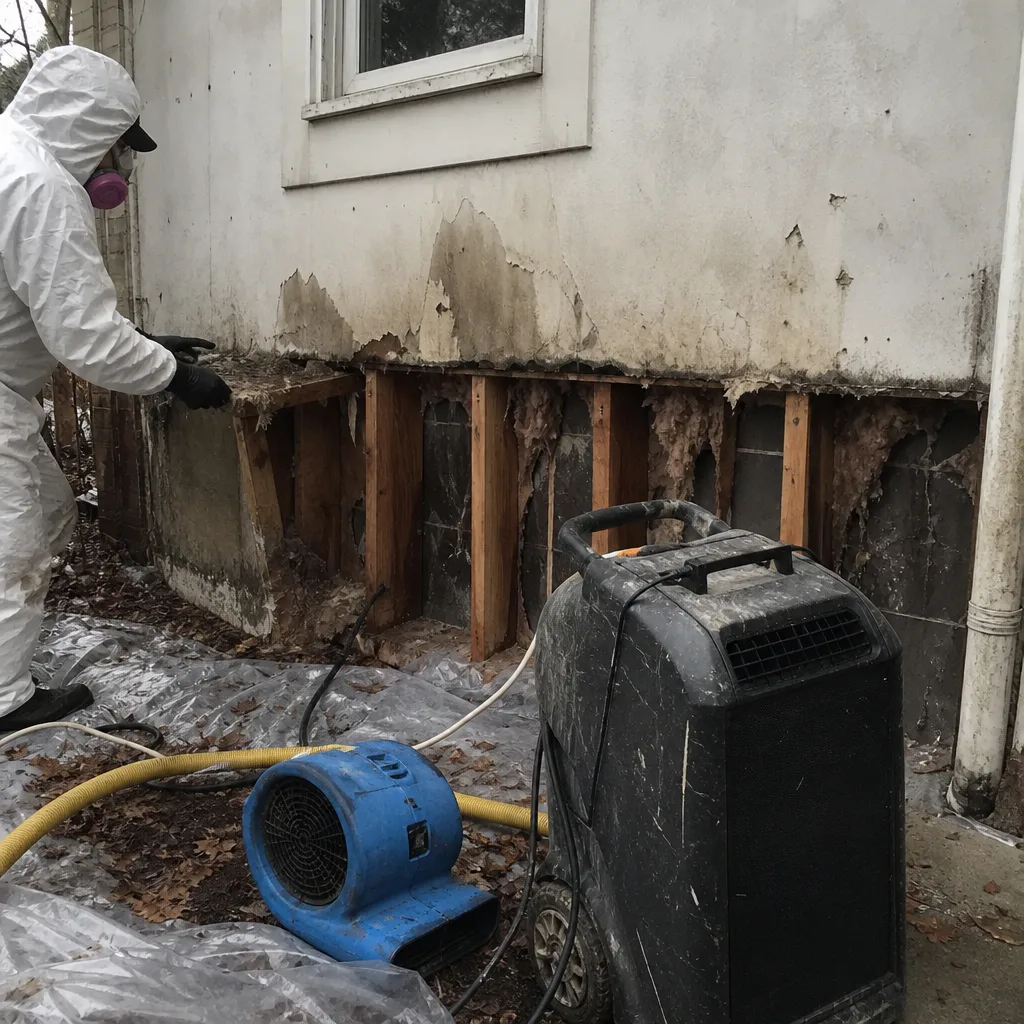 Before
 After
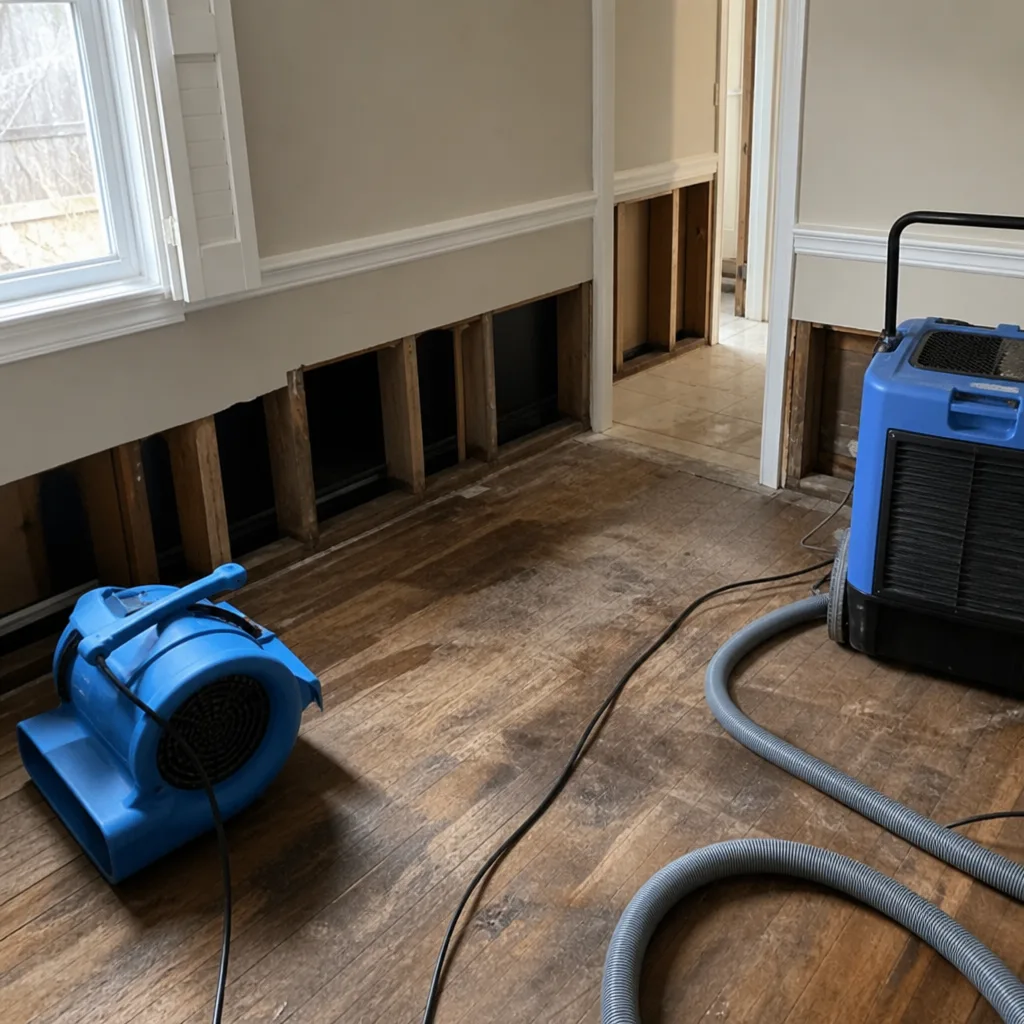
After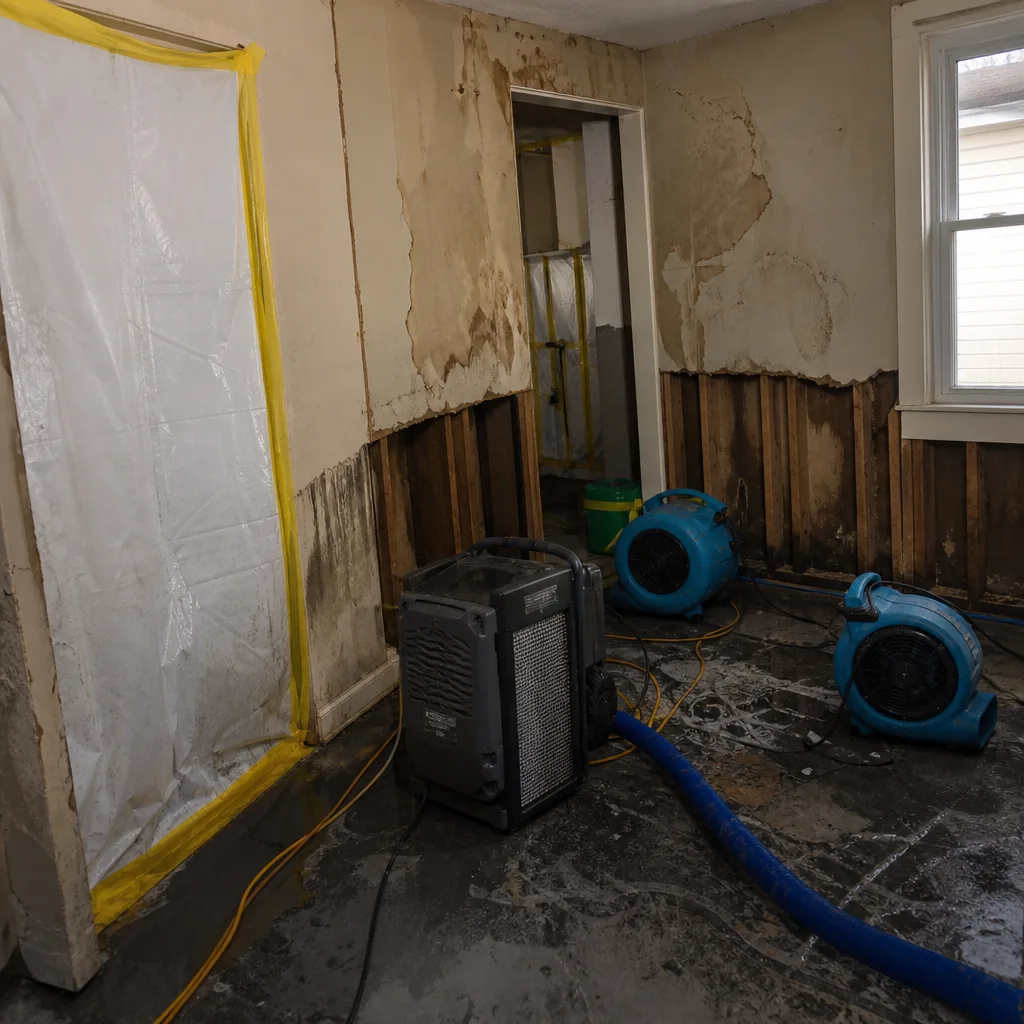 Before
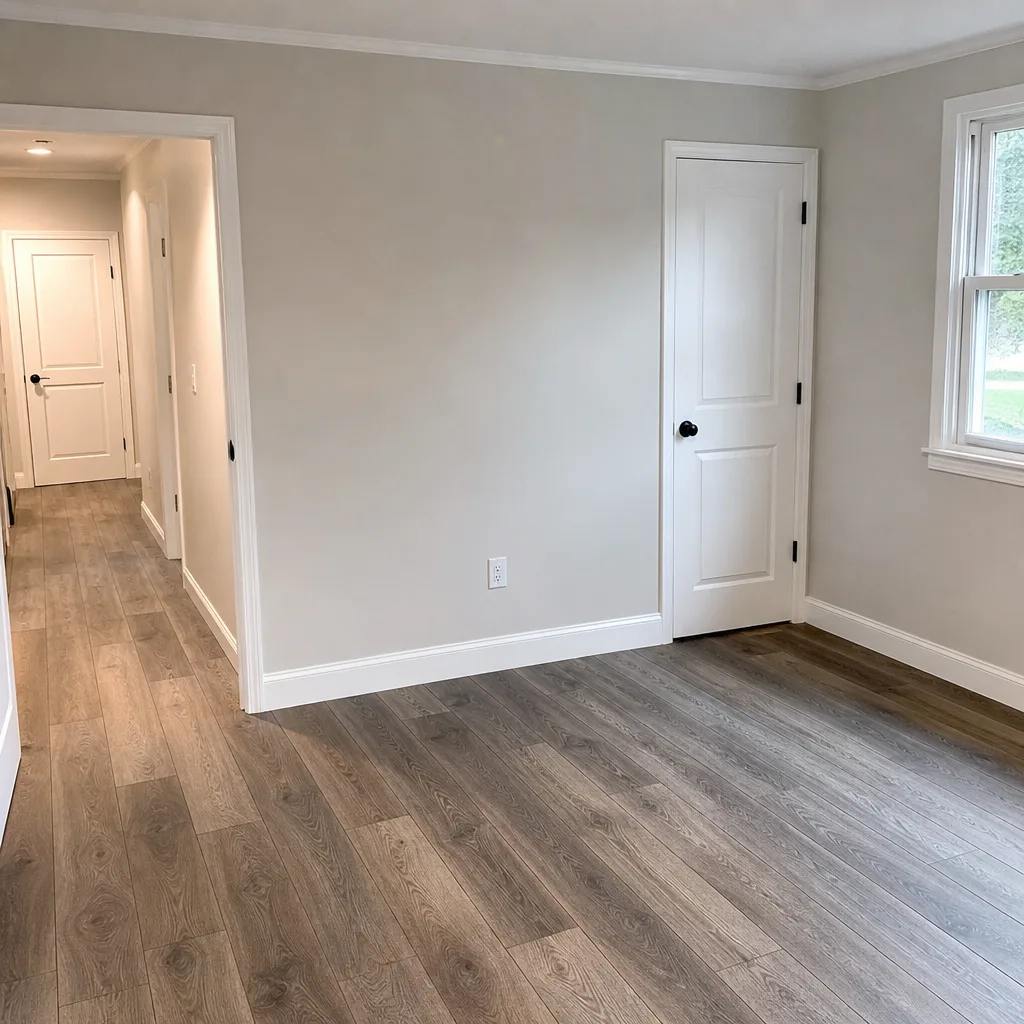 After
After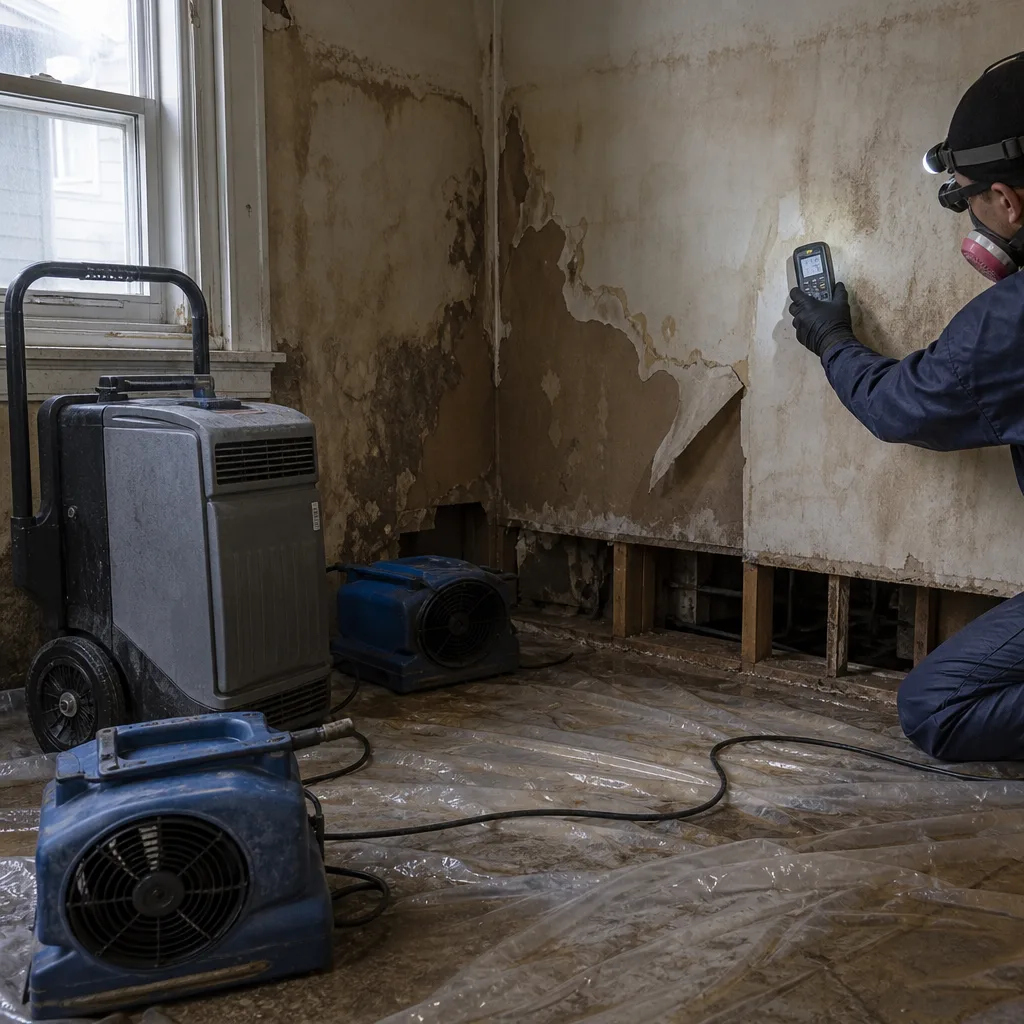 Before
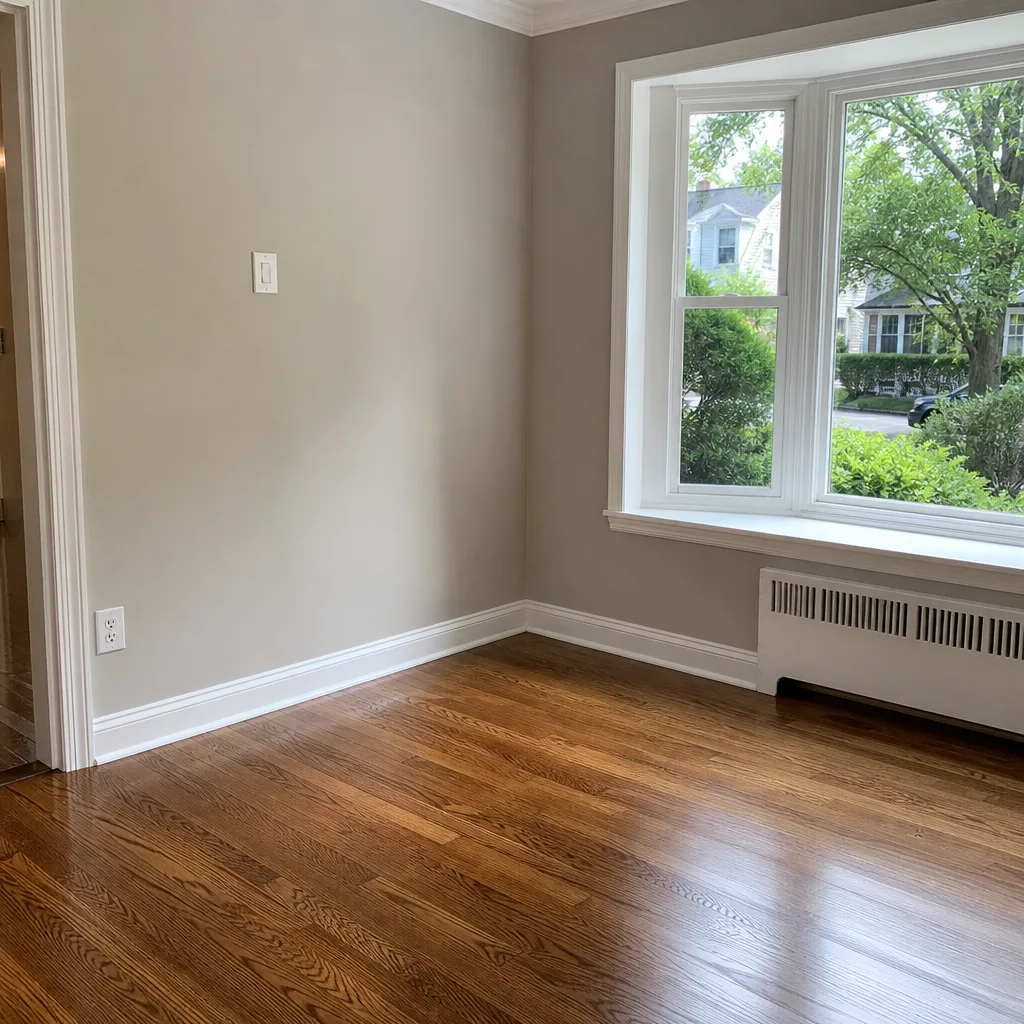 After
AfterWater Damage Restoration Maintenance Checklist for Forest Hills Homeowners
If your insurance carrier denies a water damage claim for “continuous or repeated seepage,” you’ll need more than a story about checking pipes occasionally. You’ll need a dated maintenance log with specific readings, photos, and pass-fail thresholds that prove you exercised reasonable care. In Forest Hills, where pre-war attached homes share drainage walls and post-war co-ops sit beneath flat roofs with aging membrane systems, that documentation gap costs homeowners their claims every year. This guide gives you measurable thresholds, not vague reminders, and shows you how to build a defensible record before a loss ever occurs. For a deeper dive, see our The Complete Guide to Damage Restoration in Forest Hills.
Quick Answer
A Water Damage Restoration maintenance checklist for Forest Hills homeowners should include quarterly inspections with dated photo documentation of all plumbing fixtures, annual supply line replacement for rubber hoses over five years, sump pump discharge testing at 35 gallons per minute minimum, and seasonal humidity control maintaining 30-50% relative humidity year-round. The checklist must produce a written, dated record that satisfies the “reasonable care” standard insurers apply when investigating gradual damage exclusions.
Table of Contents
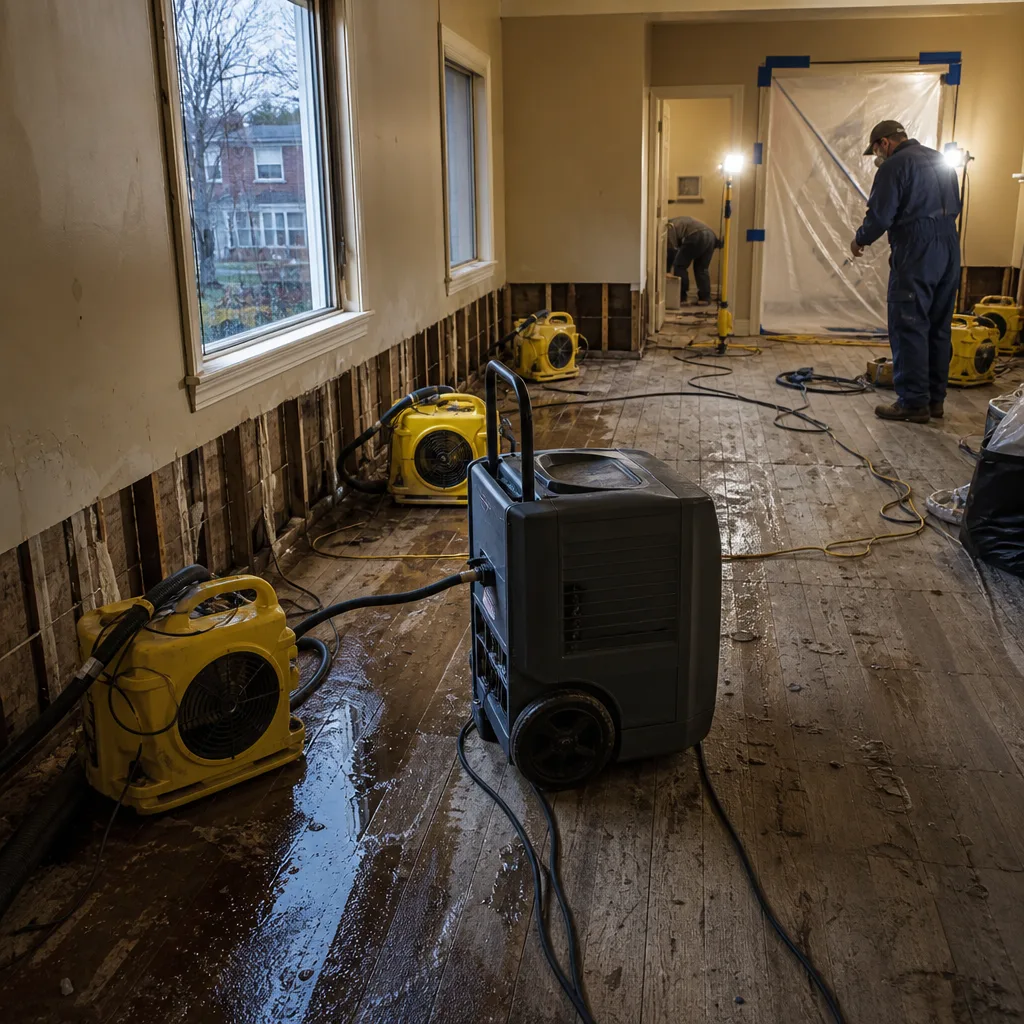
- Why Documentation Beats Damage Control
- Forest Hills Housing Stock: What You’re Working With
- Room-by-Room Checklist with Measurable Thresholds
- Seasonal Maintenance Calendar for Forest Hills Climate
- Building Your Defensible Maintenance Log
- Insurance Coverage Preservation vs. Optional Tasks
- Equipment and Tools Worth Owning
- Common Mistakes to Avoid
- When to Call a Professional
- Frequently Asked Questions
- The Bottom Line
BeforeAfterWhy Documentation Beats Damage Control
We’ve restored over 12,000 homes since 2011, and the pattern is consistent: the homeowner who wins a disputed claim is the one who can produce evidence, not the one who protests loudest. Insurance adjusters don’t evaluate your character. They evaluate your file.
The “continuous or repeated seepage” exclusion appears in virtually every HO-3 policy sold in Queens County. It voids coverage for damage that develops over weeks or months, on the theory that a reasonably attentive homeowner would have discovered and addressed the condition. Your defense against this exclusion is not your testimony that you “kept an eye on things.” It is a contemporaneous, dated record showing specific measurements taken at specific intervals, with photos showing the condition of critical components at each inspection.
This is why DryMark Restoration Forest Hills home documentation standards exist. We built our company around the gap between what homeowners believe they’ve done and what they can prove. The same principle applies to prevention.
A maintenance checklist that produces no record is a diary entry. A maintenance checklist that produces dated photos, moisture readings, and pass-fail thresholds is evidence. In Forest Hills, where many homes were built between 1920 and 1965 and share infrastructure with neighboring units, that evidence becomes especially important when damage originates in a wall, ceiling, or foundation you do not solely control.
Key principle: every item on your checklist must produce a document. If it doesn’t, it doesn’t belong on the list.
Forest Hills Housing Stock: What You’re Working With
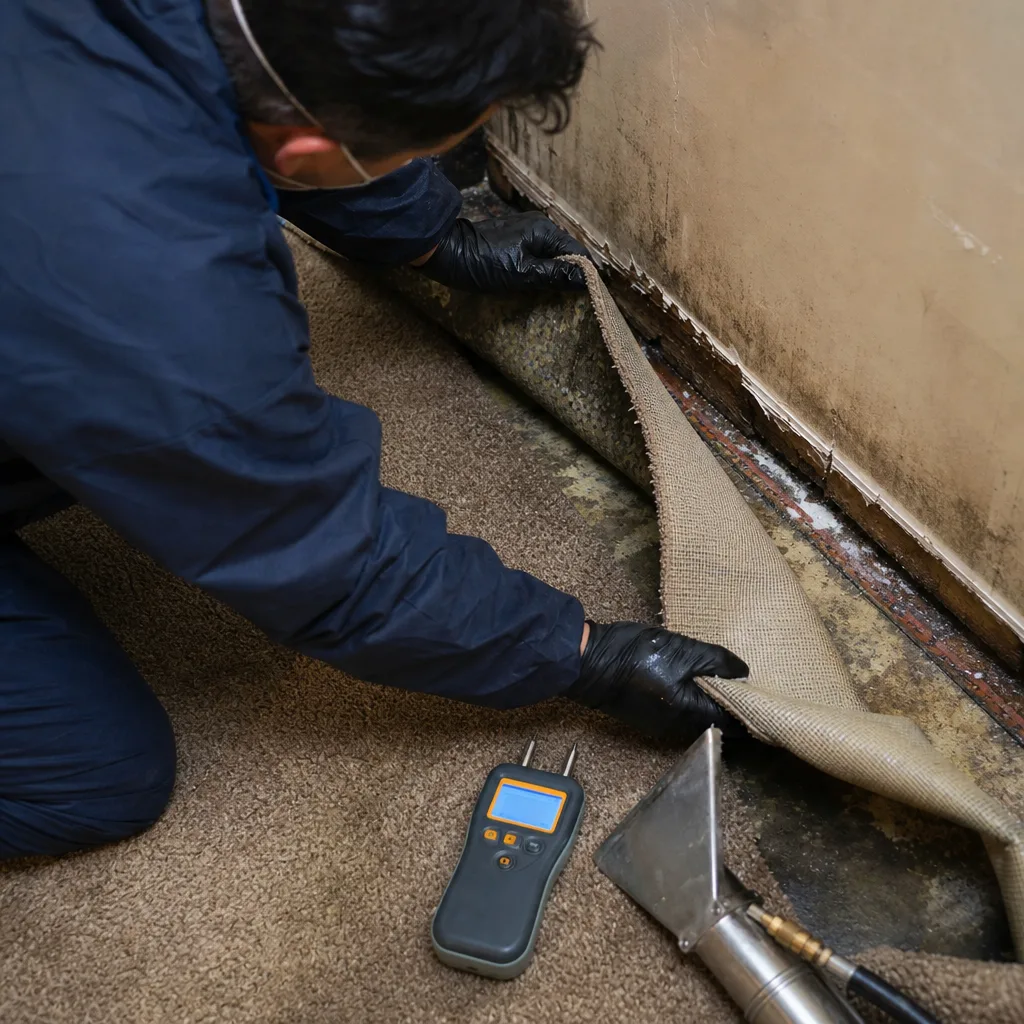
Forest Hills presents three distinct building types, each with specific water damage vulnerabilities that shape your maintenance priorities.
Pre-War Attached Homes (1920s-1940s)
These structures dominate streets like Ascan Avenue and parts of 71st Avenue. They share party walls with neighbors, meaning your drainage system may connect to theirs at points you cannot access. Cast iron drain lines in these homes reach failure age at 80-100 years. Many are now at or beyond that threshold.
Specific maintenance concern: shared drainage walls create liability ambiguity when water appears. Your log must document the condition of your visible supply and drain lines, because proving your side was maintained helps isolate responsibility when a shared wall shows moisture.
Post-War Brick Co-ops (1950s-1970s)
Buildings like those along Yellowstone Boulevard and parts of 108th Street feature flat roofs with built-up membrane or modified bitumen systems. These roofs have 20-25 year service lives when properly maintained, but many in Forest Hills are on second or third membrane layers with deferred maintenance.
Specific maintenance concern: roof membrane failure shows first as ceiling stains in top-floor units, but the actual leak point may be 10-20 feet away on the roof surface due to water migration within the roofing assembly. Your log must include annual ceiling photos in the same locations, with dates, to establish when staining first appeared.
Finished Basements in 11375
The high water table in parts of Forest Hills, particularly south of Queens Boulevard toward the Long Island Rail Road embankment, makes finished basements vulnerable to hydrostatic pressure and seepage through foundation walls. Sump pump failure in these homes doesn’t produce a puddle. It produces a flooded recreation room, often while the homeowner is at work.
Specific maintenance concern: sump pump testing must include discharge rate verification, not just “it runs when I lift the float.” A pump that runs but moves inadequate volume will fail during a heavy rain event.
Room-by-Room Checklist with Measurable Thresholds
Generic checklists tell you to “check under sinks.” This checklist tells you what to measure, what number passes, and what number fails.
Kitchen
- Dishwasher supply line: Inspect braided stainless steel line for corrosion or kinking. Replace rubber or polymer supply lines every 5 years regardless of appearance. Record installation date on line with permanent marker.
- Refrigerator ice maker line: Same standard as dishwasher. Copper lines are preferred; plastic saddle valves are failure-prone and should be replaced with proper shutoff valves.
- Sink cabinet floor: Visual inspection plus moisture meter reading. Pass: below 15% moisture content on pin-type meter. Fail: 15% or above, or any staining, warping, or musty odor.
- Garbage disposal: Run for 30 seconds with water flowing. Check for leaks at flange, dishwasher connection, and drain outlet. Pass: dry connections, normal sound. Fail: moisture, unusual vibration, or slow drainage suggesting partial blockage.
Bathrooms
- Toilet flange and supply: Inspect for condensation on tank and bowl. Check floor around base with moisture meter. Pass: dry floor, tank at ambient temperature. Fail: moisture reading above 15%, rocking toilet, or visible gap between bowl and floor.
- Shower/tub surround: Inspect caulk and grout annually. Pass: continuous bead, no cracks wider than 1/16 inch, no missing grout. Fail: any crack or gap permitting direct water contact with wall substrate.
- Ventilation: Measure humidity with hygrometer 10 minutes after shower use. Pass: returns to below 60% within 20 minutes with fan operating. Fail: remains above 60%, indicating inadequate ventilation or fan capacity.
Basement/Utility Area
- Sump pump: Pour 5 gallons into pit. Pump should activate before water reaches pit rim and discharge fully within 60 seconds. Measure discharge rate at exterior outlet: minimum 35 gallons per minute for standard residential pump. Record gallons-per-minute reading.
- Water heater: Check T&P valve by lifting lever briefly. Pass: water flows freely, stops when lever released, no continuous drip. Fail: no flow, continuous drip, or corrosion on valve body. Note installation date; tank life is 10-12 years for standard steel, 15-20 for stainless.
- Foundation walls: Visual inspection for efflorescence (white mineral deposits), which indicates moisture migration through concrete. Pass: clean, dry surface. Fail: any efflorescence, which documents active moisture penetration even if no liquid water is present.
Laundry Area
- Washing machine hoses: Replace rubber hoses every 5 years; braided steel every 10. Record replacement date on hose tag. Pass: no bulging, cracking, or corrosion at fittings. Fail: any of the above, or age exceeding limit.
- Drain standpipe: Verify secure connection, no overflow during drain cycle. Pass: water enters standpipe without backup. Fail: any backup or slow drainage.
Roof and Exterior (Top-Floor Units and Single-Family)
- Roof membrane (visible from access or inspection): Annual professional inspection recommended for flat roofs. Homeowner can document: interior ceiling condition in rooms below roof, photographed from same position annually.
- Gutters and downspouts: Clean twice yearly. Pass: water flows freely through downspout during rain, no overflow at gutter edge. Fail: overflow, detachment, or water discharging against foundation.
- Exterior grading: Soil should slope away from foundation at minimum 6 inches of drop per 10 feet horizontal. Pass: water flows away from structure during rain. Fail: ponding against foundation or reverse slope.
Seasonal Maintenance Calendar for Forest Hills Climate
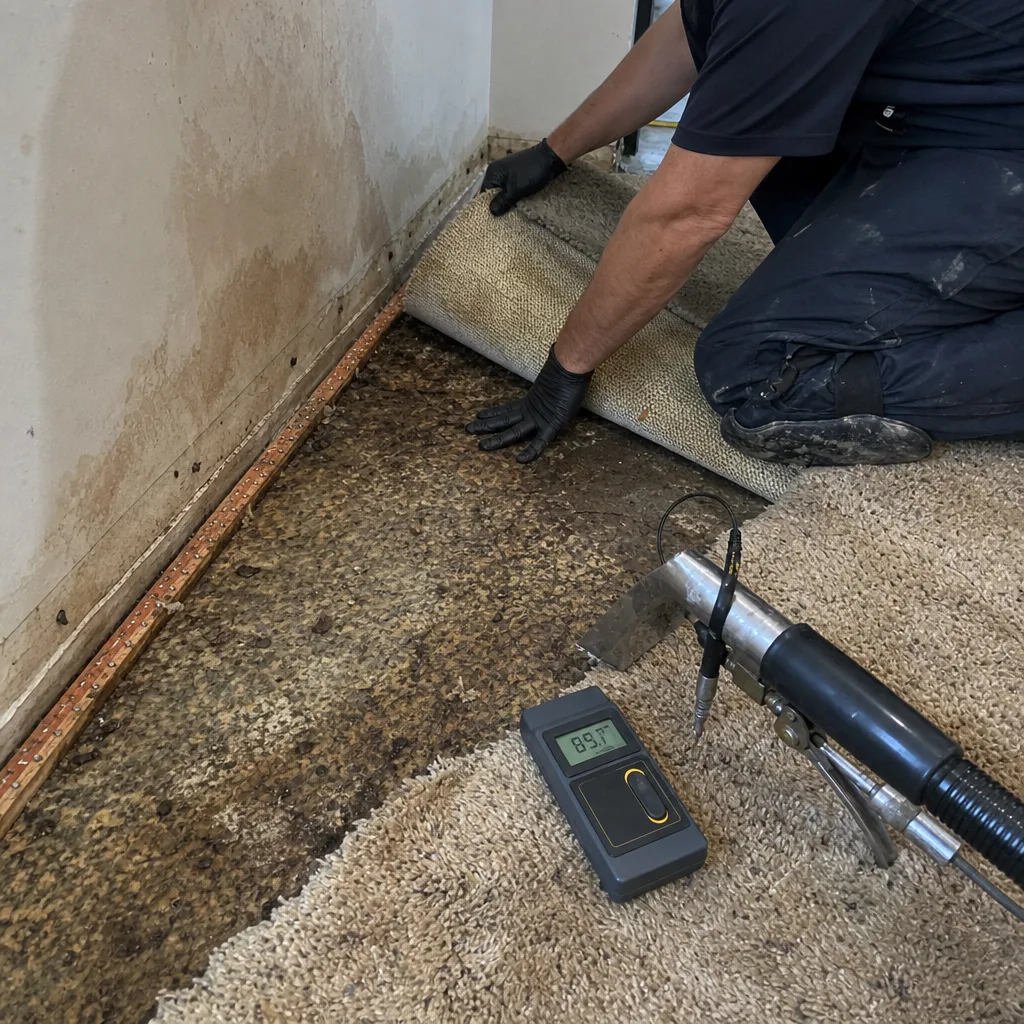
Forest Hills sits in USDA Hardiness Zone 7b with humid subtropical climate characteristics: cold, wet winters with freeze-thaw cycles; warm, humid summers with heavy precipitation events; and shoulder seasons with rapid temperature swings that stress building envelopes.
March-April (Spring Thaw)
- Test sump pump with 5-gallon bucket method; record discharge rate
- Inspect basement walls for efflorescence or new staining after snowmelt
- Check gutters and downspouts for winter damage; verify drainage path clear
- Service HVAC condensate drain before cooling season begins
- Target indoor humidity: 30-45% as outdoor moisture increases
June-July (Summer Humidity)
- Verify dehumidifier operation in basement; target 50% maximum relative humidity
- Inspect bathroom ventilation under actual use conditions with hygrometer
- Check window air conditioner units for proper tilt and drainage; condensate must drain outward, not into wall cavity
- Inspect roof and ceiling after first major summer storm; photograph any changes
September-October (Fall Preparation)
- Clean gutters thoroughly after leaf drop
- Inspect exterior grading; re-establish slope if settled
- Test sump pump again before fall rainy season
- Service water heater before heating season demand increases
- Inspect caulk and grout in all wet areas before winter contraction begins
December-January (Winter Freeze Risk)
- Verify pipe insulation in unheated spaces; minimum R-4 for supply lines in crawl spaces or exterior walls
- Maintain indoor temperature minimum 55°F even when away
- Inspect for ice dam formation on roof edges after snow; document with photos
- Check for condensation on cold surfaces indicating inadequate insulation or excessive indoor humidity
Building Your Defensible Maintenance Log
A log that satisfies an insurance investigator has specific characteristics. It is contemporaneous. It is detailed. It is consistent. And it is stored where it survives the loss that prompts the investigation.
Physical Log Format
Use a bound notebook with numbered pages, or a digital system with automatic date-stamping and cloud backup. The physical format matters less than the discipline. What matters is that entries are made at the time of inspection, not reconstructed afterward.
Each entry should include:
- Date and time of inspection
- Inspector name (self, or professional if contracted)
- Location inspected (room, fixture, or building component)
- Measurement taken (moisture percentage, discharge rate GPM, humidity percentage, temperature)
- Pass/fail determination with threshold cited
- Action taken if failed (repair, replacement, professional consultation, follow-up date)
- Photo reference number linking to dated photo file
Photo Documentation Standards
Photos must show condition, location, and date. Best practice: include a dated index card or digital timestamp in the frame. Photograph from the same position each inspection so changes are visually apparent.
Minimum photo set:
- Under each sink: supply line connection, shutoff valve, cabinet floor
- Water heater: full unit, T&P valve, drain pan if present
- Sump pump: pit, pump, discharge point
- Basement walls: each wall section, any prior efflorescence locations
- Ceiling below roof: each room, same camera position annually
- Exterior grading: foundation line from each corner
Storage
Store the log and photo archive in three locations: physical copy in fireproof container; digital copy on cloud service with version history; digital copy with insurance agent or attorney. The log that burns with the house or drowns with the basement is useless.
Insurance Coverage Preservation vs. Optional Tasks
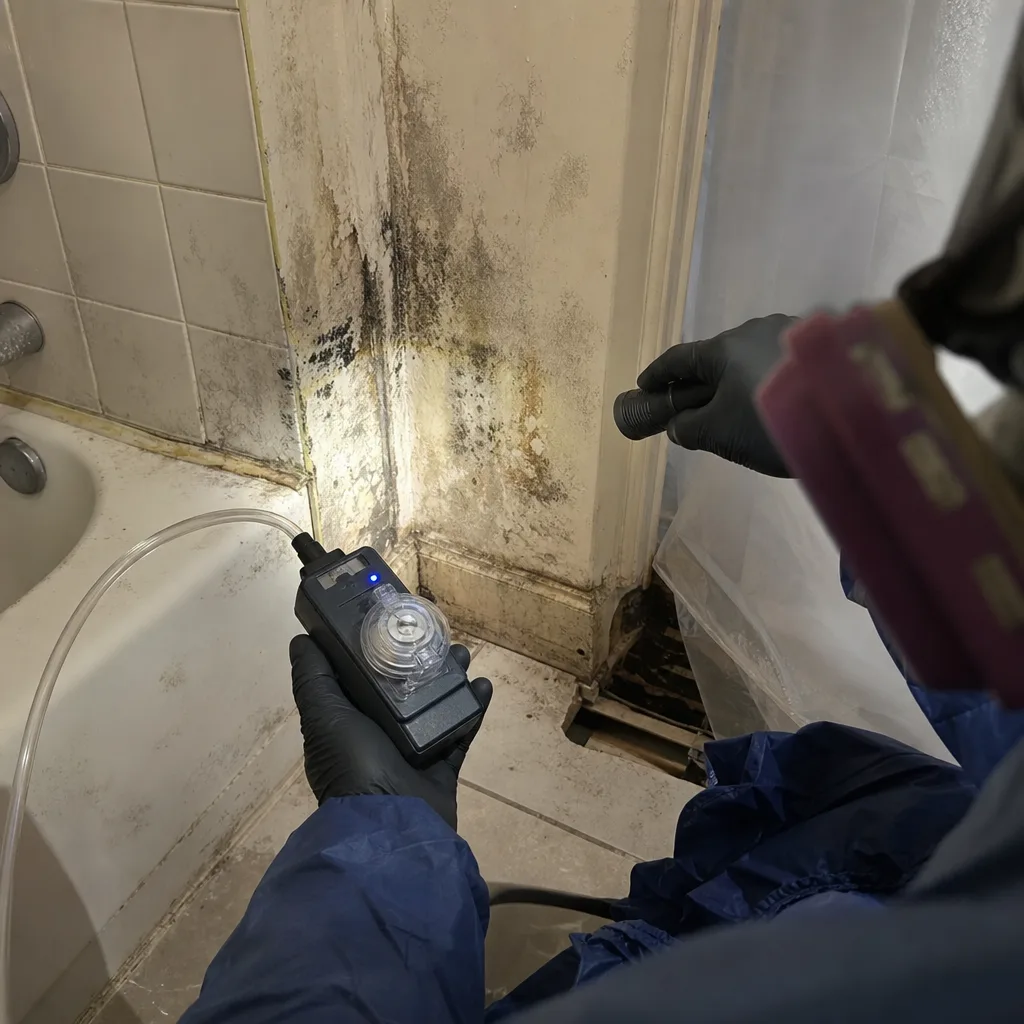
Not all maintenance affects your coverage equally. Some tasks preserve your right to claim. Others are prudent but do not change your policy position.
Coverage-Preserving Tasks (Do These or Risk Exclusion)
These address conditions that insurers classify as “reasonable care” expectations. Failure to perform them supports a denial under gradual damage or maintenance exclusions.
- Replacing rubber washing machine and dishwasher hoses at 5-year intervals
- Testing and maintaining sump pump to manufacturer specifications
- Addressing known leaks promptly (document the date discovered and date repaired)
- Maintaining heat minimum 55°F to prevent freeze damage
- Cleaning gutters to prevent ice dams and overflow
Prudent but Not Coverage-Critical Tasks
These reduce damage severity or improve comfort but are not typically cited in coverage disputes.
- Upgrading to braided steel hoses before rubber hoses age out
- Installing water leak detectors with automatic shutoff
- Improving bathroom ventilation beyond code minimum
- Installing backup sump pump or battery system
The distinction matters for resource allocation. A homeowner with limited time should prioritize coverage-preserving tasks. The optional upgrades come after the baseline is secure.
Equipment and Tools Worth Owning
You do not need professional-grade equipment to maintain a defensible log. You need reliable, consistent tools that produce repeatable measurements.
| Tool | Purpose | Approximate Cost | Key Specification |
|---|---|---|---|
| Pin-type moisture meter | Wood and drywall moisture content | $50-$150 | Accuracy ±1% in 6-30% range |
| Digital hygrometer | Relative humidity measurement | $20-$60 | Accuracy ±3% RH, with calibration certificate preferred |
| Infrared thermometer | Surface temperature, hot spot detection | $30-$100 | Emissivity adjustable for different materials |
| 5-gallon bucket with marked volume | Sump pump discharge test | $10 | Clearly marked at 1-gallon intervals |
| Smartphone with cloud backup | Photo documentation | N/A | Automatic date/time/location stamping enabled |
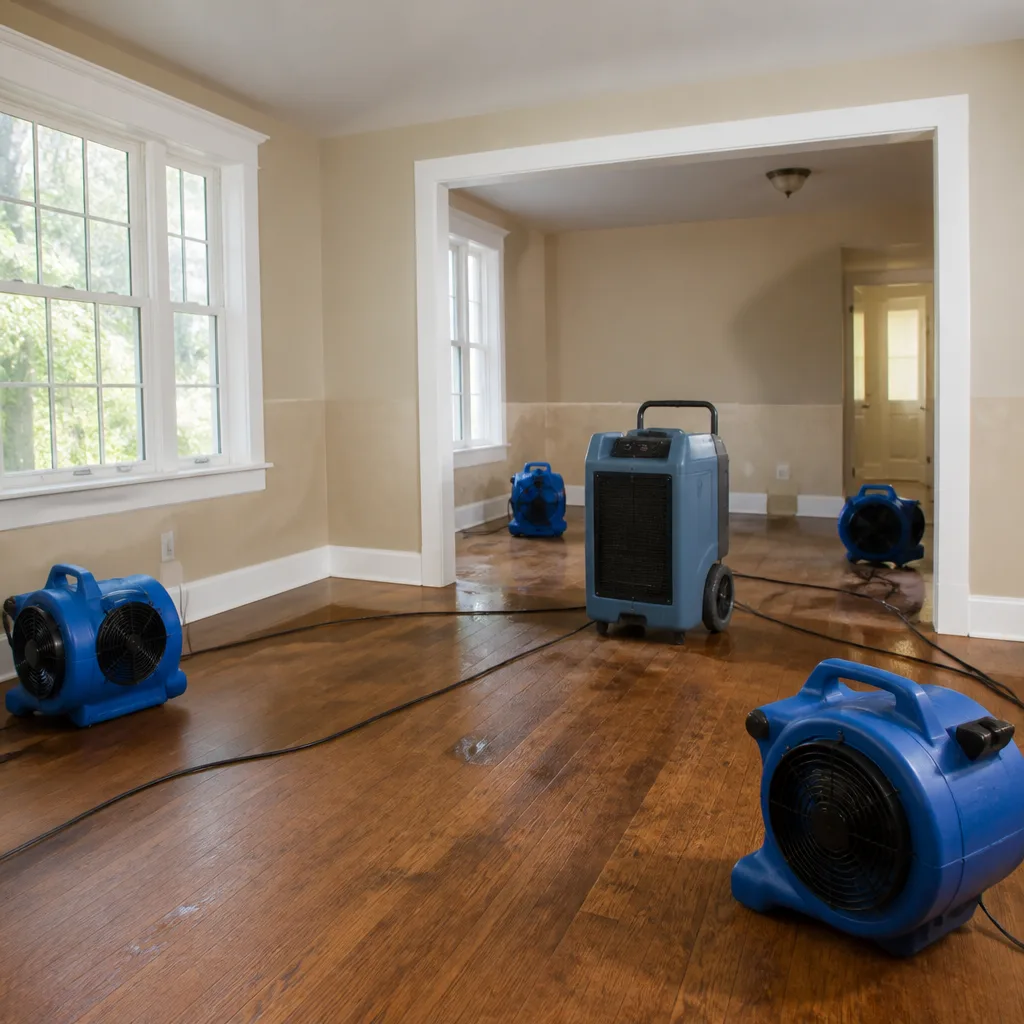
For professional-grade drying and moisture verification after an incident, Water Damage Restoration in Forest Hills from DryMark Restoration Forest Hills deploys equipment from Dri-Eaz, Phoenix, and XPOWER, with daily moisture logs documented to IICRC standards. The homeowner’s maintenance log and our restoration documentation together form the complete record an adjuster needs.
Common Mistakes to Avoid
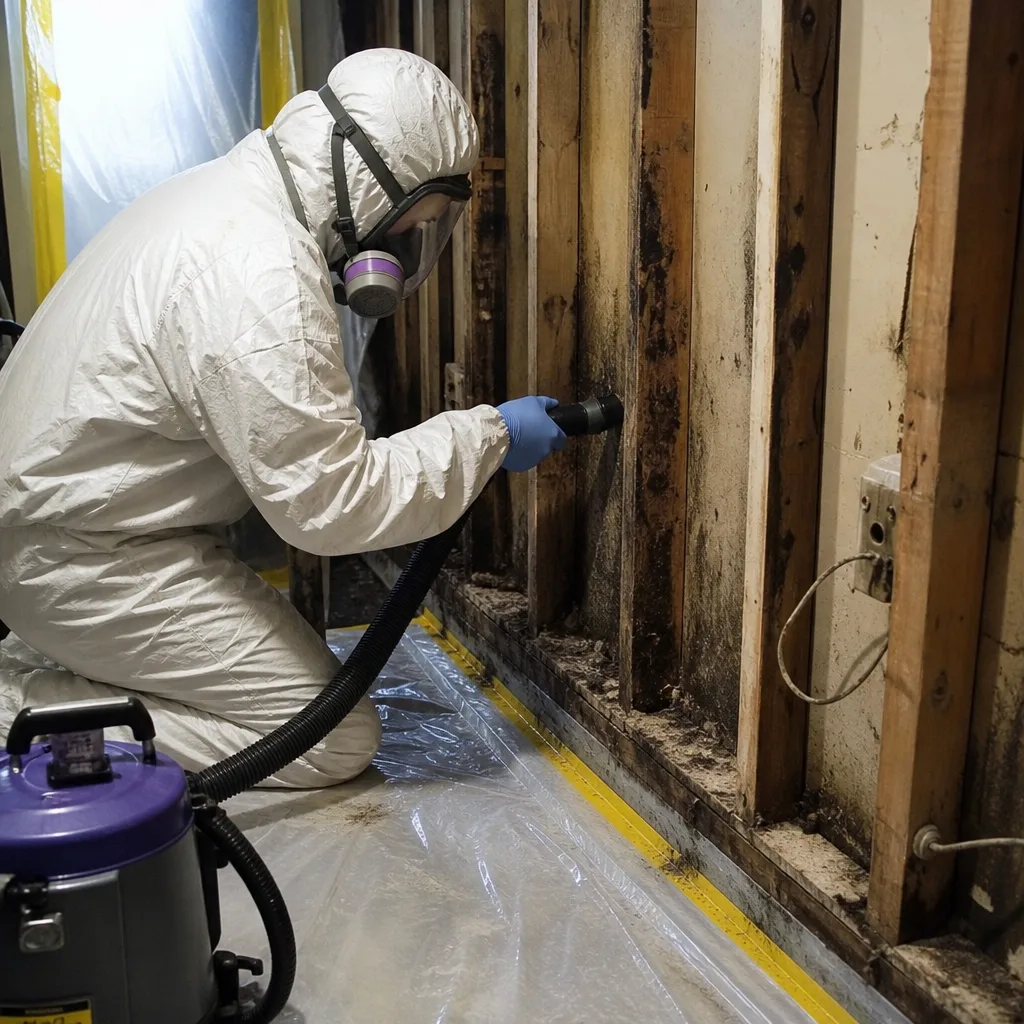
- Checking only after you suspect a problem. The log that begins when you notice a stain is reconstruction, not prevention. Insurers treat post-discovery documentation as self-serving. Start the log now, before any indication of trouble.
- Using vague entries like “looks fine.” “Looks fine” is not a measurement. “Cabinet floor 12% moisture, no staining, photo 2024-03-15-K1” is evidence. Every entry needs a number or a specific observation.
- Ignoring shared infrastructure in attached homes. Forest Hills pre-war attached homes often have drainage lines that cross property lines within walls. Your maintenance of your visible lines does not prevent neighbor-line failures, but it does help establish that your side was not the source. Document your side thoroughly.
- Storing the log only in the basement. The basement is where water damage occurs. The log that documents your maintenance should not drown with your water heater. Cloud backup and off-site physical copy are essential.
- Assuming a home inspection at purchase suffices. A purchase inspection is a snapshot. It documents condition at closing, not ongoing maintenance. Your log must show continuous care from that point forward.
- Neglecting to document professional work. When you hire a plumber, roofer, or HVAC technician, request a written report of work performed and findings observed. Attach this to your log. Third-party documentation carries more weight than self-reported maintenance.
- Setting reminders but not following through. The calendar alert that gets dismissed is worse than no reminder at all, because it suggests awareness without action. Schedule maintenance when you can complete it, or delegate to a service that provides documentation.
When to Call a Professional
Some conditions exceed homeowner maintenance and require documented professional intervention. Call for assessment when:
- Moisture meter readings exceed 20% on any structural wood or 15% on drywall, and the source is not immediately apparent and correctable
- Efflorescence appears on foundation walls, indicating active moisture migration that interior maintenance cannot address
- Sump pump discharge rate falls below 35 GPM or pump cycles more than 6 times per hour during dry weather
- Ceiling stains appear below flat roofs, even if small, as these indicate membrane breach that will expand
- Any water event produces moisture in wall cavities or insulation, where homeowner tools cannot measure or dry effectively
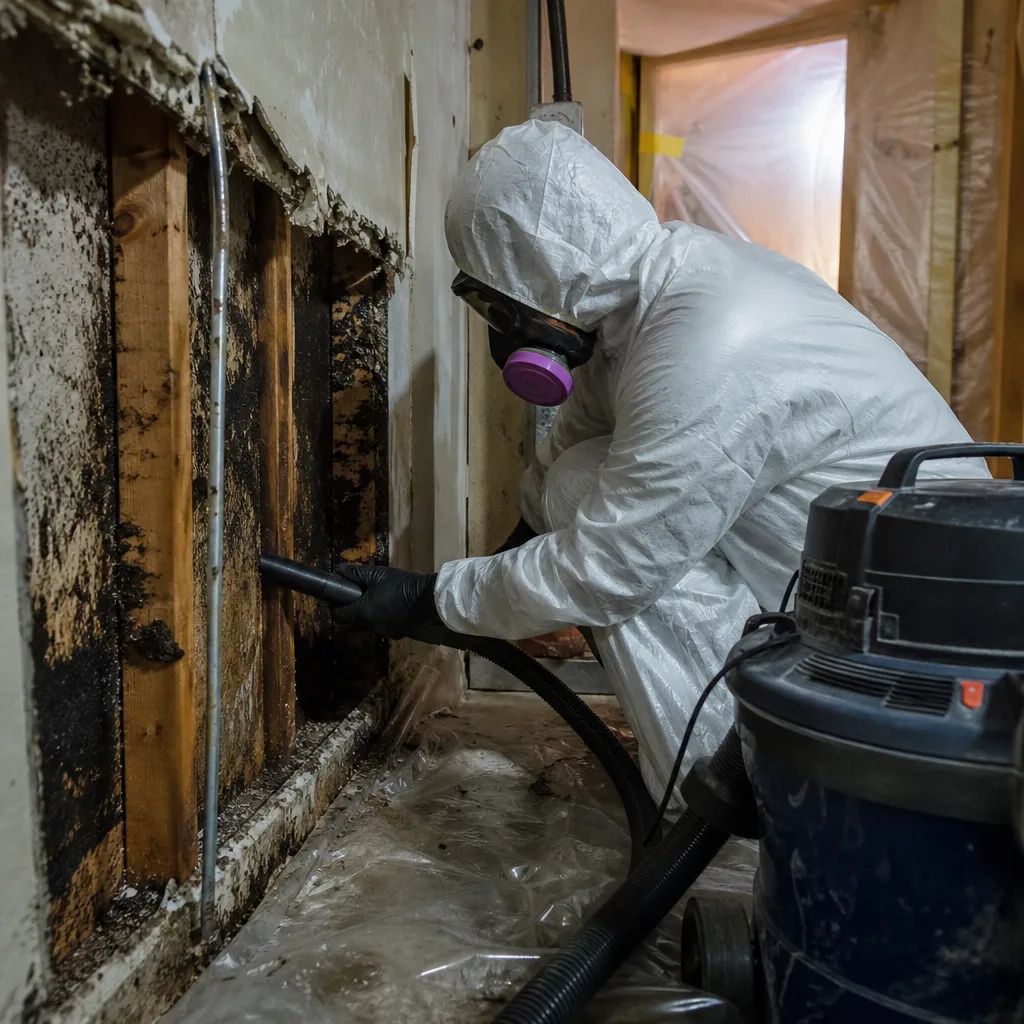
Professional moisture mapping with thermal imaging and penetrating meters locates hidden moisture that surface checks miss. Mold Remediation in Forest Hills becomes necessary when moisture remains above 16% for more than 48 hours, as mold colonization begins in that window.
DryMark Restoration Forest Hills offers free estimates in Forest Hills. Call (516) 687-6900 for assessment, documentation, and a written scope before any work begins.
Frequently Asked Questions
Quarterly inspections of all visible plumbing, annual replacement of rubber hoses regardless of appearance, and seasonal checks of roof, gutters, and sump pump before peak risk periods. The quarterly schedule produces enough data points to establish a pattern of reasonable care without becoming burdensome. Call (516) 687-6900 if you find any reading outside pass thresholds during your inspection.
Yes, if the claim involves gradual damage, seepage, or any condition that developed over time rather than from a sudden, identifiable event. The adjuster’s job is to determine whether the damage was sudden and accidental (covered) or gradual and discoverable (potentially excluded). Your log is your primary defense against the latter classification. A documented history of inspection and maintenance shifts the burden back to the carrier to prove you failed to exercise reasonable care.
30-50% relative humidity year-round, with 50% as the absolute maximum. Above 60%, mold spores germinate on organic surfaces. In Forest Hills summers, outdoor humidity regularly exceeds 70%, making dehumidification essential in below-grade spaces. Measure with a calibrated hygrometer, not by comfort alone. If your basement consistently reads above 50% despite dehumidifier operation, the unit may be undersized or the space may have excessive air leakage from the outside.
Document what you can control: interior plumbing, appliances, bathroom ventilation, and the condition of your ceilings and walls as visible from inside. Report envelope concerns (roof leaks, facade cracks, drainage issues) to the co-op board in writing, and retain copies of all correspondence. Your obligation is to exercise reasonable care over your unit and to notify the responsible party of conditions outside your control. The written record of notification protects you if damage results from the board’s failure to act.
Rubber or polymer hoses: every 5 years, regardless of visible condition. The failure mode is internal fatigue, not external cracking. Braided stainless steel hoses: every 10 years. Mark installation dates on the hose or nearby surface with permanent marker, and photograph the marked date. These are among the most common sources of catastrophic water damage in residential properties, and insurers increasingly treat aged hoses as a maintenance item whose failure is foreseeable.
No. Home warranties cover specific component failures under specific conditions, but they do not satisfy your insurance policy’s reasonable care requirement. Your insurer’s obligation and your warranty company’s obligation are separate contracts with separate standards. Maintain your own log even if you have warranty coverage, and retain all warranty service reports as additional documentation.
The Bottom Line
A water damage restoration maintenance checklist only protects you if it produces evidence. Forest Hills homeowners face specific risks from shared drainage in pre-war housing, flat roof membranes in post-war co-ops, and high water tables in finished basements. Address these with measurable thresholds, dated photos, and consistent logging. The log you build today is the evidence you’ll need if a carrier ever questions whether you exercised reasonable care. Start with the room-by-room checklist above, schedule your first quarterly inspection this month, and store your records where they survive the very events they document. For related more guides & resources, visit our blog.
For professional moisture assessment, documentation, and restoration with written pricing before work begins, Fire & Smoke Damage Restoration in Forest Hills and our full range of services are available through DryMark Restoration Forest Hills. Call (516) 687-6900 for a free estimate.
Written by Alicia Brennan, Owner at DryMark Restoration Forest Hills, serving Forest Hills since 2011.