
Last updated September 23, 2026
Free visual inspection and a written scope of work before any mitigation begins - photos, moisture readings, and drying logs go in your claim file
The scope we write is the scope we bill. Anything new gets shown to you, in writing, before we touch it.
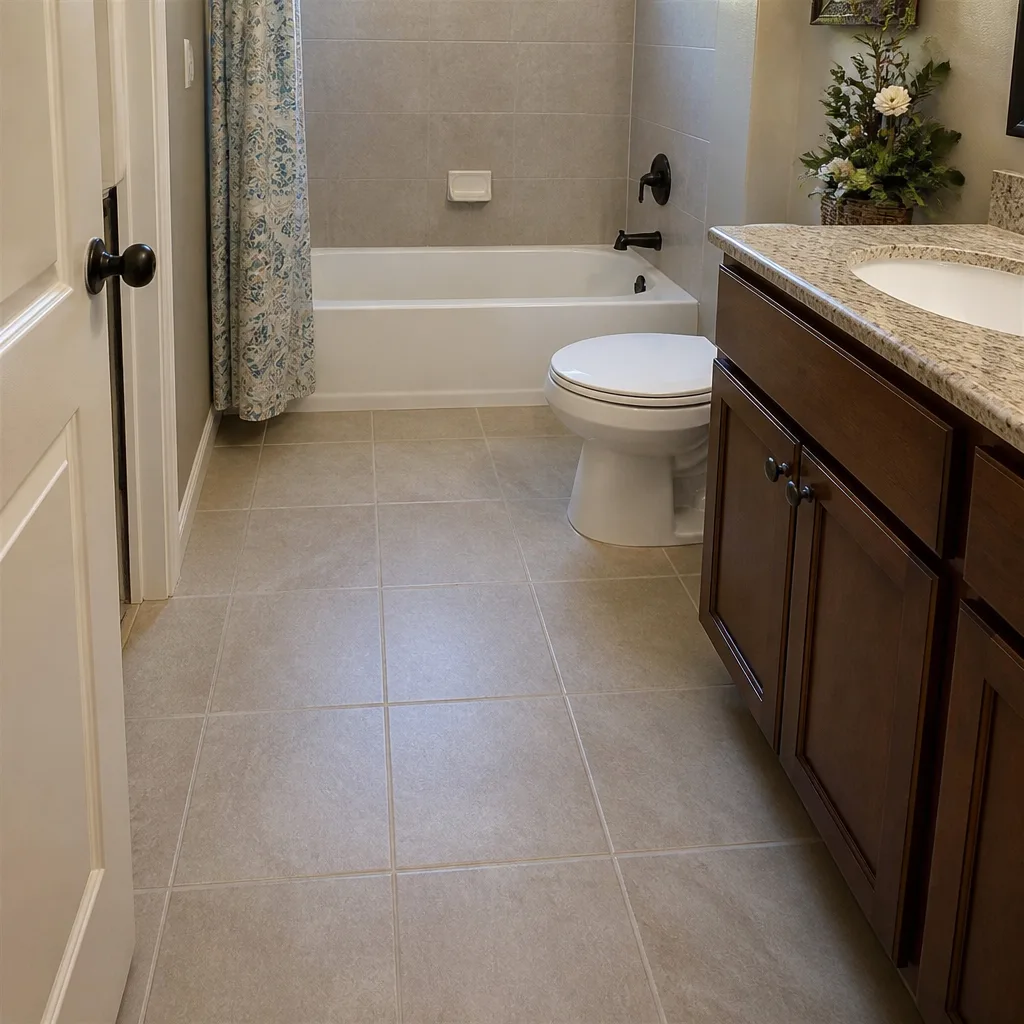

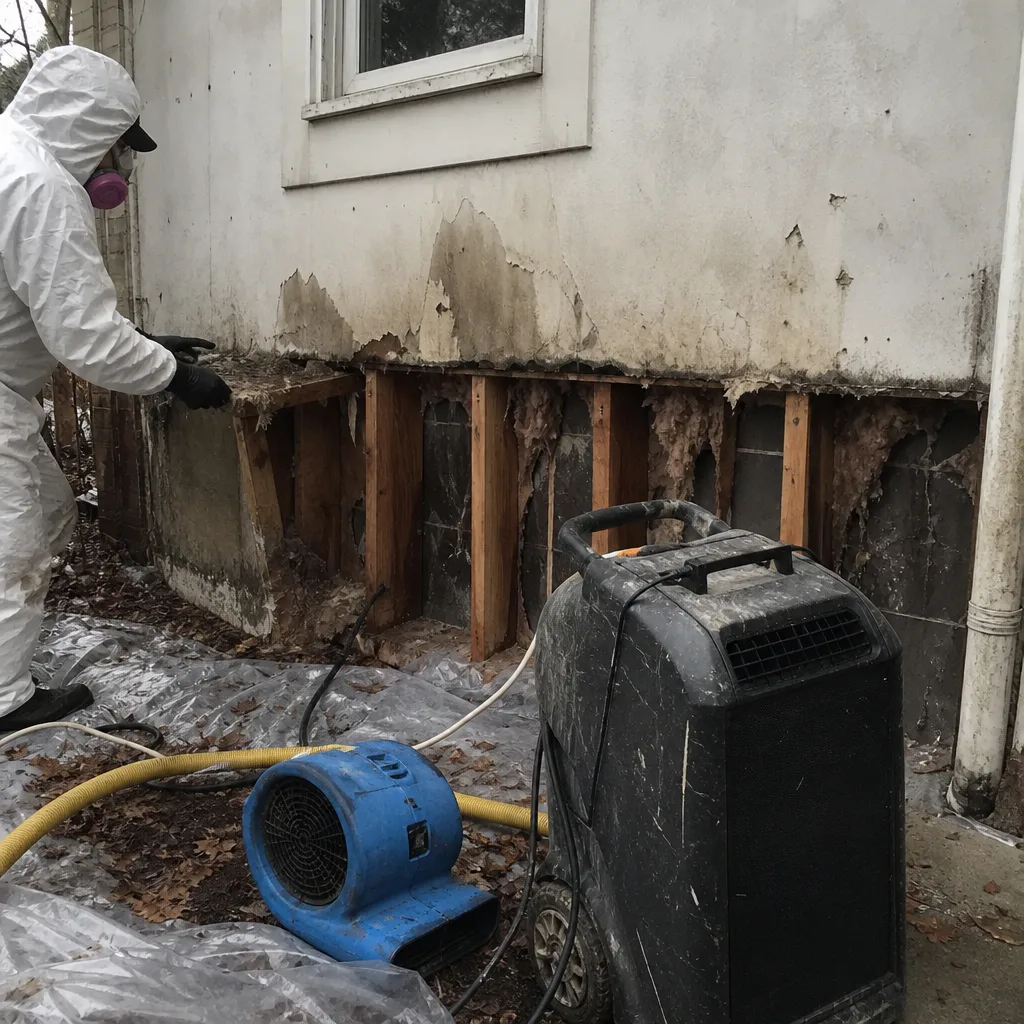 Before
 After
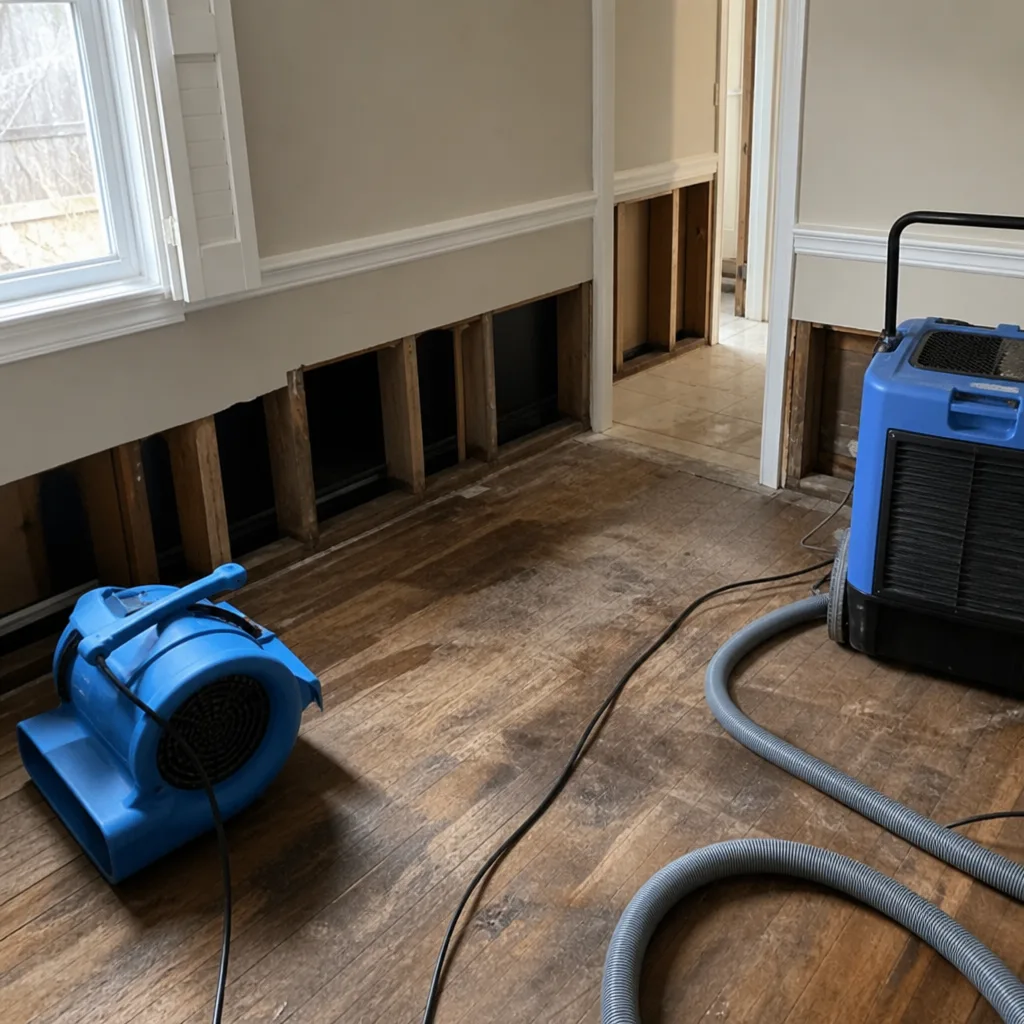
After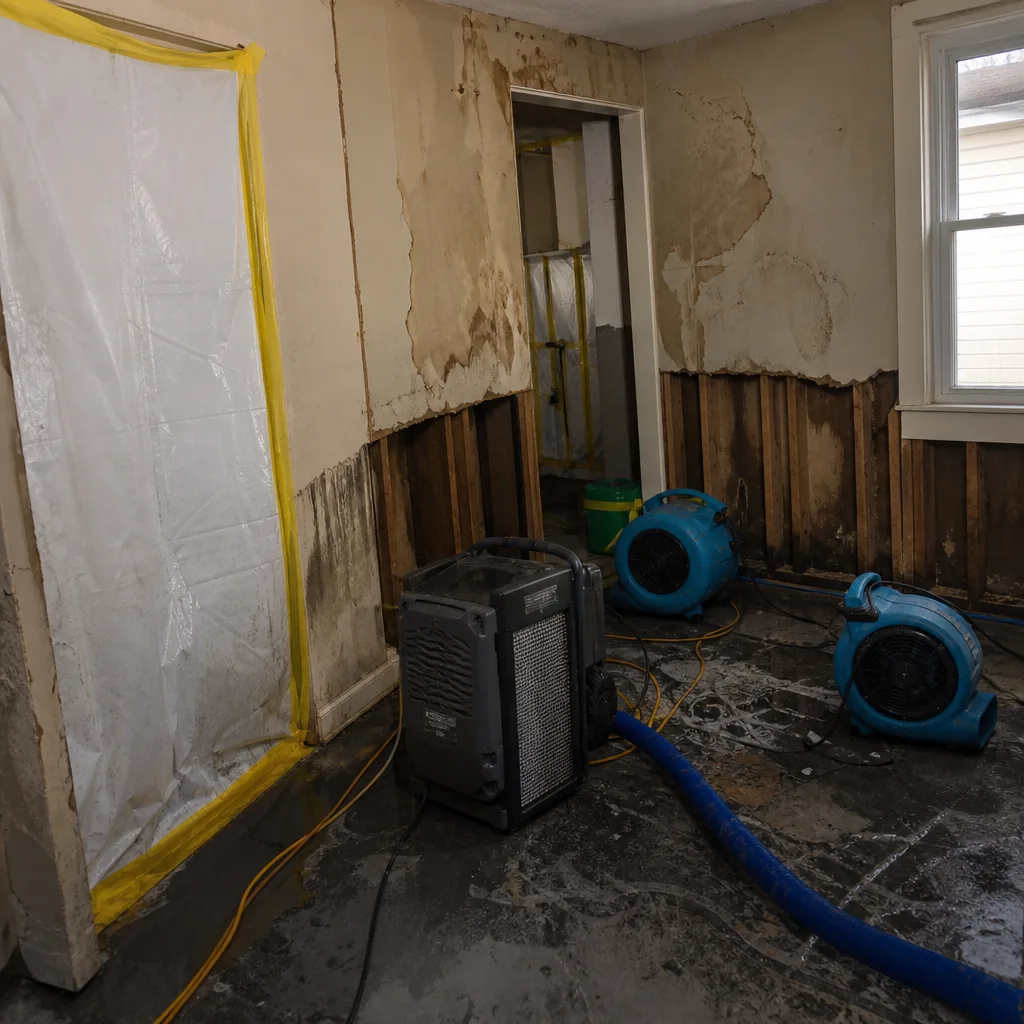 Before
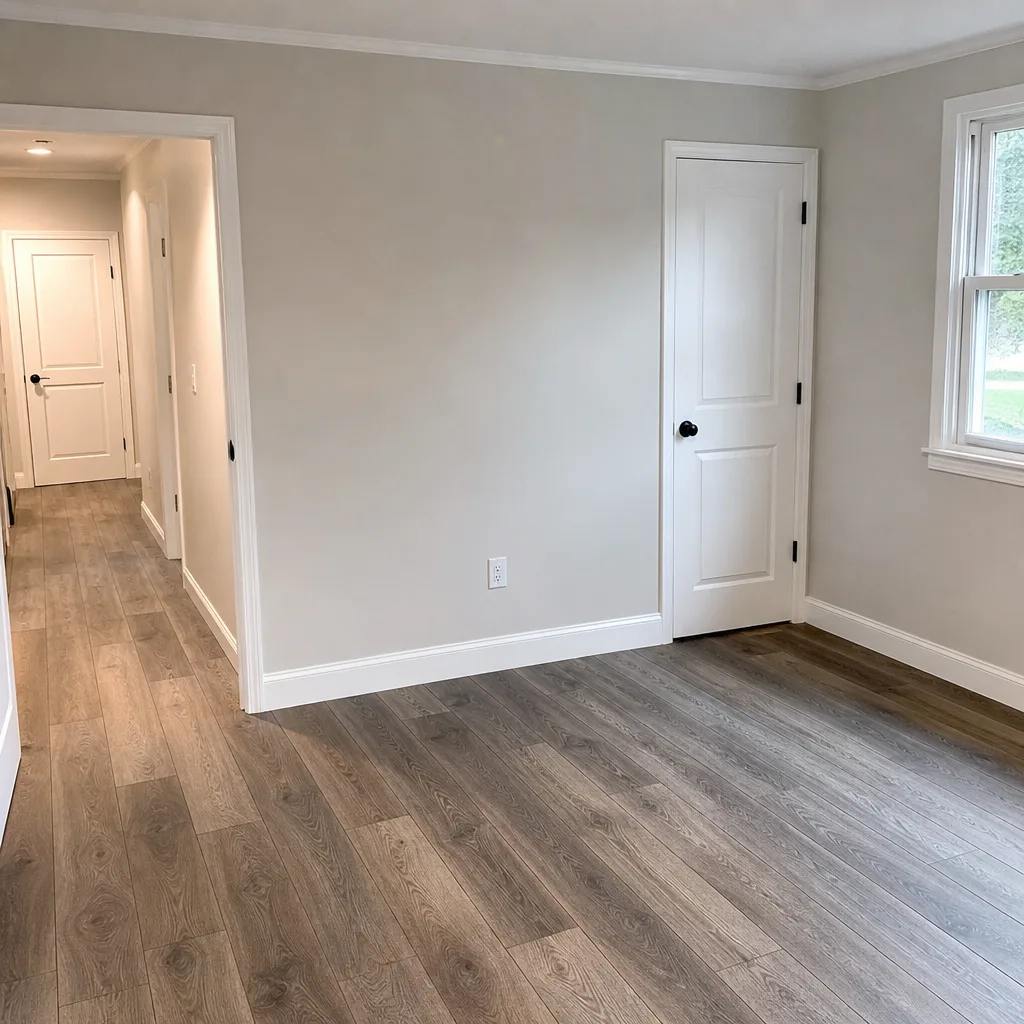 After
After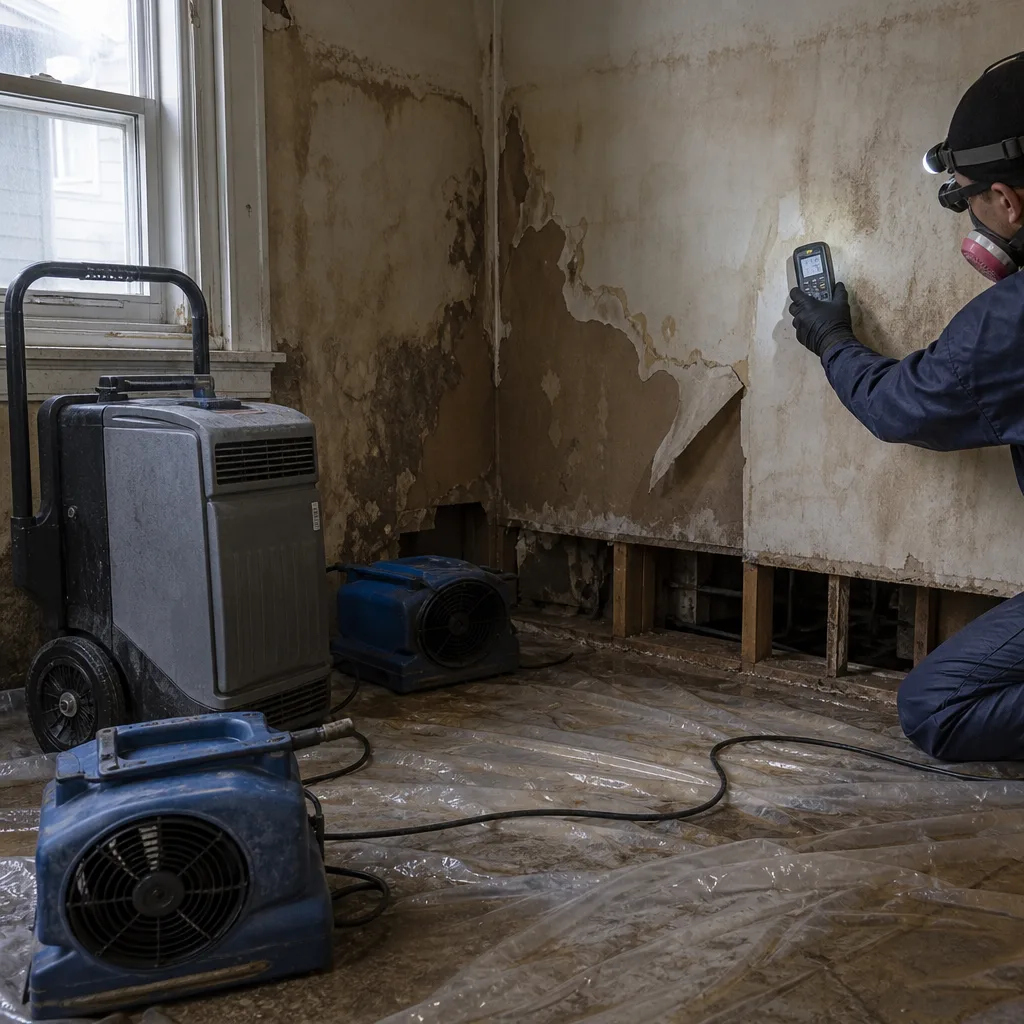 Before
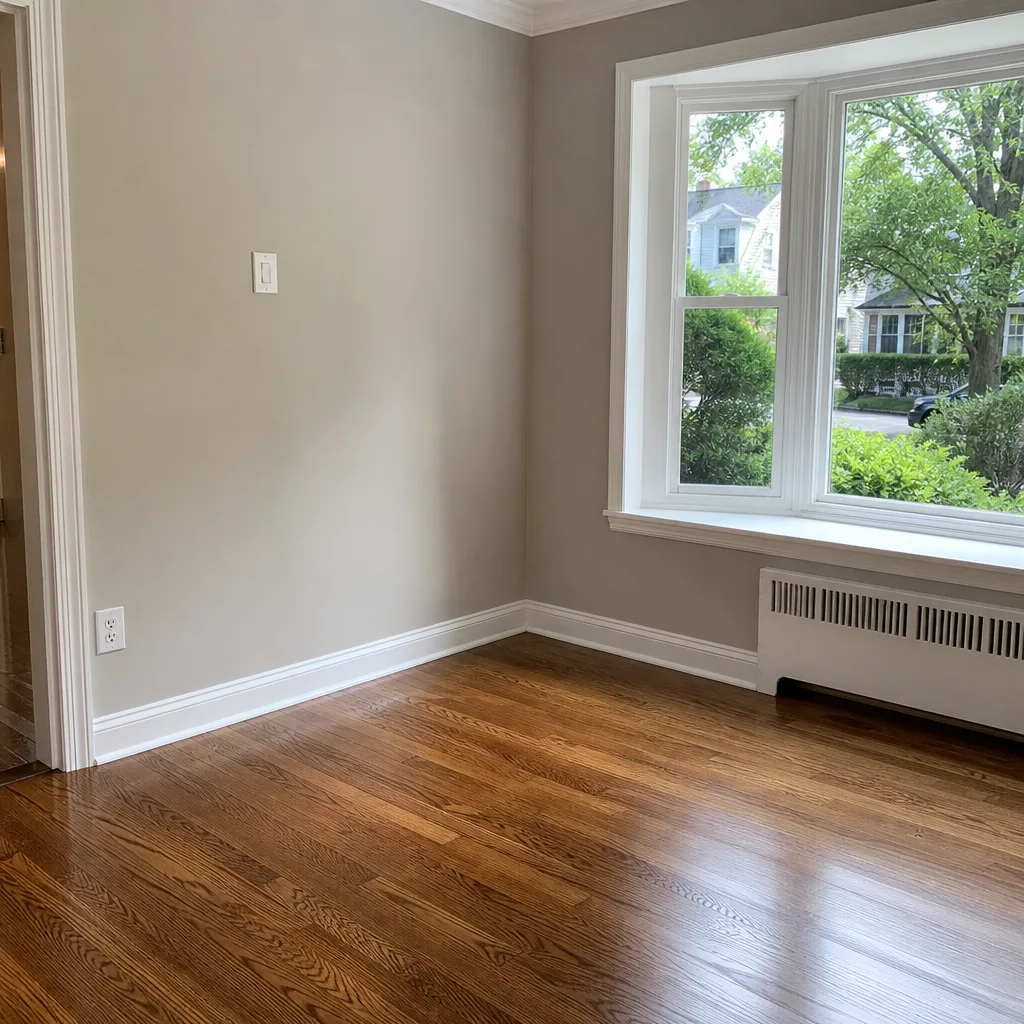 After
AfterSeasonal Damage Restoration Care for Forest Hills: Year-Round Homeowner’s Guide
Most Forest Hills homeowners assume water damage peaks during hurricane season or after a nor’easter. In our experience, the costliest claims we document happen in February and March, when ice dams form quietly on Tudor-style roofs along Forest Hills Boulevard and water migrates through insulated wall cavities for weeks before anyone notices. The moisture readings we pull from these late-winter jobs routinely hit 28-32% wood moisture content, well past the 16% threshold where mold colonization begins. This guide explains what to check, when to check it, and how to document what you find so your insurer pays the full claim. For a deeper dive, see The Complete Guide to Damage Restoration in Forest Hills.
Quick Answer
Seasonal damage restoration in Forest Hills requires four distinct maintenance rhythms-winter ice dam and frozen pipe prevention, spring basement seepage and mold assessment after snowmelt, summer humidity control and storm-drain clearing, and fall gutter maintenance plus pre-heating-system inspection-outlined in our Water Damage Restoration Maintenance Checklist for Forest Hills Homeowners. Homes built between 1920 and 1960, which comprise much of Forest Hills’ housing stock, face compounded risks from aging plaster, non-ventilated crawl spaces, and original clay sewer laterals that crack during freeze-thaw cycles.
Table of Contents
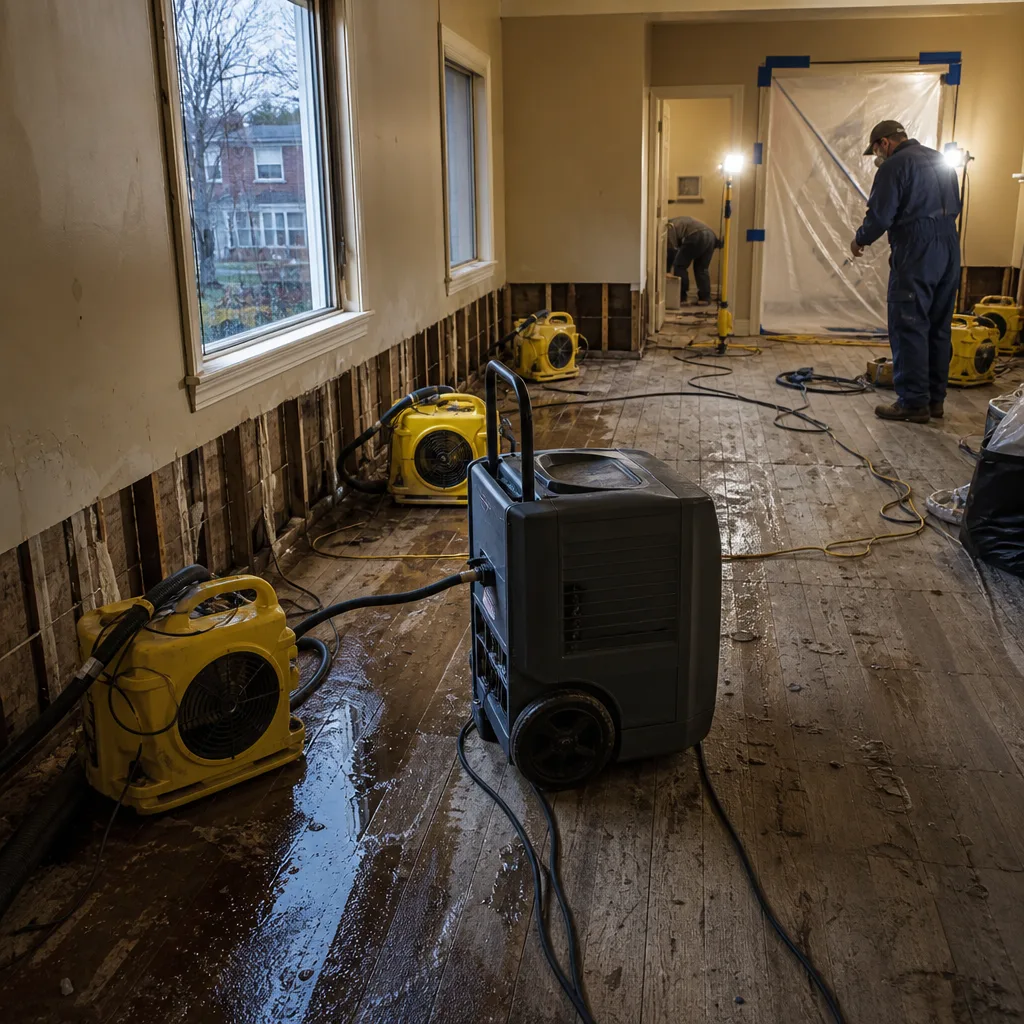
- Winter: Ice Dams, Frozen Pipes, and Hidden Wall Cavity Moisture
- Spring: Snowmelt Infiltration, Basement Seepage, and Mold Activation
- Summer: Humidity Load, Storm Surge, and Sewer Backup Risk
- Fall: Gutter Failure, Heating System Startup, and Pre-Winter Sealing
- Forest Hills-Specific Building Risks and Code Considerations
- How to Document Seasonal Checks for Your Insurance File
- Common Mistakes to Avoid
- When to Call a Professional
- Frequently Asked Questions
- The Bottom Line
BeforeAfterWinter: Ice Dams, Frozen Pipes, and Hidden Wall Cavity Moisture
Forest Hills sits at roughly 200 feet elevation with enough topographic variation that homes on the south slope of Forest Park experience different snow-load patterns than properties north of Queens Boulevard. Ice dams form when roof deck temperature exceeds 32°F at the eave while the outer edge stays frozen. Heated attic air melts snow from below; water runs to the cold edge and refreezes. The pool behind the dam backs up under shingles, saturates felt paper, and finds nail holes, cracked flashing, or deteriorated chimney seals.
We documented a job on Grenfell Street in January 2023 where ice dam backup produced 14 gallons of trapped water in a finished third-floor ceiling. The homeowners noticed a “musty smell” but no visible staining. Our moisture meter readings showed 24% in the ceiling drywall and 31% in the adjacent roof sheathing. Psychrometric data, the study of air-vapor relationships that governs professional drying, told us vapor pressure differential was driving moisture into the insulation cavity. Without thermal imaging, the damage would have progressed until spring warm-up triggered visible mold.
What to check monthly, December through March:
- Walk the exterior after snowfall and look for uneven melt patterns. A bare roof strip above a snow-loaded eave signals heat loss and dam risk.
- Check soffit vents for blockage. Forest Hills’ mature oak and London plane trees drop debris that accumulates in vent screens.
- Run water at every fixture for 30 seconds during cold snaps below 20°F. Pipes in exterior walls of pre-war homes, particularly on the first floor above unheated basements, freeze faster than modern construction.
- Inspect ceiling corners and wall-to-wall joints on the top floor after thaw events. Early staining appears as slight discoloration in plaster or as paint “alligatoring” where moisture pushes through.
- Photograph your roofline, attic access, and any visible venting. Date-stamped photos establish pre-loss condition if you file a claim.
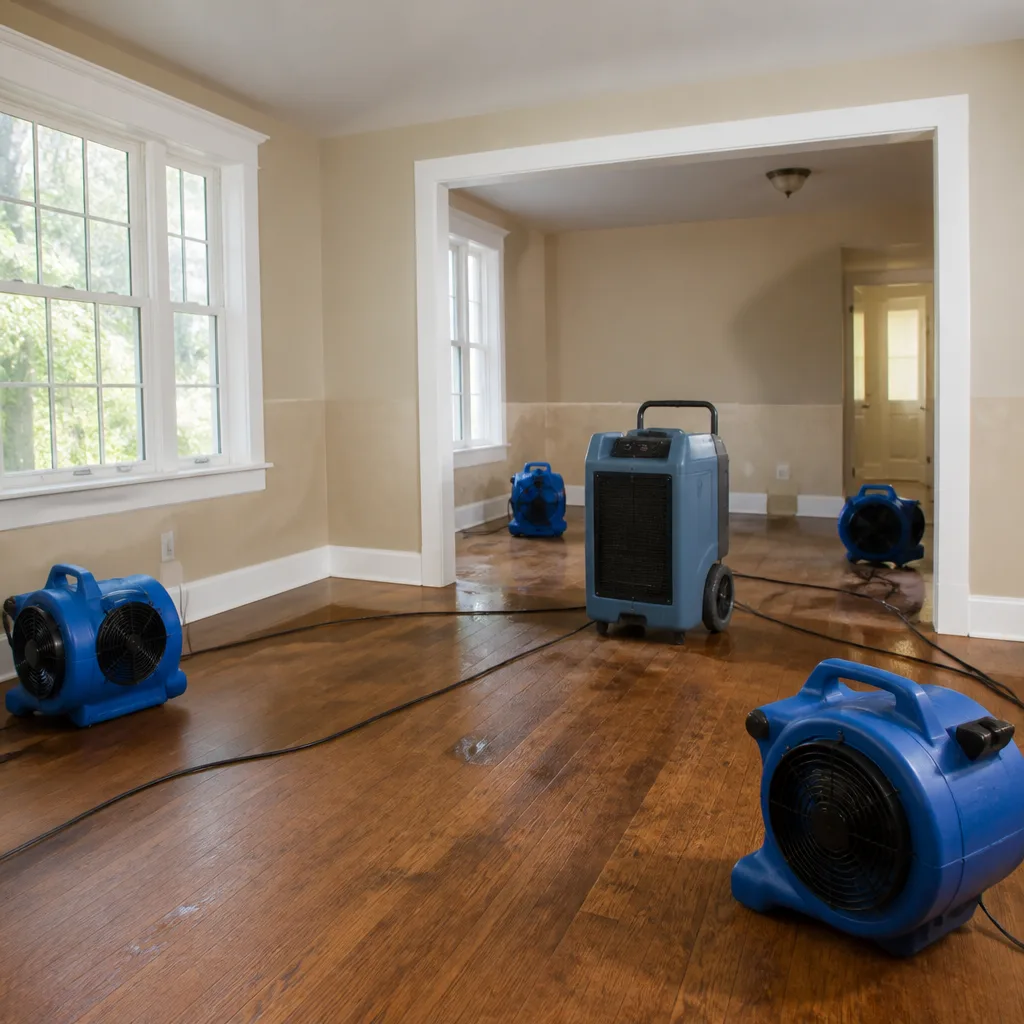
Our Water Damage Restoration in Forest Hills crews deploy Injectidry systems for wall-cavity drying without demolition. The equipment pulls negative pressure through 1-inch injection ports, drawing vapor out of stud bays while HEPA filtration contains any disturbed particulate. Daily moisture logs track progress to IICRC S500 standards, the water damage restoration protocol that insurers recognize for claim documentation.
If you discover active dripping or saturated drywall, stop. Tertiary drying, the phase where structural materials require aggressive extraction beyond surface evaporation, demands calculated airflow and temperature control. Incorrect equipment placement can drive moisture deeper or create secondary mold conditions. This is documented work, not improvised cleanup.
Spring: Snowmelt Infiltration, Basement Seepage, and Mold Activation
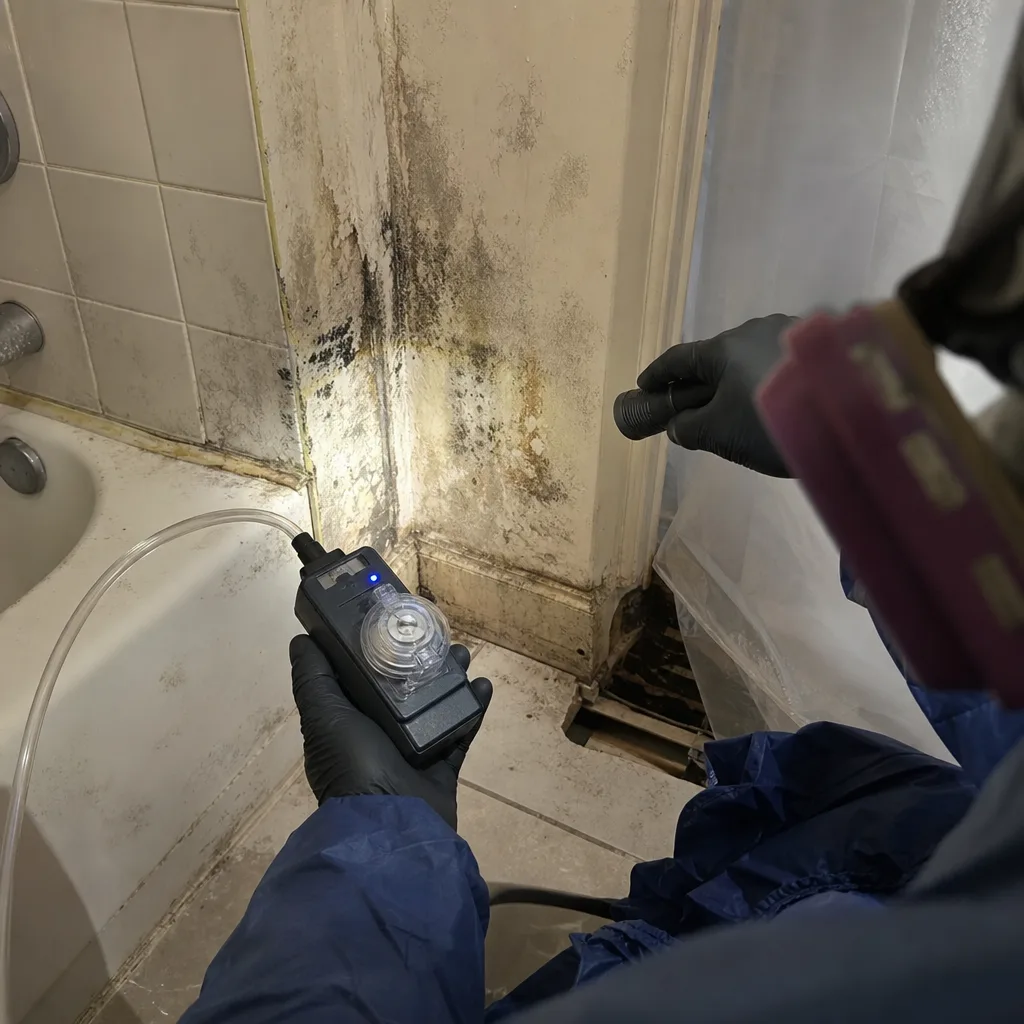
Forest Hills’ groundwater table rises measurably in April as Long Island’s aquifer recharges. Homes with original fieldstone or concrete block foundations, common in the Gardens and near Station Square, experience capillary wicking through porous mortar joints. The result is efflorescence, that white powdery deposit of mineral salts, which signals active moisture transport even when walls feel dry to touch.
Mold spores germinate at 60% relative humidity on organic surfaces. A basement at 55% RH in March can cross the threshold in April as soil temperature warms and vapor drive increases from the exterior. We find Aspergillus penicillioides and Cladosporium cladosporioides most frequently in Forest Hills spring assessments, both allergenic species that proliferate on cellulose dust settled on concrete surfaces.
Spring inspection protocol:
- Measure basement humidity with a calibrated hygrometer, not the approximate reading on a thermostat. Target below 50% RH.
- Check the sewer cleanout cap for tightness. Spring rain on frozen or saturated ground overwhelms aging combined sewers in parts of Forest Hills built before 1940.
- Examine window wells for cracked drains or accumulated sediment. A failed well drain becomes a direct injection point during heavy rain.
- Look for new efflorescence patterns and photograph with a ruler for scale. Expanding white deposits indicate worsening moisture load.
- Sniff test near HVAC returns in the basement. Musty air drawn into the system distributes spores throughout the house.
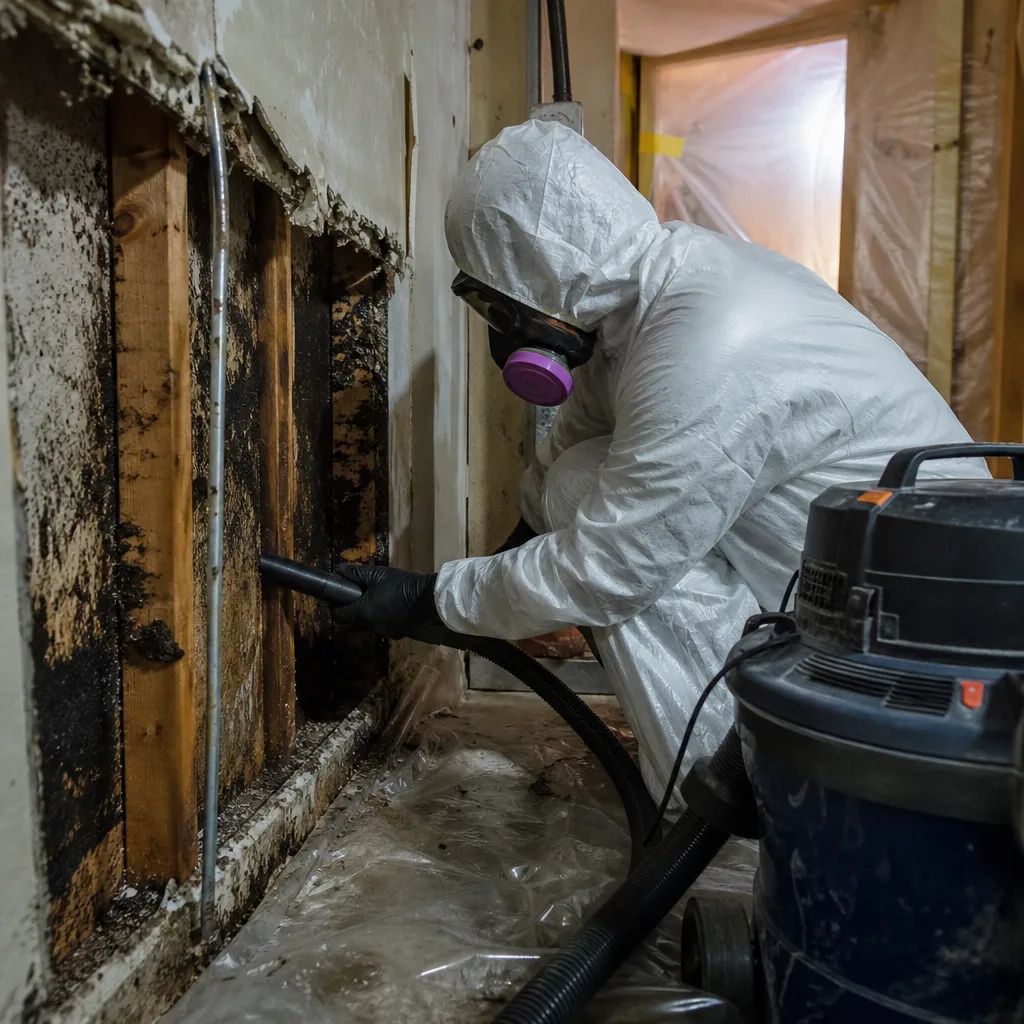
Our Mold Remediation in Forest Hills process begins with air sampling and surface tape-lifts analyzed by independent laboratories. We do not guess at contamination scope. The Haven Standard requires a written protocol before any removal begins, with containment barriers erected to negative pressure using HEPA-scrubbed air filtration. Post-remediation verification sampling confirms clearance before we sign off.
One note on DIY mold treatment: bleach on porous surfaces drives spores deeper and adds water to the problem. We have documented jobs where homeowner bleach application increased measurable contamination by disturbing spore reservoirs without removing the moisture source. Proper remediation removes the source, controls humidity, and verifies with data.
Summer: Humidity Load, Storm Surge, and Sewer Backup Risk
July and August in Forest Hills average 68-72% outdoor relative humidity. Air conditioning systems sized for temperature control alone often fail to dehumidify adequately, particularly in multi-story homes with single-zone systems common in 1950s construction. The result is cold, clammy air: temperature at setpoint but humidity high enough to condense on ductwork and vapor barriers.
Summer storms present a different risk profile. Forest Hills’ street tree canopy, one of its defining characteristics, becomes a hazard when saturated soils loosen root balls. We have responded to multiple calls after mature oaks on private property fell across roofs or sheared utility lines. The damage chain typically runs: impact breach → rainwater intrusion → electrical system compromise → secondary fire risk from compromised wiring.
Sewer backup risk peaks in summer when intense rainfall exceeds the capacity of combined storm-sewer systems. The NYC Department of Environmental Protection reports periodic overflow events in southeast Queens. Homes with basement fixtures below the street sewer invert, or with damaged sewer laterals, face backflow through floor drains and cleanouts.
Summer maintenance checklist:
- Verify your sump pump operation by pouring 5 gallons into the pit. The float should trigger immediately, and discharge should clear the foundation by at least 6 feet.
- Clean storm drain grates on your property line. One clogged grate can pond water against foundation walls during a 2-inch hourly rainfall.
- Inspect your main electrical panel for corrosion or insect intrusion. Humidity and ants are common panel issues in Forest Hills basements.
- Check window air conditioner installation for proper tilt toward the exterior. Condensate draining into the wall frame produces hidden rot.
- Photograph your roof, trees, and drainage paths before peak storm season. Post-event comparison supports insurance documentation.
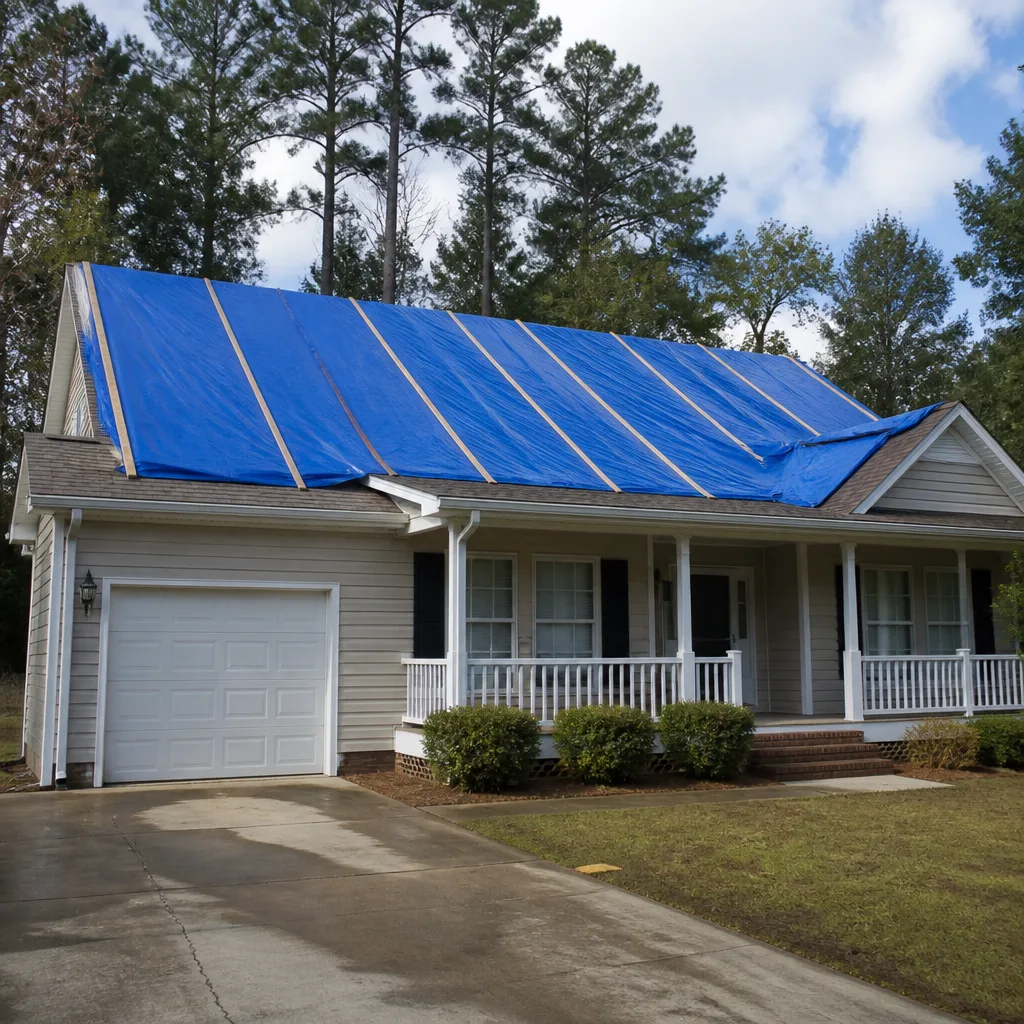
Storm damage with potential structural compromise requires documented assessment before any repair commitment. Our DryMark Restoration Forest Hills home teams use moisture mapping, thermal imaging, and structural moisture probes to establish the full damage perimeter. A written scope with line-item pricing follows before equipment deployment or material removal. Haven Standard, Clause 1: written price before work begins.
Fall: Gutter Failure, Heating System Startup, and Pre-Winter Sealing
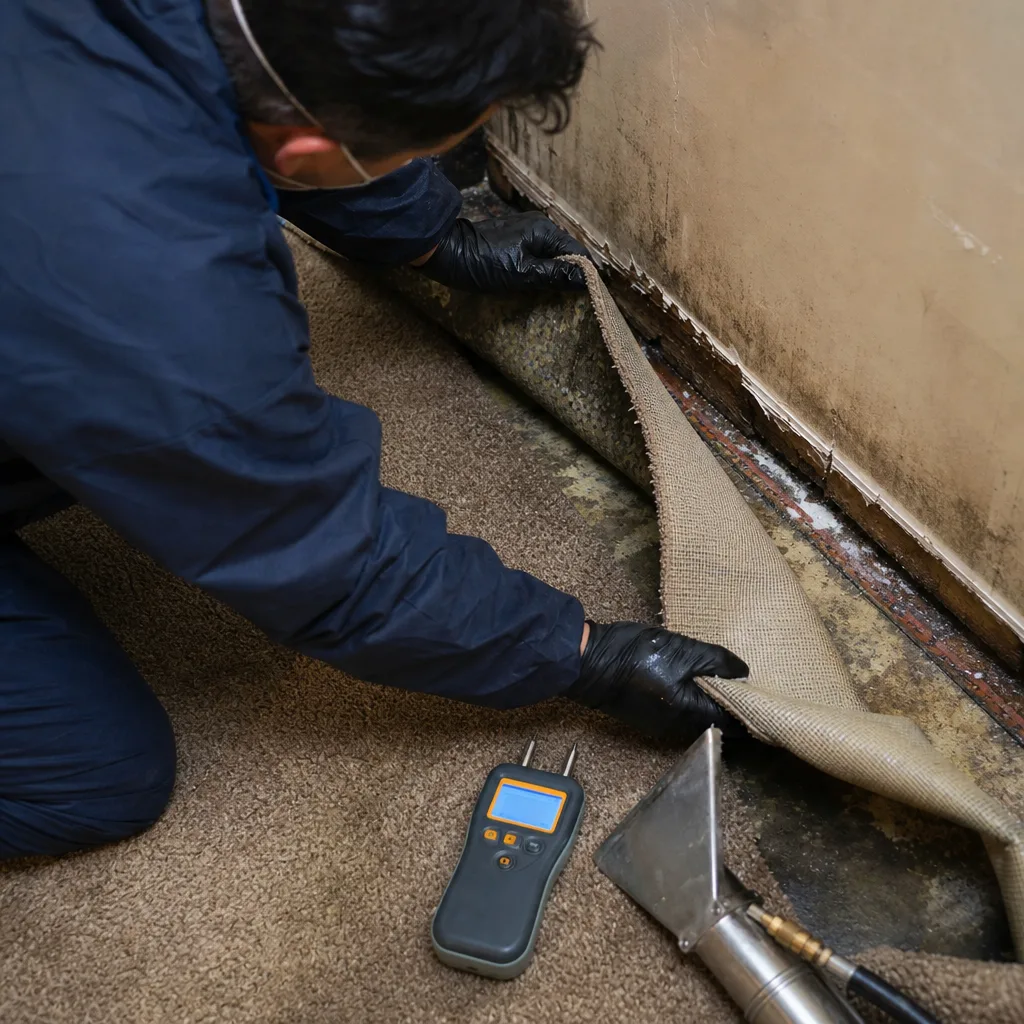
October is the critical preparation month in Forest Hills. Leaves from Norway maples and pin oaks, both abundant in the neighborhood, shed heavily in late October and early November. Clogged gutters overflow during the first freeze-thaw cycle, saturating fascia boards and creating ice dam conditions before consistent cold arrives.
Heating system startup presents its own documentation opportunity. We recommend scheduling a licensed HVAC technician for burner cleaning and heat exchanger inspection, then photographing the service ticket for your insurance file. A cracked heat exchanger can produce carbon monoxide and, in rare cases, contribute to combustion-related property damage. Your insurer will ask for maintenance records if a heating-related incident occurs.
Fall preparation sequence:
- Clean gutters after the majority of leaves have fallen, typically the second week of November in Forest Hills. Check downspout extensions to confirm water discharges at least 4 feet from the foundation.
- Inspect the roof from the ground or a secured ladder. Look for lifted shingles, deteriorated flashing, and debris accumulation in valleys. Do not walk the roof; steep pitches and slate surfaces are hazardous without proper fall protection.
- Test exterior faucets and irrigation blowout. A frozen hose bib with cracked copper inside the wall will not leak until spring thaw, by which time structural damage is extensive.
- Seal foundation penetrations for cable, phone, and utility lines with appropriate exterior-grade sealant. Mice seeking winter harborage exploit gaps as small as 1/4 inch, and their nesting materials create fire risk near electrical runs.
- Document your pre-winter condition with dated photos of roof, gutters, foundation, and mechanical systems.
Fall is also the optimal season for Fire & Smoke Damage Restoration in Forest Hills preparedness review. Test smoke and CO detectors, verify fire extinguisher charge dates, and confirm that fireplace flues operate freely. We respond to more chimney-related fire calls in December than any other month, and pre-season inspection eliminates most of them.
Forest Hills-Specific Building Risks and Code Considerations
Forest Hills’ housing stock spans distinct eras with distinct vulnerabilities. The Forest Hills Gardens area, developed 1909-1925, features slate roofs, stucco-over-wire-lath construction, and original clay tile sewer connections. These homes require specialized knowledge: slate repair demands a slate hook and copper nail technique incompatible with standard asphalt shingle practice; stucco water intrusion travels laterally along wire lath in patterns that confuse untrained inspectors.
Post-war construction north of Queens Boulevard, built 1945-1965, typically includes poured concrete foundations with lower-quality aggregate that spalls in freeze-thaw, and original galvanized steel water supply lines with 60-70 year service lives. We replace failed galvanized mains on several Forest Hills properties annually, usually discovered when a ceiling collapses from a pinhole spray inside a wall.
Cooperative apartments, concentrated along Queens Boulevard and in the newer sections, present unique documentation challenges. Building management maintains common systems; unit owners are responsible for “walls-in” damage. Water migration from an upstairs unit can involve three insurance policies: the building’s master policy, the upstairs owner’s HO-6, and your own HO-6. We have coordinated claims across all three and can explain the allocation process.
NYC Building Code requires permits for structural repairs, electrical work, and plumbing modifications. Emergency stabilization is exempt, but permanent repairs require licensed contractors and inspection sign-off. Our reconstruction division coordinates permit applications as part of the written scope, so restoration work does not stall at the permit desk.
Forest Hills falls within FEMA Flood Zone X, the minimal hazard designation, but localized street flooding occurs regularly during intense rainfall. Standard homeowner policies exclude flood damage from surface water. We document the water source on every job, because “rising water” versus “wind-driven rain” versus “plumbing failure” determines coverage. The distinction matters to your claim.
How to Document Seasonal Checks for Your Insurance File
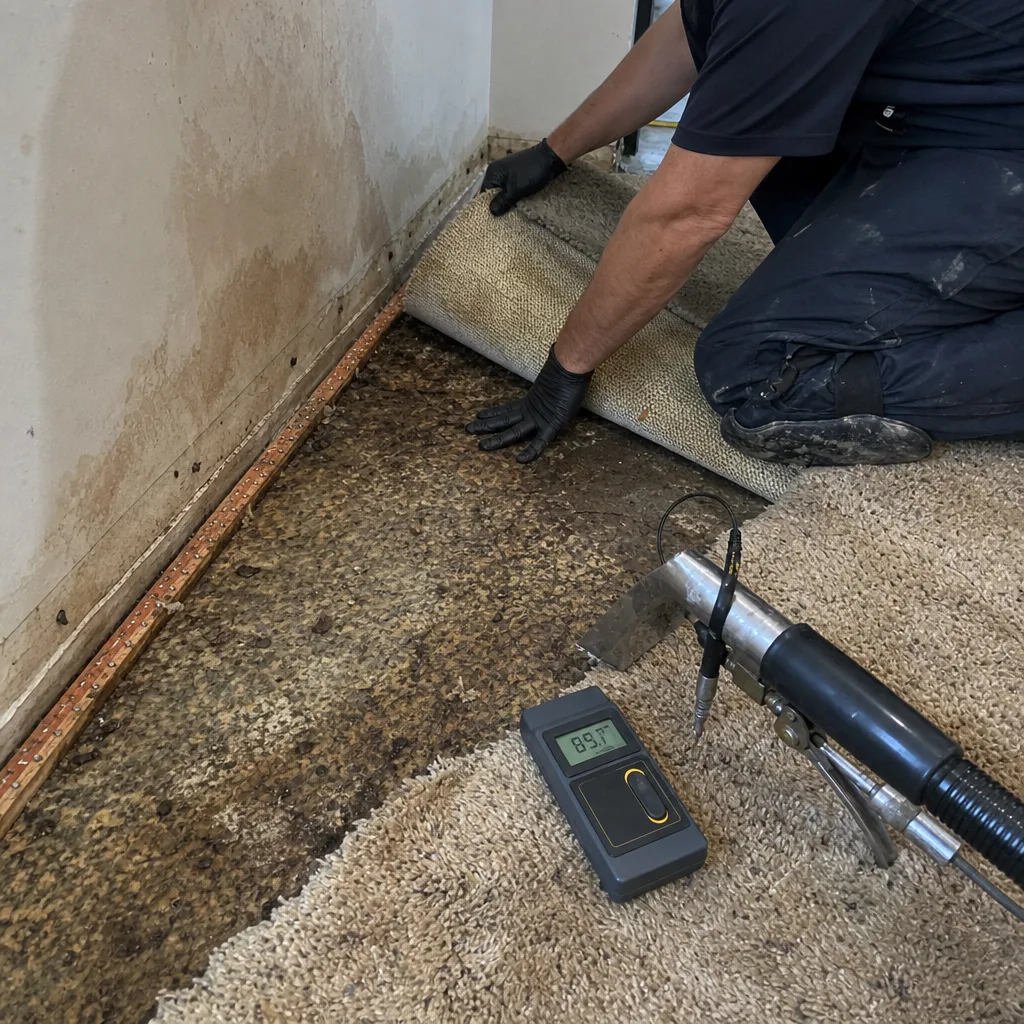
Documentation is the difference between a paid claim and a disputed one. We built our company around this gap. Alicia Brennan founded Back to Dry in 2011 after years as a claims adjuster watching homeowners lose legitimate coverage for lack of contemporaneous records.
Your seasonal documentation system:
- Photo log with metadata. Use your phone’s timestamp and geotag function. Capture wide shots for context and close-ups for condition detail. Store in a cloud service with automatic backup.
- Written checklist with dates. A simple spreadsheet tracking what you checked, what you found, and any action taken. This establishes maintenance diligence that insurers cannot dispute.
- Professional service records. HVAC cleaning, chimney sweeping, plumbing inspections, roof assessments. Keep PDFs with vendor license numbers.
- Moisture baseline readings. If you own or can borrow a pin-type moisture meter, record basement concrete and framing readings in October (dry season baseline) and April (wet season peak). Significant deviation signals investigation need.
- Inventory of mechanical systems. Model numbers, installation dates, maintenance history. Insurers depreciate unmaintained equipment more aggressively.
When damage occurs, this file accelerates every stage of the claim. We have seen adjusters approve scope expansions based solely on homeowner documentation quality. Conversely, we have seen legitimate claims reduced 40% for lack of maintenance records.
Our standard deliverable on every job includes: dated photo record on every visit, daily drying log with psychrometric readings, written scope with line-item pricing signed before work begins, and final moisture verification report. These documents transfer directly to your insurance file. The 365-Day Done Right Promise, backed by The Haven Standard, means if any documentation is questioned, we return to verify and correct at no charge.
Common Mistakes to Avoid
- Waiting for visible mold before acting. Mold grows in hidden cavities for 48-72 hours after moisture introduction. By the time you see staining, the remediation scope has tripled. Check humidity, not just appearance.
- Running fans on standing water. Air movement across standing water increases evaporation rate but also aerosolizes contaminants. Sewage backup, in particular, requires containment and extraction before any airflow is introduced.
- Assuming insurance covers all water damage. Gradual seepage, maintenance neglect, and flood from surface water are standard exclusions. Know your policy’s specific language before damage occurs.
- Neglecting tree maintenance on adjacent properties. A neighbor’s overhanging oak becomes your problem when it falls. Document written requests for limb removal; they support subrogation claims if damage occurs.
- DIY drywall replacement after water damage. New drywall over wet framing traps moisture and guarantees mold. Verify structural drying with moisture meters before closing cavities.
- Ignoring efflorescence as “just cosmetic.” Those white deposits are minerals left by evaporating water. They prove active moisture transport that will eventually degrade mortar and allow structural water entry.
- Skipping fall gutter cleaning until the first freeze. Frozen debris blocks drainage for the entire winter, creating ice dam conditions from the first snowfall. Clean in November, not January.
When to Call a Professional
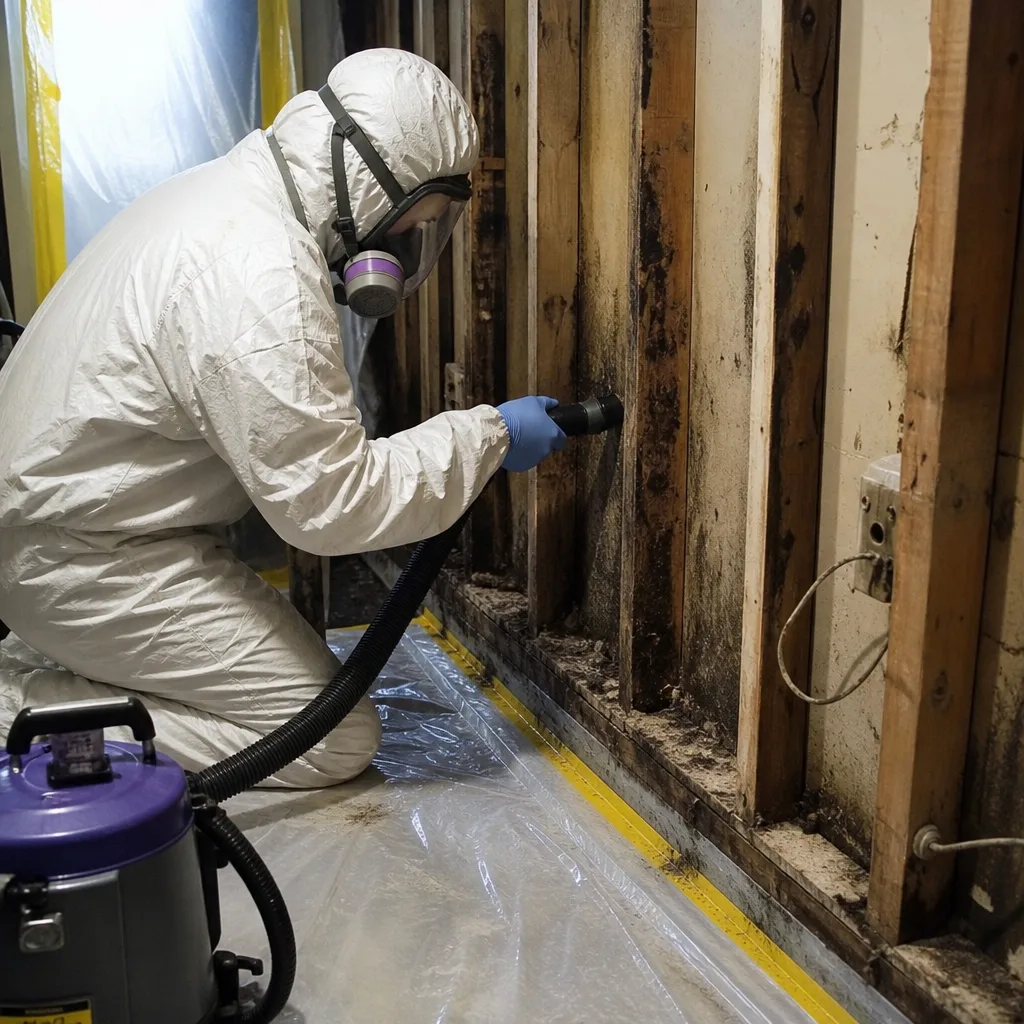
Call for documented assessment when: water has affected drywall, insulation, or flooring; you smell mustiness without visible source; your moisture meter reads above 16% on wood or 0.5% on concrete; sewage or gray water is involved; fire or smoke has affected multiple rooms; or structural integrity is questionable from storm impact or tree fall.
Do not enter a flooded basement if electrical panels or outlets are submerged. Do not operate heating systems that have been submerged or show corrosion. Do not attempt to lift or remove structural elements compromised by water or fire.
DryMark Restoration Forest Hills offers free estimates in Forest Hills. A trained technician will assess damage scope, explain documentation requirements, and provide a written price before any work begins. Call (516) 687-6900. Live phone coverage is available 24 hours a day, 7 days a week with no voicemail on emergency lines. If you have a competitor’s written estimate, we provide a Free Second Opinion at no charge.
Frequently Asked Questions
Category 1 clean water mitigation in Forest Hills typically ranges from $1,200 for limited basement extraction to $4,500 for whole-house drying with equipment deployment. See our Damage Restoration Cost Breakdown: The Forest Hills Homeowner’s Reference for 2026 for fuller pricing context. Category 2 gray water or Category 3 sewage jobs start higher due to contamination protocols and disposal requirements. Reconstruction, if needed, is priced separately after structural drying completes. Call (516) 687-6900 for an exact quote based on your specific damage - estimates are free and written before any work starts under Haven Standard, Clause 1.
Most standard HO-3 policies cover sudden and accidental water damage from ice dams, including interior repairs and contents restoration. They typically do not cover ice dam removal from the roof itself, which is considered maintenance. We photograph the dam, document the water migration path, and coordinate directly with adjusters to distinguish covered interior damage from excluded maintenance. Photo documentation on every visit supports this allocation.
Live phone coverage is available 24 hours a day, 7 days a week with no voicemail on emergency lines. For active water intrusion, we aim to have a technician on-site within 90 minutes in Forest Hills. Fire and biohazard scenes may require additional safety coordination. Reconstruction and non-emergency work is scheduled after written scope and pricing approval, not dispatched for same-day start.
Remediation is required when mold growth exceeds 10 square feet of contiguous surface, when HVAC systems are contaminated, or when occupants report health symptoms potentially related to mold exposure. Surface cleaning with appropriate antimicrobial is sufficient for limited, non-porous growth with identified and corrected moisture source. We determine scope through air sampling and visual inspection, then provide a written protocol before any removal begins. No scope-creep additions once the crew is inside.
We coordinate directly with your adjuster, providing the daily drying logs, photo records, and moisture verification reports that turn restoration invoices into payable claims. Alicia Brennan’s background as a former adjuster shaped this process. We speak the documentation language adjusters require, and we do not proceed with scope expansions without written adjuster authorization when coverage is in question.
Forest Hills’ pre-war housing stock, mature tree canopy, and combined sewer infrastructure in older sections create distinct risk patterns. Original clay sewers, slate and tile roofs, and stucco-over-wire-lath construction demand trade-specific expertise that standard restoration crews may lack. Our technicians are trained to these material specifications, and our equipment inventory includes specialized drying systems for dense, historic construction.
The Bottom Line
Seasonal damage prevention in Forest Hills is not about dramatic interventions. It is about systematic observation, timely maintenance, and documentation that protects your insurance position. Check your roofline after snowfall. Measure your basement humidity in April. Clean your gutters in November. Photograph everything. When damage exceeds your maintenance capacity, demand written pricing before work begins, photo documentation on every visit, and a warranty with an address. These are not marketing promises at DryMark Restoration Forest Hills. For more guides & resources, visit our blog. They are The Haven Standard, Clause 1 through Clause 7, stamped on every job since 2011.
Written by Alicia Brennan, Owner at DryMark Restoration Forest Hills, serving Forest Hills since 2011.