
Last updated September 23, 2026
Free visual inspection and a written scope of work before any mitigation begins - photos, moisture readings, and drying logs go in your claim file
The scope we write is the scope we bill. Anything new gets shown to you, in writing, before we touch it.
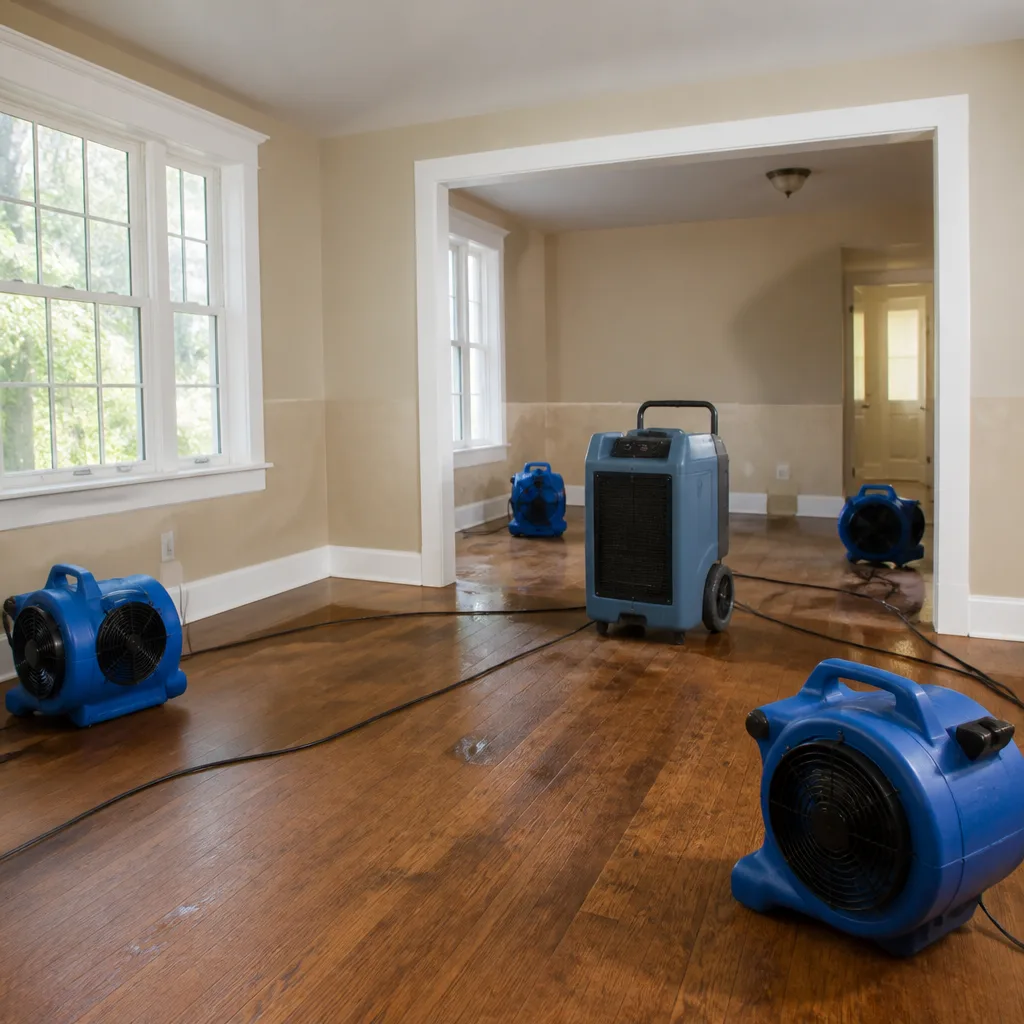
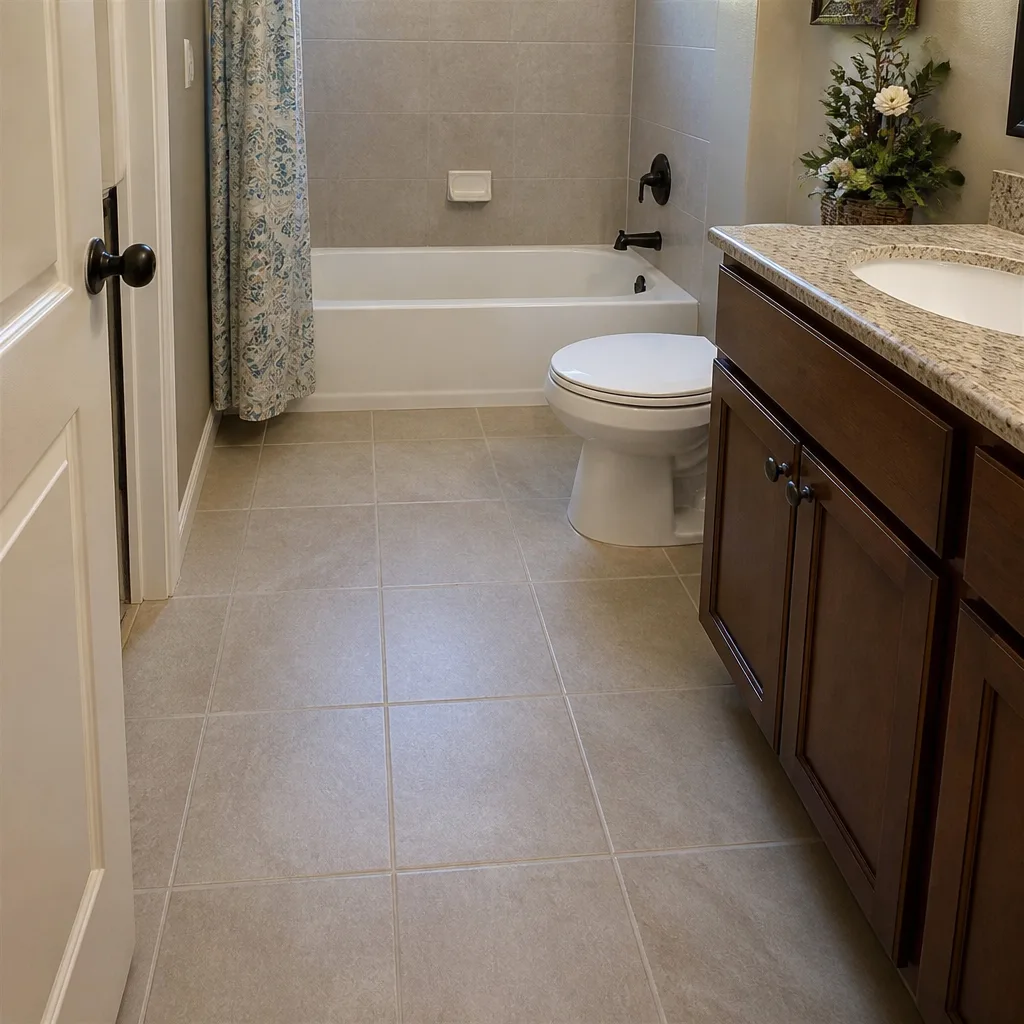
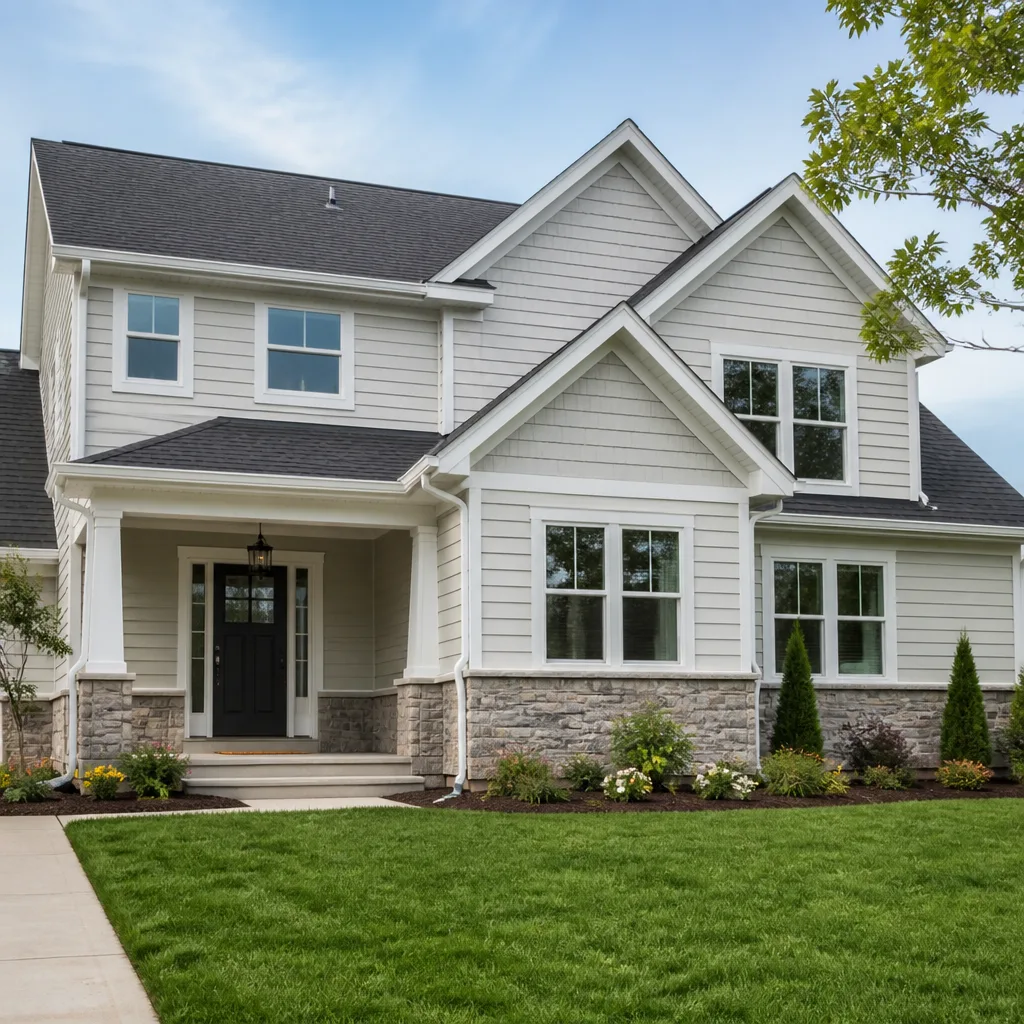
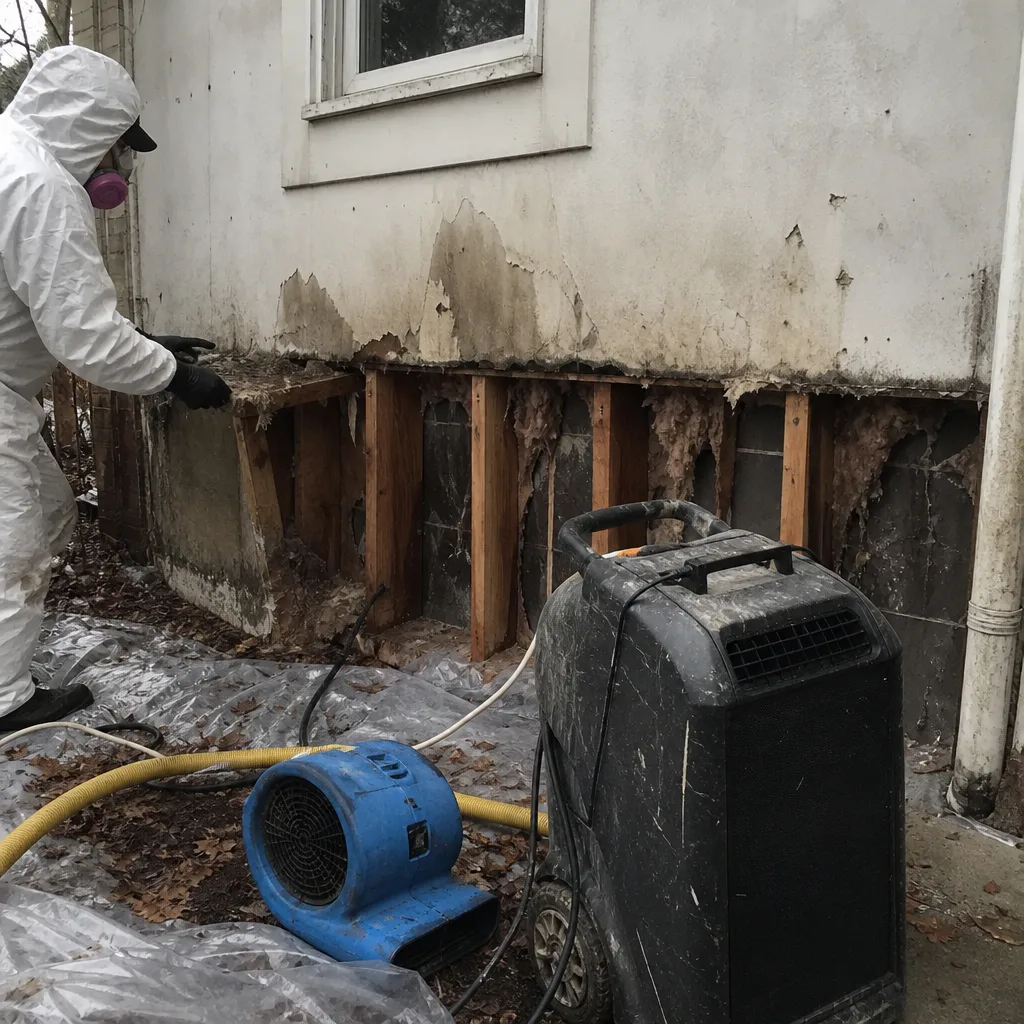 Before
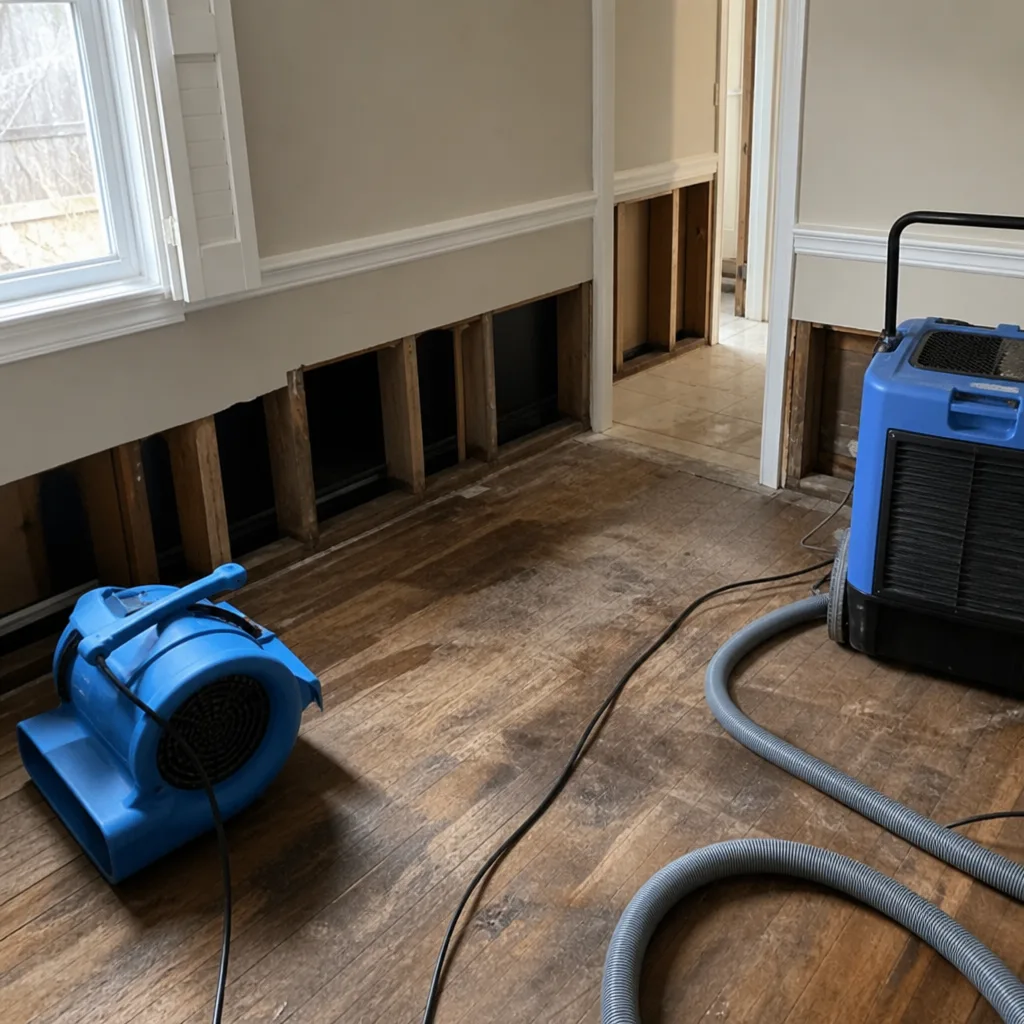 After
After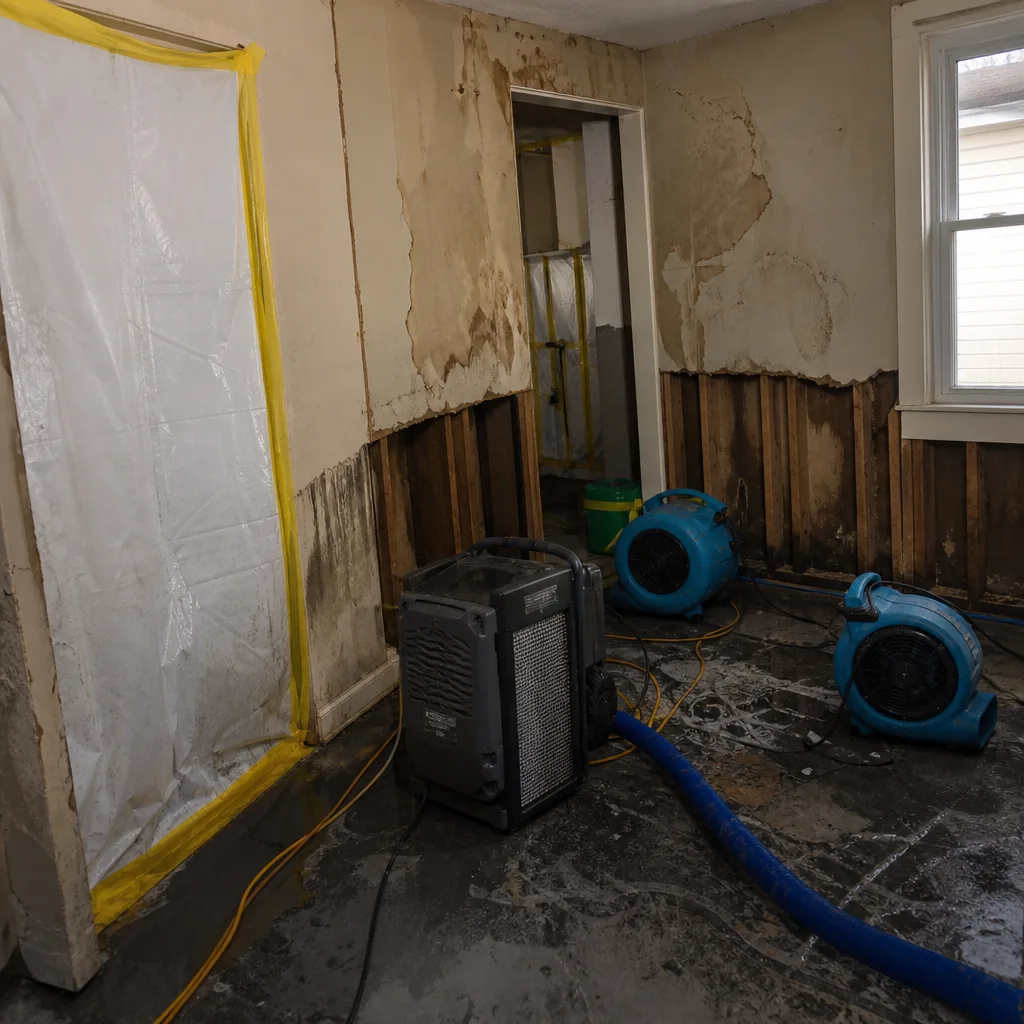 Before
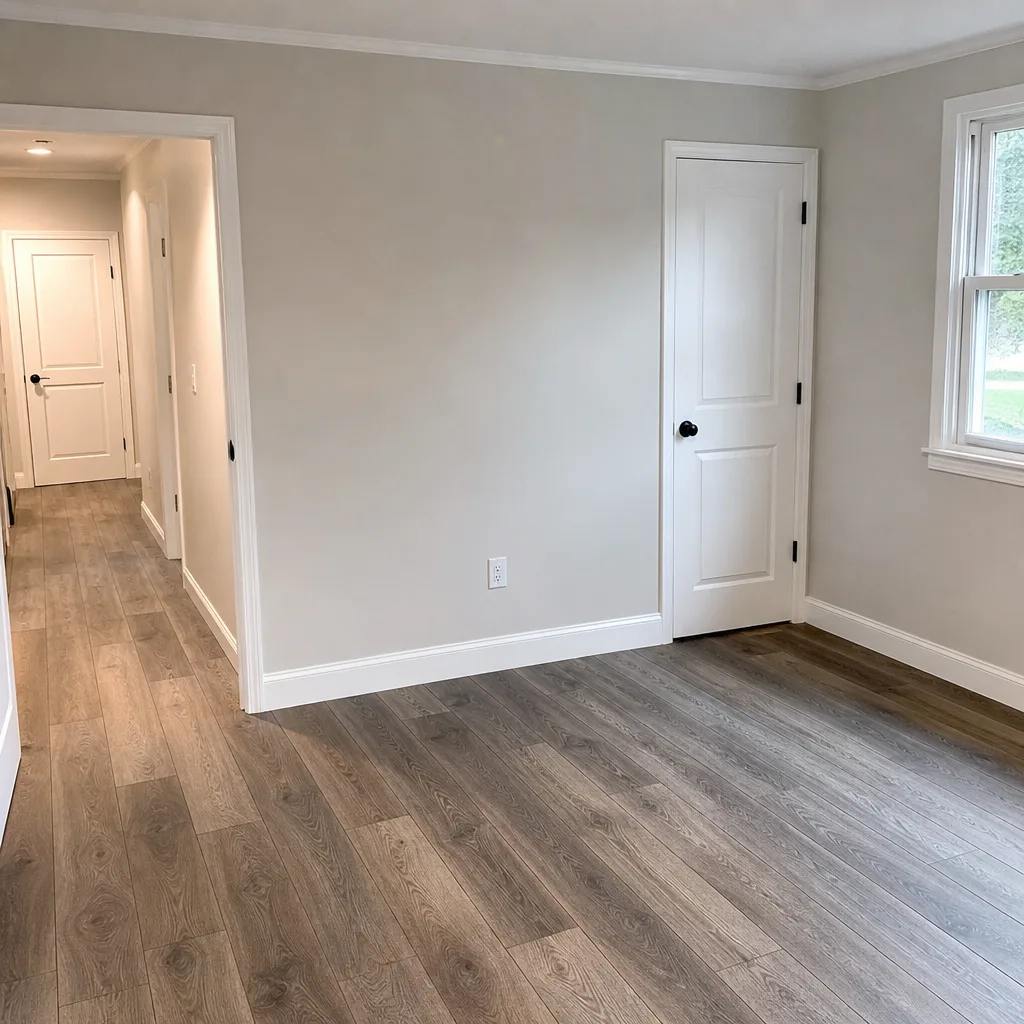 After
After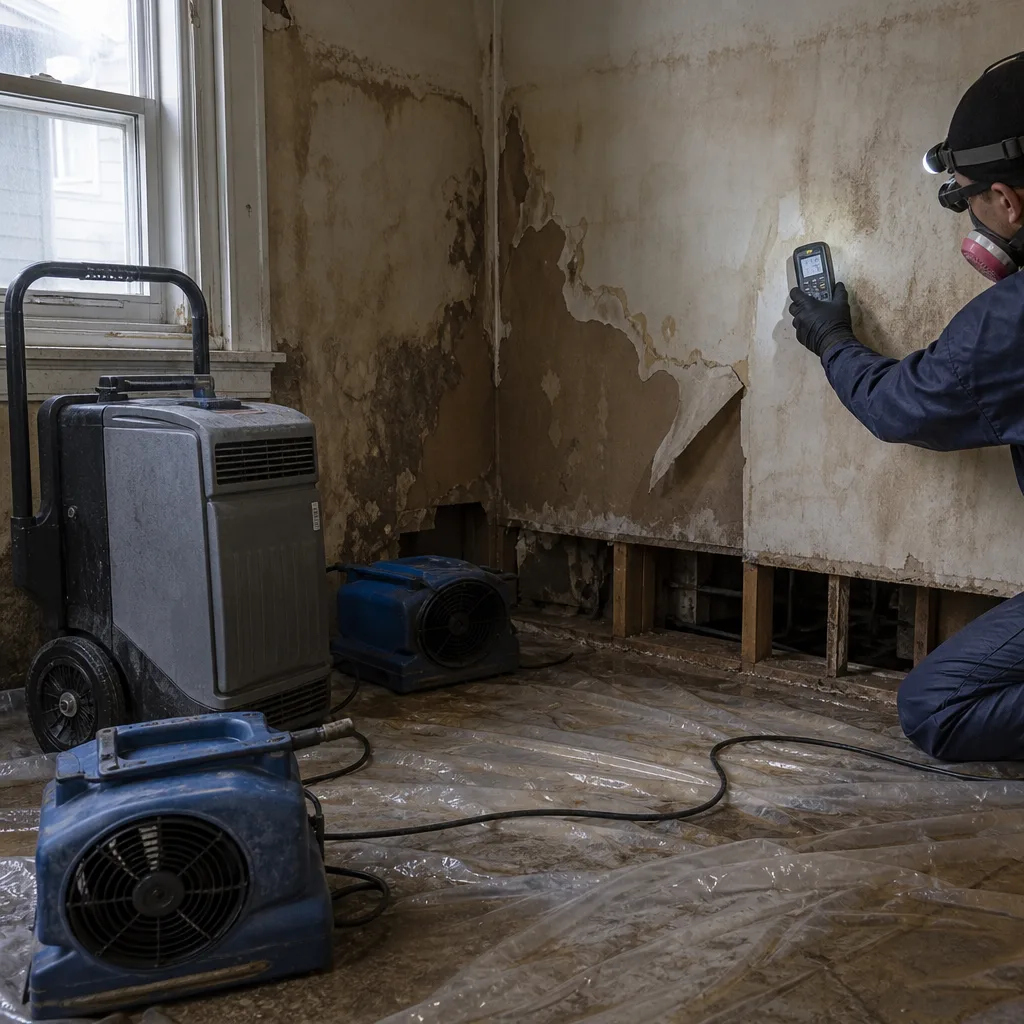 Before
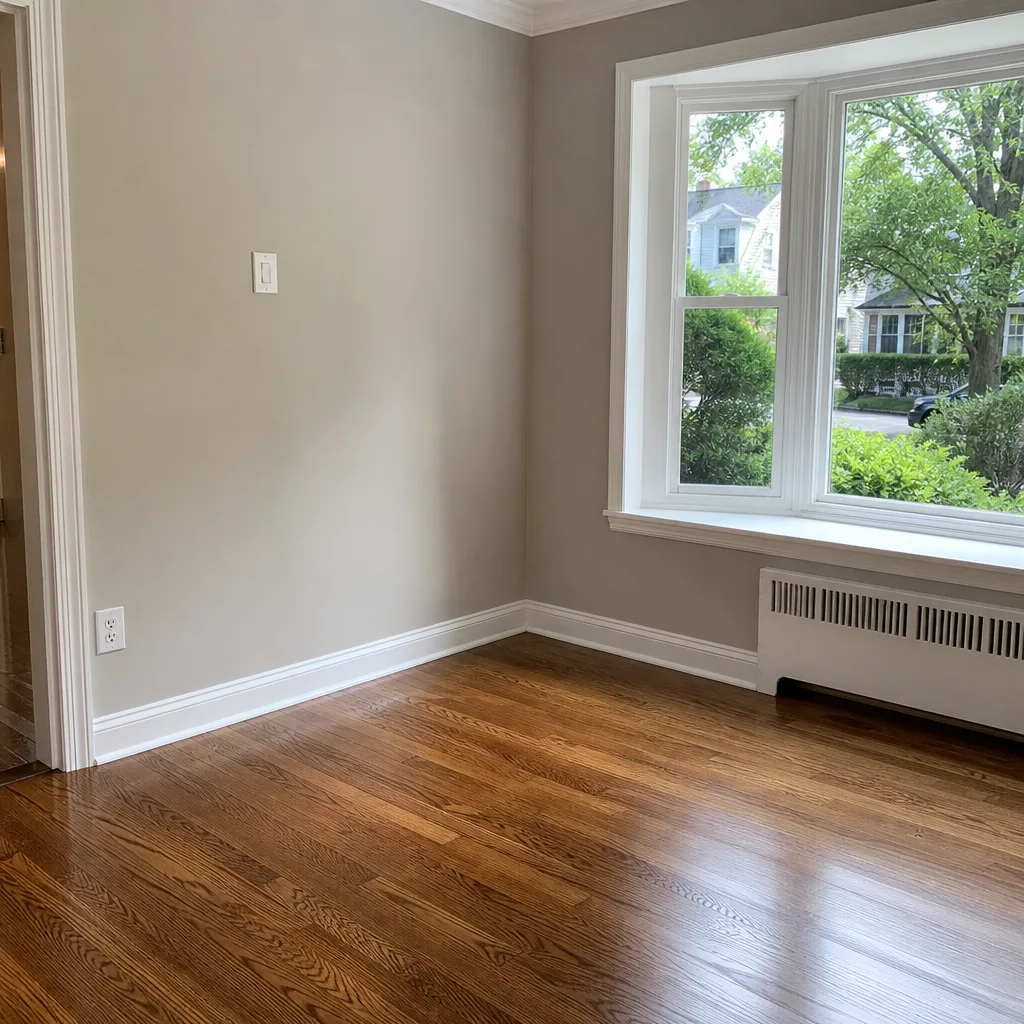 After
AfterHow to Hire a Damage Restoration Contractor in Forest Hills: A Step-by-Step Guide
Here’s a number that should stop every Forest Hills homeowner before they sign: restoration contractors in Queens County have filed more Assignment of Benefits lawsuits in the past three years than in the previous decade combined. That single clause, often buried on page three of a standard contract, transfers your legal right to negotiate with your own insurer to the contractor you’ve known for forty-five minutes. In our experience reviewing competitor paperwork brought in for DryMark Restoration Forest Hills home second opinions, we’ve seen homeowners lose tens of thousands in coverage because they signed without reading. This guide teaches you to read a restoration contract like a skeptical adjuster, because hiring well in Forest Hills is a documentation decision, not a personality decision.
Quick Answer
To hire a damage restoration contractor in Forest Hills, verify five license and insurance documents before any work begins, demand a written scope with line-item pricing and equipment inventory, and reject any contract containing Assignment of Benefits language, open-ended pricing, no-cancellation clauses, or verbal-only warranties. The contractor who documents properly before work starts is the contractor whose invoice your insurer will pay without a fight.
Table of Contents
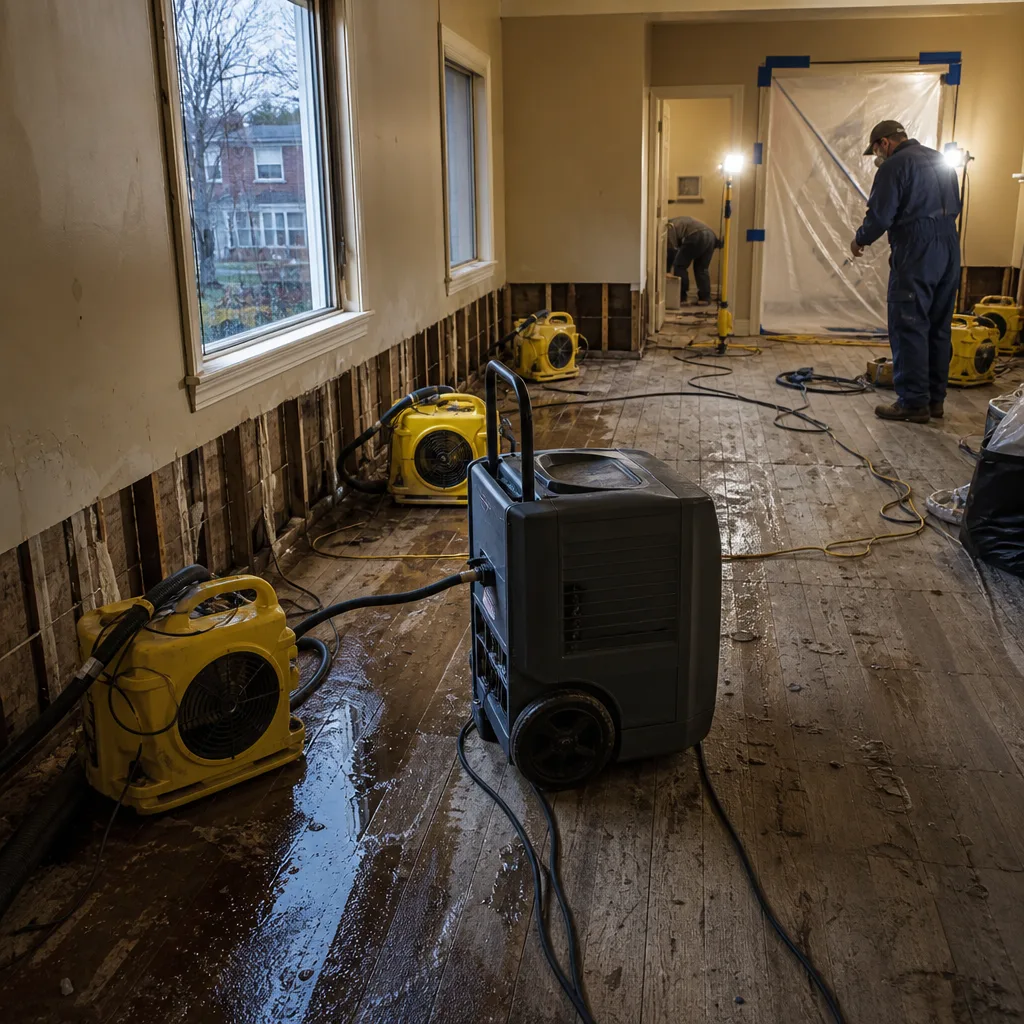
- Why Documentation Beats Personality in Forest Hills
- The Five Documents You Must See Before Signing
- What a Written Scope of Work Must Contain
- Four Red-Flag Contract Clauses to Reject
- How to Verify a Contractor’s Documentation History
- Interview Questions That Reveal Real Expertise
- Forest Hills-Specific Risks and Building Considerations
- Common Mistakes to Avoid
- When to Call a Professional
- Frequently Asked Questions
- The Bottom Line
BeforeAfterWhy Documentation Beats Personality in Forest Hills
Forest Hills sits on a glacial moraine with a water table that fluctuates dramatically between seasons. The pre-war co-ops along Queens Boulevard, the Tudor-style homes near Forest Hills Gardens, and the post-war brick ranches in Rego Park-adjacent blocks each present distinct moisture migration patterns. A contractor who charms at your door but leaves no paper trail won’t help you when your carrier disputes whether the bathroom subfloor was actually saturated or merely “damp.”
We’ve been in this trade since 2011. Alicia Brennan founded Back to Dry after working as a claims adjuster and watching homeowners lose legitimate coverage because their contractor’s “invoice” was a single line item reading “water damage: $14,500.” No moisture readings. No photo sequence. No drying log showing when equipment was deployed, what the daily psychrometric data recorded, or when the structure reached the dry standard defined by IICRC S500.
Psychrometric data, in plain terms, is the measurement of temperature, relative humidity, and vapor pressure that tells a trained technician whether materials are actually dry or merely surface-dry. Tertiary drying refers to the final phase where bound moisture is removed from dense materials like oak flooring or plaster lath. Vapor pressure differential is the force that drives moisture from wet materials into the drier air; without measuring it, a contractor is guessing.
The contractor who explains these terms without prompting, and who can show you a sample drying log that names each measurement, is the contractor who understands that your insurer employs adjusters who speak this language fluently. The one who waves it off with “we’ve got great equipment” is preparing you for a coverage battle you didn’t ask for.
In Forest Hills specifically, we’ve documented claims where carriers initially denied $8,000-$12,000 in secondary damage because the original contractor failed to photograph pre-existing conditions or establish a moisture baseline. The Haven Standard exists precisely because Alicia Brennan saw this pattern repeat across Queens County claims files. Clause 1 requires a written price before work begins. Clause 3 requires photo documentation on every visit. These aren’t marketing positions. They’re the minimum documentation threshold that separates a payable claim from a disputed one.
The Five Documents You Must See Before Signing
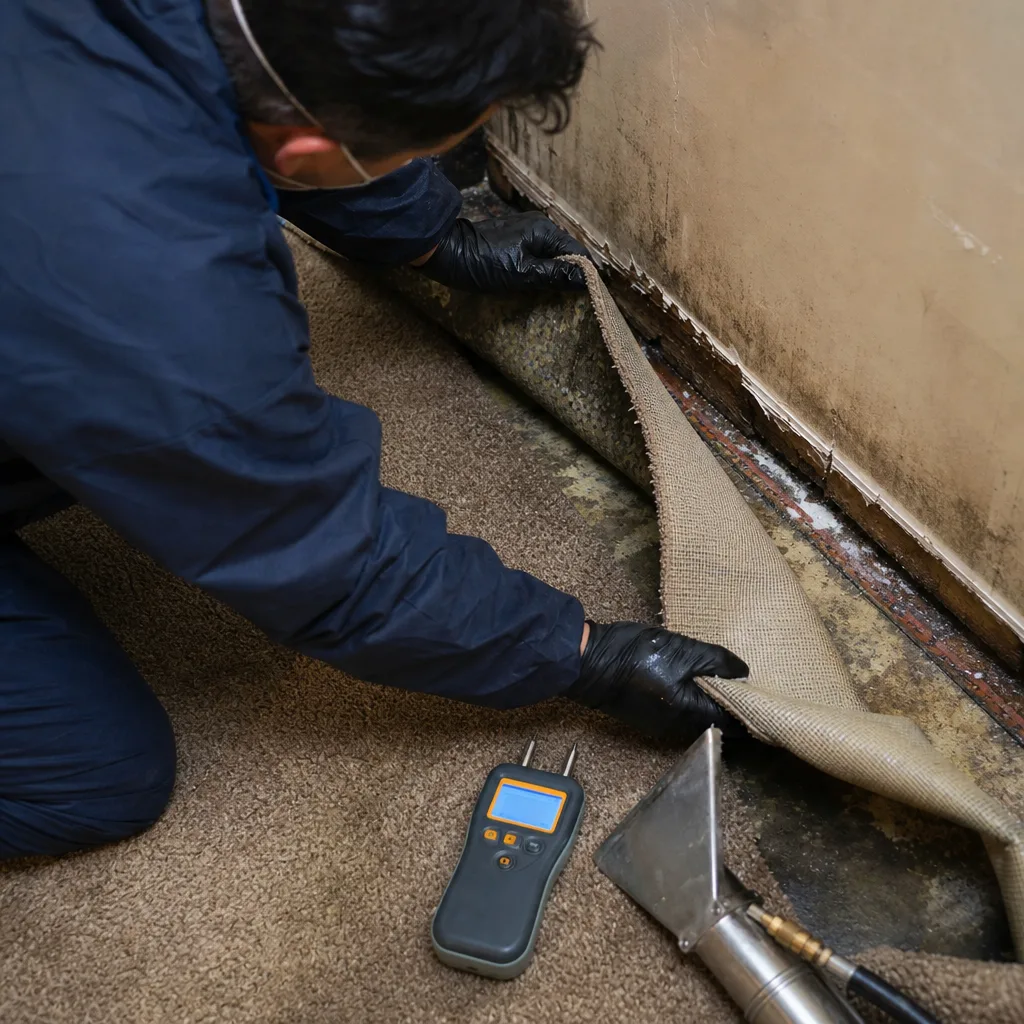
Any restoration contractor operating legally in Forest Hills should produce these five documents without hesitation. If they delay, deflect, or claim “we’ll get that to you after we start,” you’re looking at a documentation gap that will cost you later.
- NYC Home Improvement Contractor (HIC) Registration - Required for any residential restoration work over $200 in New York City. Verify the registration number at nyc.gov/consumers. The certificate should show current status, not a lapsed renewal.
- General Liability Insurance Certificate - Minimum $1 million per occurrence, $2 million aggregate for restoration work. Request the certificate directly from the contractor’s insurance broker, not a photocopy from their truck. Check that Forest Hills/Queens County is within the covered territory.
- Workers’ Compensation Certificate - New York State requires this for any contractor with employees. The certificate must show current dates; we’ve seen homeowners held liable for on-site injuries when a contractor presented an expired policy. This is especially critical in Forest Hills, where many homes have basement access through narrow exterior stairwells with slip hazards during water extraction.
- EPA RRP Certification - Required if your home was built before 1978 and disturbance of painted surfaces is likely. Forest Hills has extensive pre-war housing stock; lead-safe practices aren’t optional.
- IICRC Firm Certification - While not legally mandated, this demonstrates that the company meets industry standards for water damage restoration, mold remediation, or fire restoration. Ask for the firm number and verify at iicrc.org.
At Water Damage Restoration in Forest Hills, we present these documents during the initial assessment, before any pricing discussion. A contractor who treats documentation as an afterthought will treat your claim the same way.
What a Written Scope of Work Must Contain
Haven Standard, Clause 1: a written price before work begins, every time, with no exceptions. But what should that document actually say? A legitimate scope of work for restoration in Forest Hills should contain these elements, minimum:
- Line-item pricing - Each phase separated: emergency mitigation, structural drying, content manipulation, demolition, reconstruction. Not “water damage: $X.” Instead: “Category 2 water extraction, 400 sq ft basement, concrete substrate: $X. Dehumidification, 3-day rental, LGR unit with HEPA filtration: $Y per day.”
- Material specifications by trade name - “Antimicrobial application” is insufficient. “Benefect Botanical Disinfectant, EPA Reg. No. 84683-1, applied to affected framing per IICRC S520” is what your adjuster needs to see.
- Drying equipment inventory - Number, type, and manufacturer of each unit. “2 x Dri-Eaz Revolution LGR dehumidifiers, 1 x XPOWER X-3400A HEPA air scrubber, 1 x Injectidry HP60 wall cavity drying system.” This allows verification that equipment matches the drying plan.
- Defined completion benchmark - “Structure dry per IICRC S500, confirmed by moisture content readings within 4% of dry standard for this region, documented in daily drying log.” Not “when it looks dry” or “when we feel good about it.”
- Photo documentation protocol - Number of photos per visit, what they must capture (pre-existing conditions, moisture readings with date stamp, equipment placement, post-work condition), and delivery format.
- Change order procedure - How additional scope is documented, priced, and approved before work proceeds. No verbal authorizations.
In Forest Hills, we’ve encountered scopes that list “mold remediation” as a single $6,000 line with no square footage, no containment protocol, no negative air pressure specification, and no post-remediation verification. That’s not a scope. That’s a liability. Your written price should be detailed enough that a different contractor could pick up the document and understand exactly what was done and why.
Four Red-Flag Contract Clauses to Reject
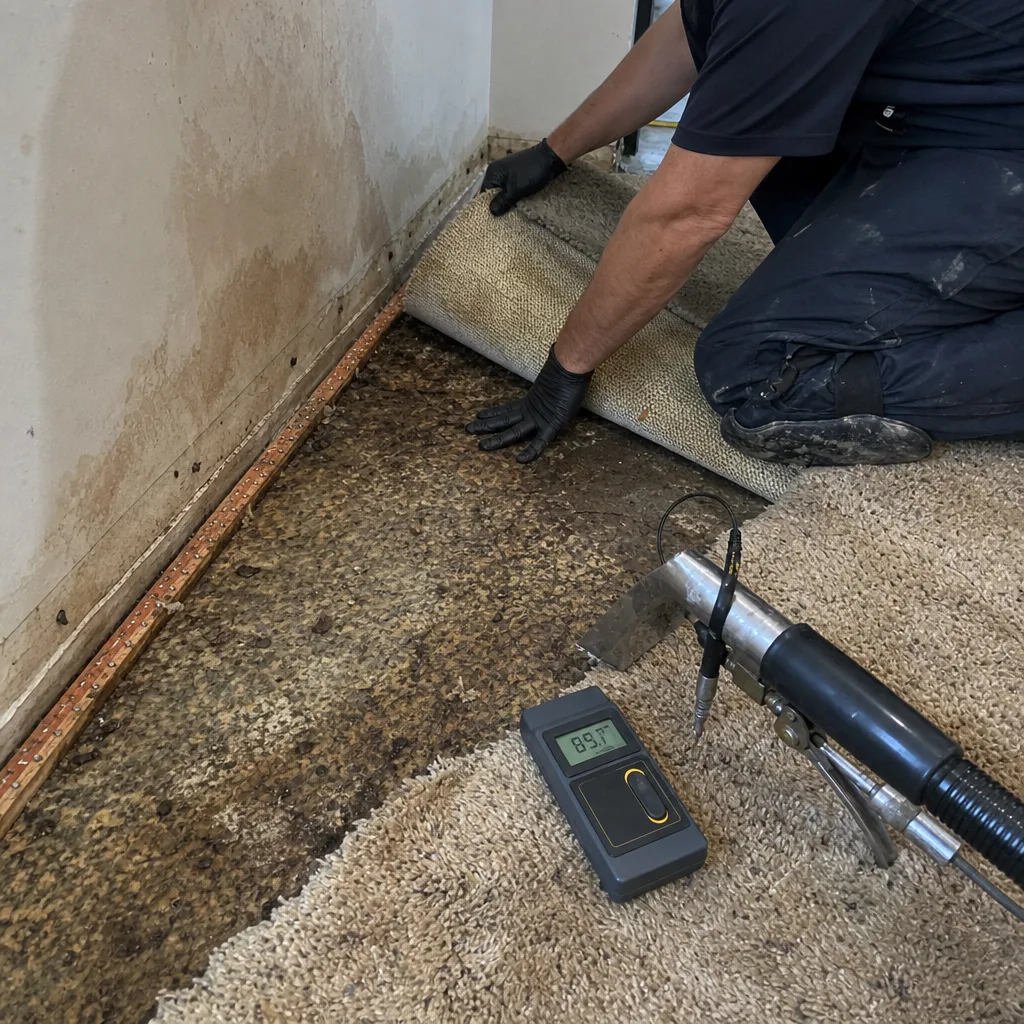
These clauses appear with troubling frequency in Queens County restoration contracts. Each one transfers risk from the contractor to you, and each one has appeared in paperwork we’ve reviewed during free second opinions at our Forest Hills office.
Open-Ended Pricing Language
Any clause stating that “final price will be determined upon completion” or “time and materials, actual costs to be billed” creates unlimited exposure. Haven Standard, Clause 1 exists because Alicia Brennan saw homeowners receive $40,000 invoices for $12,000 jobs when contractors padded labor hours and equipment days. Reject any contract without a firm price ceiling or without a written change-order trigger.
Mandatory Assignment of Benefits (AOB)
This clause transfers your legal right to negotiate with your insurer to the contractor. Once signed, the contractor can sue your carrier in your name, settle for whatever they can get, and leave you with uncovered damages. New York has no AOB prohibition, unlike Florida’s recent reforms. In Forest Hills, where many homeowners carry high-value policies on historic properties, AOB abuse is particularly costly. We’ve seen AOB contractors settle claims for 60% of actual damage, leaving homeowners to fund reconstruction from savings.
No-Cancellation Periods
New York State law provides a three-day right to cancel most home improvement contracts. Any clause shortening or waiving this period is unenforceable and signals a contractor who doesn’t expect you to comparison-shop. At DryMark Restoration Forest Hills, we encourage the full three-day review; our documentation speaks for itself.
Verbal-Only Warranties
“Don’t worry, we’re good for it” is not a warranty. The Haven Standard 365-Day Done Right Promise is a written, signed guarantee on every job. Any contractor unwilling to put warranty terms in writing is planning for a dispute they expect to win through attrition.
How to Verify a Contractor’s Documentation History
Ask for a sample drying log and moisture map from a completed job. Not your job, not a hypothetical. A real document, redacted for privacy, from a recent project. Here’s what to look for:
A strong sample contains:
- Daily entries with date, time, technician name, and license number
- Moisture content readings for each affected material, recorded with a calibrated pin or pinless meter, identified by manufacturer and model
- Relative humidity and temperature readings at multiple points in the affected space
- Equipment inventory by serial number, with run-time documentation
- Psychrometric calculations or reference to established dry standard
- Photograph log cross-referenced to drying log entries
- Technician signature and supervisor review signature
A weak sample reveals:
- Single daily entry reading “equipment checked, still wet”
- No meter model or calibration date
- Readings recorded without material specification (“wall: 18%” - which wall? which material?)
- No photograph cross-reference
- Identical readings across multiple days, suggesting copy-paste rather than measurement
- No completion benchmark or release signature
We’ve shown prospective customers our drying logs from Forest Hills jobs - a 2023 basement flood near Yellowstone Boulevard, a 2024 supply line break in a Forest Hills Gardens co-op - because documentation is our product as much as restoration is. A contractor who refuses this request has something to hide, or nothing to show.
Interview Questions That Reveal Real Expertise
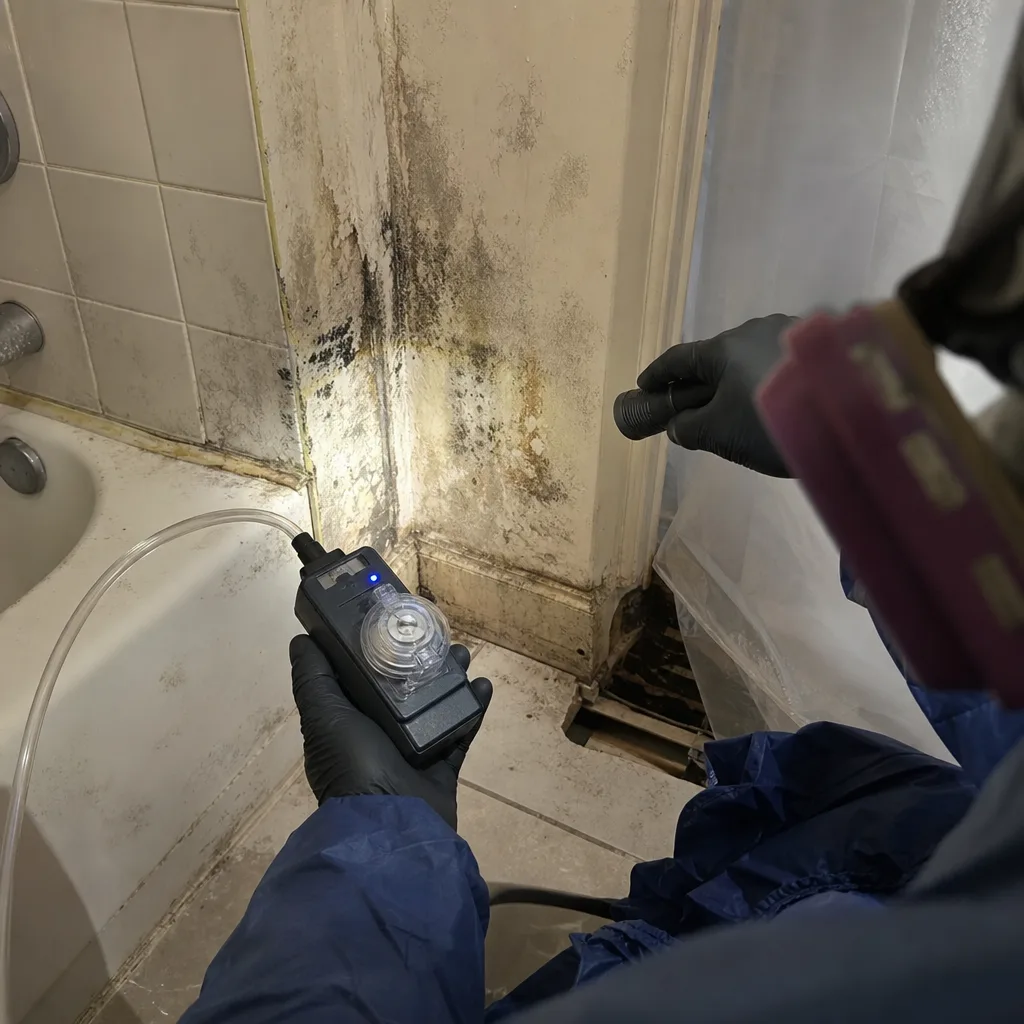
These questions separate contractors who understand insurer documentation standards from those who merely know how to set equipment:
- “Walk me through how you establish a dry standard for plaster lath in a pre-war Forest Hills building.” The answer should reference IICRC S500, regional climate data, and the difference between wood moisture content (typically 10-12% in our area) and plaster equilibrium moisture content. A contractor who says “we just dry it until it feels right” doesn’t understand why carriers deny plaster claims.
- “What moisture meter do you use, and when did you last calibrate it?” Acceptable answers: Protimeter Surveymaster, Delmhorst BD-2100, or equivalent, with annual calibration traceable to NIST standards. Unacceptable: “the one in my truck” or “it still works.”
- “How do you document vapor pressure differential during tertiary drying?” This is a deliberately technical question. The competent contractor explains that they measure vapor pressure in the affected material and in the ambient air, calculating the differential to determine whether drying is still progressing or has plateaued. The incompetent one changes the subject.
- “Show me how your photo record correlates to your drying log.” They should demonstrate a system, whether software-based or manual, where each photo is timestamped and referenced to a specific log entry. We use this correlation to resolve disputes before they become denials.
- “What happens if my adjuster disputes your moisture reading?” The right answer: “We provide the calibration certificate, the technician’s IICRC certification, and invite your adjuster to take confirmatory readings with their own equipment.” The wrong answer: “Your adjuster is just trying to save money.”
- “Will you bill my insurance directly, and if so, what documentation do you provide them?” Direct billing is common, but the contractor should describe itemized invoices with supporting documentation: drying logs, photo records, material safety data sheets for chemicals used, and waste disposal manifests. Not a single-page demand letter.
At Mold Remediation in Forest Hills, we welcome these questions because our documentation is designed to answer them before they’re asked.
Forest Hills-Specific Risks and Building Considerations
Forest Hills presents restoration challenges that contractors from Nassau County or generic Queens operators may not anticipate:
Pre-war co-op construction: Buildings along Queens Boulevard and in the historic district often have plaster walls with wire lath, concrete floors with no vapor barrier, and shared mechanical systems. Water migrates vertically through chase walls and horizontally along structural steel in ways that don’t appear in standard residential drying protocols. A contractor who treats a Forest Hills co-op like a Levittown ranch will miss secondary damage and face a coverage dispute.
Basement water table fluctuations: The glacial till beneath Forest Hills creates seasonal basement seepage that can be mistaken for plumbing leaks. We’ve documented cases where contractors installed $8,000 in drying equipment for a problem that required exterior waterproofing and a sump pump. The written scope must distinguish between acute water damage (covered by most policies) and chronic moisture intrusion (typically excluded). Our Water Damage Restoration Maintenance Checklist for Forest Hills Homeowners can help you identify risks before they become claims.
Historic district considerations: Forest Hills Gardens and parts of the Ascan Avenue corridor have landmark protections that affect reconstruction materials and methods. A contractor who demolishes without checking Landmarks Preservation Commission requirements can leave you with unpermitable reconstruction and an insurer who won’t pay for code-upgrade compliance.
Shared wall assemblies: Attached homes and garden apartments require containment protocols that protect adjacent units. We’ve reviewed documentation from competitors who failed to establish negative air pressure in a contaminated unit, spreading mold spores through common HVAC risers. The written scope must address containment boundaries and adjacent-unit protection.
Seasonal freeze-thaw cycling: Forest Hills’ temperature swings stress plumbing in exterior walls and crawl spaces. Winter pipe bursts require different documentation than summer appliance leaks, particularly regarding the timeline of discovery and the extent of migration before mitigation began. See our Seasonal Damage Restoration Care for Forest Hills: Year-Round Homeowner’s Guide for season-specific preparation steps. Your contractor should understand how carrier adjusters evaluate “sudden and accidental” versus “long-term” damage.
Common Mistakes to Avoid
- Choosing the first contractor who answers at 2 AM. Emergency response matters, but fifteen minutes of research at noon prevents a fifteen-thousand-dollar documentation error. Save two or three Forest Hills restoration contacts in your phone before you need them.
- Signing while standing in water. Your insurer won’t honor a claim denied because you signed away negotiation rights in a panic. Document the damage with your own photos first, then evaluate contractors calmly.
- Accepting a verbal estimate because “the insurance will cover it.” Your coverage limit is fixed. The contractor’s invoice is not. Without a written scope, you become personally liable for the difference.
- Hiring based on equipment brand names alone. Dri-Eaz, Phoenix, and XPOWER make excellent machines. Unattended machines in the hands of untrained technicians produce excellent mold growth. Ask about technician certification, not just equipment inventory.
- Neglecting to verify the contractor’s Forest Hills work history. A Long Island contractor may be excellent in Syosset and lost in a Forest Hills co-op’s shared mechanical system. Ask for local references from similar building types.
- Failing to request the final documentation package. You need the complete drying log, photo record, and moisture map for your own files and for any future property disclosure. Some contractors treat this as proprietary; it is your evidence.
- Ignoring the reconstruction phase in initial scope. Mitigation-only contractors sometimes leave you with a gutted room and no path to restoration. The written scope should address both, or clearly define the handoff to a reconstruction contractor.
When to Call a Professional
Call a restoration contractor immediately when you discover standing water of any category, visible mold growth exceeding 10 square feet, fire or smoke damage with compromised structural elements, or sewage backup. These scenarios present health hazards and documentation requirements that exceed homeowner capacity. In Forest Hills, where pre-war construction complicates moisture assessment, even a seemingly minor supply line leak can wick into plaster lath and create a $15,000 secondary damage claim if mitigation is delayed.
DryMark Restoration Forest Hills offers free estimates in Forest Hills and across Queens County. Our assessments include a written scope with line-item pricing before any work begins, documented to Haven Standard, Clause 1. For emergency response or to schedule a free second opinion on any competitor’s written estimate, call (516) 687-6900. You can also browse more guides & resources on our blog. Live phone coverage is available 24 hours a day, 7 days a week with no voicemail on emergency lines.
Frequently Asked Questions
Category 1 water damage mitigation in Forest Hills typically ranges from $3,200 to $7,500 for residential properties under 2,000 square feet, depending on affected area, material types, and drying duration. Category 2 or 3 losses, or those involving sewage or long-term moisture, range higher. Reconstruction is priced separately after mitigation completion. Call (516) 687-6900 for a written estimate with line-item pricing - estimates are free.
Most Forest Hills homeowners policies cover sudden and accidental water damage, subject to your deductible and policy limits. Coverage disputes arise when documentation is insufficient to prove the damage scope or when the cause is excluded (gradual leaks, flood without separate flood coverage). The contractor you choose directly affects whether your claim is paid fully or disputed. We document to IICRC, RIA, and IFA standards specifically to support complete claim payment.
For emergency water damage, DryMark Restoration Forest Hills dispatches within 60 minutes for Forest Hills addresses during live phone hours, which run 24 hours a day, 7 days a week. Response time matters because water migrates continuously; a two-hour delay can double the affected square footage in a basement with concrete slab and no vapor barrier. For non-emergency assessments, we typically schedule within 24 hours.
Visible mold growth exceeding 10 square feet, or any growth in HVAC systems, requires professional remediation per EPA and IICRC guidance. In Forest Hills pre-war buildings, what appears as surface mold on plaster often indicates colonization within the wall cavity. Self-cleaning disturbs spores without containment, potentially spreading contamination. We provide free assessments to determine whether professional containment and negative air pressure are warranted.
You retain the right to negotiate your claim unless you’ve signed an Assignment of Benefits. A documentation-first contractor provides your adjuster with itemized invoices, drying logs, photo records, and material specifications, but you remain the policyholder. We coordinate directly with adjusters when authorized, but we never accept AOB authority. Haven Standard, Clause 1 requires that you see and approve every charge before work proceeds.
Mitigation is emergency stabilization and drying, billed as time-and-materials with equipment rental. Reconstruction is the rebuild phase, priced as a fixed-scope construction project. Some contractors do both; some specialize. In Forest Hills, verify that your contractor’s written scope clearly defines where mitigation ends and reconstruction begins, with separate pricing. Reconstruction requires different licensing (NYC HIC registration) and should never be priced before mitigation is complete and the full damage is visible.
The Bottom Line
Hiring a restoration contractor in Forest Hills is a documentation decision that happens under pressure. The five documents, the written scope elements, the four red-flag clauses, and the verification steps in this Complete Guide to Damage Restoration in Forest Hills give you a framework for evaluation that protects your claim and your property. The contractor who presents complete documentation before work begins is the contractor who understands how insurers actually pay claims. Everything else is reassurance without evidence.
At DryMark Restoration Forest Hills, we’ve restored over 12,000 homes since 2011, every one with a written price before work started and a documented record when the crew left. Our 365-Day Done Right Promise under The Haven Standard is a signed guarantee, not a verbal assurance. For emergency response, free estimates, or a free second opinion on any competitor’s written estimate, call (516) 687-6900.
Written by Alicia Brennan, Owner at DryMark Restoration Forest Hills, serving Forest Hills since 2011.