
Last updated September 23, 2026
Free visual inspection and a written scope of work before any mitigation begins - photos, moisture readings, and drying logs go in your claim file
The scope we write is the scope we bill. Anything new gets shown to you, in writing, before we touch it.
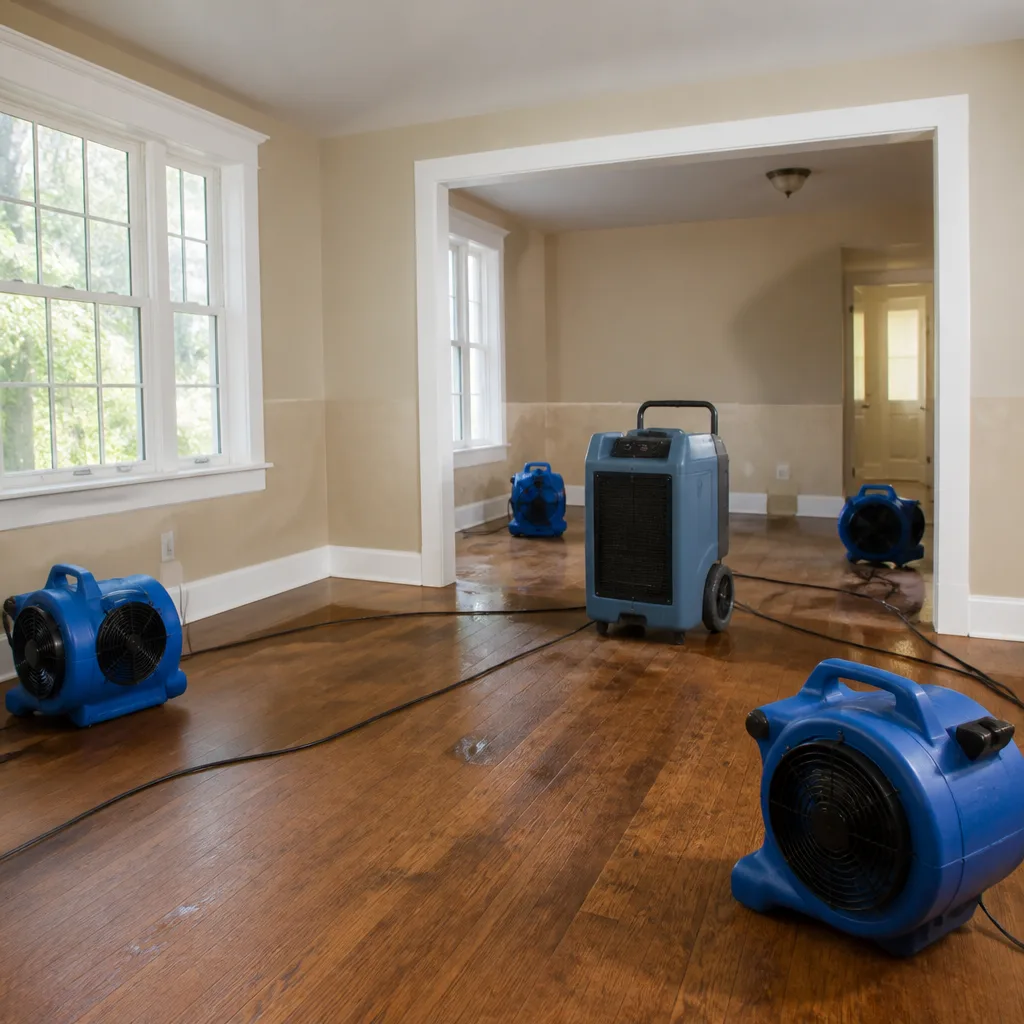
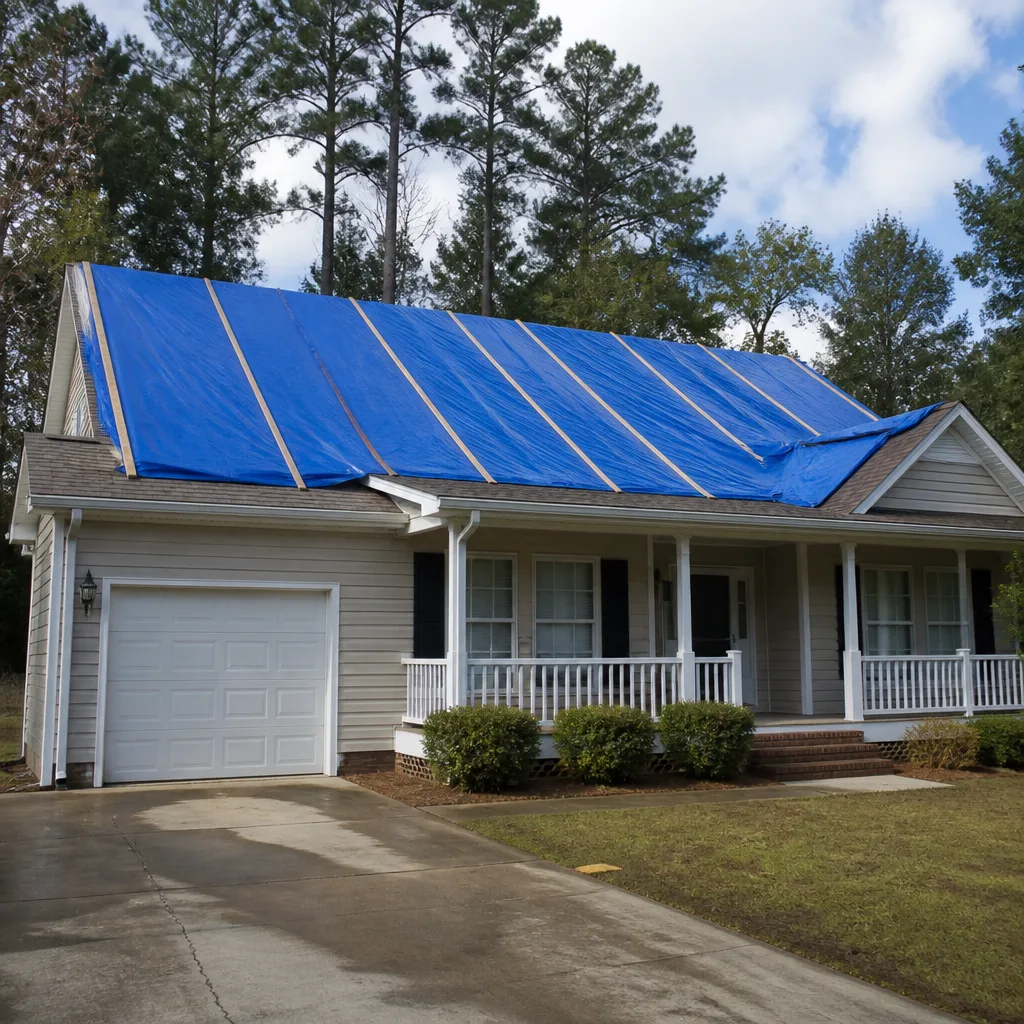
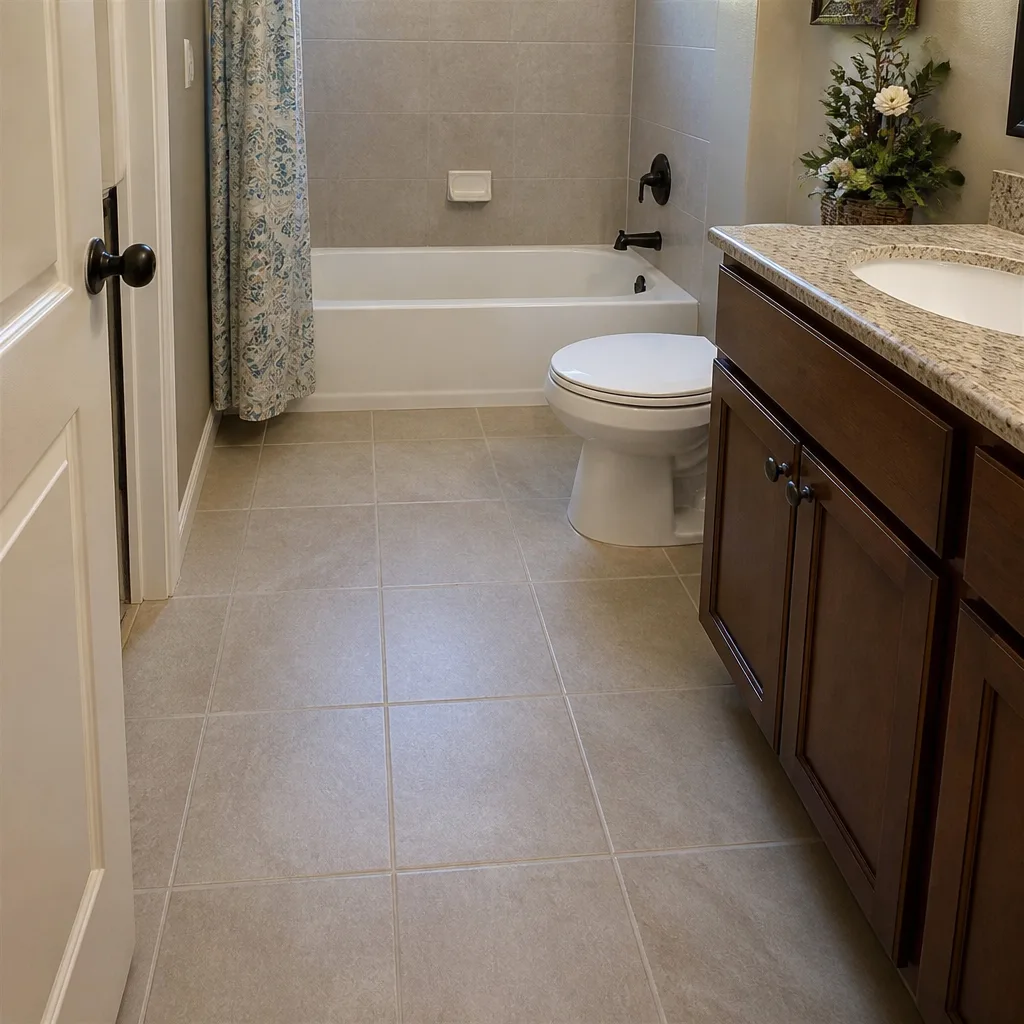
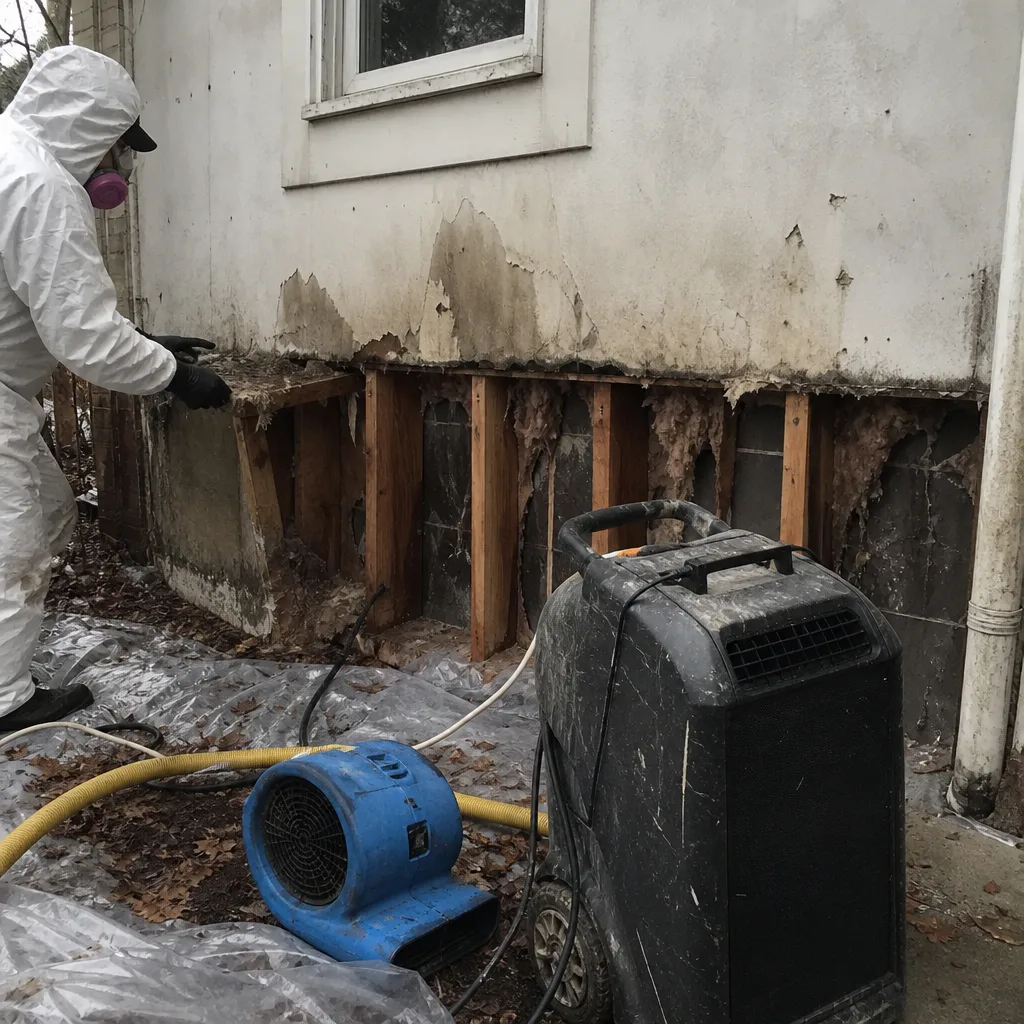 Before
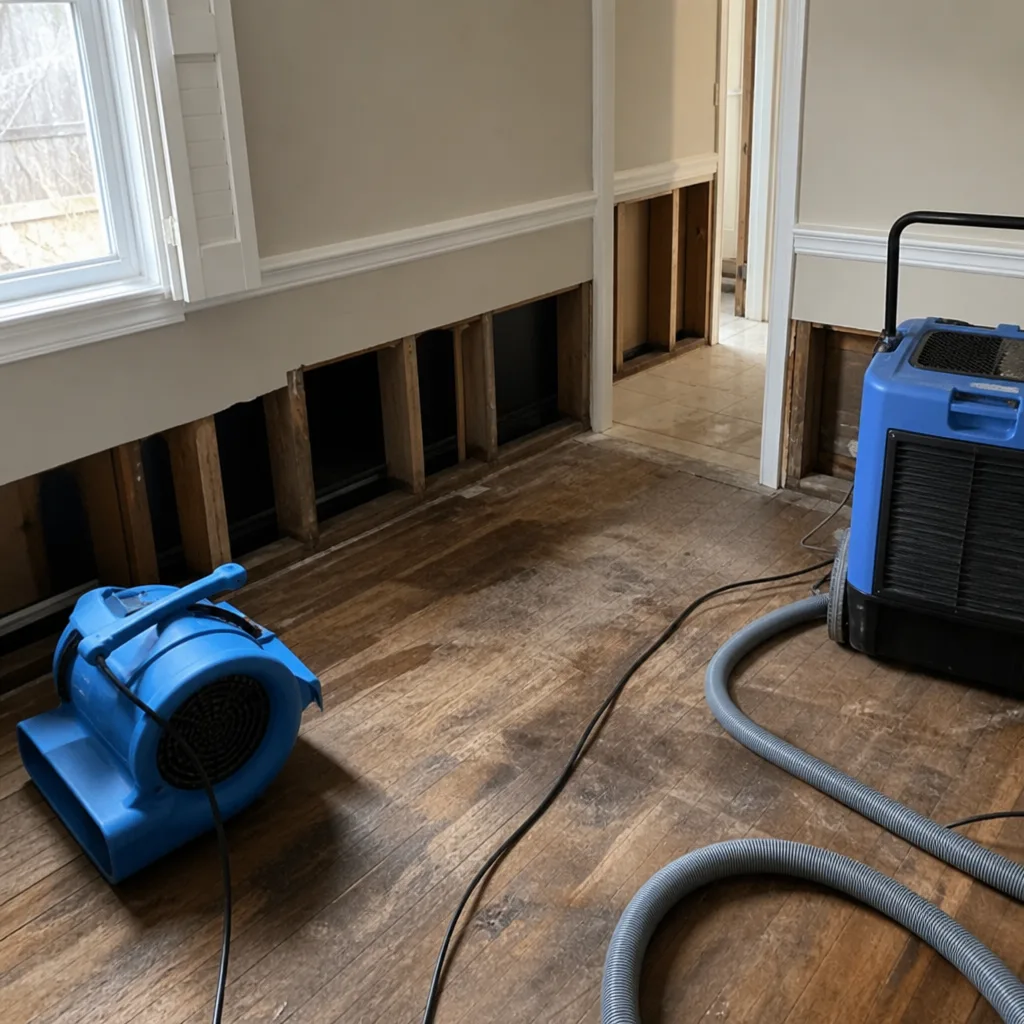 After
After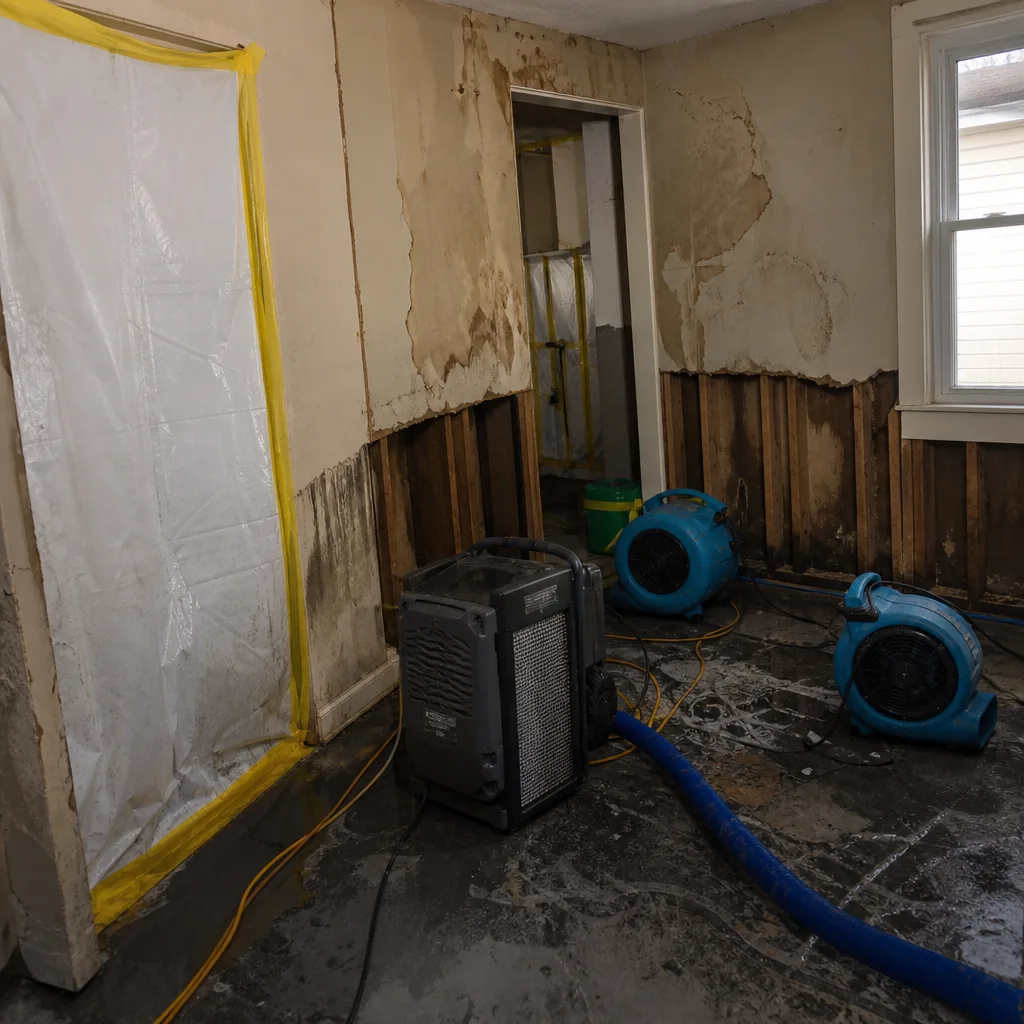 Before
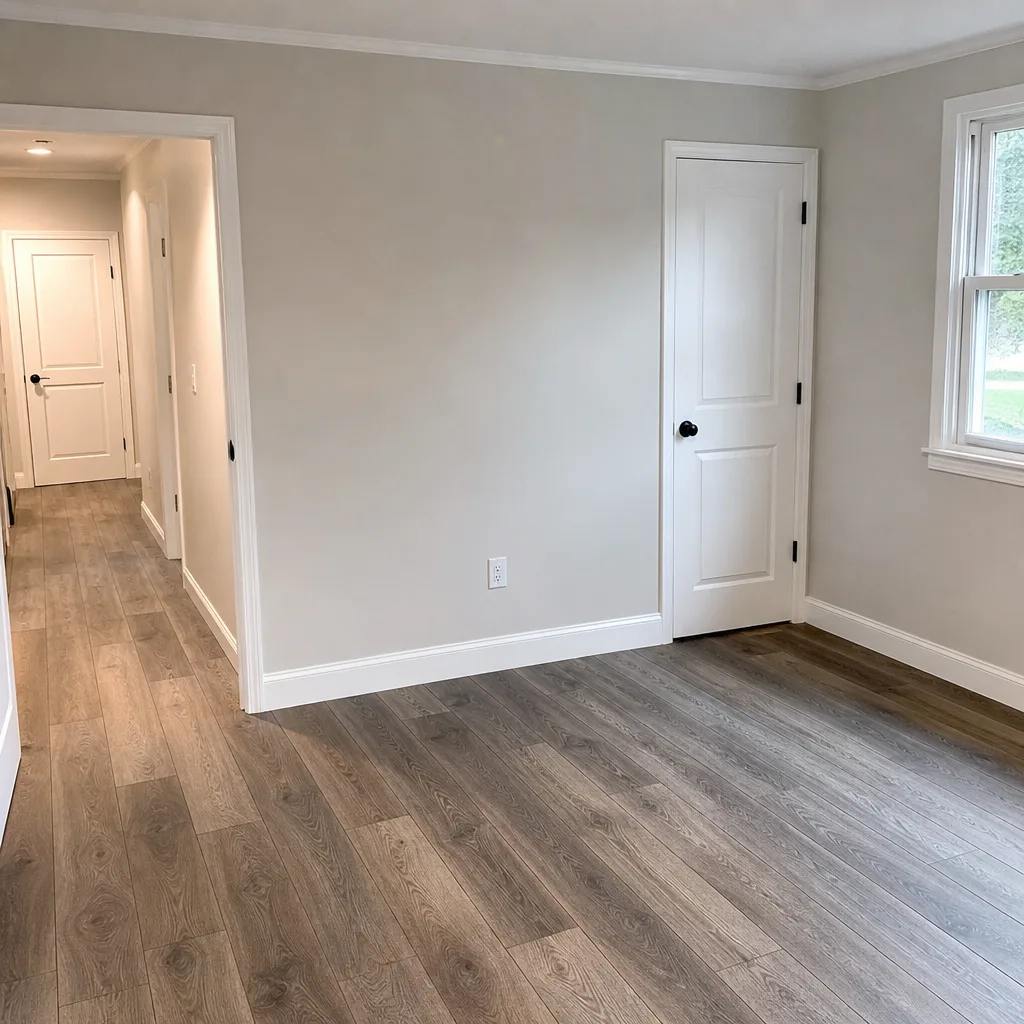 After
After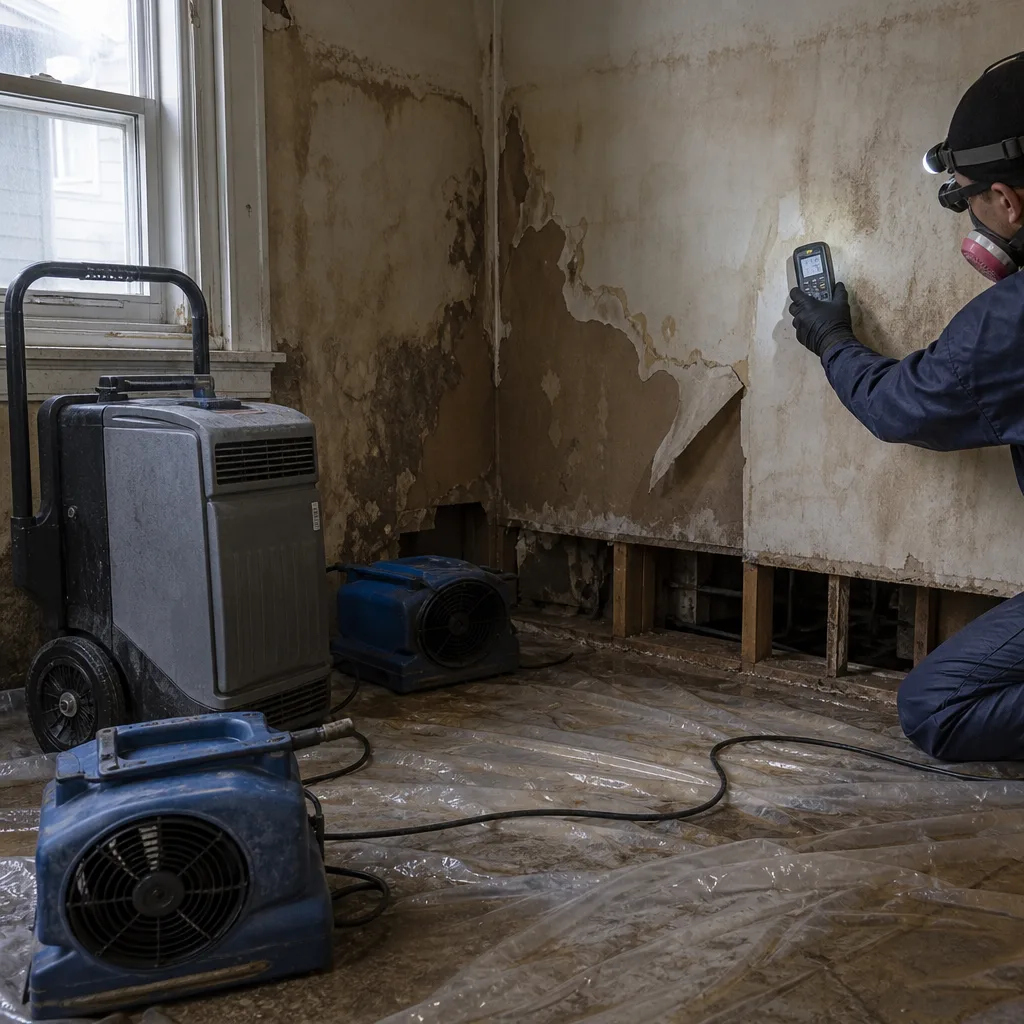 Before
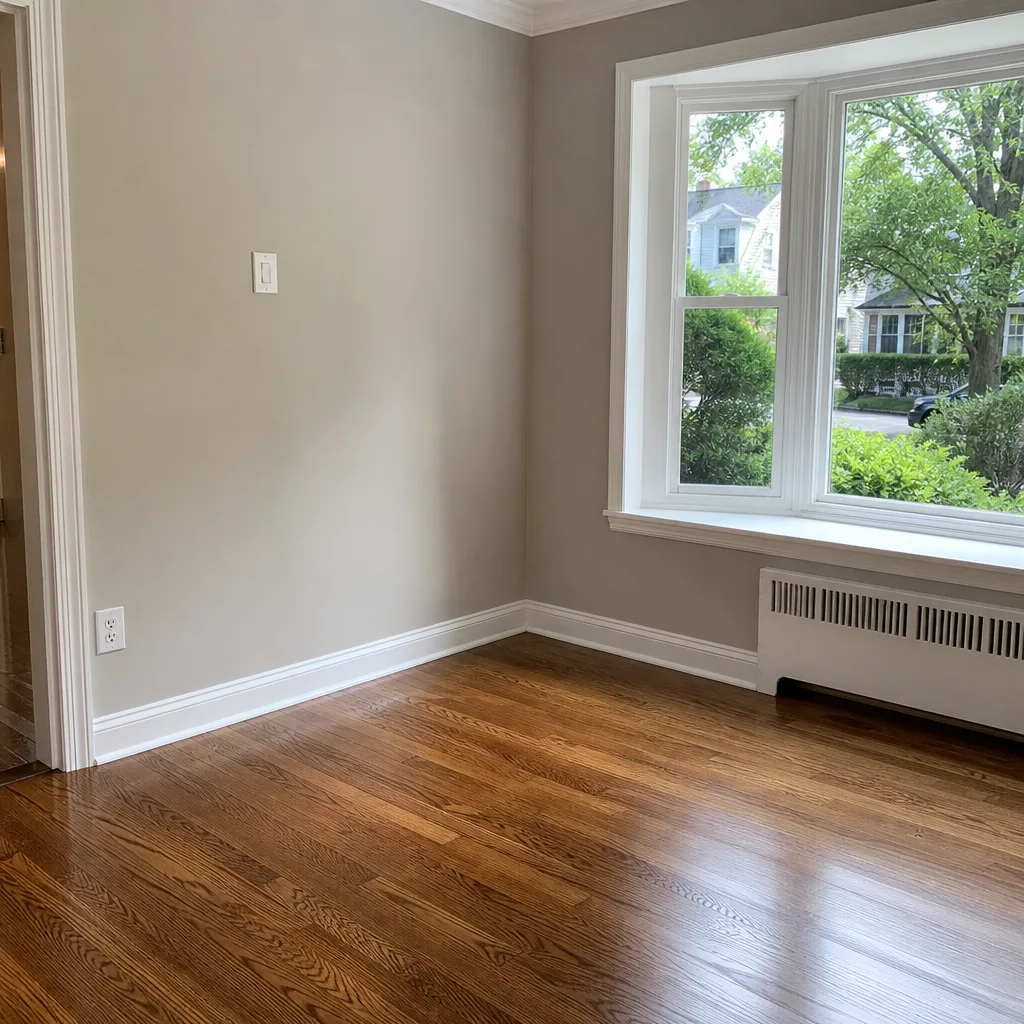 After
AfterDIY vs Professional Damage Restoration: The Forest Hills Homeowner’s Decision Guide
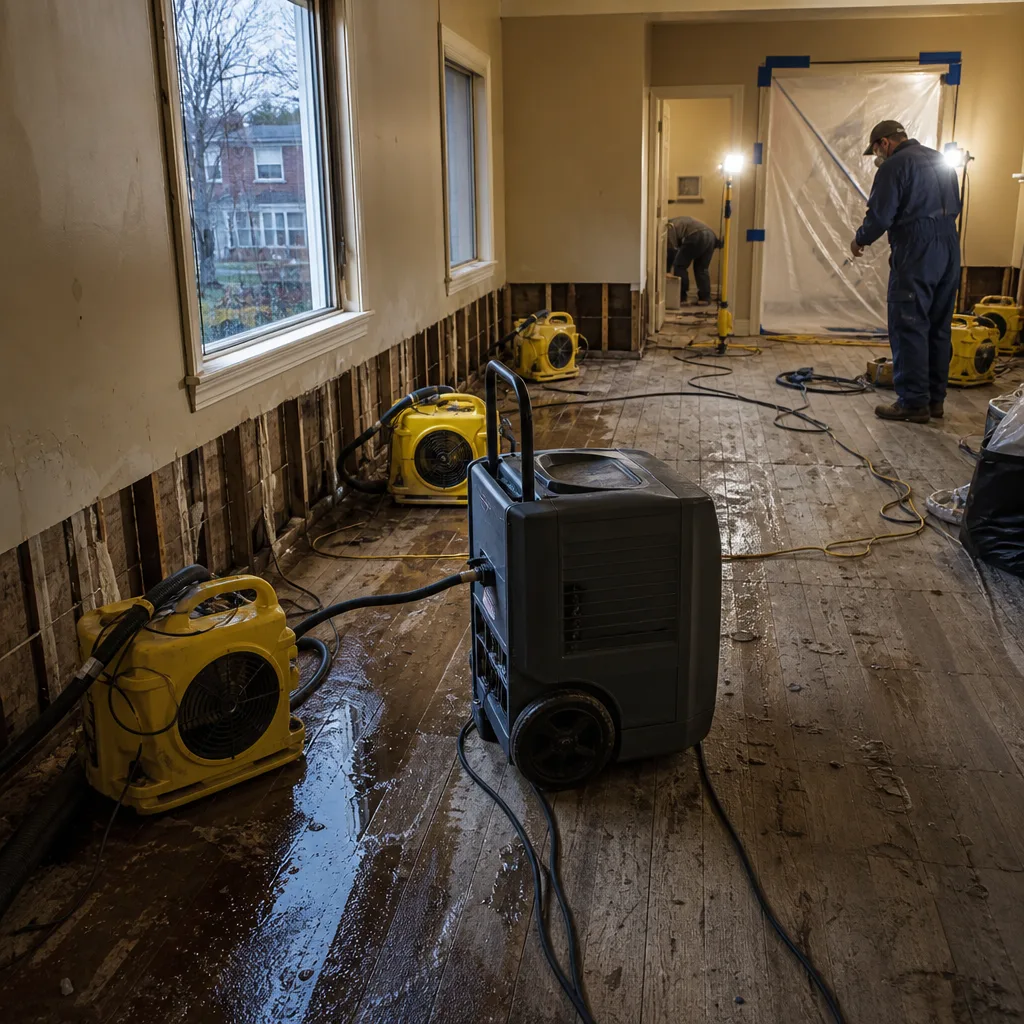
A Forest Hills co-op shareholder who used a rental dehumidifier and consumer-grade fans after a pipe burst paid $18,400 out of pocket. The drying worked. The walls dried. But the co-op board’s insurer required a certified industrial hygienist’s clearance report, which only applies when a licensed remediator performed the initial work. No license, no clearance. No clearance, no coverage. In this guide, you’ll learn when DIY restoration is legally possible in Forest Hills, when New York regulations forbid it, and how the documentation gap between amateur and professional work determines whether your insurer pays or denies your claim. For more guides & resources, see our blog.
Quick Answer
Homeowners in Forest Hills can safely perform initial water extraction, content moving, and damage photography on Category 1 water losses under 50 square feet. For Category 2 or 3 water, mold contamination exceeding 10 square feet, fire damage, or any work in co-op or condo units, New York regulations require licensed contractor involvement. The critical difference is documentation: DIY drying produces no psychrometric logs, equipment placement records, or third-party moisture clearance, making the work uninsurable and potentially voiding master policy coverage for adjacent units. See our Water Damage Restoration Maintenance Checklist for Forest Hills Homeowners for what proper documentation should include.
Table of Contents
- The Three Water Categories and What New York Law Says About Each
- The Documentation Gap: Why DIY Work Fails Insurance Review
- Forest Hills Co-ops, Condos, and the Adjacent Unit Liability Problem
- What Homeowners Can Legally Self-Perform
- The Threshold Where Licensed Equipment Becomes Mandatory
- What a Professional Documentation Package Should Include
- DIY vs Professional: Real Cost Comparison for Forest Hills
- Common Mistakes to Avoid
- When to Call a Professional
- Frequently Asked Questions
- The Bottom Line
BeforeAfterThe Three Water Categories and What New York Law Says About Each
Water damage in restoration is classified by contamination level, not by how wet something gets. This classification determines everything: what protective equipment is required, what disposal rules apply, and whether a homeowner is legally permitted to handle the work.
Category 1: Clean Water
This is water from a sanitary source: broken supply lines, tub or sink overflows with no contaminants, melting ice or snow, rainwater intrusion. It poses no substantial health risk initially. Homeowners in Forest Hills can legally extract Category 1 water themselves, provided the affected area is under 50 contiguous square feet and drying begins within 24 hours. After 48 hours, Category 1 degrades to Category 2 regardless of source, due to microbial amplification.
Category 2: Gray Water
Category 2 contains significant contamination: dishwasher discharge, washing machine overflow, sump pump failures, toilet bowl overflow with urine but no feces. New York State Department of Environmental Conservation regulations and NYC Department of Health guidelines require licensed contractors for Category 2 extraction and drying. The reason is disposal: gray water cannot enter the sanitary sewer without documentation of source and volume. A homeowner pouring 40 gallons of Category 2 water down a storm drain in Forest Hills faces a violation under DEC regulations.
Category 3: Black Water
Category 3 is grossly contaminated: sewage backup, flooding from seawater or rivers, water from beyond the toilet trap, or any water that has passed through ground or building materials. NYC DOH requires licensed remediation for all Category 3 events, full stop. This includes mandatory use of personal protective equipment, contained disposal, and post-remediation verification by a third-party industrial hygienist. Self-performing Category 3 work violates multiple New York regulations and voids virtually all insurance coverage.
We’ve seen homeowners in Forest Hills attempt Category 2 cleanup after a washing machine hose failed on a second-floor unit. The water appeared clean. It wasn’t. By day three, the subfloor between units showed elevated moisture readings that migrated through party walls. The co-op’s master policy carrier denied the adjacent unit’s claim because the source unit’s work was undocumented and performed by an unlicensed party.
The Documentation Gap: Why DIY Work Fails Insurance Review
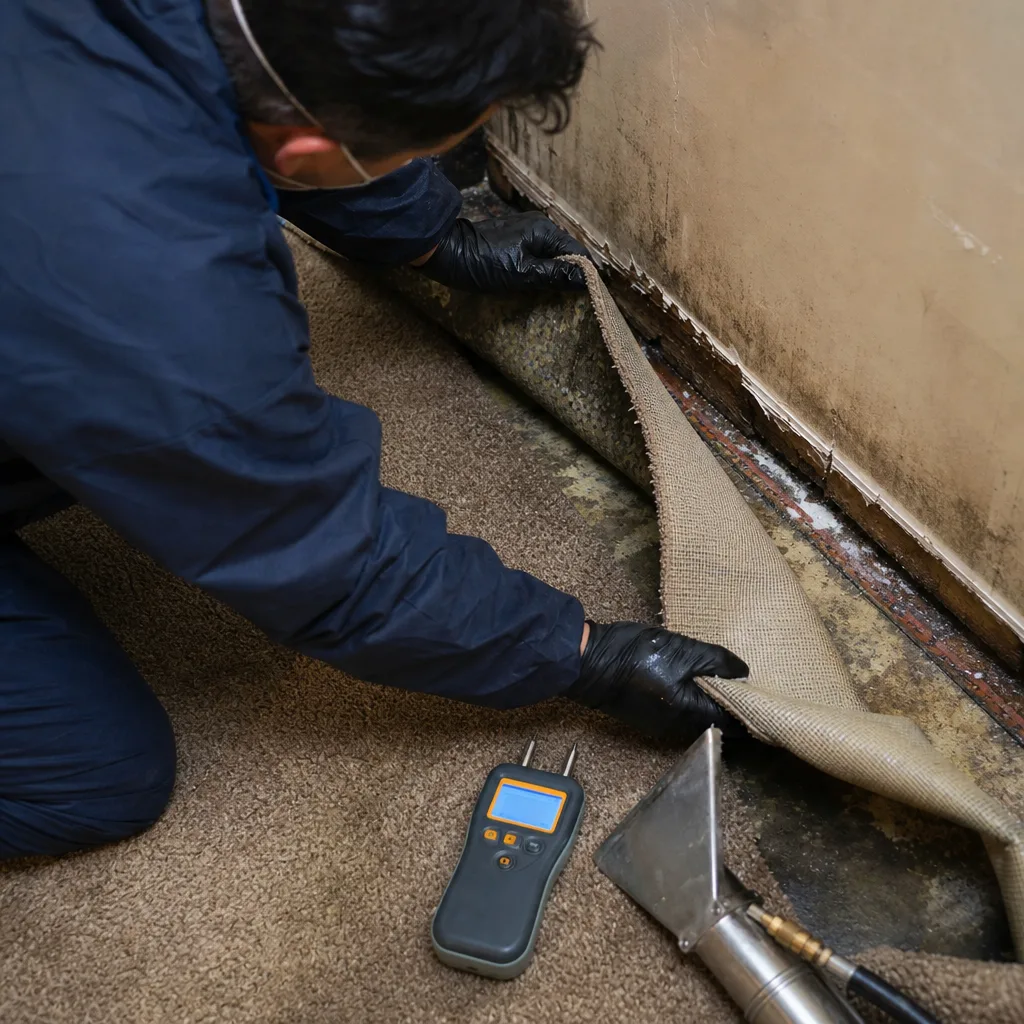
Insurance carriers do not pay for dry walls. They pay for documented drying. This distinction is the entire reason the DIY versus professional question is really a documentation question.
When we handle water damage restoration in Forest Hills, we produce three categories of documentation that DIY work cannot replicate:
- Psychrometric logs: Daily readings of temperature, relative humidity, and specific humidity at each affected room, measured with calibrated meters and recorded against target drying goals. Psychrometrics is the study of air and moisture relationships; without these numbers, a carrier cannot verify that drying conditions were maintained continuously. Consumer hygrometers lack the calibration certificates carriers require.
- Equipment placement records: A diagram showing each dehumidifier, air mover, and specialty drying unit by manufacturer, model, and serial number, with CFM (cubic feet per minute) ratings and placement rationale. This proves the drying capacity matched the moisture load. A rental dehumidifier from a hardware store in Forest Hills comes with no such record.
- Third-party moisture clearance: An independent industrial hygienist or certified inspector verifies structural materials have returned to established dry standards, typically using penetrating moisture meters and thermographic imaging. This clearance is required by most co-op and condo master policies in Forest Hills, and it is only valid when the initial remediation was performed by a licensed contractor.
Each gap maps to a specific claim denial reason:
- No psychrometric logs = “Insufficient evidence of controlled drying environment” (denial code: documentation failure)
- No equipment placement records = “Unable to verify adequacy of drying capacity” (denial code: scope inadequacy)
- No third-party clearance = “Remediation performed by unlicensed party; no verifiable completion standard” (denial code: compliance failure)
The $18,400 out-of-pocket loss we opened with? The carrier’s denial letter cited all three.
Forest Hills Co-ops, Condos, and the Adjacent Unit Liability Problem
Forest Hills has one of the highest concentrations of co-operative housing in Queens. In a co-op, you don’t own your unit; you own shares in a corporation that owns the building. Your proprietary lease governs what you can and cannot do to “your” apartment, and it almost certainly requires board approval for any work affecting building systems, common elements, or adjacent units.
Here’s where this becomes a restoration issue. Water doesn’t respect unit boundaries. A pipe burst in 4C affects 3C, 5C, and potentially the common hallway. The co-op’s master insurance policy covers common elements and often provides secondary coverage for unit interiors. But master policy carriers require that any remediation work be performed by licensed, insured contractors who can produce the documentation package described above.
When a Forest Hills shareholder self-performs drying, three liability exposures emerge:
- Master policy voidance: If the shareholder’s DIY work is cited as the cause of secondary damage to adjacent units, the master carrier may deny coverage for those units, exposing the shareholder to subrogation claims from the co-op corporation.
- Proprietary lease violation: Most Forest Hills co-op leases require board notification within 24 hours of any water event affecting common elements. Self-performing work without board knowledge often violates this clause, triggering fines and mandatory reversal of the work at shareholder expense.
- Adjacent unit direct claims: The shareholder in 3C can sue 4C directly for negligence if moisture migration causes mold or material damage, and “I dried it myself with fans” is not a defensible position in housing court.
Condos in Forest Hills present a slightly different structure but similar documentation requirements. The condo association’s master policy typically covers original construction and common elements, while unit owners carry HO-6 policies for interiors. Both carriers require licensed contractor documentation for water and mold claims.
We’ve responded to calls in the Forest Hills Gardens area where a homeowner’s DIY mold remediation with bleach and paint triggered a board-mandated abatement by a certified contractor, with the full cost billed back to the shareholder. The bleach killed surface mold but left viable hyphae in the substrate. When moisture returned, the colony reestablished within weeks, affecting the unit below.
What Homeowners Can Legally Self-Perform
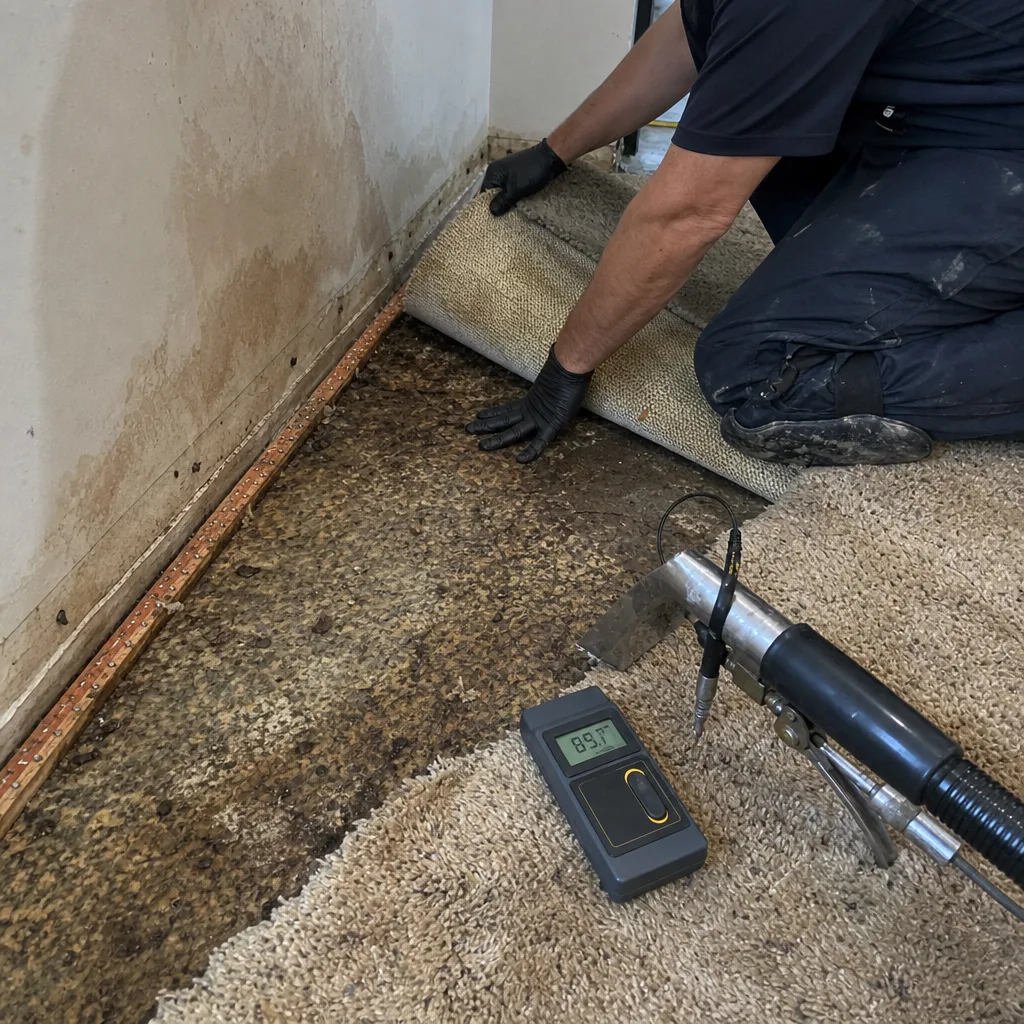
This is not an argument against homeowner initiative. There are specific, valuable tasks a Forest Hills homeowner can perform immediately after a water event, and performing them well improves the outcome regardless of whether professional help follows. For a complete walkthrough, read How to Hire a Damage Restoration Contractor in Forest Hills: A Step-by-Step Guide.
Immediate extraction with a wet-dry vacuum: Removing standing water within the first hour reduces the migration boundary significantly. A 12-gallon wet-dry vacuum from any hardware store can extract water from hard surfaces and low-pile carpet. Empty the tank outdoors, not into sinks or tubs that may drain slowly.
Content moving and elevation: Moving furniture, rugs, and porous items from affected areas to dry zones prevents secondary damage. Aluminum foil or wood blocks under furniture legs breaks the capillary wick that draws water upward into wood and upholstery.
Damage photography: Photograph every affected surface before moving anything, then photograph again after extraction. Capture wide shots showing room context and close shots showing material saturation. Date-stamp everything. This documentation supports your claim even if professional help arrives later.
HVAC shutdown: Turning off central air or heat prevents moisture distribution through ductwork. In Forest Hills buildings with shared HVAC risers, this also protects adjacent units.
Source stopping: Shutting off the water main, containing the leak at a fixture, or placing a bucket under an active drip. This is always homeowner-appropriate and often essential before professional arrival.
What homeowners should not attempt: cutting drywall (electrical and plumbing concealment risks), operating carpet extraction equipment on tacked-down carpet (stretch damage), applying antimicrobial chemicals (NYC requires licensed applicator certification for many products), or interpreting moisture meter readings (pinless meters require substrate-specific calibration).
The Threshold Where Licensed Equipment Becomes Mandatory
There is a specific point in every water loss where consumer equipment becomes inadequate and professional-grade systems become necessary. Recognizing this threshold saves money; missing it costs exponentially more.
The 50-square-foot rule: Category 1 losses under 50 square feet with no structural penetration can sometimes be dried with consumer dehumidifiers and air movement. At 50 square feet or with any wall cavity involvement, the moisture load exceeds the extraction capacity of residential equipment. A standard consumer dehumidifier removes 30-50 pints per day. A professional LGR (low-grain refrigerant) dehumidifier from Dri-Eaz or Phoenix removes 130-235 pints per day, and is necessary when the air itself becomes saturated.
The 24-hour rule: Any water loss unaddressed for more than 24 hours requires professional assessment. Microbial growth begins at 24-48 hours on most cellulose substrates. Once active growth is suspected, the job crosses from drying to remediation, triggering regulatory requirements.
The cavity rule: Water that has entered wall cavities, ceiling plenums, or subfloor spaces cannot be detected or dried without invasive inspection tools: borescopes, thermal imaging cameras, and injection drying systems like the Injectidry HP-Plus that force dry air into sealed cavities. Consumer equipment has no cavity access capability.
The mold rule: New York State requires licensed mold remediation for any contamination exceeding 10 contiguous square feet. This is not a suggestion; it’s Article 32 of the Labor Law, enforced by the Department of Labor. A homeowner who discovers mold behind a Forest Hills bathroom vanity and self-remediates faces fines starting at $1,000, plus mandatory professional abatement at homeowner expense.
The sewage rule: Any Category 3 event requires professional handling. No exceptions. The health risks and regulatory requirements are absolute.
In our experience across Forest Hills, the most expensive calls we receive are from homeowners who crossed one of these thresholds without recognizing it. A Category 1 kitchen leak that became a Category 2 microbial event because drying was delayed 36 hours. A bedroom wall cavity that was never opened, breeding hidden mold for six months. These are not failures of effort; they’re failures of equipment capacity and regulatory knowledge.
What a Professional Documentation Package Should Include
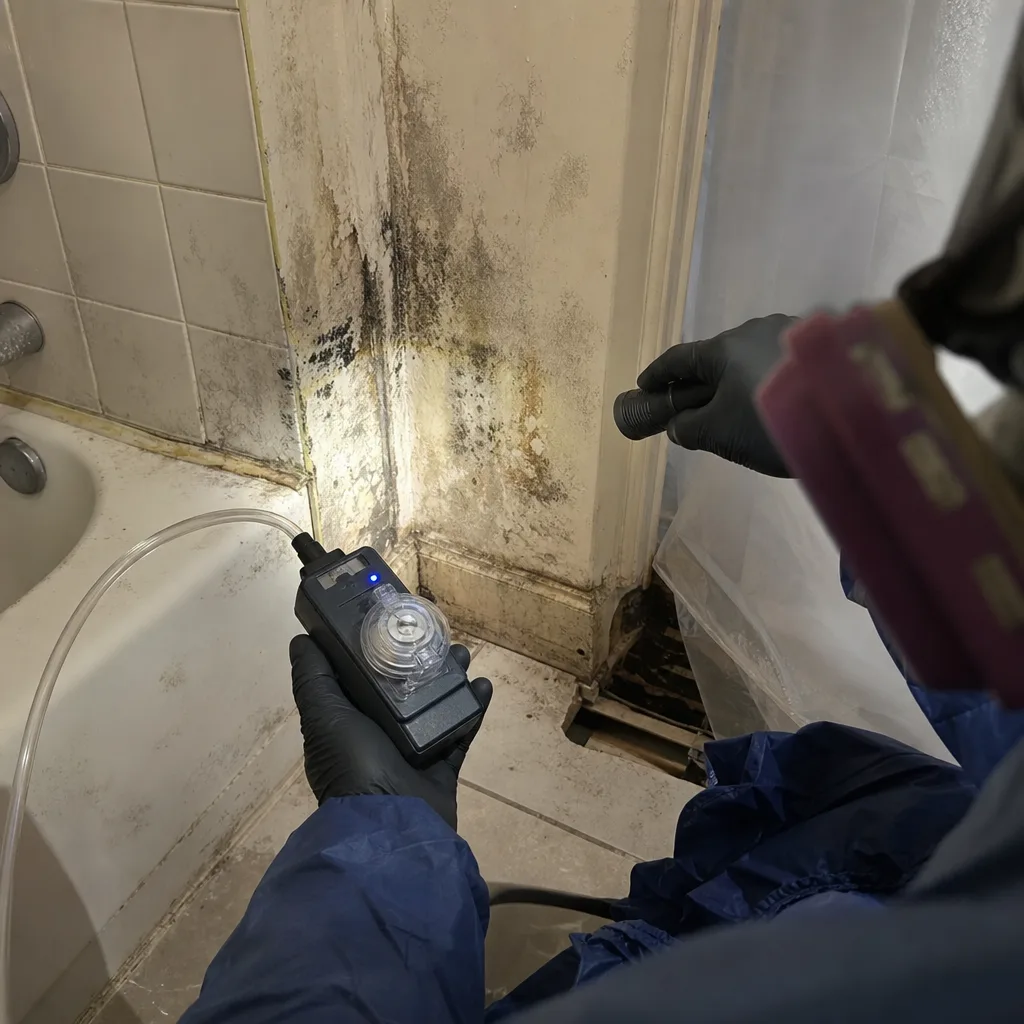
If you hire a professional for mold remediation in Forest Hills or any restoration service, you should receive specific documents as a condition of final payment. Requesting them upfront signals that you understand the documentation game, and reputable contractors will welcome the question.
Written scope of work with line-item pricing: Haven Standard, Clause 1 requires this before work begins. The scope should specify: affected rooms, square footage, material classifications (Class 1-4 water damage), equipment types and quantities, labor hours estimated, and per-line costs. No lump-sum mystery numbers.
Daily moisture logs: Date-stamped readings for each affected area, showing starting moisture content, daily progress, and final dry standard achievement. Dry standards vary by material: 12-16% moisture content for wood framing, 5% or less for drywall, 12% for subfloor plywood.
Equipment placement diagrams: Room sketches showing each unit’s location, airflow direction, and CFM rating. This proves the drying plan was engineered, not guessed.
Photo record: Time-stamped photographs of all affected areas before work, during work, and after completion. Included as standard, never as an upsell. At DryMark Restoration Forest Hills, we deliver these through a secure client portal with download capability.
Third-party clearance report: For mold remediation and Category 3 water losses, an independent industrial hygienist’s verification that the work meets IICRC S520 or S500 standards. This should include air sampling results, surface sampling where indicated, and a written statement of clearance.
Signed warranty: The 365-Day Done Right Promise, backed by The Haven Standard, stating that if the work fails to meet the documented standard, the contractor will return and correct it at no charge. This should be a physical or digitally signed document, not a verbal assurance.
Contractors who resist providing these documents, or who treat them as premium add-ons, are signaling that their work may not survive scrutiny. The documentation is the work. Everything else is just drying.
DIY vs Professional: Real Cost Comparison for Forest Hills
Pricing restoration work requires specificity. Below are the actual cost ranges we see in the Forest Hills market for typical residential scenarios, with DIY and professional columns showing what each approach truly costs when all factors are included.
| Scenario | DIY Approach | Professional Approach | DIY Hidden Costs |
|---|---|---|---|
| Category 1 leak, 1 room, under 50 sq ft | $80-150 (wet-dry vacuum rental, fans, dehumidifier) | $800-1,400 (extraction, drying, documentation) | No hidden costs if dried within 24 hours; risk of escalation if not |
| Category 1 leak, 1 room, wall cavity involvement | $200-400 (rental equipment, cavity cutting tools, materials) | $1,800-3,200 (invasive drying, cavity work, documentation) | Drywall repair, paint, potential mold if cavity not fully dried; no insurance documentation |
| Category 2 overflow, kitchen or bath | Not legally permitted; $0 if attempted, fines $1,000+ if cited | $2,500-4,500 (contained extraction, disposal, drying, clearance) | DEC violation, insurance denial, potential health liability |
| Category 3 sewage backup, basement | Not legally permitted; severe health risk | $4,500-8,500 (PPE, contained extraction, disposal, sanitization, clearance) | Not applicable; professional mandatory |
| Mold remediation, 10-50 sq ft | Not legally permitted in NY; $0 if attempted, mandatory professional abatement if discovered | $1,500-3,500 (containment, HEPA filtration, removal, clearance) | Full cost of mandatory remediation plus DOL fines; insurance denial |
| Fire/smoke damage, single room | $300-600 (cleaning supplies, ozone generator rental) | $3,500-7,000 (soot removal, deodorization, content cleaning, documentation) | Residual odor, hidden structural damage, no insurance documentation for contents |
The professional column includes documentation that supports insurance claims. The DIY column does not. When you factor in claim denials due to documentation gaps, the professional approach is often less expensive at net.
We offer a Free Second Opinion on any competitor’s written estimate. Bring us another contractor’s scope and we’ll review it against IICRC standards at no charge. Haven Standard, Clause 1 applies: you’ll get a written price before any work begins.
Common Mistakes to Avoid
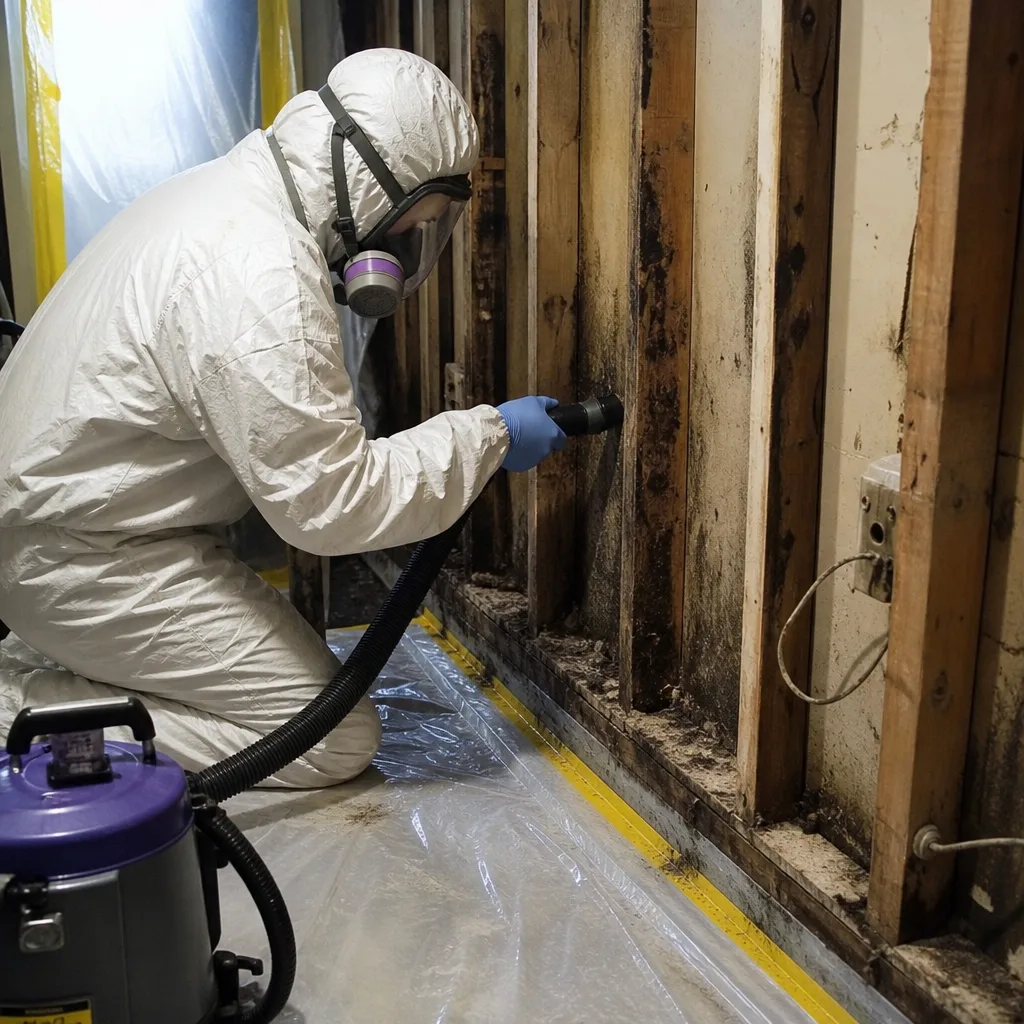
- Using bleach on mold: Bleach kills surface growth but leaves viable roots in porous materials. In Forest Hills’ pre-war buildings with plaster and lath, this guarantees recurrence. Proper remediation requires HEPA-contained removal, not chemical surface treatment.
- Renting equipment without calculating capacity: A homeowner who rents one dehumidifier for a 1,200 square foot flooded basement in Forest Hills is performing theater, not drying. The equipment capacity must match the moisture load, calculated by cubic footage and material porosity.
- Ignoring co-op notification requirements: Many Forest Hills shareholders begin drying without notifying their board, believing they’re containing the problem. This violates proprietary lease terms and voids master policy protections for adjacent units.
- Assuming “dry to the touch” means dry: Drywall can feel dry at 20% moisture content, which is still four points above the mold growth threshold. Only calibrated moisture meters verify true dryness; tactile assessment is unreliable.
- Disposing of contaminated materials improperly: Category 2 and 3 materials require documented disposal. A Forest Hills homeowner who places sewage-soaked carpet at the curb faces DEC violation and potential summons.
- Skipping the photo record: Even homeowners who perform appropriate initial extraction often fail to document pre-loss conditions. Without dated photographs, insurance carriers dispute the extent of original damage and attribute post-DIY conditions to the homeowner’s actions.
- Delaying professional involvement to “see if DIY works”: The 24-48 hour microbial growth window is non-negotiable. Waiting to evaluate DIY results often converts a Category 1 loss into a Category 2 or mold remediation, multiplying cost by 3-5x.
When to Call a Professional
Call a licensed restoration contractor immediately if: the water is Category 2 or 3; the affected area exceeds 50 square feet or involves wall cavities; 24 hours have passed since the water event; mold is visible or suspected; you live in a Forest Hills co-op or condo with master policy requirements; or your insurance policy requires licensed contractor documentation for claims processing.
DryMark Restoration Forest Hills offers free estimates in Forest Hills. Our live phone coverage is available 24 hours a day, 7 days a week with no voicemail on emergency lines. Every job is quoted in writing before work begins, documented with a photo record on every visit, and covered by the 365-Day Done Right Promise. Call (516) 687-6900.
Frequently Asked Questions
Most carriers will not cover DIY restoration because the work lacks the documentation required to prove adequate drying and compliance with industry standards. Specifically, without psychrometric logs, equipment placement records, and third-party moisture clearance, carriers cite “insufficient evidence of professional remediation” as grounds for denial. Call (516) 687-6900 for an exact quote on documented restoration work - estimates are free.
For water damage mitigation, DryMark Restoration Forest Hills maintains live phone coverage 24 hours a day, 7 days a week with emergency dispatch. Response time varies by current demand and weather events, but our protocol prioritizes active water losses to prevent microbial escalation. For reconstruction and non-emergency work, we schedule written assessments within 24-48 hours. Call (516) 687-6900 for current availability.
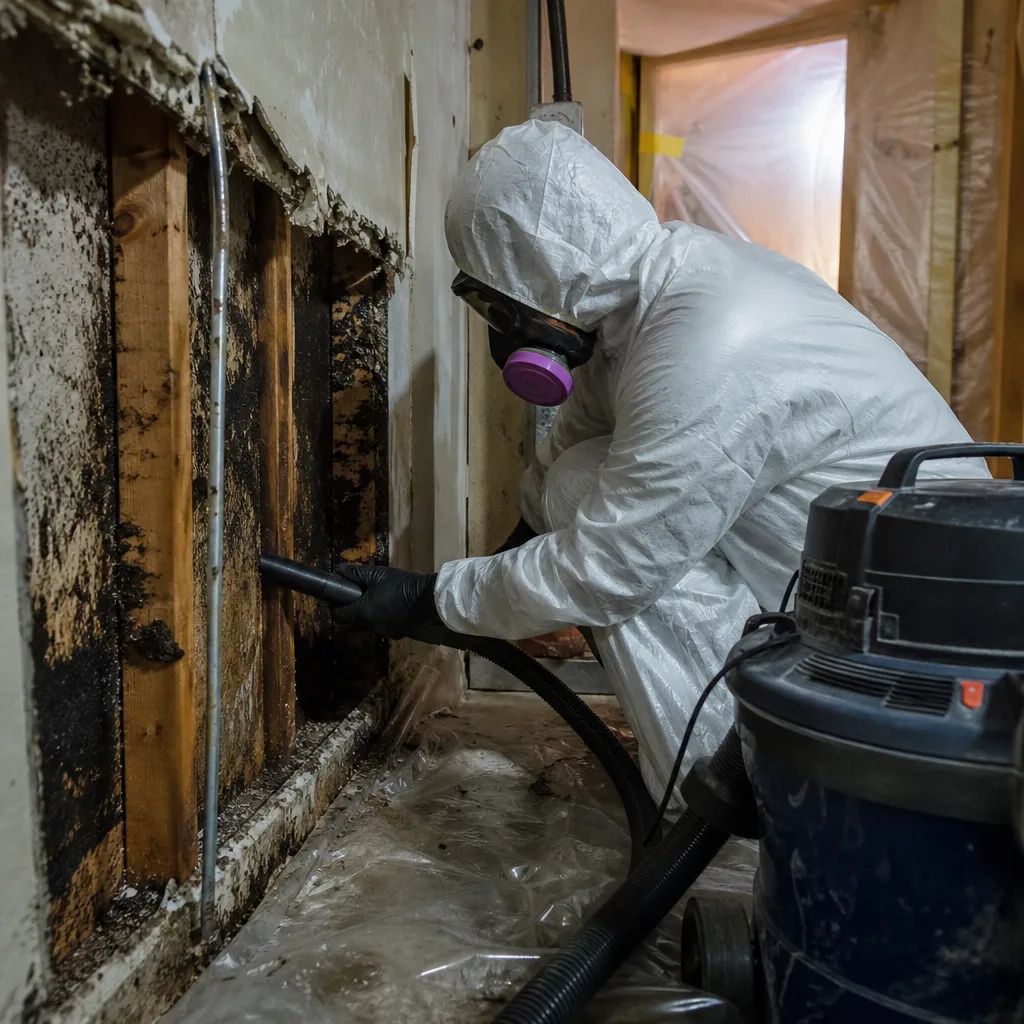
New York State Labor Law Article 32 requires licensed mold remediation for any contamination exceeding 10 contiguous square feet. Below that threshold, homeowners can clean surface mold with detergent and water, but must identify and correct the moisture source. Hidden mold in wall cavities, which is common in Forest Hills’ older housing stock, requires professional assessment with borescopes or thermal imaging. Self-remediating above the 10-square-foot threshold exposes you to DOL fines and mandatory professional abatement.
At DryMark Restoration Forest Hills, we coordinate directly with your adjuster as part of our standard service. This includes providing the documentation package - daily moisture logs, photo records, equipment placement diagrams, and third-party clearances - in the format adjusters require for claim approval. We do not charge extra for adjuster coordination; it is part of producing a payable claim. Haven Standard, Clause 1 ensures you see a written price before work begins, so there are no surprises during adjuster review.
Co-op boards can require that any contractor performing work in the building be licensed, insured, and capable of producing the documentation required by the master policy. Some boards maintain preferred vendor lists, but you generally retain the right to select any qualified contractor who meets these requirements. We recommend verifying your proprietary lease terms and presenting your contractor’s documentation credentials to the board before work begins.
A compliant estimate under Haven Standard, Clause 1 includes: room-by-room scope with affected square footage; material classification (Class 1-4); equipment types, quantities, and placement rationale; labor hour estimates; per-line pricing with totals; estimated duration; and documentation deliverables specified. Never agree to lump-sum pricing without line-item detail. Request this structure from any contractor you consider, including competitors - and bring us their quote for a Free Second Opinion at no charge.
The Bottom Line
The DIY versus professional restoration question is not about capability. Many Forest Hills homeowners are entirely capable of extracting water and running fans. The question is about what you can prove: to your insurance carrier, to your co-op board, to the adjacent shareholder whose unit your moisture affected. Professional restoration costs more upfront because it produces documentation that survives scrutiny. DIY restoration costs less initially because it produces none. When the claim denial arrives, or the board’s attorney sends a letter, or the mold returns behind the wall you thought was dry, the cost equation inverts. The Haven Standard exists because we’ve seen that inversion too many times. Written price before work begins. Photo record on every visit. Documentation that turns restoration invoices into payable claims. That’s the decision framework. Everything else is just drying.
Written by Alicia Brennan, Owner at DryMark Restoration Forest Hills, serving Forest Hills since 2011.