
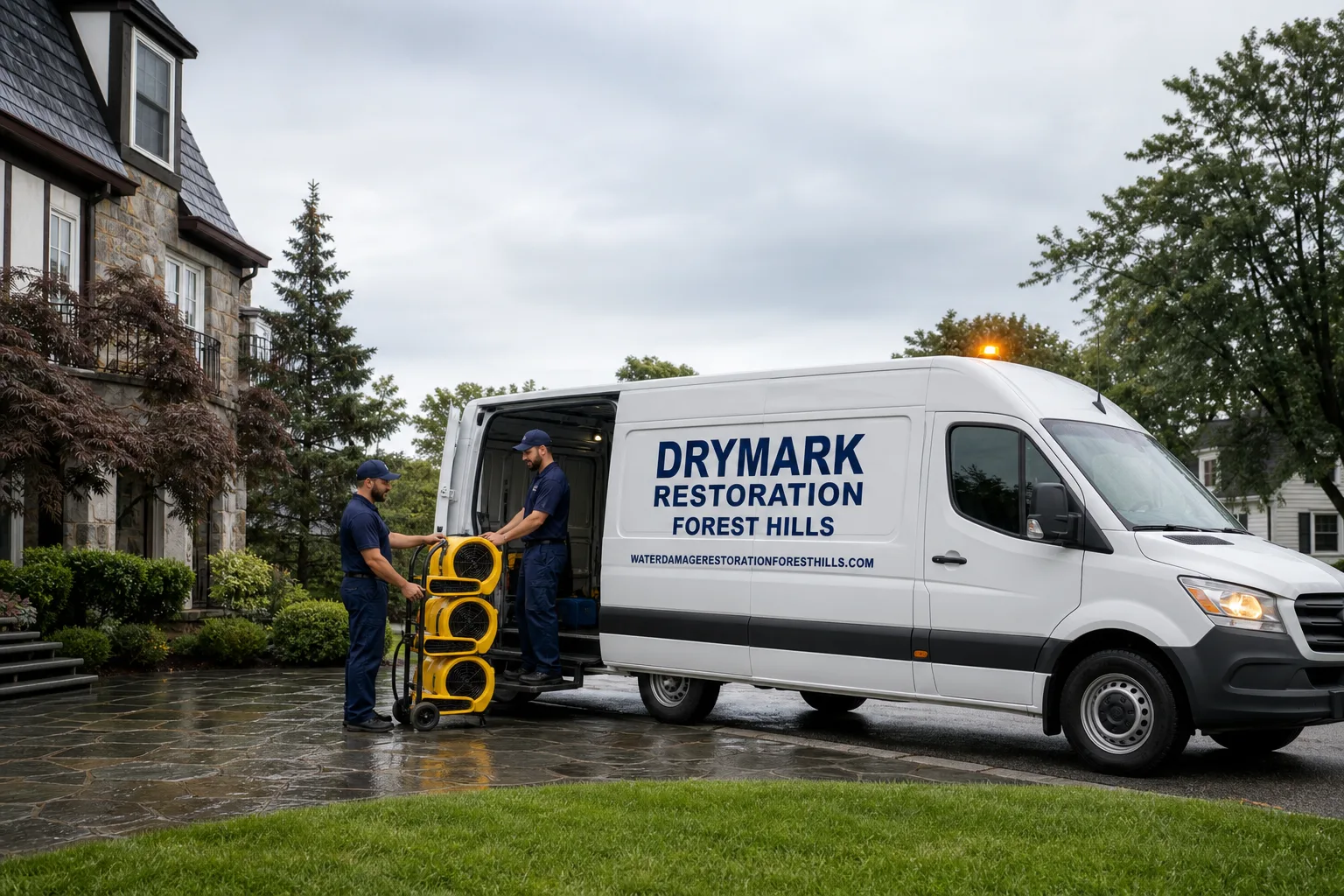
Free visual inspection and a written scope of work before any mitigation begins - photos, moisture readings, and drying logs go in your claim file
The scope we write is the scope we bill. Anything new gets shown to you, in writing, before we touch it.
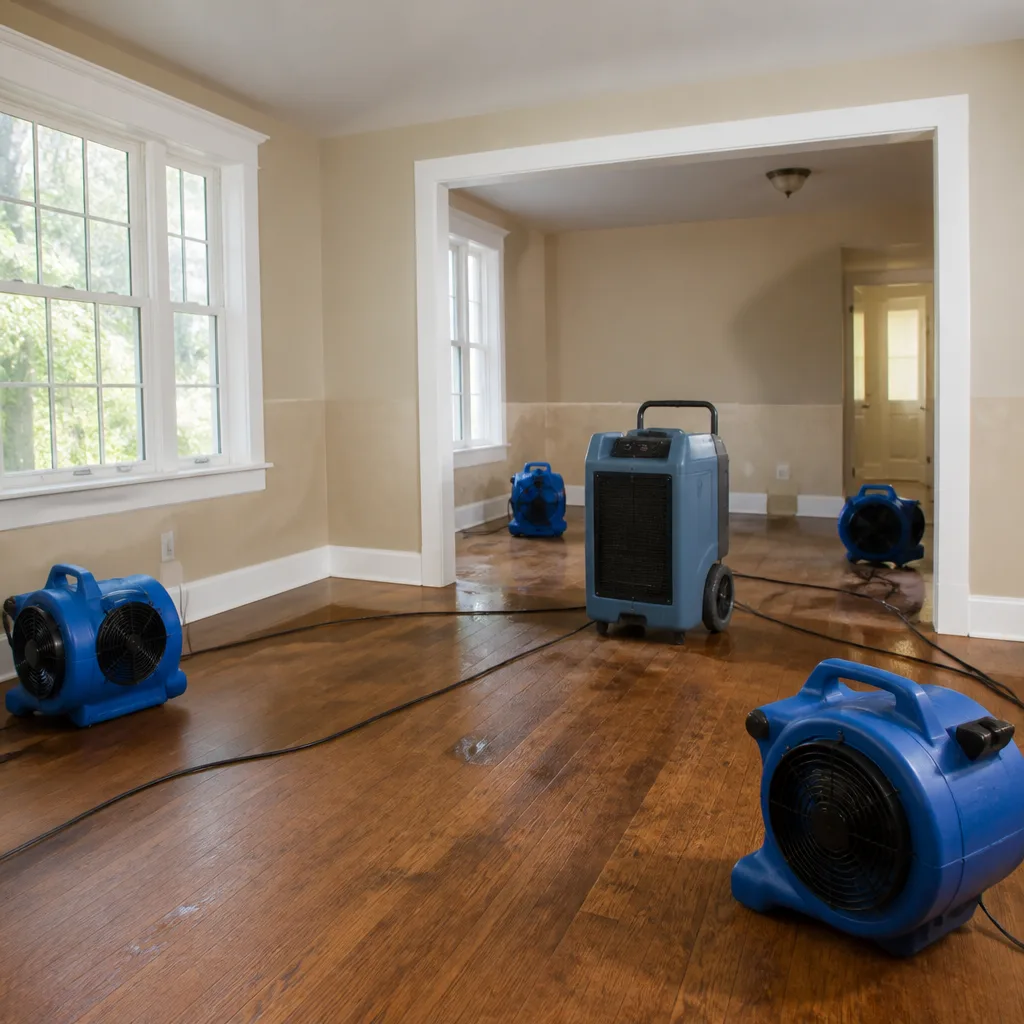
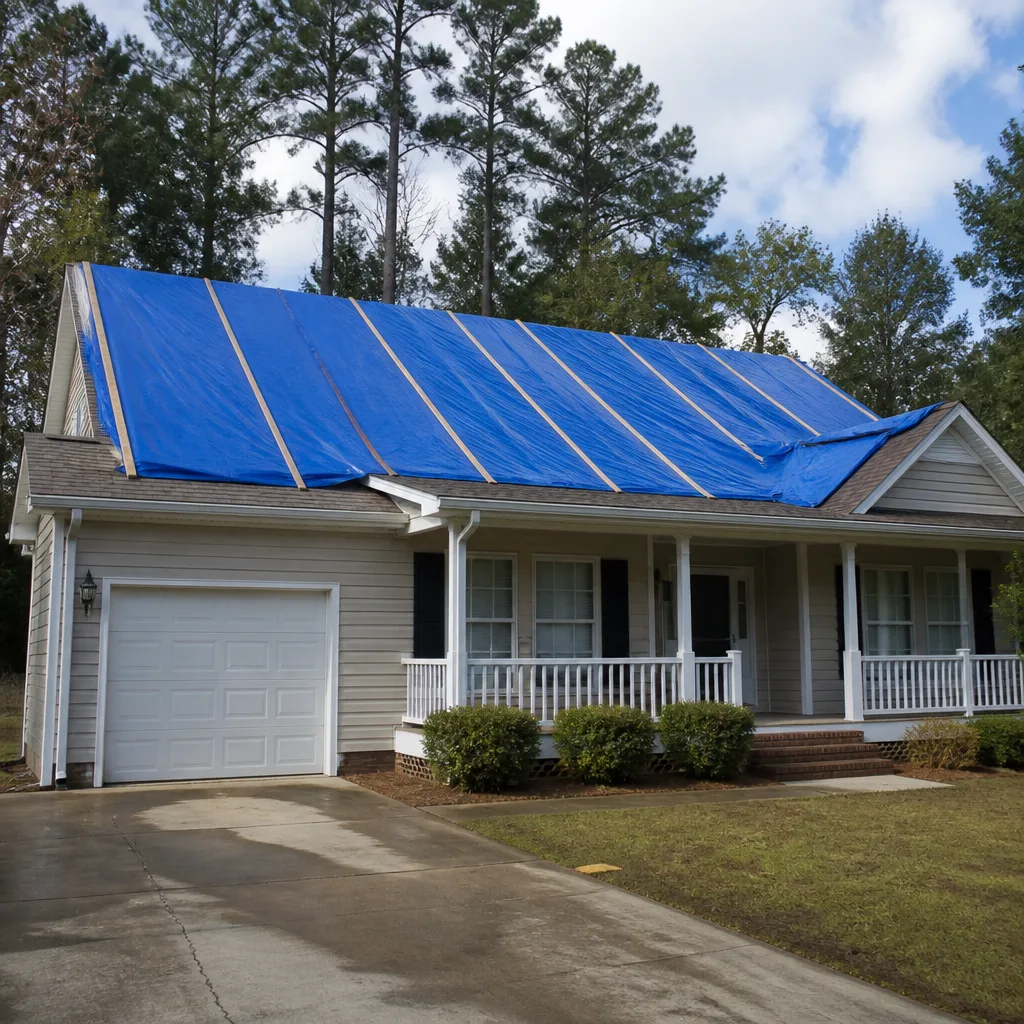
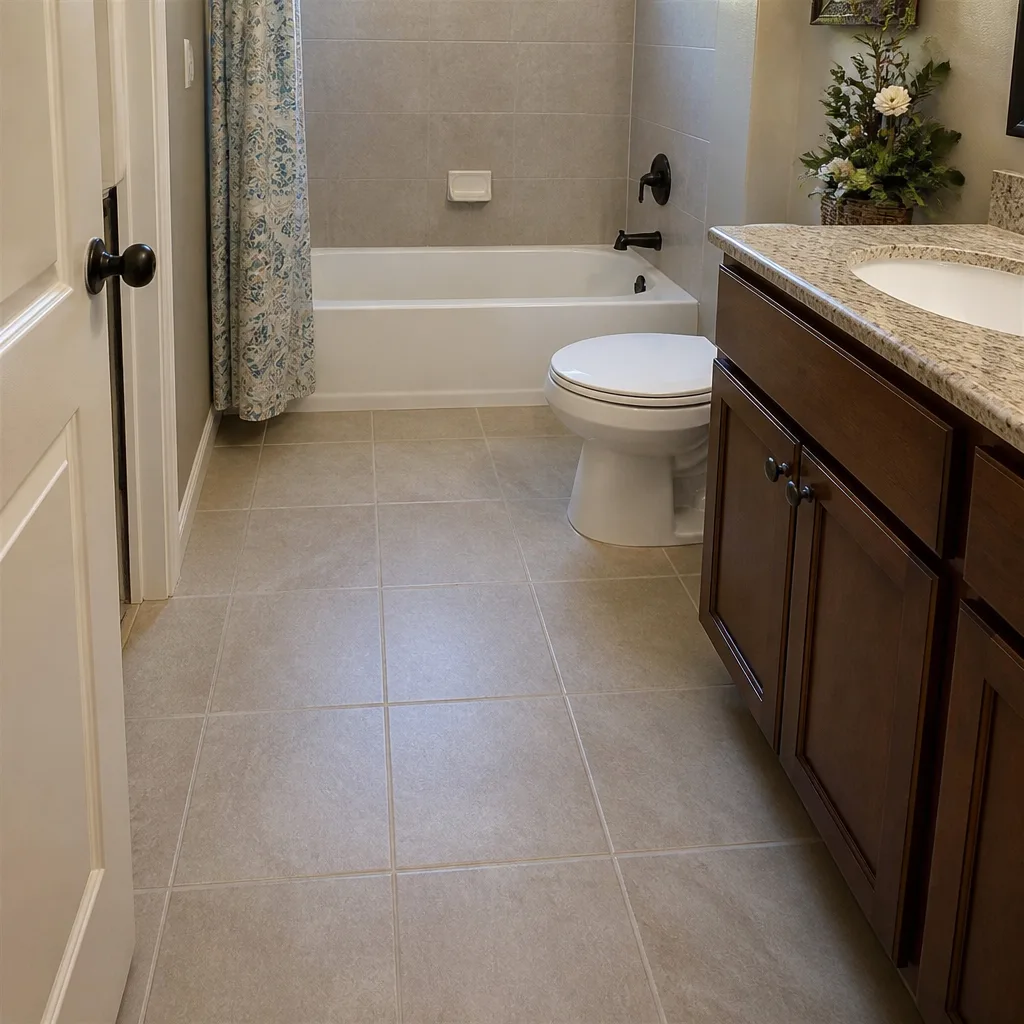
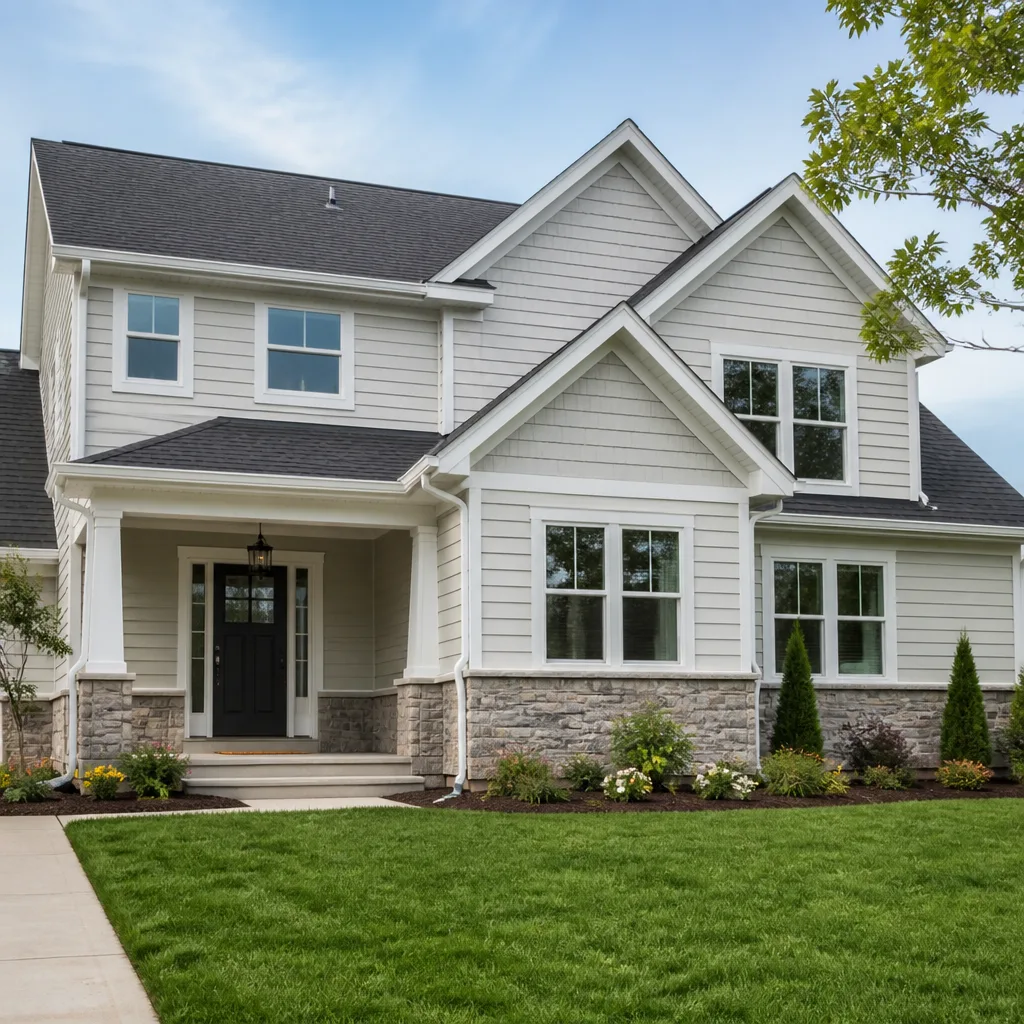
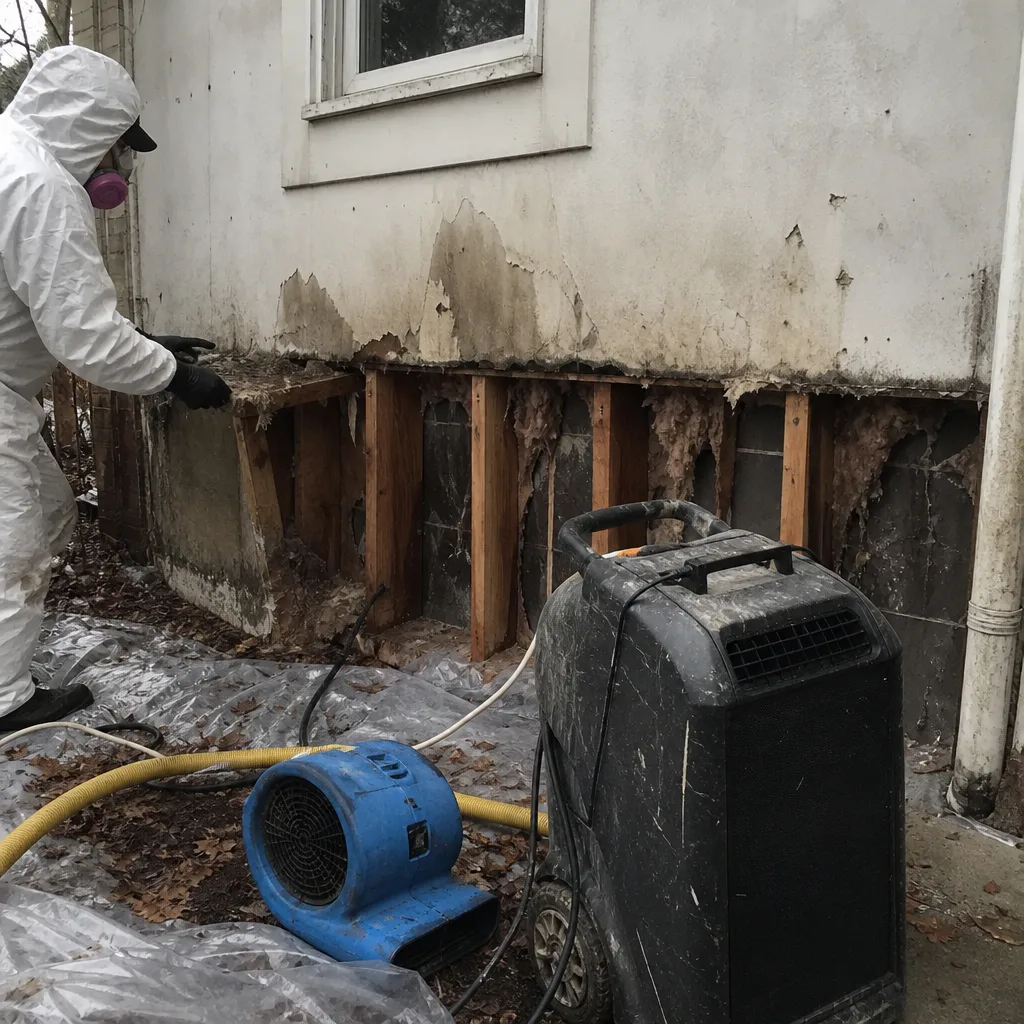 Before
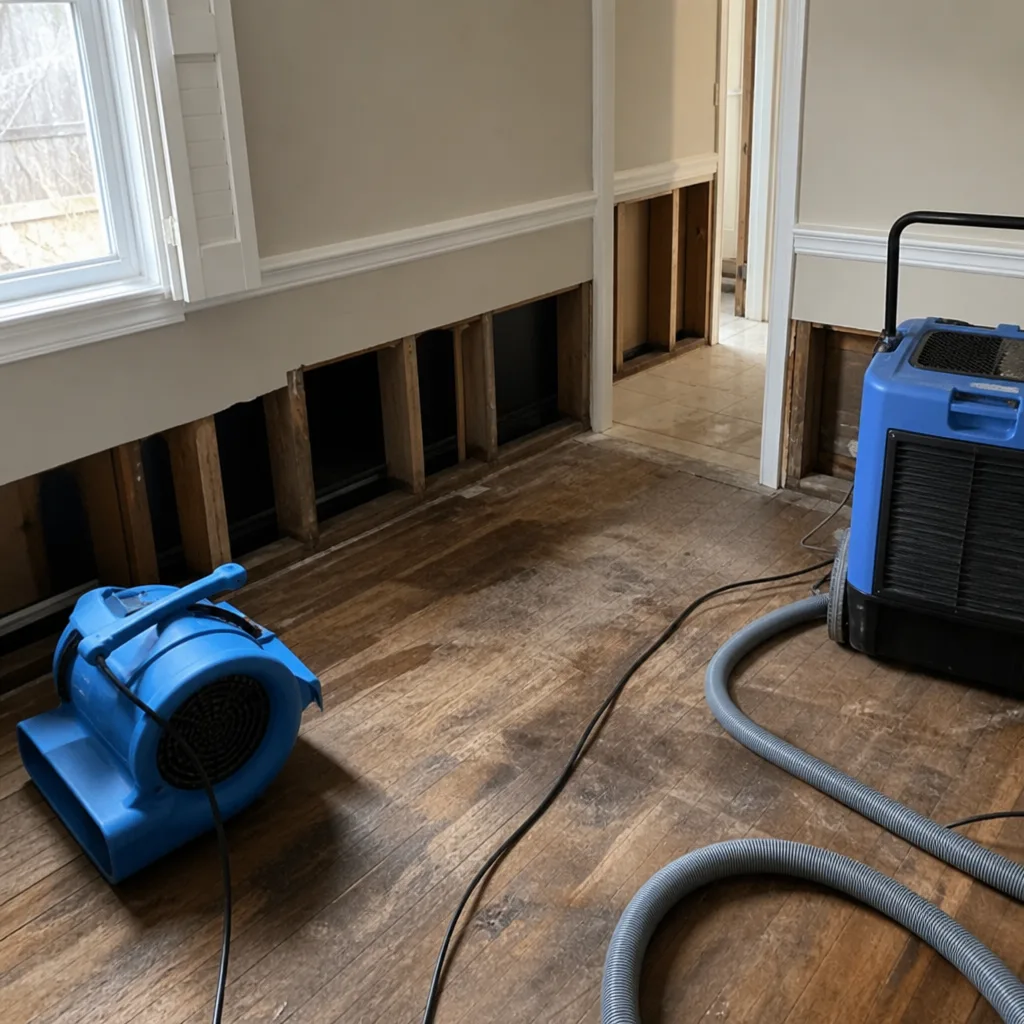 After
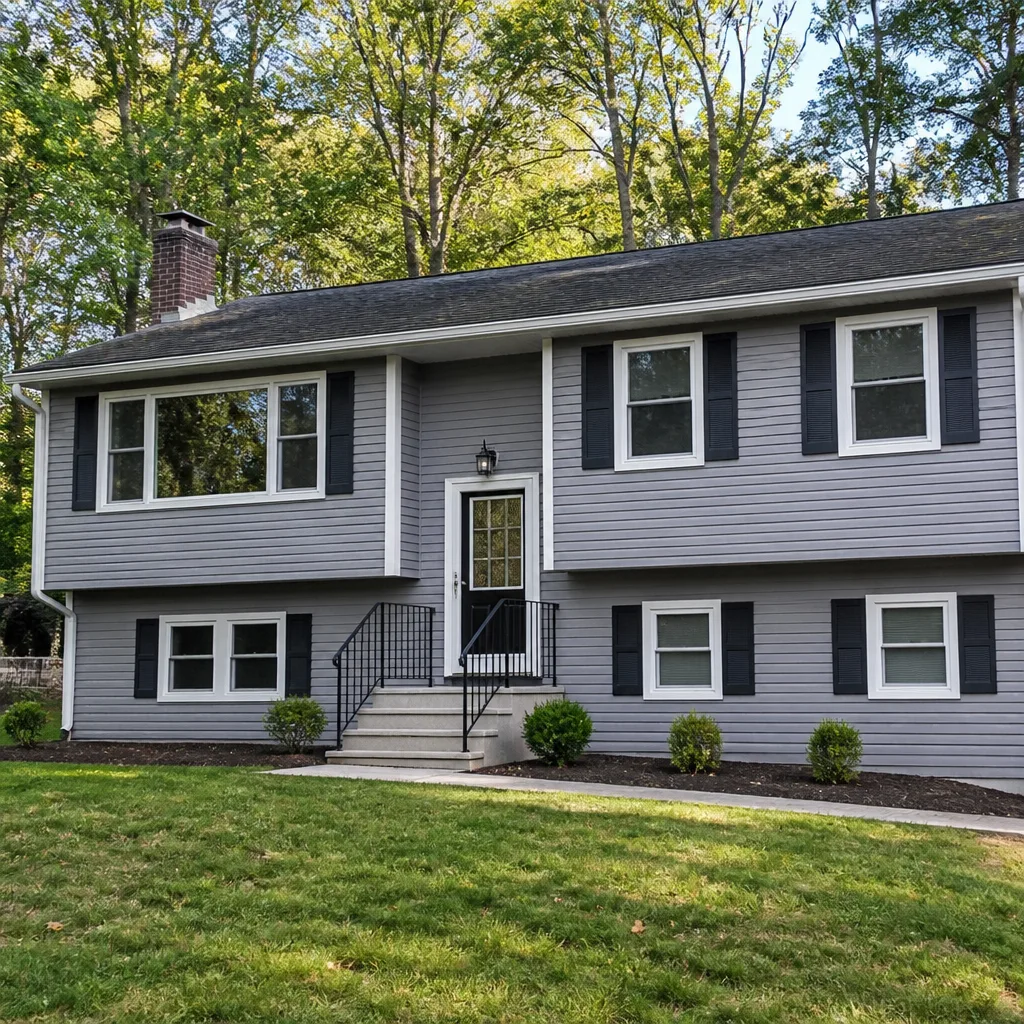
After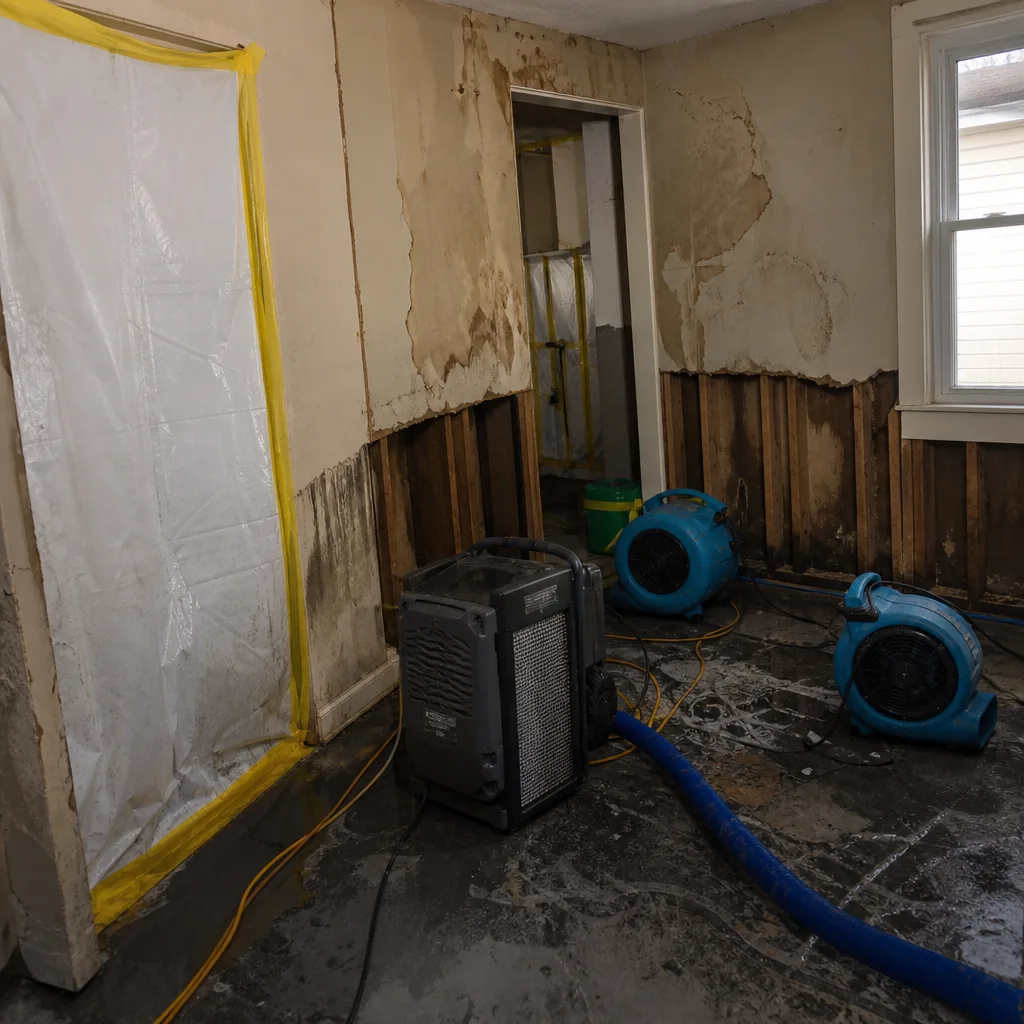 Before
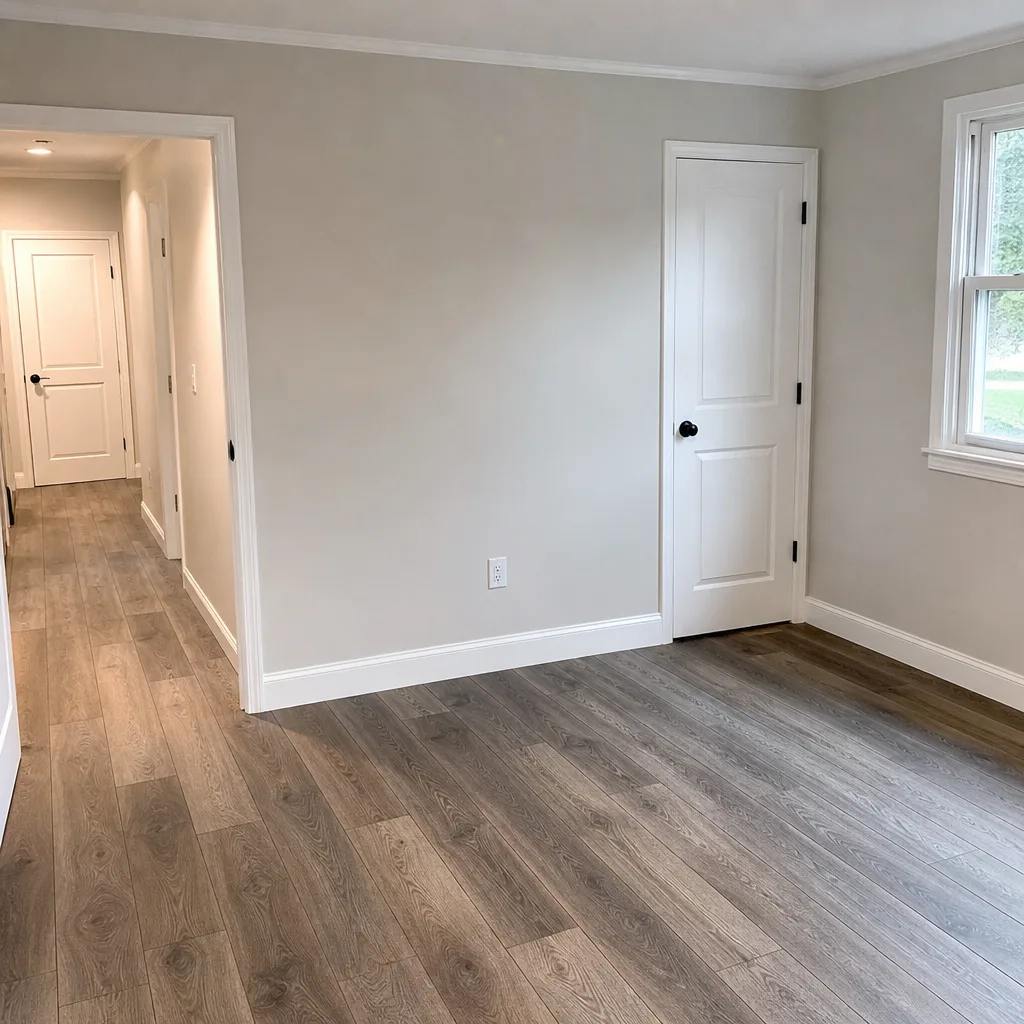 After
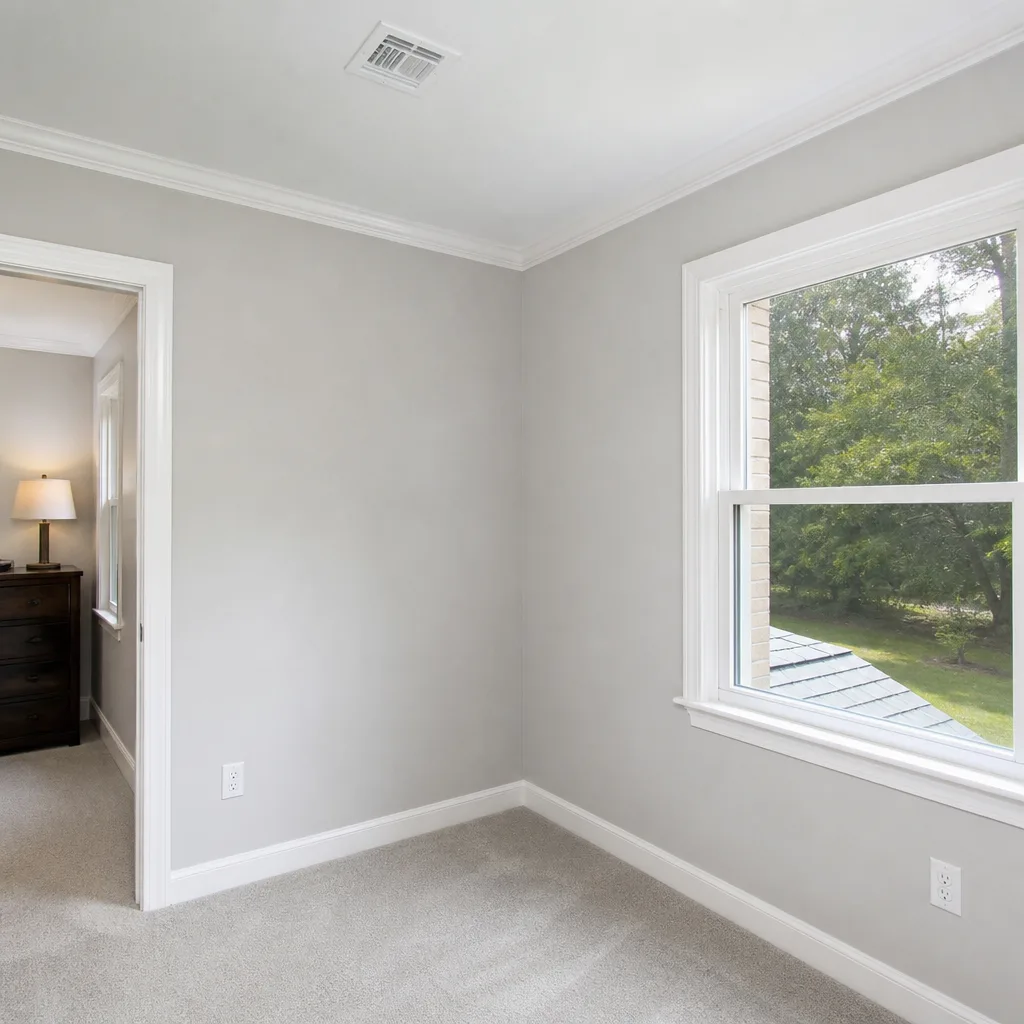
After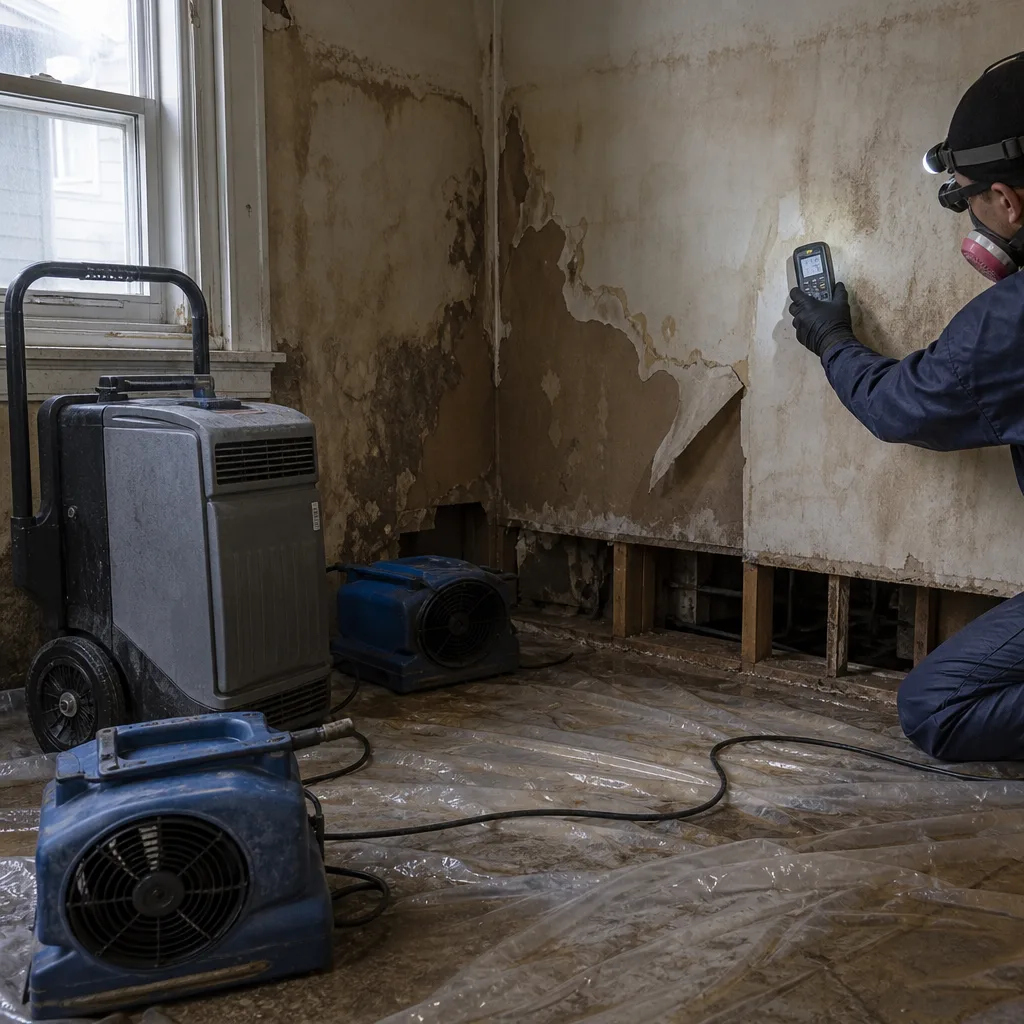 Before
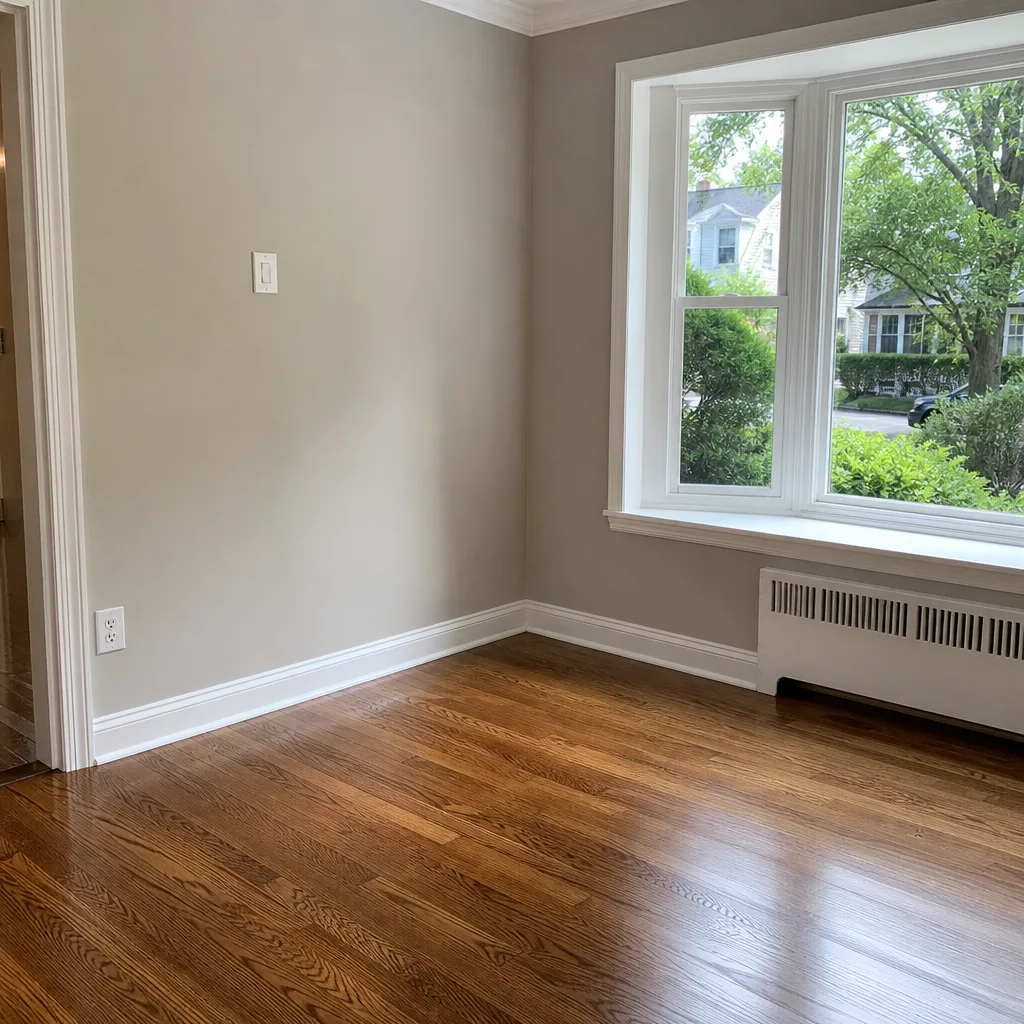 After
AfterFast, Reliable Fire & Smoke Damage Restoration Across Long Island City
Fire and smoke damage restoration in Long Island City typically costs $3,200-$8,500 for moderate residential fires, with emergency board-up and stabilization available within 90 minutes of your call. Our crews serve the full Long Island City corridor, from the luxury towers rising along Center Boulevard to the converted warehouse lofts tucked between Jackson Avenue and the Queensboro Bridge approach. If you’re standing in a soot-damaged unit in Hunter’s Point or Sunnyside, call (516) 687-6900 now. We’ll document the damage, deliver a written scope and price before any work begins, and start mitigation the same day.
Long Island City’s building stock demands specialized fire restoration knowledge. The poured-concrete slabs in converted industrial buildings wick smoke residue differently than wood-frame construction, and firefighting water in high-rise mechanical floors can carry contamination through elevator shafts and HVAC systems into neighboring units. Our Fire & Smoke Damage Restoration team has handled both scenarios repeatedly since 2011.
Why DryMark Restoration Forest Hills Is Long Island City’s Preferred Fire & Smoke Damage Restoration Company
We’ve restored fire-damaged properties in Long Island City’s converted lofts near the waterfront, in the glass high-rises along the East River, and in the mixed-use buildings lining Vernon Boulevard. Our 12,000+ documented restorations since 2011 include hundreds in Queens, with crews who know the difference between a 1920s warehouse conversion with asbestos floor tiles and a 2019 tower with centralized mechanical systems.
Response time to Long Island City averages under 90 minutes for emergency calls, with live phone coverage 24 hours a day, 7 days a week. No voicemail trees. No next-business-day callbacks while smoke residue continues to etch surfaces and absorb into porous materials.
Our documentation-first approach was built by Alicia Brennan, a former claims adjuster who founded Back to Dry in 2011 specifically to close the documentation gap that costs homeowners their insurance settlements. Every Long Island City job receives a photo record on every visit, daily drying logs with psychrometric data (temperature, relative humidity, and vapor pressure differential readings that prove the structure is actually dry), and a written price before work starts - Haven Standard, Clause 1.
We offer a Free Second Opinion on any competitor’s written estimate. Bring us another restoration company’s scope and we’ll review it at no charge. Our 365-Day Done Right Promise, backed by The Haven Standard, means if it’s not done right, we make it right - in writing, not as a verbal assurance.
Our Fire & Smoke Damage Restoration Services in Long Island City
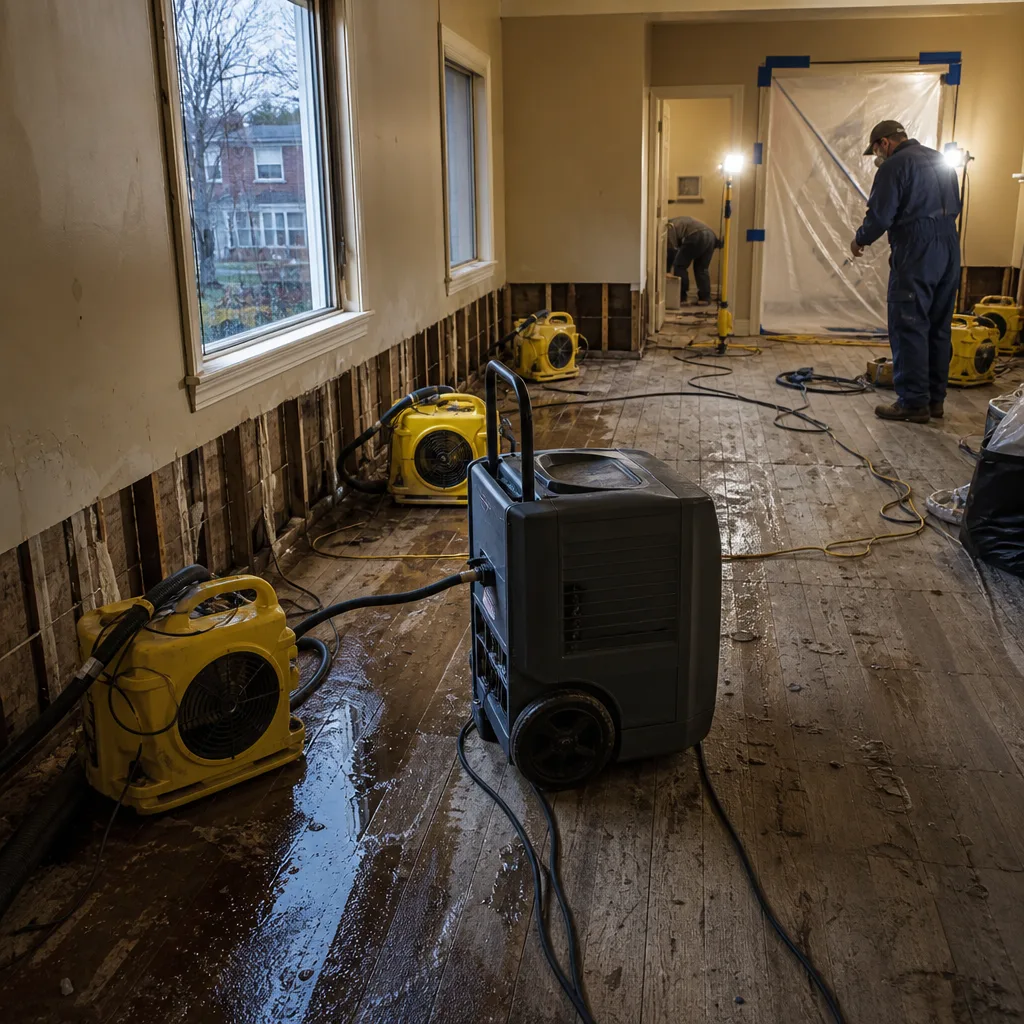
Fire Damage Cleanup
Fire damage cleanup in Long Island City begins with structural stabilization and hazard identification. In the converted warehouse lofts near Newtown Creek, we routinely encounter legacy industrial finishes - lead-based paints, asbestos floor tiles, and chemical residues in concrete slabs - that must be tested before disturbance. Our crews document every square foot of affected area with photo records, then deliver a written scope and price before demolition or cleaning begins. For high-rise units near Queens Plaza, we coordinate with building management to isolate elevator banks and HVAC risers, preventing cross-contamination into neighboring units.
Smoke & Soot Removal
Smoke and soot removal in Long Island City requires understanding how residue behaves in two very different building types. In converted industrial lofts with exposed brick and poured-concrete slabs, alkaline soot etches masonry within hours and wicks into concrete vapor barriers where standard surface cleaning cannot reach it. In newer glass towers, smoke can travel through pressurized corridors and mechanical chases, depositing acidic residue on electronics and finished surfaces far from the fire origin. We deploy HEPA air scrubbers, thermal imaging to locate hidden residue pockets, and dry-ice or soda blasting for delicate historic finishes. Equipment includes professional-grade systems from XPOWER and B-Air, documented to IICRC standards.
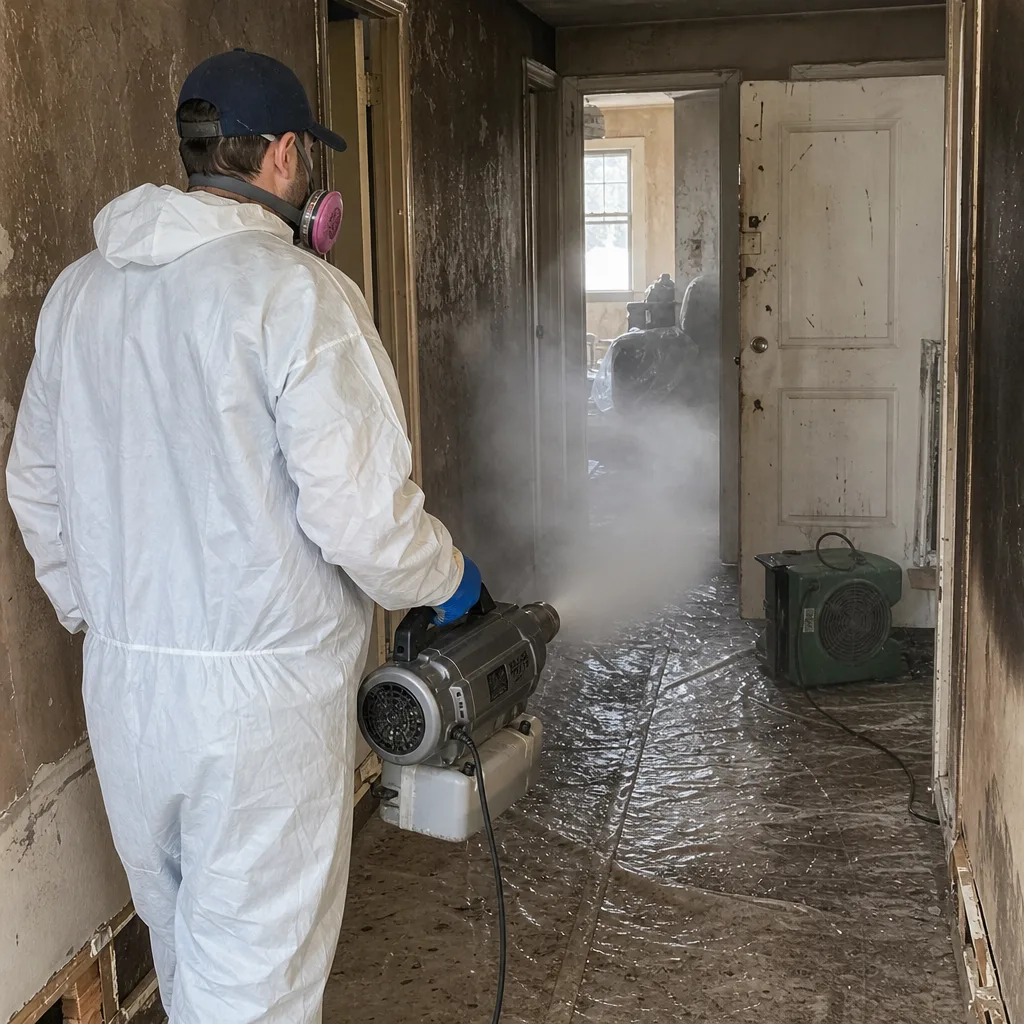
Odor Removal & Deodorization
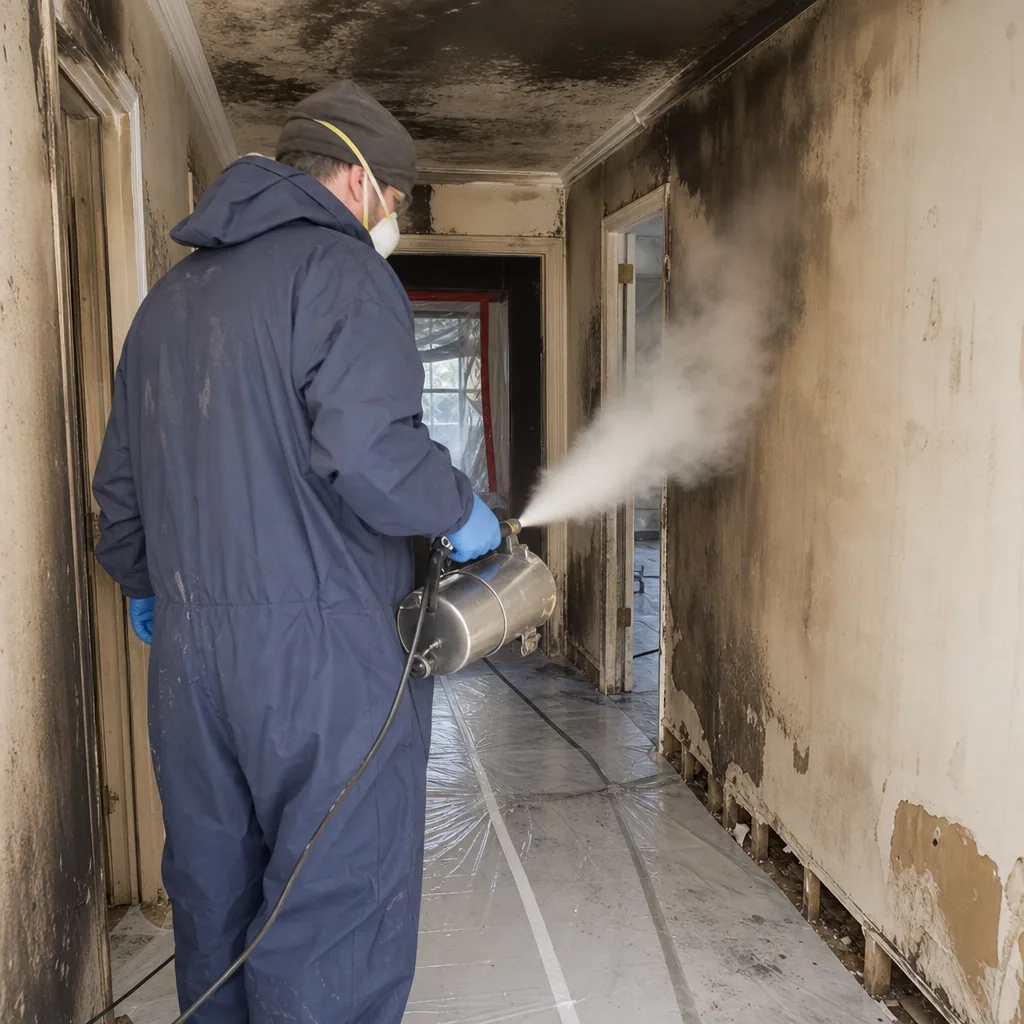
Odor removal in Long Island City loft conversions often fails because contractors treat smoke odor as surface-level when it has penetrated concrete slabs and compromised vapor barriers. In one Hunter’s Point job, a kitchen fire sent smoke through original 1920s wood beams and forced-air ducts; we used moisture mapping to find soot-laden residue embedded in the concrete slab’s compromised vapor barrier. Our crew set up containment with air movers and dehumidification, then deployed antimicrobial treatment on the charred beams before rebuilding the custom wood door frame to match the pre-loss condition. Multiple deodorization cycles - thermal fogging, ozone treatment, and hydroxyl generation - may be needed for complete odor elimination in these porous industrial structures.
Contents Cleaning & Pack-Out
Contents cleaning for Long Island City residents protects high-value items while structural restoration proceeds. We inventory, photograph, and pack out salvageable furnishings, artwork, and electronics to our controlled cleaning facility, where ultrasonic cleaning, ozone deodorization, and specialized electronics restoration can be performed. Items are tracked with photo documentation at every stage - the same documentation standard that supports your insurance claim. Unsalvageable items are documented for replacement valuation with detailed condition reports and photographs.
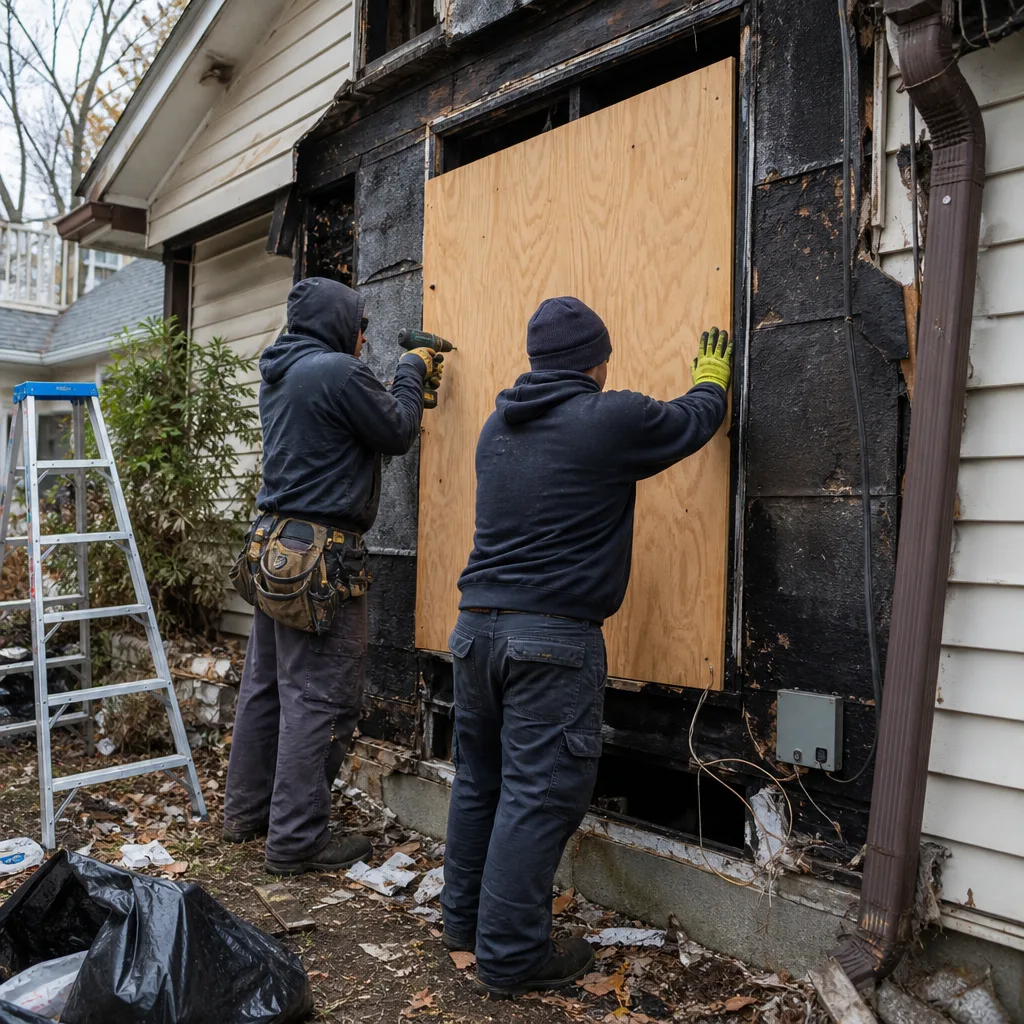
Emergency Board-Up & Tarping
Emergency board-up and tarping secures Long Island City properties against weather intrusion and unauthorized entry after fire department ventilation has broken windows or compromised roofing. We use fire-rated plywood and weatherproof tarps, with photo documentation of the pre-secured condition for insurance records. In high-rise buildings, we coordinate with building security and FDNY to ensure egress paths remain compliant while the unit is sealed.
Structural Fire Repair
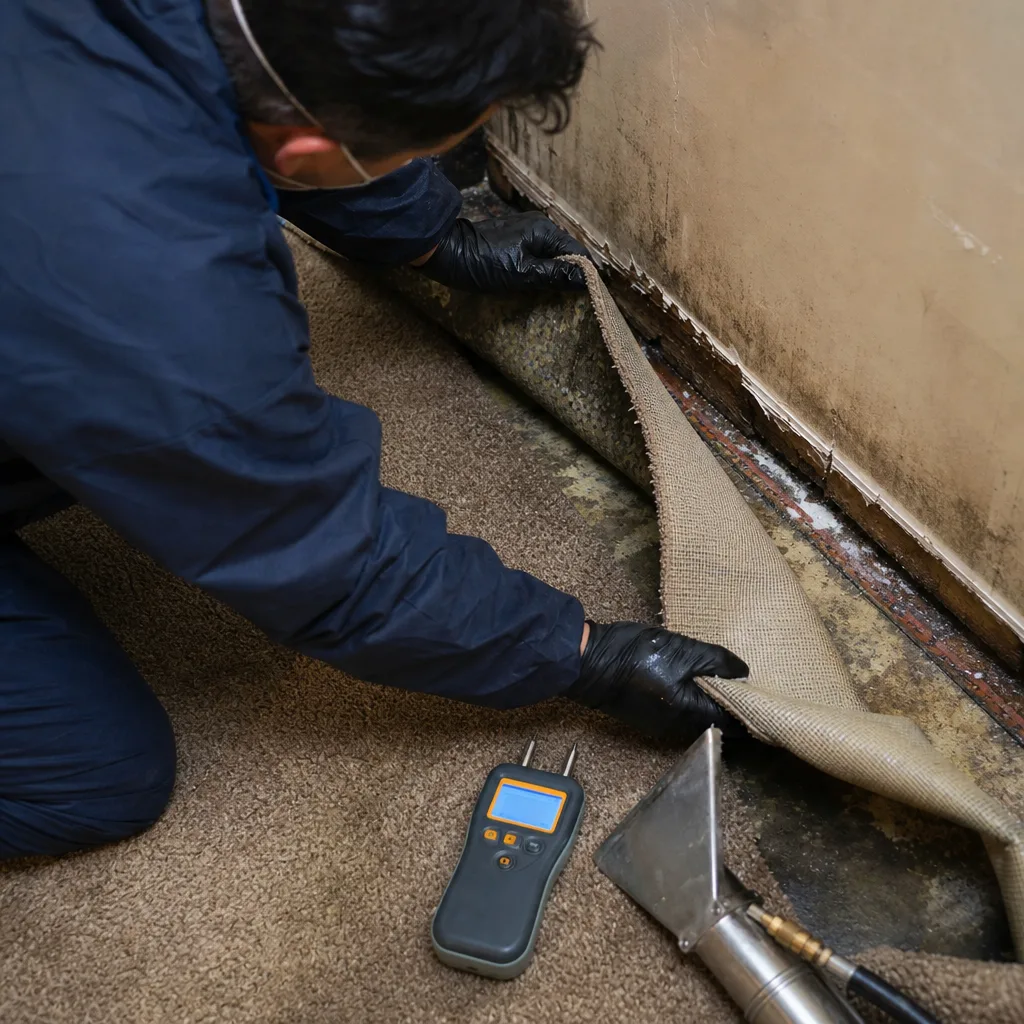
Structural fire repair in Long Island City must account for the unique demands of converted industrial buildings. Charred wood beams in loft conversions require engineered assessment - we document load-bearing capacity with written reports before reconstruction begins. Custom wood doors and trim damaged by fire are matched to pre-loss condition, not replaced with stock materials. In buildings with known asbestos or lead hazards, we hold work until clearance testing is complete, then rebuild to current NYC building codes with full permit documentation.
What happens when you call
- 1
A real person answersNo phone trees - you reach a local pro.
- 2
You get an upfront price rangeHonest numbers before anyone is dispatched.
- 3
A background-checked tech heads outLicensed & insured, dispatched right away.
- 4
You approve before work beginsNothing starts until you say go.
BeforeAfterTrusted Brands We Service in Long Island City
Our Long Island City crews deploy professional-grade drying and air quality systems from Injectidry, XPOWER, and B-Air - equipment selected for the specific demands of concrete-slab industrial conversions and high-rise mechanical floors. We stock HEPA filtration media, antimicrobial treatments, and vapor barrier repair materials locally, so replacement and continuation of work isn’t delayed by supply runs. All equipment deployment is logged with serial numbers and operating parameters in your daily drying record, producing the documentation that turns restoration invoices into payable insurance claims.
Common Fire & Smoke Damage Restoration Problems We See in Long Island City Homes
- Treating smoke odor as surface-level in converted lofts. Smoke penetrates exposed brick and concrete slabs in Long Island City’s warehouse conversions, requiring structural containment with polyethylene barriers and multiple deodorization cycles before reconstruction can begin. Thermal imaging and moisture mapping reveal hidden residue that surface cleaning misses entirely.
- Neglecting asbestos testing before disturbing charred materials. Pre-1950s warehouse conversions throughout Hunters Point and Dutch Kills commonly contain asbestos floor tiles, pipe insulation, and fireproofing materials. Disturbing these without testing triggers NYC environmental violations and stops work for weeks. We test first, document results, and proceed only with clearance.
- Underestimating firefighting water spread in high-rise mechanical floors. Water used to suppress fires in Long Island City’s luxury towers often penetrates mechanical rooms on lower floors, carrying smoke residue through elevator shafts and HVAC systems into units far from the fire origin. Cross-contamination requires whole-system cleaning, not just the fire-affected unit.
- Ignoring compromised vapor barriers in concrete slab construction. Long Island City’s poured-concrete industrial floors wick smoke-laden moisture into the vapor barrier beneath finished surfaces. Without injection drying or vapor barrier repair, odor recurs months after apparent restoration is complete.
Pricing for Fire & Smoke Damage Restoration in Long Island City, NY
Fire and smoke damage restoration pricing in Long Island City reflects the complexity of the local building stock and the documentation standards required for insurance settlement.
| Service | Typical Range in Long Island City |
|---|---|
| Emergency board-up and stabilization | $800 - $2,400 |
| Smoke and soot removal (per affected room) | $1,200 - $3,500 |
| Odor removal and deodorization (full loft/unit) | $2,000 - $5,500 |
| Contents pack-out and cleaning | $1,500 - $4,000 |
| Structural fire repair (permit and rebuild) | $4,500 - $15,000+ |
| Asbestos/lead testing and abatement (when required) | $1,800 - $6,000 |
Factors that increase cost in Long Island City include: asbestos or lead testing requirements in pre-1950s conversions; high-rise coordination fees and after-hours building access; vapor barrier repair in concrete slab construction; and cross-contamination into multiple units requiring expanded scope. Every job receives a written price before work begins - Haven Standard, Clause 1 - with no scope-creep additions once the crew is inside. Call (516) 687-6900 for your specific written estimate; estimates are free.
We Also Serve Cities Near Long Island City
Our crews respond throughout western Queens, including Long Island City and neighboring Woodside, Astoria, Maspeth, and Jackson Heights. Dispatch and scheduling are coordinated from our New York City office; crews serve Long Island City locally with the same documentation standards and response protocols applied across our entire service area.
Serving Long Island City, NY - Our Local Coverage Area
We’re based in the Long Island City area and know this community well. Use the map below to see our service coverage - if you’re nearby, we can almost certainly help.
FAQs - Fire & Smoke Damage Restoration in Long Island City
Yes, many pre-1950s warehouse conversions in Long Island City contain asbestos in floor tiles, pipe insulation, or spray-applied fireproofing, and disturbing these materials without testing violates NYC environmental regulations. We conduct asbestos surveys before any demolition begins, obtain necessary permits through the NYC Department of Environmental Protection, and document clearance testing before reconstruction starts. This testing adds $1,800-$6,000 to typical restoration costs but prevents work stoppages and fines that delay your return home by weeks. Call (516) 687-6900 to discuss your building’s specific requirements.
Concrete slab construction in Long Island City’s converted industrial buildings wicks smoke-laden moisture into the vapor barrier beneath finished floors, creating hidden odor reservoirs that surface cleaning cannot reach. We use thermal imaging and moisture mapping to locate these pockets, then deploy injection drying systems and vapor barrier repair before deodorization. Without this step, odor recurs months after apparent restoration completion. Multiple deodorization cycles - thermal fogging, ozone, and hydroxyl generation - are typically required for complete elimination in these porous structures.
Yes, we restore custom wood doors and trim to pre-loss condition rather than replacing with stock materials, provided the structural integrity of the wood has not been compromised by charring. Our crews document the original profile, source matching lumber, and mill replacement components to replicate period details. In a recent Hunters Point loft restoration, we rebuilt a custom wood door frame damaged by kitchen fire to match the original 1920s joinery, with photo documentation at every stage for insurance valuation. Call (516) 687-6900 for assessment of your specific damage.
We establish polyethylene containment barriers with negative air pressure before beginning any demolition or cleaning in multi-unit Long Island City buildings. HEPA air scrubbers run continuously within the containment zone, with ducted exhaust to the exterior. HVAC systems are sealed and cleaned separately to prevent distribution through shared ductwork. In buildings with open floor plans or shared structural elements, we coordinate with neighboring unit owners and building management to inspect adjacent spaces for migration. Daily photo documentation tracks containment integrity throughout the project.
Our emergency response time to Long Island City averages under 90 minutes, with live phone coverage 24 hours a day, 7 days a week. We do not use voicemail on emergency lines. The first crew on site secures the structure, documents conditions with photographs, identifies immediate hazards including asbestos and structural compromise, and delivers a written stabilization scope and price before any work begins. For active fire scenes still under FDNY control, we stage nearby and begin assessment the moment the scene is released. Call (516) 687-6900 now if you need immediate response.
Fire and smoke damage in Long Island City demands restoration contractors who understand the specific hazards of converted industrial buildings - from asbestos testing requirements to concrete vapor barrier repair. Our documentation-first approach, with written prices before work begins and photo records on every visit, protects both your property and your insurance claim. Call (516) 687-6900 today for your free written estimate.
Written by Alicia Brennan, Owner at Back to Dry Restoration, serving Long Island City since 2011.