
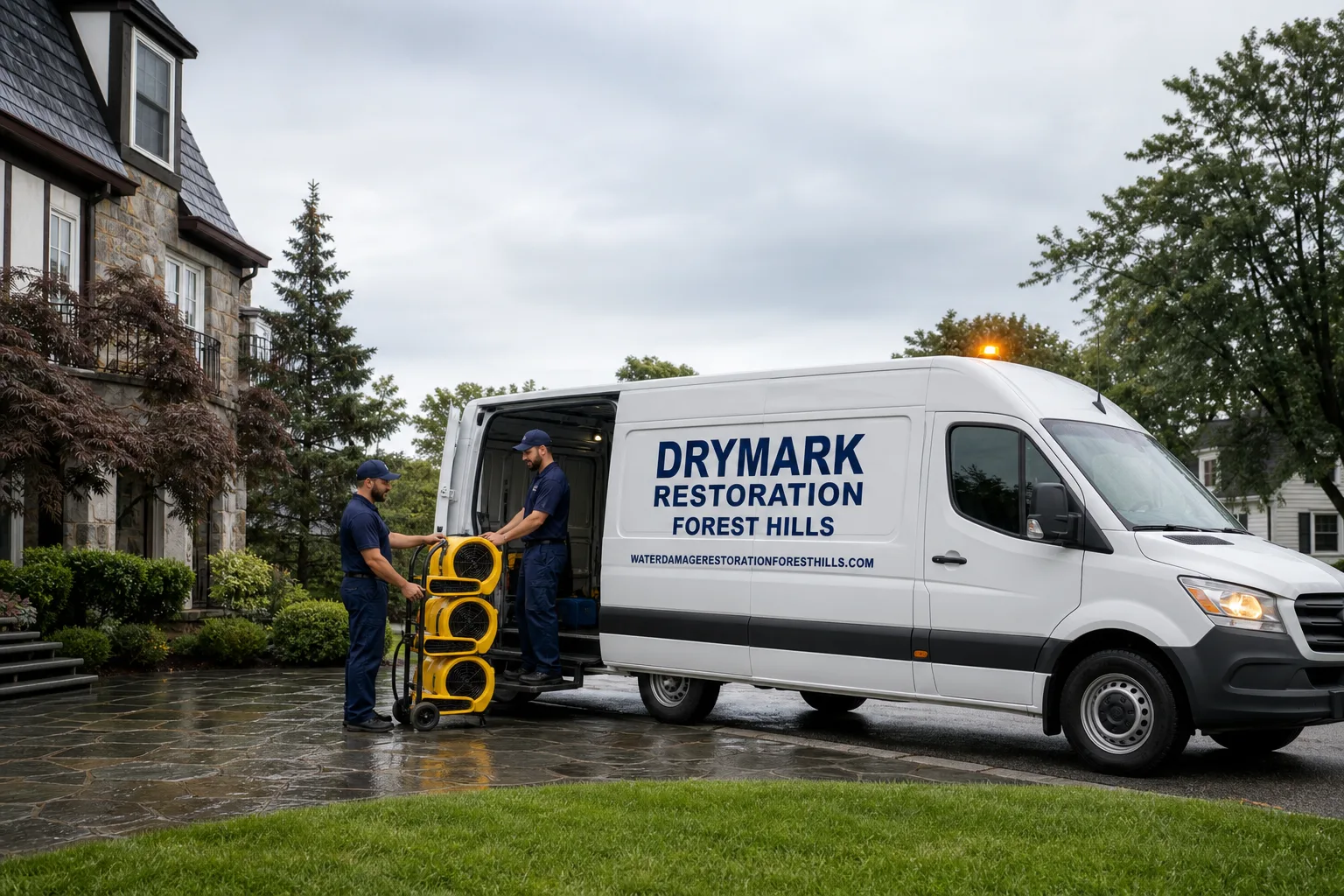
Free visual inspection and a written scope of work before any mitigation begins - photos, moisture readings, and drying logs go in your claim file
The scope we write is the scope we bill. Anything new gets shown to you, in writing, before we touch it.
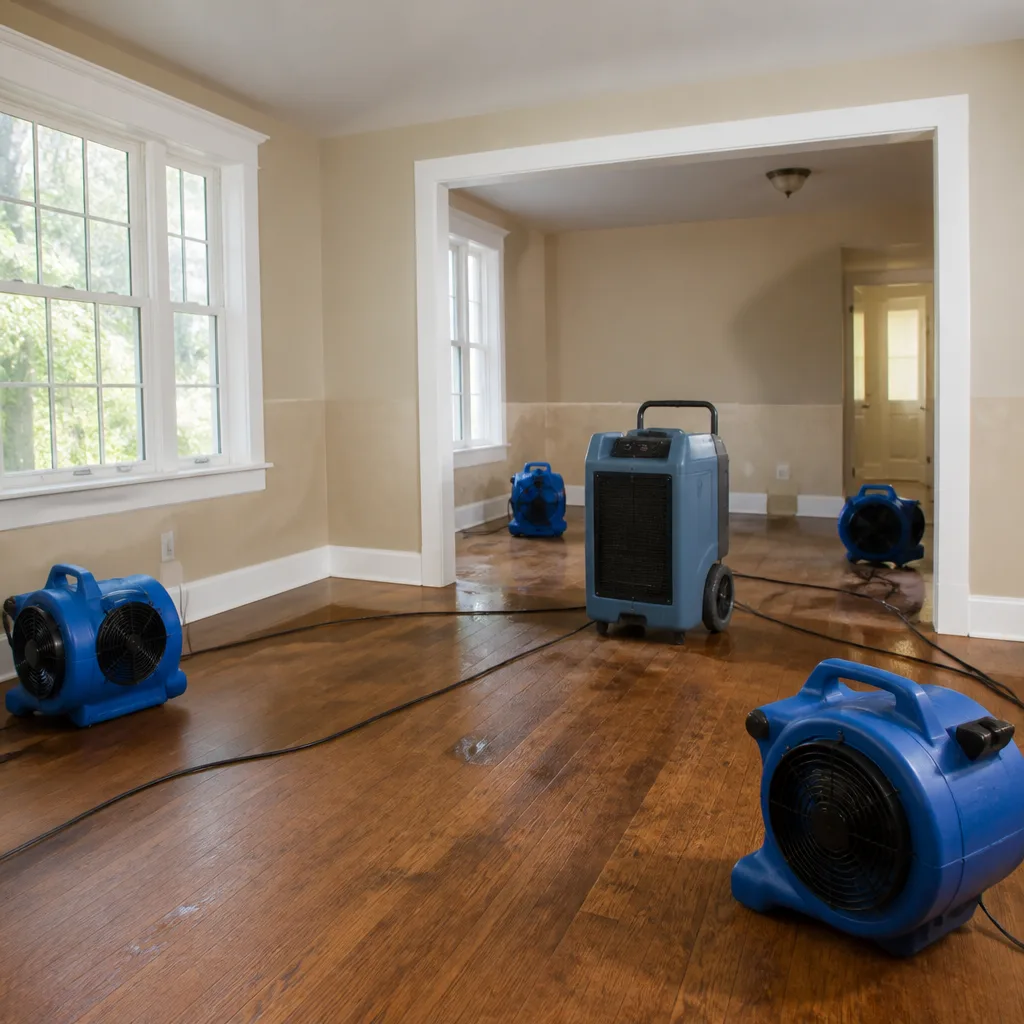
 Before
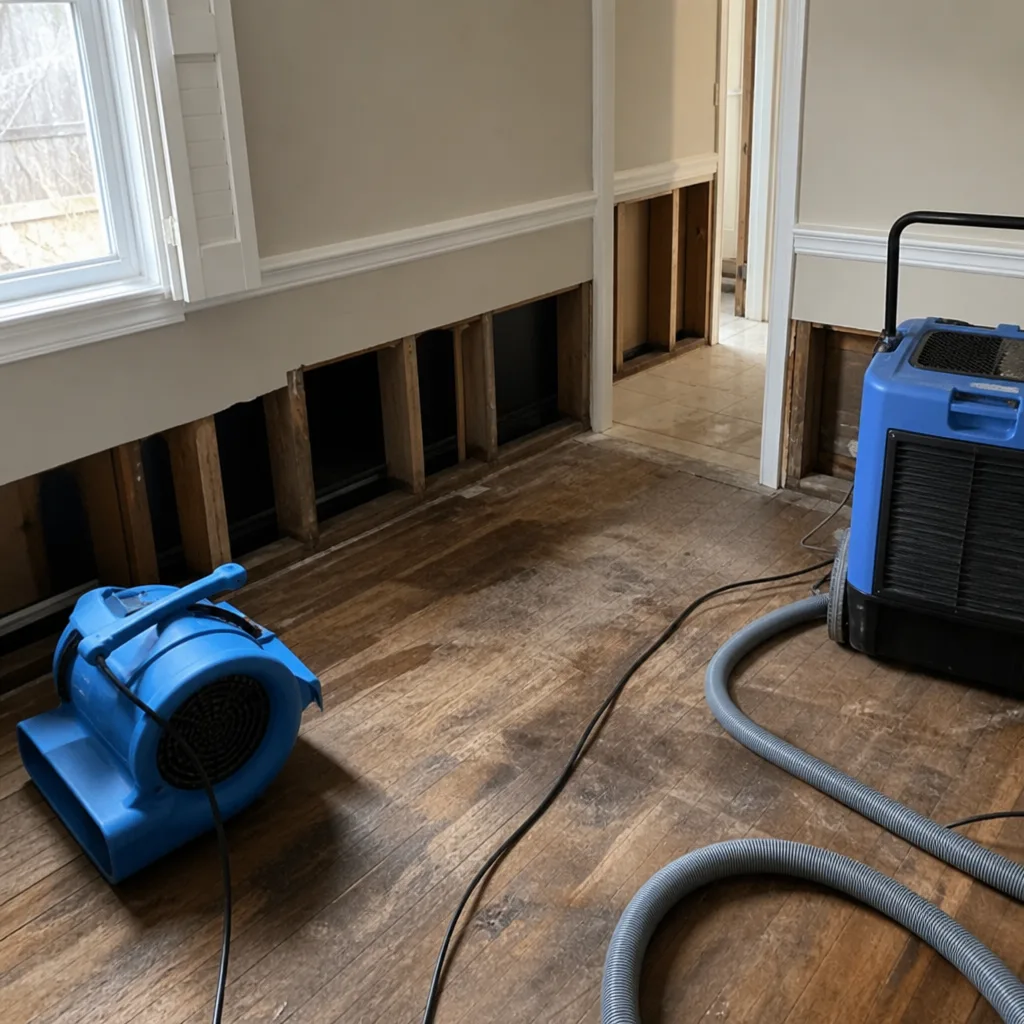 After
After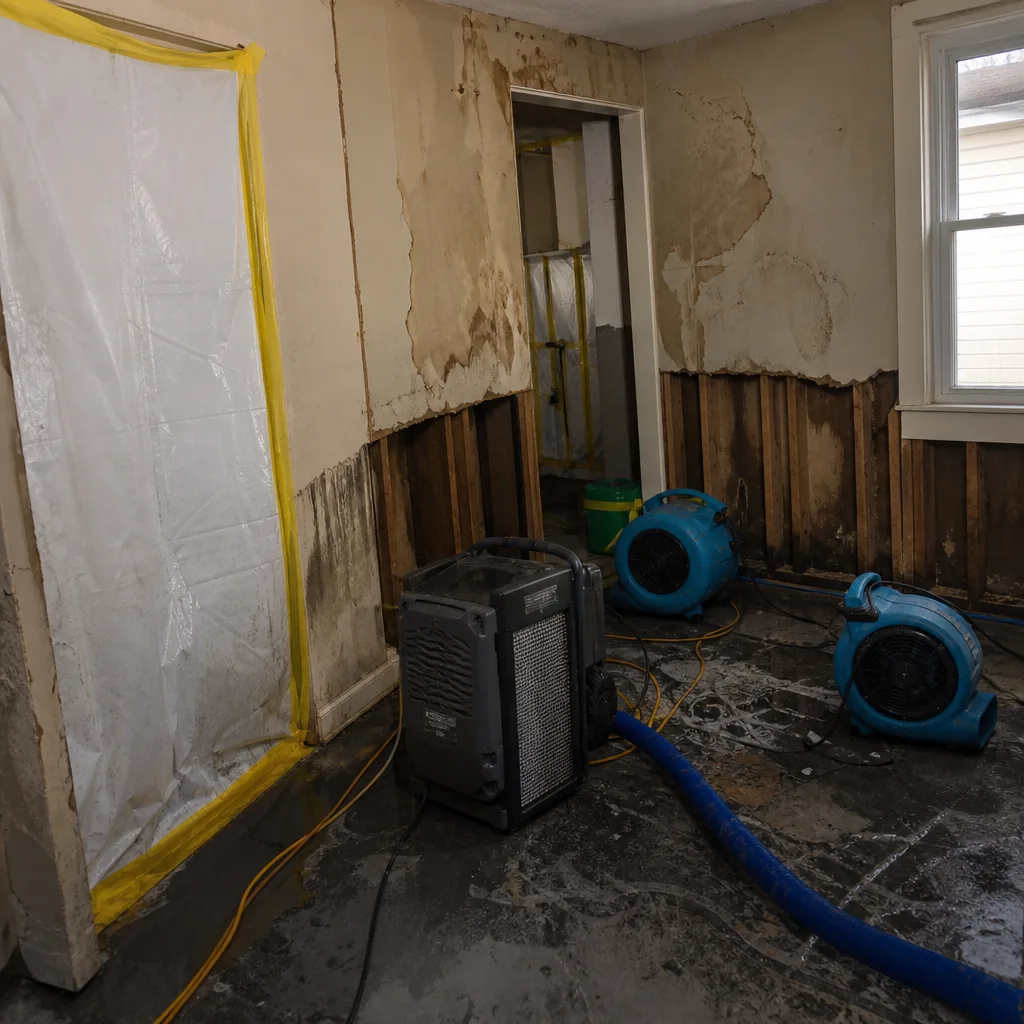 Before
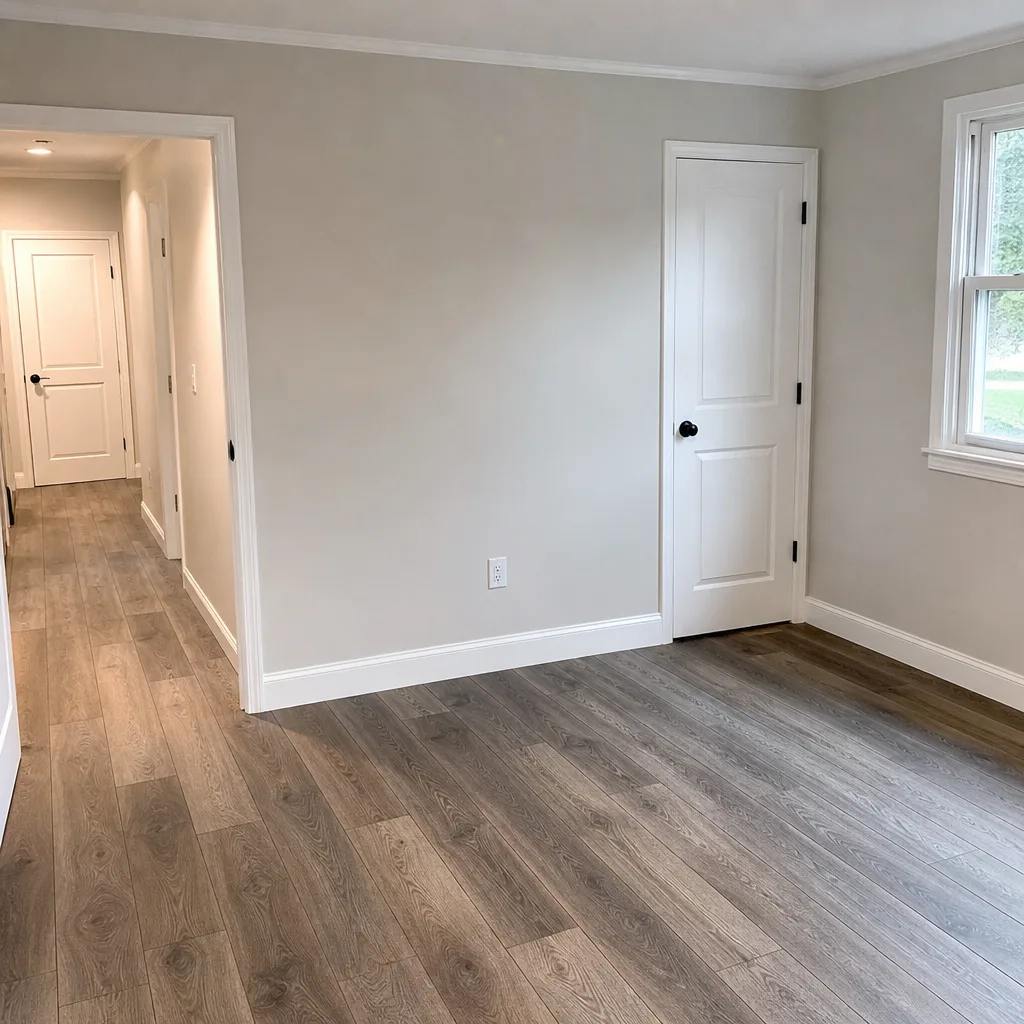 After
After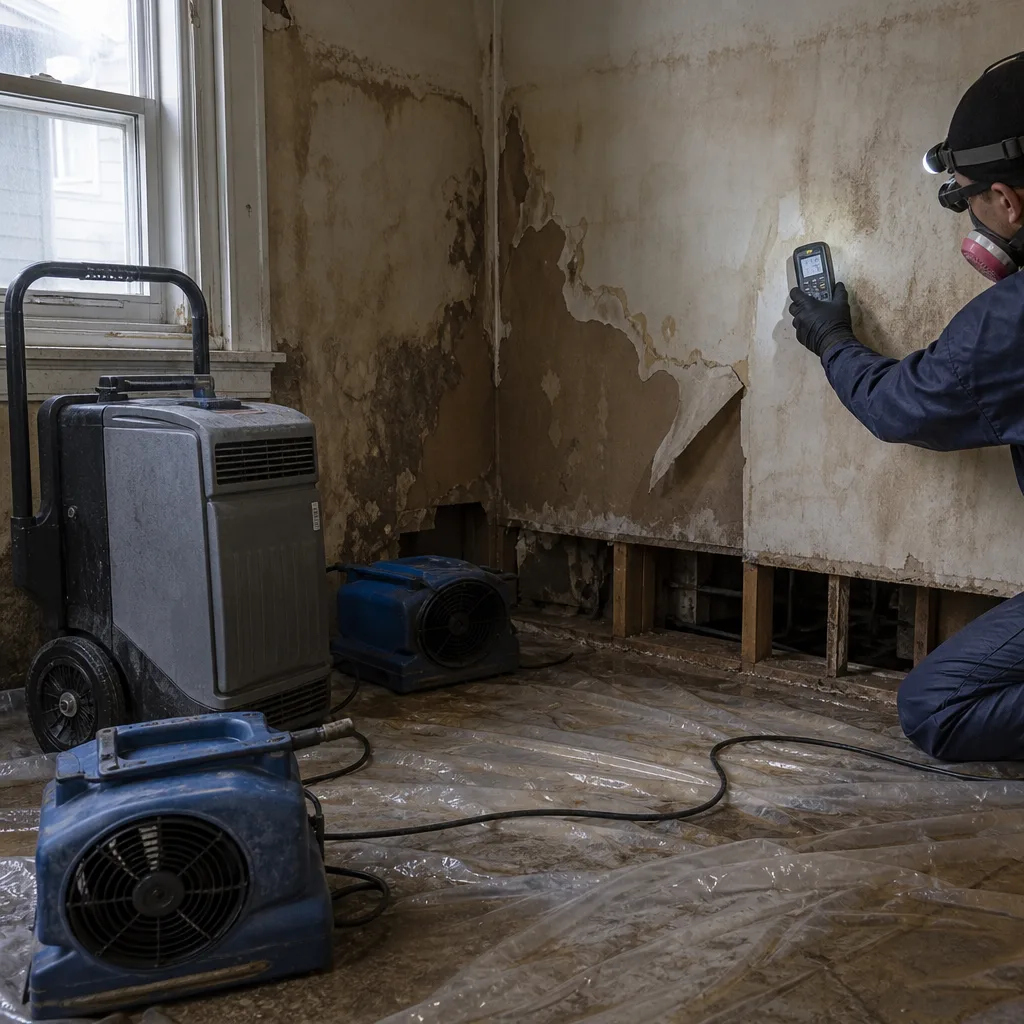 Before
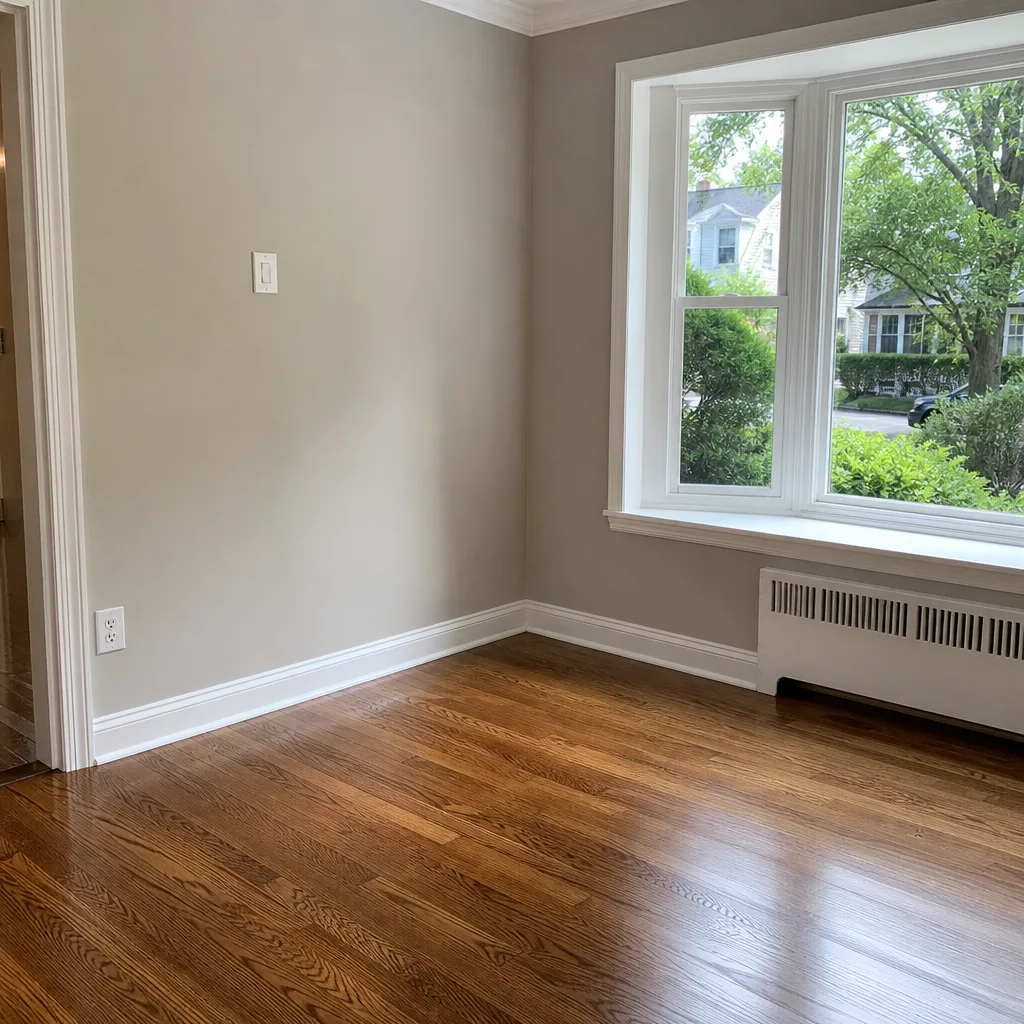 After
AfterFast, Reliable Fire & Smoke Damage Restoration Across Jackson Heights
Fire and smoke damage restoration in Jackson Heights typically costs $2,800-$8,500 for a standard co-op unit fire with smoke migration, and our crews can be on-site in Jackson Heights within 60-90 minutes of your call to (516) 687-6900. We’re familiar with the five- and six-story brick cooperative buildings that define this neighborhood, from the Jackson Heights Historic District garden co-ops near 37th Avenue to the attached rowhouses along Northern Boulevard. When smoke moves through original plaster-over-lath chases and cast-iron stack penetrations, what looks like a single-unit kitchen fire becomes a stacked-unit loss fast. That’s why we dispatch with containment materials, moisture mapping tools, and documentation equipment already loaded.
Our Fire & Smoke Damage Restoration team coordinates dispatch from our New York City office, with crews serving Jackson Heights locally. We’ve restored units in buildings where a second-floor fire sent smoke through four floors before the super realized the chase was open. That local knowledge changes how we scope the job, how we document it, and how we keep your claim moving.
Why DryMark Restoration Forest Hills Is Jackson Heights’s Preferred Fire & Smoke Damage Restoration Company
We’ve restored fire-damaged units in Jackson Heights since 2011, and the pattern is consistent: the 1920s-1945 brick co-ops here hide smoke migration behind intact-looking plaster faces. Our reputation in this neighborhood is built on finding what others miss. We document every square foot with photos, moisture readings, and written scopes before any demolition starts.
Homeowners in Jackson Heights leave reviews mentioning our documentation specifically. They note that our written price arrived before work began, that our photo record went to their adjuster automatically, and that we named the moisture readings that justified each line item. That matters here because Jackson Heights co-op fires almost always involve two policies and sometimes three.
Our response time to Jackson Heights averages under 90 minutes for emergency board-up and tarping calls. We don’t route you through a voicemail tree. A live person answers at (516) 687-6900, 24 hours a day, 7 days a week, and schedules the crew while you’re still on the line.
We know the local buildings. We know which co-ops on 82nd Street still have original knob-and-tube chases, where the lead paint abatement protocols trigger on pre-1978 plaster, and how to keep a job moving when the co-op corporation’s master policy and the shareholder’s unit-owner policy both need documentation. That familiarity saves days on claims that stall in less experienced hands.
Our Fire & Smoke Damage Restoration Services in Jackson Heights
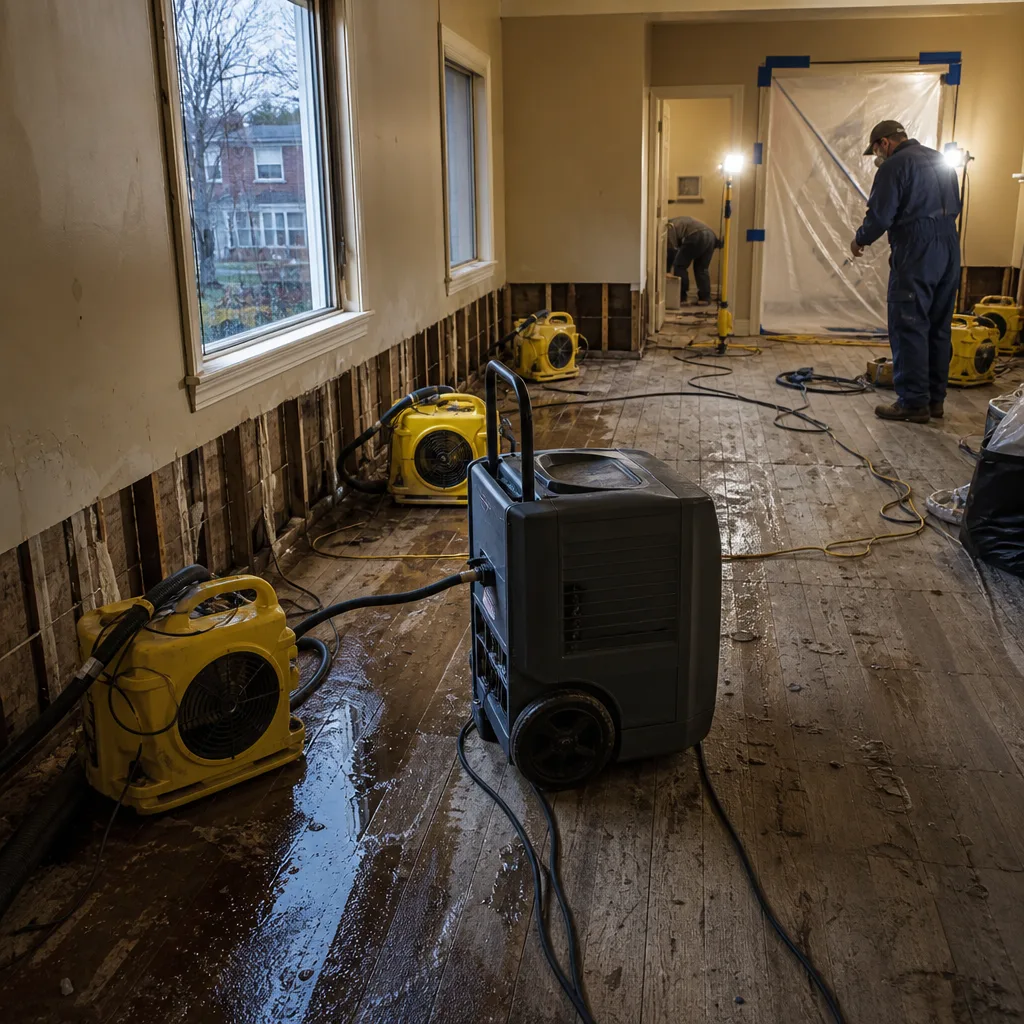
Fire Damage Cleanup
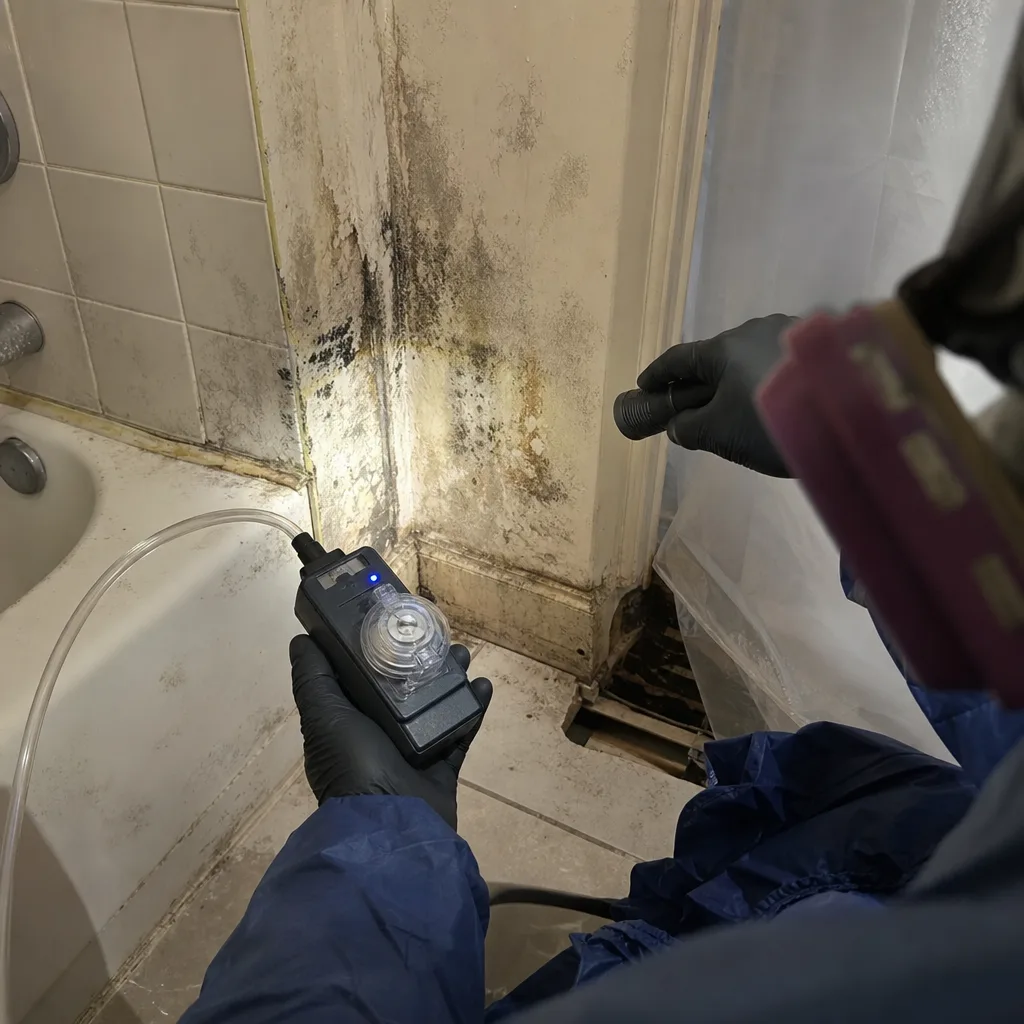
Fire damage cleanup in Jackson Heights starts with understanding the building. The five- and six-story brick co-ops here have plaster-over-lath walls that hold smoke residue in ways drywall doesn’t. We test for lead paint before disturbing any pre-1978 surface, then remove damaged material with abatement protocols that satisfy NYC Department of Health requirements. Our crew documents every removal with photos and a written scope, because the co-op board and two insurance carriers will both review it.
Smoke & Soot Removal
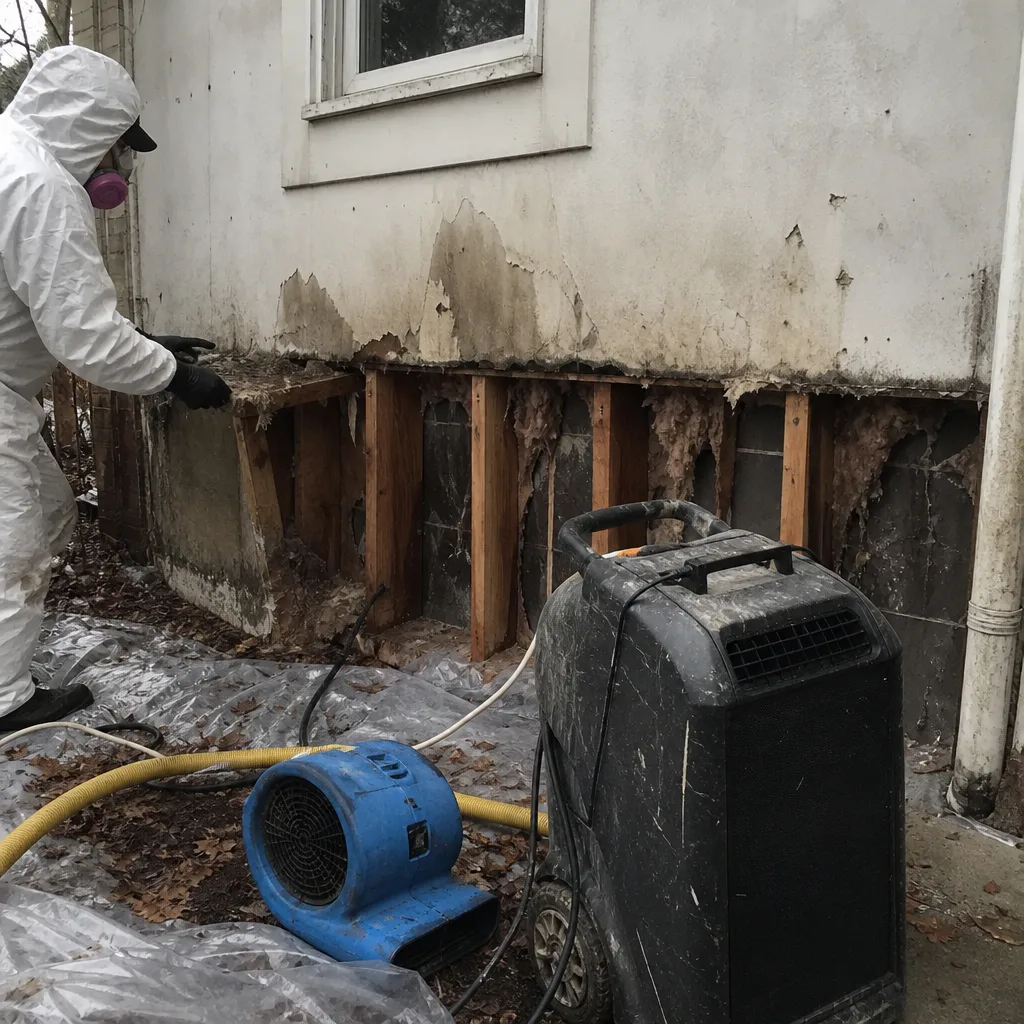
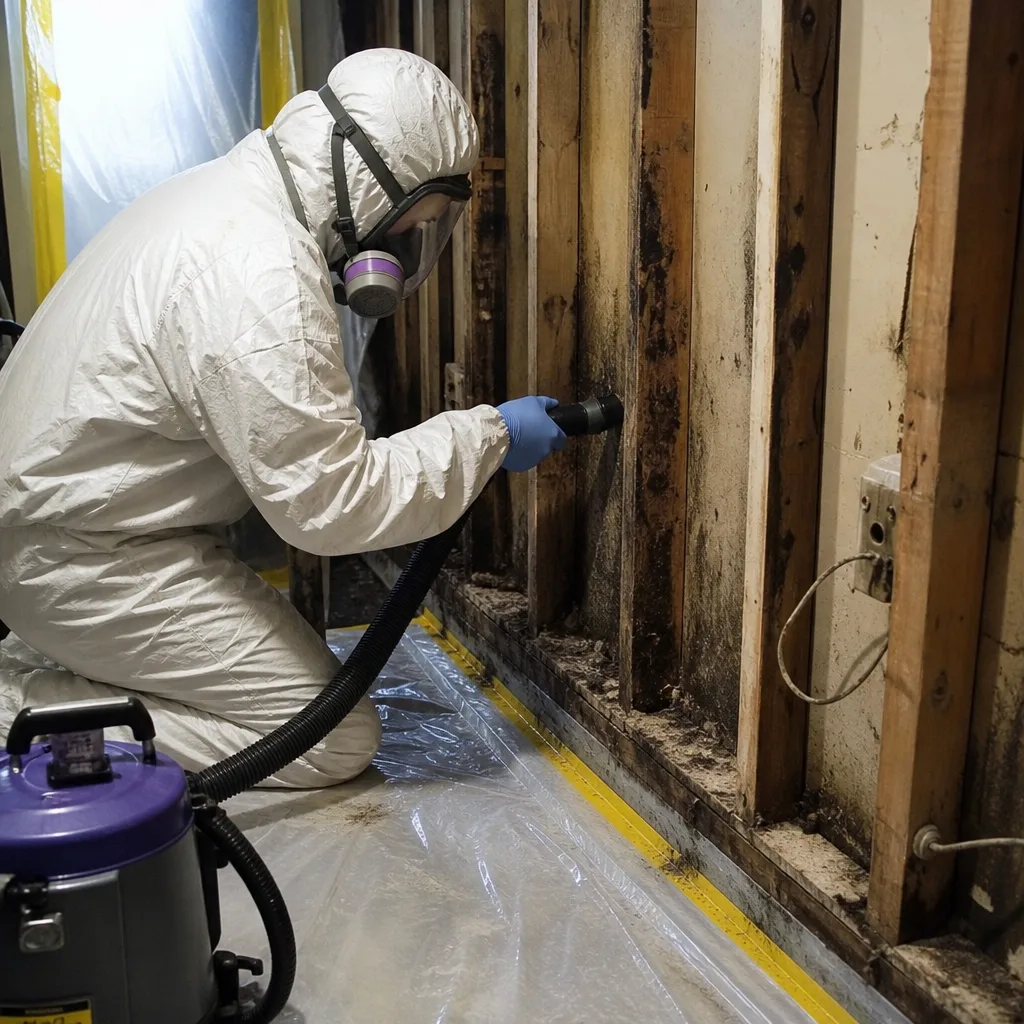
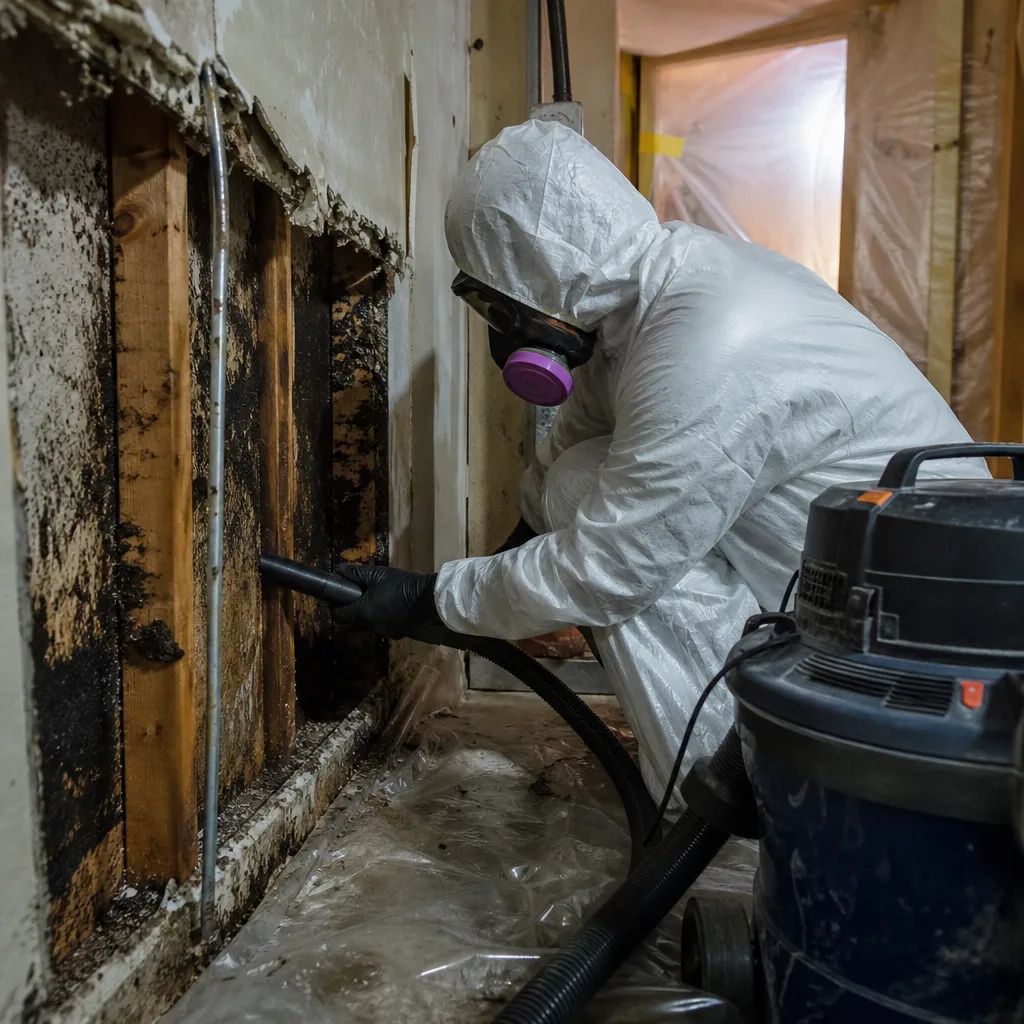
Smoke and soot travel through paths that don’t follow apartment lines. In Jackson Heights garden co-ops, we’ve traced smoke from a second-floor kitchen fire into a third-floor bedroom through a plaster chase that shared a cast-iron stack penetration. Our smoke and soot removal process starts with thermal fogging and dry-ice blasting on accessible surfaces, then moves to sealed HEPA air scrubbing. We run XPOWER air movers and dehumidification after moisture mapping, because the water used to suppress the fire often creates a secondary moisture problem in these dense brick buildings. Every reading gets logged for the co-op board and the adjuster.
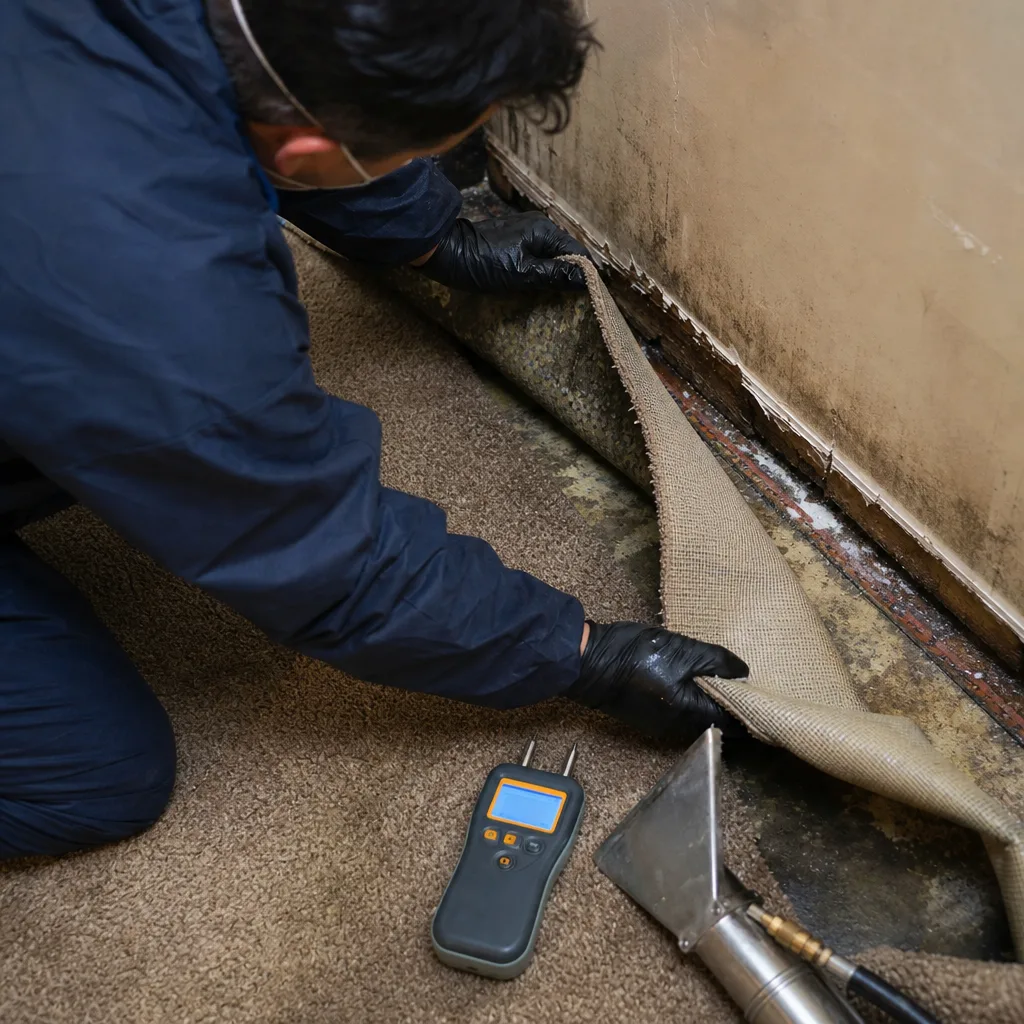
Odor Removal & Deodorization
Original plaster-over-lath walls in Jackson Heights Historic District buildings absorb smoke odor at a depth that replacement drywall never reaches. Our odor removal process uses ozone and hydroxyl generators, then thermal fogging with counteractants formulated for protein fires and synthetic smoke. We verify results with olfactory testing and air quality readings, documented in your job file. The goal isn’t masking odor. It’s removing the source compounds from plaster, lath, and the voids between them.
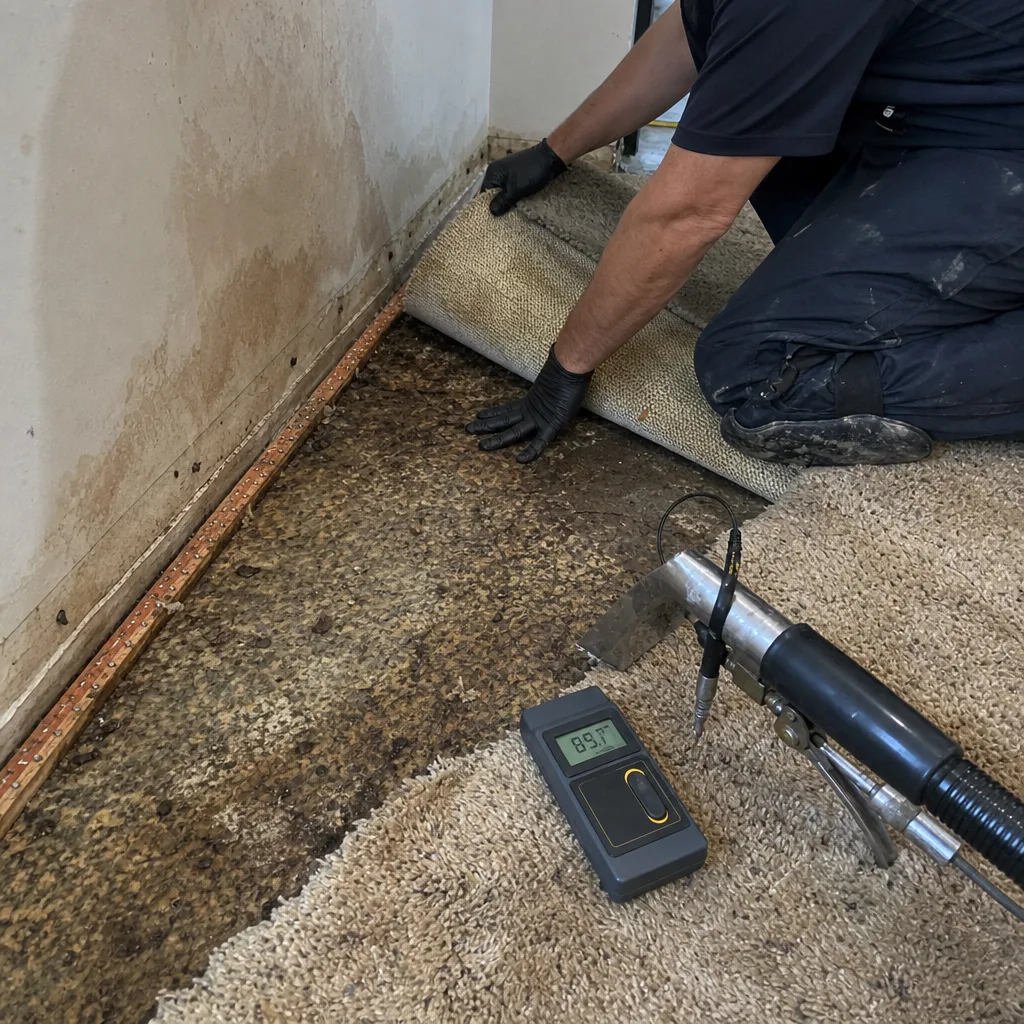
Contents Cleaning & Pack-Out
When fire damage forces a pack-out in a Jackson Heights co-op, space is tight and access is shared. We inventory contents room by room, photograph each item’s condition, and transport cleanable goods to our facility for ultrasonic and specialized cleaning. Non-salvageable items get documented with replacement cost research for your adjuster. The inventory list, photo record, and cleaning results all feed into the same claim file we build from day one.
Emergency Board-Up & Tarping
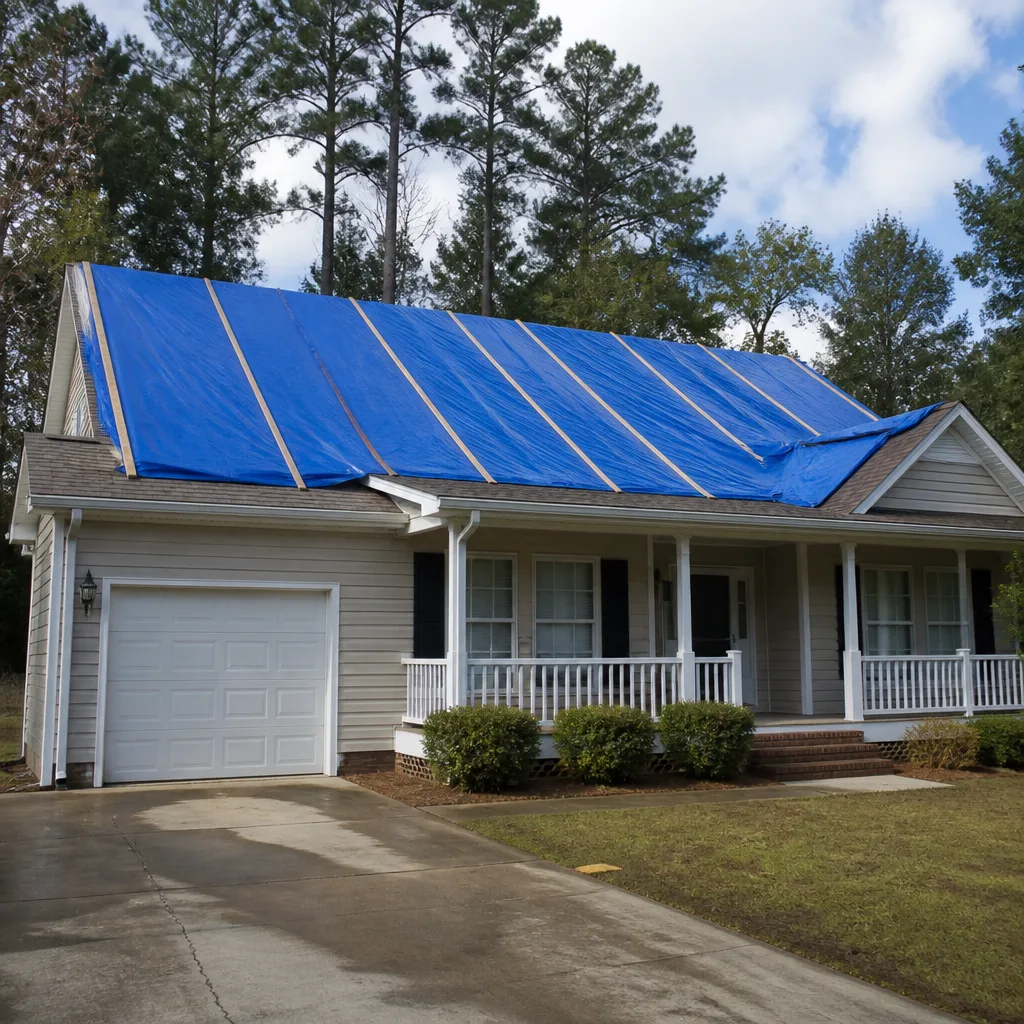
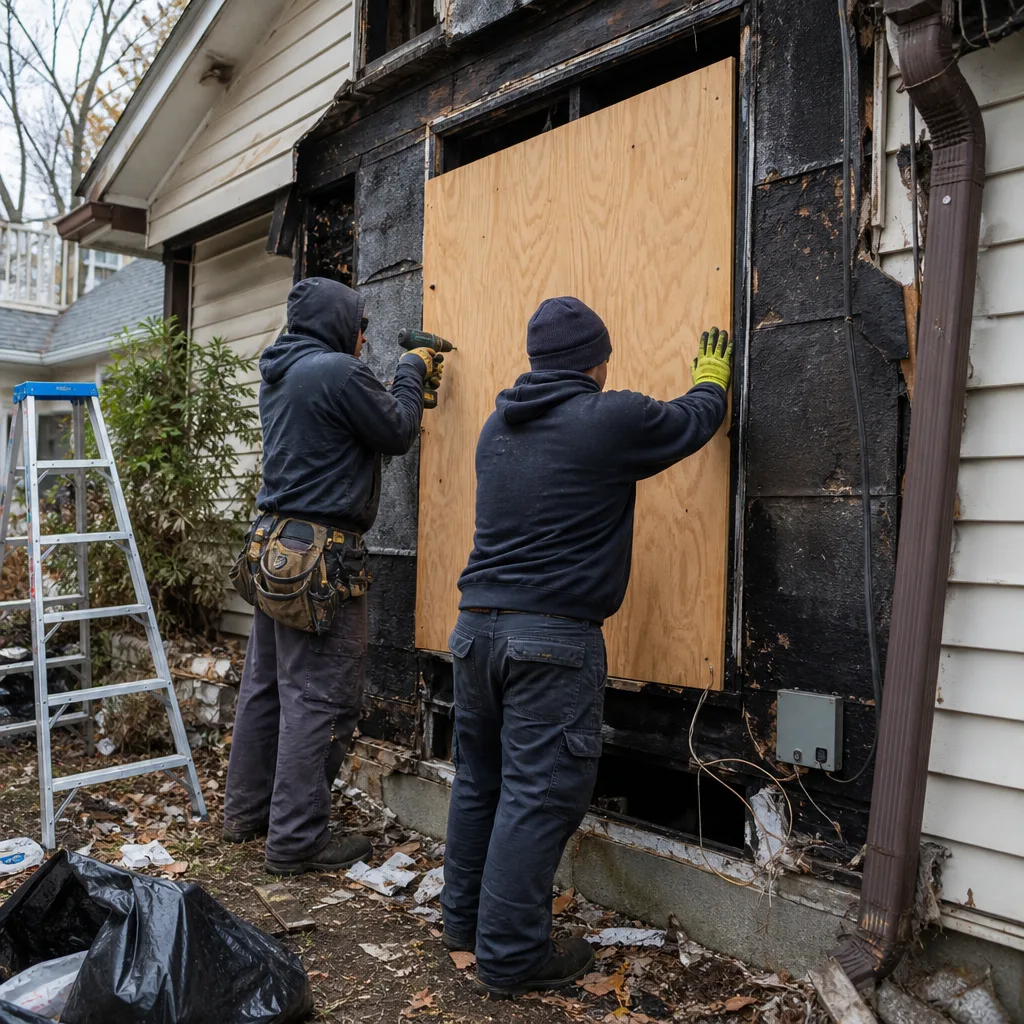
Emergency board-up and tarping in Jackson Heights must happen fast, but it must also satisfy the co-op corporation’s insurance requirements. We secure blown windows, damaged roof sections, and compromised entry points with materials that meet the building’s aesthetic and structural standards, then document the board-up with photos for the master policy carrier. On a six-story 1930s co-op off 37th Avenue, a second-floor kitchen fire sent smoke through the original plaster-over-lath chase into the third-floor unit and the lobby; our techs set up containment, ran XPOWER air movers and dehumidification after moisture mapping, logged moisture readings for the co-op board, performed smoke and soot removal with antimicrobial treatment across both units, and board-up on the blown window frame before the structural fire repair scope of work was issued through the co-op corporation’s master policy.
Structural Fire Repair
Structural fire repair in Jackson Heights co-ops almost always runs through the corporation’s master policy, with the shareholder’s unit-owner policy covering finishes and contents. We prepare written scopes that separate master-policy work from unit-owner work clearly, because adjusters for both carriers need clean documentation to approve payment. Our repair crews work with plaster specialists who understand landmark district requirements and can match original finishes where required.
What happens when you call
- 1
A real person answersNo phone trees - you reach a local pro.
- 2
You get an upfront price rangeHonest numbers before anyone is dispatched.
- 3
A background-checked tech heads outLicensed & insured, dispatched right away.
- 4
You approve before work beginsNothing starts until you say go.
BeforeAfterTrusted Brands We Service in Jackson Heights
We deploy professional-grade drying and air quality equipment on every Jackson Heights job, including Phoenix dehumidifiers, XPOWER air movers, and B-Air negative air machines. These units produce the psychrometric data, the vapor pressure differential readings, and the daily drying logs that turn restoration invoices into payable insurance claims. We stock HEPA filtration media and antimicrobial treatments locally, so replacement and replenishment don’t delay a job when a co-op board is watching the timeline. Every piece of equipment is documented to IICRC, RIA, and IFA standards, and every reading goes into your photo record.
Common Fire & Smoke Damage Restoration Problems We See in Jackson Heights Homes
- Treating a stacked-unit co-op fire as a single-unit job. Smoke migrates through original plaster chases and cast-iron stack penetrations that connect vertically through four or five floors. Missing that migration means missing damage, and missing damage means a shareholder-versus-corporation subrogation dispute six months later when odor complaints surface in the unit above.
- Skipping lead paint abatement protocols on pre-1978 plaster and lath demolition. Jackson Heights Historic District buildings contain lead paint throughout. Demolition without proper containment and clearance testing exposes the project to a NYC stop-work order and delays every carrier’s payment.
- Overlooking the co-op corporation’s master-policy scope and the shareholder’s unit-owner policy overlap. Board-up and structural fire repair work stalls when no one defines which carrier pays for which phase. We document the separation in writing before work starts, so both adjusters have what they need to approve.
- Assuming smoke odor will dissipate from original plaster-over-lath walls without targeted treatment. These walls are porous, deep, and often coated with decades of finish layers. Surface cleaning leaves odor compounds in the lath voids. We treat to the full depth and verify with air quality documentation.
Pricing for Fire & Smoke Damage Restoration in Jackson Heights, NY
Fire and smoke damage restoration pricing in Jackson Heights reflects the complexity of cooperative building claims and the documentation required to keep them moving. A typical single-unit smoke and soot cleanup runs $2,800-$4,500. Multi-unit smoke migration with plaster chase remediation runs $5,200-$8,500. Emergency board-up and tarping on a co-op facade typically falls between $800-$1,800, depending on access and materials. Structural fire repair, scoped through the co-op corporation’s master policy, is priced per written scope after assessment.
What affects cost: the number of units affected, the presence of lead paint requiring abatement, the extent of plaster-over-lath removal versus surface treatment, and whether the job involves two insurance carriers with separate documentation requirements. Every job gets a written price before work begins, Haven Standard, Clause 1. No exceptions. Bring a competitor’s written estimate and we’ll review it free. Call (516) 687-6900 for your exact quote.
We Also Serve Cities Near Jackson Heights
Our crews respond to fire and smoke damage calls throughout northwestern Queens, including Jackson Heights, Elmhurst, Woodside, Maspeth, and Middle Village. Each area has its own building stock and claims patterns. We know the difference.
Serving Jackson Heights, NY - Our Local Coverage Area
We’re based in the Jackson Heights area and know this community well. Use the map below to see our service coverage - if you’re nearby, we can almost certainly help.
FAQs - Fire & Smoke Damage Restoration in Jackson Heights
Because original plaster-over-lath chases and cast-iron stack penetrations in these 1920s-1945 buildings carry smoke and soot vertically through party walls, so a fire contained to one kitchen still damages the unit above and sometimes the lobby below. Our crews map this migration with thermal imaging and moisture meters on arrival, then scope the full affected area before any carrier commits to a single-unit repair. Call (516) 687-6900 and we’ll assess the true extent.
We document which damage falls under the co-op corporation’s master policy, which under the shareholder’s unit-owner policy, and which might trigger neighbor subrogation, then we write separate scopes for each carrier with photo evidence and moisture readings attached. This documentation-first approach prevents the stall that happens when adjusters argue over coverage boundaries without data. We’ve done this on Jackson Heights co-op jobs where three carriers were involved.
Because Jackson Heights Historic District buildings contain lead paint on virtually every original surface, and disturbing that paint during fire-damaged plaster demolition without EPA RRP containment and clearance testing exposes the project to a NYC stop-work order. We test before we touch anything, then follow abatement protocols that keep the job legal and moving. The documentation goes to your adjuster and the co-op board.
We secure blown window frames, damaged roof sections, and compromised entry points with materials that match the building’s structural and aesthetic requirements, then photograph every board-up for the master policy carrier. On co-ops, we also coordinate with the super for access and with the board for approval of materials, because the corporation’s insurance often pays for this phase. Call (516) 687-6900 for emergency dispatch.
Yes, but only with treatment that reaches the full depth of the plaster and the lath voids behind it. Surface cleaning and masking agents fail in these buildings. We use ozone, hydroxyl generation, and thermal fogging with counteractants, then verify results with air quality documentation. The plaster can be saved in most cases, which matters in landmark district buildings where replacement requires approval.
Written by Alicia Brennan, Owner at Back to Dry Restoration, serving Jackson Heights since 2011.