
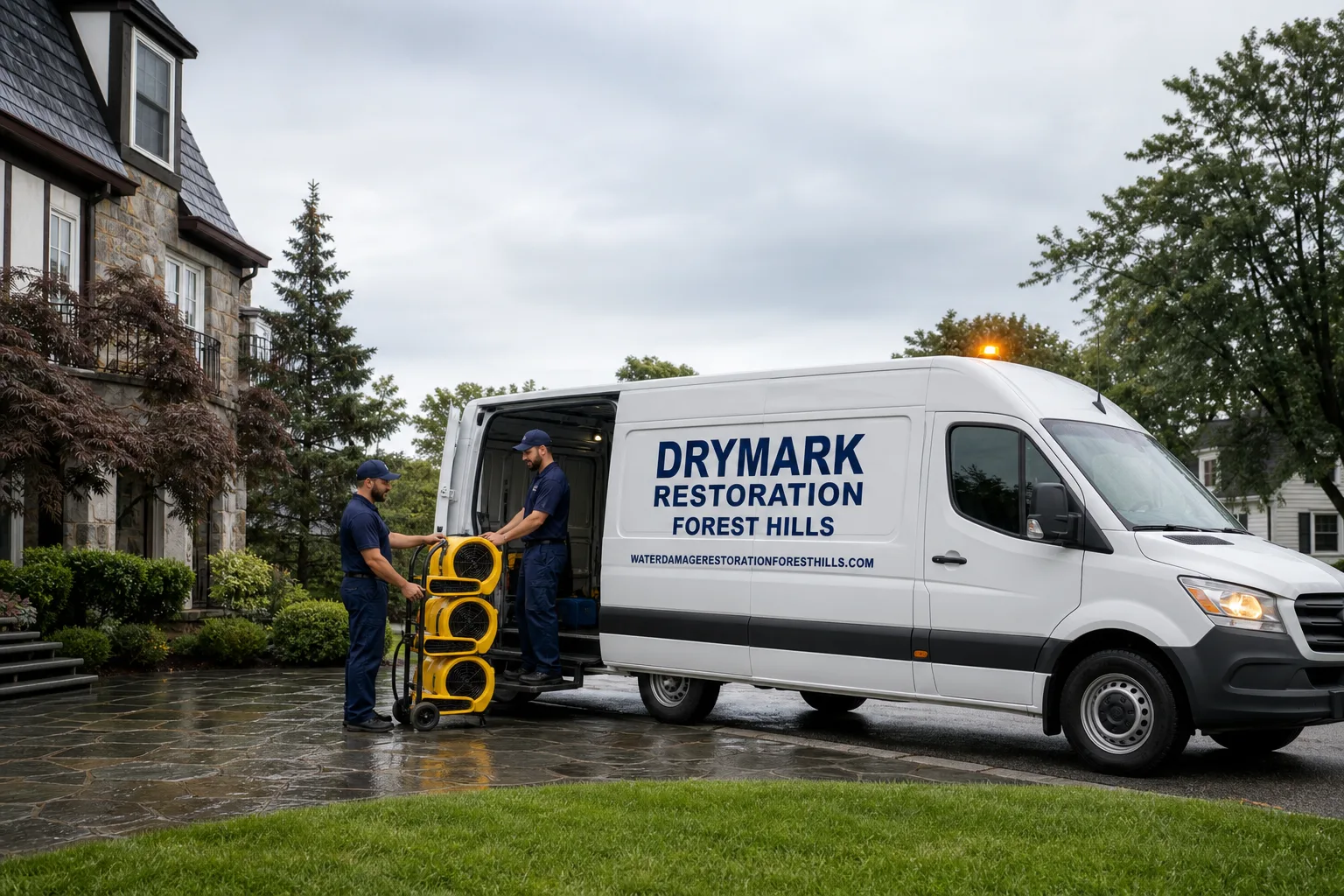
Free visual inspection and a written scope of work before any mitigation begins - photos, moisture readings, and drying logs go in your claim file
The scope we write is the scope we bill. Anything new gets shown to you, in writing, before we touch it.
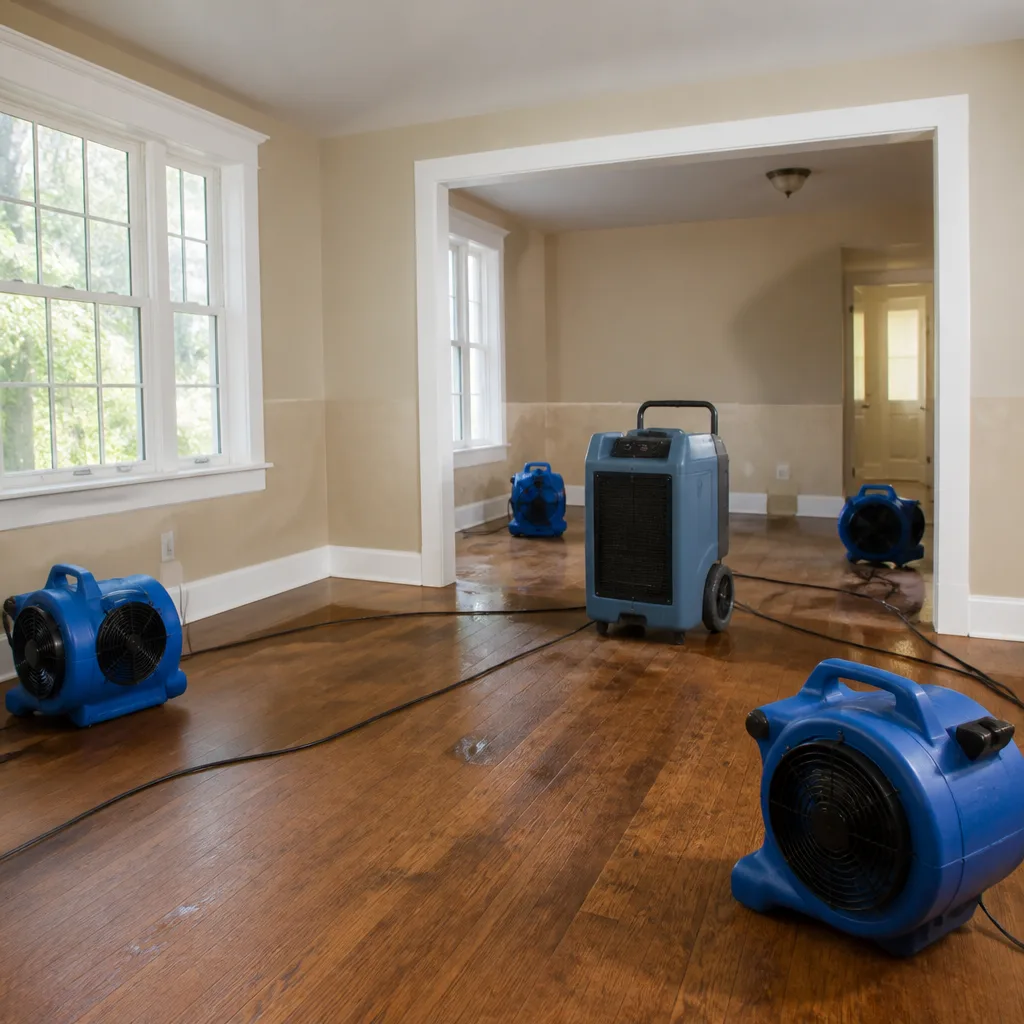
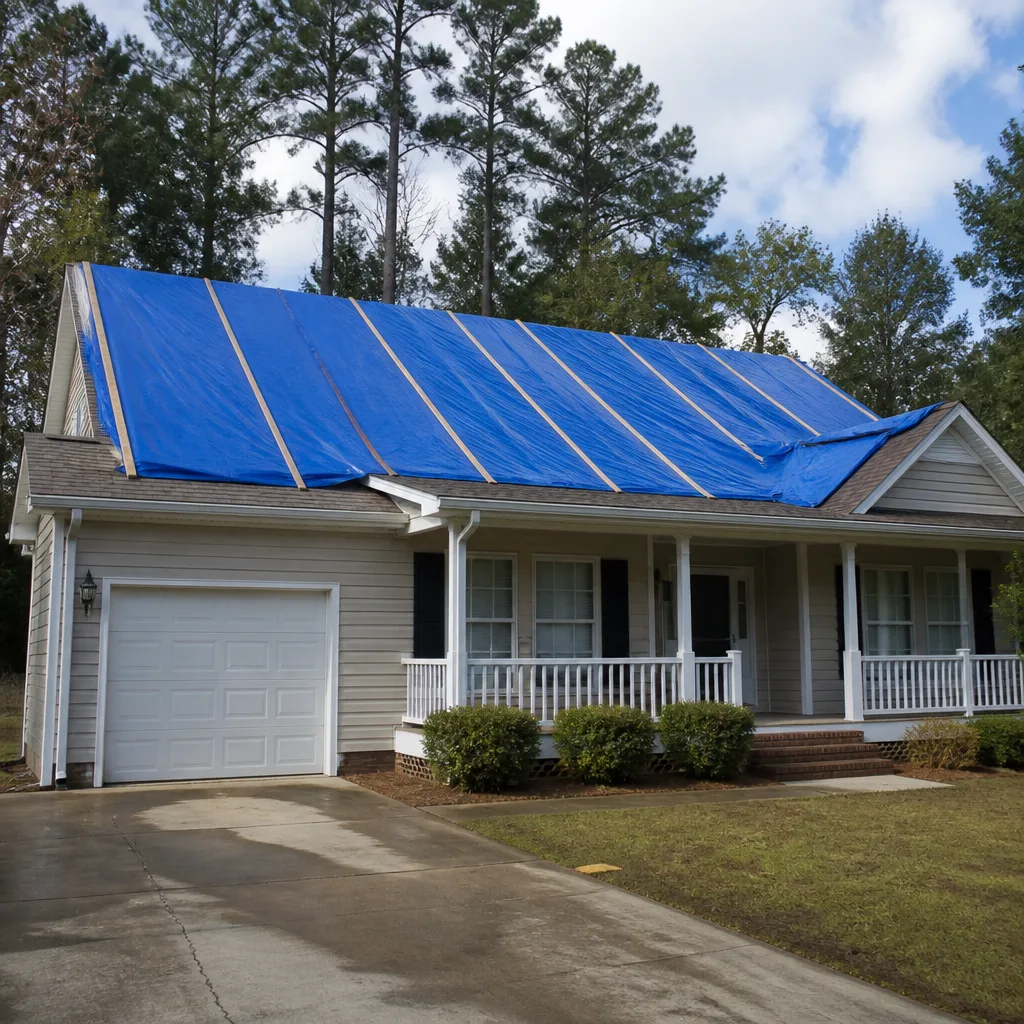
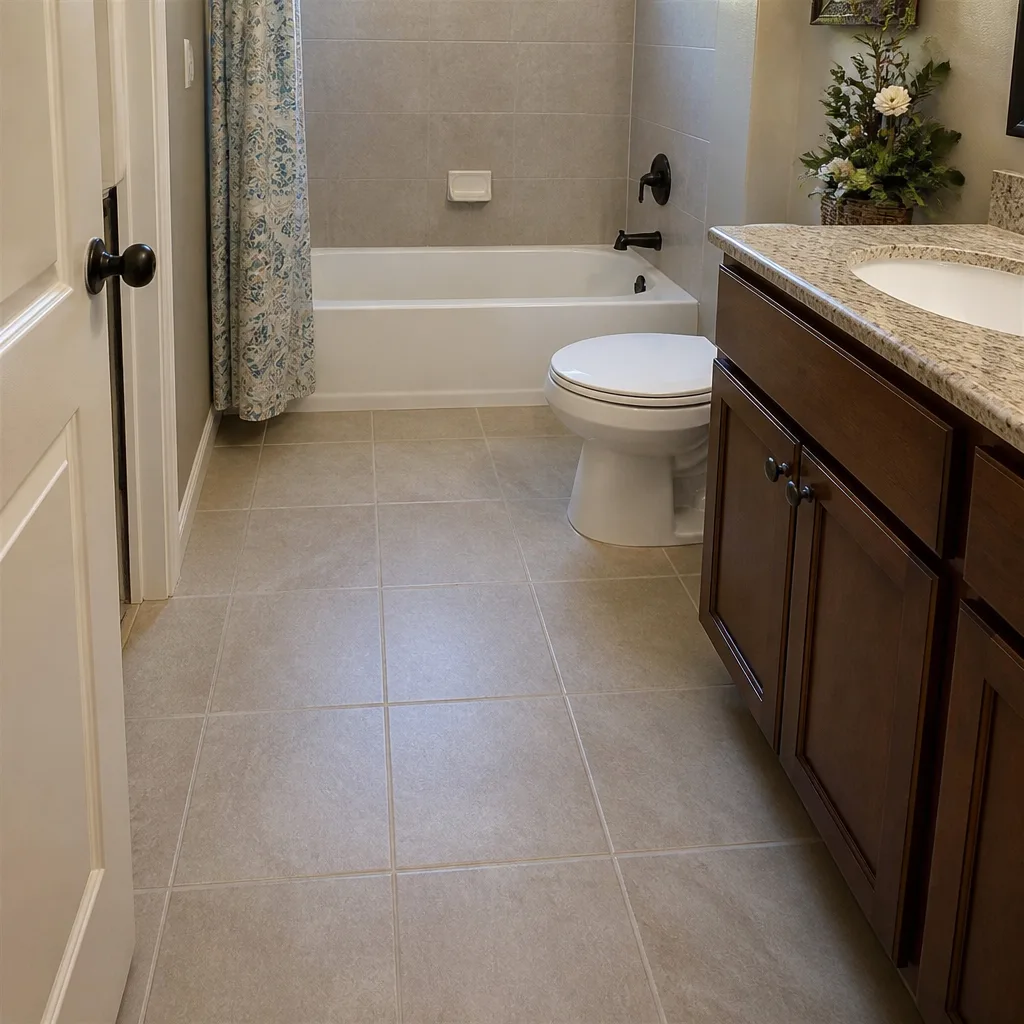
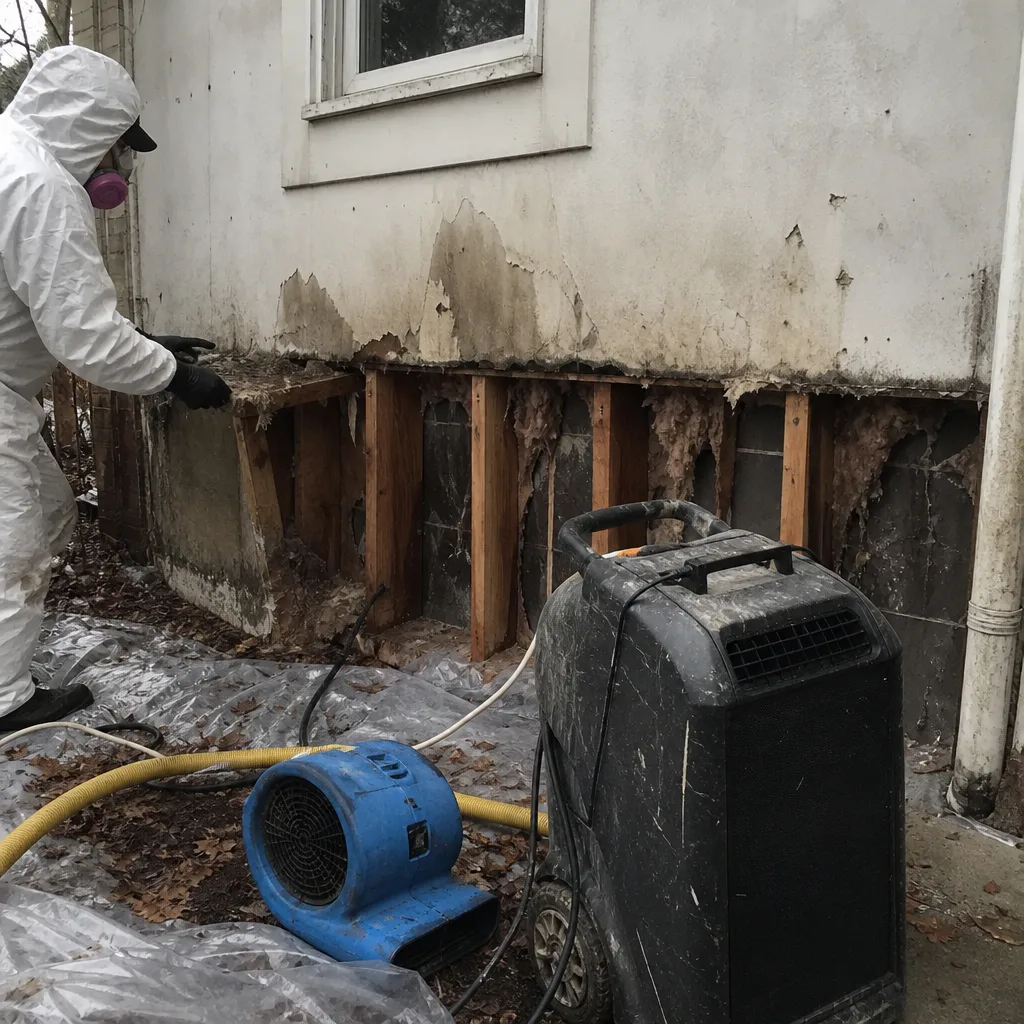 Before
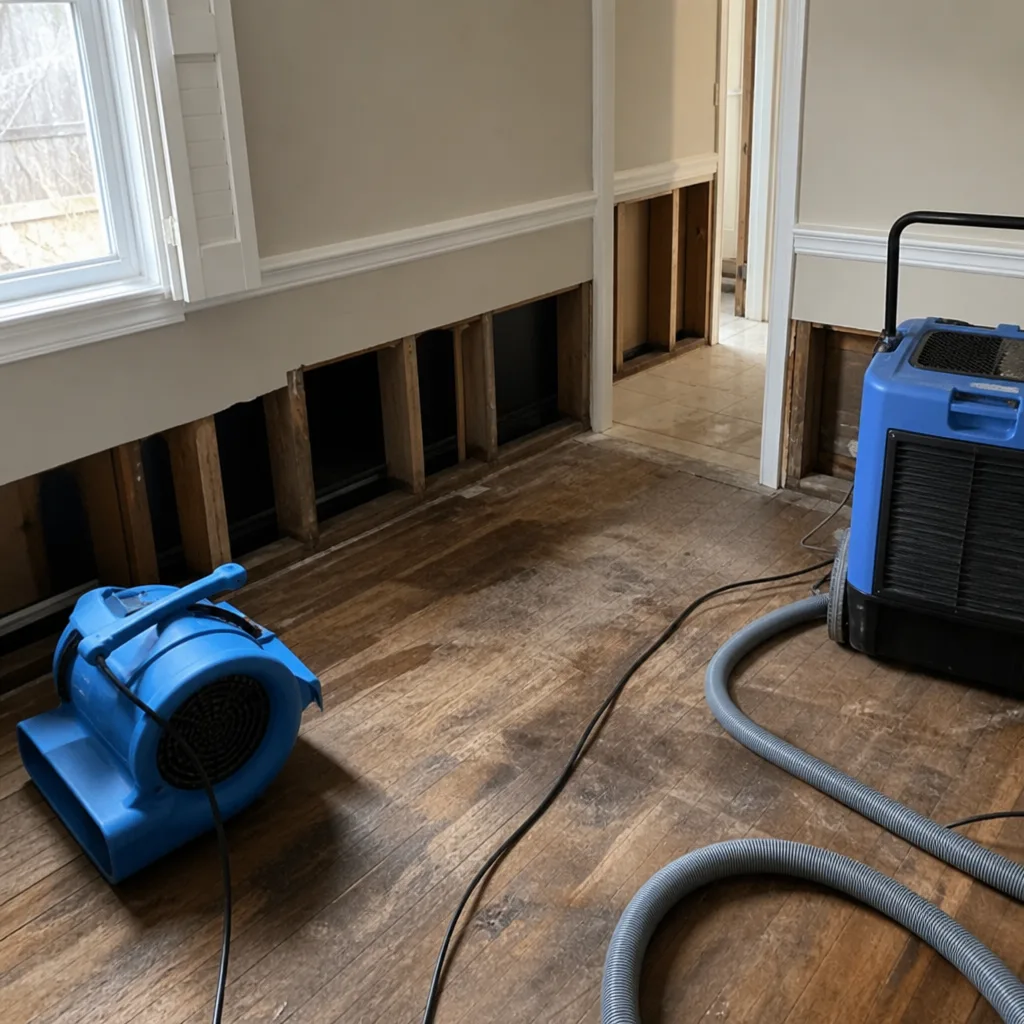 After
After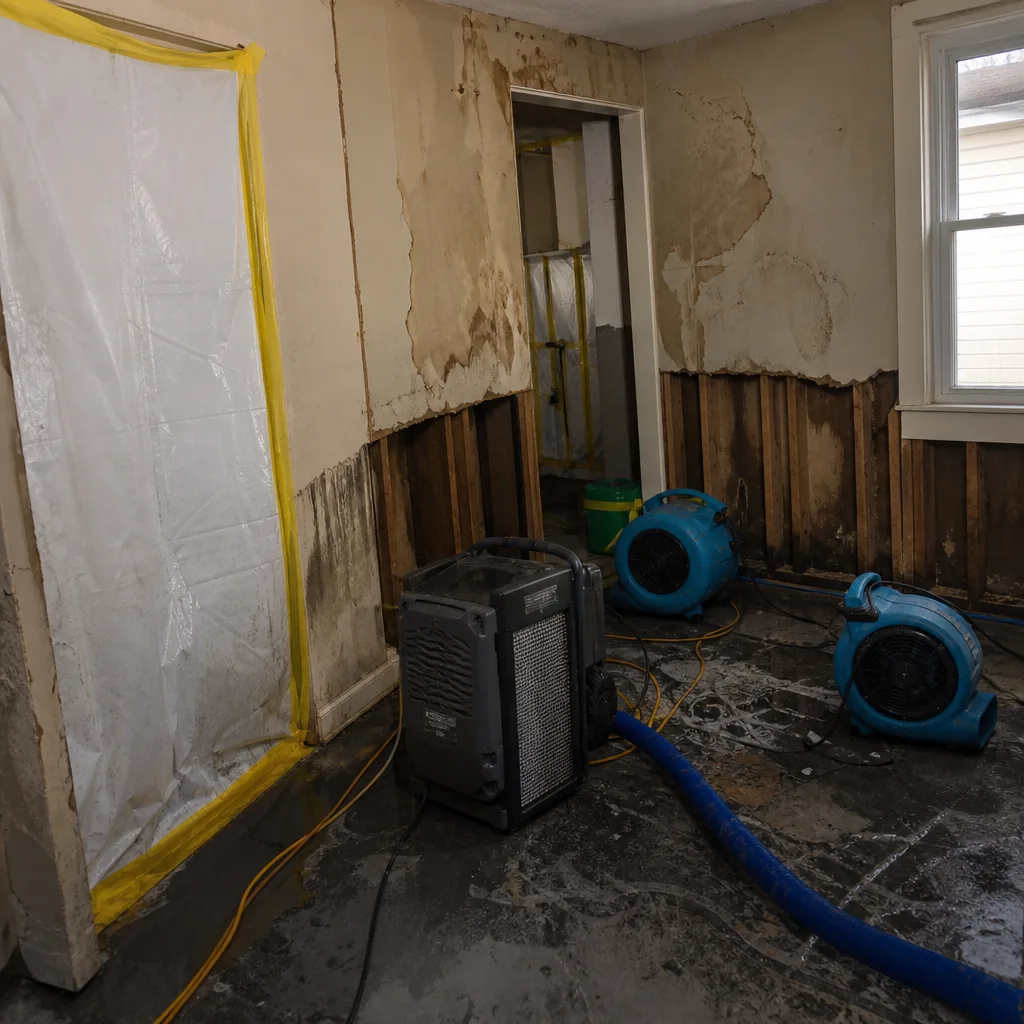 Before
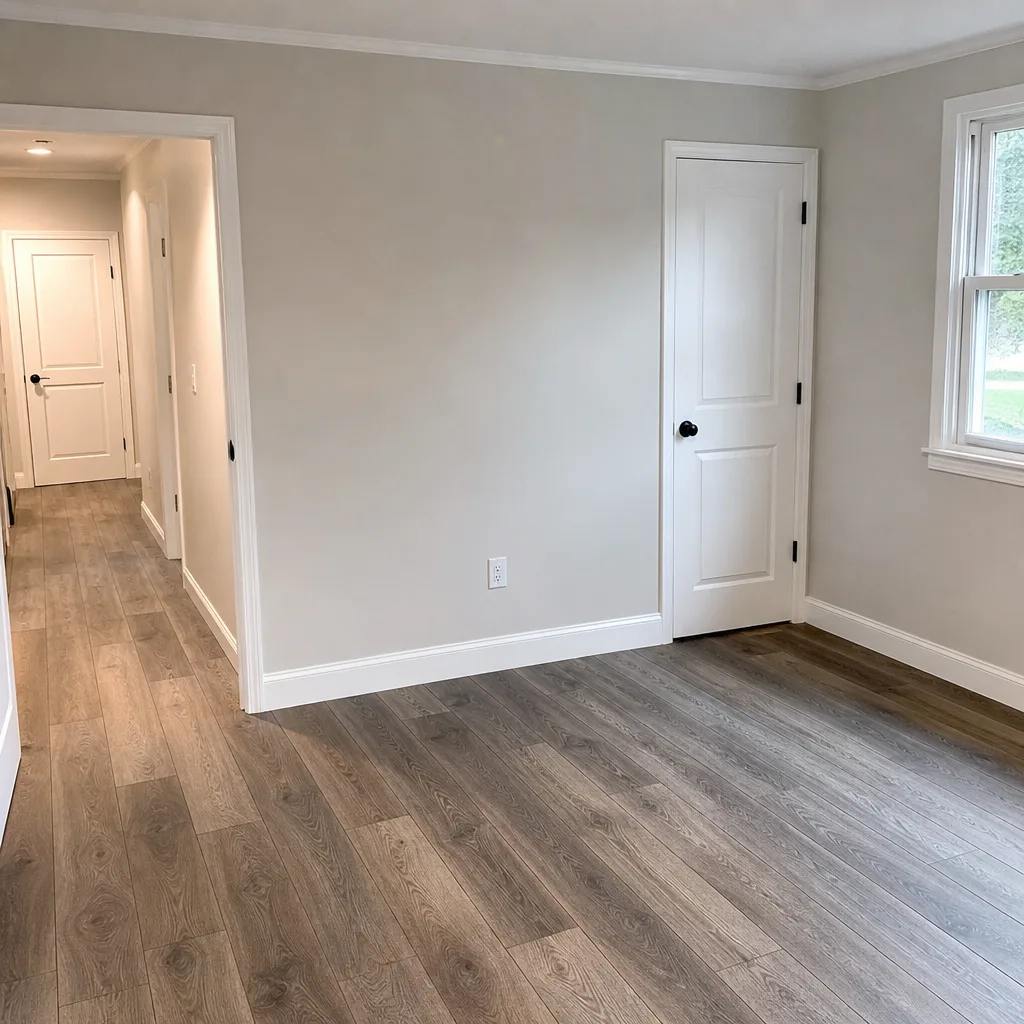 After
After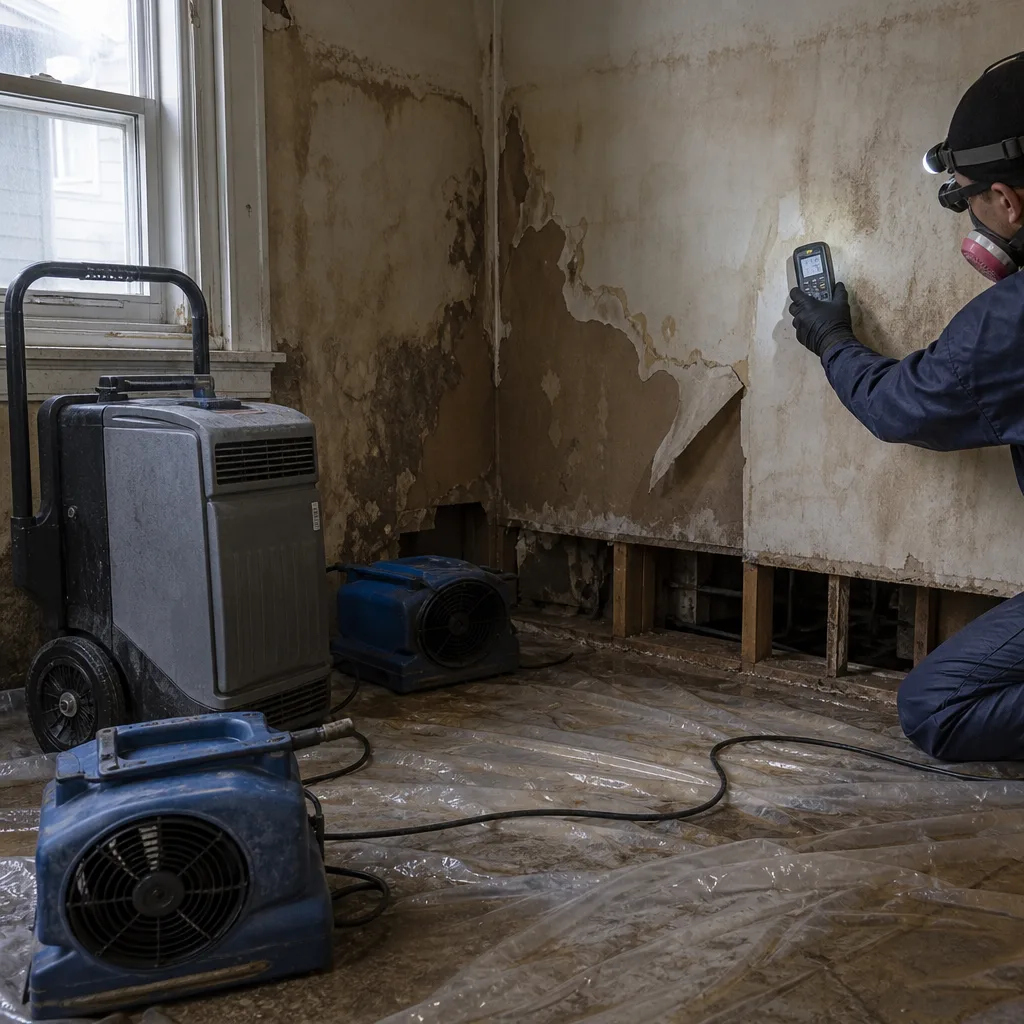 Before
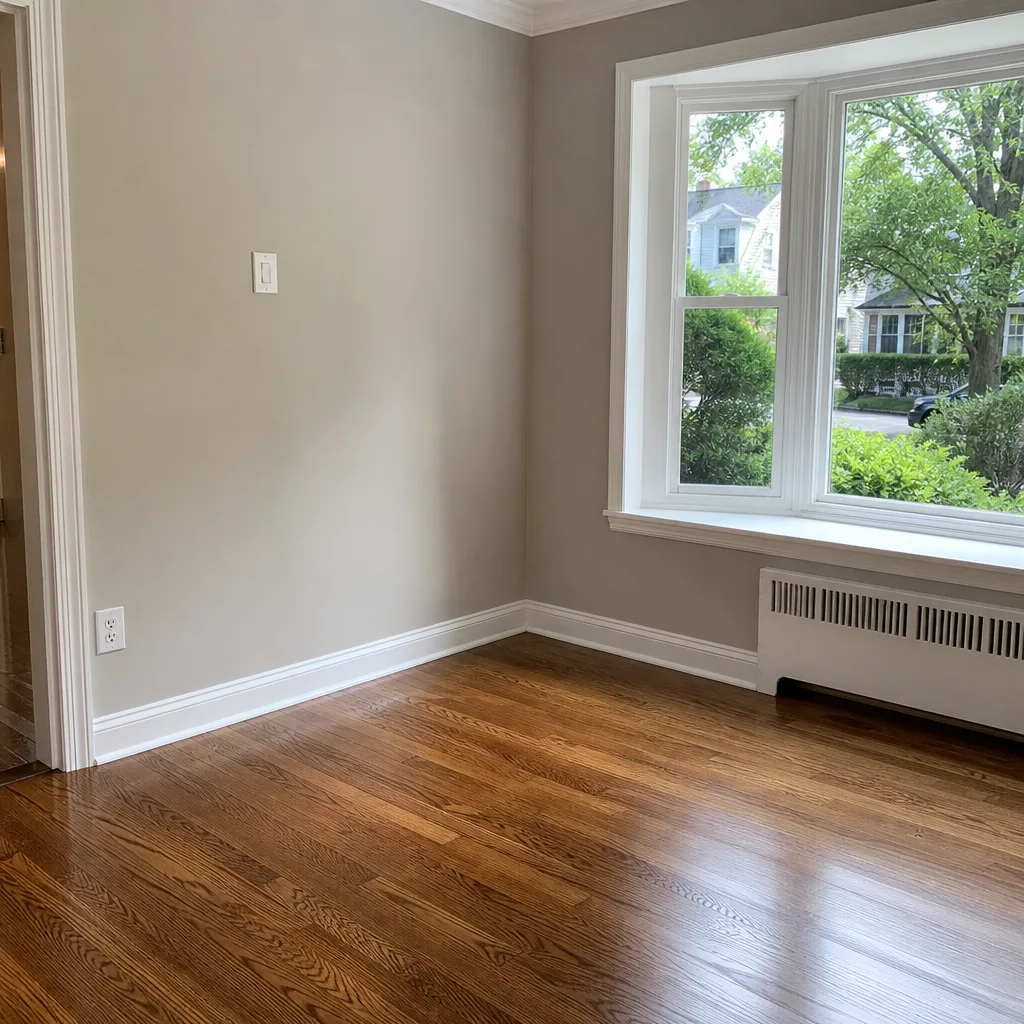 After
AfterFast, Reliable Mold Remediation Across Long Island City
Mold remediation in Long Island City typically runs $1,800-$4,500 for a standard residential loft or apartment, with full containment, air scrubbing, and documented clearance testing included. Most Long Island City jobs begin within 4-6 hours of call receipt, though warehouse conversions near Newtown Creek often require pre-work asbestos and lead testing that can add 24-48 hours before remediation starts. Call (516) 687-6900 for a written estimate before any work begins.
We know Long Island City’s building stock. Our crews have worked the converted industrial lofts along Vernon Boulevard, the glass high-rises rising near Queens Plaza, and the mixed-use blocks between Jackson Avenue and 21st Street. Alicia Brennan built Back to Dry Restoration in 2011 after years as a claims adjuster watching homeowners lose coverage fights over missing documentation. That’s why every Long Island City job gets a written price before work starts, a photo record on every visit, and moisture logs that satisfy both insurers and FEMA flood-claim reviewers. Dispatch and scheduling run from our New York City office; crews serve Long Island City locally.
Why DryMark Restoration Forest Hills Is Long Island City’s Preferred Mold Remediation Company
Twelve thousand homes restored since 2011, every one with a written price before work started and a documented record when the crew left. That number includes hundreds of Long Island City properties, from pre-war warehouse conversions to new construction near the waterfront.
Our response time to Long Island City averages under 6 hours for active mold calls, but we’re upfront: if your building was constructed before 1980, we’ll likely need asbestos and lead testing results before we can legally cut into original materials. We don’t rush past that step and create a bigger problem.
Homeowners in Hunters Point and Dutch Kills know our trucks. We’ve dried slab leaks in buildings where the concrete was poured in 1920, and we’ve documented Category 3 flood losses from Hurricane Sandy surge along the East River for FEMA claims. Our technicians are background-checked, uniformed, and licensed; the license number is available on request.
Alicia Brennan’s founding principle still governs every Long Island City dispatch: the documentation gap costs homeowners their claims. We close it with daily drying logs, room-by-room moisture readings, and photo records included as standard, never an upsell.
Our Mold Remediation Services in Long Island City
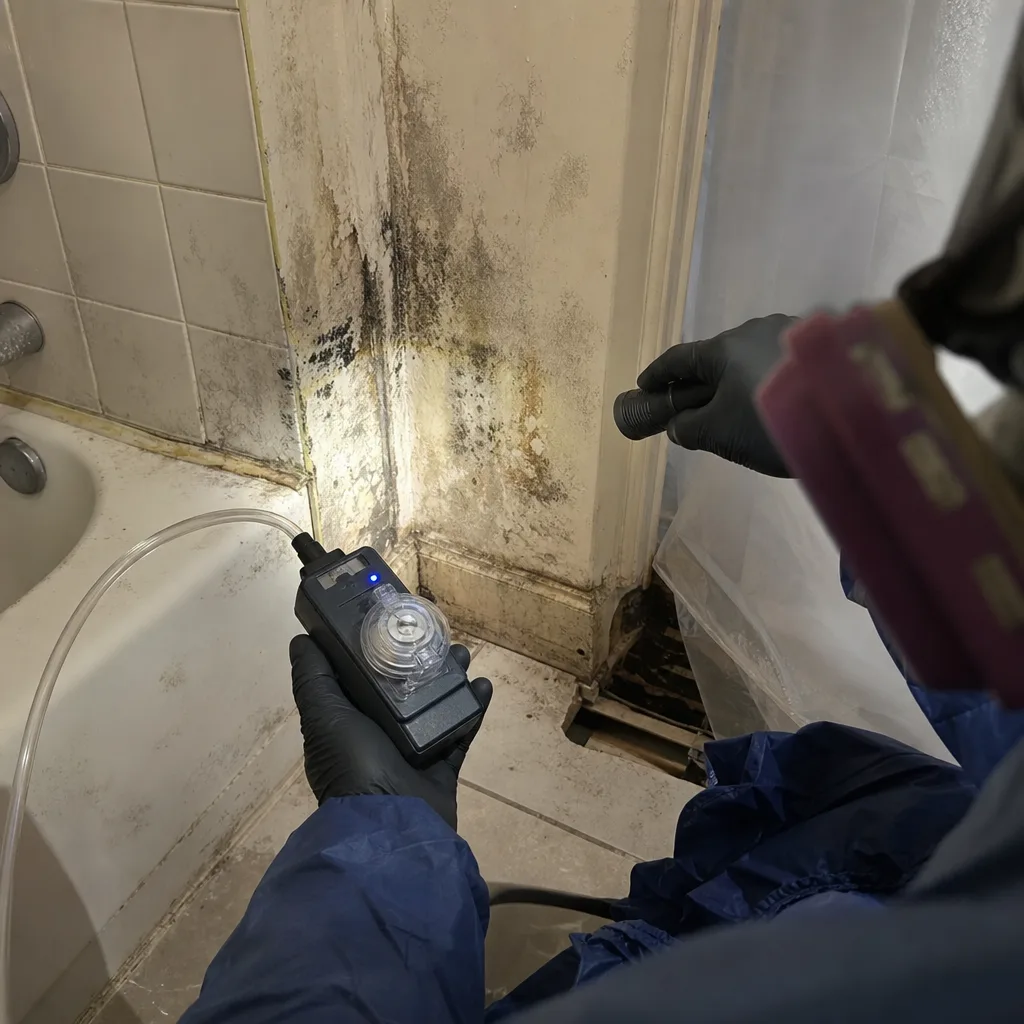
Mold Inspection & Testing
A proper mold inspection in Long Island City starts with understanding what kind of building we’re entering. In a converted warehouse loft near Newtown Creek, we’ll moisture-map the poured-concrete slab itself, not just the drywall, because concrete wicks and holds water far longer than wood framing. We use moisture meters, thermal imaging, and air sampling to locate hidden colonies. If your building predates 1980, we coordinate asbestos and lead testing before any invasive inspection begins. You’ll receive a written scope with square-footage measurements, material classifications, and a fixed price before remediation starts. Haven Standard, Clause 1.
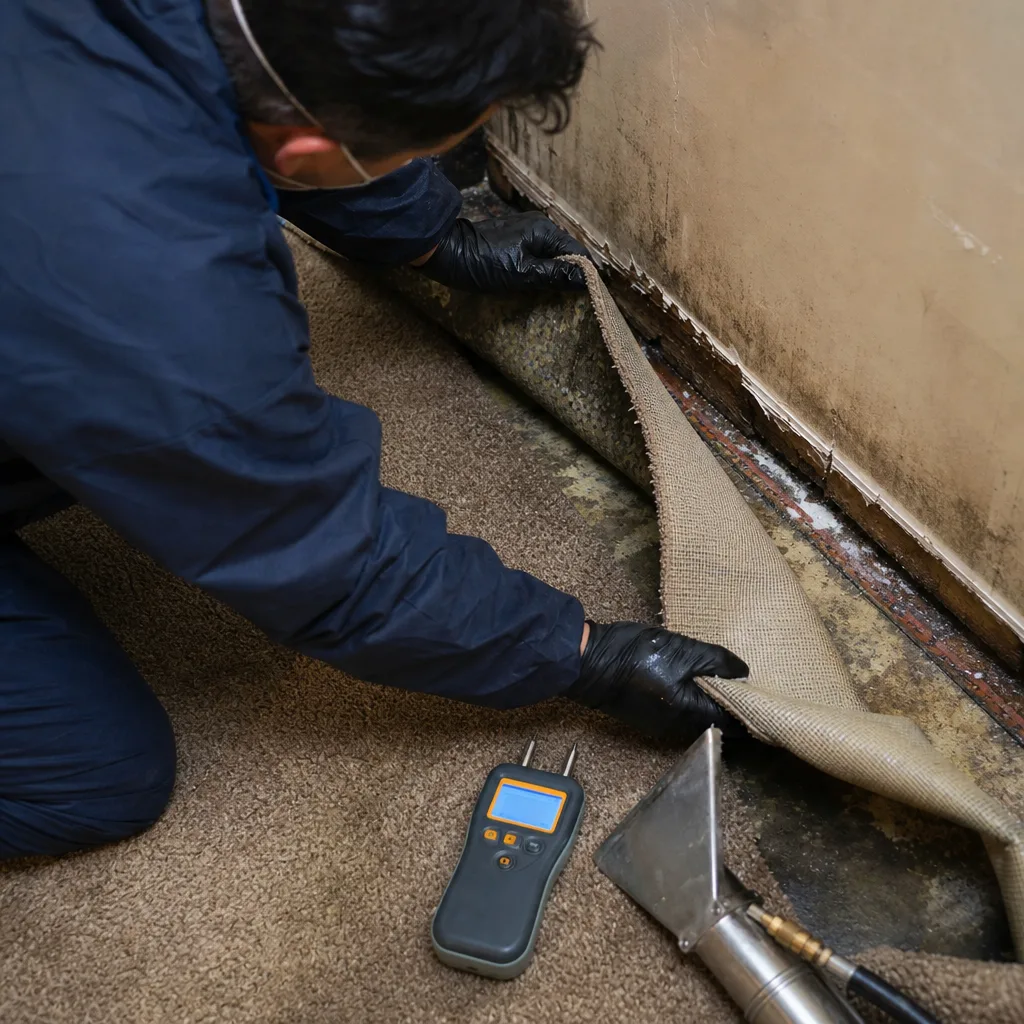
Mold Removal
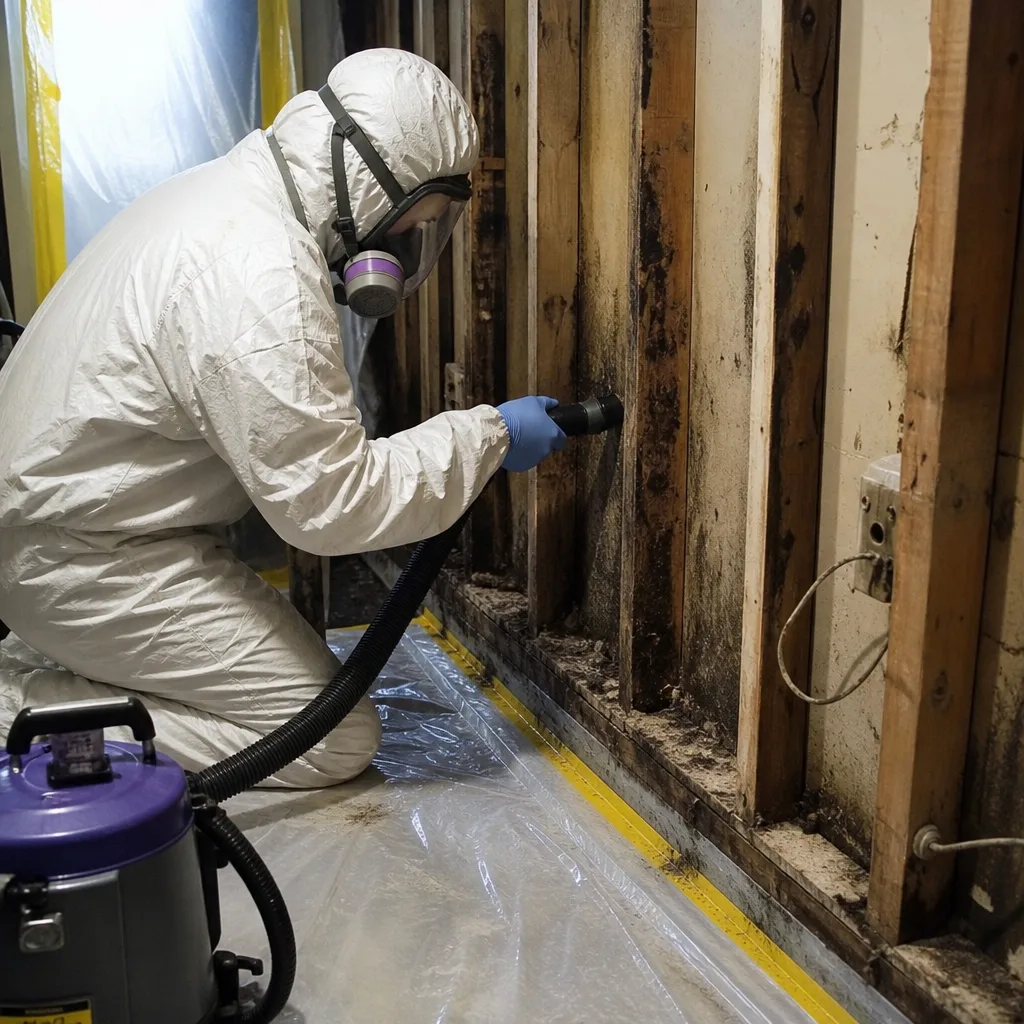
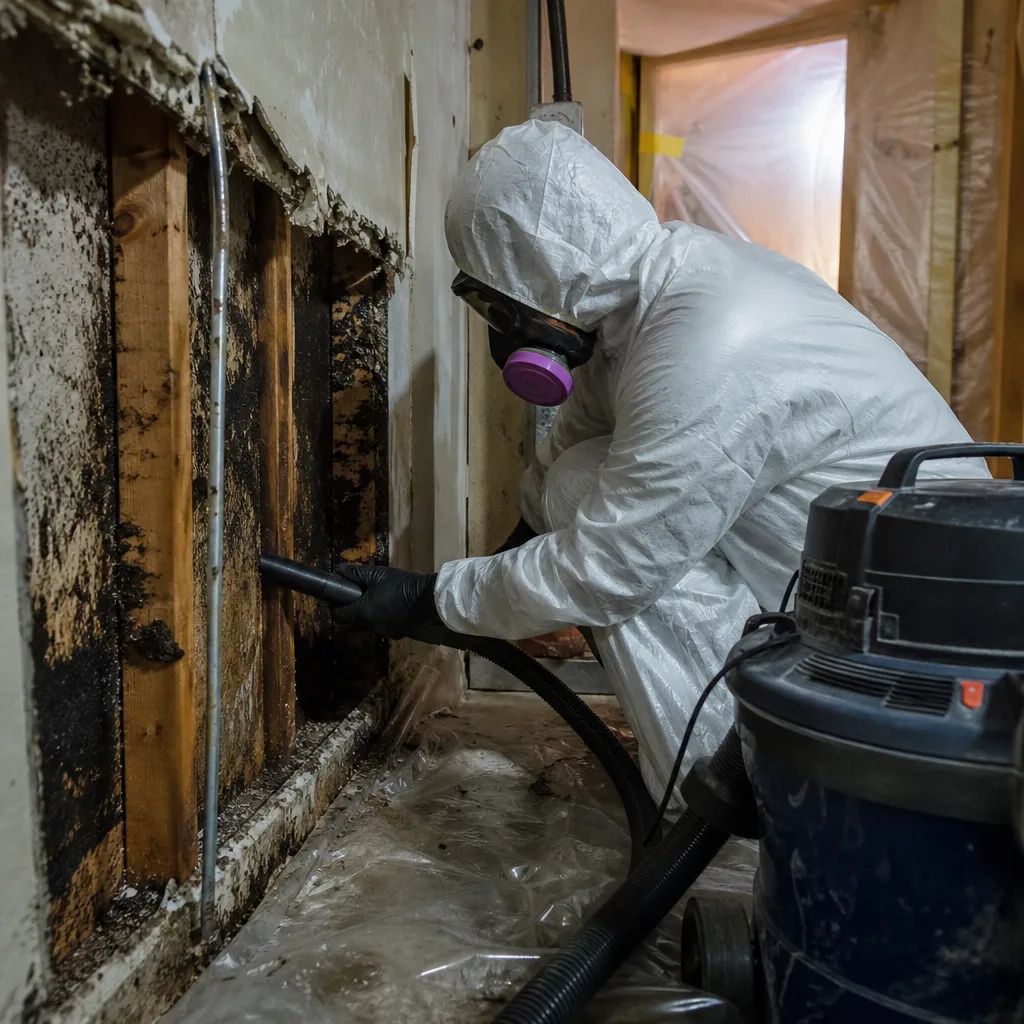
Mold removal in Long Island City’s newer high-rises near Queens Plaza South differs sharply from work in the industrial conversions. Glass towers have complex mechanical systems on lower floors vulnerable to flood surge; we check HVAC intakes and elevator pits for secondary contamination. In older stock, we often encounter multiple material layers, original plaster, and embedded chemical residues from industrial use. Our crews remove contaminated drywall, insulation, and flooring using contained work zones with negative air pressure, then HEPA-vacuum and apply antimicrobial treatment to remaining structural elements. Every removal step is photographed and logged.
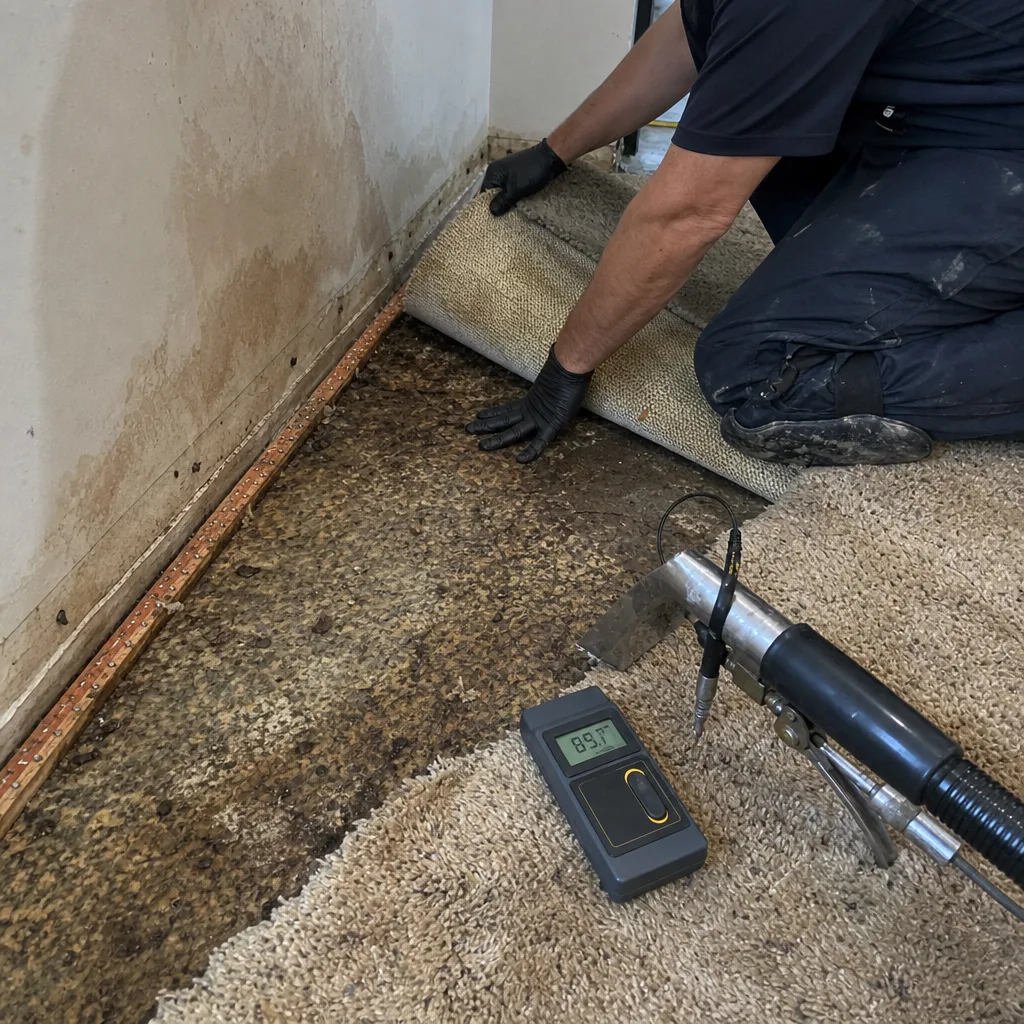
Black Mold Remediation
Black mold, or Stachybotrys chartarum, requires full containment and specialized protocols. In Long Island City’s open-plan warehouse lofts, this is especially critical. Running air movers in an uncontained 2,000-square-foot loft can spread spores across the entire floor plate and re-seed the whole unit. We build sealed containment barriers, run HEPA air scrubbers under negative pressure, and dispose of contaminated materials through licensed hazardous waste channels. Near the Newtown Creek corridor, we also test floodwater for chemical contamination before treating it as routine extraction; sediment-laden intrusion from the Superfund site can trigger environmental reporting obligations that standard mold protocols don’t address.
Air Quality Restoration
After physical mold removal, air quality restoration brings Long Island City spaces back to habitable condition. We deploy HEPA filtration, calculate air changes per hour for your specific volume, and run post-remediation verification sampling. In LIC’s tighter new construction, we also evaluate whether the building’s mechanical ventilation contributes to humidity problems. Documentation includes before-and-after spore counts, equipment run logs, and a written clearance report that satisfies insurers and, where applicable, FEMA documentation requirements.
Moisture & Humidity Control
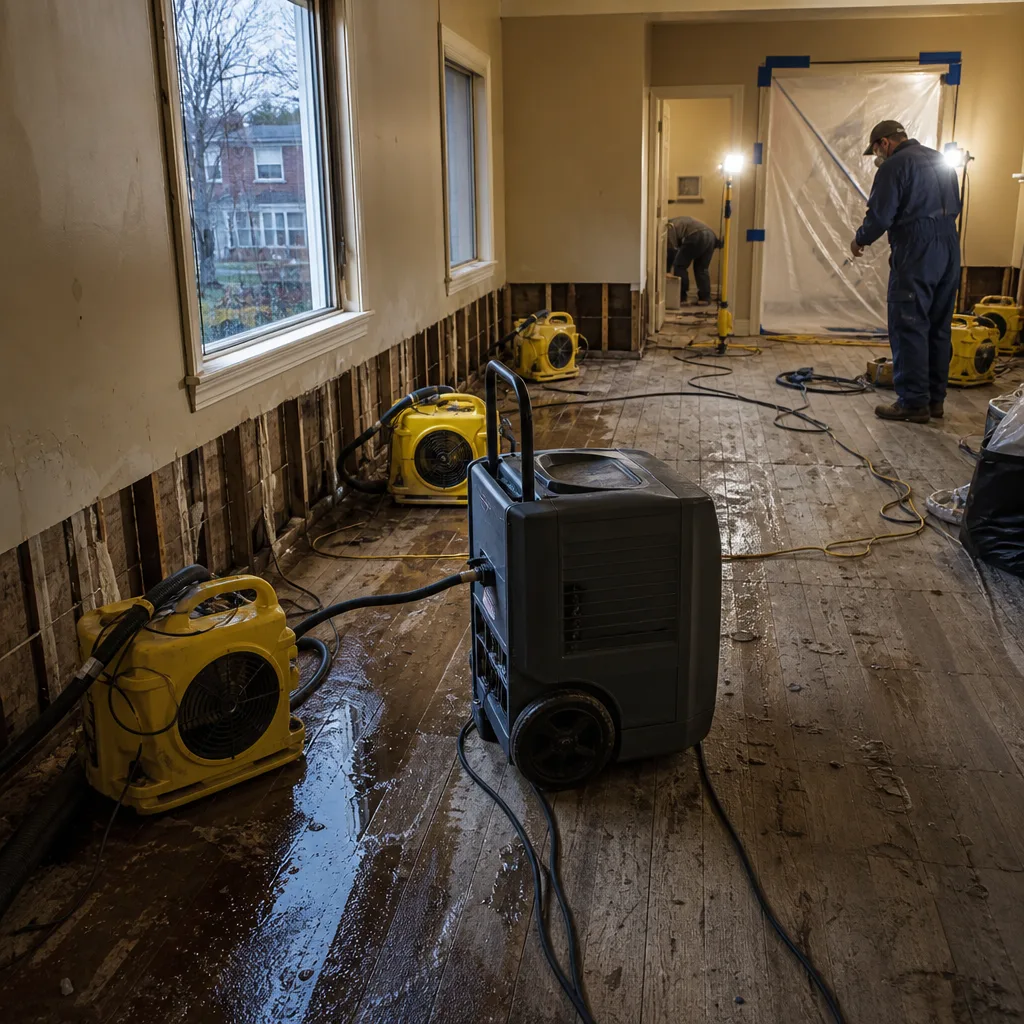
Moisture control in Long Island City’s converted lofts means managing the concrete, not just the air. We install vapor barriers, dehumidify to specific grains-per-pound targets, and monitor slab moisture content with calcium chloride testing where needed. Our crews use Dri-Eaz and Phoenix dehumidifiers sized to your cubic footage, with daily psychrometric data logged to IICRC standards. This is the documentation that turns a restoration invoice into a claim an insurer pays without a fight.
What happens when you call
- 1
A real person answersNo phone trees - you reach a local pro.
- 2
You get an upfront price rangeHonest numbers before anyone is dispatched.
- 3
A background-checked tech heads outLicensed & insured, dispatched right away.
- 4
You approve before work beginsNothing starts until you say go.
BeforeAfterTrusted Brands We Service in Long Island City
Our Mold Remediation crews deploy professional-grade drying and remediation equipment from Dri-Eaz, Phoenix, XPOWER, B-Air, and Injectidry. For Long Island City’s slab-on-grade warehouse conversions, Injectidry’s panel drying systems are particularly valuable; they force dry air beneath engineered flooring without full demolition, preserving original finishes when possible. We stock HEPA filtration media, antimicrobial treatments, and containment supplies locally, so we’re not waiting on deliveries while mold continues to colonize. All work is documented to IICRC, RIA, and IFA standards, producing the daily moisture logs and photo records that satisfy adjusters and FEMA reviewers alike.
Common Mold Remediation Problems We See in Long Island City Homes
- Slab moisture hidden behind dry drywall. A contractor dries the walls of your Vernon Boulevard loft and declares the job done, but the poured-concrete slab underneath still wicks moisture from the ground. Mold returns behind baseboards within weeks. We moisture-map the concrete itself, not just the visible surfaces.
- Skipped asbestos testing halting mid-job. An early-20th-century warehouse conversion near Newtown Creek gets opened for mold remediation, only for the crew to discover original asbestos floor tile or lead-painted plaster. Work stops. Environmental reporting may be required. We arrange testing before the first cut.
- Uncontained air movement spreading spores across open lofts. A 1,500-square-foot open floor plate seems simple, but running air movers without full containment can distribute black mold spores from one corner to every surface. We seal work zones and maintain negative pressure throughout remediation.
- Creek-side floodwater misclassified as clean. Storm surge or heavy rain near Newtown Creek carries sediment and potential chemical contamination from the Superfund site. Treating it as Category 1 water damage misses the hazmat protocols required. We test first, document the classification, and proceed accordingly.
Pricing for Mold Remediation in Long Island City, NY
| Service | Typical Range in Long Island City |
|---|---|
| Mold inspection & testing (standard residential) | $350-$750 |
| Contained mold removal, per affected room | $1,200-$2,800 |
| Black mold remediation with full containment | $2,500-$5,500 |
| Air quality restoration & clearance testing | $600-$1,400 |
| Crawl space or slab moisture treatment | $1,800-$4,200 |
| Asbestos/lead testing coordination (pre-remediation) | $400-$900 |
What moves a Long Island City job toward the higher end: pre-1980 buildings requiring asbestos and lead testing before work can proceed; slab-on-grade construction needing extended concrete drying with Injectidry or similar systems; creek-side flooding with potential chemical contamination requiring specialized disposal; and large open lofts where full containment spans significant square footage. What keeps costs controlled: early detection before mold spreads, clean water intrusion without contamination, and straightforward drywall-and-insulation removal without underlying structural issues. Every job gets a written price before work begins, with no scope-creep additions once the crew is inside. Haven Standard, Clause 1. Call (516) 687-6900 for your specific estimate; estimates are free, and we offer a Free Second Opinion on any competitor’s written quote.
We Also Serve Cities Near Long Island City
Our crews respond daily across Queens, including Mold Remediation in Long Island City and neighboring Woodside, Astoria, Maspeth, and Jackson Heights. Building stock and flood risk vary by neighborhood; we adjust our inspection protocols accordingly, from Astoria’s pre-war apartments to Maspeth’s mixed industrial-residential blocks.
Serving Long Island City, NY - Our Local Coverage Area
We’re based in the Long Island City area and know this community well. Use the map below to see our service coverage - if you’re nearby, we can almost certainly help.
FAQs - Mold Remediation in Long Island City
The poured-concrete slab common in LIC’s converted warehouse buildings wicks and retains moisture far longer than wood framing, so drywall can read dry while the concrete underneath still feeds mold colonies behind baseboards and beneath engineered flooring. We moisture-map the slab itself with calcium chloride testing and extended drying logs, not just surface meters. Call (516) 687-6900 for a slab-specific assessment; estimates are free.
Yes, if the building was constructed before 1980, federal and New York City regulations require asbestos and lead testing before invasive work on original materials. In the Newtown Creek corridor, this step also protects against environmental reporting complications if hazardous materials are disturbed. We coordinate certified testing before remediation begins and build that timeline into your written scope. Haven Standard, Clause 1: your price includes this coordination when required.
Black mold can establish visible colonies within 48-72 hours of sustained moisture on cellulose materials like drywall or wood, faster in warm, humid conditions. In Long Island City’s tightly sealed new construction or poorly ventilated converted lofts, that timeline shortens. Speed matters for mitigation, but black mold remediation cannot be rushed past proper containment; uncontained air movement in an open loft spreads spores across the entire unit. Call (516) 687-6900 for same-day response; we’ll contain first, then remediate.
Three factors: the water category (clean, gray, or black), the contamination level of affected materials, and whether drying can reach pre-loss moisture content without creating secondary mold risk. In LIC’s slab-on-grade conversions, we often find that engineered flooring over concrete cannot dry effectively from below without Injectidry panel systems or removal; we explain this in your written scope with specific moisture targets. Tear-out decisions are documented with photos and readings, never arbitrary.
We document every removed element with photos and measurements, then coordinate finish matching through our reconstruction division. In Long Island City’s converted industrial buildings, this often means sourcing reclaimed materials, custom-milled trim, or period-appropriate replacements that satisfy both you and any historic or co-op board requirements. The 365-Day Done Right Promise covers finish work; if it’s not matched correctly, we make it right.
Ready to stop mold from spreading in your Long Island City property? Call (516) 687-6900 now. A live person answers 24 hours a day, 7 days a week, no voicemail. We’ll schedule a written estimate, deliver your fixed price before any work begins, and document every step to the standard your insurer or FEMA claim requires. Free Second Opinion available on any competitor’s written quote.
Written by Alicia Brennan, Owner at Back to Dry Restoration, serving Long Island City since 2011.