
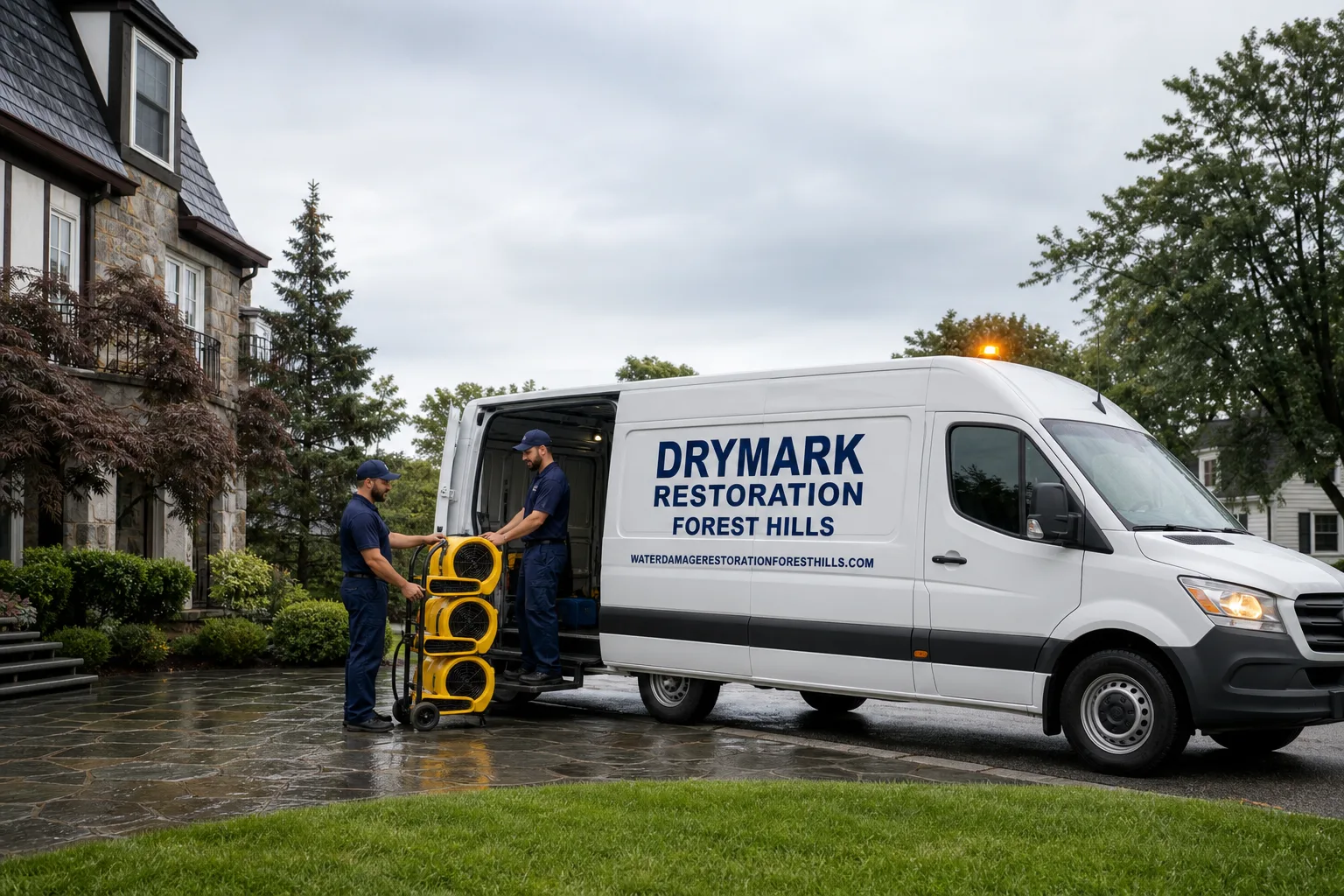
Free visual inspection and a written scope of work before any mitigation begins - photos, moisture readings, and drying logs go in your claim file
The scope we write is the scope we bill. Anything new gets shown to you, in writing, before we touch it.
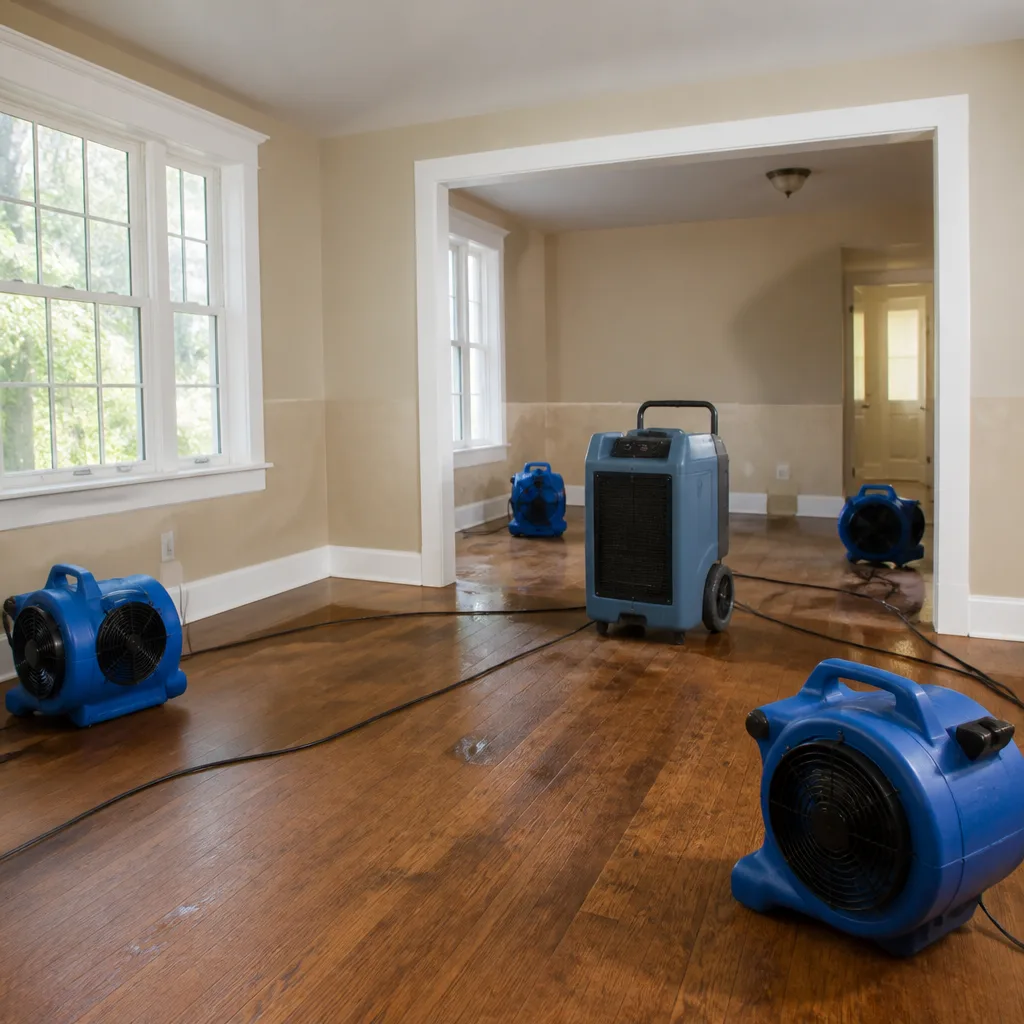
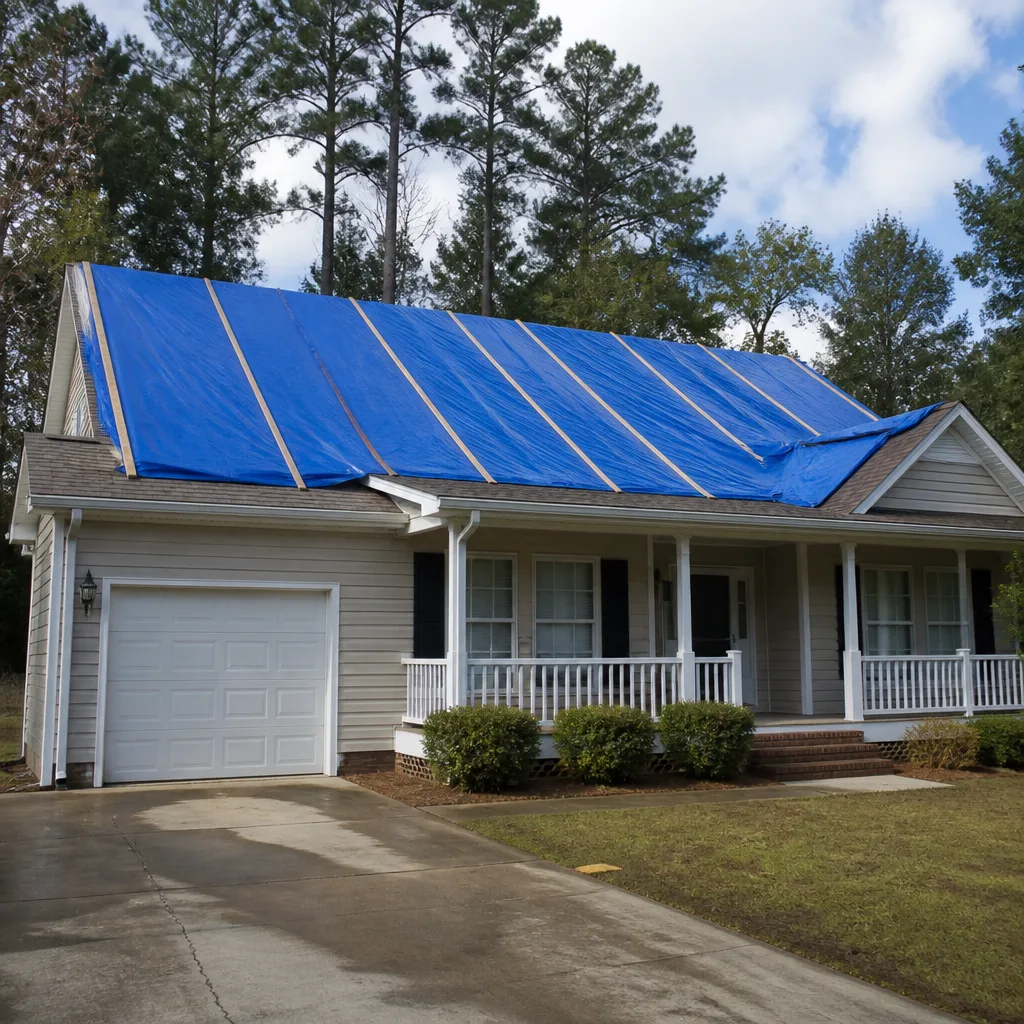
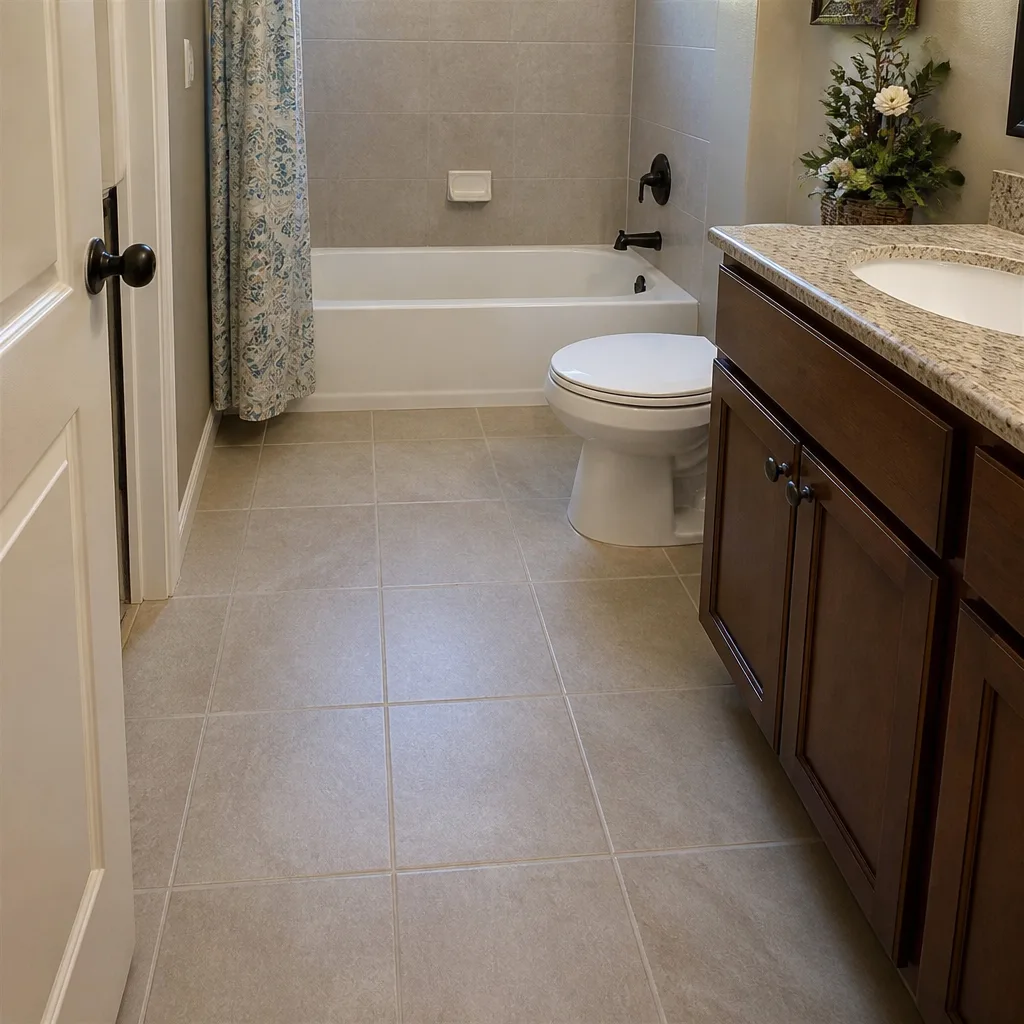
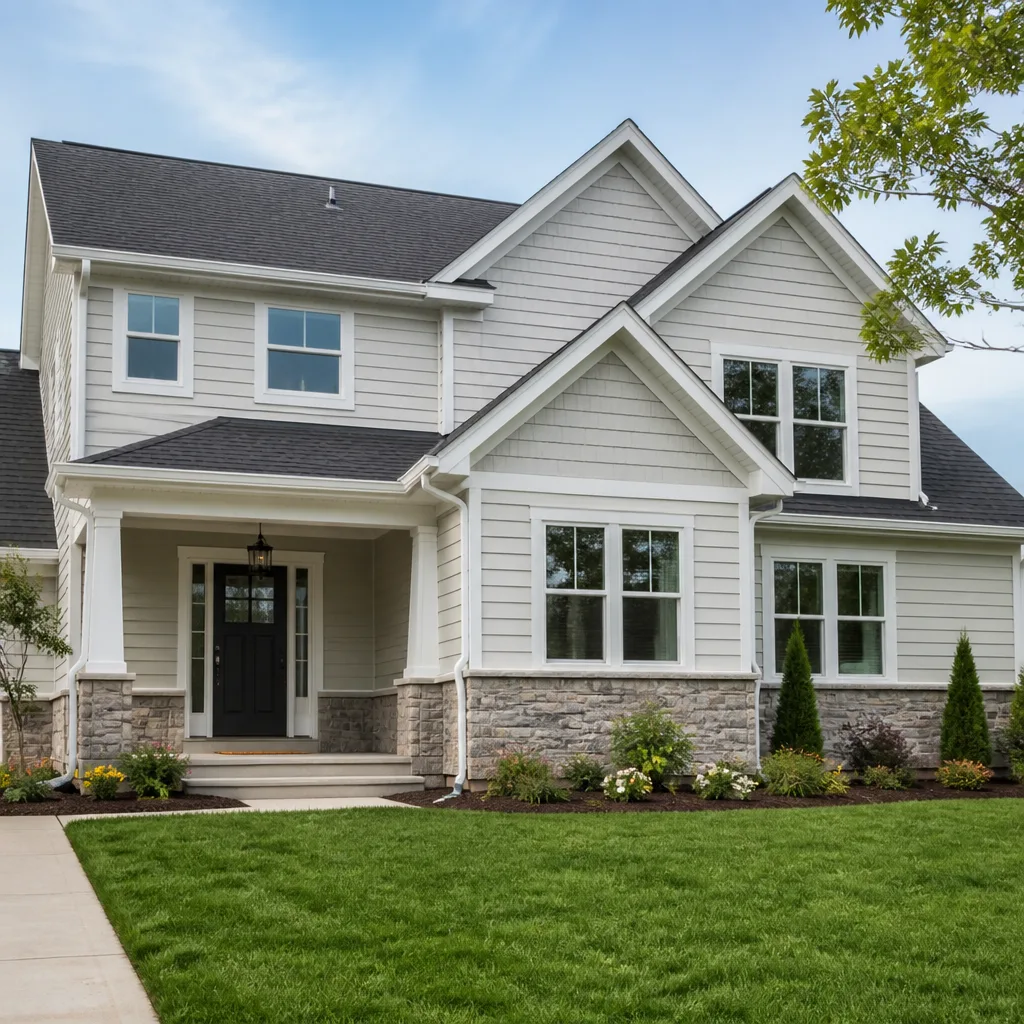
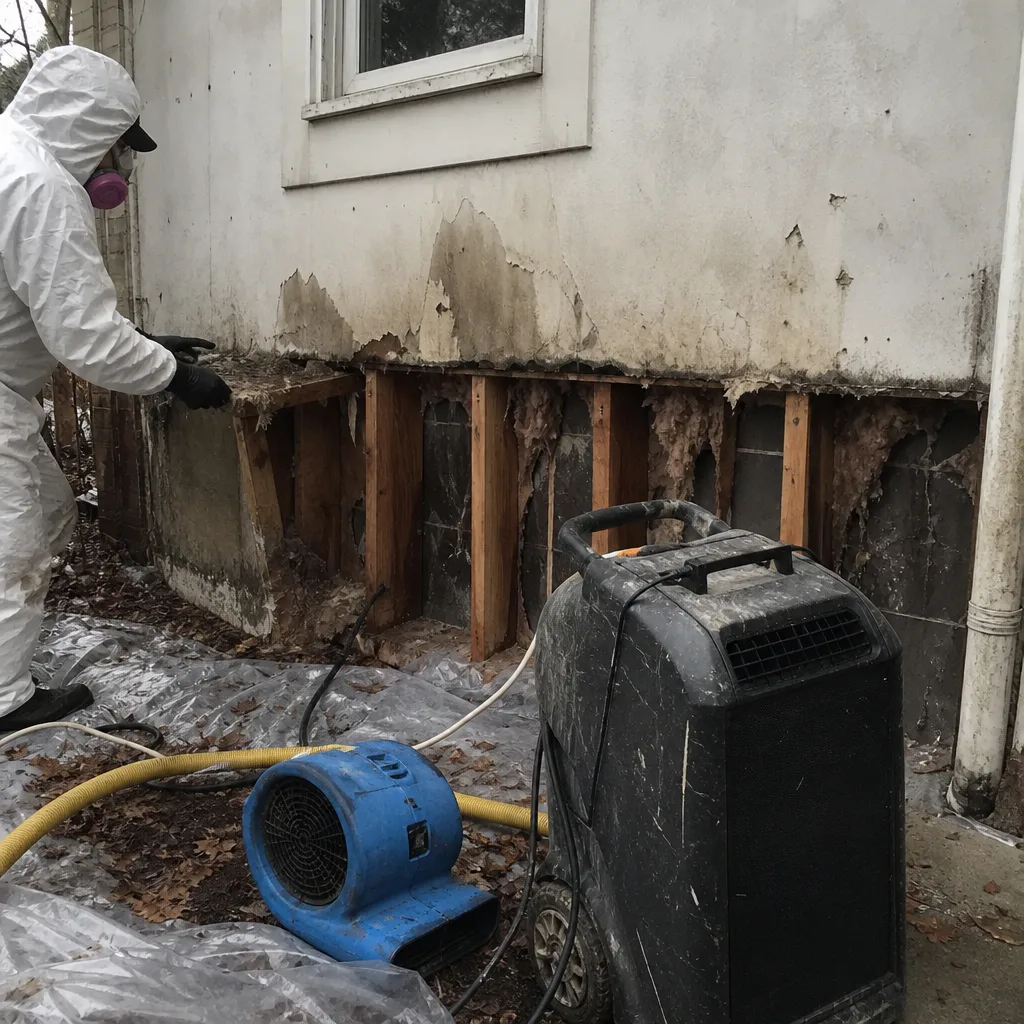 Before
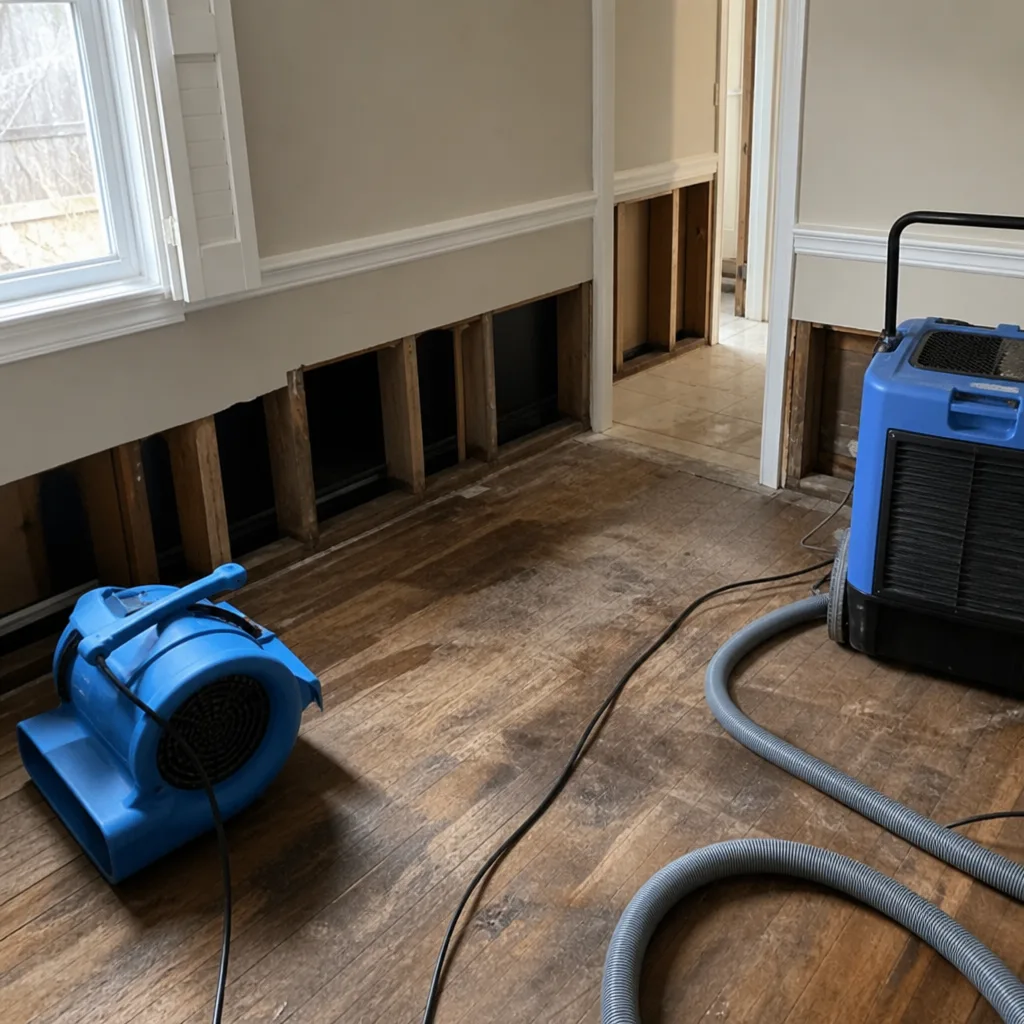 After
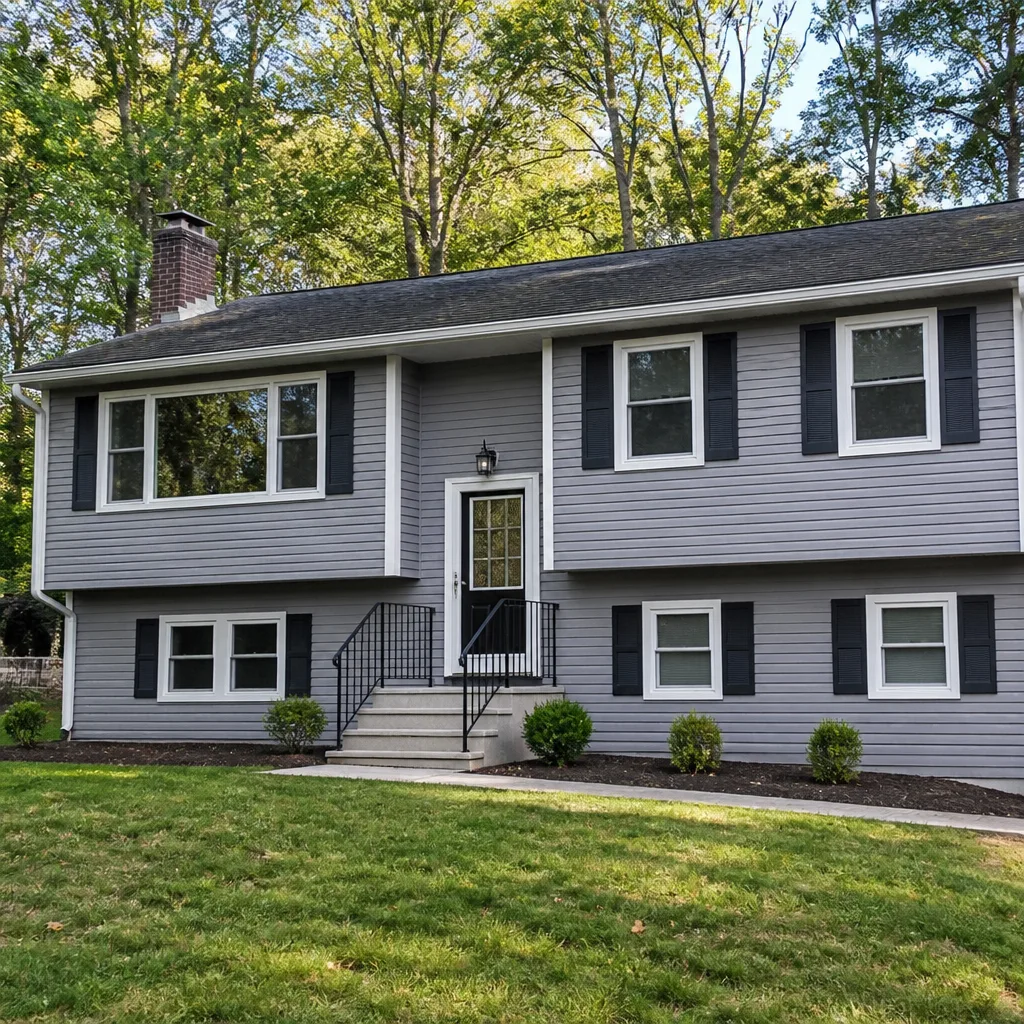
After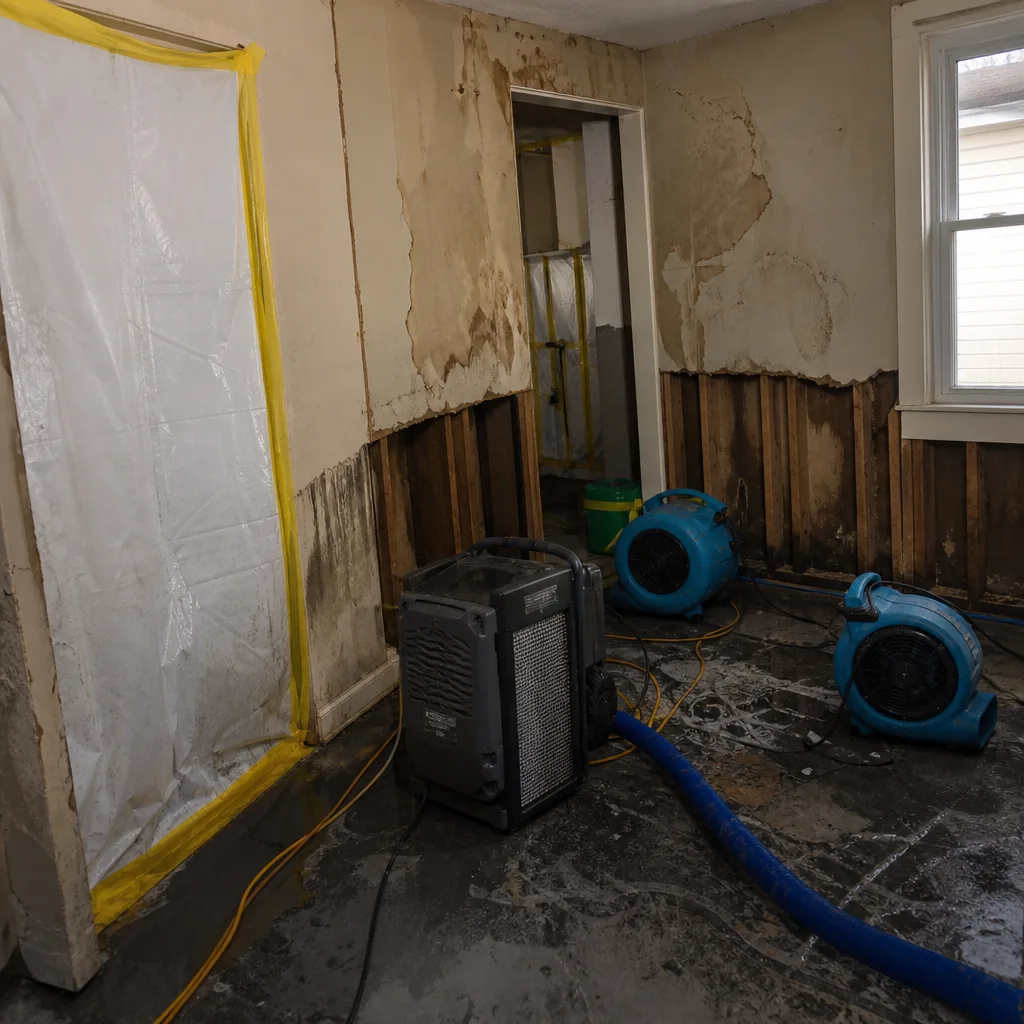 Before
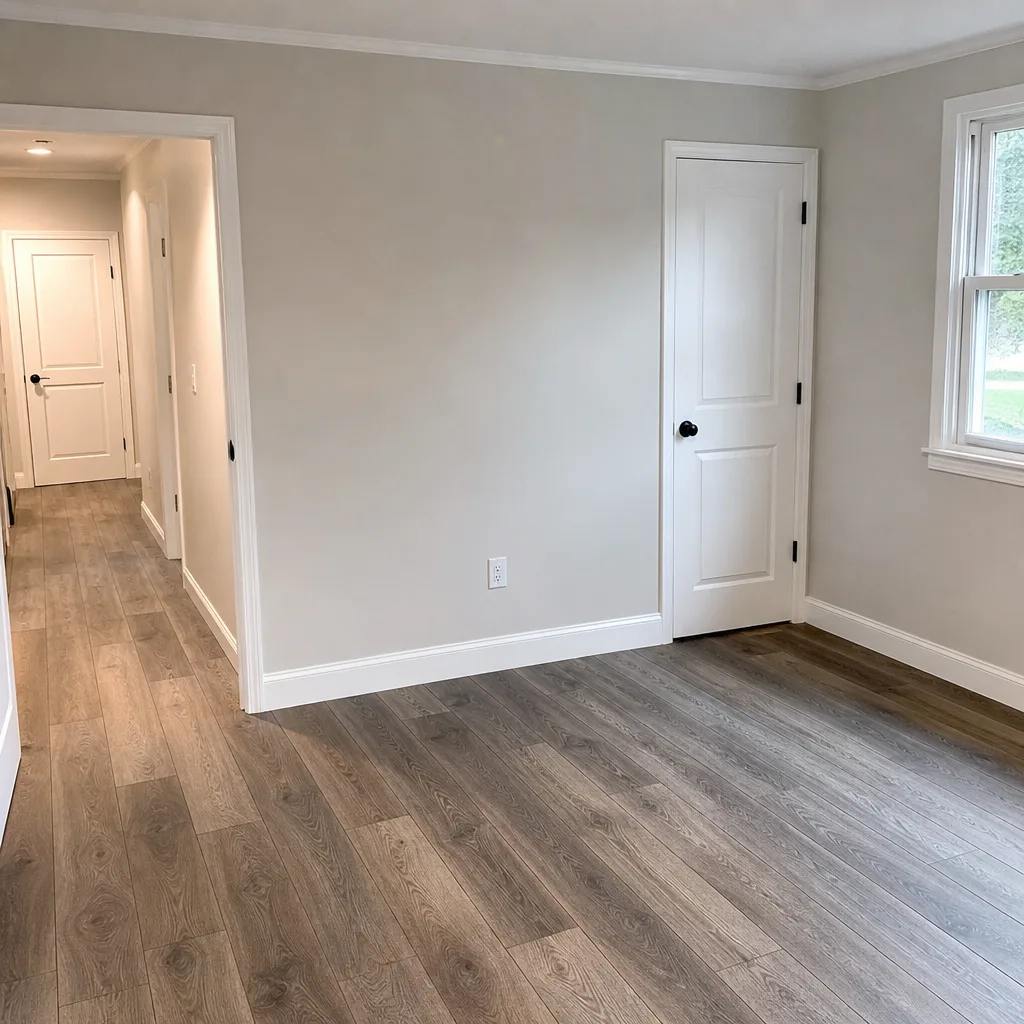 After
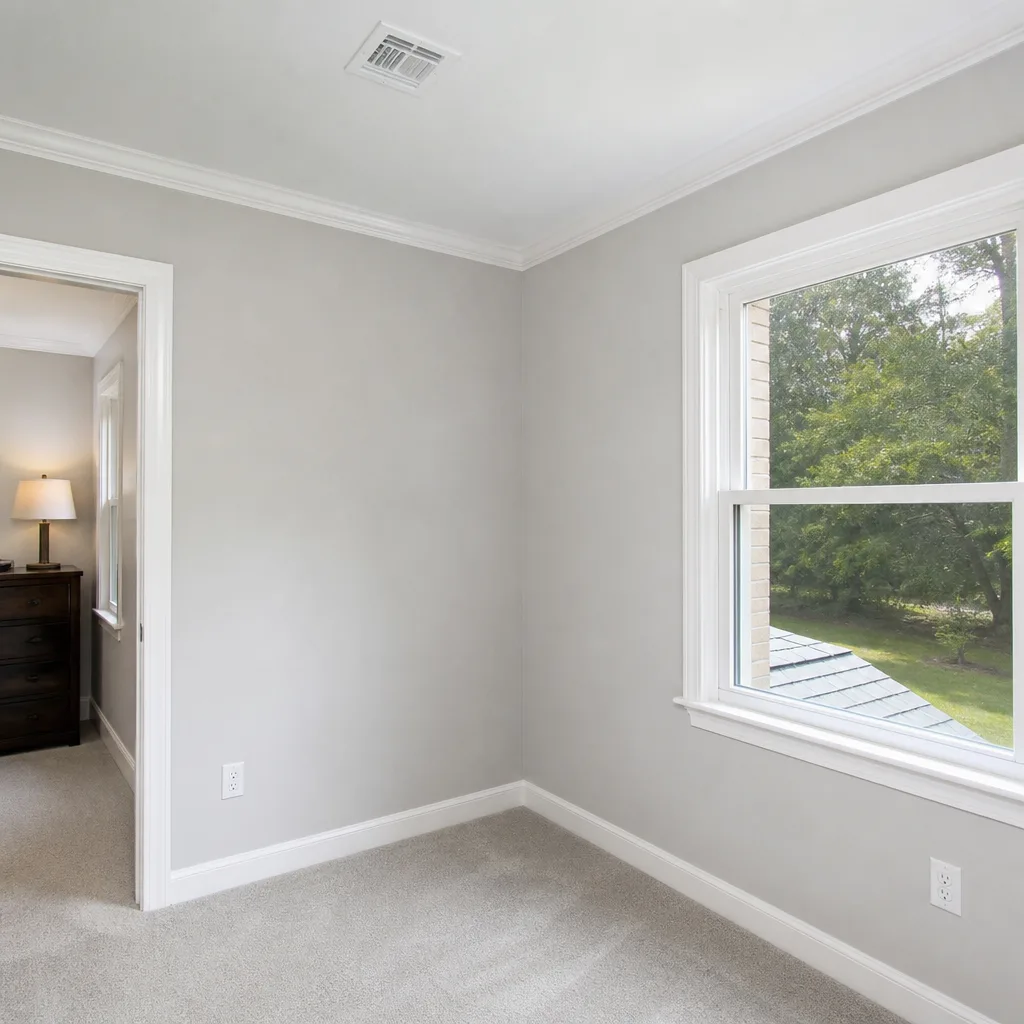
After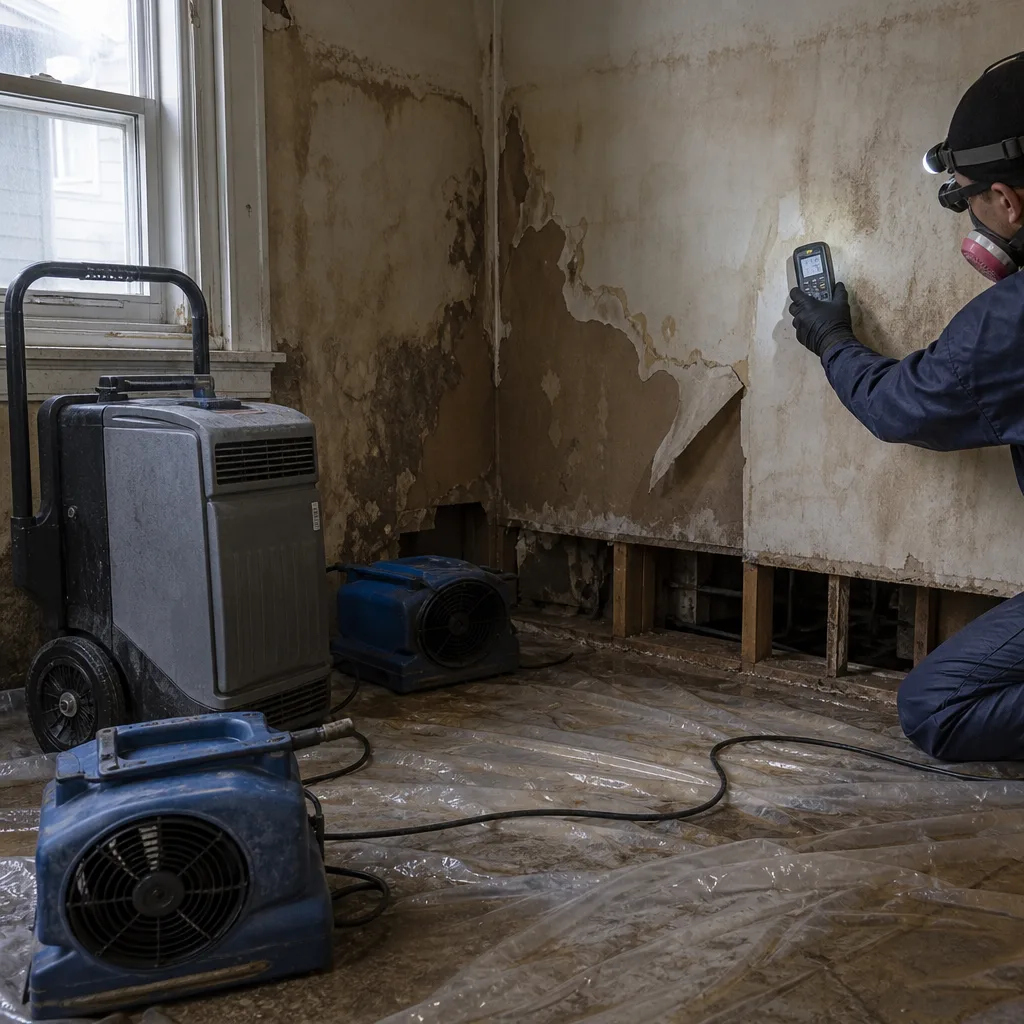 Before
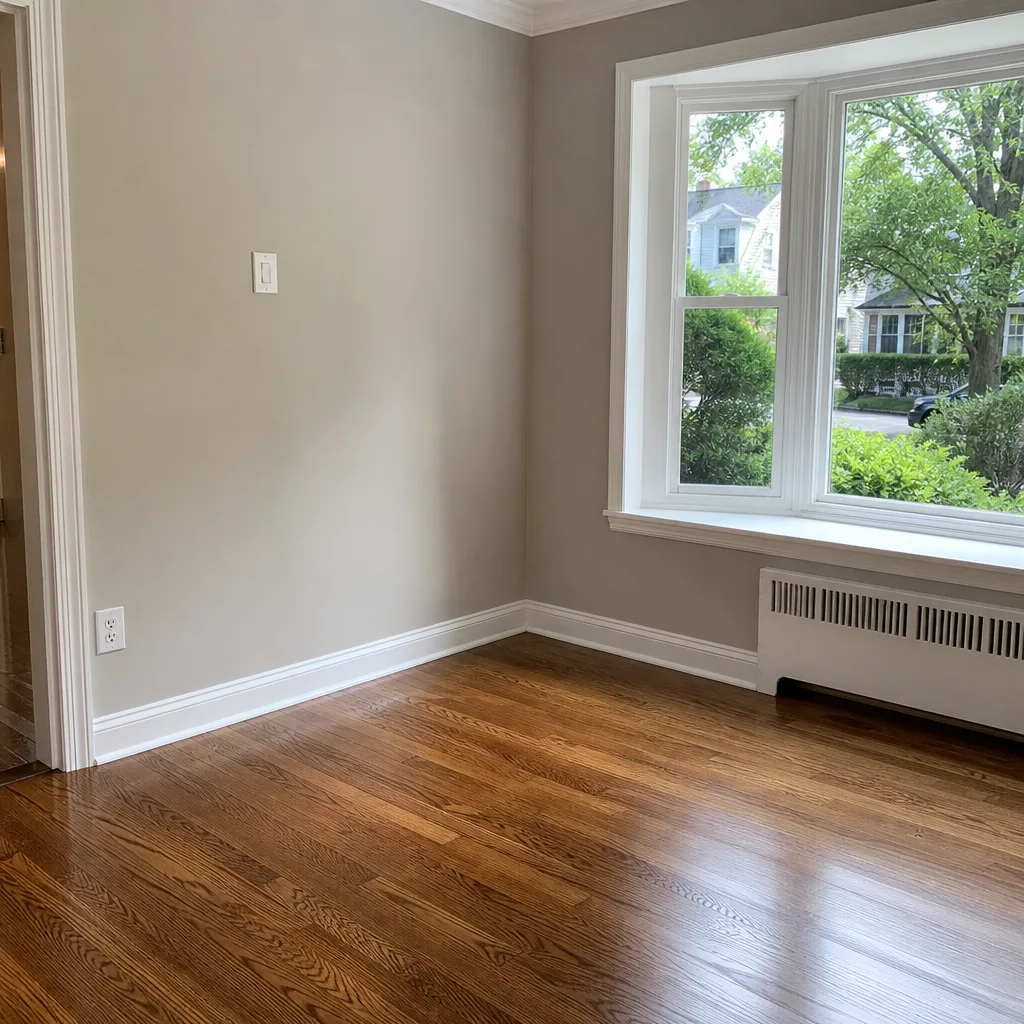 After
AfterFast, Reliable Mold Remediation Across Forest Hills
Mold remediation in Forest Hills typically costs $1,800-$4,500 for contained residential jobs, with full-structure treatment in pre-war apartment buildings or historic homes running $5,500-$12,000. Most inspections can be scheduled within 24 hours, and our crews carry containment and drying equipment sized for both the dense brick elevator buildings along Queens Boulevard and the plaster-walled Tudor Revival homes of Forest Hills Gardens. Call (516) 687-6900 for a written estimate before any work begins.
Forest Hills sits far enough inland to dodge direct storm surge, but its aging combined sewer infrastructure backs up into basements during nor’easters and summer convective storms, while freeze-thaw cycles attack the slate roofs and leaded casements of its historic housing stock. We’ve restored 12,000+ homes since 2011, and the pattern here is distinct: moisture hides in materials that standard crews don’t recognize, and remediation fails when the substrate is treated like something it isn’t.
Our Mold Remediation team dispatches from our New York City office with equipment documented to IICRC standards - Dri-Eaz dehumidifiers, XPOWER air movers, and Injectidry cavity-drying systems - and every job starts with a written price, a photo record, and a 365-Day Done Right Promise under The Haven Standard.
Why DryMark Restoration Forest Hills Is Forest Hills’s Preferred Mold Remediation Company
Forest Hills homeowners research before they call. They read the three-star reviews. They want to see pricing, documentation, and proof that a crew understands what they’re walking into. We built this company around that homeowner.
Back to Dry Restoration, led by Alicia Brennan, was founded in 2011 by a former claims adjuster who watched homeowners lose legitimate claims to sloppy documentation. Our response to Forest Hills runs same-day or next-day for active mold conditions, with live phone coverage 24 hours a day, 7 days a week - no voicemail trees, no next-business-day callbacks while spores are still colonizing. Every technician is background-checked, uniformed, and licensed, with the license number available on request.
We’ve handled mold behind horsehair plaster in Forest Hills Gardens, coordinated scopes with the Forest Hills Gardens Corporation’s architectural review, and mapped moisture through the multi-floor leak paths that single-pipe steam radiator failures create in pre-war Austin Street buildings. That local specificity is what turns a restoration invoice into a claim an insurer pays without a fight.
Our Free Second Opinion on any competitor’s written estimate means you can bring us another company’s scope and we’ll review it at no charge. Haven Standard, Clause 1: written price before work starts, every time, with no exceptions.
Our Mold Remediation Services in Forest Hills
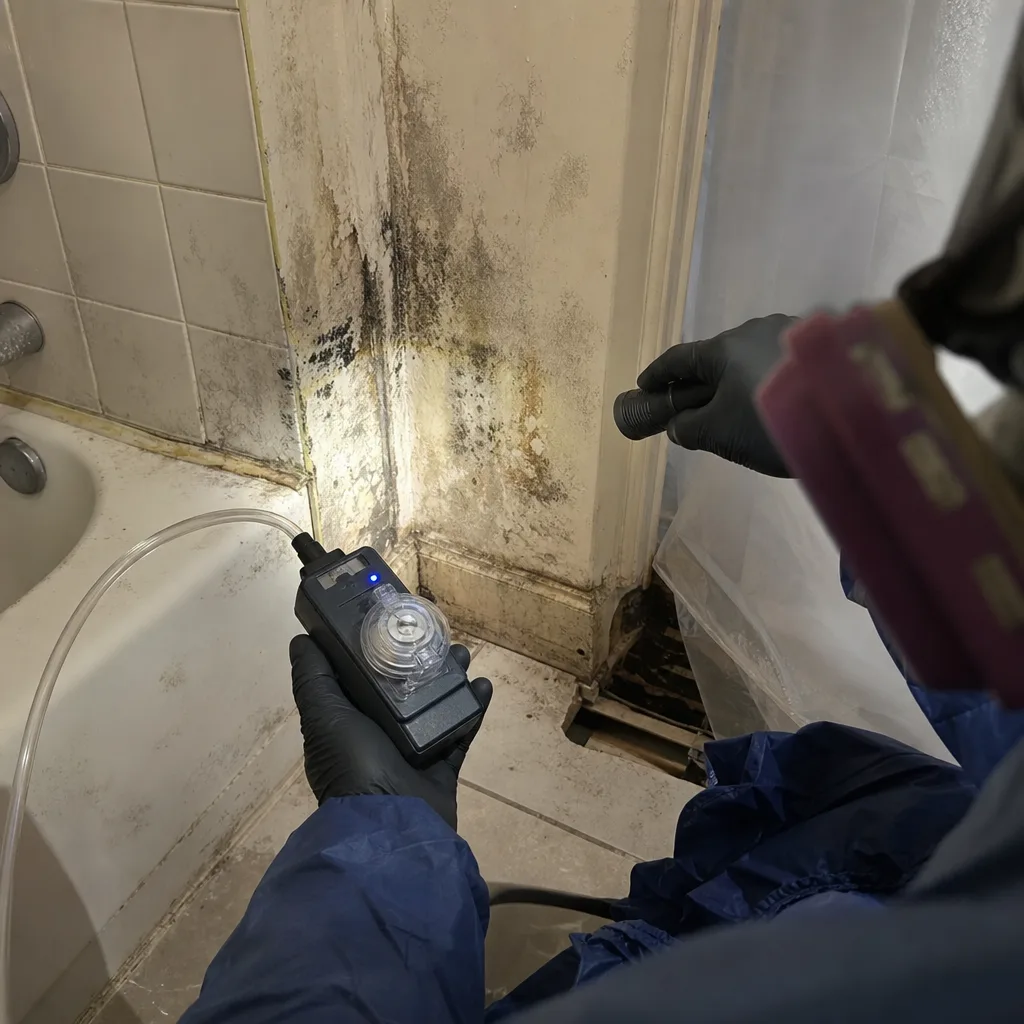
Mold Inspection & Testing
A proper inspection in Forest Hills starts with knowing what you’re looking at. In Forest Hills Gardens’ pre-1930 Tudor Revival homes, plaster-over-lath walls and wood-framed casement windows stay wet long after drywall would have dried, so surface sampling alone misses the story. Our inspections include moisture mapping with penetrating meters, air sampling for spore counts, and cavity investigation where ice-dam infiltration or failed casement glazing has driven water behind historic substrates. We document every reading, every photo, and every material classification in a report formatted for adjuster review.
Typical inspection cost in Forest Hills: $350-$650 for residential properties, $800-$1,400 for multi-unit pre-war buildings with interstitial moisture concerns.
Mold Removal
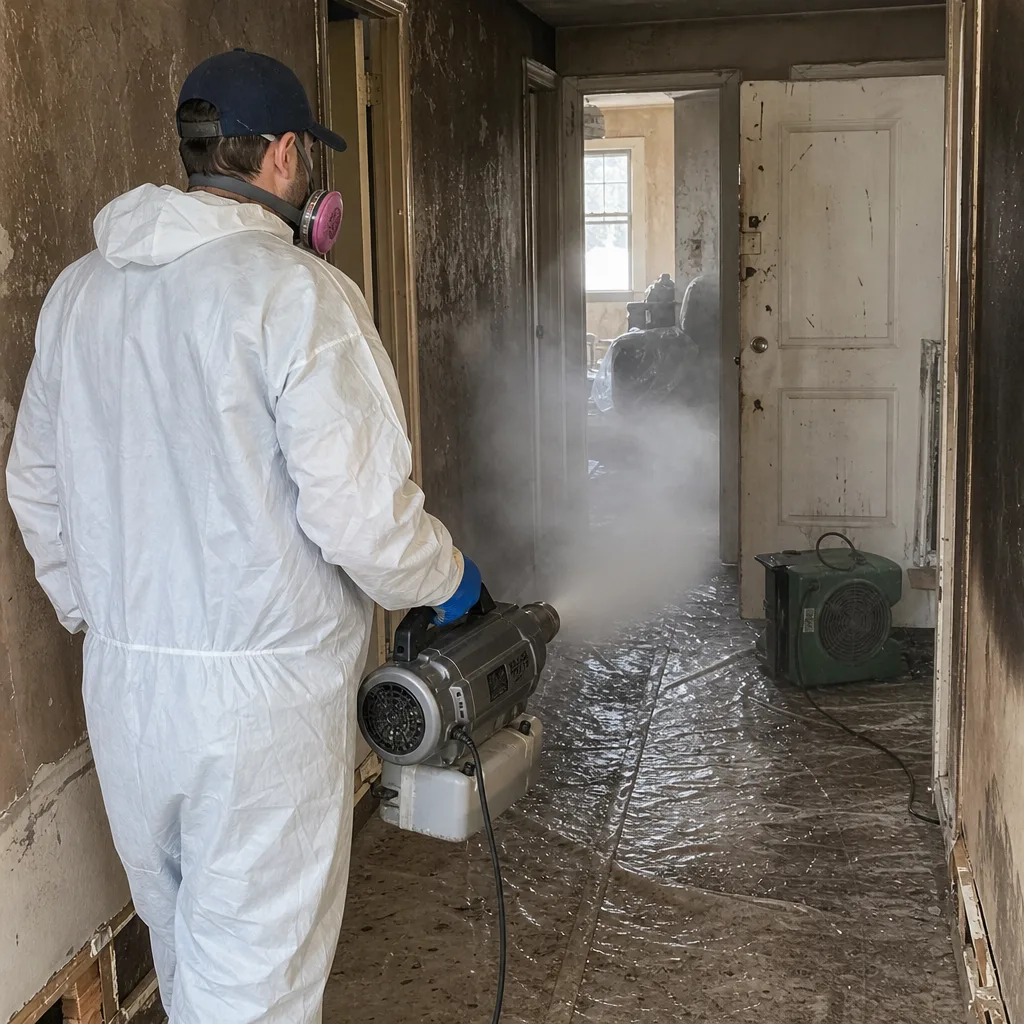
Removal in Forest Hills is rarely a simple cut-and-dry operation. The Forest Hills Gardens Corporation’s architectural controls require period-matched restoration techniques for exterior-facing work, and interior plaster substrates often must be preserved rather than demolished. Our crews use HEPA-contained removal, antimicrobial treatment selected for compatibility with historic materials, and drying systems from B-Air and Dri-Eaz sized to the vapor pressure differential of dense plaster walls. We log psychrometric data daily - temperature, relative humidity, and specific humidity - to prove the structure is dry before we close the containment.
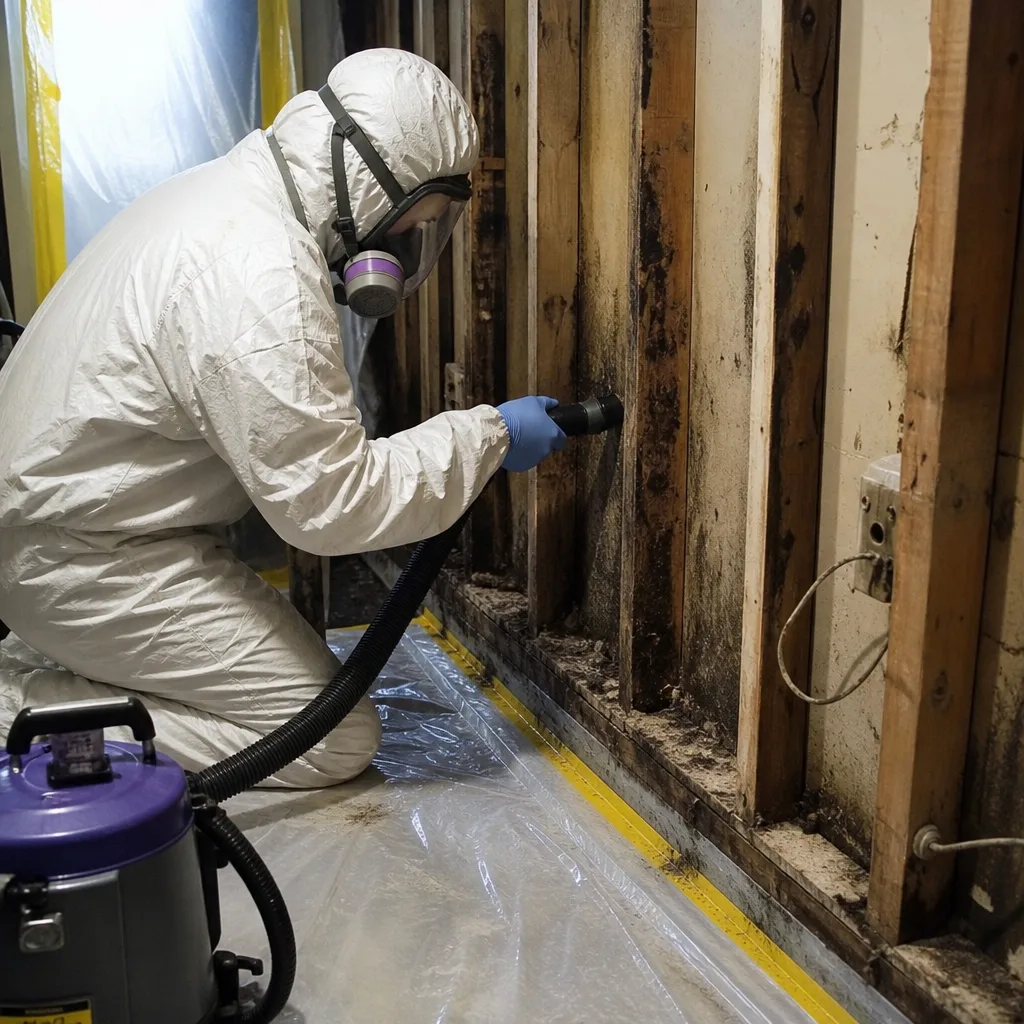
Black Mold Remediation
Stachybotrys and other toxigenic species colonize where cellulose stays wet for extended periods. In Forest Hills, that means the water-damaged horsehair plaster behind original bathroom tile, the saturated lath in ceiling cavities after steam radiator failures, and the organic debris left by combined sewer backups in basements near Yellowstone Boulevard. Black mold remediation here requires full containment, negative air pressure, and disposal protocols that satisfy both NYC Department of Health guidelines and insurance scope requirements. We deliver a written protocol before work starts, photo-document every stage, and provide clearance testing by a third-party lab.
Typical black mold remediation in Forest Hills: $2,800-$6,500 for contained residential areas, $7,500-$15,000 for whole-basement or multi-floor apartment contamination.
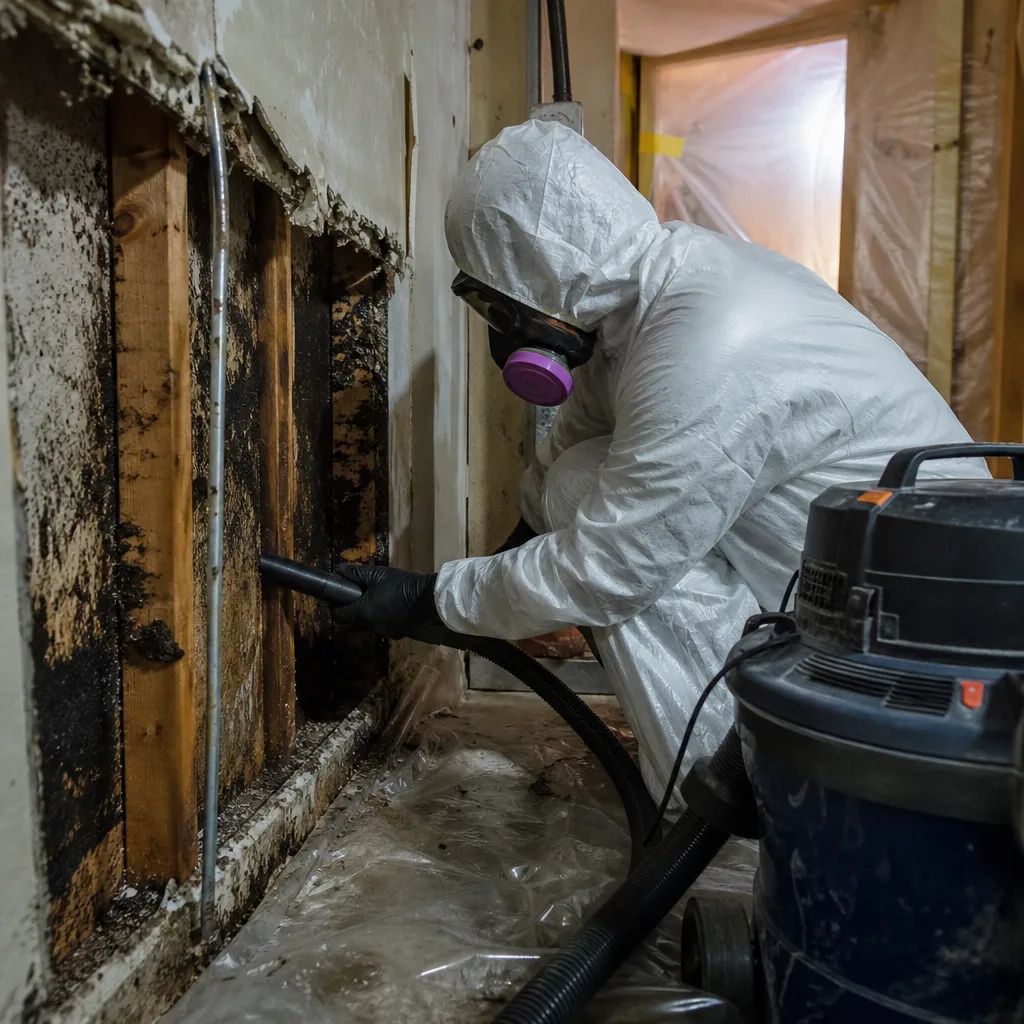
Air Quality Restoration
Post-remediation air quality in Forest Hills addresses more than spore count. Pre-war buildings have accumulated decades of particulate in HVAC voids, and steam-heated apartments run dry in winter, stressing respiratory systems already irritated by mold exposure. Our air quality restoration includes HEPA filtration during work, post-remediation air scrubbing, and humidity control recommendations specific to your building’s envelope. For Forest Hills Gardens homes with original window systems, we specify ventilation strategies that don’t compromise the historic fabric.
Moisture & Humidity Control
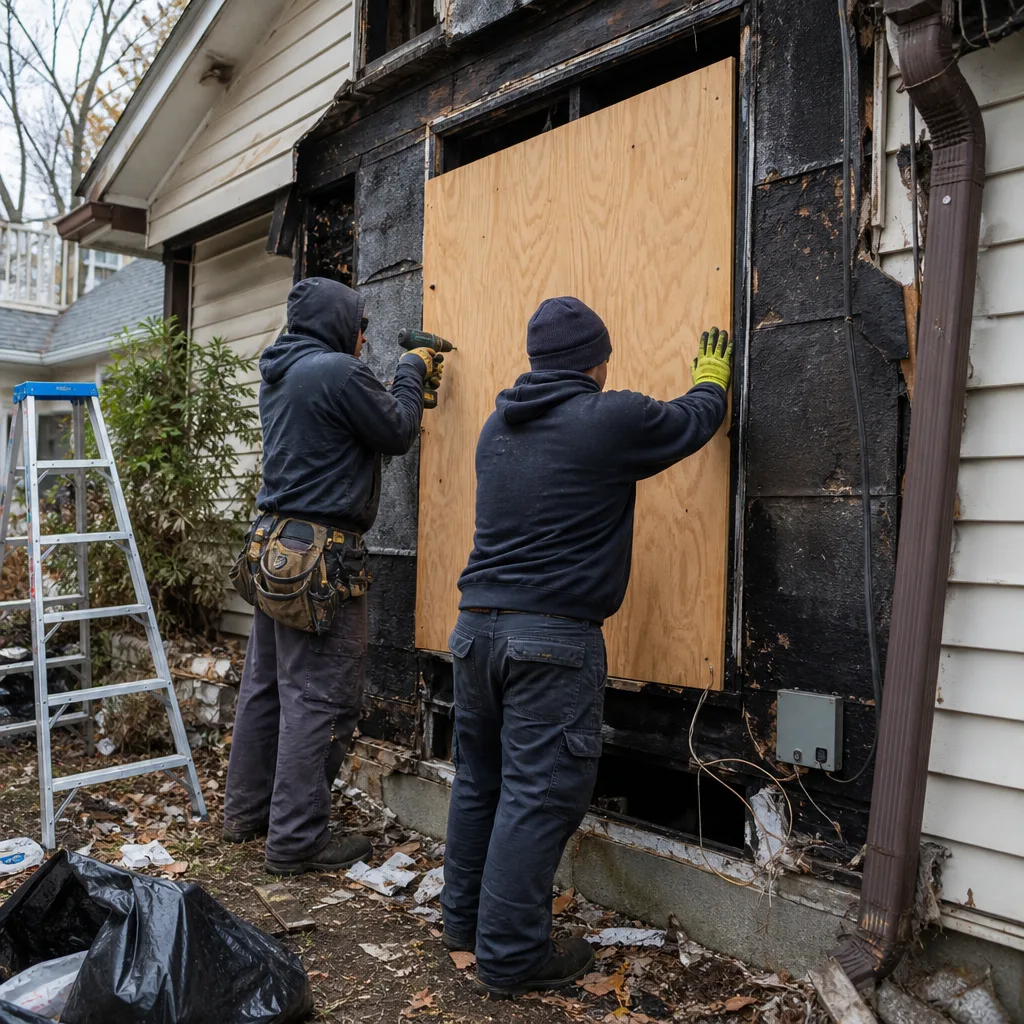
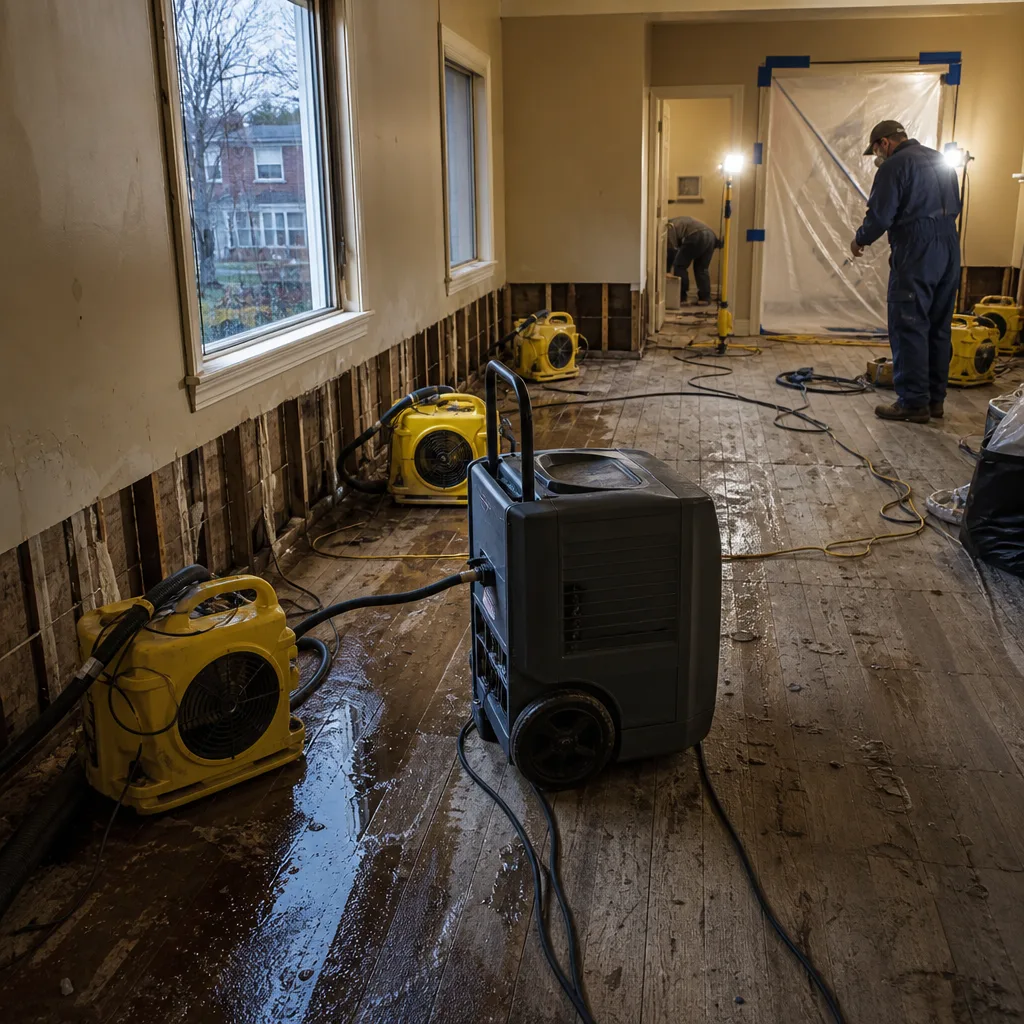
This is where mold remediation in Forest Hills either succeeds permanently or fails seasonally. The freeze-thaw cycle around original slate roofs and leaded casements creates recurring ice-dam moisture infiltration. Single-pipe steam radiator systems in Austin Street and Queens Boulevard buildings pressurize wall cavities with humid air. Our moisture and humidity control programs include vapor pressure monitoring, targeted dehumidification with equipment from Phoenix and XPOWER, and building envelope recommendations that address the source, not just the symptom. We install permanent humidity control where appropriate and document baseline and target readings in your job file.
Typical moisture and humidity control installation in Forest Hills: $1,200-$3,800 for residential systems, $4,500-$9,000 for multi-unit common-area solutions.
What happens when you call
- 1
A real person answersNo phone trees - you reach a local pro.
- 2
You get an upfront price rangeHonest numbers before anyone is dispatched.
- 3
A background-checked tech heads outLicensed & insured, dispatched right away.
- 4
You approve before work beginsNothing starts until you say go.
BeforeAfterTrusted Brands We Service in Forest Hills
Our equipment inventory includes professional-grade drying and containment systems from Dri-Eaz, Phoenix, XPOWER, B-Air, and Injectidry - brands specified in IICRC S520 mold remediation standards and recognized by adjusters nationwide. For Forest Hills properties, we stock Injectidry cavity-drying panels sized for plaster-over-lath wall assemblies, not just standard drywall configurations, and Phoenix 200 MAX dehumidifiers rated for the extended drying timelines dense historic materials demand. This isn’t about brand names on a truck. It’s about having the right tool when a Forest Hills Gardens preservation officer asks how you’ll dry the substrate without removing it.
Common Mold Remediation Problems We See in Forest Hills Homes
- Plaster-over-lath misidentified as drywall. Crews from outside Queens cut out historic plaster assuming it’s replaceable gypsum board, destroying a substrate the Forest Hills Gardens Corporation requires preserved and triggering scope revisions that delay insurance approval by weeks.
- Ice-dam moisture ignored as a one-time event. Winter freeze-thaw cycles around original slate roofs and leaded casements let moisture infiltrate wall cavities each late winter; remediation that treats only visible mold without addressing the thermal bypass sees re-mold return every spring.
- Multi-floor steam radiator leaks scoped to a single unit. In pre-war Austin Street and Queens Boulevard apartment buildings, a failed radiator valve can soak plaster ceilings across three or four floors; crews who dry only the visible unit miss moisture mapping in the units below, and mold spreads through the stack.
- Sewer backup basements remediated without humidity control. Central Queens’s combined sewer infrastructure backs up regularly; mold returns in six months when remediation stops at removal and doesn’t address the persistent humidity that aging below-grade spaces maintain.
Pricing for Mold Remediation in Forest Hills, NY
We publish ranges because Haven Standard, Clause 1 requires a written price before work starts - and you can’t write a price you haven’t discussed.
| Service | Typical Range in Forest Hills |
|---|---|
| Mold inspection & testing | $350 - $1,400 |
| Contained mold removal (single room/area) | $1,800 - $4,500 |
| Black mold remediation (toxigenic species) | $2,800 - $15,000 |
| Whole-structure / multi-unit treatment | $5,500 - $12,000+ |
| Moisture & humidity control installation | $1,200 - $9,000 |
| Post-remediation air quality / clearance testing | $450 - $950 |
What moves a job within these ranges: square footage of affected area, material type (plaster-over-lath requires longer drying than drywall), containment complexity in occupied buildings, and whether third-party clearance testing is required. Every estimate is free, every scope is written, and every price is fixed before work begins. Bring a competitor’s written estimate and we’ll review it at no charge - Haven Standard, Clause 7.
Call (516) 687-6900 for your written estimate.
We Also Serve Cities Near Forest Hills
Our crews work throughout central and western Queens, including Middle Village, Elmhurst, Jackson Heights, and Ozone Park. Each neighborhood has its own housing stock and moisture patterns - the attached brick row houses of Middle Village, the dense pre-war elevator buildings of Jackson Heights - and we adjust our protocols accordingly. Dispatch and scheduling are coordinated from our New York City office with local crew assignment.
Serving Forest Hills, NY - Our Local Coverage Area
We’re based in the Forest Hills area and know this community well. Use the map below to see our service coverage - if you’re nearby, we can almost certainly help.
FAQs - Mold Remediation in Forest Hills
Mold can begin colonizing within 24-72 hours on organic substrates, but plaster-over-lath walls in Forest Hills Gardens dry so slowly that the colonization window extends to 5-10 days - which sounds like more time but actually means deeper, more established growth before it’s visible. We inspect within 24 hours of storm calls and begin moisture mapping immediately. Call (516) 687-6900 for emergency scheduling.
Yes. Any exterior work on a Forest Hills Gardens property requires Forest Hills Gardens Corporation architectural review and approval before work begins, including window repair, roof work, or masonry repointing. Our scopes include this coordination step and specify period-matched materials - not as an upsell, but as a required line item that prevents mid-project holds. We document the approval in your job file for adjuster reference.
Single-pipe steam radiator systems create chronic humidity stress: when valves fail or pipe joints leak, superheated water soaks through plaster ceilings into multiple units, and the steam distribution system itself pressurizes wall cavities with moist air year-round. Remediation that addresses only the visible mold unit misses the stack effect and the source humidity. We map moisture across the vertical chase and specify humidity control for the common system.
Often yes, depending on material saturation time and category classification. Category 3 water requires removal of porous materials that contacted the water, but non-porous surfaces and properly dried structural elements can be preserved with HEPA cleaning and antimicrobial treatment. We test moisture content before specifying scope - no demolition without data. Call (516) 687-6900 for a written assessment.
It looks like vapor pressure monitoring in wall cavities, targeted dehumidification sized to plaster mass rather than air volume, and ventilation strategies that don’t compromise original window and door systems. We specify equipment placement that preserves sight lines and historic fabric, and we log readings until the substrate is demonstrably dry - not just until the air feels dry. The Haven Standard requires documentation, not assumption.
Written by Alicia Brennan, Owner at Back to Dry Restoration, serving Forest Hills since 2011.