
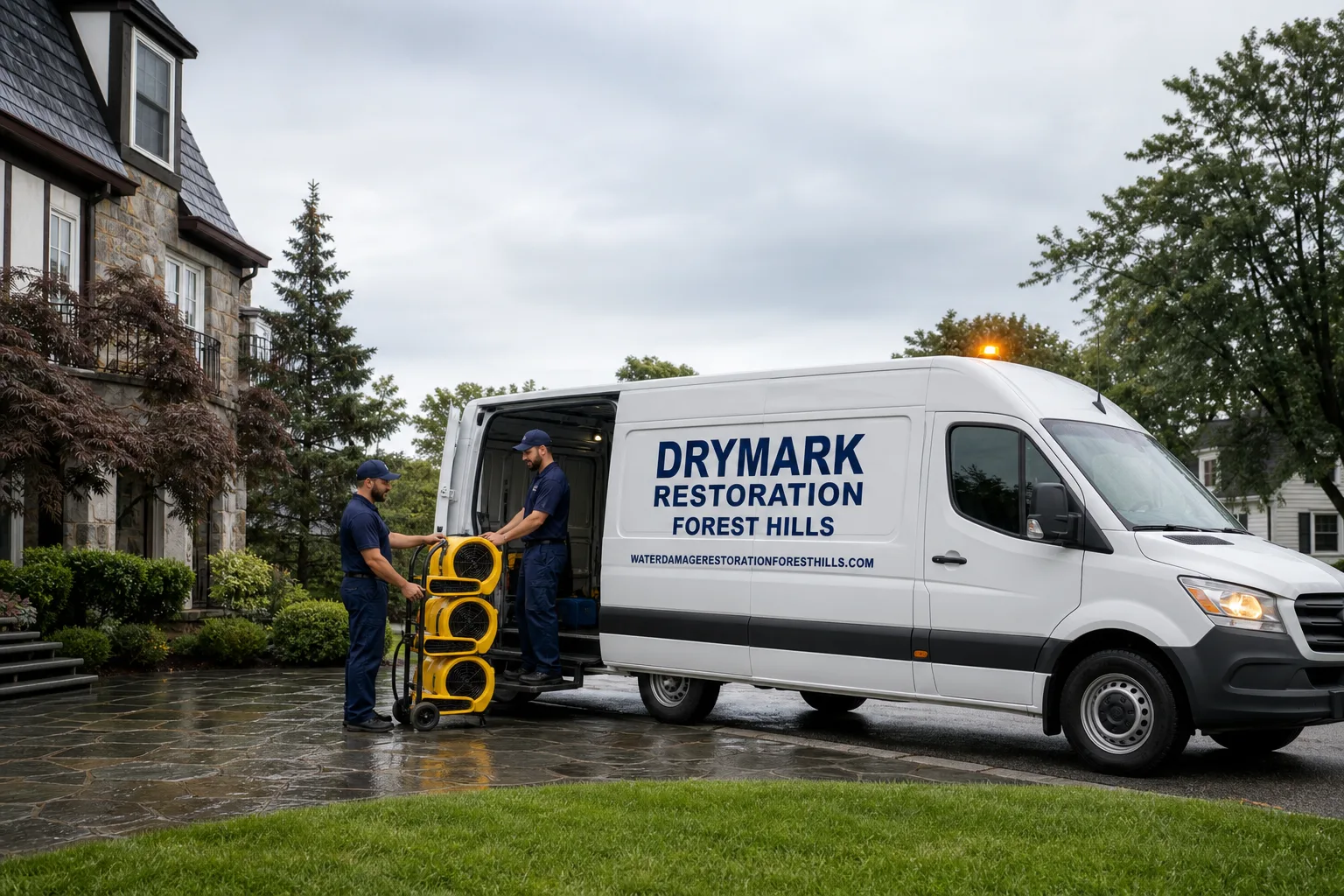
Free visual inspection and a written scope of work before any mitigation begins - photos, moisture readings, and drying logs go in your claim file
The scope we write is the scope we bill. Anything new gets shown to you, in writing, before we touch it.
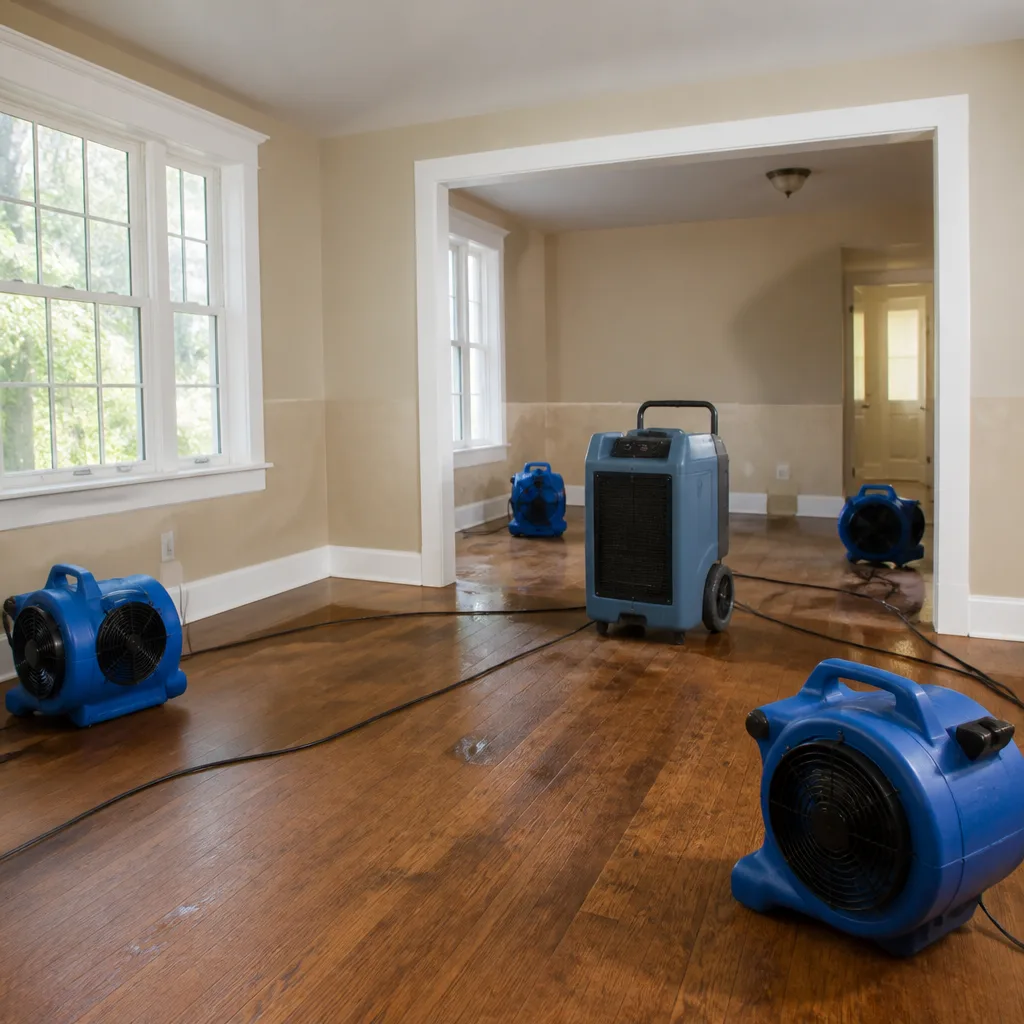
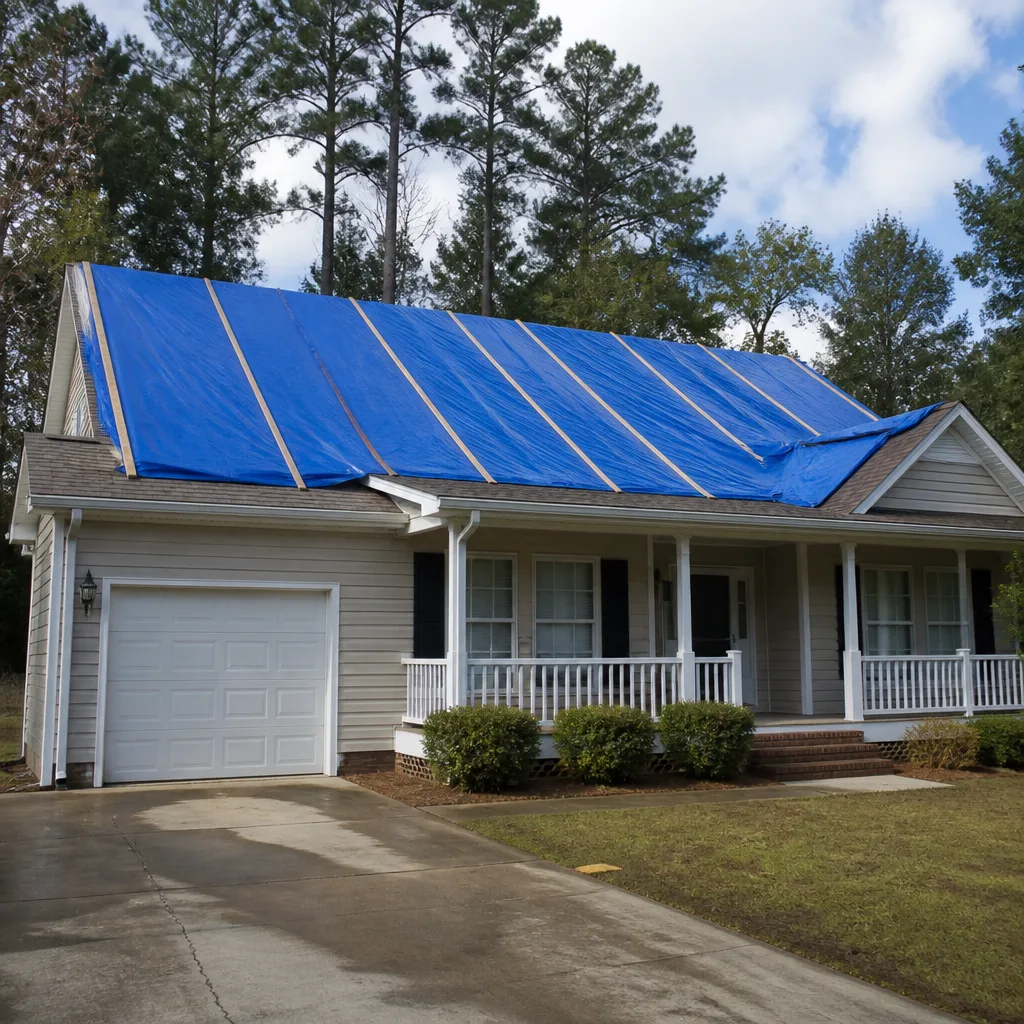
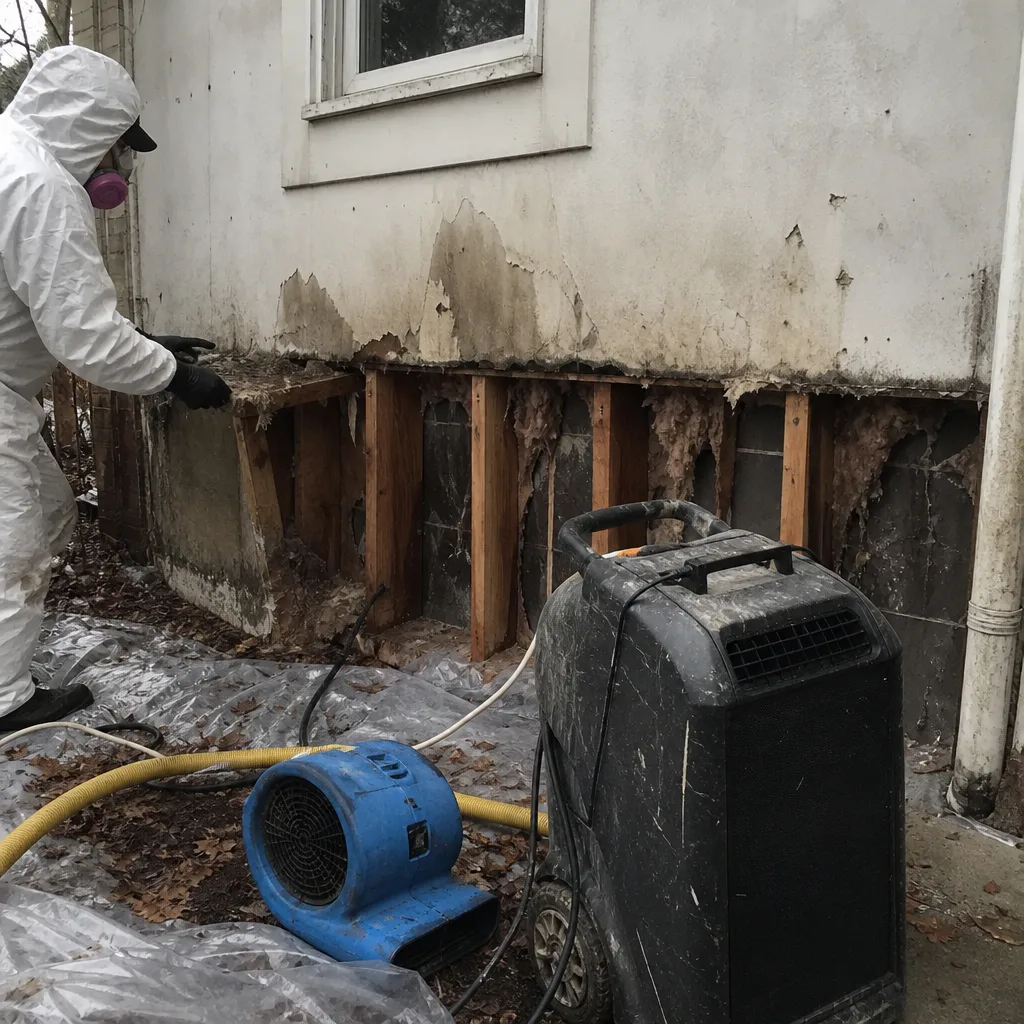 Before
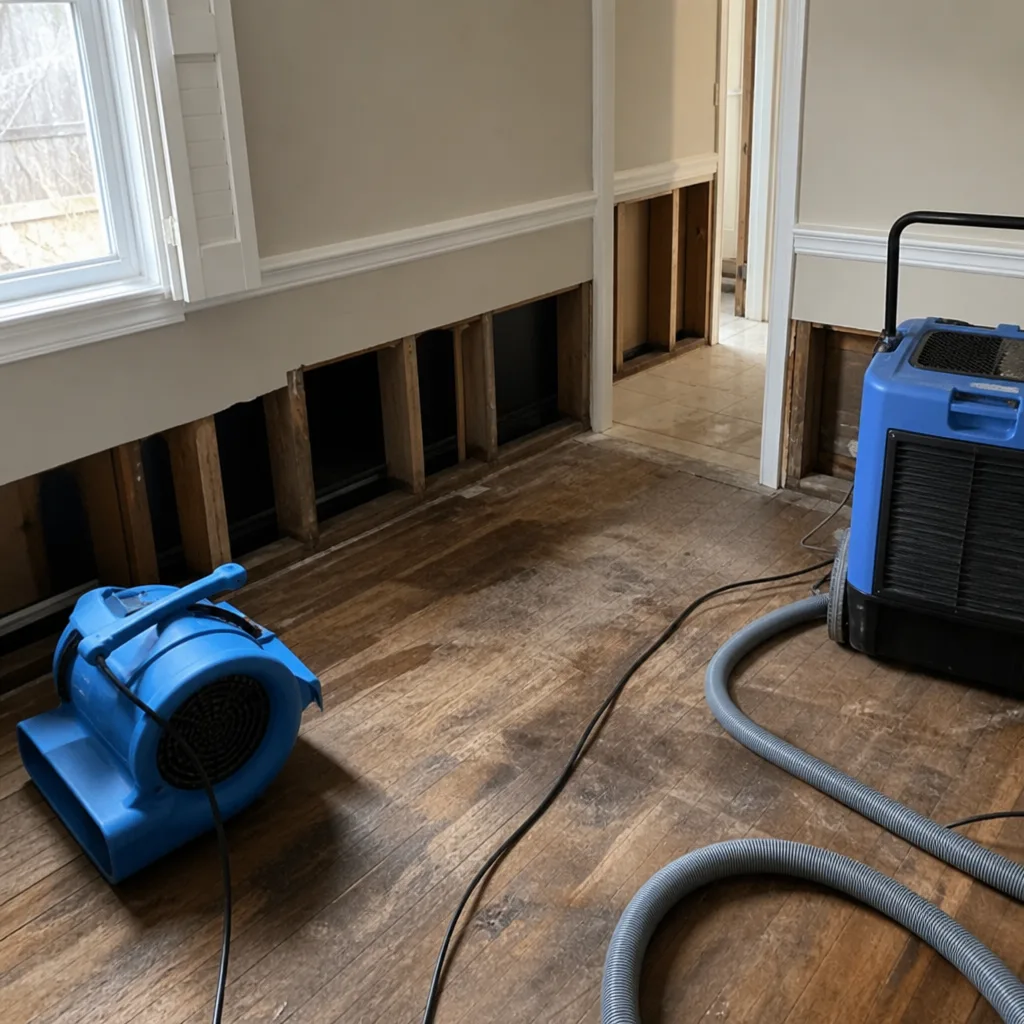 After
After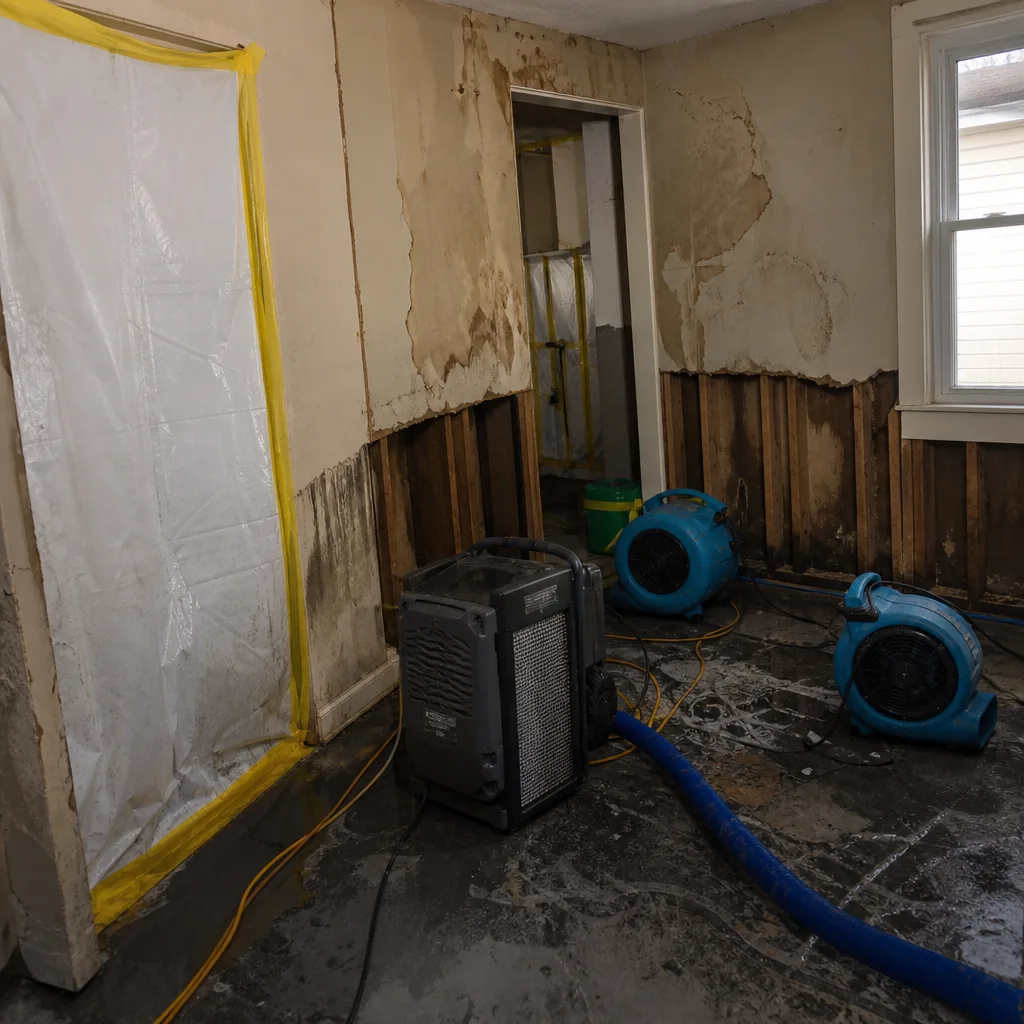 Before
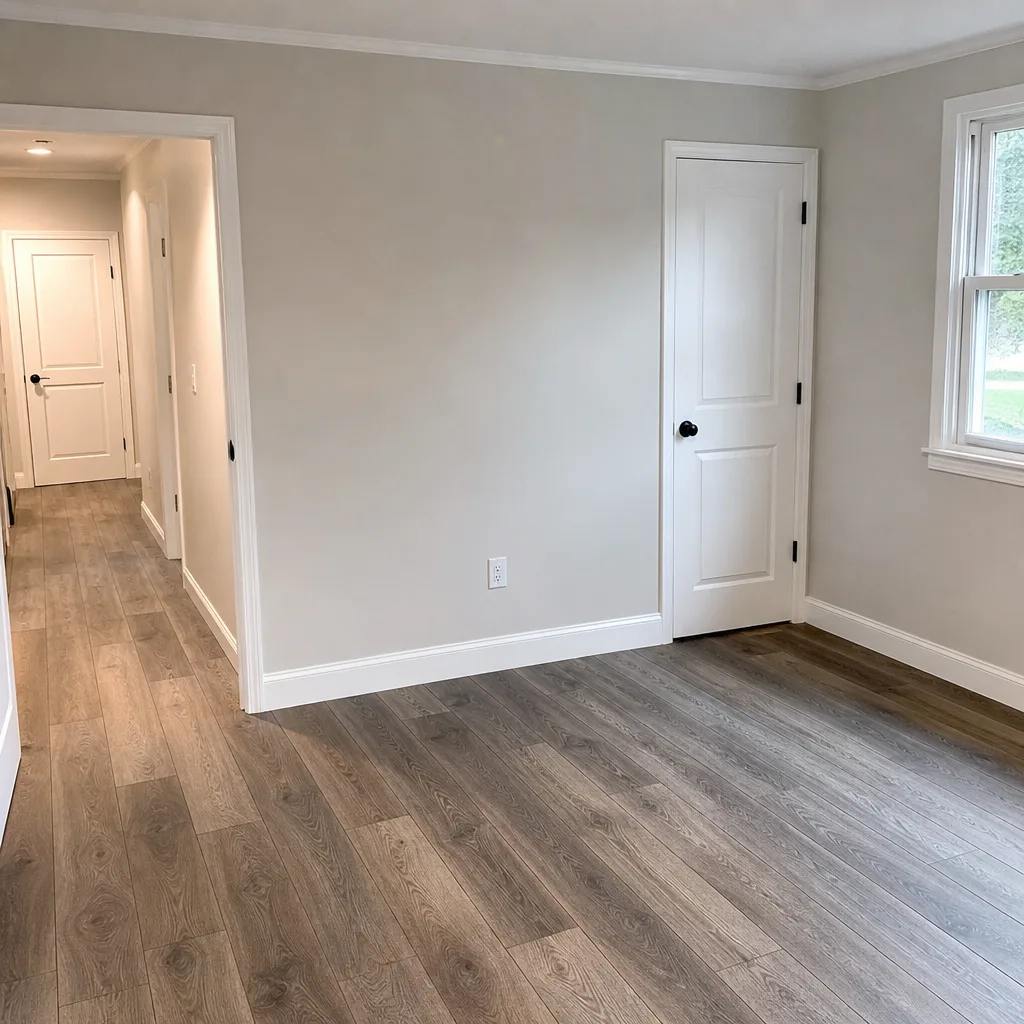 After
After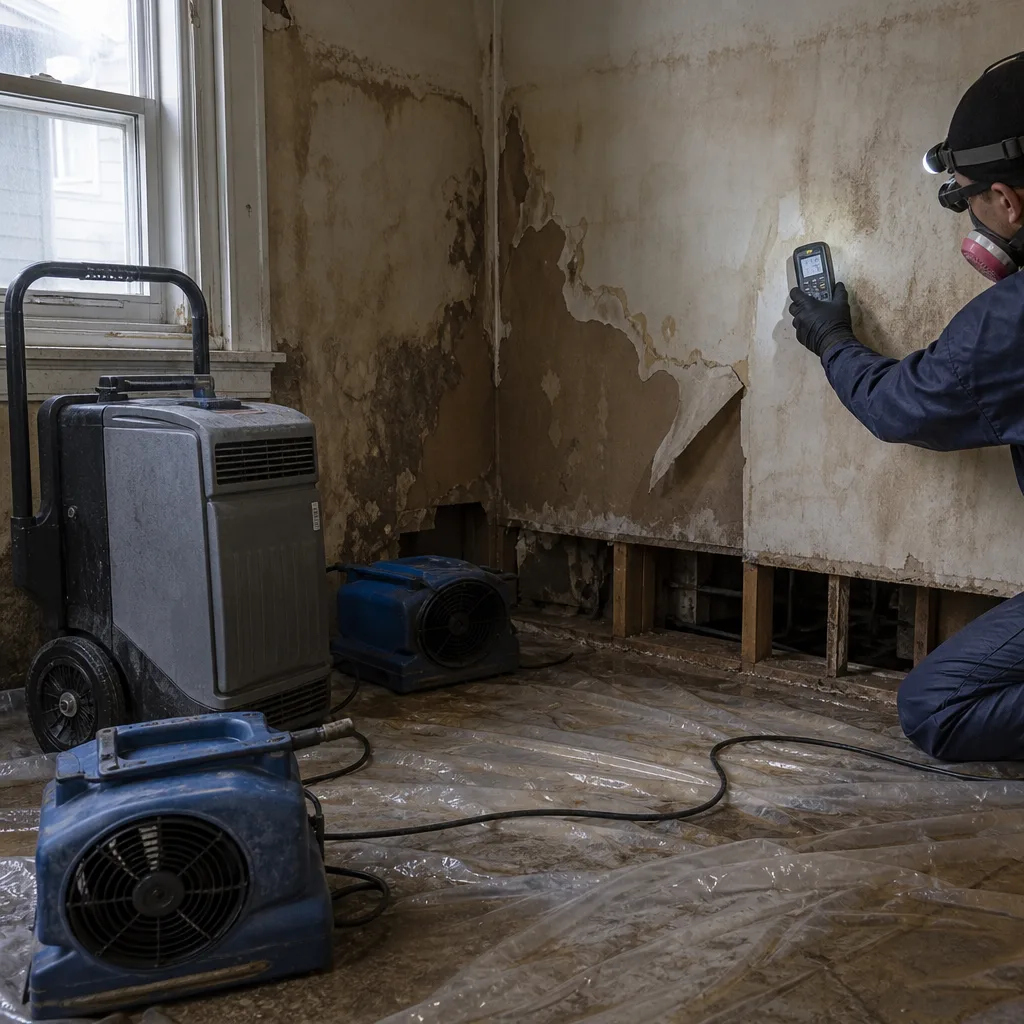 Before
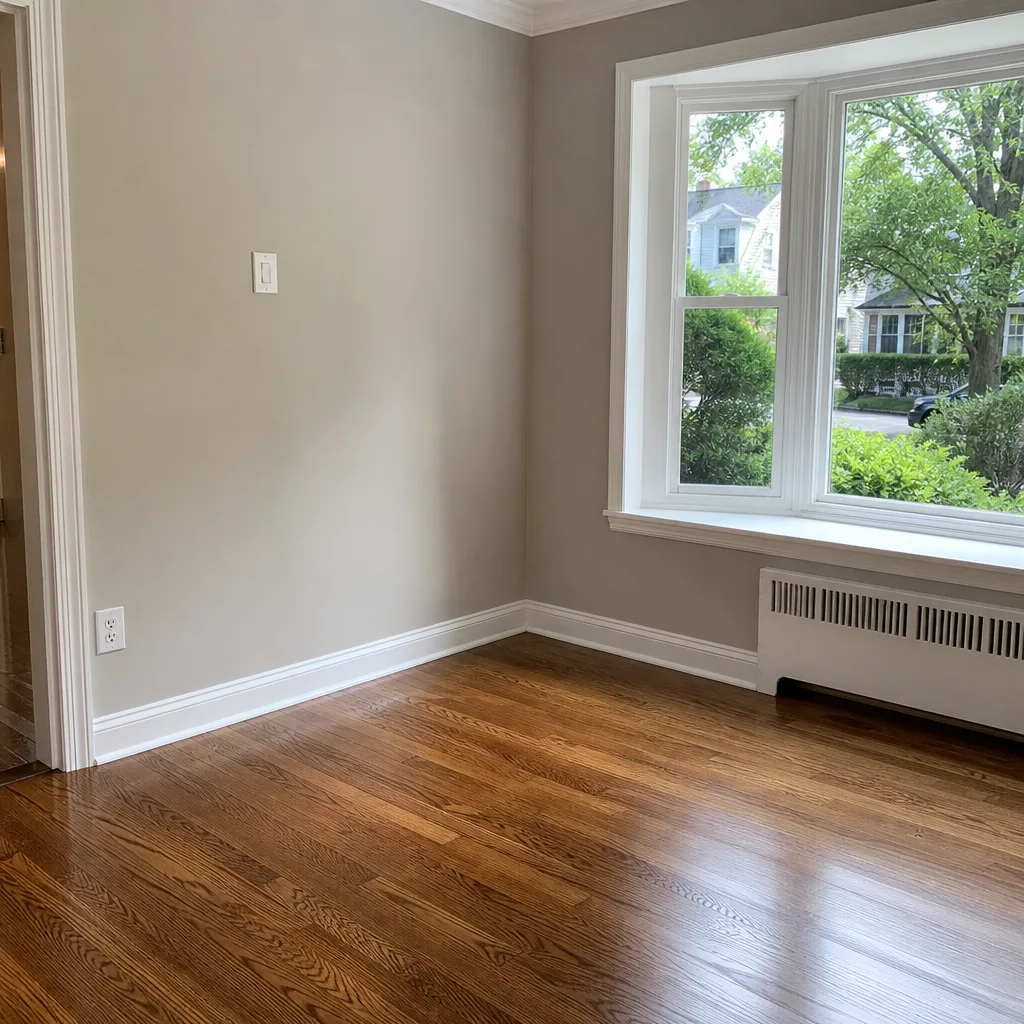 After
AfterFast, Reliable Mold Remediation Across Bushwick
Mold remediation in Bushwick typically runs $1,800-$6,500 depending on affected square footage and whether hidden structural damage is involved, and our crews can usually begin inspection within 2-4 hours of your call. We coordinate dispatch from our New York City office and serve Bushwick directly - no third-party referral networks, no out-of-state call centers. You reach a live person at (516) 687-6900, 24 hours a day, 7 days a week.
We’ve worked enough Bushwick tenements to know the pattern before we arrive. The visible mold on your apartment wall is rarely the whole story. In this neighborhood of 1880s-1920s attached brick rowhouses with shared party walls, the moisture source is often two buildings over - a failing parapet, a cracked cornice, or a shared roof membrane letting in bulk water that migrates laterally through mortar joints and timber framing. That’s why our Mold Remediation protocol starts with moisture mapping, not surface cleaning. We document every reading, every photo, every square foot of affected material - the daily logs that turn restoration invoices into payable insurance claims.
Why DryMark Restoration Forest Hills Is Bushwick’s Preferred Mold Remediation Company
Back to Dry Restoration, led by Alicia Brennan, has restored over 12,000 homes since 2011. Every single job began with a written price before any work started. Haven Standard, Clause 1. No exceptions.
Bushwick customers find us through adjuster referrals and neighbor recommendations in the 11206, 11207, and 11237 ZIP codes. Our three-star reviews get read - and they mention the same things: photo documentation on every visit, moisture readings explained in plain language, and no scope-creep once the crew is inside. One recent job on DeKalb Avenue involved a third-floor railroad apartment where the tenant had already paid another company twice for surface bleach treatments. We traced the moisture to a parapet leak in the adjoining building, contained the affected area, and delivered a written scope with line-item pricing before opening a single wall.
Response time to Bushwick averages 2-4 hours for inspection calls, though complex jobs involving DOB or EPA abatement protocols may require next-day scheduling to secure proper containment and air-scrubbing equipment. We’re familiar with the local landscape: the flat roofs along Broadway, the converted commercial-loft spaces near the Morgan Avenue L train, the 3-story walk-ups on Wyckoff Avenue with their original cast-iron radiators and modified-bitumen roof decks. That local knowledge saves time on every job.
Alicia Brennan built this company after years as a claims adjuster watching homeowners lose legitimate coverage because restoration companies failed to document their work. The Haven Standard exists to close that gap.
Our Mold Remediation Services in Bushwick
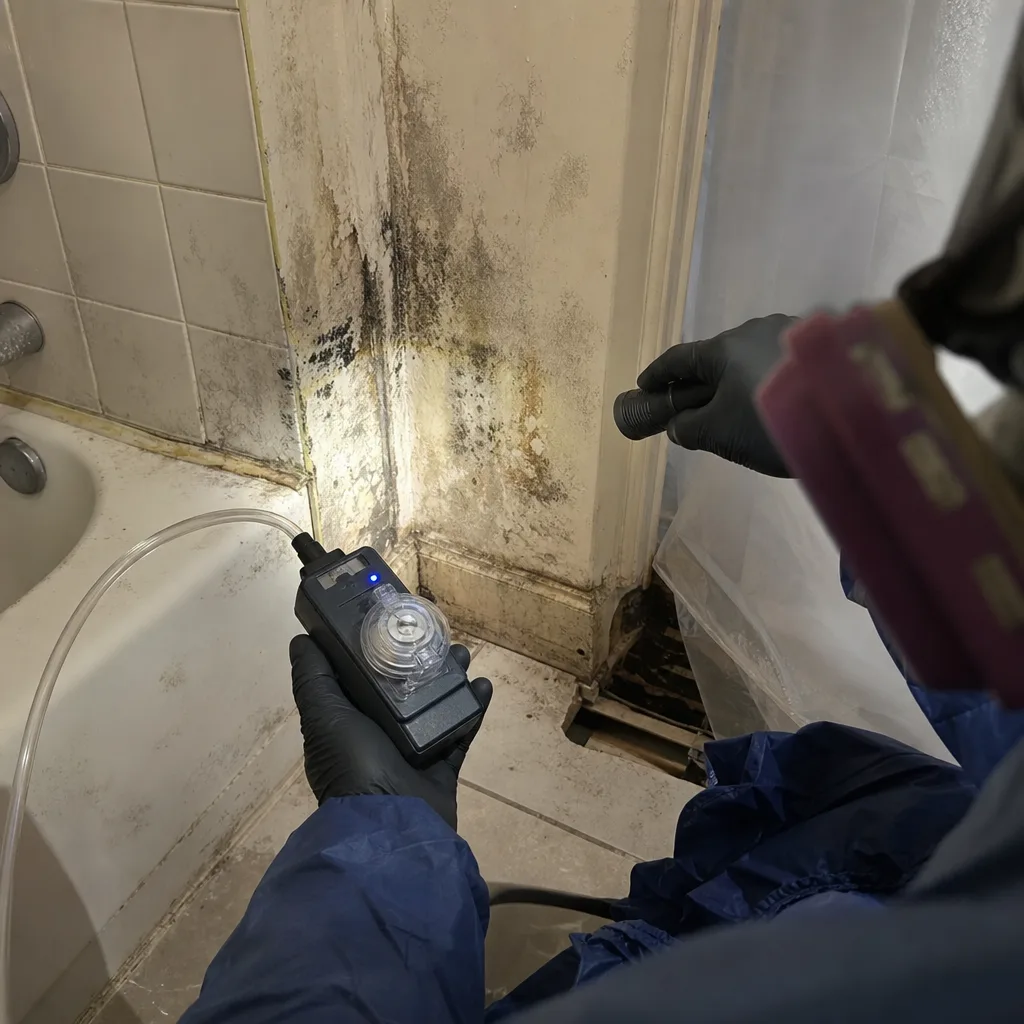
Mold Inspection & Testing
Every Bushwick inspection begins with a written price for the assessment itself - Haven Standard, Clause 1 - and includes moisture mapping with calibrated penetrating and non-penetrating meters, thermal imaging to identify temperature differentials behind finished surfaces, and air sampling when visible colonization exceeds 10 square feet or when occupants report respiratory symptoms. We pay special attention to party-wall construction: in Bushwick’s attached tenements, a moisture reading of 18-20% on an interior plaster wall often signals bulk water intrusion from a neighboring building’s envelope failure, not a plumbing leak inside the unit. We document the source finding with dated photos and a written narrative, because your insurer and your landlord will both ask for it.
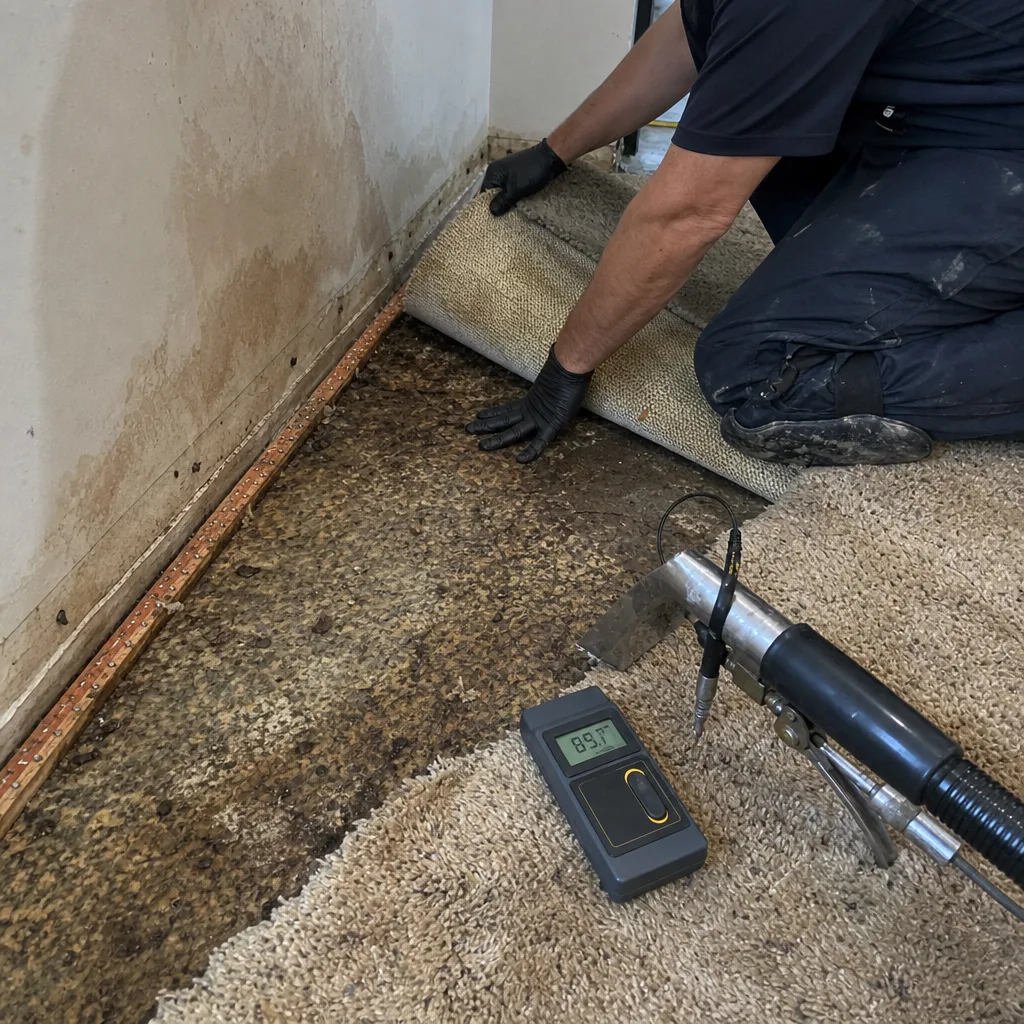
Mold Removal
Removal in Bushwick follows IICRC S520 standards, but with critical local adaptations. Pre-1978 tenement plaster almost always contains lead paint and may contain asbestos in skim coats or joint compound - EPA RRP and NYC DOB abatement protocols apply before any demolition begins. We coordinate certified abatement contractors, schedule containment with negative air pressure, and never rush demolition to “get ahead of the mold.” Crews that skip this step in Bushwick end up re-doing the job under DOB supervision, with stop-work orders and doubled timelines. Our photo record tracks every phase: pre-abatement, post-abatement clearance, structural drying, and final restoration.
Black Mold Remediation
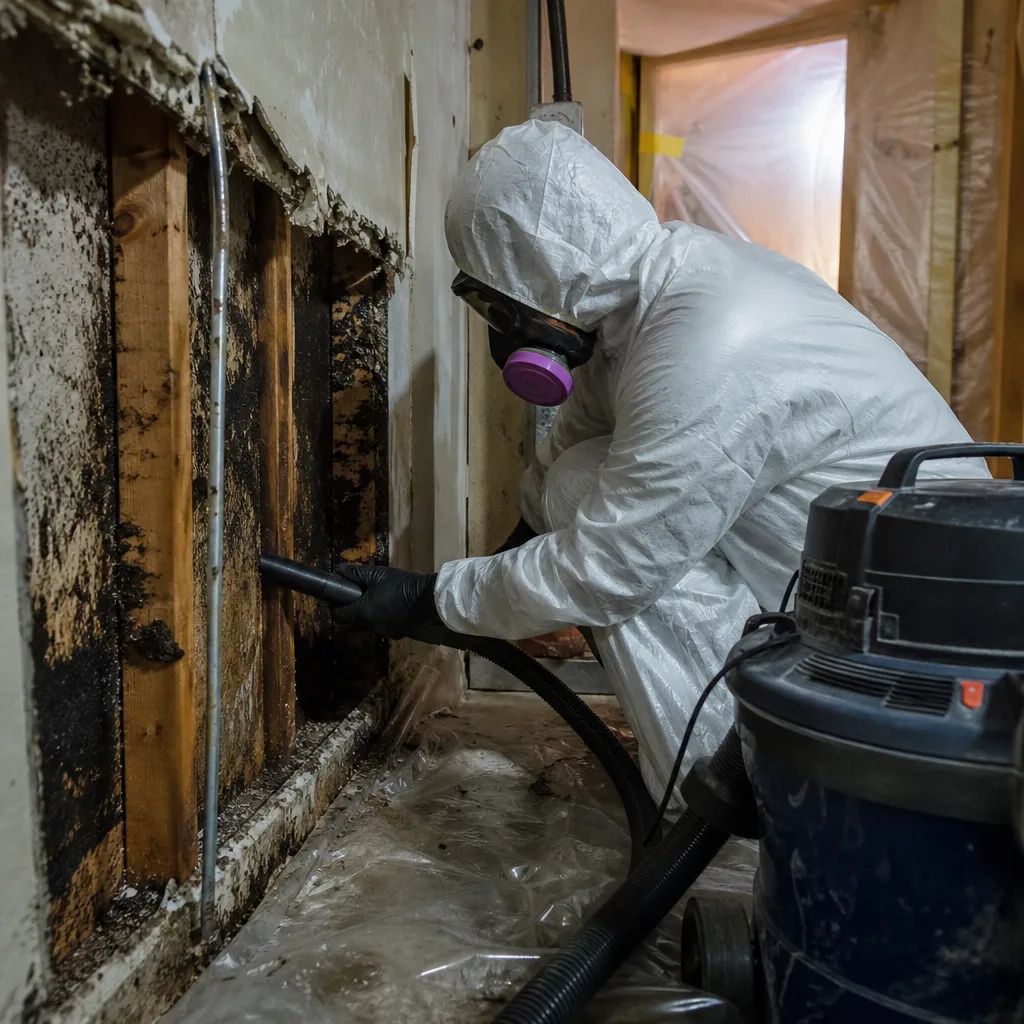
Stachybotrys chartarum and other toxigenic species thrive on cellulose-based materials with sustained moisture content above 16%. In Bushwick, that means water-damaged plaster lath, original horsehair plaster, and the paper facing on drywall installed during 1990s-2000s renovations. Black mold remediation requires HEPA-contained removal, antimicrobial treatment of remaining structural members, and verified drying to below 12% moisture content before any rebuild begins. We use professional-grade air scrubbers from XPOWER and B-Air during active remediation, with particle counts logged at containment boundaries. If we find charred heavy-timber joists from the 1970s-80s fire era behind your new drywall - and we do, regularly - the job pauses for DOB structural assessment. No exceptions. We document the finding, notify your insurer, and revise the written scope before resuming.
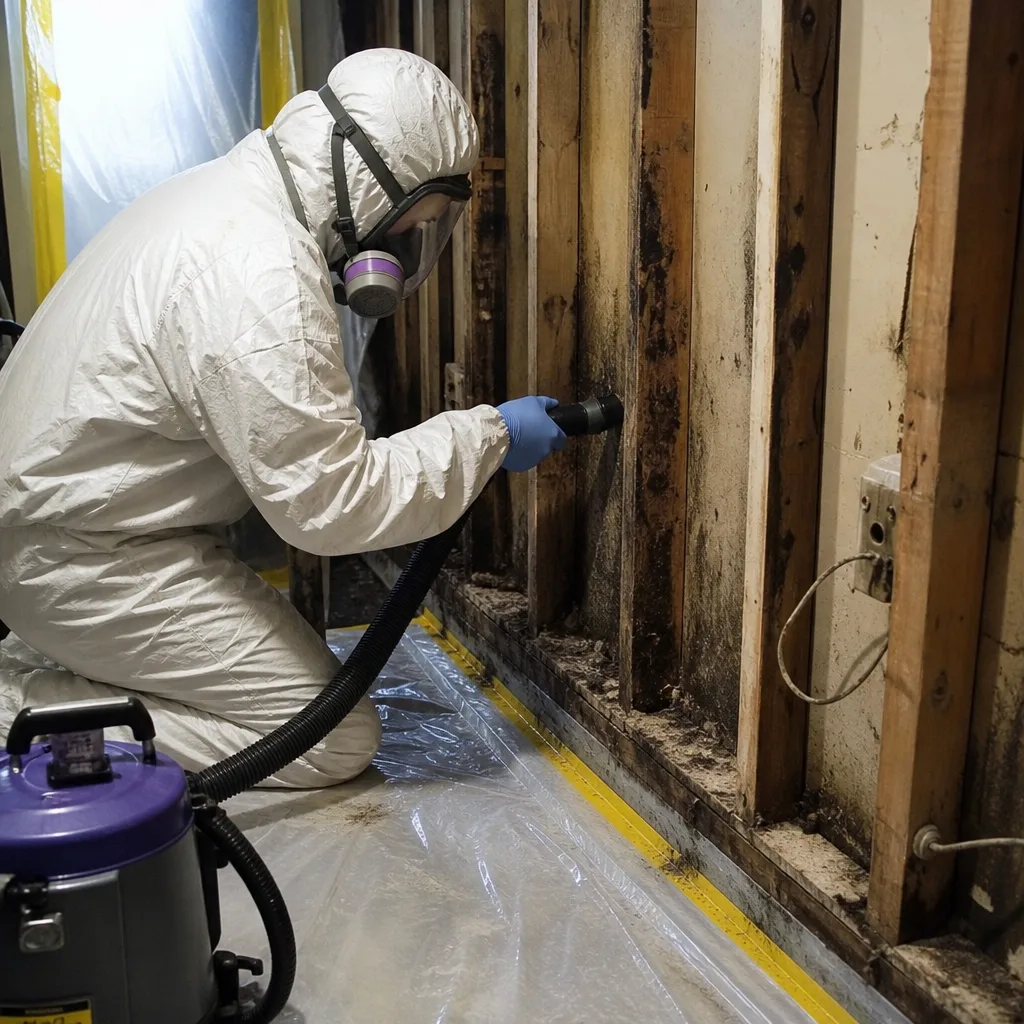
Air Quality Restoration
Post-remediation air quality in Bushwick tenements presents unique challenges. Shared HVAC systems, common hallways without mechanical ventilation, and the thermal bridging of uninsulated brick walls all affect how we establish clearance criteria. We collect air samples from the affected zone, adjacent units when party walls were opened, and outdoor baseline locations, then compare to industry standards and NYC Department of Health guidance. Our documentation package includes lab results, chain-of-custody records, and a written clearance statement - the evidence your property manager or co-op board needs to close the file.
Moisture & Humidity Control
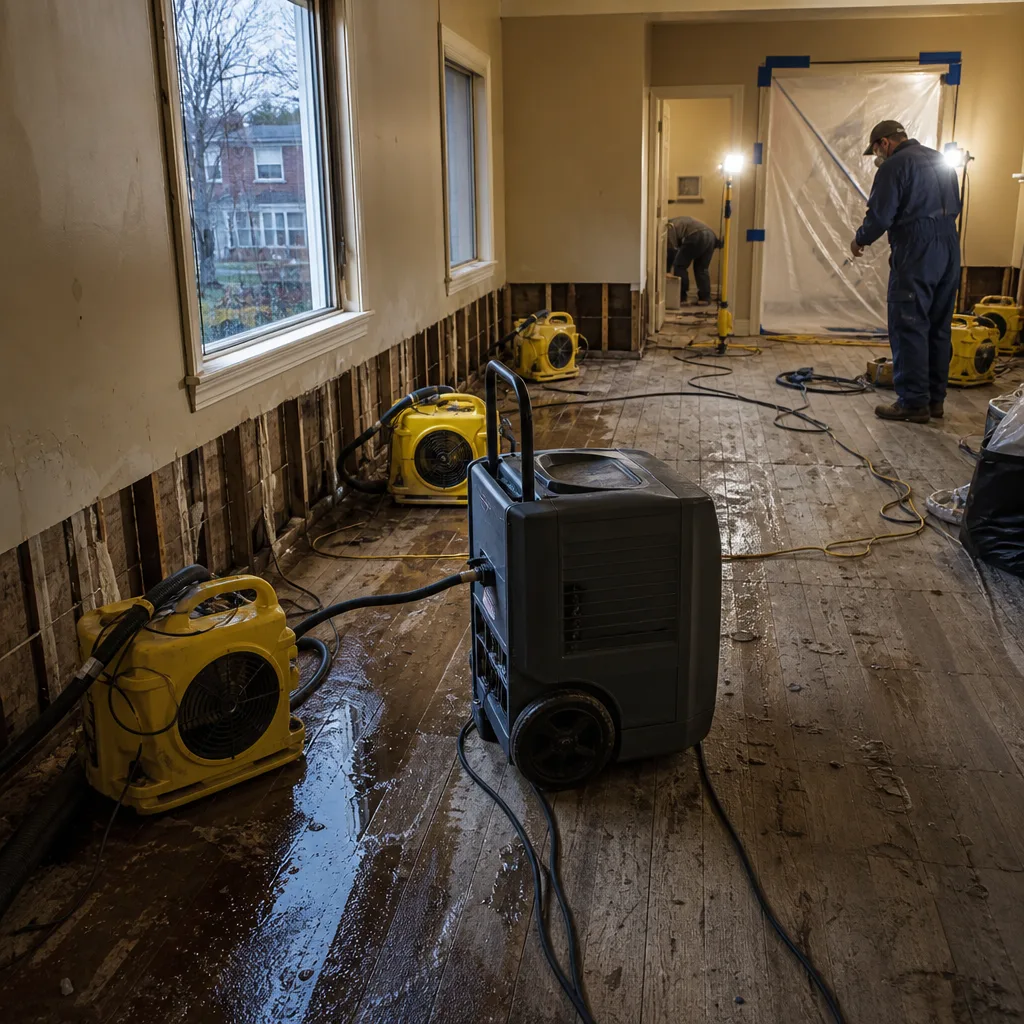
Long-term mold prevention in Bushwick requires controlling vapor pressure differentials across century-old building envelopes. We install commercial dehumidification where appropriate, but we also identify the source: failed roof membranes, spalled brick at parapets, missing or damaged through-wall flashing, and the thermal breaks that cause condensation on interior plaster during NYC’s freeze-thaw cycles. Our drying logs track grain depression and specific humidity daily, using Injectidry systems for hardwood floor rescue and cavity drying where demolition would destroy original materials. The goal is documented equilibrium, not just dry to the touch.
What happens when you call
- 1
A real person answersNo phone trees - you reach a local pro.
- 2
You get an upfront price rangeHonest numbers before anyone is dispatched.
- 3
A background-checked tech heads outLicensed & insured, dispatched right away.
- 4
You approve before work beginsNothing starts until you say go.
BeforeAfterTrusted Brands We Service in Bushwick
Our equipment inventory includes professional-grade drying and air-scrubbing systems from Dri-Eaz, Phoenix, XPOWER, B-Air, and Injectidry - all documented to IICRC, RIA, and IFA standards. For Bushwick customers, this means we stock HEPA filters, antimicrobial treatments, and containment materials locally, with no waiting for warehouse shipments from out of state. When a nor’easter saturates multiple top-floor units along Troutman Street or Starr Street, we can deploy multiple dehumidification rigs and air-scrubbing arrays same-day. Every machine’s runtime and performance data feeds into your daily drying log, which becomes part of your insurance documentation package.
Common Mold Remediation Problems We See in Bushwick Homes
- Party-wall lateral moisture migration. A mold colony on your apartment’s interior wall often traces to bulk water entering two buildings over, through a failed parapet or shared roof membrane. Treating only the visible mold guarantees recurrence within weeks. We map the full moisture gradient before quoting any work.
- Hidden fire-era structural damage behind gut-renovation drywall. Bushwick’s 1970s-80s arson crisis left charred heavy-timber joists throughout the housing stock, many simply painted over and drywalled without structural remediation. Opening a wall for mold removal can escalate a routine job into a DOB-supervised structural assessment. We build this possibility into every written scope.
- Pre-1978 lead paint and asbestos triggering abatement delays. Rushing mold demolition in old tenement plaster without proper containment and clearance testing violates EPA and NYC DOB protocols. Crews that skip steps face stop-work orders and homeowner liability. We coordinate certified abatement before any demolition begins.
- Flat roof ponding after summer storms and nor’easters. Bushwick’s modified-bitumen and built-up roofs pond water when drains clog or membranes age. Slow leaks saturate interior framing for weeks before visible staining appears, by which time mold colonization is established behind baseboards and under flooring. Our thermal imaging catches these patterns early.
Pricing for Mold Remediation in Bushwick, NY
Here’s what mold remediation costs in Bushwick’s market, based on jobs we’ve completed in the 11206, 11207, and 11237 ZIP codes:
| Service | Typical Range |
|---|---|
| Mold inspection & moisture mapping | $350-$650 |
| Contained mold removal (under 25 sq ft, single room) | $1,800-$3,200 |
| Multi-room remediation with air scrubbing | $3,500-$6,500 |
| Black mold remediation with HEPA containment | $4,200-$8,000 |
| EPA/NYC DOB lead/asbestos abatement coordination | $1,500-$4,500 (added to remediation) |
| Structural drying with daily moisture logs | $85-$150 per day, equipment only |
| Post-remediation air quality clearance testing | $450-$750 |
What moves a Bushwick job toward the higher end: party-wall construction requiring multi-unit coordination, discovery of charred fire-era framing needing DOB assessment, pre-1978 abatement protocols, and jobs where previous contractors attempted surface treatment without source mitigation. What keeps costs controlled: early detection through moisture mapping, intact modern framing without hidden damage, and single-room containment without lateral migration.
Every price is delivered in writing before work begins - Haven Standard, Clause 1. We also offer a Free Second Opinion on any competitor’s written estimate. Bring their scope and we’ll review it at no charge. Call (516) 687-6900 for your written estimate.
We Also Serve Cities Near Bushwick
Our crews work throughout Brooklyn and Queens, with regular jobs in Bushwick and neighboring Forest Hills, Middle Village, Elmhurst, and Ozone Park. Dispatch and scheduling are coordinated from our New York City office. Whether you’re in a Bushwick tenement or a Queens rowhouse, the same documentation standards apply: written price first, photo record on every visit, daily drying logs, and the 365-Day Done Right Promise backed by The Haven Standard.
Serving Bushwick, NY - Our Local Coverage Area
We’re based in the Bushwick area and know this community well. Use the map below to see our service coverage - if you’re nearby, we can almost certainly help.
FAQs - Mold Remediation in Bushwick
Because the moisture source is almost never inside your unit. Bushwick’s attached brick tenements share party walls with neighboring buildings, and bulk water from a failing parapet, cracked cornice, or shared roof membrane migrates laterally through mortar joints and timber framing. Surface bleach or vinegar treatments kill visible mold but leave the moisture source active. We trace the full moisture gradient with thermal imaging and penetrating meters, document the source building, and coordinate with property owners or insurers before any remediation begins. Call (516) 687-6900 for moisture mapping with a written price upfront.
Under typical NYC summer conditions - 70%+ relative humidity, temperatures in the 70s-80s - mold colonization can establish within 48-72 hours of sustained moisture intrusion. Bushwick’s flat roofs and modified-bitumen membranes often leak slowly, saturating interior plaster and lath for days or weeks before visible staining appears. By the time a tenant notices discoloration, the colony is usually well-established behind the finish surface. That’s why we prioritize rapid moisture mapping after any reported leak, even without visible mold. Our crews can typically inspect within 2-4 hours of your call.
It can, when hidden conditions escalate the scope. Pre-1978 tenements require EPA RRP and possible asbestos abatement before demolition. Charred heavy-timber joists from the 1970s-80s fire era, found behind gut-renovation drywall, trigger DOB structural assessments that pause work for days or weeks. Party-wall construction may require multi-unit containment and coordination with adjacent building owners. These are real, documented factors we build into our written scopes - not surprises added after work starts. A straightforward single-room job in modern framing costs the same in Bushwick as elsewhere. The difference is contingency planning for conditions we know this neighborhood’s housing stock contains.
Stop work immediately and demand photo documentation of the finding. In Bushwick, “gut-renovated” often means new drywall over original conditions that were never properly remediated - including charred structural members from the fire era, active mold colonization, or compromised framing. Your contractor should notify you in writing, document with dated photos, and revise the scope before proceeding. If they suggest “treating it from this side” without full assessment, get a second opinion. We provide Free Second Opinions on any competitor’s written estimate, and we’ll review their documentation against IICRC S520 standards at no charge.
We use controlled dehumidification with low-grain refrigerant or desiccant systems, combined with targeted air movement, to reduce vapor pressure slowly rather than forcing rapid evaporation that would crack or delaminate old plaster. Injectidry systems allow cavity drying through small injection ports rather than removing finish surfaces. Daily moisture logs track specific humidity and grain depression until equilibrium is reached - typically 12% or below on plaster, verified with calibrated meters. When plaster is already compromised by long-term saturation, we document the damage with photos, include replacement in the written scope, and coordinate with your insurer. The goal is preserving original materials where possible, replacing only what’s actually damaged, and proving every decision with data.
Written by Alicia Brennan, Owner at Back to Dry Restoration, serving Bushwick since 2011 under The Haven Standard.