
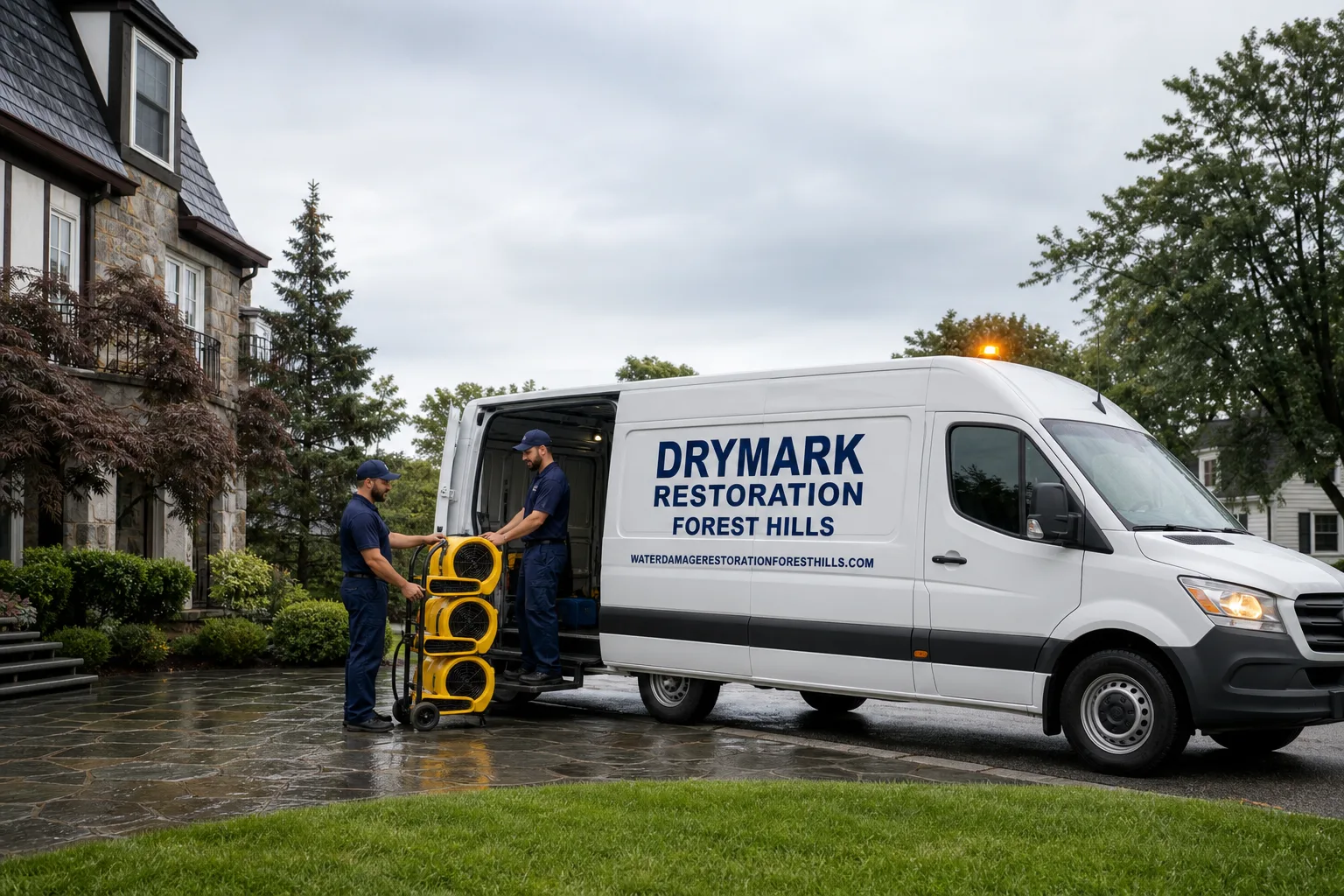
Free visual inspection and a written scope of work before any mitigation begins - photos, moisture readings, and drying logs go in your claim file
The scope we write is the scope we bill. Anything new gets shown to you, in writing, before we touch it.
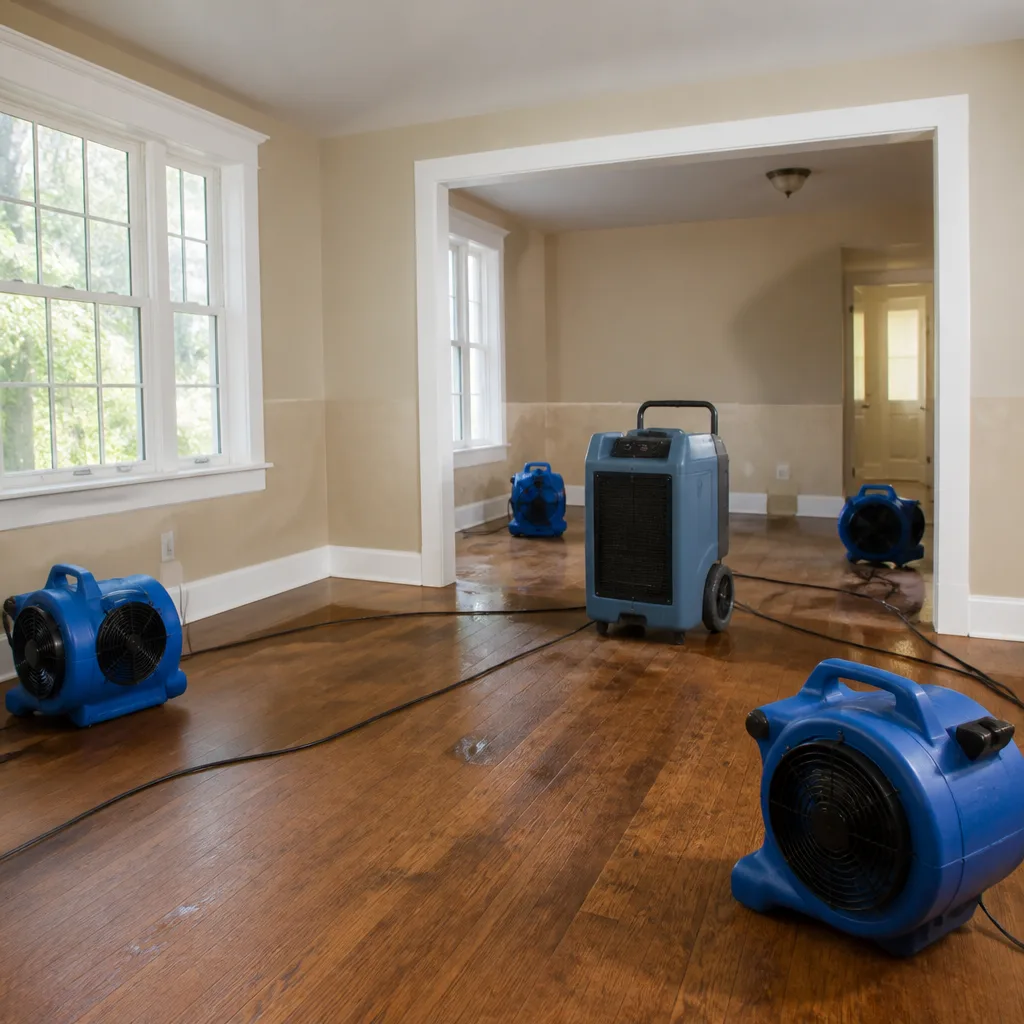
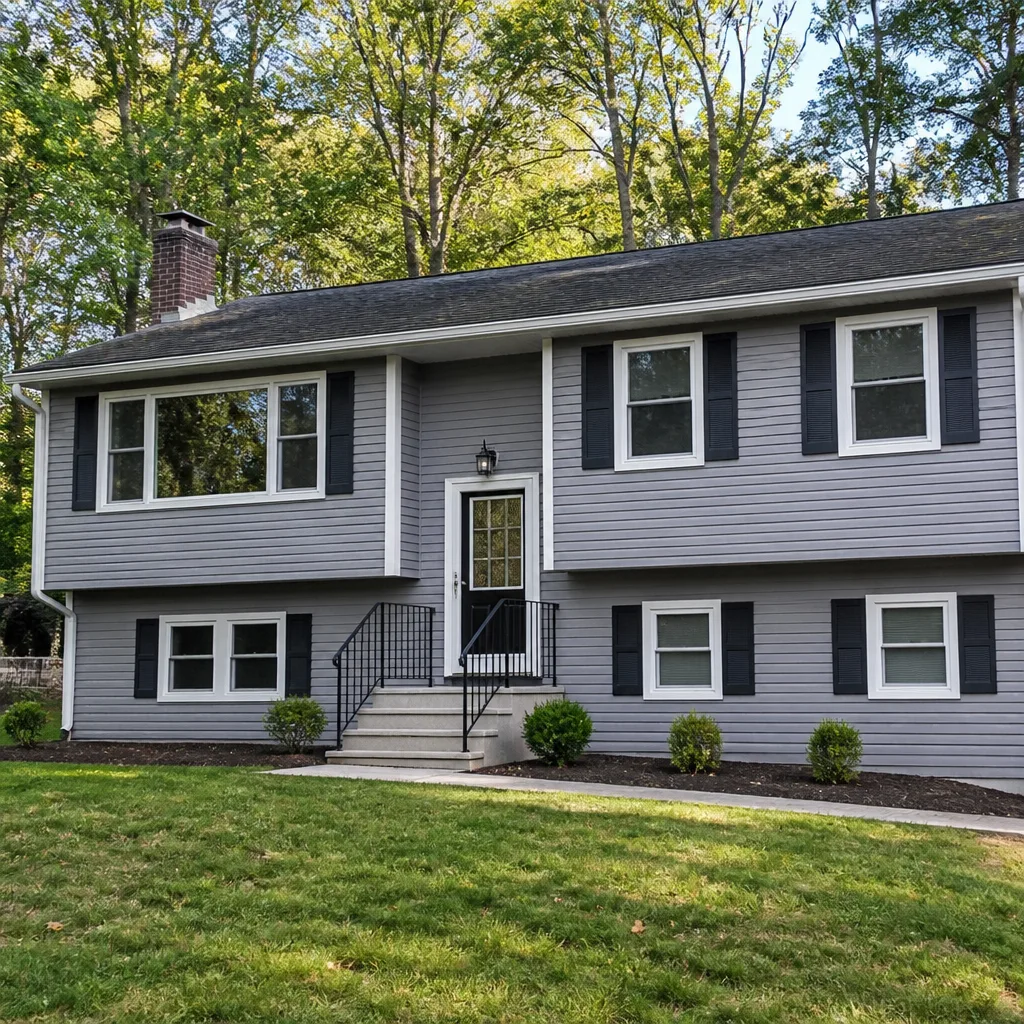
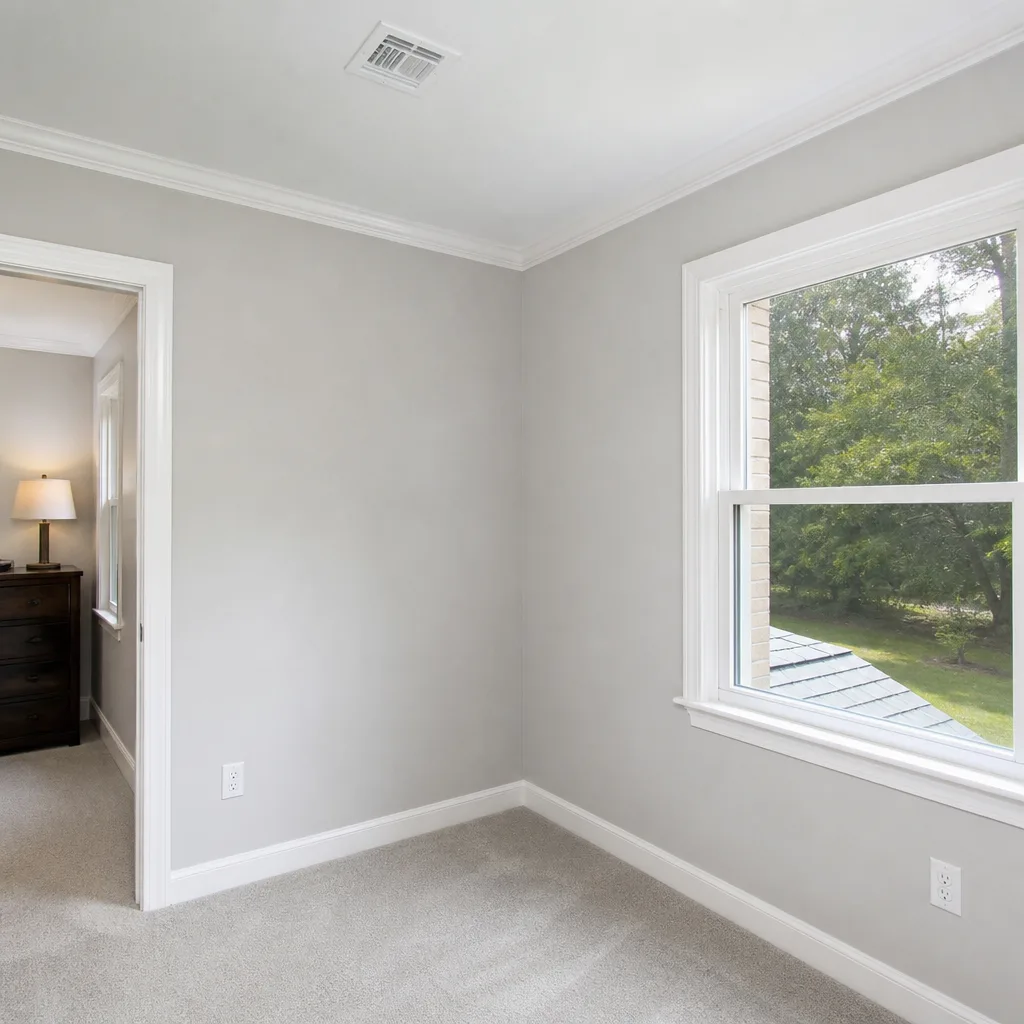
 Before
 After
After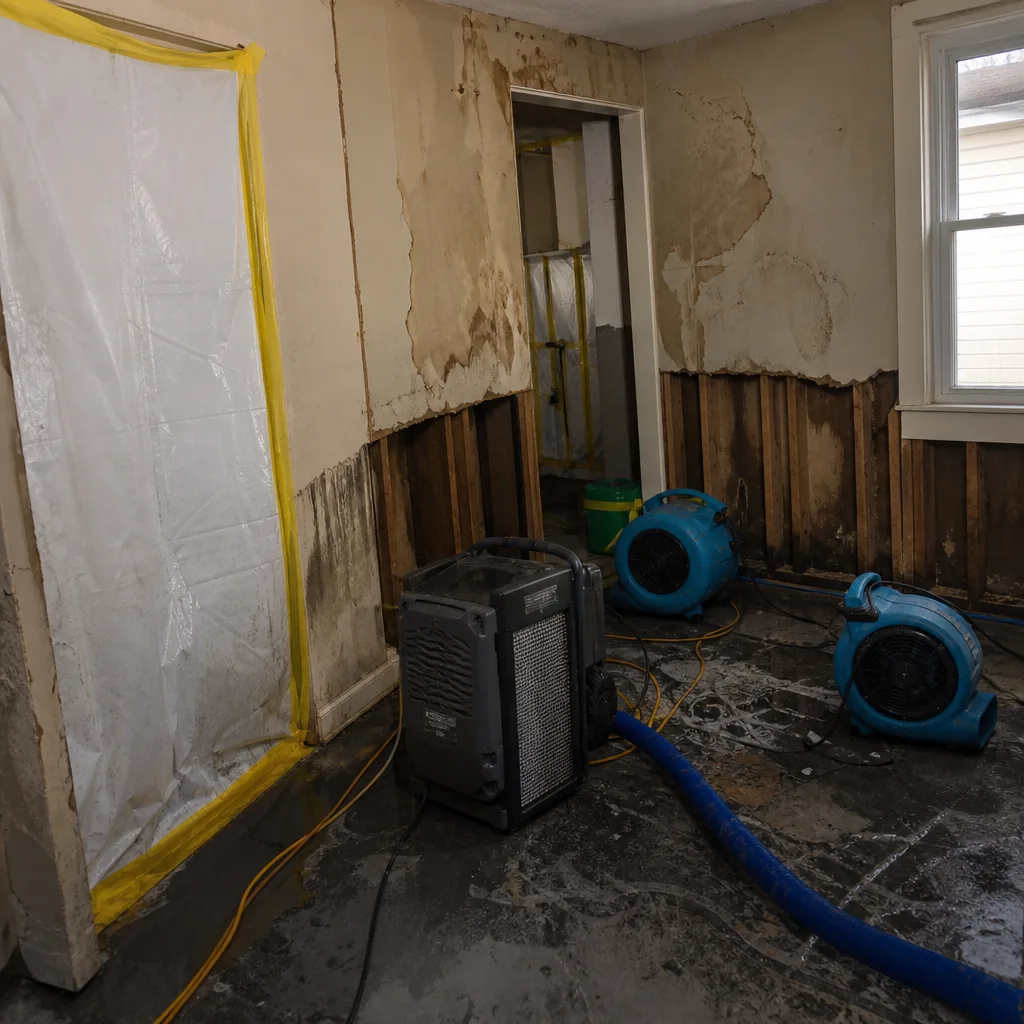 Before
 After
After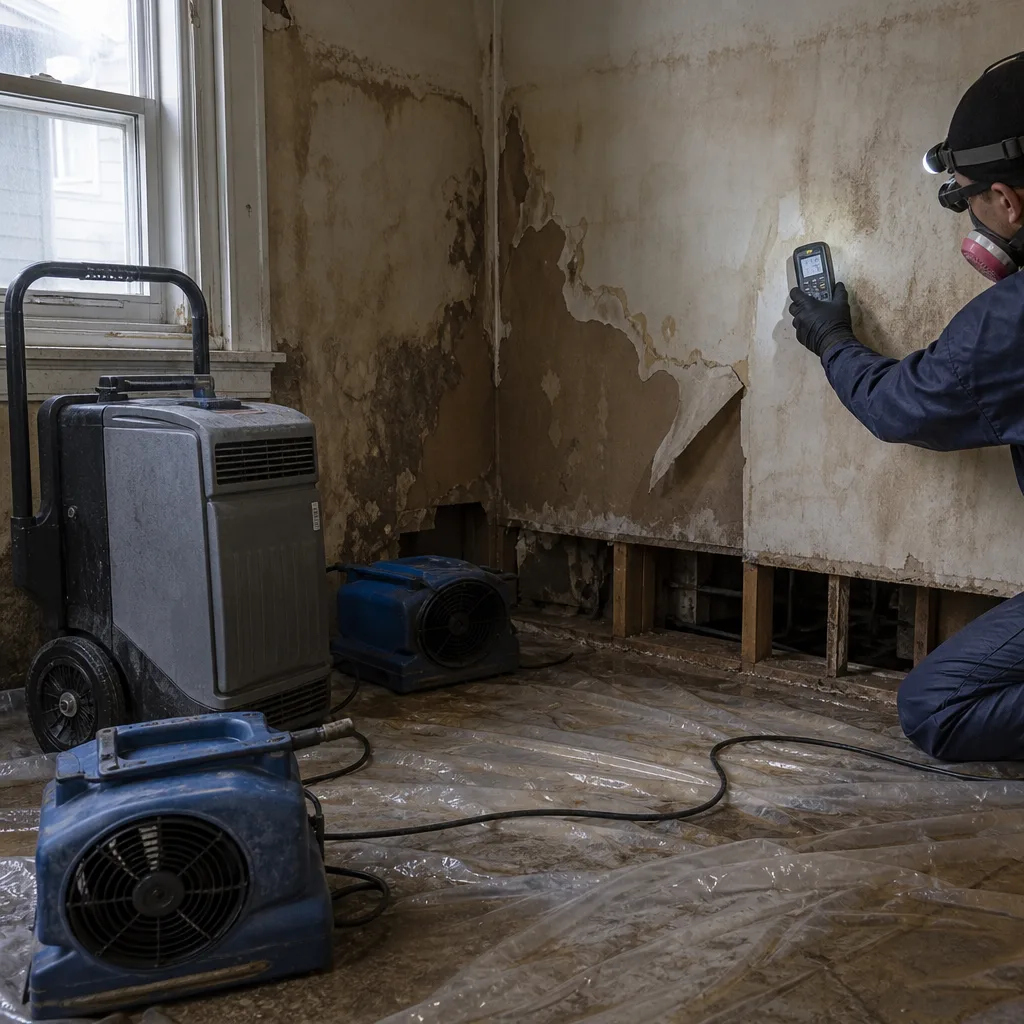 Before
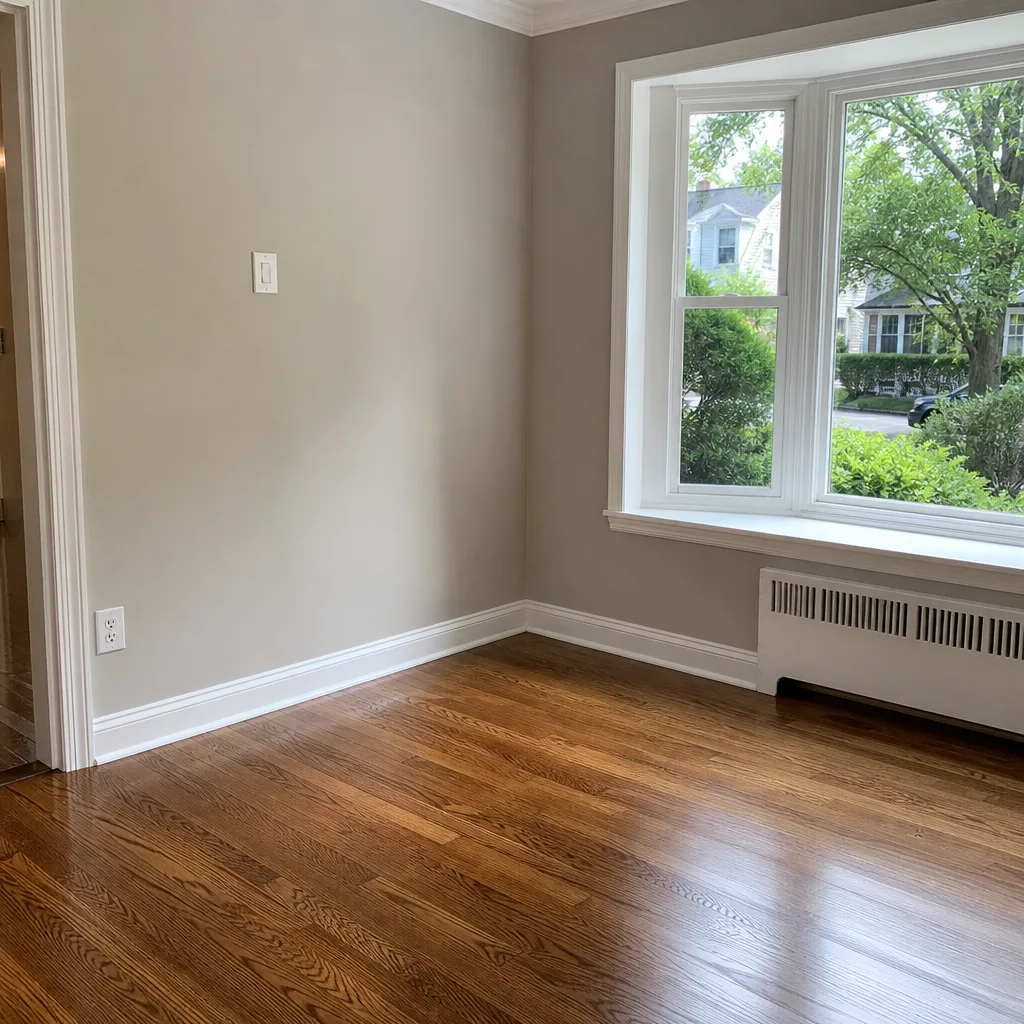 After
AfterFast, Reliable Fire & Smoke Damage Restoration Across Bayside
Fire damage restoration in Bayside typically costs $4,200-$18,500 depending on the extent of structural damage, smoke penetration, and whether water from suppression has saturated original plaster walls. Most emergency board-ups in Bayside are completed within 90 minutes of call receipt, with full damage assessment and written scope delivered before any restoration work begins. Call (516) 687-6900 - a live person answers every time, 24 hours a day, 7 days a week.
We’ve restored fire-damaged homes from the waterfront blocks near Little Neck Bay up to the Bell Boulevard corridor and across to the Cross Island Parkway. Our crews are dispatched from our New York City office and carry the documentation tools, moisture meters, and IICRC-certified protocols that Bayside’s older housing stock demands. This isn’t generic restoration work. Bayside’s 1920s-1940s Tudor Revival and Colonial homes were built with horsehair plaster-over-lath walls, cast-iron supply lines, and old-growth framing - materials that behave completely differently in a fire loss than the drywall and PVC plumbing found in post-1980 construction.
Why DryMark Restoration Forest Hills Is Bayside’s Preferred Fire & Smoke Damage Restoration Company
Back to Dry Restoration, led by Alicia Brennan, has operated under The Haven Standard since 2011. That’s 12,000+ homes restored, every one with a written price before work started and a documented photo record when the crew left. In Bayside specifically, we’ve handled losses from electrical fires in Bell Boulevard apartment buildings to kitchen fires in detached Tudors near the bay, and our documentation-first approach has turned disputed claims into paid invoices for homeowners who were initially told their coverage wouldn’t apply.
Our response time to Bayside averages 85 minutes from call to on-scene arrival for emergency board-up and tarping. We know which streets flood during nor’easter surge events, which blocks lost power for days after Hurricane Sandy, and which homes in the 11360 and 11361 ZIP codes sit on slabs versus full basements - details that matter when we’re deciding where to stage drying equipment or whether a home needs secondary containment for odor migration.
Our Bayside customers find us through adjuster referrals, neighbor recommendations, and our Free Second Opinion service on competitor estimates. We’ve reviewed $340,000 in competitor scopes for Bayside homeowners in the past three years alone, identifying undocumented line items, missed moisture damage, and smoke-odor treatments that would have failed within weeks. Haven Standard, Clause 1: a written price before any work starts, every time, with no exceptions.
Our Fire & Smoke Damage Restoration Services in Bayside
Fire Damage Cleanup
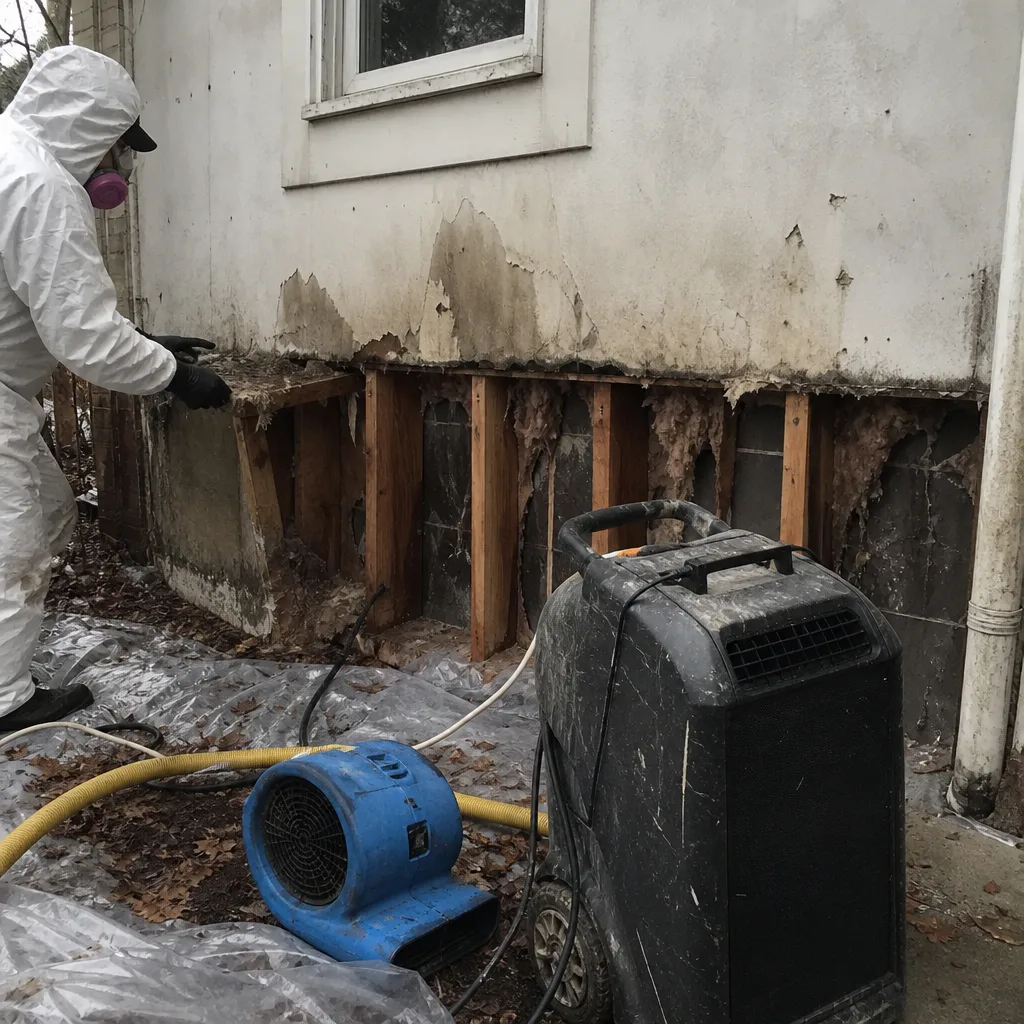
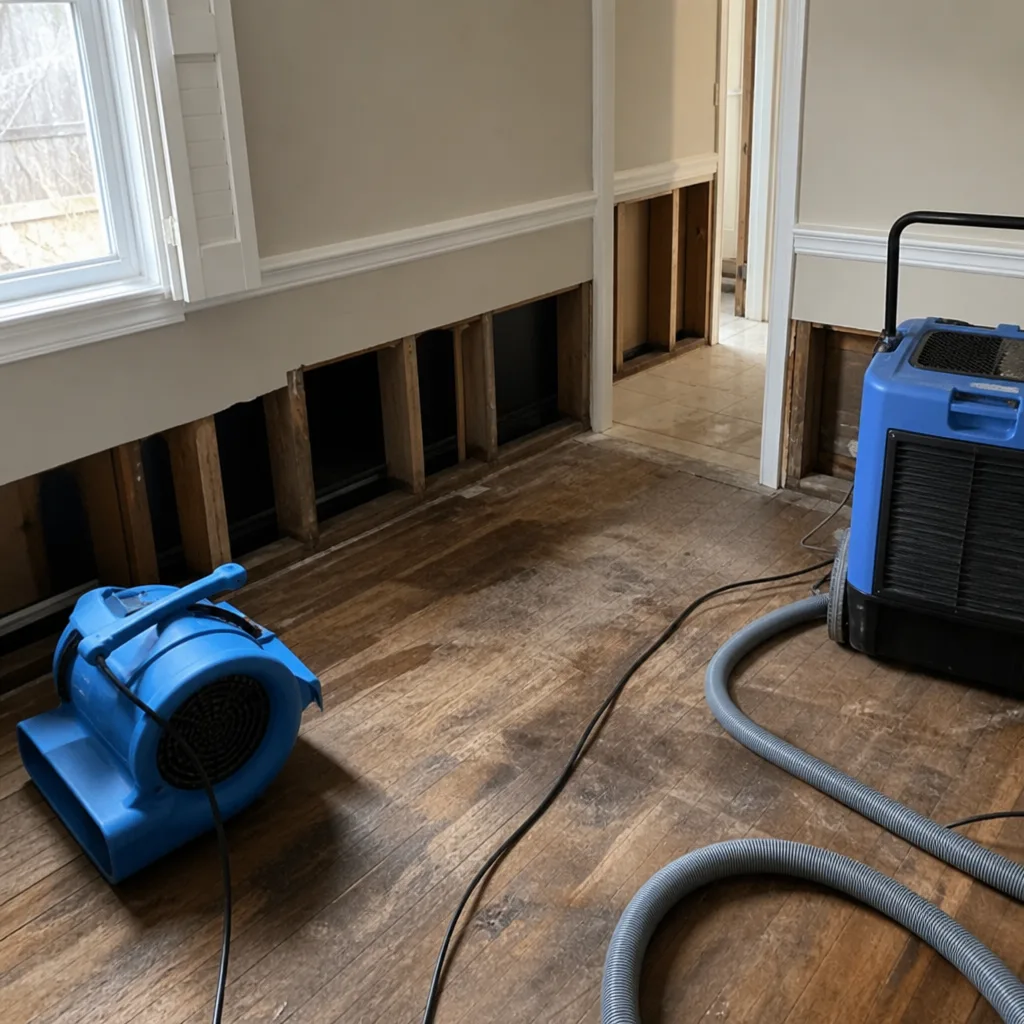
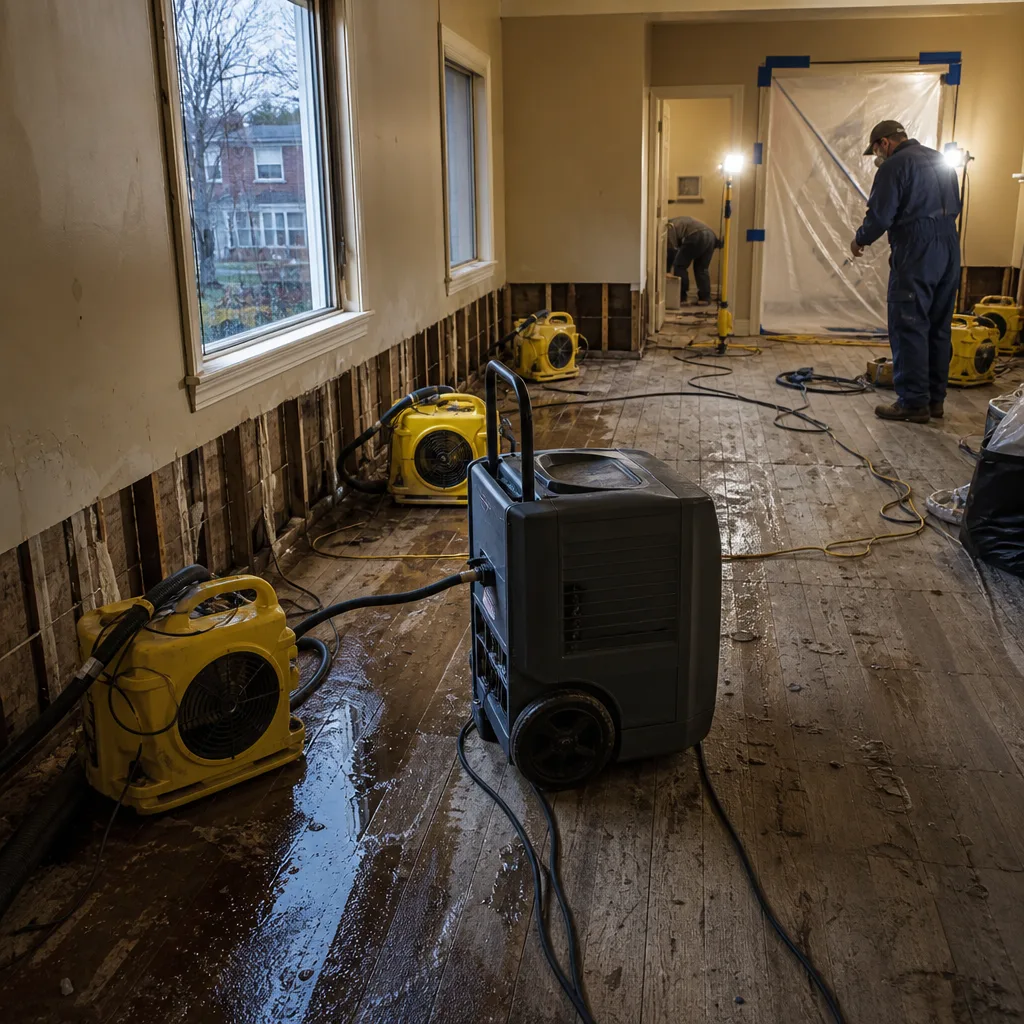
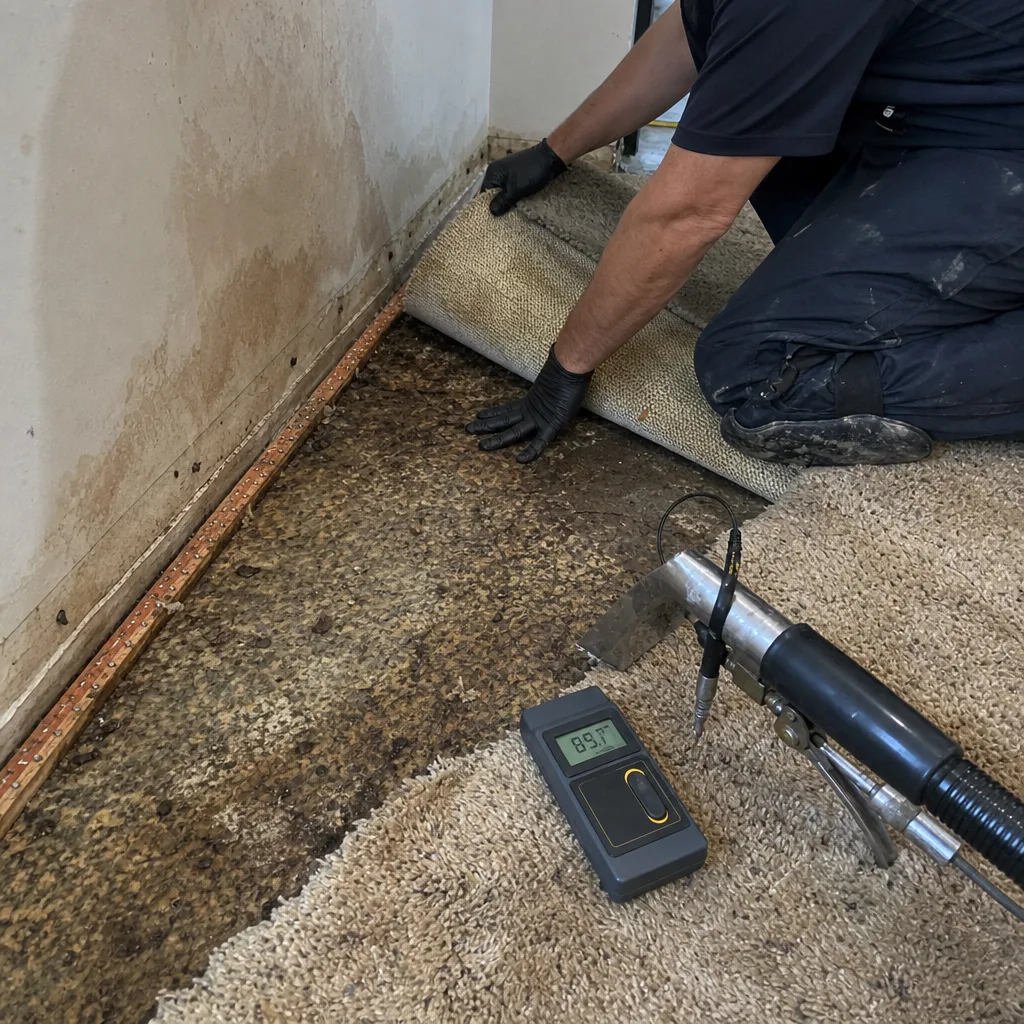
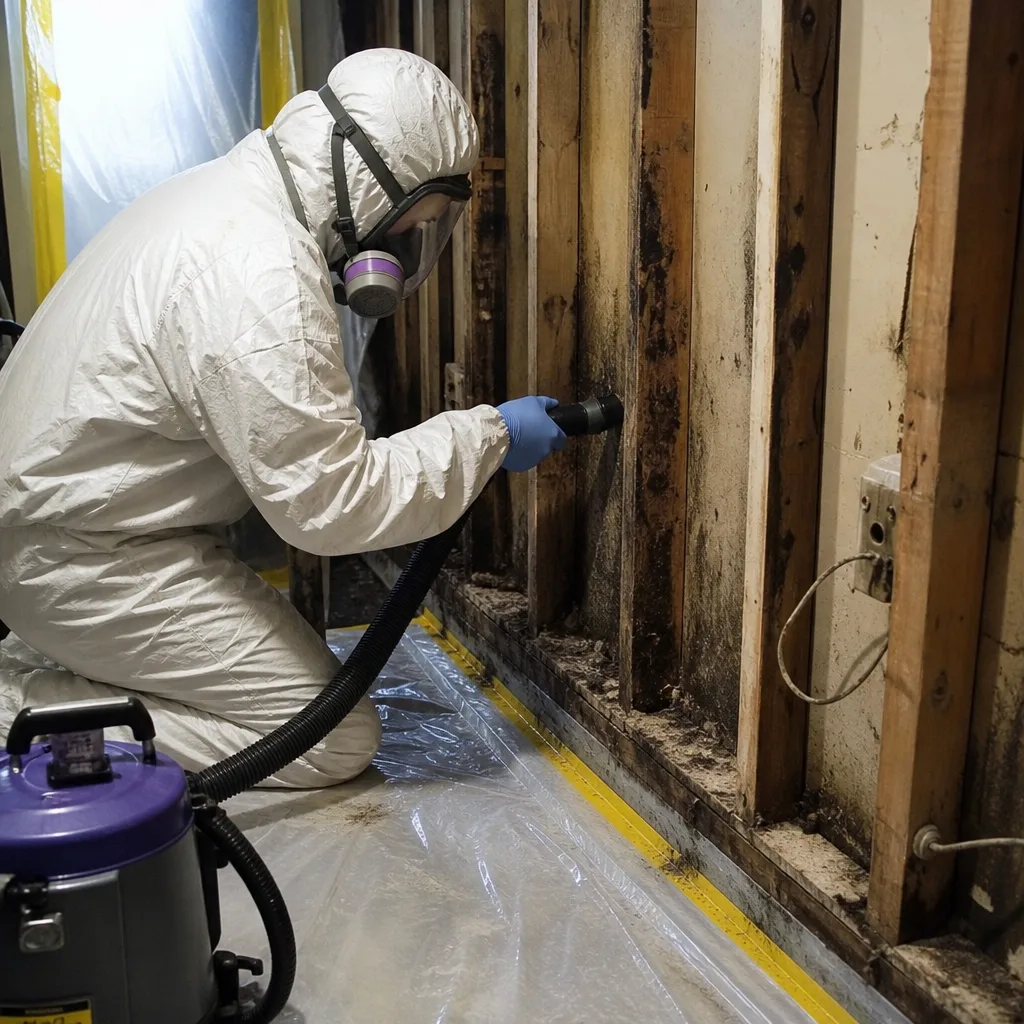
Fire damage cleanup in Bayside starts with understanding what burned, what got wet, and what the original construction will tolerate. In a 1930s Tudor off Bell Boulevard, our crew found the fire had cracked a galvanized supply line inside the plaster wall, so we ran moisture mapping on every adjacent room before any smoke work began. We set containment, pulled the wet plaster and lath to expose the old-growth framing, ran Injectidry mats and Dri-Eaz dehumidification with air movers for 11 days, and logged moisture readings daily on the drying logs. Once the structure was dry, we HEPA-vacuumed and applied antimicrobial treatment to the charred framing, then rebuilt with new lath and plaster to match the original pre-loss condition. Typical fire damage cleanup in Bayside runs $4,200-$9,800 for partial-room losses, $12,000-$18,500 for full-room or multi-room structural involvement.
Smoke & Soot Removal
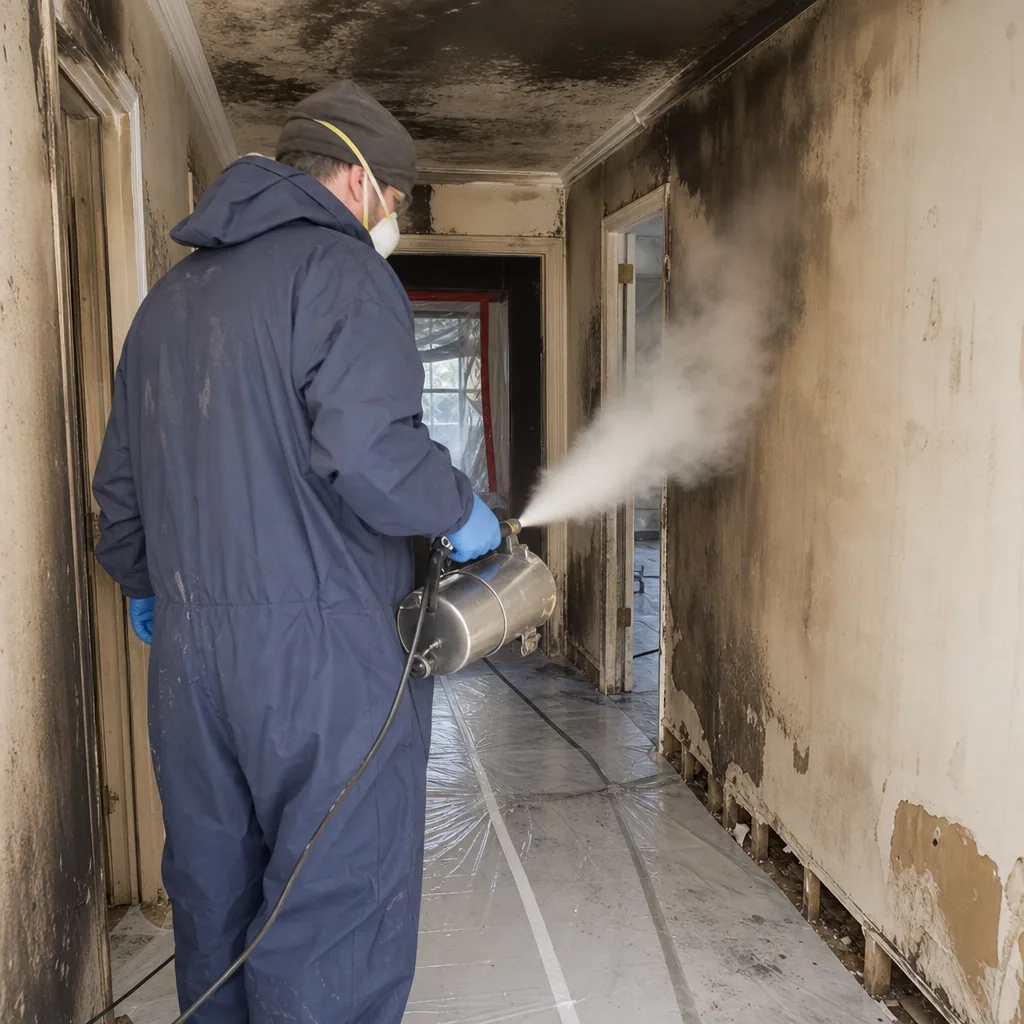
Smoke and soot removal in Bayside is rarely a surface job. The neighborhood’s horsehair plaster - standard in block after block of 1920s-1940s homes - holds residue far longer than drywall. A standard dry-sponge and HEPA pass leaves odor behind in the brown coat, so crews that skip aggressive removal are called back for second deodorization within weeks. We test cleanability on every surface: alkaline cleaners for protein fires, solvent-based agents for synthetic smoke, and controlled demolition when residue has bonded into porous plaster. Smoke and soot removal alone in Bayside typically costs $2,800-$7,400 depending on square footage and the number of affected rooms.
Odor Removal & Deodorization
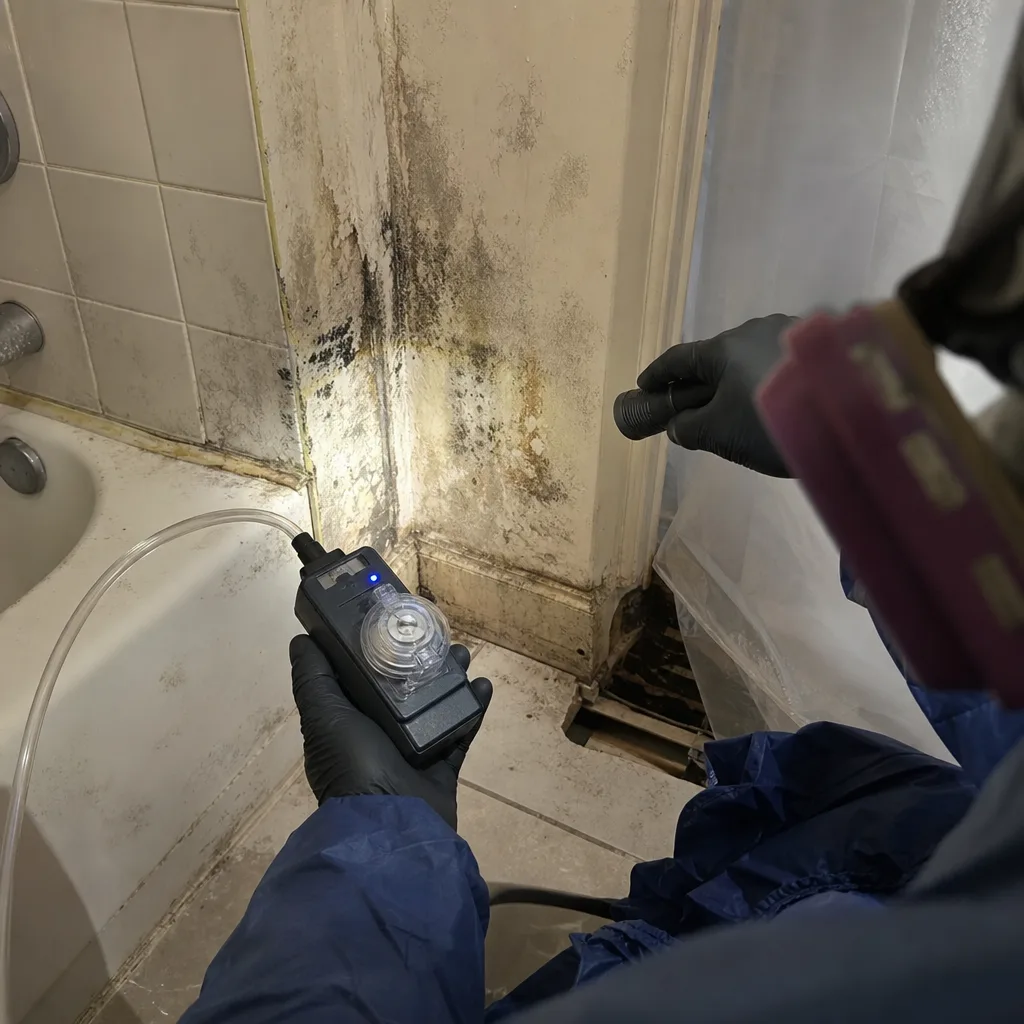
Odor removal in Bayside requires attacking the source, not masking it. Thermal fogging, ozone treatment, and hydroxyl generation each have specific applications in fire restoration, but none work if charred material or smoke-impregnated insulation remains in the structure. In Bayside’s older homes, we frequently find that odor has migrated through balloon-framing cavities or settled into horsehair plaster that reads “clean” to visual inspection. Our protocol: source removal first, then vapor-phase deodorization with documented air-quality testing before we sign off. Odor removal and deodorization services in Bayside range from $1,800 for localized thermal fogging to $6,200 for whole-house hydroxyl and ozone treatment with air-scrubber deployment.
Contents Cleaning & Pack-Out
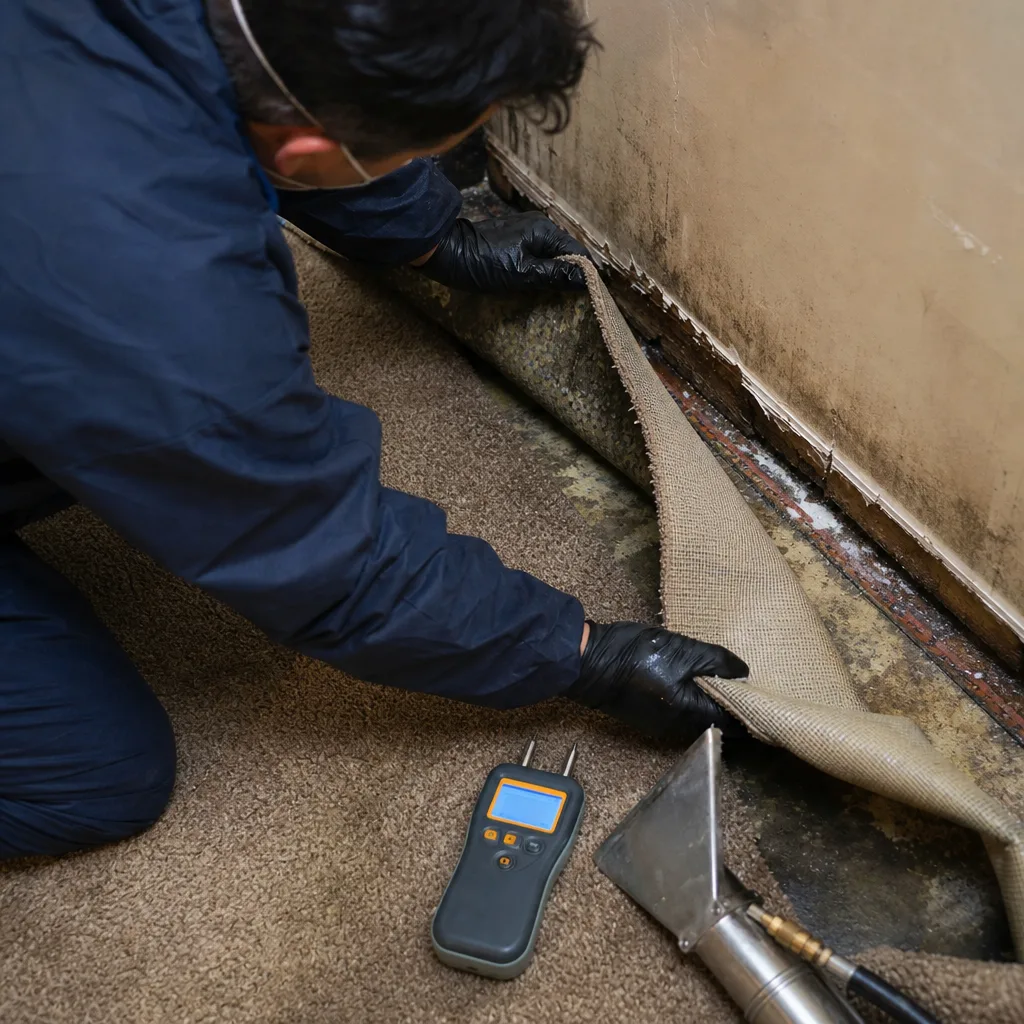
Contents cleaning and pack-out protects salvageable items while restoration proceeds. In Bayside’s denser blocks near the Cross Island Parkway, where homes have limited staging space, we frequently pack out to our secured facility for ultrasonic cleaning, dry-cleaning for textiles, and deodorization in ozone chambers. Every item is photo-documented, barcoded, and listed on a room-by-room inventory that feeds directly into the insurance claim. Contents pack-out and cleaning in Bayside typically runs $1,400-$4,800 depending on volume and the level of restoration required for individual pieces.
Emergency Board-Up & Tarping
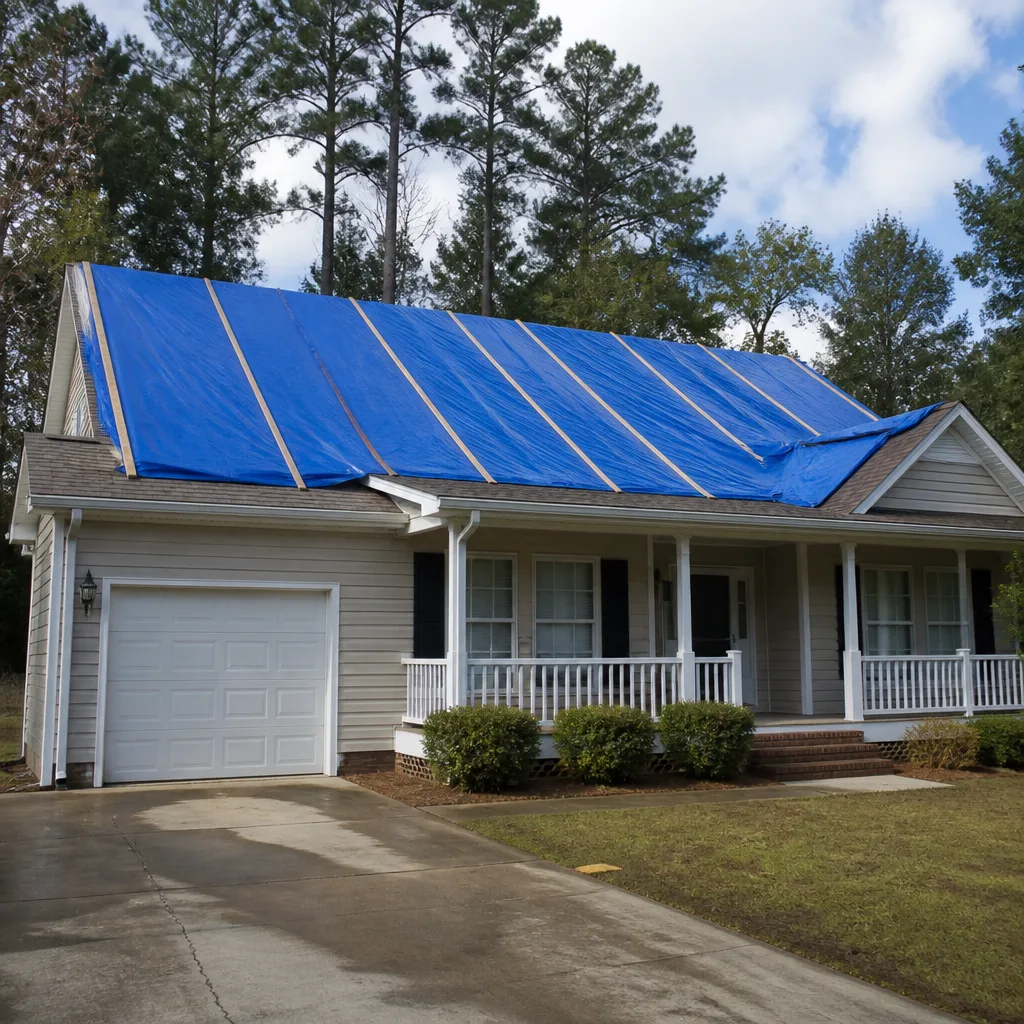
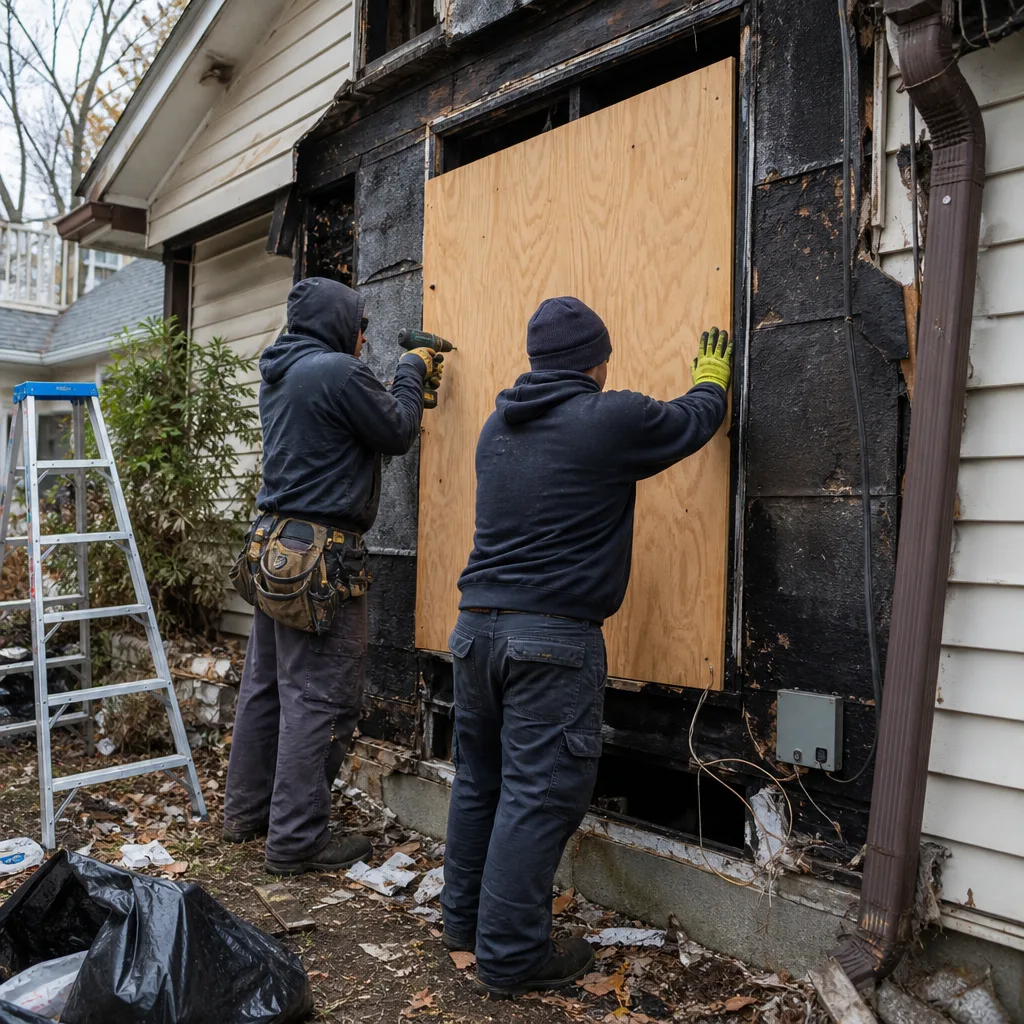
Emergency board-up and tarping in Bayside must account for the neighborhood’s specific failure patterns. Ice-dam and attic chimney fires in steeply pitched Tudor roofs often go undetected until smoke staining appears at the eave line or around dormers - board-up crews tarp the wrong elevation and miss the entry point. Our crews inspect the full roof plane, document with photos, and tarp to prevent secondary water intrusion during the nor’easter season when Bayside already faces surge-driven flooding from Little Neck Bay. Emergency board-up in Bayside is typically $850-$2,400; tarping adds $400-$1,100 depending on roof pitch and access.
Structural Fire Repair
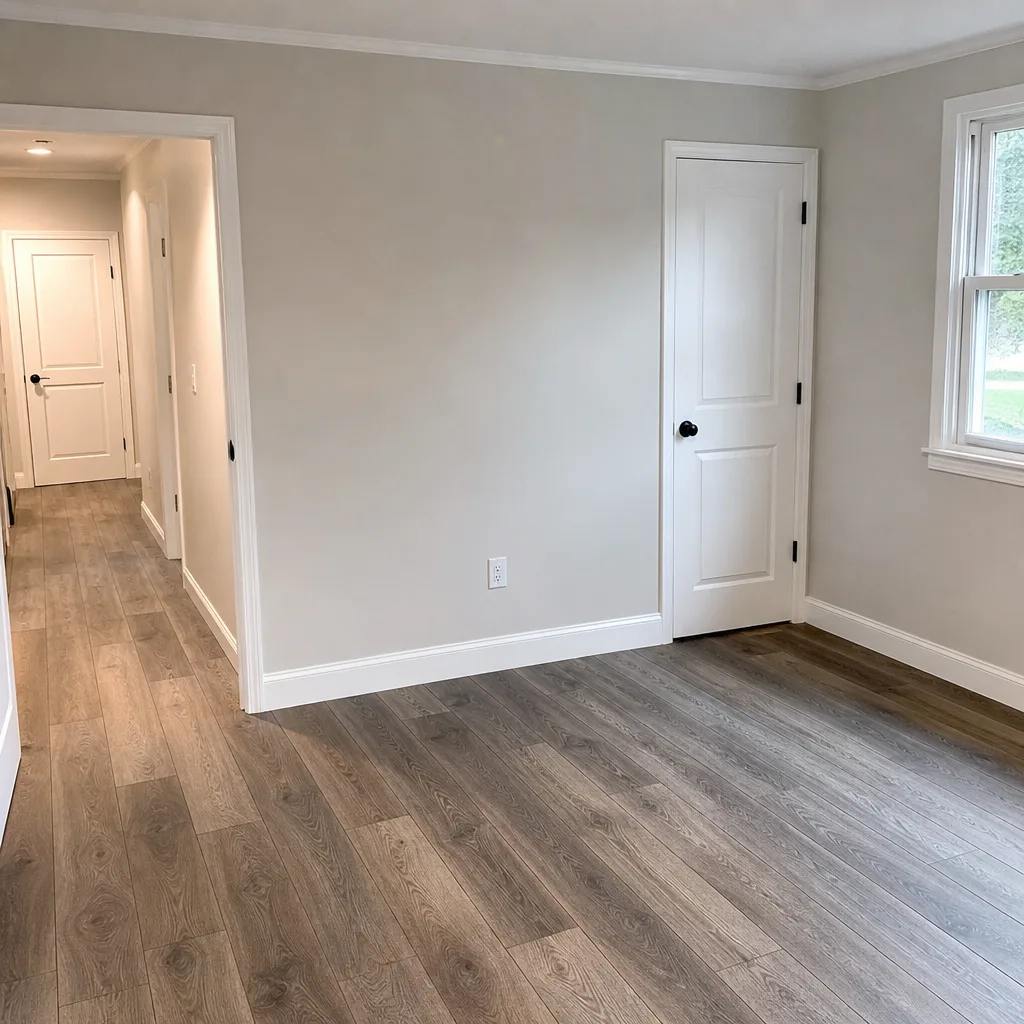
Structural fire repair in Bayside means rebuilding with materials that match pre-loss conditions - not substituting drywall for plaster because it’s faster. Our reconstruction crews are experienced with lath-and-plaster installation, matching historic trim profiles, and working within New York City Department of Buildings permit requirements for fire-damaged structures. Structural repair costs in Bayside range from $8,500 for localized framing and plaster replacement to $35,000+ for full-room rebuilds with electrical and plumbing rough-in.
What happens when you call
- 1
A real person answersNo phone trees - you reach a local pro.
- 2
You get an upfront price rangeHonest numbers before anyone is dispatched.
- 3
A background-checked tech heads outLicensed & insured, dispatched right away.
- 4
You approve before work beginsNothing starts until you say go.
BeforeAfterTrusted Equipment & Standards We Deploy in Bayside
Our Bayside crews work with professional-grade drying and documentation systems from Dri-Eaz, XPOWER, and Injectidry, with all work documented to IICRC, RIA, and IFA standards. The Injectidry mat system we used on that Bell Boulevard Tudor is specifically designed for hardwood and dense structural drying - critical in Bayside homes where old-growth pine and oak framing won’t release moisture on the same timeline as modern dimensional lumber. Every job produces daily moisture logs with psychrometric data: temperature, relative humidity, and vapor pressure differential readings that show insurers exactly when the structure reached dry standard. We don’t guess, and we don’t ask adjusters to trust our judgment without the numbers to back it.
Common Fire & Smoke Damage Restoration Problems We See in Bayside Homes
- Smoke residue bonded into horsehair plaster and old-growth lath. A standard dry-sponge and HEPA pass leaves odor behind in the brown coat, so crews that skip aggressive removal are called back for a second deodorization within weeks. We test cleanability first, then scope demolition when the plaster won’t release residue.
- Hidden wet fire from cracked original supply lines. Fire heat cracks cast-iron or galvanized supply lines inside Bayside walls, and because plaster reads dry on the surface, the moisture is only found if the tech performs moisture mapping room by room before boarding up. We map every adjacent space - Haven Standard documentation, not optional.
- Ice-dam and attic chimney fires in steep Tudor roofs. These go undetected until smoke staining appears at the eave line or around dormers, and board-up crews tarp the wrong elevation and miss the entry point. We inspect the full roof plane and document before covering anything.
- Combined smoke-odor and flood-loss claims near the bay. Bayside sits directly along the western shore of Little Neck Bay, placing a substantial portion of its pre-WWII single-family housing in FEMA-designated flood zones that were re-mapped after Hurricane Sandy’s storm surge repeatedly inundated basements and first floors across northeastern Queens. Damage restoration contractors here must be fluent in NFIP flood insurance claim documentation and Increased Cost of Compliance (ICC) requirements, because for many Bayside homeowners flooding is a recurring event - not a one-time loss - driven by nor’easters funneling surge up Little Neck Bay several times per decade. A kitchen fire in a waterfront block can become a complex claim involving fire, smoke, water from suppression, and tidal flooding from the same storm system.
Pricing for Fire & Smoke Damage Restoration in Bayside, NY
Fire and smoke damage restoration pricing in Bayside reflects the neighborhood’s older construction, the complexity of combined fire-and-water losses, and the documentation required for insurance compliance. Emergency board-up and tarping typically runs $850-$3,500. Smoke and soot removal for a single affected room costs $2,800-$7,400. Full structural drying after a wet fire in a plaster-walled home averages $4,200-$9,800 and can extend to $12,000-$18,500 for multi-room involvement. Contents pack-out and cleaning adds $1,400-$4,800. Reconstruction and structural repair ranges from $8,500 for localized work to $35,000+ for extensive rebuilds.
What drives cost up: horsehair plaster requiring full removal rather than cleaning, hidden moisture in lath cavities extending drying timelines, and the need for specialized deodorization when smoke has penetrated balloon framing. What we deliver before work starts: a written scope with line-item pricing, a photo record of pre-loss conditions, and the daily drying logs that turn your invoice into a payable claim. Haven Standard, Clause 1 - no exceptions.
Call (516) 687-6900 for a free estimate. We’ll review any competitor’s written estimate at no charge through our Free Second Opinion service.
We Also Serve Cities Near Bayside
Our Fire & Smoke Damage Restoration team serves homeowners throughout northeastern Queens, including Bayside, Flushing, College Point, Fresh Meadows, and Forest Hills. Each community has distinct housing stock and loss patterns, and our documentation protocols adapt to the specific construction era and materials found in each area.
Serving Bayside, NY - Our Local Coverage Area
We’re based in the Bayside area and know this community well. Use the map below to see our service coverage - if you’re nearby, we can almost certainly help.
FAQs - Fire & Smoke Damage Restoration in Bayside
Because fire heat frequently cracks original cast-iron or galvanized supply lines inside Bayside’s plaster walls, and that moisture won’t show on the surface. Horsehair plaster reads dry on a pin meter at the surface while staying saturated behind the brown coat, so we moisture-map every adjacent room before any smoke work begins. Skip this step and you’re looking at mold remediation six weeks later. Call (516) 687-6900 and we’ll show you the readings we found on your specific loss.
Typically 9-14 days for a single affected room, and 18-30 days for multi-room losses with extensive plaster removal. Bayside’s old-growth framing and dense horsehair plaster release moisture far slower than modern drywall assemblies. We document daily moisture readings with Dri-Eaz and Injectidry systems, and we don’t sign off until the structure hits IICRC dry standard - usually 12% moisture content or lower for softwood framing in this climate. Call (516) 687-6900 for a timeline specific to your property.
Not if the source is fully removed. Smoke odor returns when charred material, smoke-impregnated insulation, or residue-bonded plaster remains in the structure. Our Bayside protocol tests cleanability on every surface, demolishes what won’t release residue, and follows with vapor-phase deodorization and documented air-quality verification. The 365-Day Done Right Promise under The Haven Standard means if odor returns, we make it right. Call (516) 687-6900 for an assessment of your specific surfaces.
Yes. Bayside’s 1920s-1940s housing stock means almost every fire scene is a wet-fire scene - horsehair plaster-over-lath walls hide heat-driven pipe failures, so smoke odor and moisture both have to be scoped together rather than treated as separate losses. In newer neighborhoods with drywall and PVC plumbing, a kitchen fire might be a $3,500 soot cleanup. In Bayside, the same fire often becomes a combined smoke-odor and structural-drying job at $8,000-$15,000 because of the plaster, lath, and original plumbing. Call (516) 687-6900 for a scope that accounts for your home’s actual construction.
Call us first. We document the loss with photos, moisture readings, and a written scope that we present to your adjuster as a complete package - not as a request for interpretation. Our documentation-first approach, built by a former claims adjuster, exists precisely because incomplete documentation costs homeowners their claims. We coordinate directly with adjusters, provide the daily drying logs and photo records they need, and handle direct billing where your policy allows. Call (516) 687-6900 - we’ll be on site before the adjuster arrives and have your file ready.
Written by Alicia Brennan, Owner at Back to Dry Restoration, serving Bayside under The Haven Standard since 2011.