
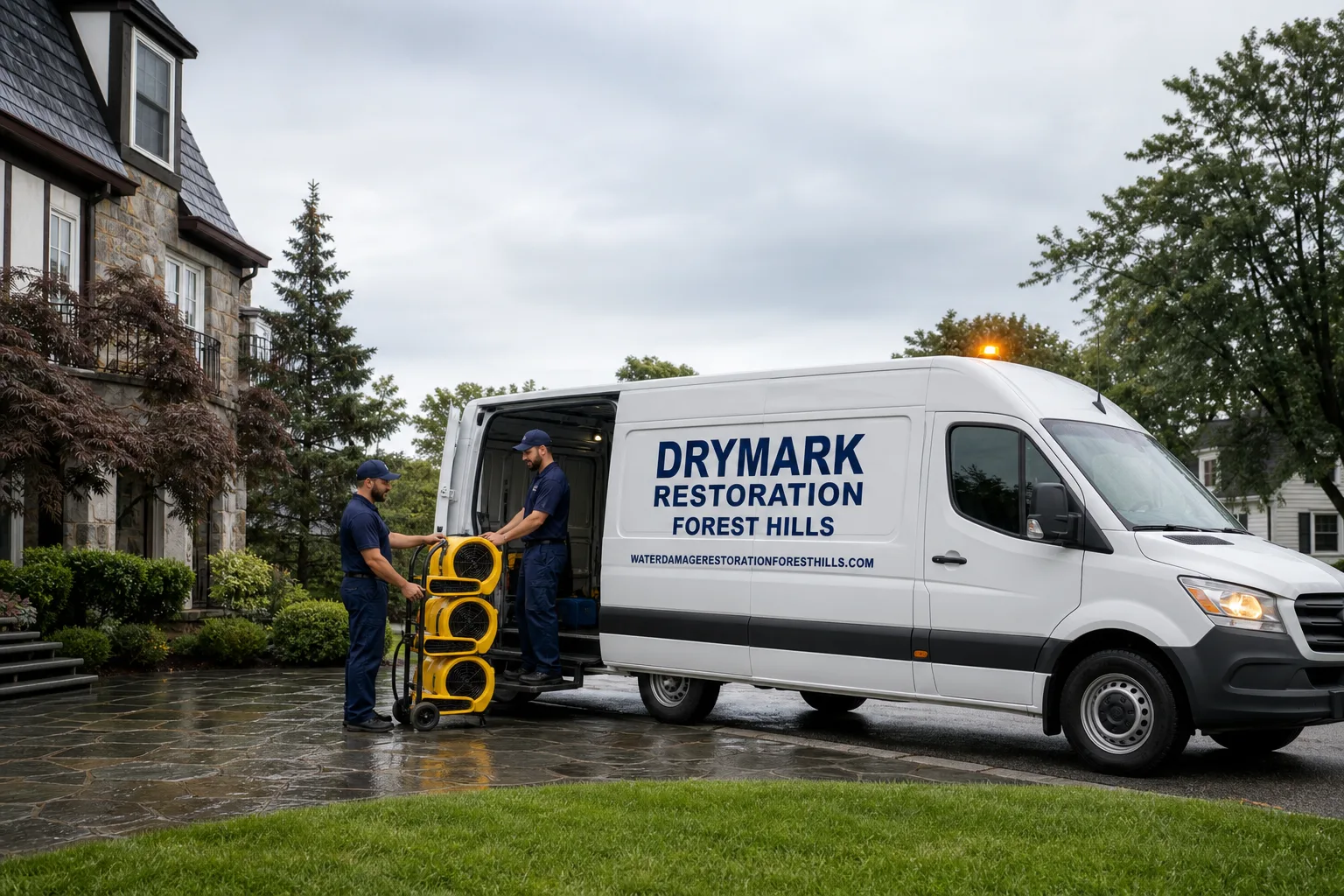
Free visual inspection and a written scope of work before any mitigation begins - photos, moisture readings, and drying logs go in your claim file
The scope we write is the scope we bill. Anything new gets shown to you, in writing, before we touch it.
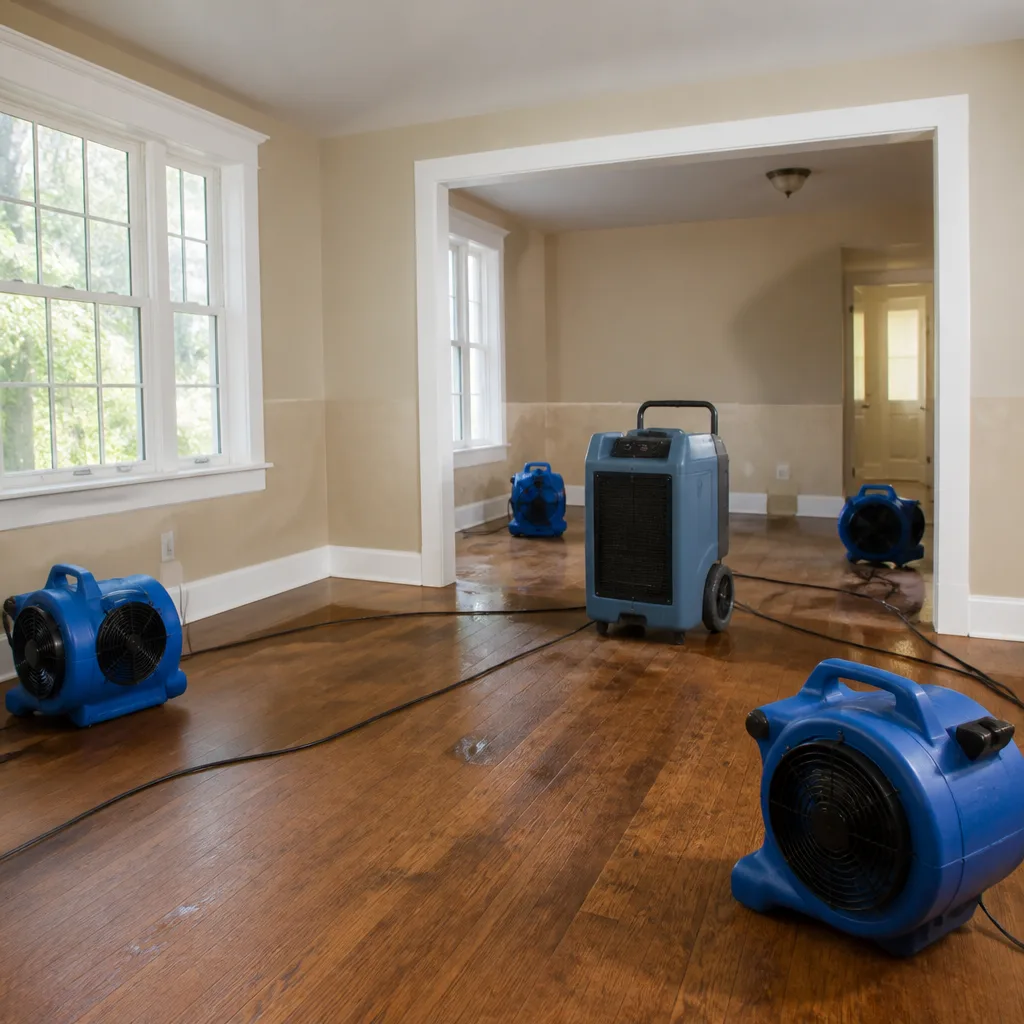
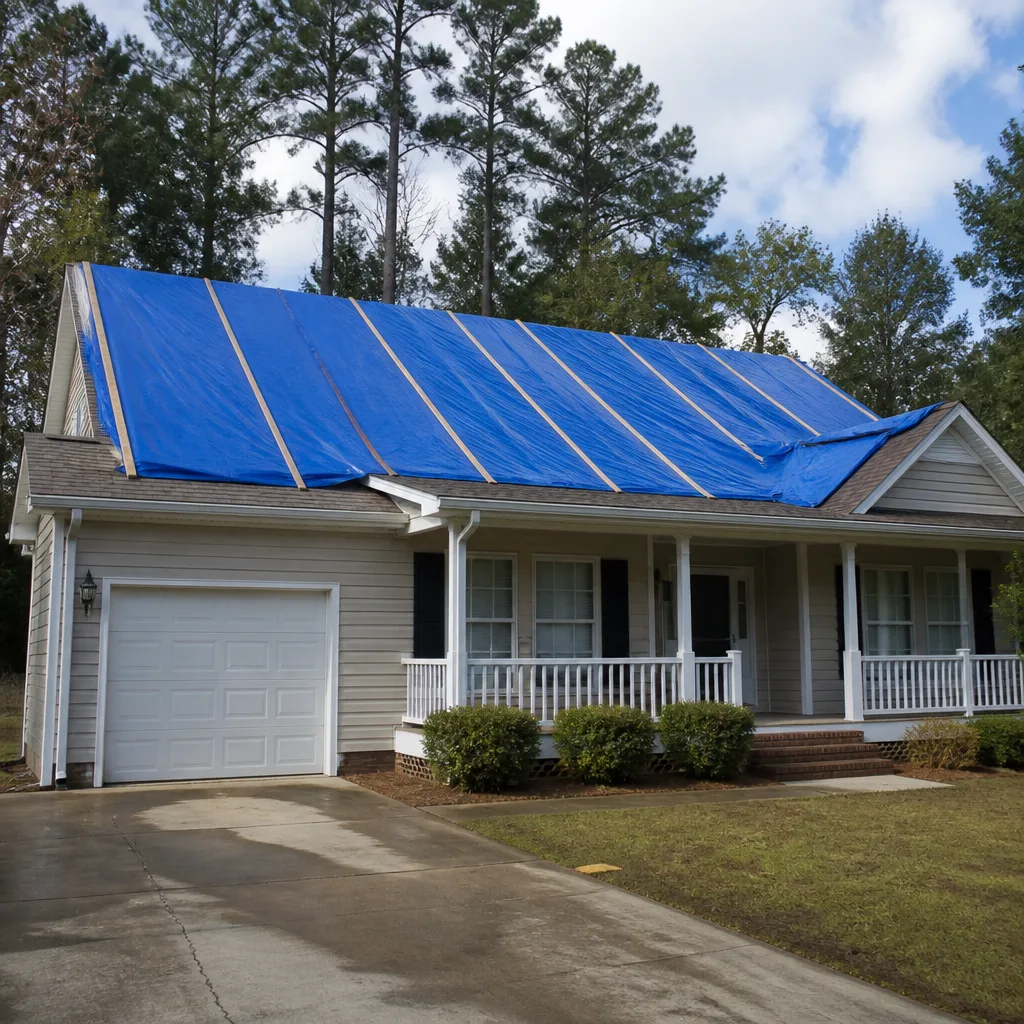
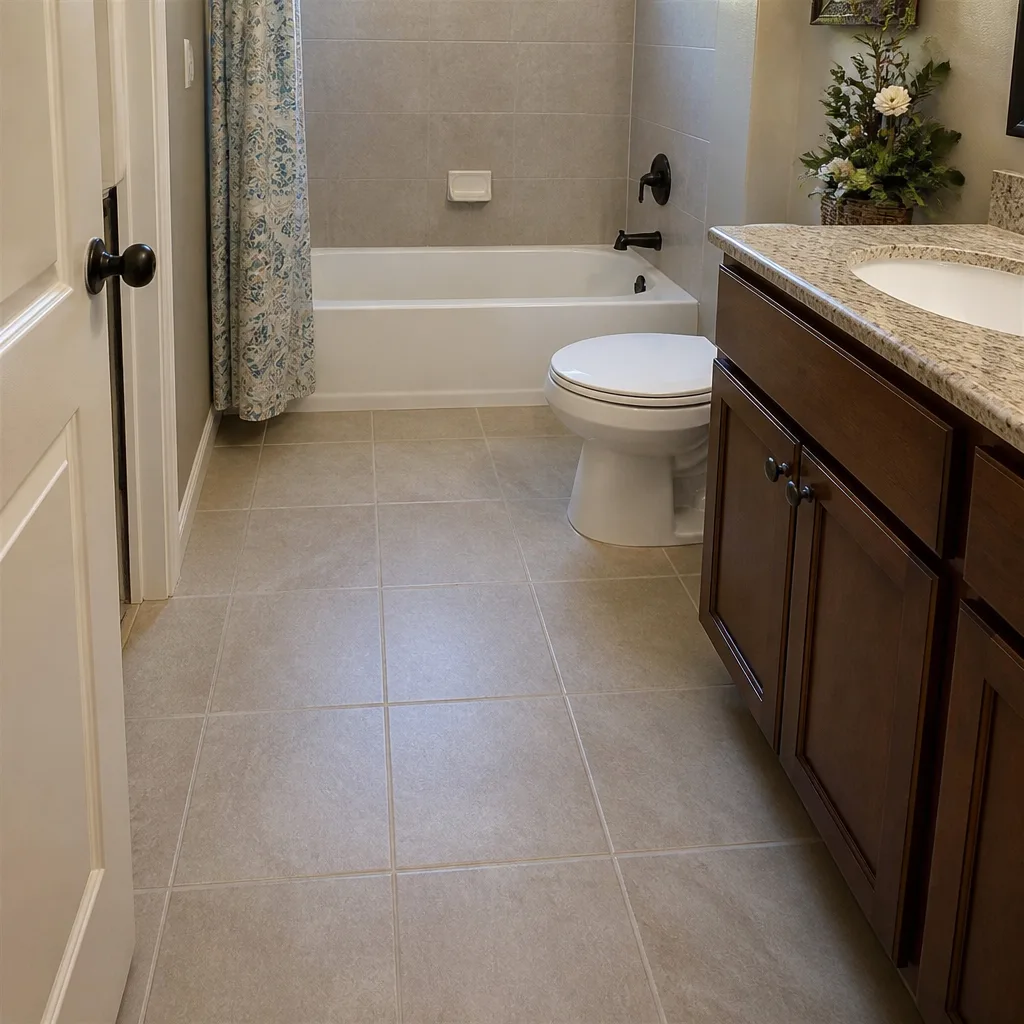
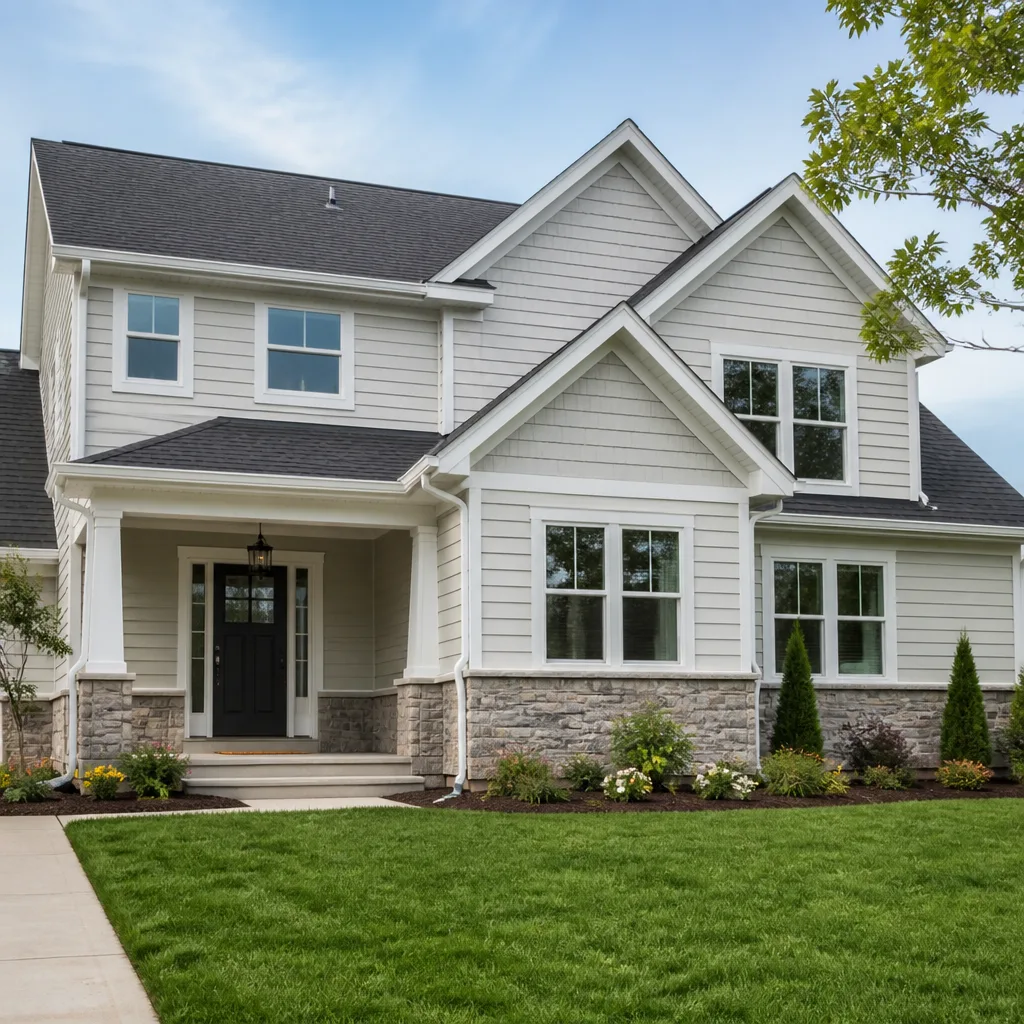
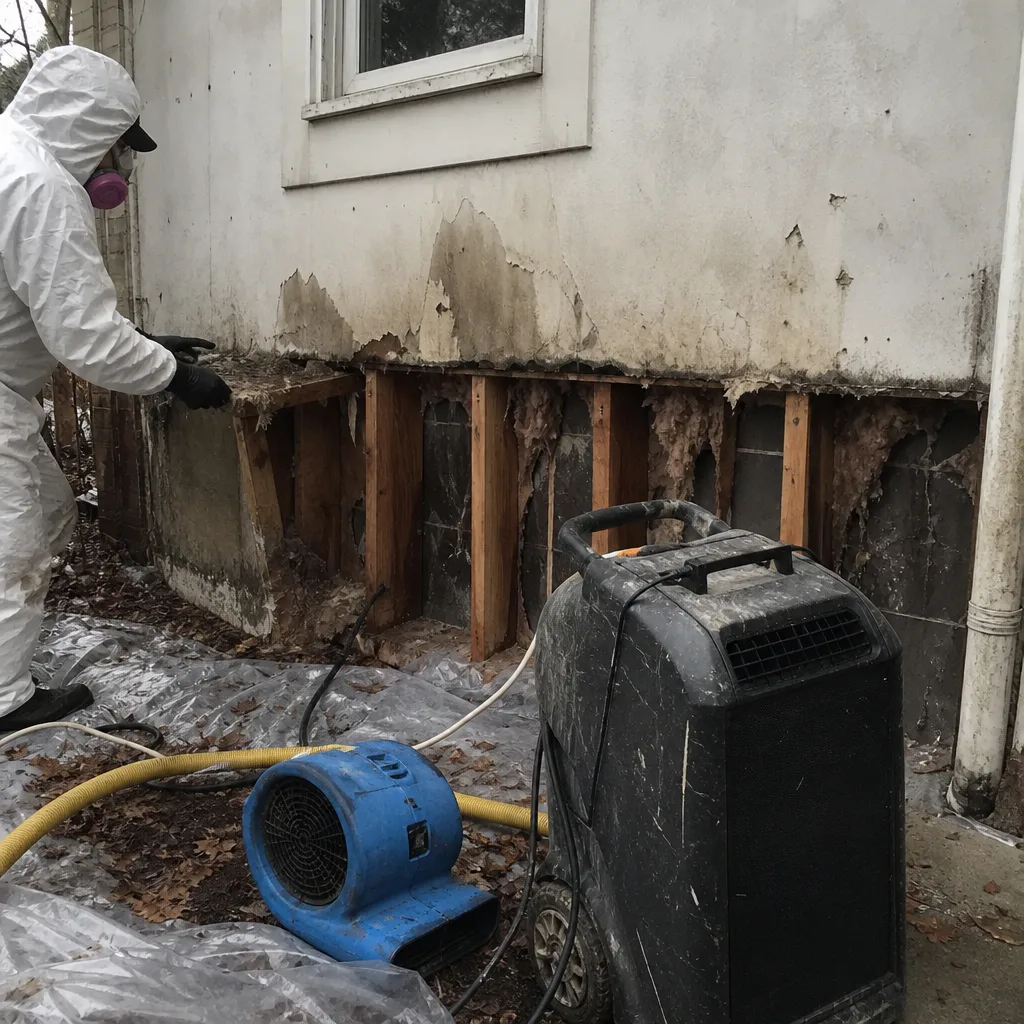 Before
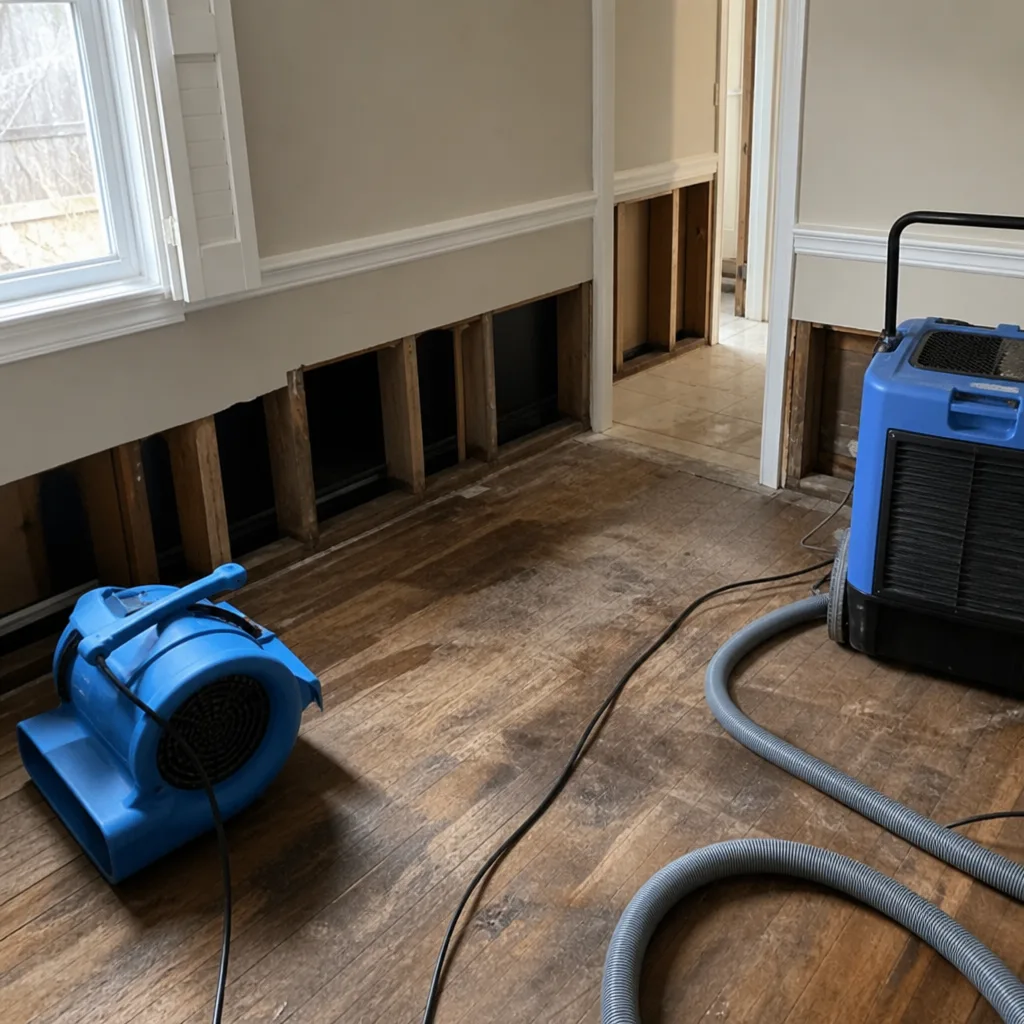 After
After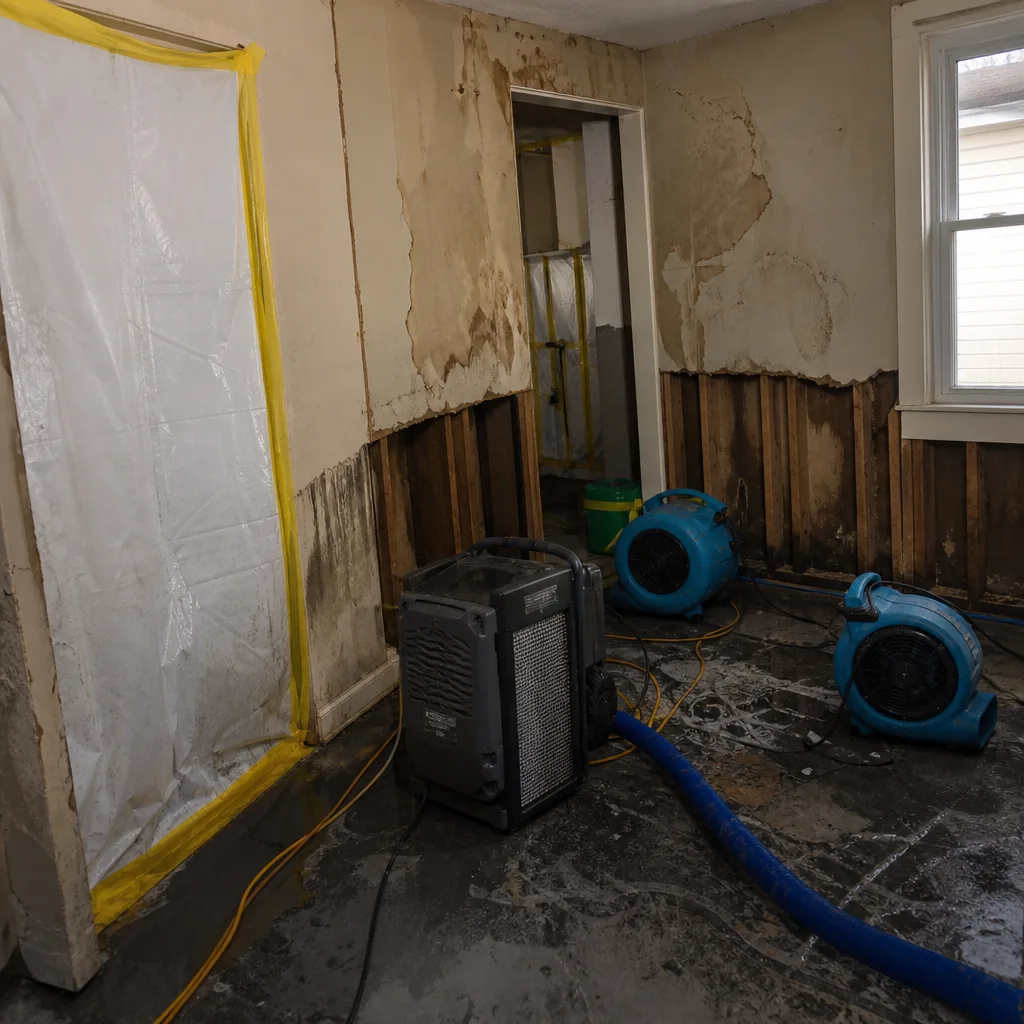 Before
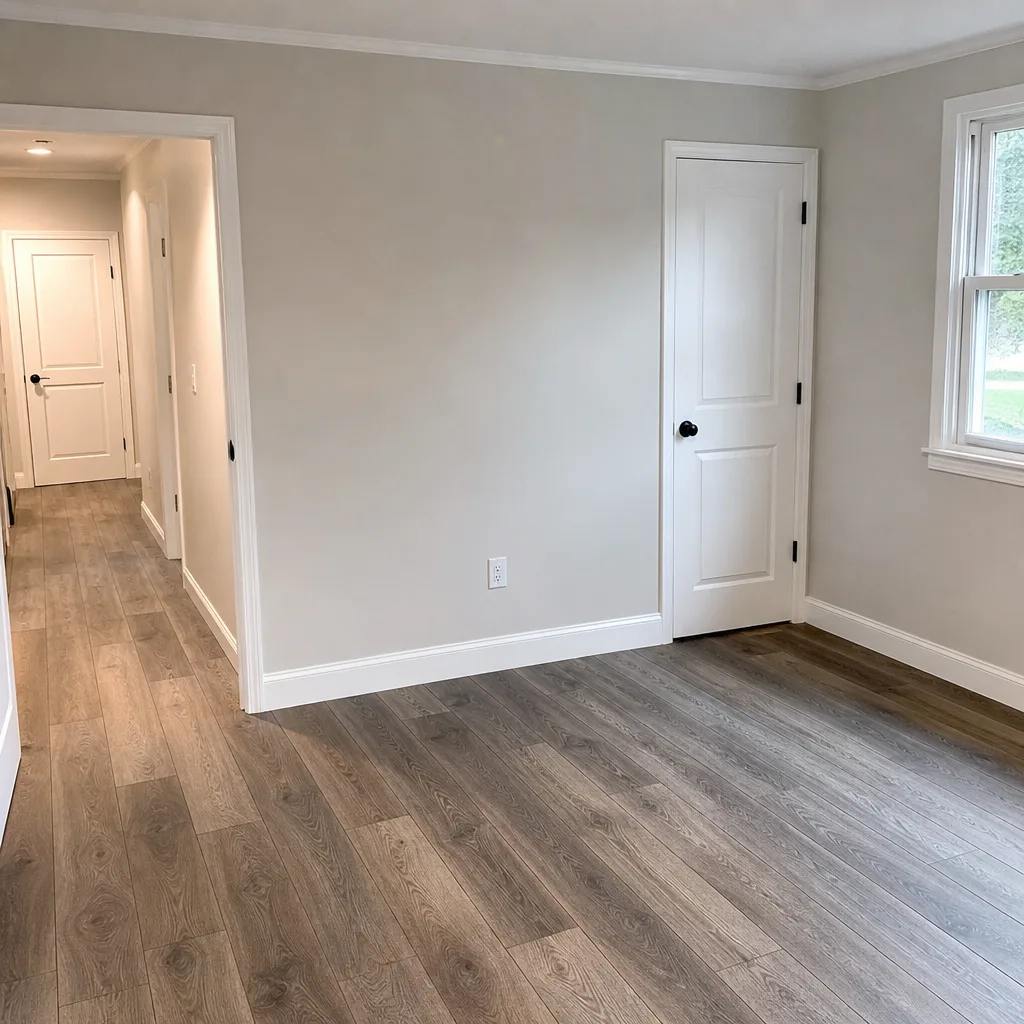 After
After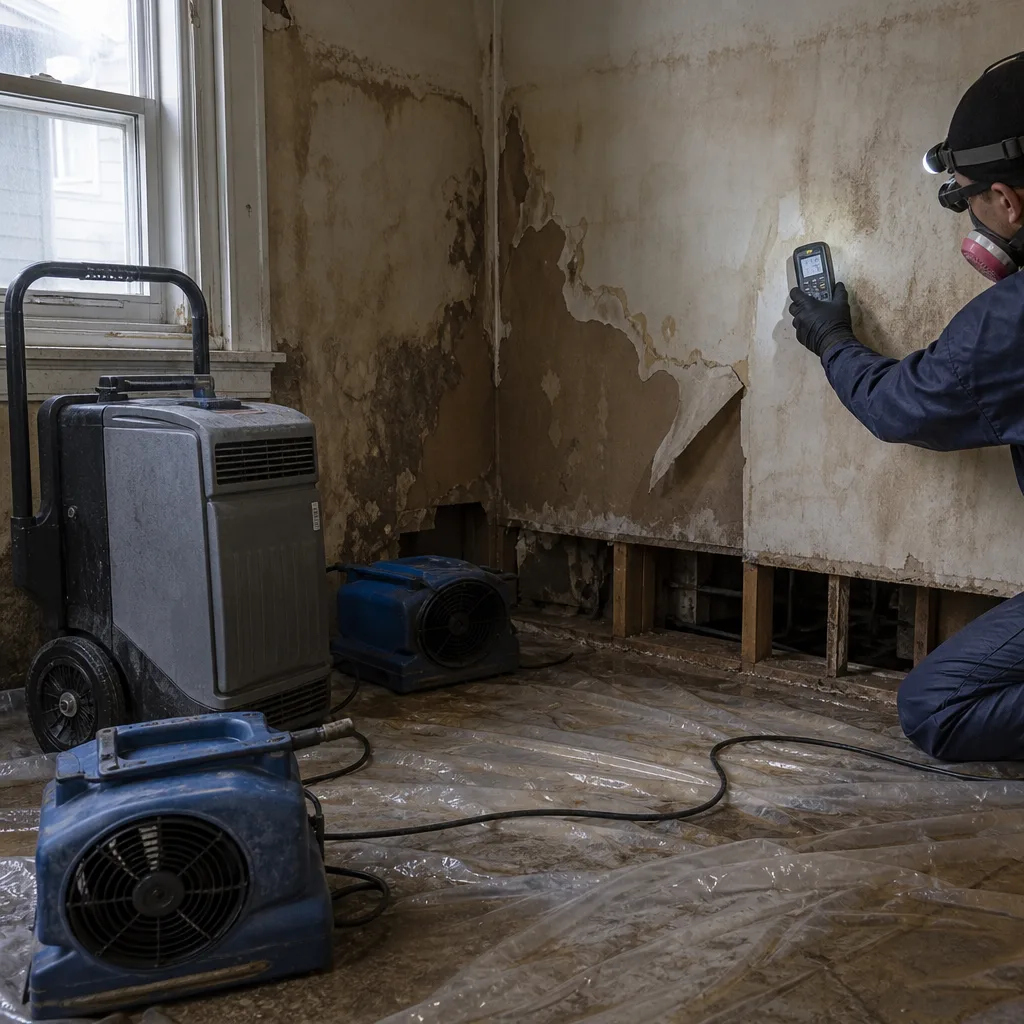 Before
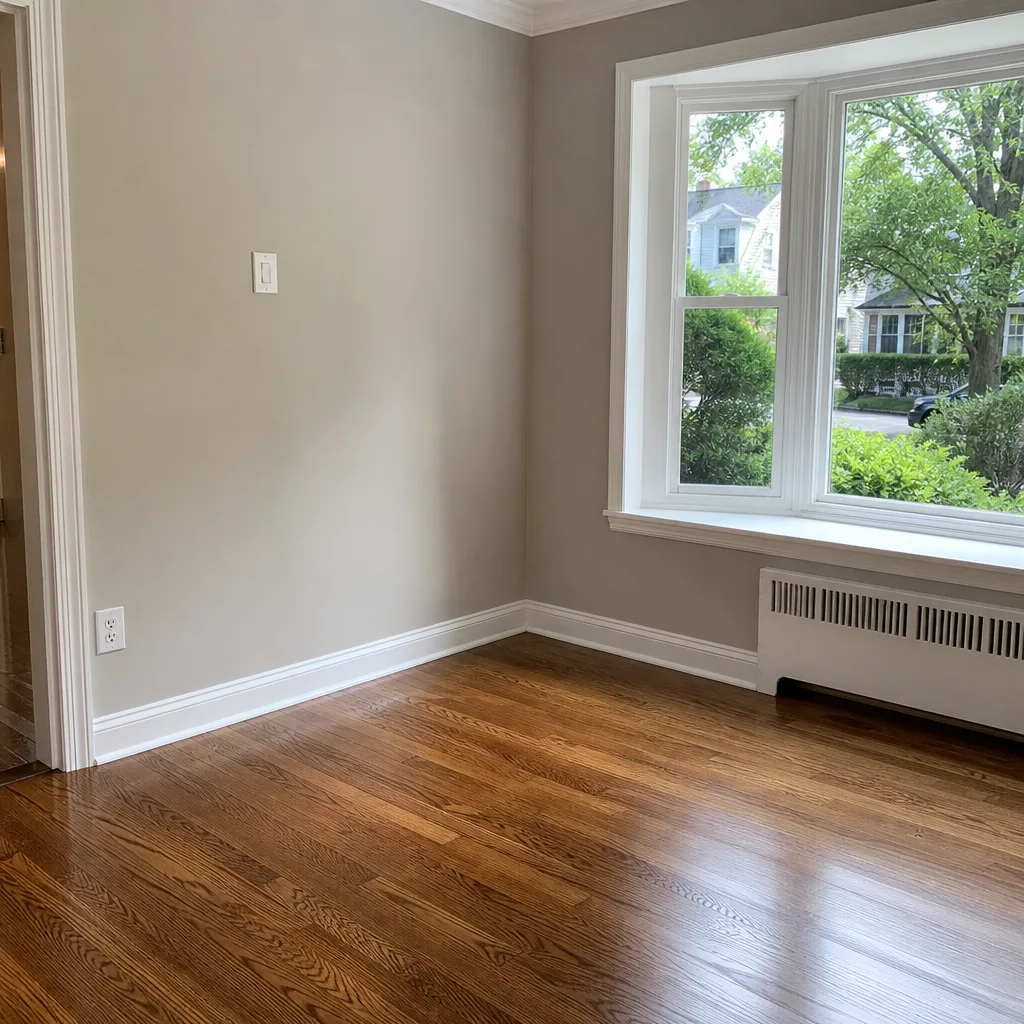 After
AfterFast, Reliable Water Damage Restoration Across Jackson Heights
Water damage restoration in Jackson Heights, NY typically runs $2,800-$6,500 for a standard residential mitigation, with emergency extraction starting at $1,200 and full structural drying adding $1,600-$4,200 depending on affected square footage and material class. Most emergency calls in Jackson Heights receive a crew on-site within 60-90 minutes, and our live dispatch never sends you to voicemail. Call (516) 687-6900 now - estimates are free, and the written price arrives before any equipment touches your floor.
We’ve restored water damage in Jackson Heights since 2011, and the pattern here is distinct from anywhere else in Queens. The 1920s-1930s garden co-op complexes that define this neighborhood - massive brick buildings with shared original plumbing stacks and plaster-over-lath walls - turn a single pipe burst into a vertical cascade through three or four stacked units. That means moisture mapping on arrival, documented drying logs, and a clear understanding of which policy pays for what. Our crews know the difference between a Woodside two-family and a Jackson Heights Historic District co-op before they walk through the door.
Why DryMark Restoration Forest Hills Is Jackson Heights’s Preferred Water Damage Restoration Company
Our reputation in Jackson Heights was built on documentation that survives adjuster review. We’ve restored 12,000+ homes since 2011, every one with a written price before work started and a photo record on every visit. In Jackson Heights specifically, that discipline matters more than most places - the three-way claims tangle common here (co-op master policy, shareholder unit policy, neighbor subrogation) means every moisture reading, every drying log entry, and every photo timestamp can determine who pays and how much.
Response time to Jackson Heights averages under 90 minutes from call to crew arrival. Our New York City office coordinates dispatch; crews serve Jackson Heights locally and carry the equipment to begin extraction immediately. Live person answers every call, 24 hours a day, 7 days a week - no voicemail trees while water is still moving through your ceiling.
We know the local building stock: the five- and six-story brick cooperatives with original cast-iron drain stacks, the attached rowhouses with ground-floor commercial conversions, the pre-1978 lead paint that triggers abatement protocols on top of standard water restoration. This isn’t generic Queens knowledge. It’s Jackson Heights-specific field experience, and it shows in our drying plans.
Our Water Damage Restoration Services in Jackson Heights
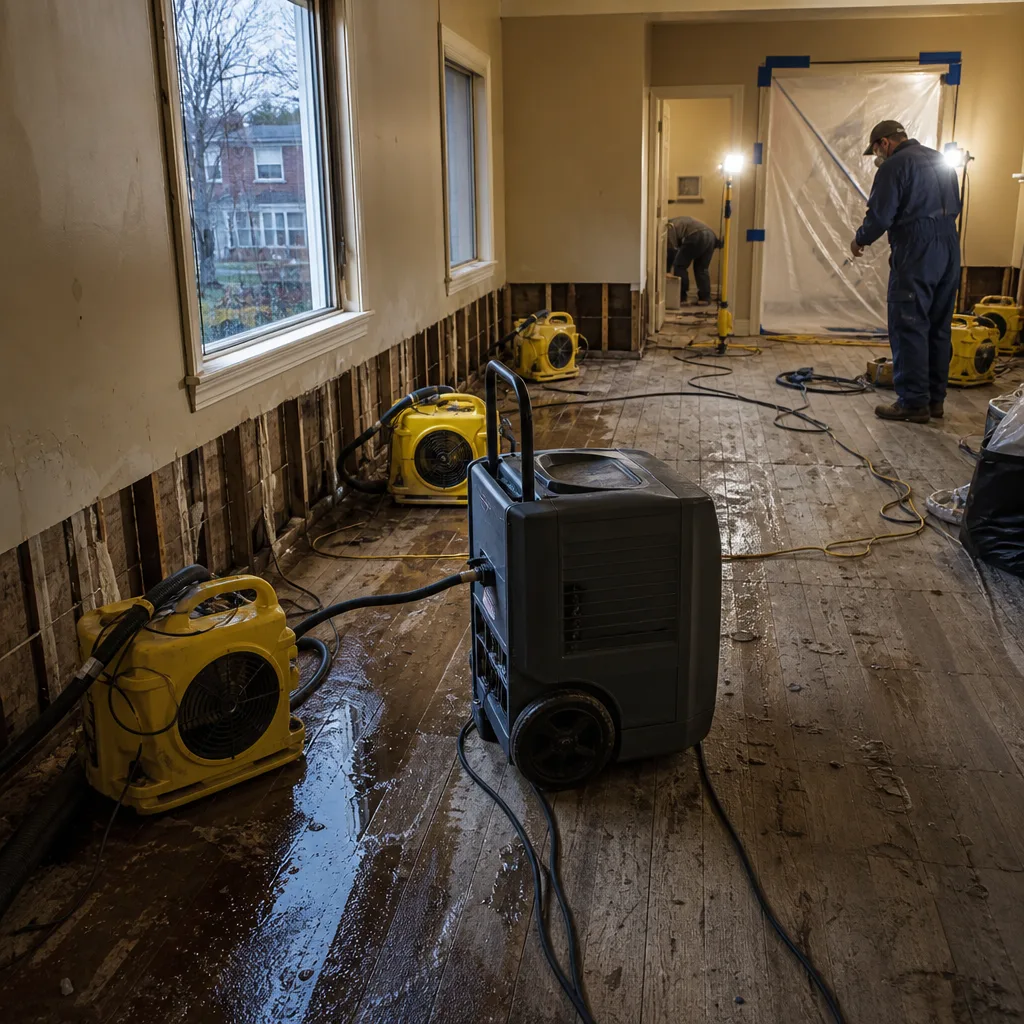
Emergency Water Extraction
When a burst pipe or sewer backup hits a Jackson Heights co-op, speed matters - but so does knowing where the water is actually going. Our emergency extraction teams arrive with truck-mounted systems and portable submersibles sized for everything from a ground-floor commercial space on Northern Boulevard to a fourth-floor unit in the Historic District. We extract standing water first, then deploy moisture meters to map migration through plaster-over-lath walls and original hardwood floors. In Jackson Heights, we regularly find water has traveled two floors past the source before anyone called. Catching that early is what separates a $3,200 mitigation from a $12,000 reconstruction.
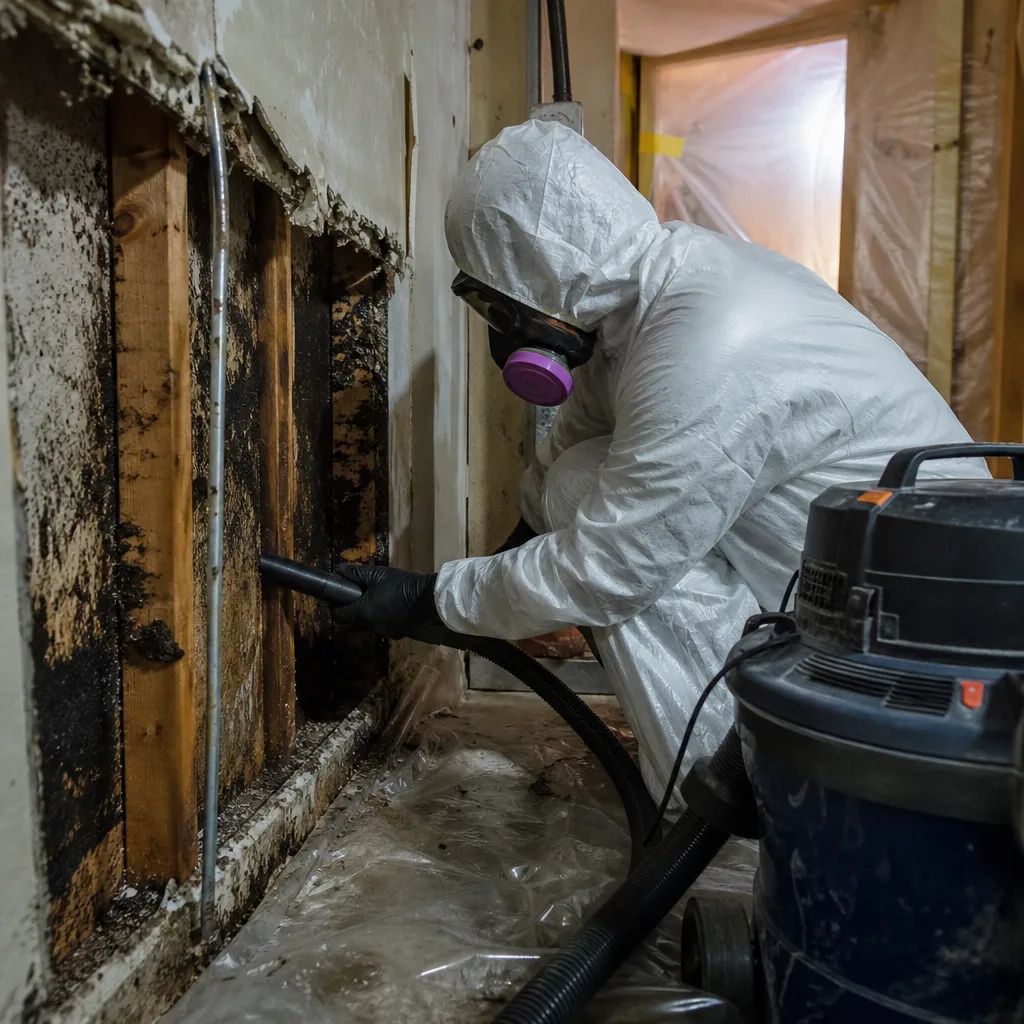
Structural Drying & Dehumidification
Jackson Heights’s 1920s-1940s buildings don’t dry like new construction. Plaster-over-lath holds moisture differently than drywall; original hardwood flooring cups and buckles on its own schedule; cavity spaces between brick wythes create vapor traps that standard drying misses. Our structural drying protocol uses Dri-Eaz and Phoenix air movers, B-Air dehumidifiers, and Injectidry cavity drying systems to establish vapor pressure differential - the measurable force that pulls moisture out of dense materials and into the air where dehumidifiers capture it. Every shift, we log psychrometric data: temperature, relative humidity, and specific humidity readings by room. Those daily drying logs become the documentation that turns your restoration invoice into a payable insurance claim.
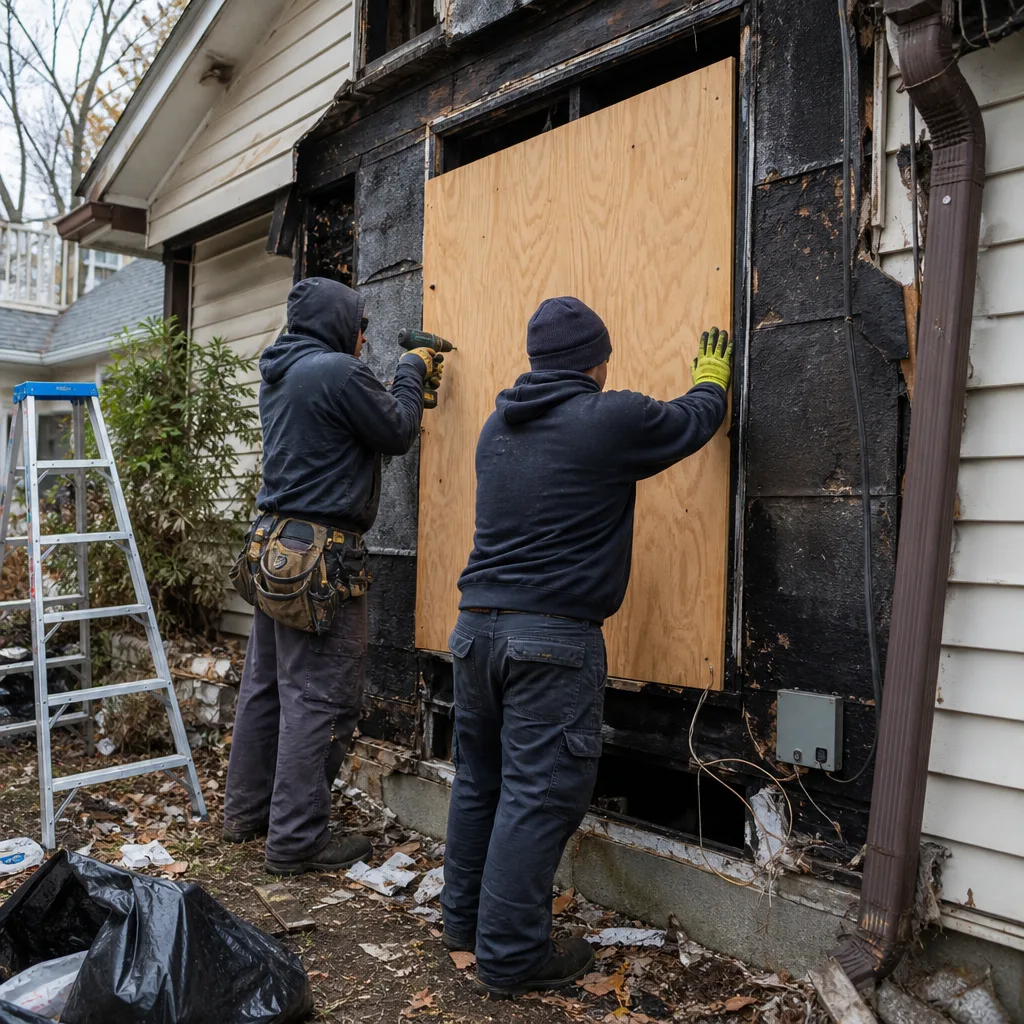
Flood Cleanup
Jackson Heights sits on flat terrain with limited natural drainage, and the aging NYC combined sewer system backs up with little warning during summer thunderstorms and nor’easters. Ground-floor units and basement commercial spaces on 74th Street and Roosevelt Avenue are especially vulnerable. Flood cleanup here means Category 3 water classification - sewage contamination requiring full PPE, antimicrobial treatment, and disposal of porous materials per IICRC S500 standards. We document every removed item with photos, classify the water source for your adjuster, and provide a written scope before reconstruction begins. Haven Standard, Clause 1: the price is fixed before work starts, even when the job scope expands after initial assessment.
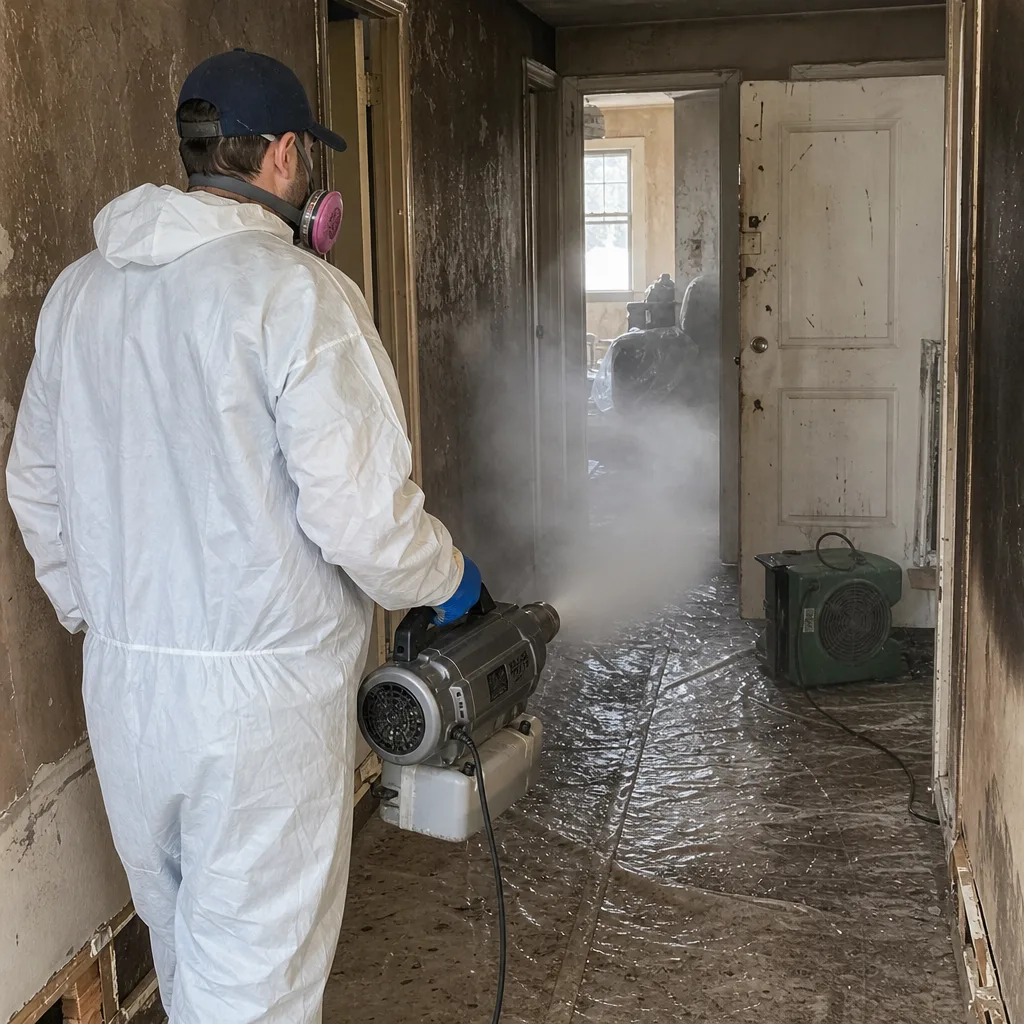
Burst Pipe Restoration
Late January and February bring a predictable wave of burst-pipe calls to Jackson Heights. The 80-to-100-year-old galvanized supply lines and cast-iron stacks common in these buildings can’t handle freeze-thaw stress the way modern PEX or copper can. When a pipe lets go in a garden co-op, the damage rarely stays in one unit. Our burst pipe restoration includes immediate water shutoff coordination with building supers, extraction, and full moisture mapping to trace vertical migration through shared structural cavities. We also document the pipe condition for your adjuster - because in many Jackson Heights co-ops, the corporation’s master policy covers the pipe itself while your unit policy covers the resulting damage, and the distinction determines who pays the deductible.
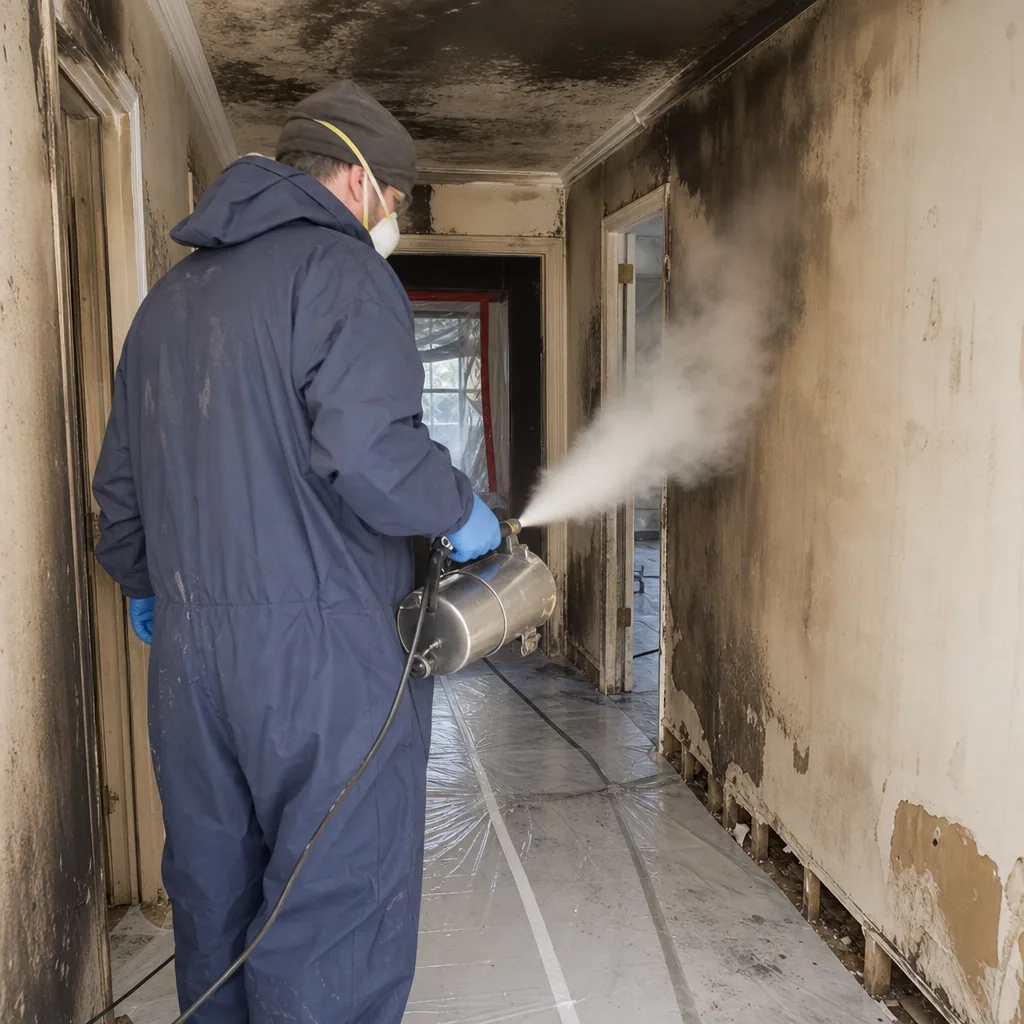
Ceiling & Roof Leak Water Damage
Roof leaks in Jackson Heights co-ops follow a pattern: deferred maintenance on flat built-up roofs meets a driving rain, and water finds the path of least resistance through parapet flashing or drain scuppers. By the time it shows as a ceiling stain in your unit, it’s already saturated insulation and possibly compromised electrical in the ceiling cavity. Our ceiling and roof leak protocol includes containment to protect your contents, controlled demolition of compromised plaster, and Injectidry hose injection into the ceiling void to dry structural members without full gutting. For Historic District buildings, we coordinate with the co-op board on material matching requirements - original plaster finish, crown molding profiles, and period-appropriate paint. The drying logs and photo record support both your unit claim and any master policy claim the board files for common-area damage.
Basement Water Removal
Basement spaces in Jackson Heights’s older rowhouses and commercial conversions face chronic hydrostatic pressure and sewer backup risk. Our basement water removal combines submersible pumping with strategic dehumidification to prevent secondary mold growth in the 48-72 hour window where spores activate. We classify all basement water by source - foundation seepage, sewer backup, or surface flooding - because each classification triggers different coverage rules and different drying protocols. The written scope specifies which materials are salvageable and which require disposal, with photos of each.
What happens when you call
- 1
A real person answersNo phone trees - you reach a local pro.
- 2
You get an upfront price rangeHonest numbers before anyone is dispatched.
- 3
A background-checked tech heads outLicensed & insured, dispatched right away.
- 4
You approve before work beginsNothing starts until you say go.
BeforeAfterTrusted Brands We Service in Jackson Heights
We deploy professional-grade drying systems from Dri-Eaz, Phoenix, and B-Air on every Jackson Heights job - equipment selected for the specific demands of 1920s-1940s building stock. Dri-Eaz Revolution dehumidifiers handle the high moisture loads of plaster-over-lath construction; Phoenix 200 HT units maintain precise humidity control in multi-unit containment zones; B-Air Grizzly air movers deliver the airflow volume needed to establish vapor pressure differential across dense, historic materials. All equipment is documented to IICRC, RIA, and IFA standards, and every machine’s runtime and output is logged to your drying record. We don’t rent equipment by the day and hope for the best. We own it, maintain it, and calibrate it to the specific psychrometric conditions your building presents.
Common Water Damage Restoration Problems We See in Jackson Heights Homes
- The “small leak upstairs” that isn’t small. In Jackson Heights garden co-ops, a fourth-floor dishwasher line failure routinely soaks through original unreinforced plaster into the third-floor ceiling, then the second, then the lobby tile. Moisture mapping on arrival catches what the building super missed - a four-unit, three-insurance-policy job disguised as a single-unit fix.
- Pre-1978 lead paint complicating standard water restoration. The 1920-1945 building stock throughout Jackson Heights contains lead paint, which mandates EPA RRP containment and abatement protocols when demolition or sanding disturbs painted surfaces. We build this into our scope from day one, not as a surprise add-on after work starts.
- Combined sewer backup during intense storms. Jackson Heights’s flat terrain and aging infrastructure mean ground-floor and basement units flood with sewage-contaminated water while the rain is still falling. Category 3 water requires immediate antimicrobial treatment and disposal of porous materials - no exceptions, no “dry it out and see.”
- Winter freeze-thaw failures in original galvanized supply lines. The 80-to-100-year-old plumbing still common in these buildings produces burst-pipe calls every late January and February. The pipe material itself is often the master policy’s responsibility; the water damage is yours - and the documentation needs to keep both claims straight.
Pricing for Water Damage Restoration in Jackson Heights, NY
Here’s what water damage restoration costs in the Jackson Heights market, based on jobs we’ve completed in 2023-2024:
| Service | Typical Range in Jackson Heights |
|---|---|
| Emergency water extraction (up to 500 sq ft) | $1,200 - $2,400 |
| Structural drying & dehumidification (per day) | $380 - $620 |
| Full mitigation package (extraction + drying, 1,000 sq ft) | $2,800 - $4,800 |
| Category 3 flood cleanup with disposal | $4,200 - $6,500 |
| Multi-unit co-op job (3-4 units, moisture mapping + documentation) | $7,500 - $14,000 |
| Ceiling/plaster demolition and drying (per room) | $1,800 - $3,200 |
Three factors push Jackson Heights jobs toward the higher end: multi-unit scope requiring additional moisture mapping and documentation; lead paint abatement protocols on pre-1978 buildings; and the three-policy claims coordination that adds administrative complexity but protects you from out-of-pocket disputes. Every job gets Haven Standard, Clause 1: written price before work begins, with no scope-creep additions once the crew is inside. Free Second Opinion on any competitor’s written estimate - bring their quote, we’ll review it at no charge. Call (516) 687-6900 for your exact written price.
We Also Serve Cities Near Jackson Heights
Our crews respond throughout northwestern Queens, including Jackson Heights and neighboring Elmhurst, Woodside, Maspeth, and Middle Village. Each area has distinct building stock and claims patterns - Woodside’s newer two-family frame houses present different moisture migration than Jackson Heights’s 1920s co-op complexes - and our Water Damage Restoration protocols adjust accordingly. Dispatch and scheduling are coordinated from our New York City office; crews serve all five communities locally with the same documentation standards and the same written-price guarantee.
Serving Jackson Heights, NY - Our Local Coverage Area
We’re based in the Jackson Heights area and know this community well. Use the map below to see our service coverage - if you’re nearby, we can almost certainly help.
FAQs - Water Damage Restoration in Jackson Heights
Payment depends on which policy covers which damage, and the work should be done by a restoration company that documents for all three potential carriers. In most Jackson Heights co-ops, the shareholder whose pipe failed has unit-owner coverage for their own space; your unit-owner policy covers your damaged ceiling, contents, and any temporary relocation; and the co-op corporation’s master policy may cover common-area damage and the pipe itself if it’s behind the wall. We document moisture readings, photo evidence, and source classification for all three policies on every multi-unit job, so subrogation disputes don’t leave you holding the bill. Call (516) 687-6900 - we’ll assess the damage and explain which documentation each carrier will need.
Original unreinforced plaster-over-lath walls and shared structural cavities in these 1920s-1930s buildings allow water to travel vertically with almost no resistance until it hits a horizontal barrier - often the lobby ceiling or a steel beam pocket. The plaster wicks water like a sponge, and the lath channels it downward through gravity and capillary action. By the time you see a stain on your ceiling two floors down, the cavity above it has been wet for hours. Moisture mapping with thermal imaging and penetrating meters is what catches the full extent before demolition starts. Call (516) 687-6900 for immediate assessment.
Yes - significantly. Plaster-over-lath holds roughly three times the moisture per square foot than modern drywall, and it releases that moisture slowly. Standard drywall drying protocols will leave plaster damp for weeks, inviting mold and structural compromise. We use longer drying schedules with higher-capacity dehumidifiers, targeted Injectidry cavity drying, and daily psychrometric logging to prove when materials actually reach dry standard - not just when they feel dry. The 365-Day Done Right Promise covers our work if any moisture returns.
It affects material selection and replacement, not the emergency extraction or drying itself. Landmark status requires matching original plaster profiles, crown molding, and period-appropriate finishes during reconstruction - requirements we build into our written scope from the start. The drying and documentation phases proceed the same way; the rebuild phase simply needs board approval and material specifications that satisfy both your insurer and the Landmarks Preservation Commission. We’ve completed restorations in multiple Jackson Heights Historic District buildings and understand the approval workflow.
No. Sewer backup is Category 3 water - grossly contaminated, carrying pathogens and chemicals - and it requires fundamentally different protocols than a clean-water pipe burst. Porous materials must be disposed of, not dried; antimicrobial treatment is mandatory; and PPE requirements are stricter. Coverage also differs: many standard policies exclude sewer backup without a specific rider, and NYC’s combined sewer system means the source is municipal infrastructure, not your building’s plumbing. We classify the water source immediately, document it for your adjuster, and provide the written scope that determines whether your policy responds. Call (516) 687-6900 - we’ll sort the classification and coverage questions on arrival.
Written by Alicia Brennan, Owner at DryMark Restoration Forest Hills, serving Jackson Heights since 2011.