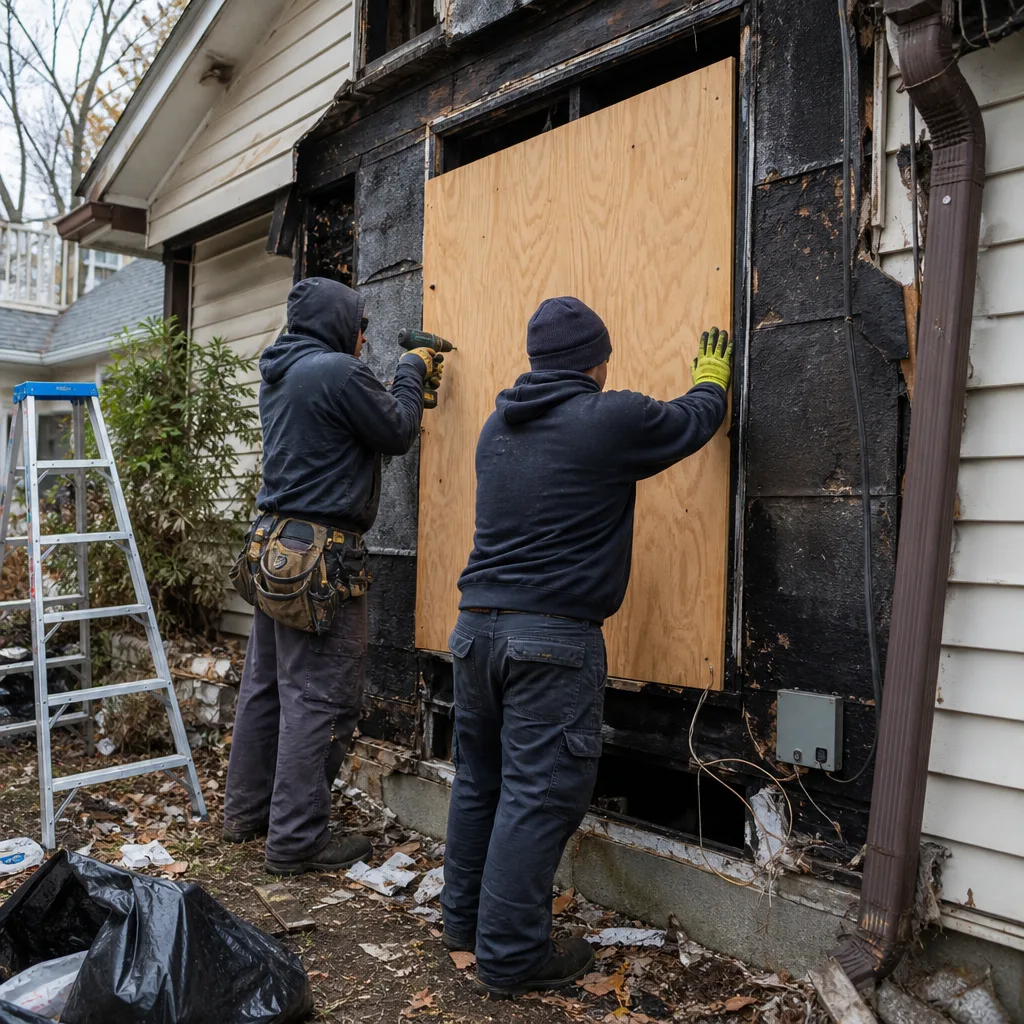
Free visual inspection and a written scope of work before any mitigation begins - photos, moisture readings, and drying logs go in your claim file
The scope we write is the scope we bill. Anything new gets shown to you, in writing, before we touch it.
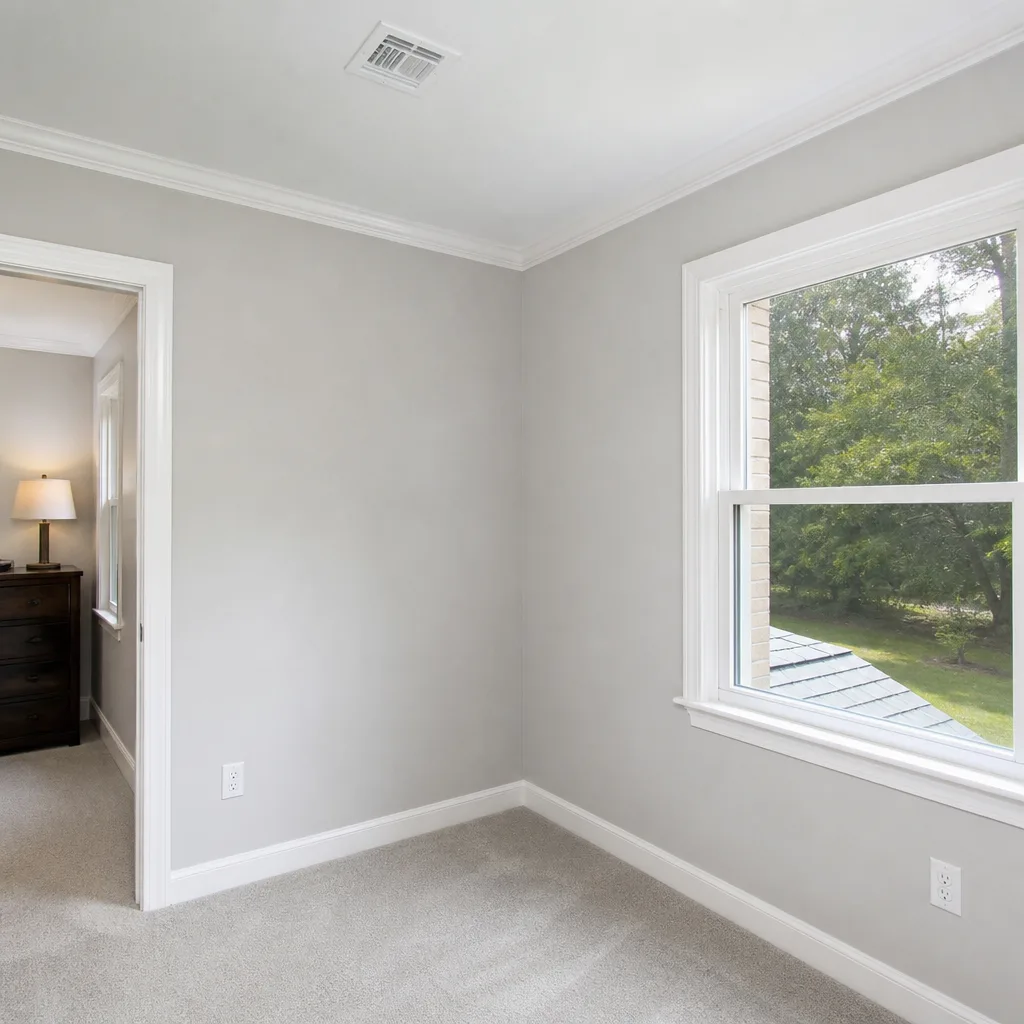
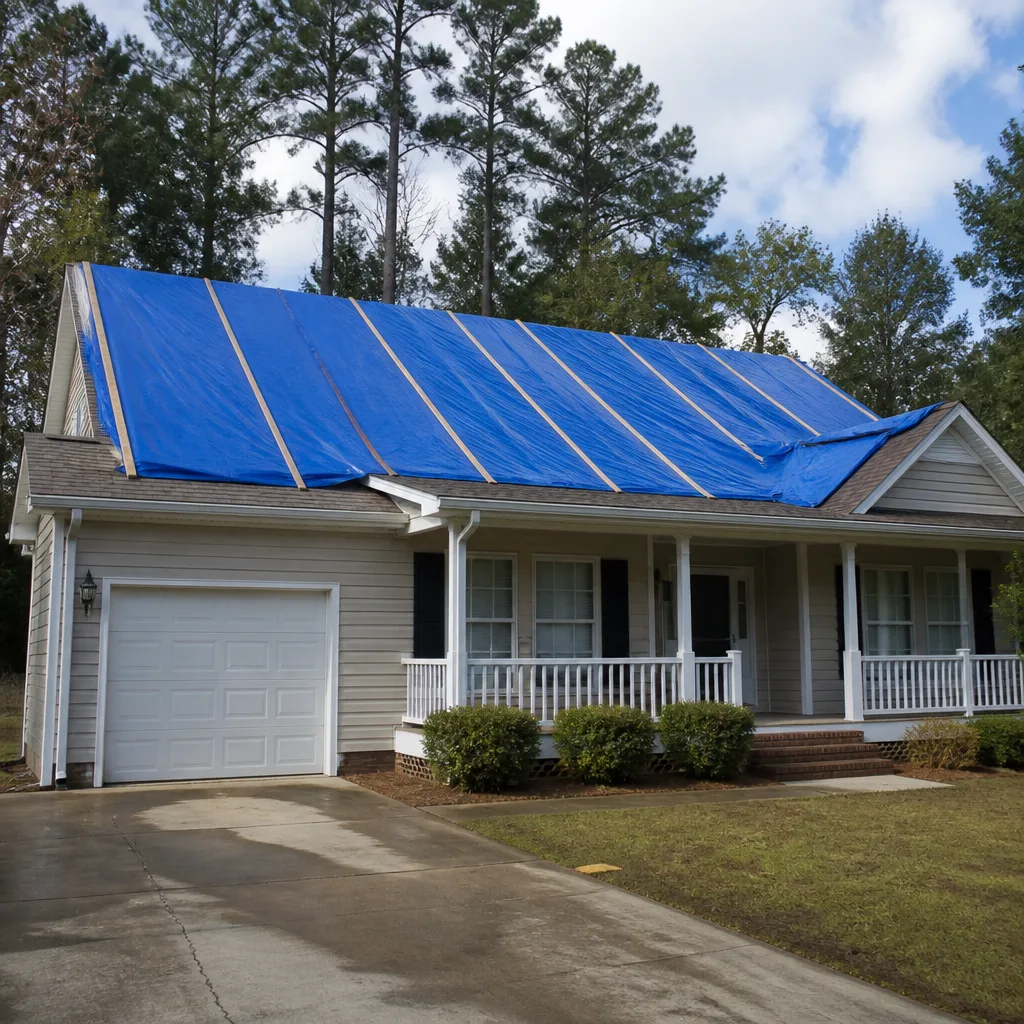
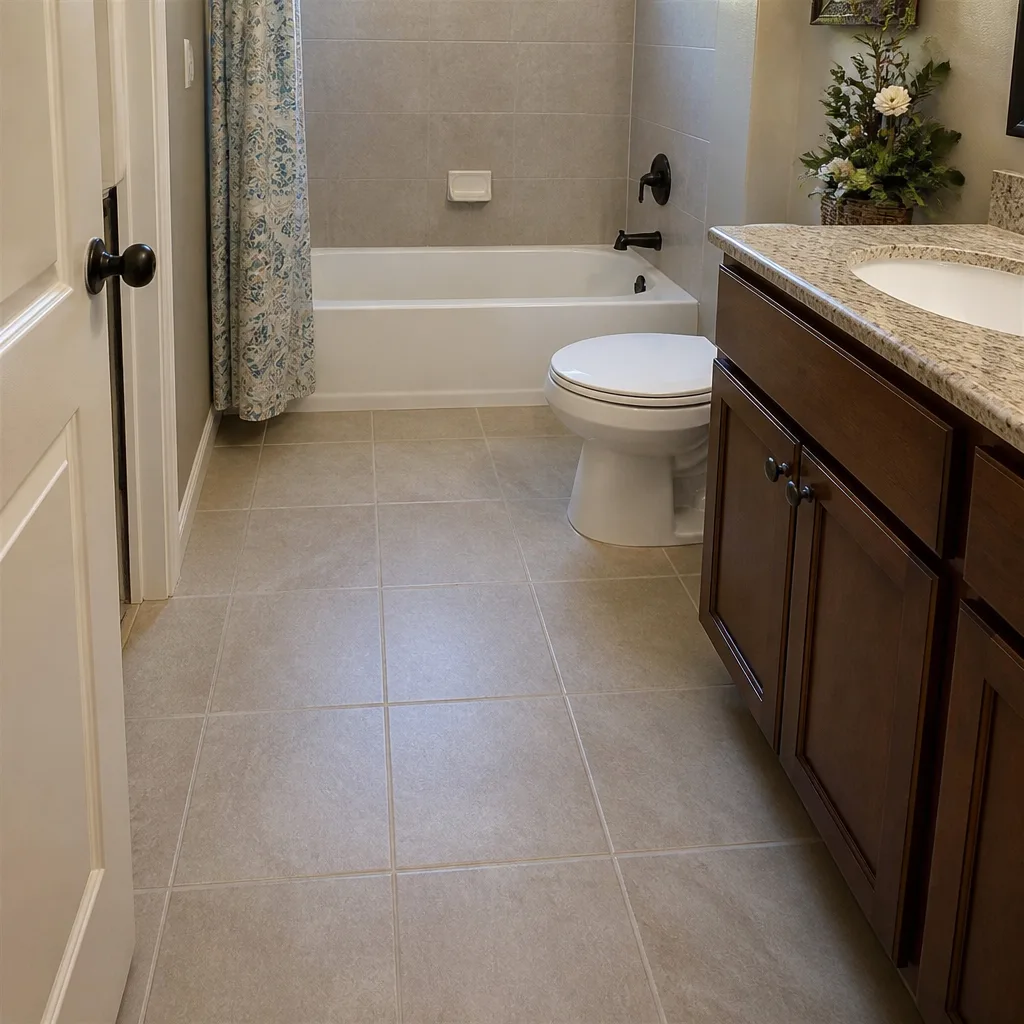
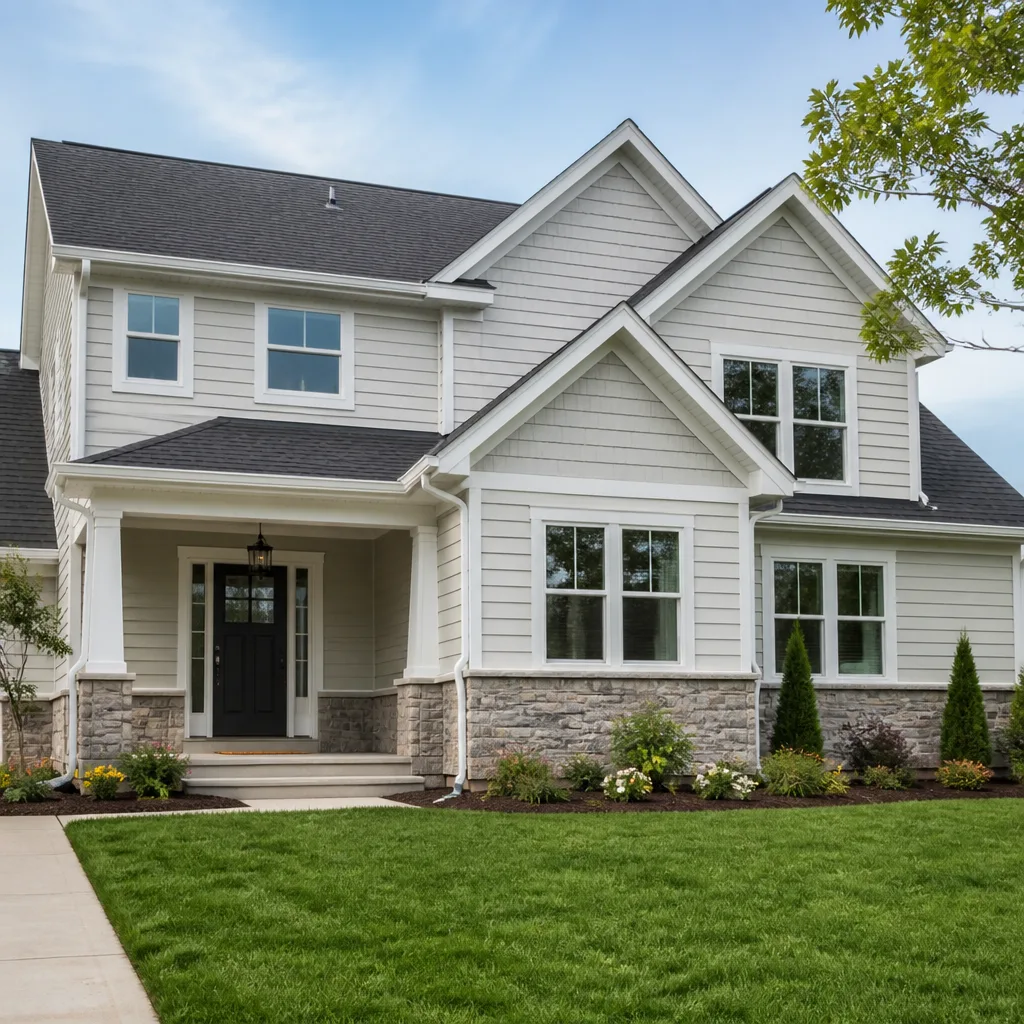
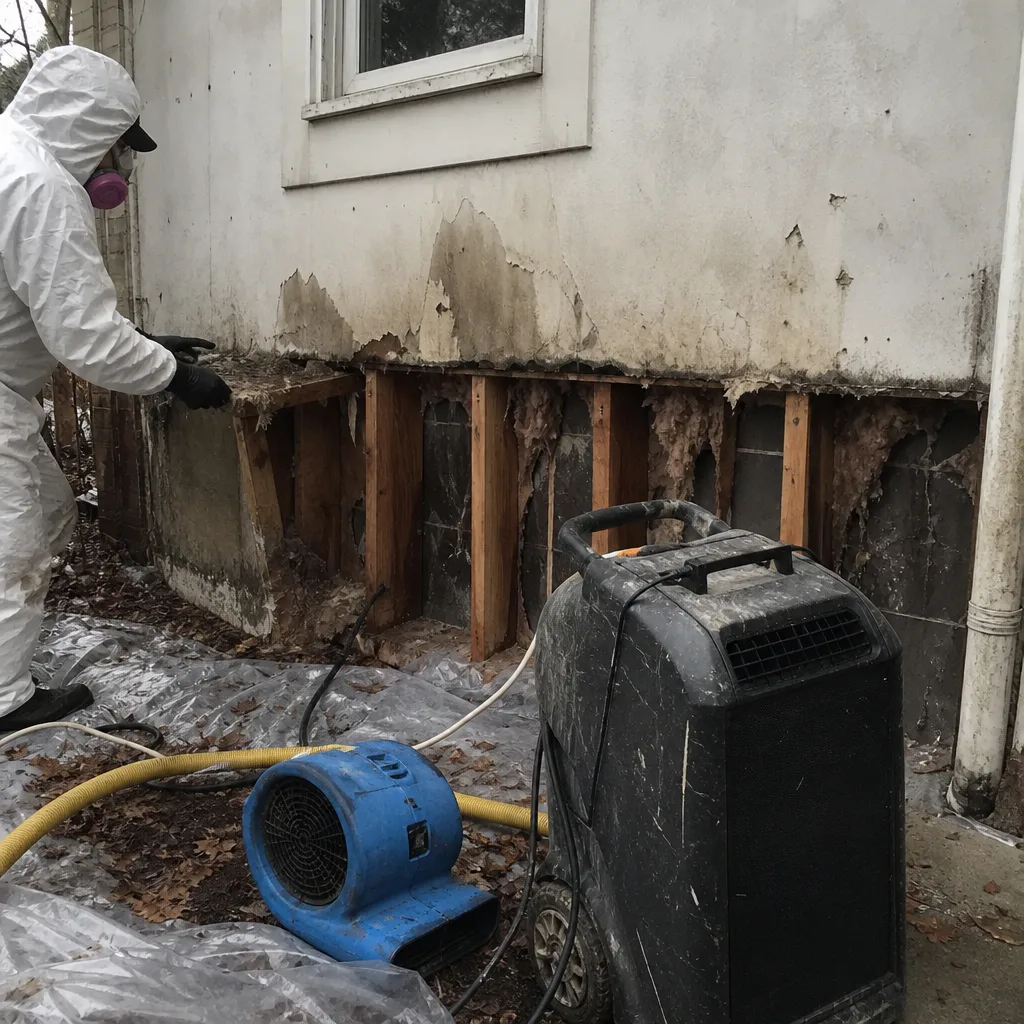 Before
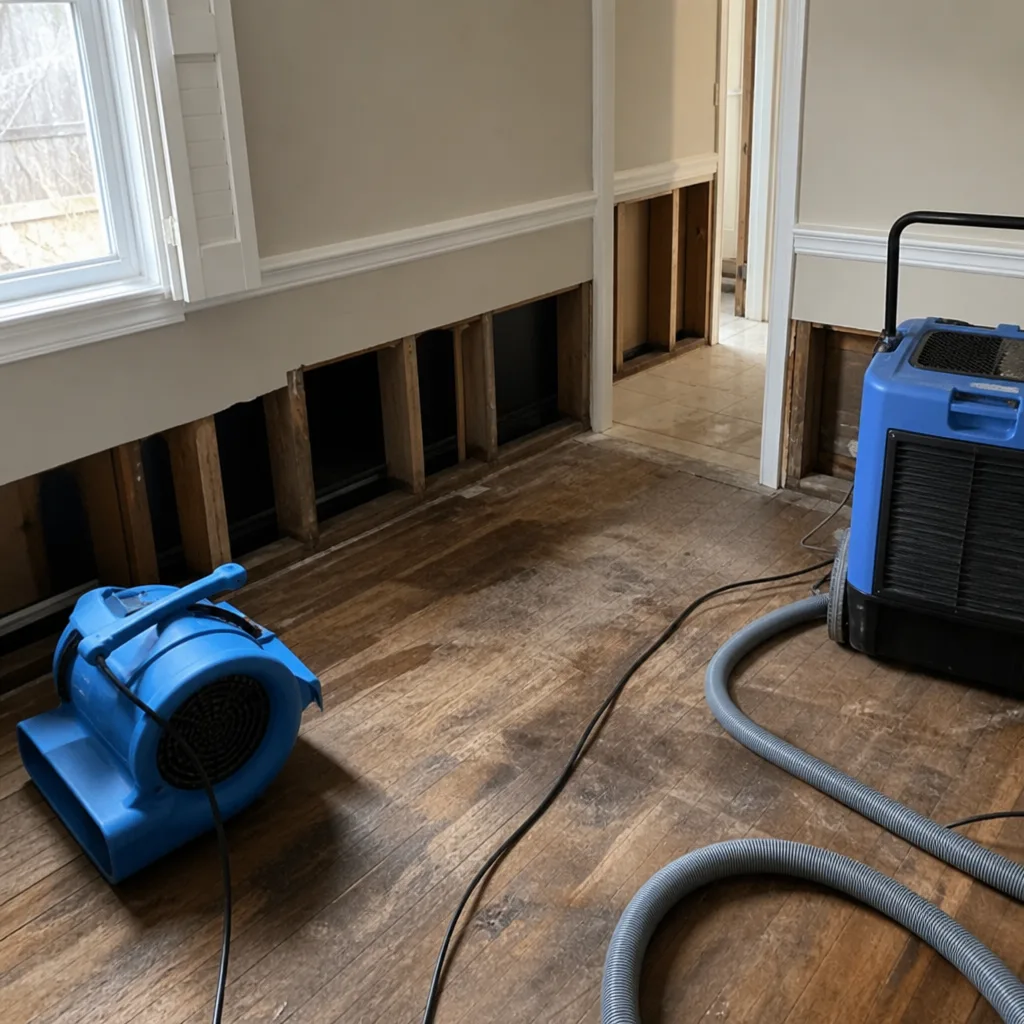 After
After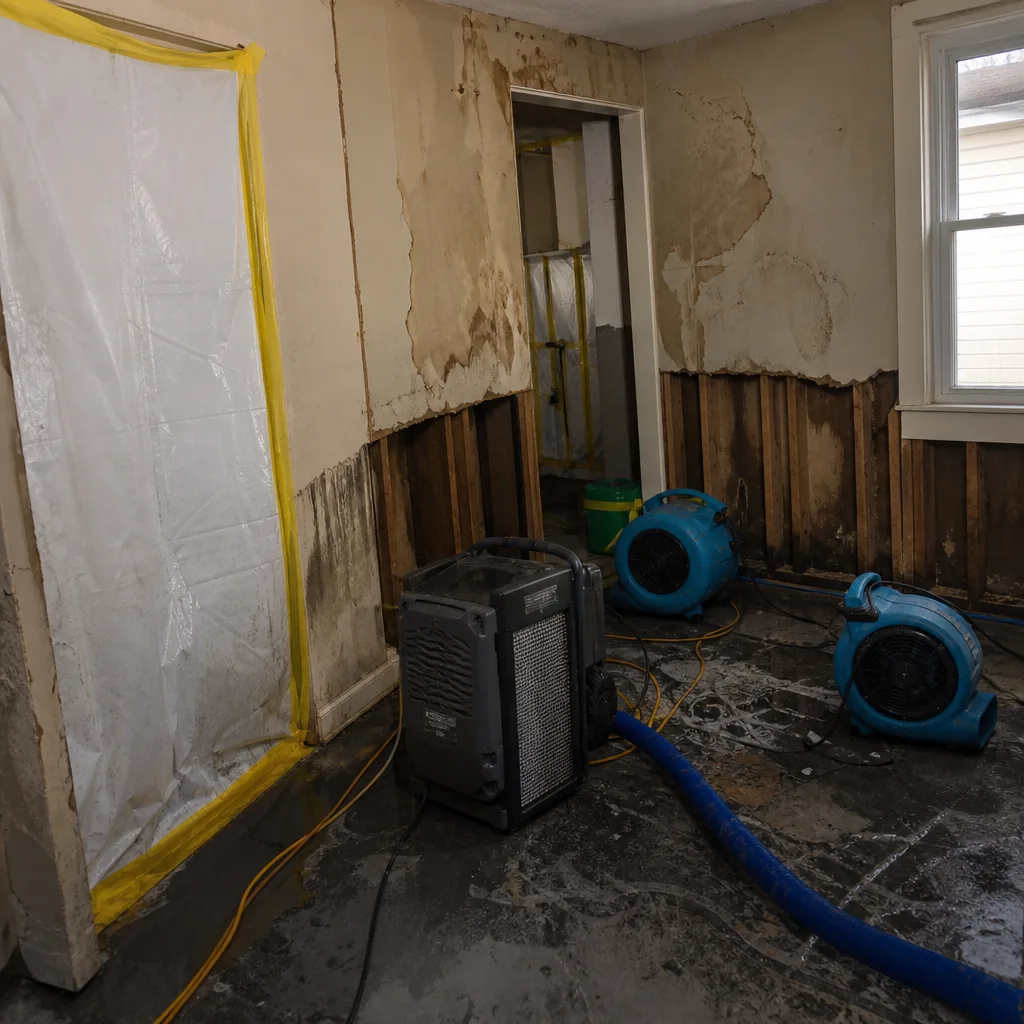 Before
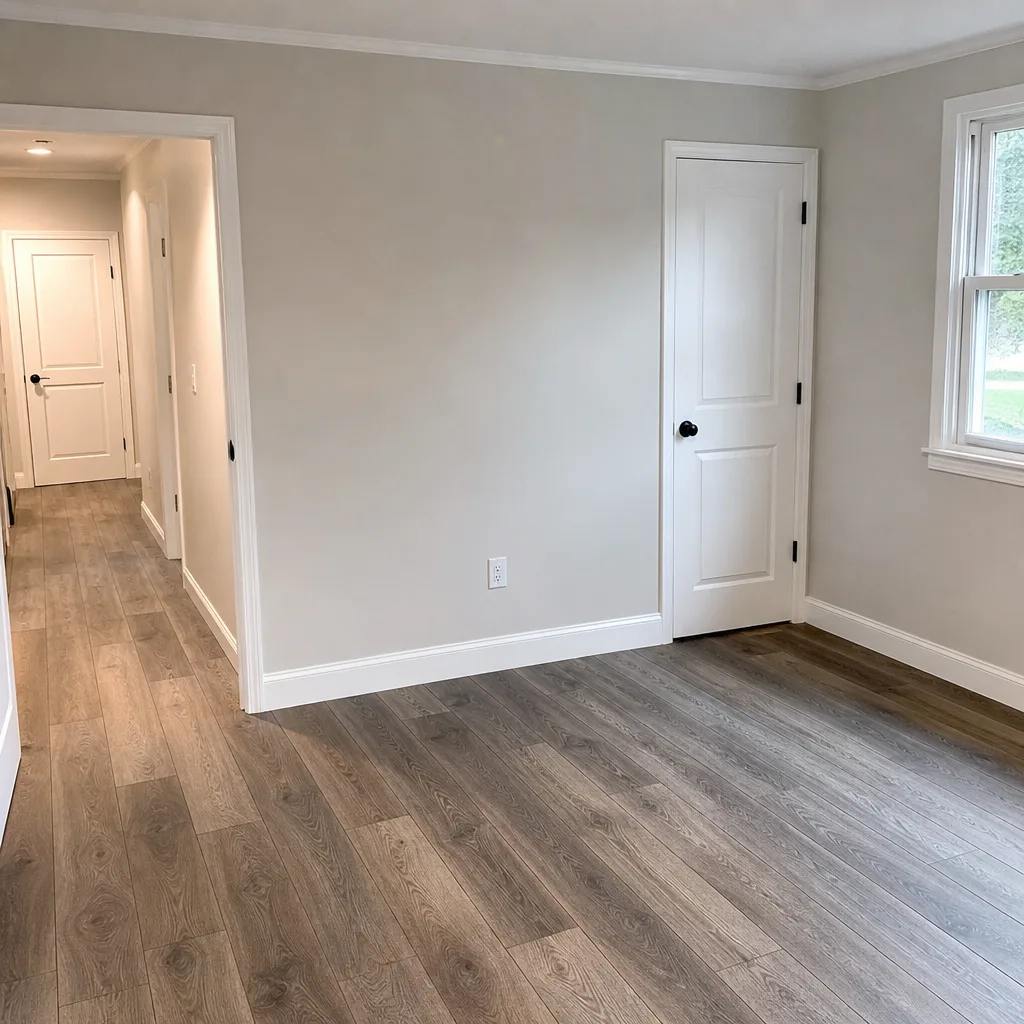 After
After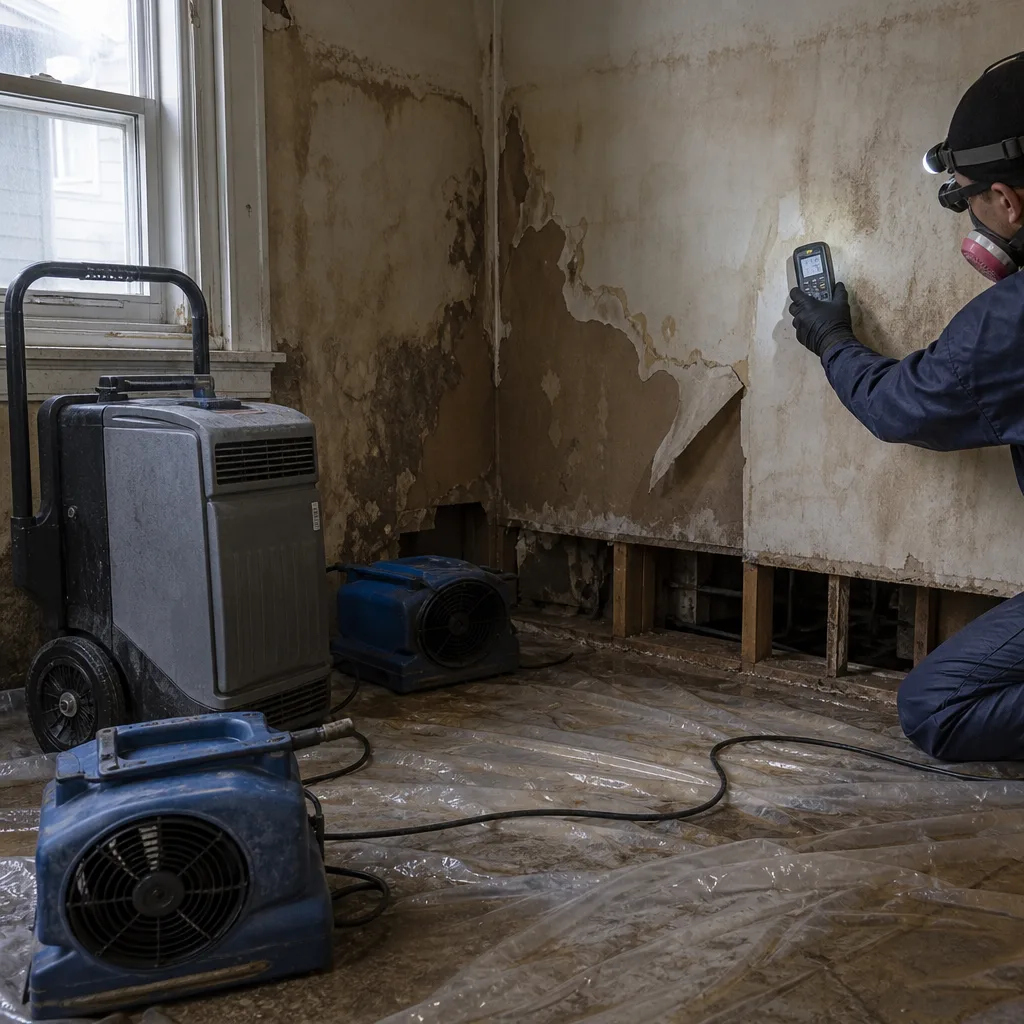 Before
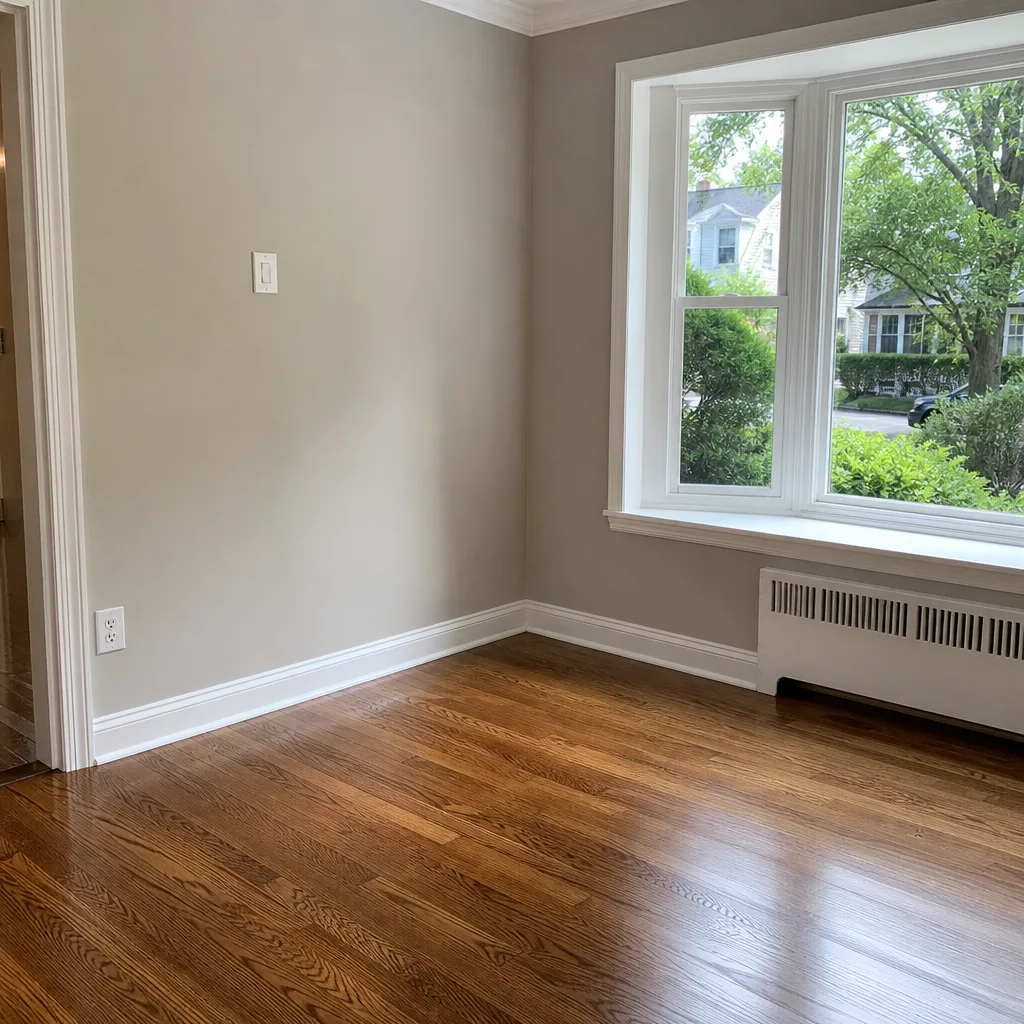 After
AfterFast, Reliable Water Damage Restoration Across Bayside
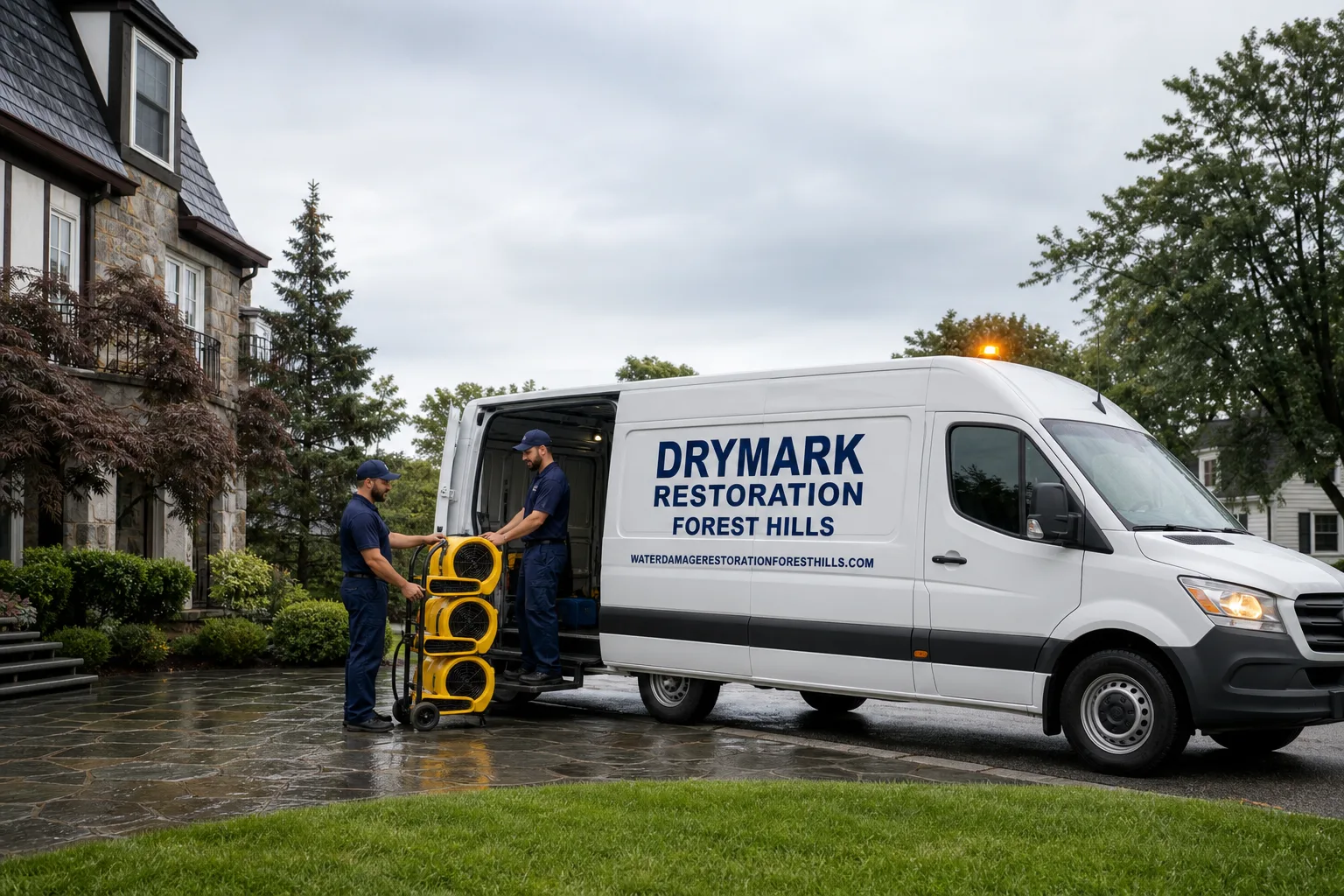
Water damage restoration in Bayside typically costs $2,800-$7,500 for a standard residential job, with emergency water extraction starting at $950 and structural drying running $1,400-$3,200 depending on affected square footage and material type. Most Bayside homeowners see our crew on-site within 45-60 minutes of calling (516) 687-6900, because we dispatch from our New York City office and know the local streets - from the Bell Boulevard corridor down to the waterfront blocks along Little Neck Bay.
Bayside isn’t like newer Queens neighborhoods. The 1920s-1940s Tudor Revival and brick Colonial homes here, with their horsehair plaster-over-lath walls and full below-grade basements, hold water in ways modern construction doesn’t. We’ve restored over 12,000 homes since 2011, and the ones in Bayside consistently require longer drying cycles, larger demolition scopes, and more meticulous documentation - especially when the loss involves flood surge from Little Neck Bay or ice-dam intrusion through steep-pitched Tudor roofs. That’s why our Water Damage Restoration team trains specifically on older housing stock and the NFIP claim documentation that Bayside’s FEMA flood-zone status demands.
Why DryMark Restoration Forest Hills Is Bayside’s Preferred Water Damage Restoration Company
We built this company around a documentation gap that Alicia Brennan saw repeatedly during her years as a claims adjuster - the gap between what a restoration crew did and what an insurer could verify. Every Bayside job we take starts with Haven Standard, Clause 1: a written price before any work begins. No exceptions. Our technicians are background-checked, uniformed, and licensed, with license numbers available on request. The photo record we produce on every visit becomes part of your claim file, not an upsell.
Our live phone coverage runs 24 hours a day, 7 days a week - no voicemail trees, no next-business-day callbacks while water is still wicking up your plaster walls. We’ve served Bayside long enough to know which blocks near Crocheron Park flood first during a nor’easter surge, and which 1930s Tudors on the hillside above Bell Boulevard are prone to ice-dam leaks at the dormer line. That local knowledge changes how we scope the job, size the equipment, and document the loss.
We also offer a Free Second Opinion on any competitor’s written estimate. Bring us another company’s scope and we’ll review it at no charge - because we’ve seen too many Bayside homeowners accept undersized drying plans that don’t account for horsehair plaster’s hidden moisture retention.
Our Water Damage Restoration Services in Bayside
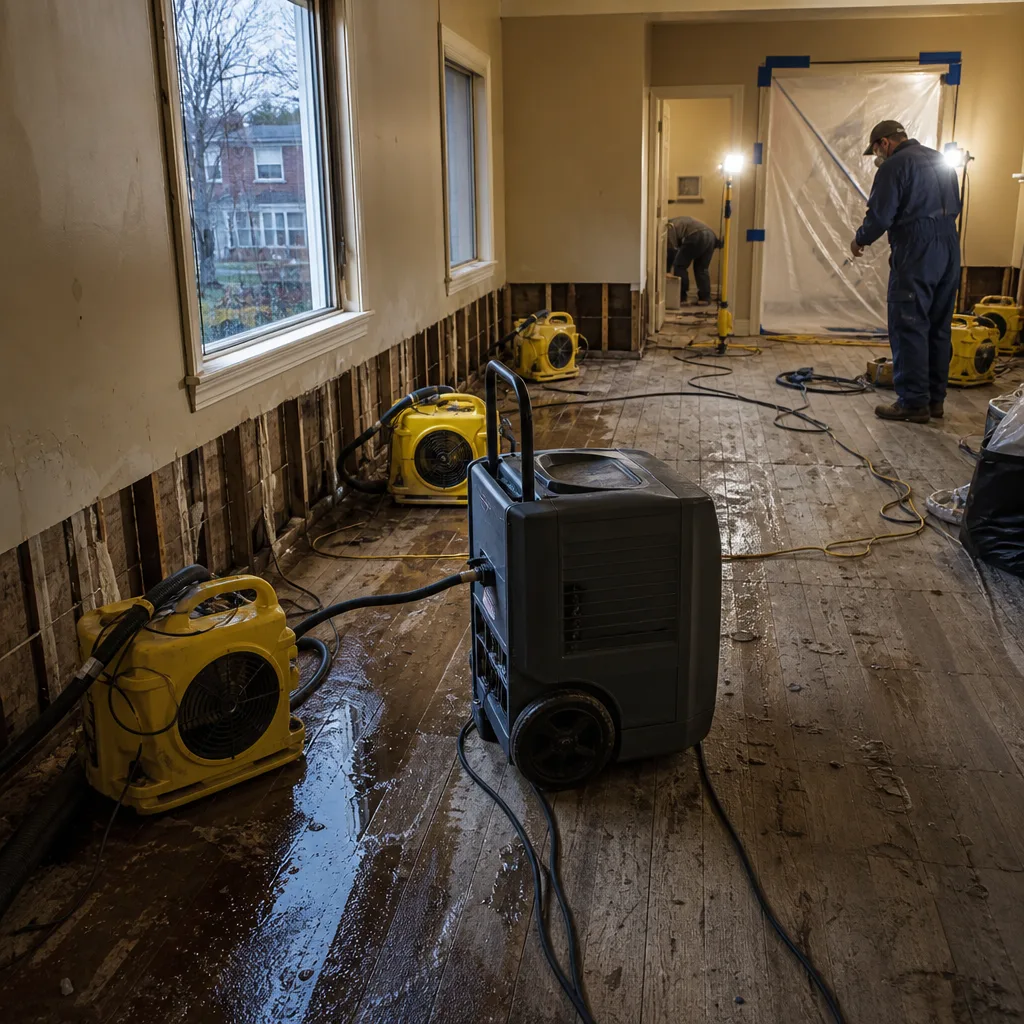
Emergency Water Extraction
When a burst cast-iron supply line or Little Neck Bay storm surge fills your Bayside basement, speed matters - but so does what happens after the standing water is gone. Our emergency extraction crews deploy truck-mounted systems and portable submersible pumps rated for Category 2 and Category 3 losses. On a recent job off 32nd Avenue near the bay, we extracted 18 inches of floodwater from a 1920s brick Colonial basement, then immediately began moisture mapping to determine how far the water had wicked up the plaster-over-lath walls. Extraction in Bayside typically runs $950-$2,400 depending on volume and contamination level.
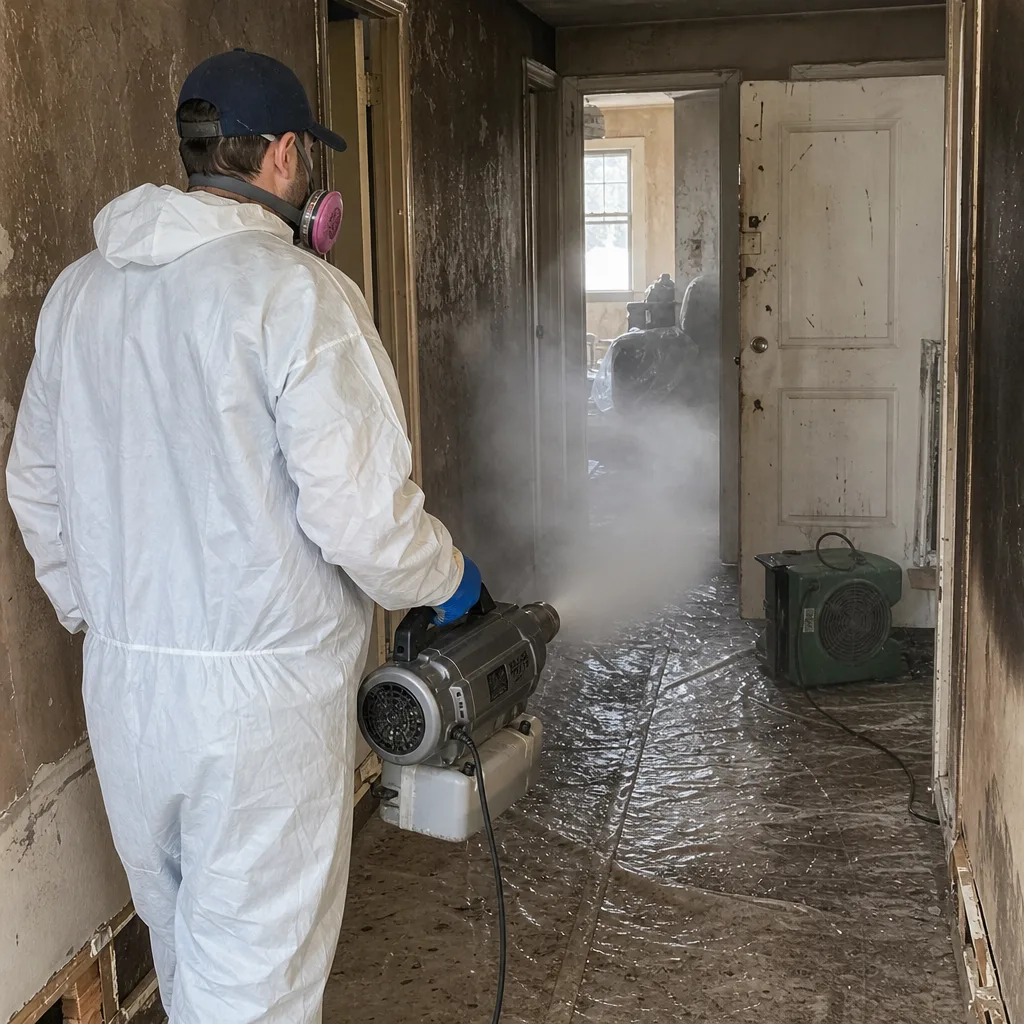
Structural Drying & Dehumidification
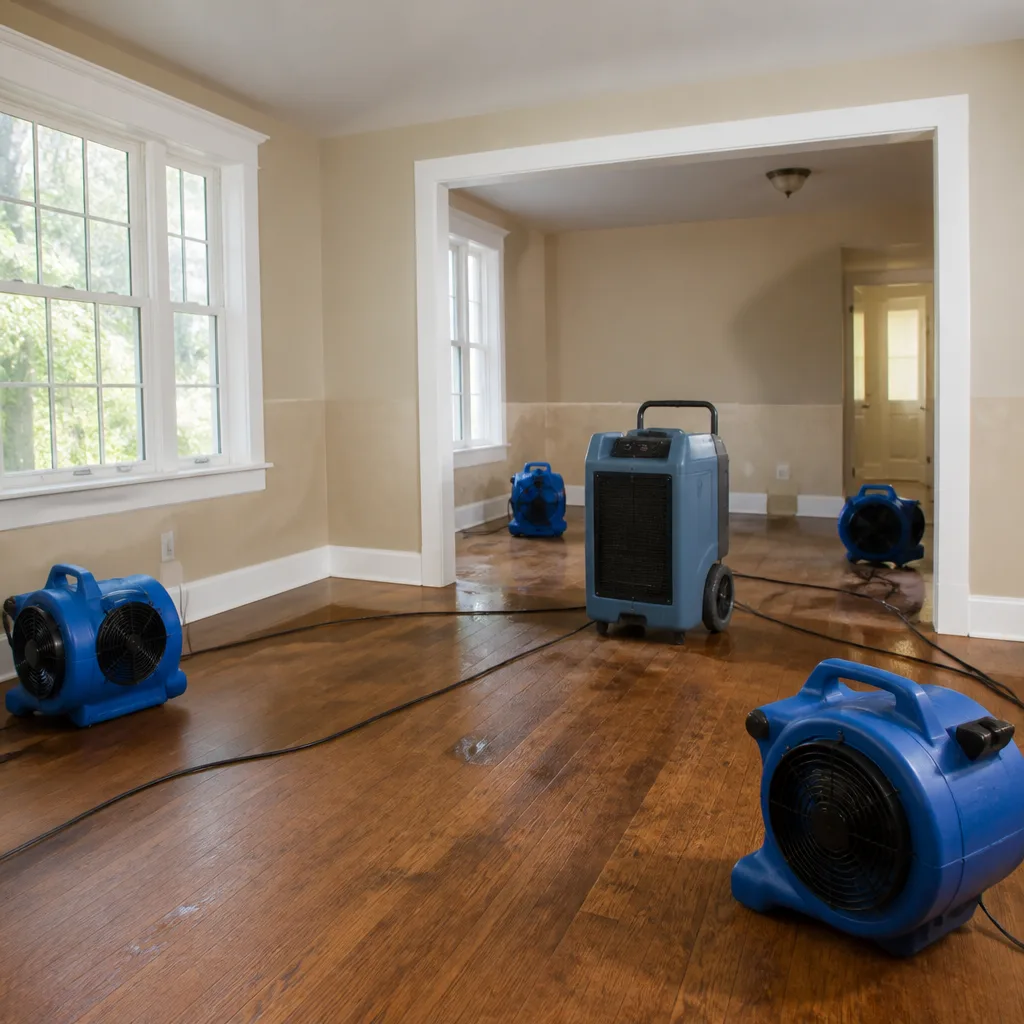
This is where Bayside’s older housing stock changes everything. Horsehair plaster - standard in the neighborhood’s pre-WWII homes - reads dry on pin meters at the surface while the brown coat and old-growth framing behind it stay saturated for weeks. We don’t trust surface readings. Our crews map moisture at multiple depths using thermo-hygrometers and non-invasive meters, then size dehumidification capacity to the actual vapor pressure differential, not the square footage alone. For Bayside plaster-over-lath jobs, we routinely run Dri-Eaz and Phoenix dehumidifiers alongside Injectidry wall-cavity drying panels for 7-14 days - double the timeline common in drywall-built neighborhoods. Structural drying in Bayside ranges $1,400-$3,200 for typical residential scope, with extended cycles on larger plaster jobs pushing toward $4,800.
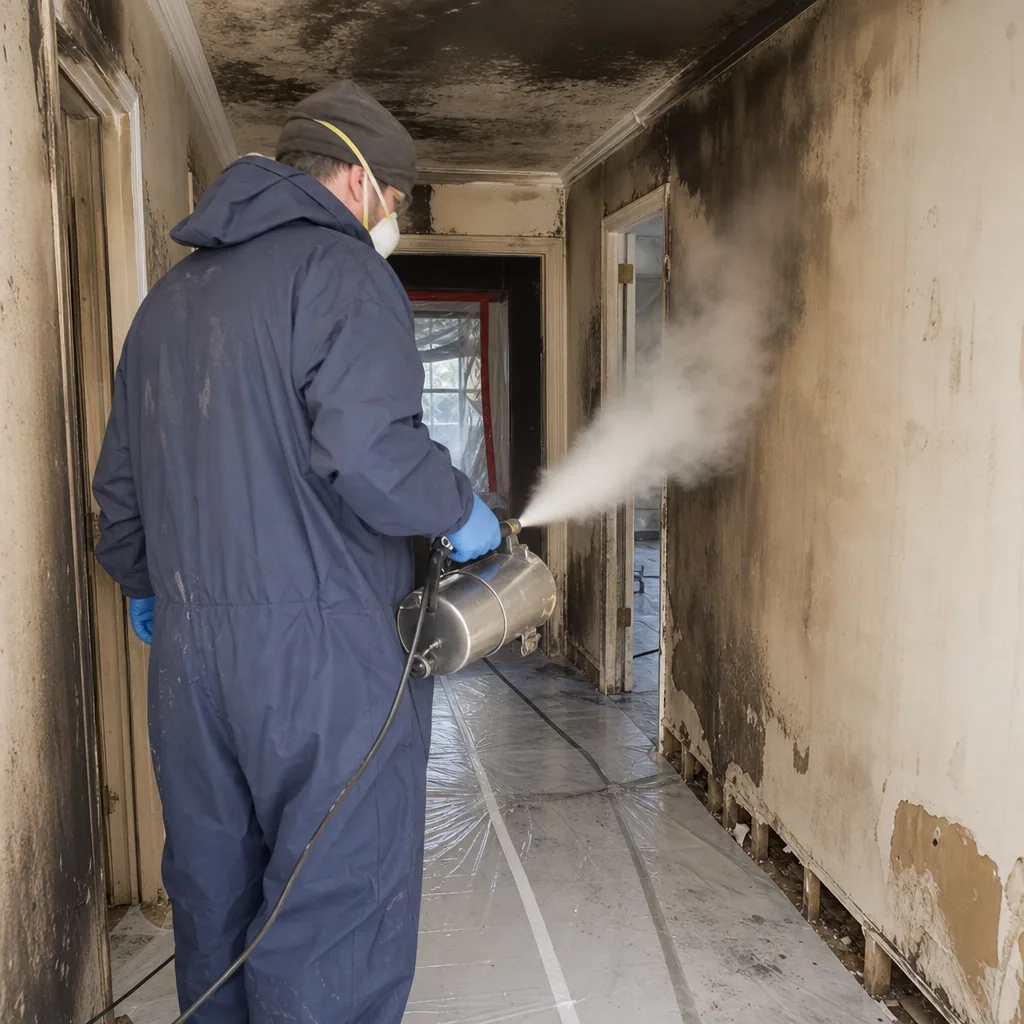
Flood Cleanup
Bayside’s FEMA flood-zone designation after Hurricane Sandy means many homeowners here carry NFIP policies - and flood cleanup documentation must meet ICC (Increased Cost of Compliance) standards if elevation or mitigation work follows. We photograph pre-loss condition room-by-room, catalog damaged materials by class, and produce daily drying logs that align with IICRC and RIA documentation protocols. Flood cleanup in Bayside starts around $3,200 for a contained basement loss and runs to $8,500+ for whole-first-floor surge damage with plaster demolition and antimicrobial treatment.
Burst Pipe Restoration
The original cast-iron and galvanized supply lines in Bayside’s older homes corrode from the interior, thinning unpredictably until they fail - often during freeze-thaw cycles when ice-dam roof leaks are also active. We scope burst pipe jobs for the dual-path water intrusion that’s common here: pressurized line water in the wall cavity plus driven rain from a compromised roof or dormer. Our written scope separates the categories, documents each moisture source, and specifies whether plaster removal is unavoidable (it often is) or whether Injectidry cavity drying can salvage the finish. Burst pipe restoration in Bayside typically ranges $2,200-$5,600.
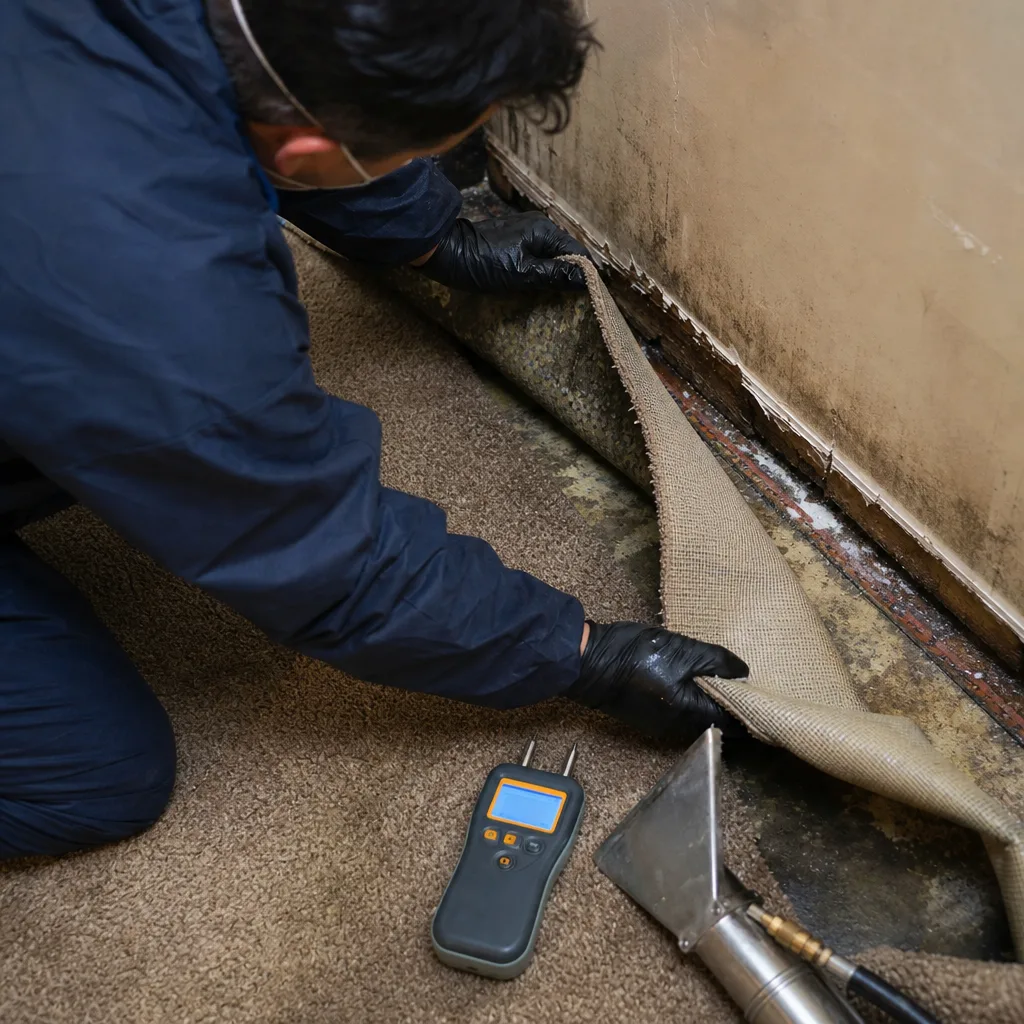
Ceiling & Roof Leak Water Damage
The steeply pitched Tudor Revival roofs in Bayside are prone to ice-dam formation during Queens freeze-thaw cycles, forcing water backward under shingles and into eave-line assemblies. By the time a homeowner notices staining on the ceiling plaster, mold is often established in the insulation cavity above. We inspect with borescopes when possible, document the damage path from roof deck to ceiling finish, and specify whether the plaster ceiling can be dried in place or requires controlled demolition. Ceiling and roof leak restoration in Bayside runs $1,800-$4,400 depending on attic access and the extent of insulation replacement.
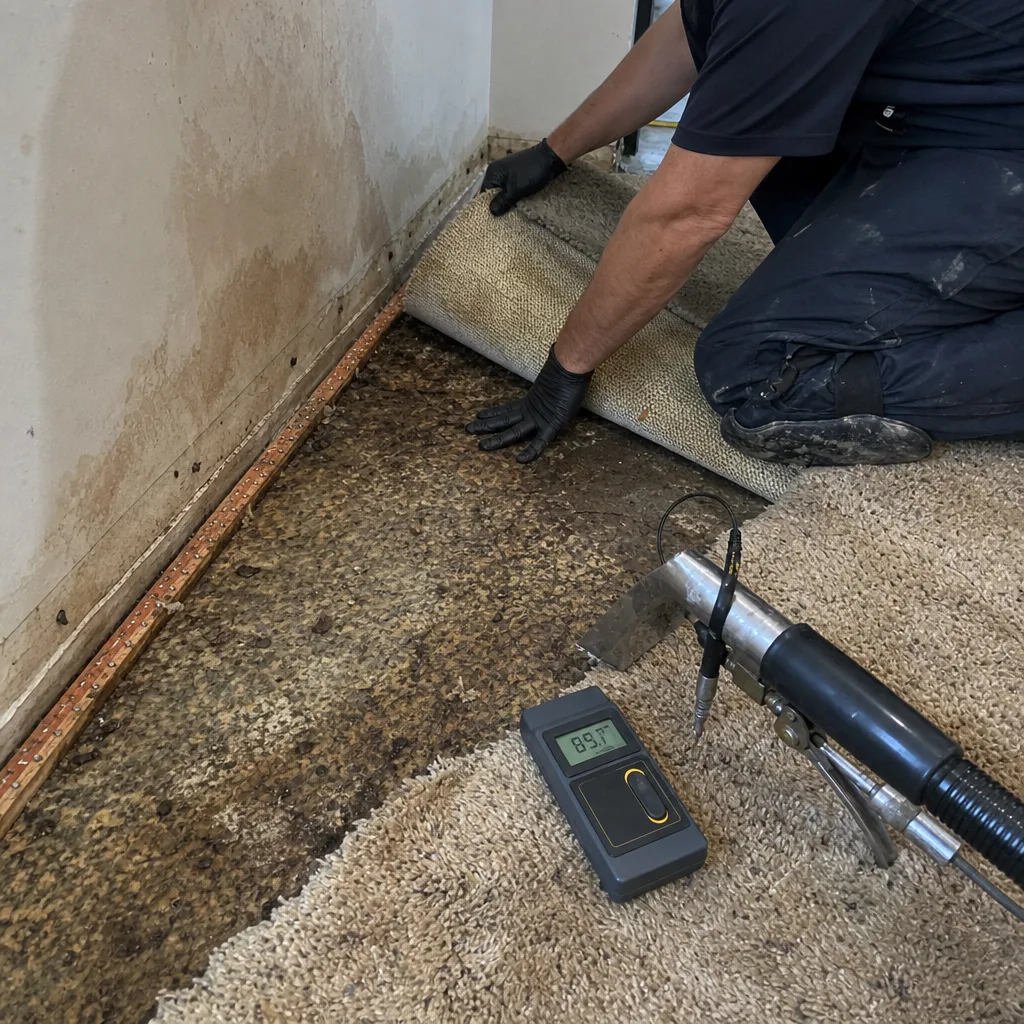
Basement Water Removal
Full below-grade basements are standard in Bayside’s residential blocks, and they’re the first to take water when Little Neck Bay surges - whether from a named hurricane or a routine nor’easter. We pump, extract, and then test slab moisture and foundation wall saturation with calibrated meters. Basement jobs here often reveal deteriorated mortar joints and efflorescence that predate the current loss; we document existing conditions so your claim isn’t burdened with pre-existing damage disputes. Basement water removal and drying in Bayside ranges $2,400-$6,200.
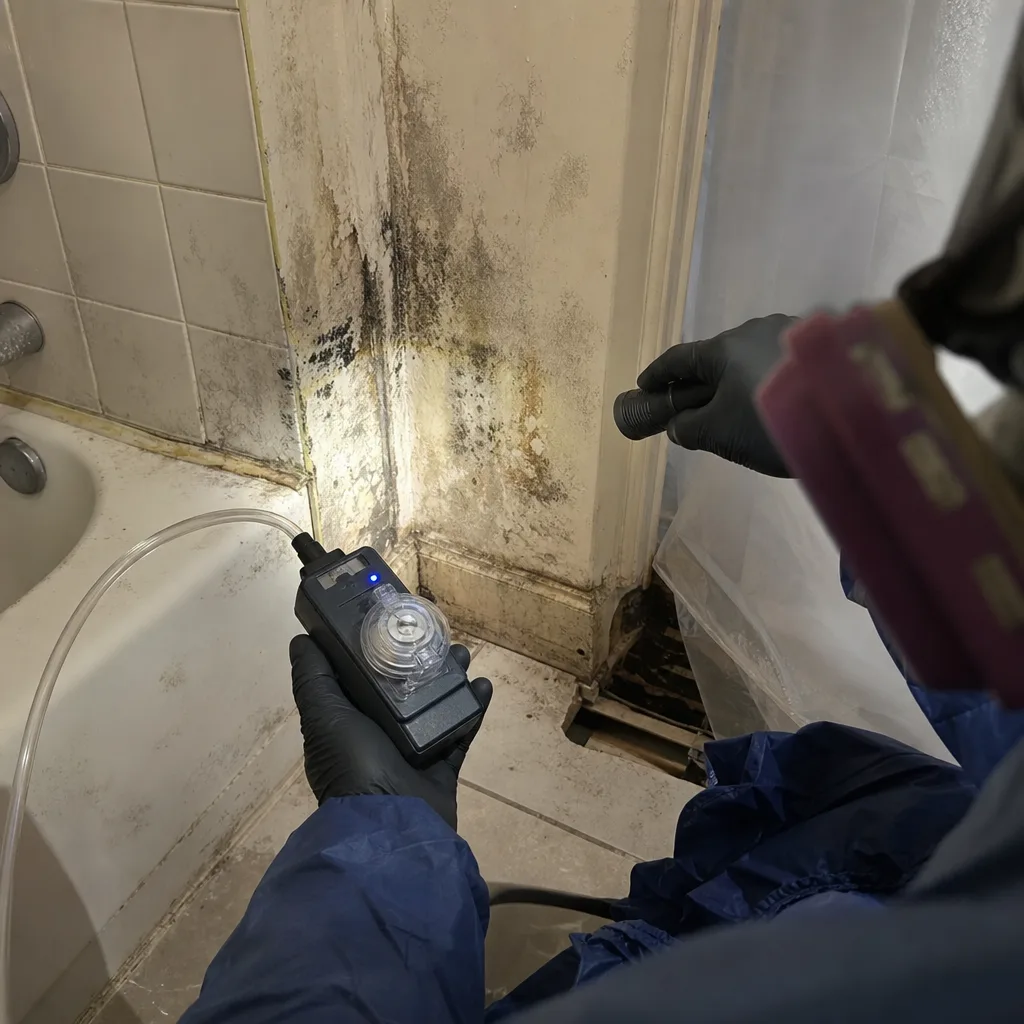
What happens when you call
- 1
A real person answersNo phone trees - you reach a local pro.
- 2
You get an upfront price rangeHonest numbers before anyone is dispatched.
- 3
A background-checked tech heads outLicensed & insured, dispatched right away.
- 4
You approve before work beginsNothing starts until you say go.
BeforeAfterCommon Water Damage Restoration Problems We See in Bayside Homes
- Surface-dry plaster hiding deep saturation. Horsehair plaster reads dry on pin meters while the brown coat and lath behind hold moisture for weeks. We map at depth and don’t pull equipment until the assembly meets drying goals, not just the surface.
- Ice-dam leaks mistaken for plumbing failures. Water staining at eave lines or dormers during winter often gets blamed on interior pipes, when the real source is roof meltwater forced backward under shingles. We trace the damage path before writing the scope.
- Nor’easter surge flooding basements repeatedly. For Bayside homeowners in FEMA flood zones, flooding isn’t theoretical - it’s every few years, driven by storm surge funneled up Little Neck Bay. We document each loss for NFIP compliance and flag ICC-eligible mitigation work.
- Cast-iron pipe corrosion causing sudden, high-volume releases. Original galvanized and cast-iron drain lines in Bayside’s 1920s-1940s homes fail without warning, releasing Category 2 or 3 water into wall cavities. We test adjacent line sections and document the contamination category for your claim.
Pricing for Water Damage Restoration in Bayside, NY
We publish ranges because Haven Standard, Clause 1 requires a written price before work begins - and you can’t write a price you haven’t discussed. Here is what water damage restoration costs in Bayside’s market:
| Service | Typical Range in Bayside |
|---|---|
| Emergency Water Extraction | $950 - $2,400 |
| Structural Drying & Dehumidification | $1,400 - $3,200 (extended plaster cycles: $3,800 - $4,800) |
| Flood Cleanup (NFIP-documented) | $3,200 - $8,500+ |
| Burst Pipe Restoration | $2,200 - $5,600 |
| Ceiling & Roof Leak Damage | $1,800 - $4,400 |
| Basement Water Removal & Drying | $2,400 - $6,200 |
What moves a Bayside job toward the higher end: horsehair plaster requiring extended drying or demolition, Category 2/3 contamination from sewage or flood surge, multiple affected levels, and the need for antimicrobial treatment or contents pack-out. We deliver your written scope and price before anyone starts work - no additions once the crew is inside. Estimates are free. Call (516) 687-6900.
We Also Serve Cities Near Bayside
Our crews respond throughout northeastern Queens and beyond. We regularly handle Water Damage Restoration in Bayside and the surrounding communities of Flushing, College Point, Fresh Meadows, and Forest Hills. Dispatch and scheduling are coordinated from our New York City office, with local crews serving each area.
Serving Bayside, NY - Our Local Coverage Area
We’re based in the Bayside area and know this community well. Use the map below to see our service coverage - if you’re nearby, we can almost certainly help.
FAQs - Water Damage Restoration in Bayside
Bayside’s 1920s-1940s homes are built with horsehair plaster-over-lath walls and old-growth framing that hold moisture far longer than modern drywall assemblies. Surface pin meters read dry while the brown coat and framing behind stay saturated, so we run extended structural drying cycles - typically 7-14 days with Injectidry cavity panels and commercial dehumidifiers - and we don’t sign off until deep moisture goals are met. Call (516) 687-6900 and we’ll walk through what your specific timeline looks like.
No. Horsehair plaster feels dry to the touch and routinely posts dry readings on pin meters at the surface while the lath and framing behind remain saturated. We use thermo-hygrometers, non-invasive moisture meters at multiple depths, and borescope inspection when needed to verify actual assembly dryness. If a contractor tells you your Bayside plaster is dry based on a surface pin reading alone, get a second opinion - ours is free.
We classify the water source, document the contamination category with photos, and specify antimicrobial treatment and removal requirements in the written scope before work begins. Cast-iron line failures often release Category 2 water that can degrade to Category 3 if left standing; we test adjacent pipe sections, document pre-existing corrosion, and separate line-water damage from any storm-driven intrusion that may be concurrent. The scope is written, priced, and signed before we start.
Yes. Bayside’s post-Sandy FEMA flood-zone designation means many losses here involve NFIP policies with ICC requirements for elevation or mitigation documentation. We produce room-by-room photo records, daily drying logs, material classification by IICRC standards, and pre-loss condition documentation that aligns with what NFIP adjusters expect. Our founder built this company around the documentation gap that denies claims - we don’t let that gap open on our jobs.
Stop the active intrusion if you can do so safely, then call (516) 687-6900 for immediate dispatch. Don’t wait to assess the full extent - in Bayside’s older homes, water moves through wall cavities and plaster assemblies faster than visible staining suggests. Our live operator will log your call, confirm ETA, and begin preparing the documentation package while the crew is en route. The written scope and price come before any work starts, per Haven Standard, Clause 1.
Written by Alicia Brennan, Owner at Back to Dry Restoration, serving Bayside since 2011 under The Haven Standard.
Water Damage Restoration in Nearby Areas