
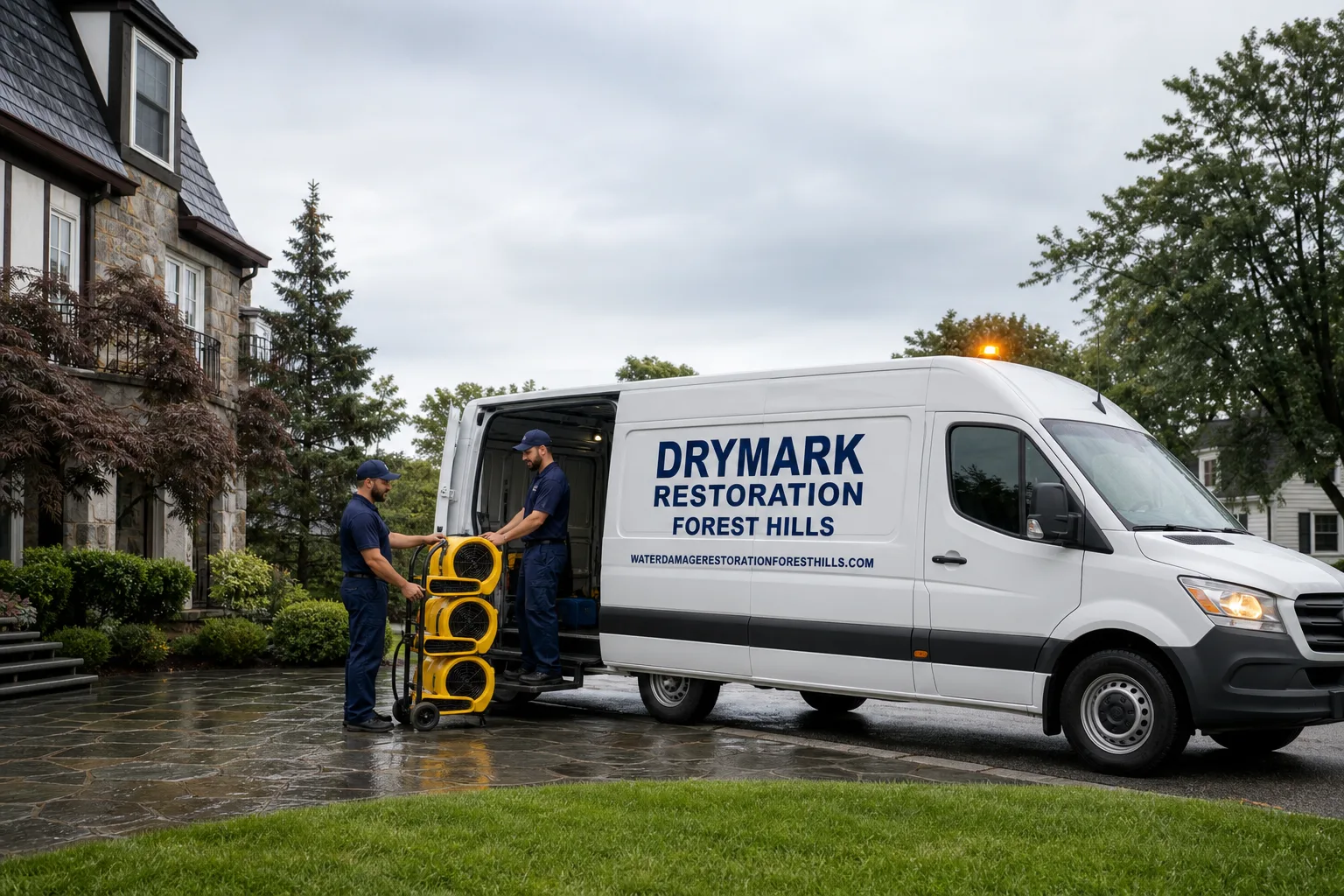
Free visual inspection and a written scope of work before any mitigation begins - photos, moisture readings, and drying logs go in your claim file
The scope we write is the scope we bill. Anything new gets shown to you, in writing, before we touch it.
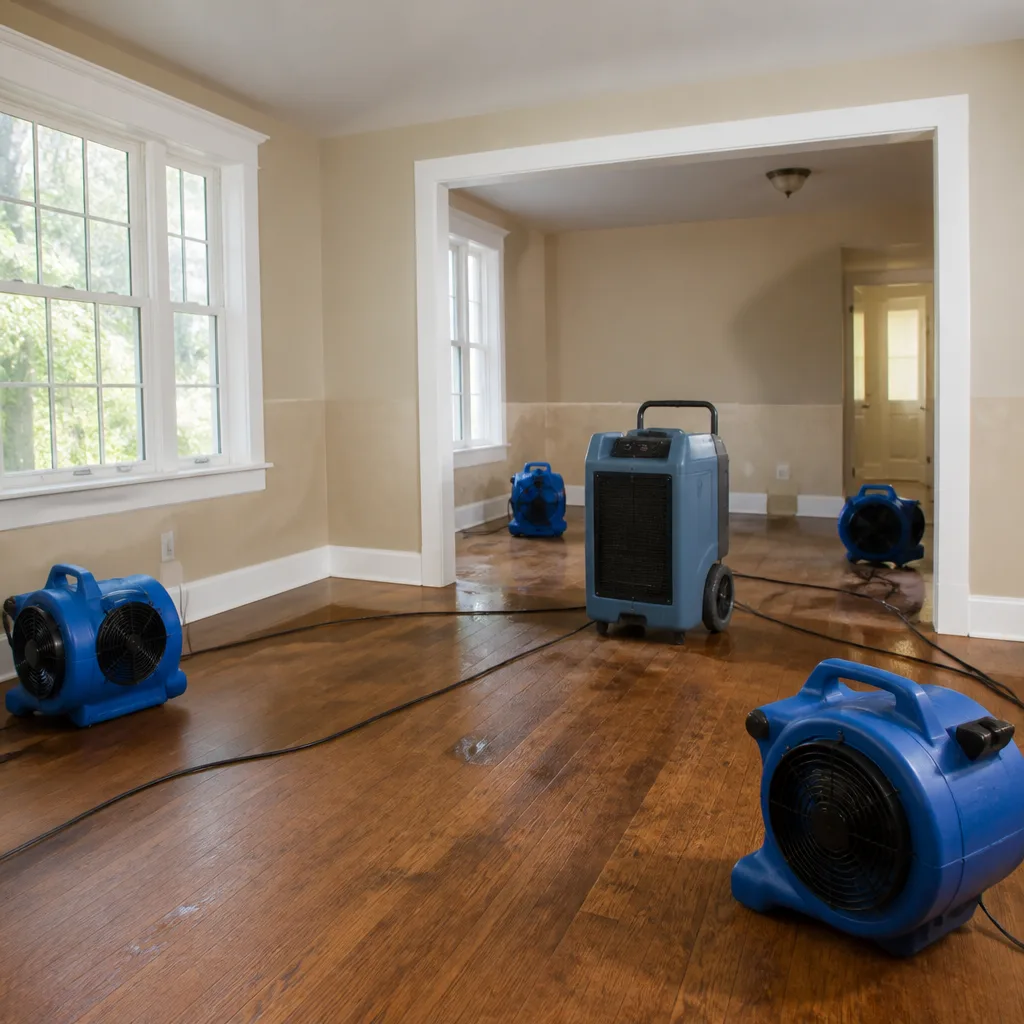
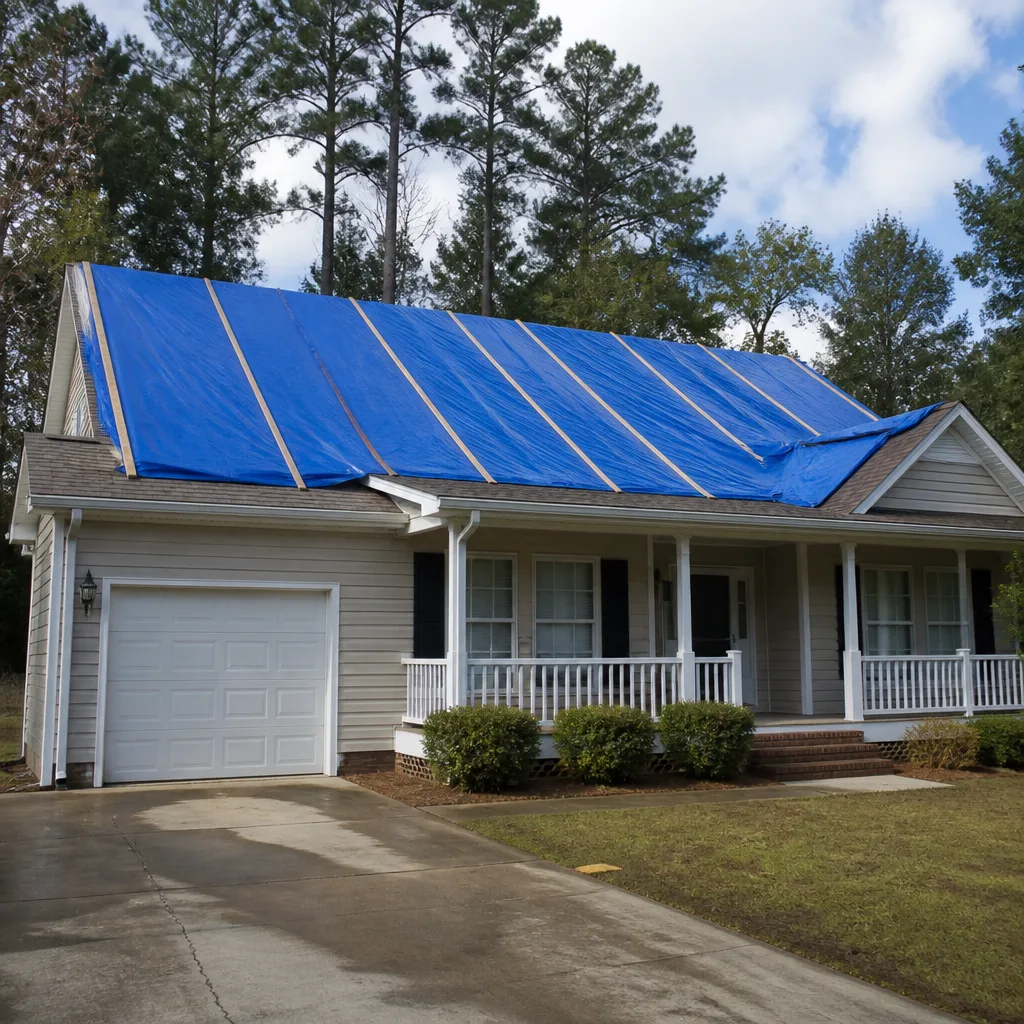
 Before
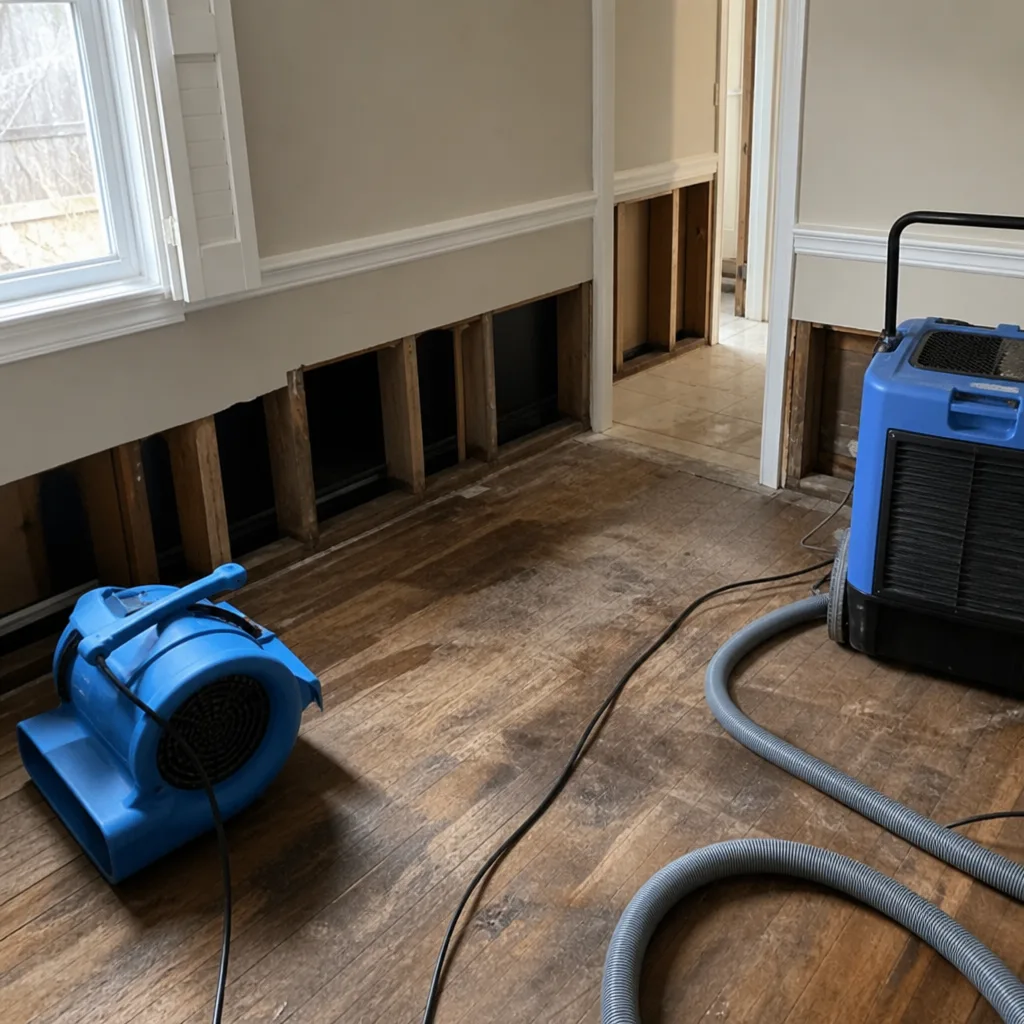 After
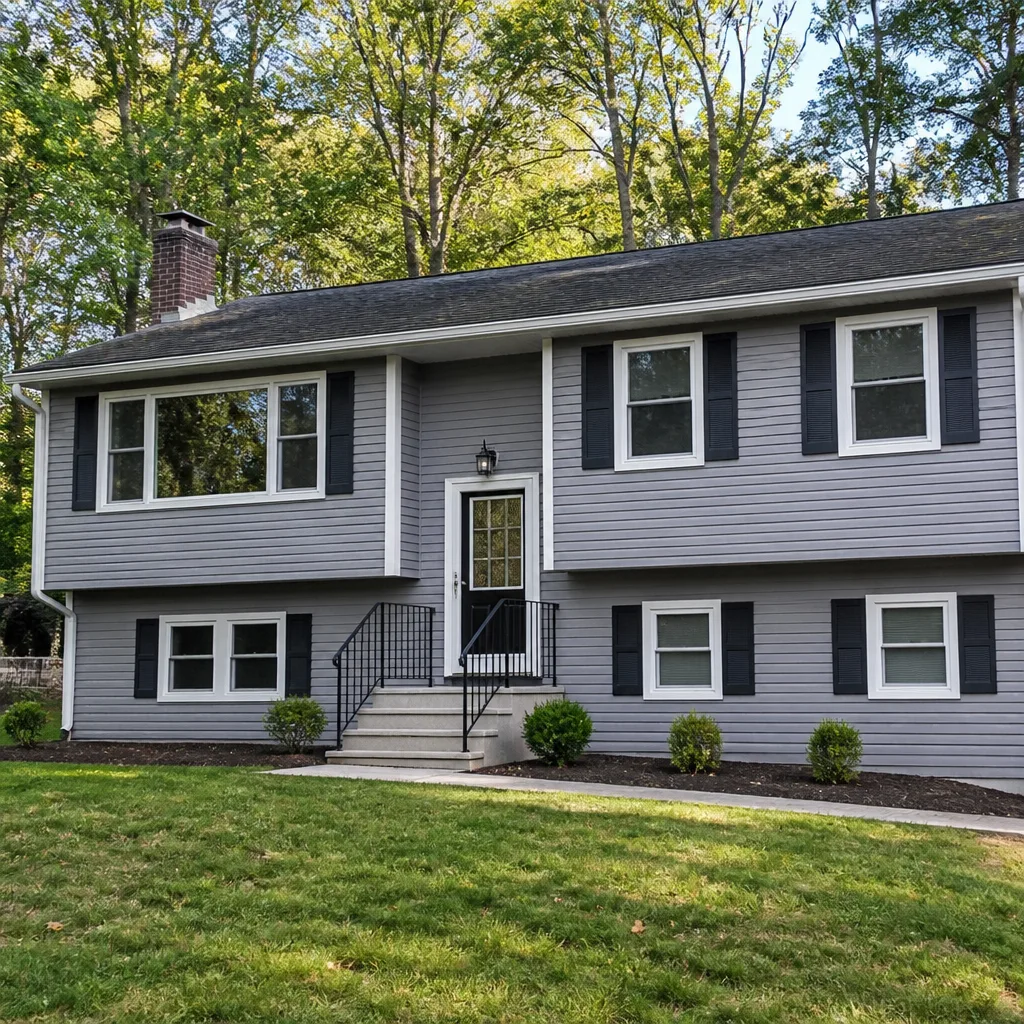
After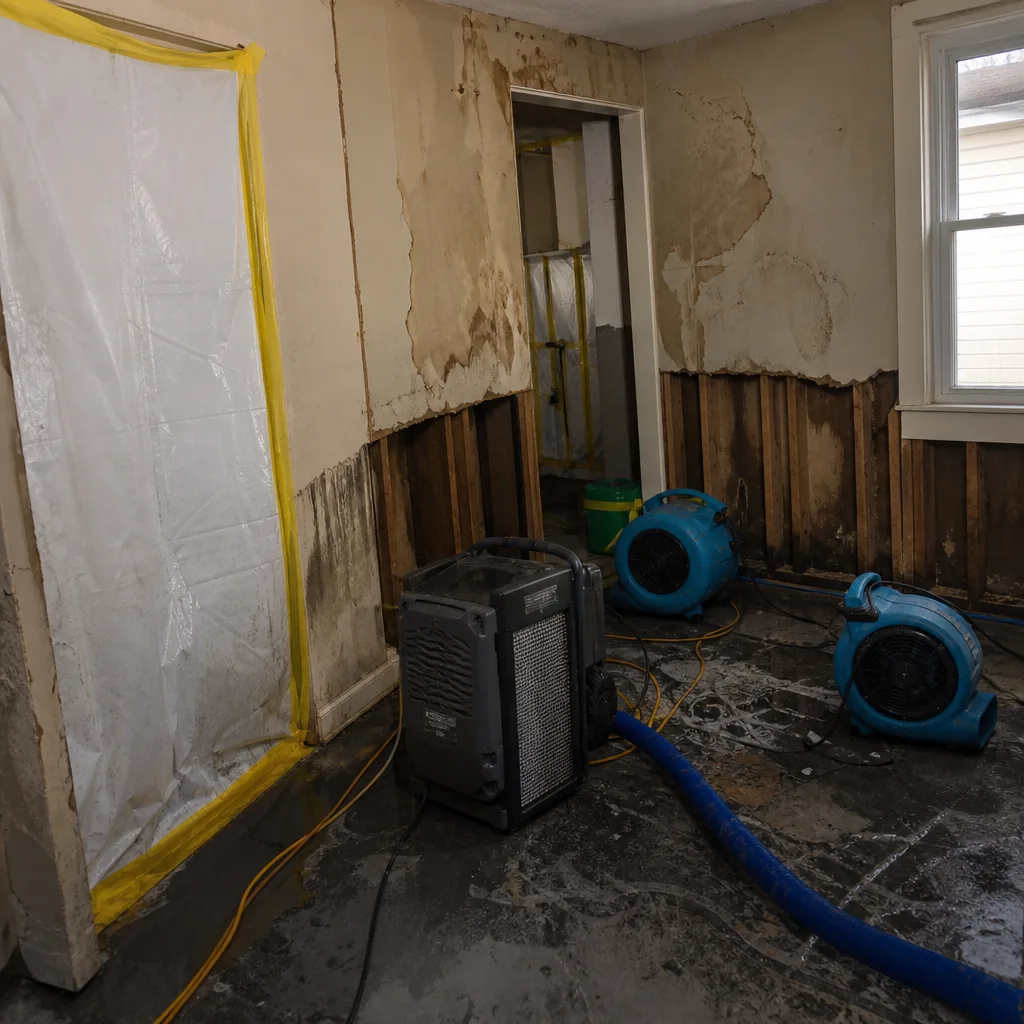 Before
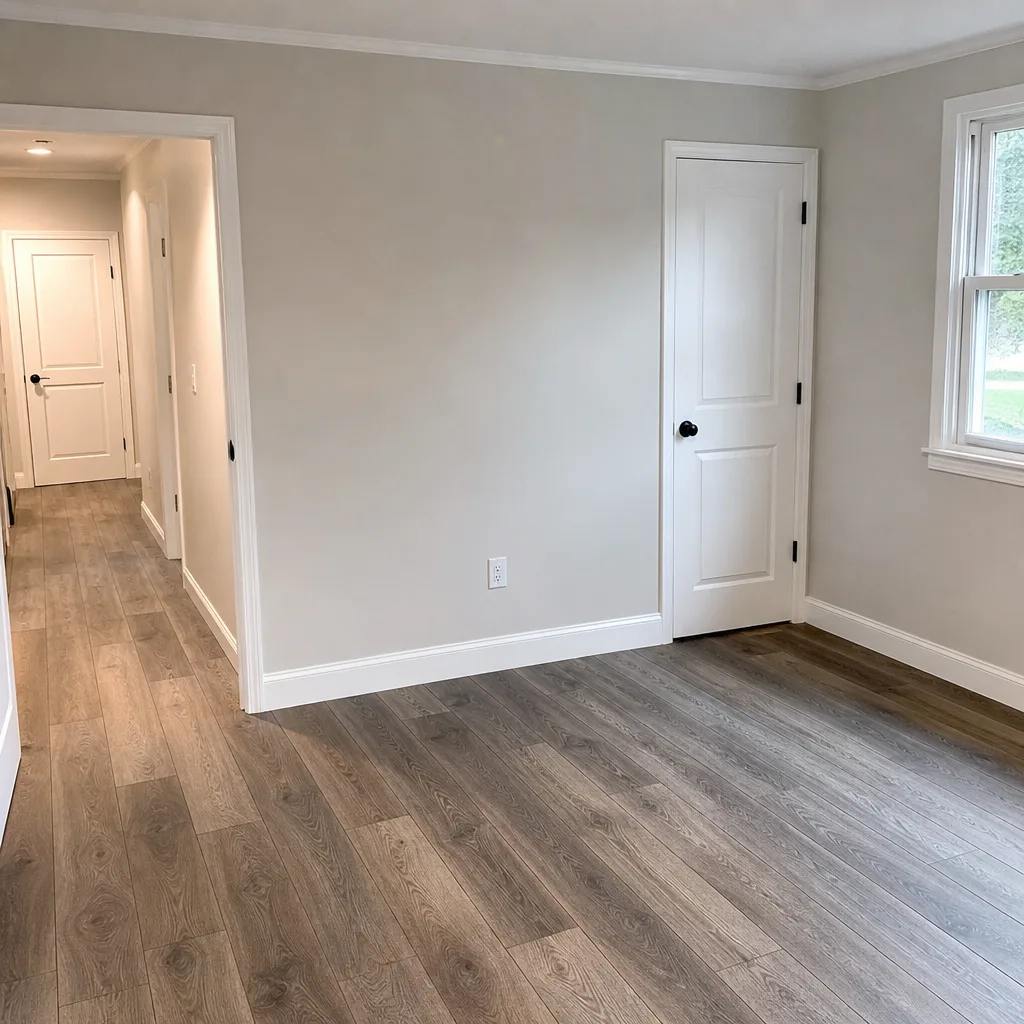 After
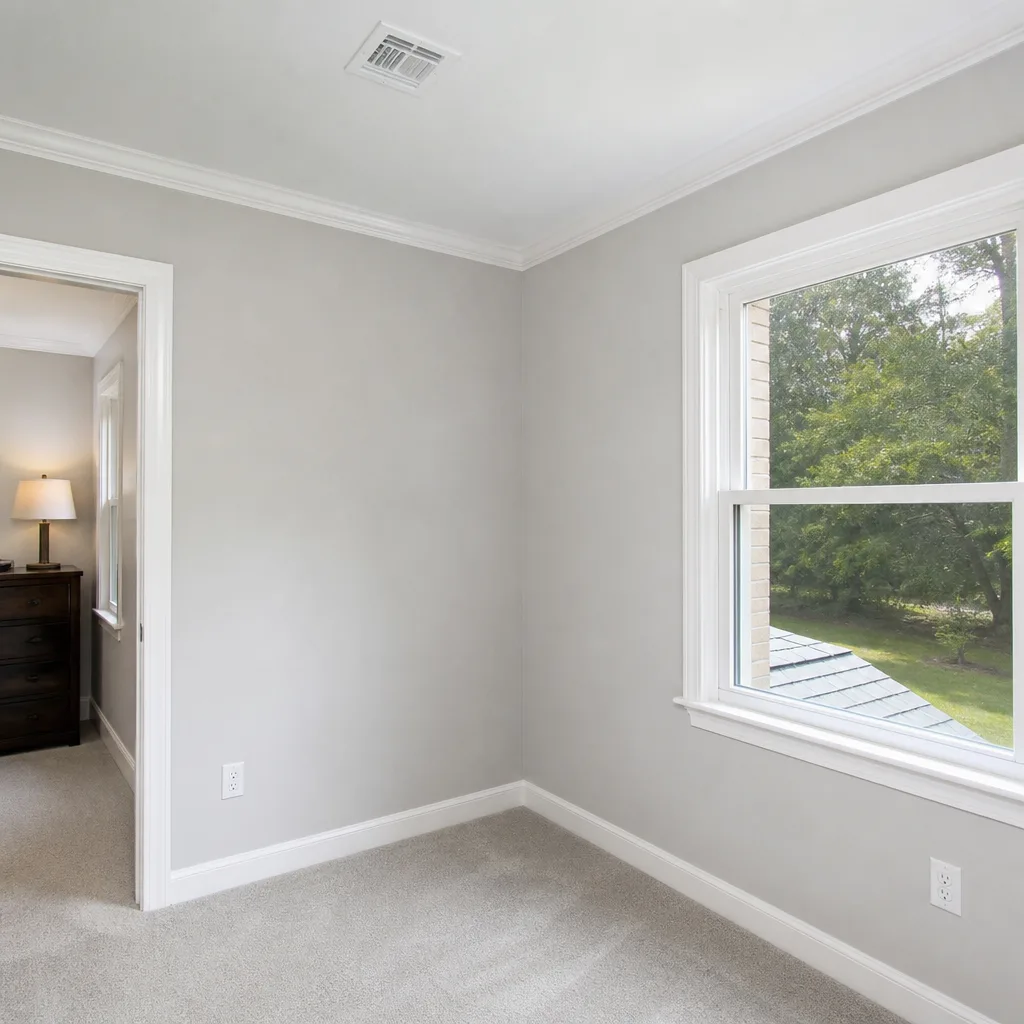
After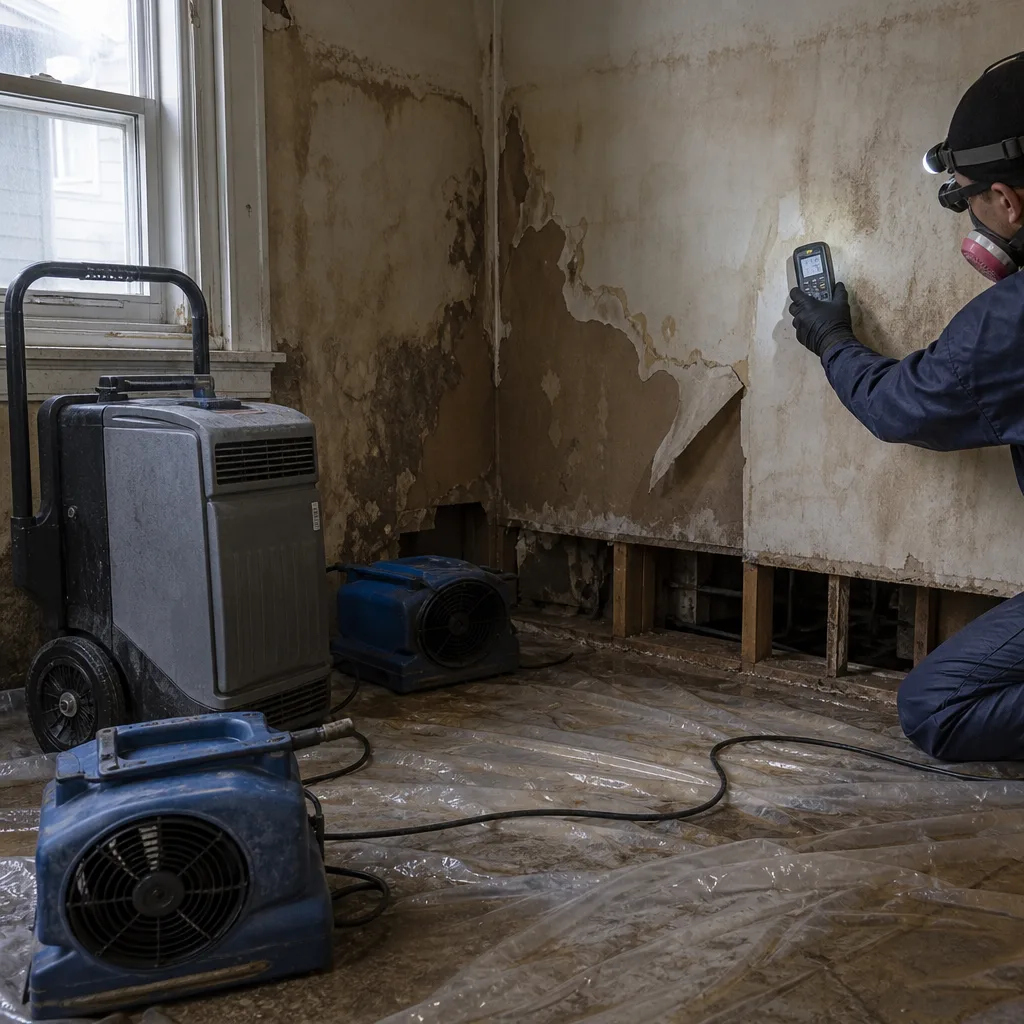 Before
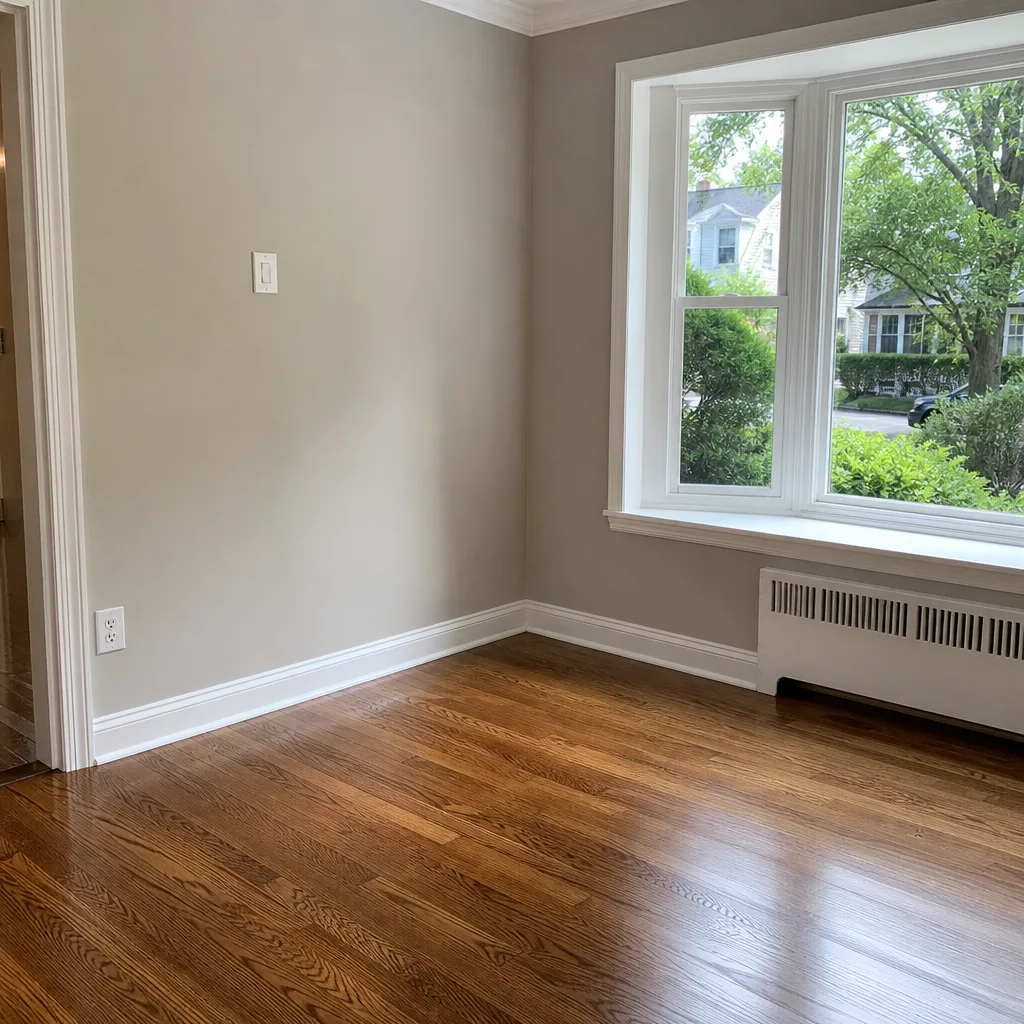 After
AfterFast, Reliable Water Damage Restoration Across College Point
Water damage restoration in College Point, NY typically runs $2,800-$7,500 for a standard residential flood, with emergency extraction starting at $1,200-$2,400 and full structural drying adding $1,600-$5,100 depending on affected square footage and material type. Most College Point homeowners see our crews on-site within 60-90 minutes of calling (516) 687-6900, with 24-hour live dispatch every day of the year. We’re familiar with the peninsula’s flood-zone geography, its early-20th-century wood-frame housing stock, and the specific documentation requirements that get restoration claims paid when saline water from Flushing Bay is involved.
Why DryMark Restoration Forest Hills Is College Point’s Preferred Water Damage Restoration Company
We’ve restored water-damaged homes along 14th Avenue, 127th Street, and the blocks closest to Flushing Bay where tidal backflow hits hardest. Our College Point customers consistently note the difference that documentation makes when an adjuster reviews their file, and our 365-Day Done Right Promise under The Haven Standard gives them a signed guarantee, not a verbal assurance.
Live phone coverage answers every call to (516) 687-6900, 24 hours a day, 7 days a week. No voicemail trees. No next-business-day callbacks while water is still wicking upward through board sheathing.
Our crews dispatch from our New York City office and carry the local knowledge that speeds scoping: we know which College Point blocks sit in FEMA AE zones, which basements flooded during Sandy and may hide incomplete prior remediation, and how the peninsula’s higher ambient humidity shortens the safe drying window compared to inland Queens neighborhoods.
Alicia Brennan built Back to Dry’s documentation protocols around the gap that costs homeowners their claims. That origin shows in every College Point job we run.
Our Water Damage Restoration Services in College Point
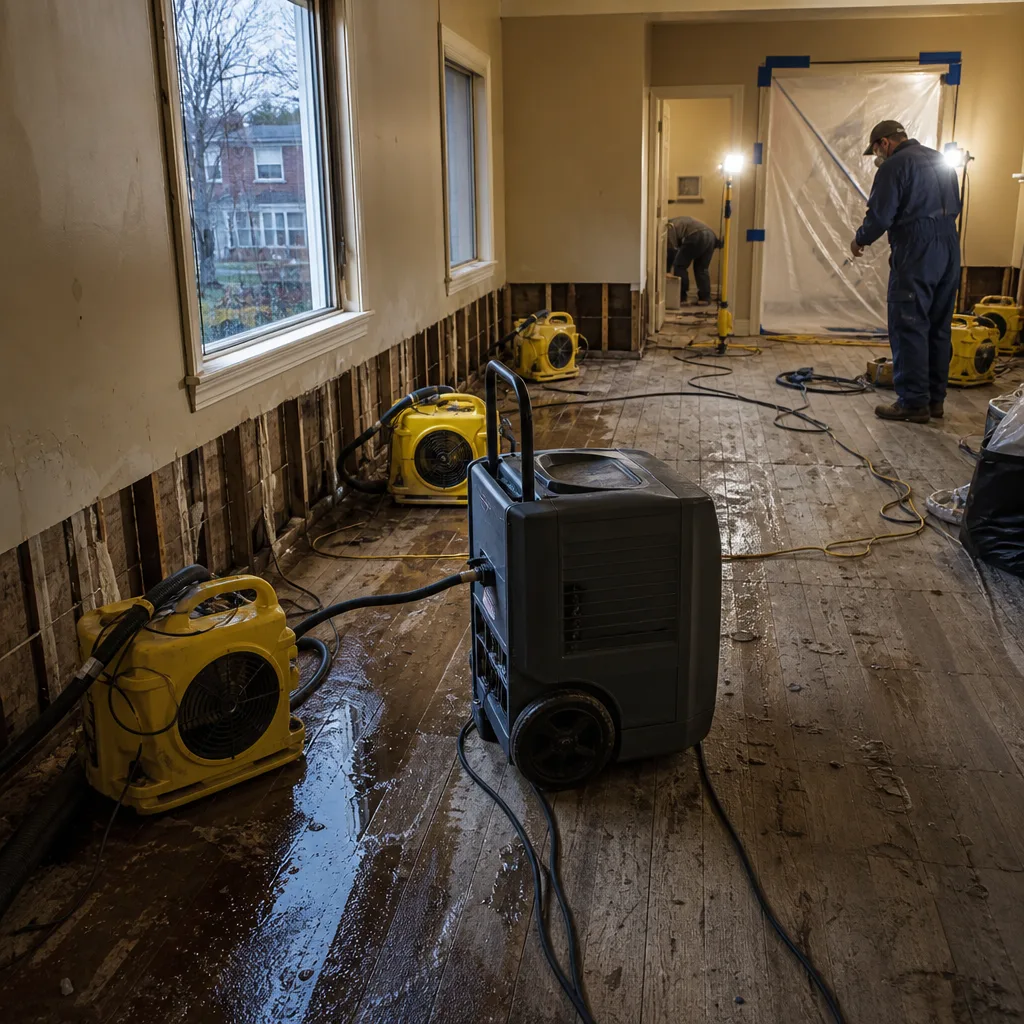
Emergency Water Extraction
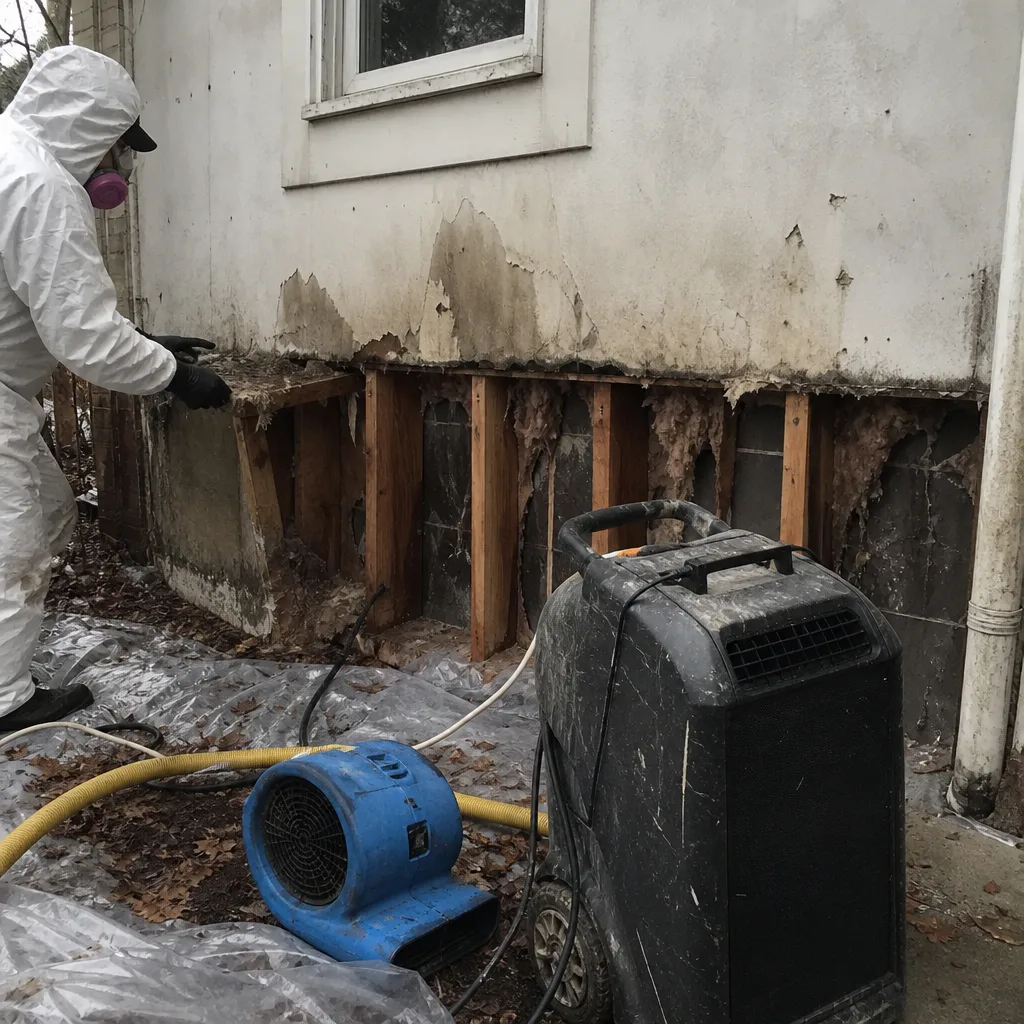
When a nor’easter pushes bay water onto College Point’s lowest blocks, speed matters. Our truck-mounted extraction systems remove standing water from basements, crawl spaces, and first floors before it wicks into plaster-and-lath walls that hold moisture deep in the scratch coat. We document gallons extracted, affected square footage, and initial moisture content readings in the photo record that accompanies every visit. On a two-family wood-frame home near 14th Avenue and 127th Street, our crew opened a basement wall after a nor’easter tidal backflow and found prior Sandy-era remediation that had never been completed: sill plates still damp and a hidden mold colony behind a base cabinet that old plaster-and-lath had masked on earlier moisture readings. We ran water extraction, applied antimicrobial treatment, set containment with air movers and dehumidification, and used Injectidry to dry the wall cavities while logging readings daily for the carrier’s drying logs.
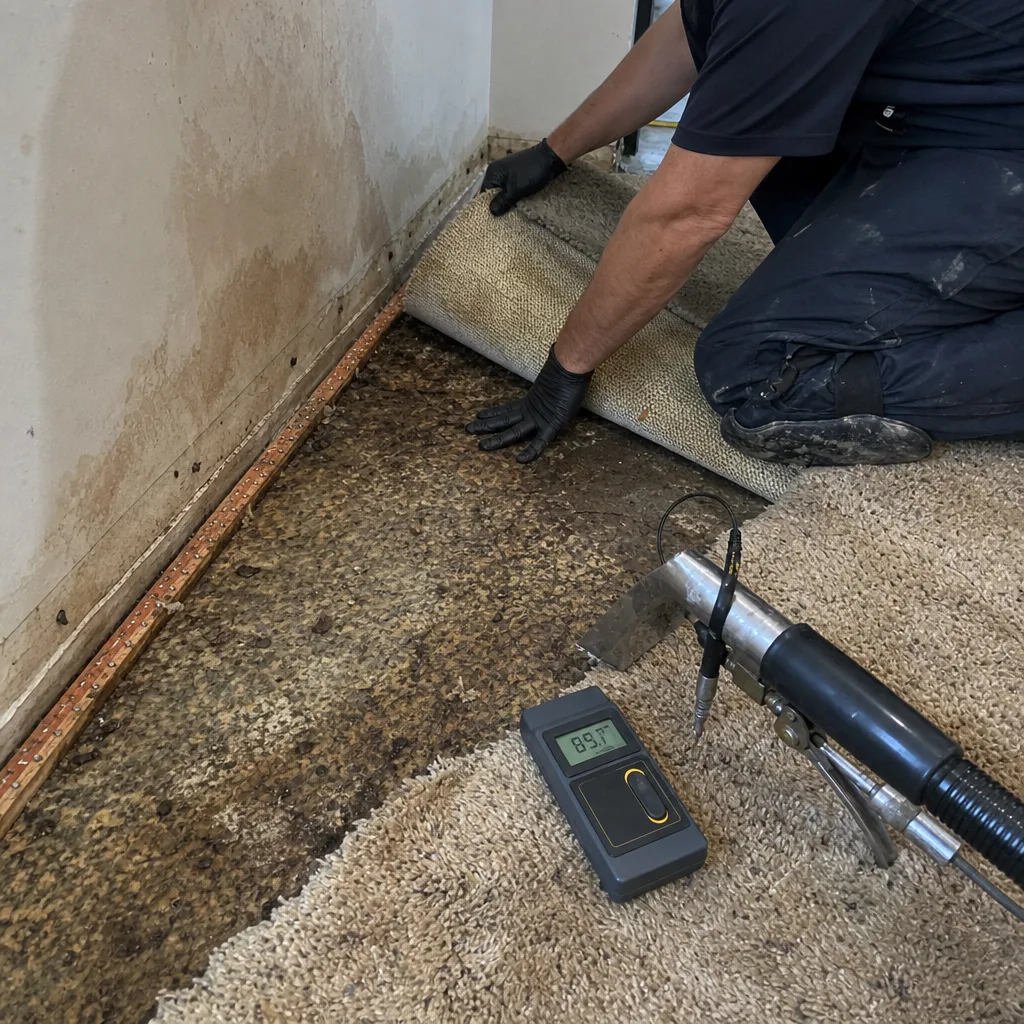
Structural Drying & Dehumidification
College Point’s coastal humidity means vapor pressure differentials stay narrow even when dehumidifiers run full-bore. We deploy professional-grade drying systems from Dri-Eaz, Phoenix, and XPOWER, sized to the psychrometric data we collect: temperature, relative humidity, and specific humidity readings taken every 24 hours and logged to IICRC standards. Tertiary drying, the final phase where bound moisture releases slowly from dense materials, takes longer in College Point’s older homes because plaster-and-lath lacks the airflow channels of modern drywall. We don’t close walls until moisture readings confirm structural drying is actually complete, not just surface-dry.
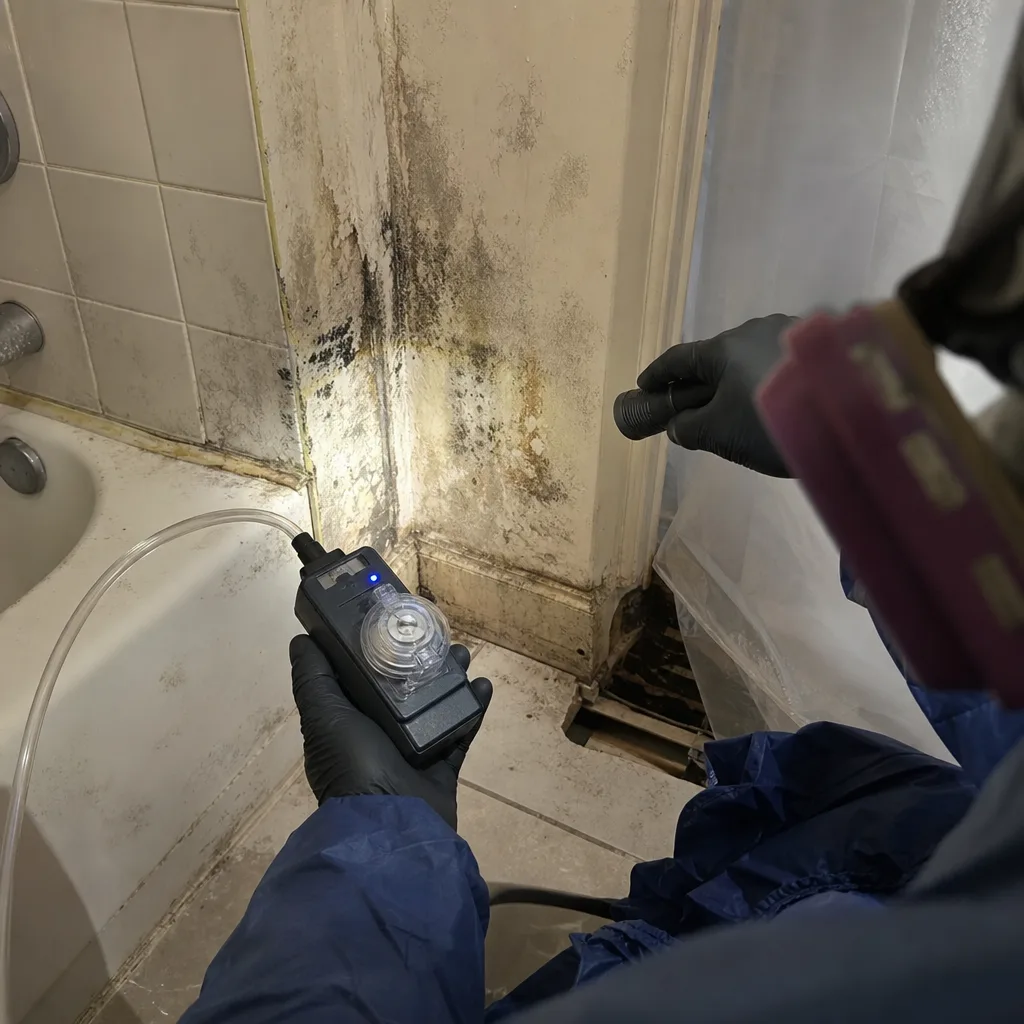
Flood Cleanup
Flood cleanup in College Point is overwhelmingly repeat-flood work, not isolated incidents. Hurricane Sandy pushed bay water deep into neighborhood streets in 2012, and moderate nor’easters still cause tidal backflow on the peninsula’s lowest blocks. Storm-surge water here is Category 3 black water laden with salt, which corrodes mechanical systems and leaves hygroscopic residues that keep pulling moisture from the humid coastal air long after extraction and dehumidification stop. Our flood cleanup includes chemical neutralization of salt residues, corrosion assessment of HVAC and electrical components, and moisture mapping that probes beyond visible water lines to find saturated framing in board sheathing.
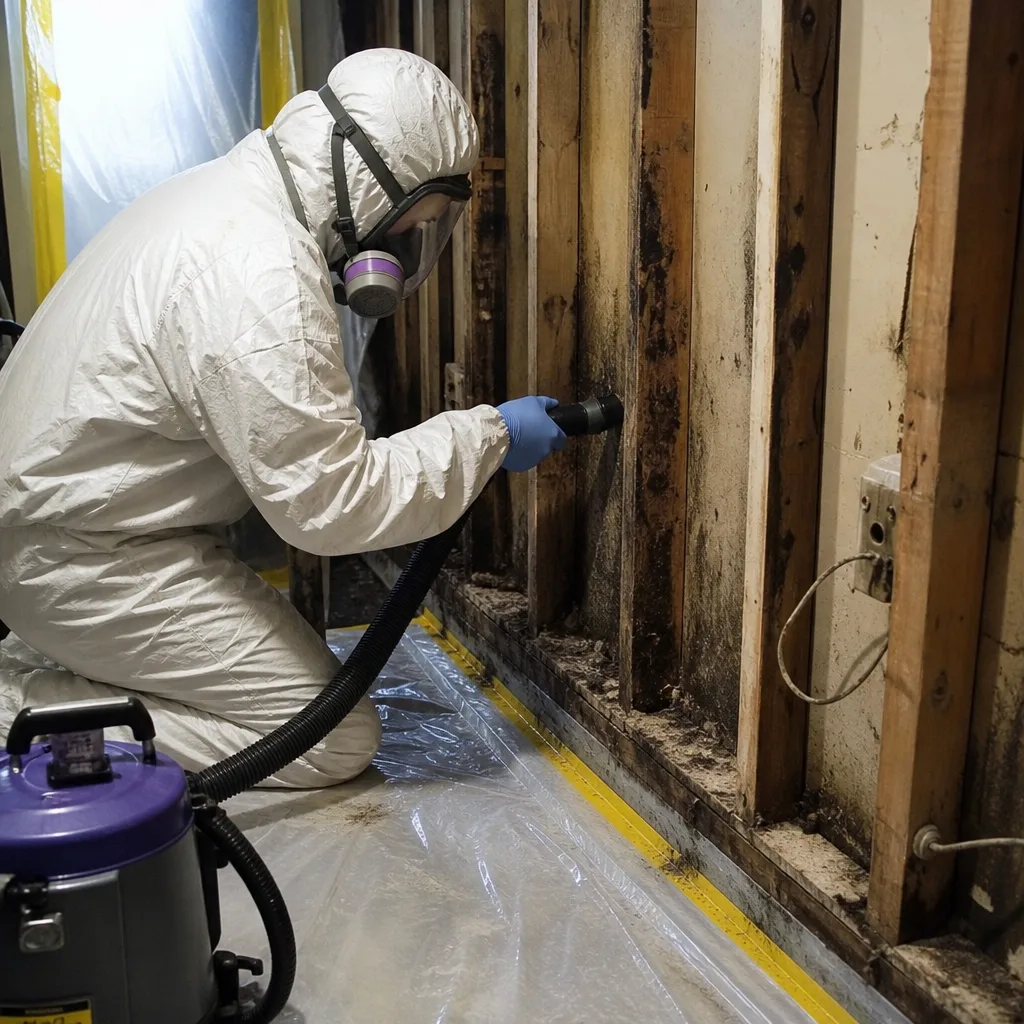
Burst Pipe Restoration
Even non-flood water damage in College Point carries coastal complications. Burst pipes in winter can fill basements that already sit close to the water table, where minimal vapor barriers let moisture wick upward through foundations. We scope for secondary saturation, not just the primary loss, and document the full affected area in the written price delivered before work begins, Haven Standard, Clause 1.
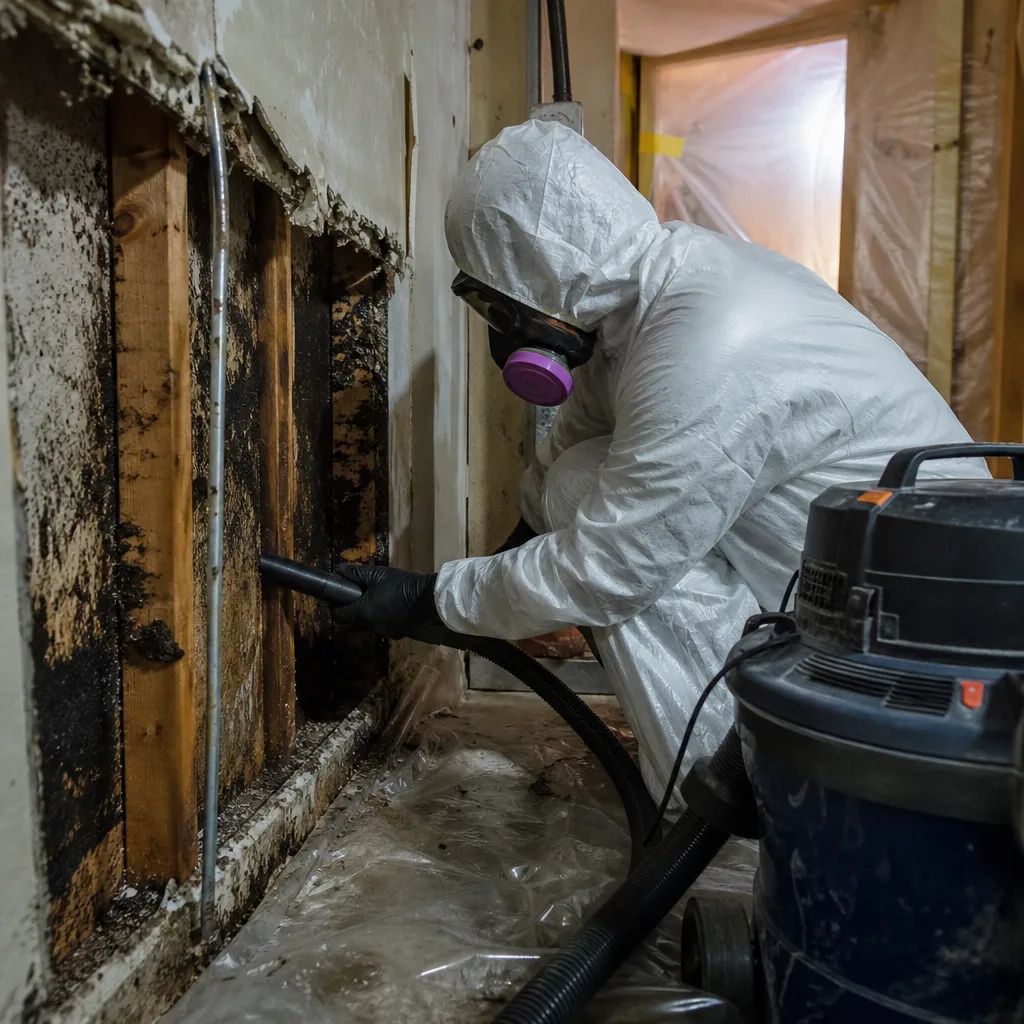
What happens when you call
- 1
A real person answersNo phone trees - you reach a local pro.
- 2
You get an upfront price rangeHonest numbers before anyone is dispatched.
- 3
A background-checked tech heads outLicensed & insured, dispatched right away.
- 4
You approve before work beginsNothing starts until you say go.
BeforeAfterTrusted Brands We Service in College Point
Our equipment inventory includes professional-grade drying systems from Dri-Eaz, Phoenix, XPOWER, B-Air, and Injectidry, all documented to IICRC, RIA, and IFA standards. For College Point’s saline-residue conditions, we specify stainless and coated hardware on replacement components where standard equipment would corrode prematurely. Injectidry’s cavity-drying systems are particularly critical here: they force dry air through wall voids in plaster-and-lath construction where surface readings deceive. We stock local parts for fast turnaround when mechanical systems need replacement after salt-water exposure, and every piece of equipment deployed on a College Point job is logged in the daily drying record that accompanies your claim file.
Common Water Damage Restoration Problems We See in College Point Homes
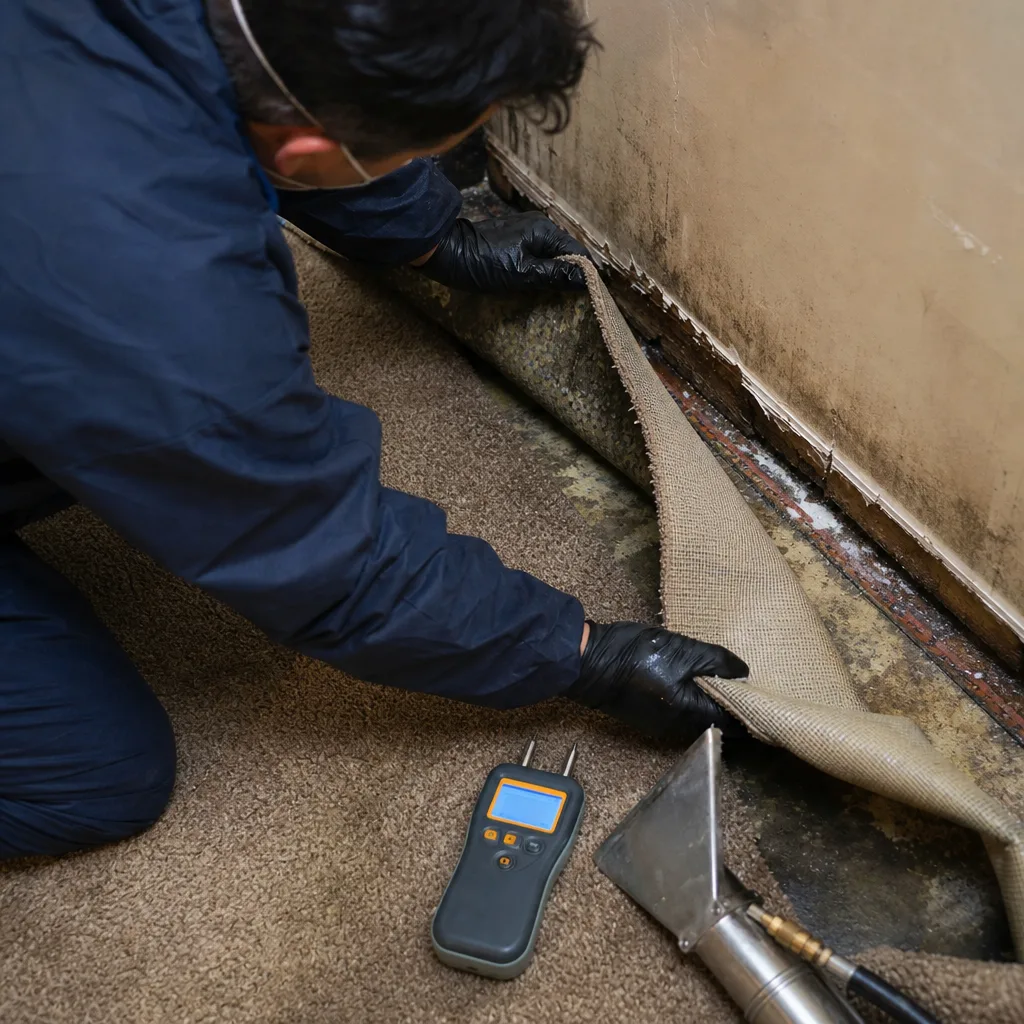
- Plaster-and-lath walls masking true moisture levels. The scratch coat in College Point’s older wood-frame homes holds water deep where pin-type meters don’t reach. Crews from other companies close walls before structural drying is complete, and mold returns behind base cabinets or in sill plates months later.
- Hygroscopic salt residues after bay flooding. Storm-surge water leaves saline deposits that continue drawing moisture from College Point’s humid coastal air even after standing water is extracted and dehumidifiers stop. Without chemical neutralization, the basement floods again, atmospherically.
- Upward wicking through board sheathing. Basements close to the water table with minimal vapor barriers let tidal backflow saturate framing below visible water lines. A scope aimed only at standing water misses this, and extended drying time with repeat moisture mapping is required.
- Incomplete prior remediation from Sandy-era work. Restoration techs working College Point frequently open walls in homes that were “dried out” after 2012 and find hidden mold colonies because earlier moisture readings were fooled by plaster density. Scoping new flood claims here almost always requires probing for prior unremediated damage first.
Pricing for Water Damage Restoration in College Point, NY
Emergency water extraction in College Point typically runs $1,200-$2,400 for a standard residential basement, with structural drying and dehumidification adding $1,600-$5,100 depending on affected square footage, material classification, and whether saline-residue treatment is required. Flood cleanup involving Category 3 black water with salt neutralization generally falls in the $3,500-$7,500 range for College Point’s typical single- or two-family wood-frame homes. Burst pipe restoration with limited secondary damage starts around $2,200-$4,800.
What moves a College Point job toward the higher end: plaster-and-lath construction requiring extended drying time, tidal backflow with salt residue, prior unremediated damage requiring expanded scope, and basements with mechanical systems needing corrosion assessment. What keeps costs controlled: fast extraction call-in, accurate initial moisture mapping, and a written scope that doesn’t expand once the crew is inside your home.
Every job gets a written price before work begins, Haven Standard, Clause 1. No exceptions. Bring a competitor’s written estimate and we’ll review it free under our Free Second Opinion policy. Call (516) 687-6900 for your documented assessment.
We Also Serve Cities Near College Point
Our Water Damage Restoration team responds throughout northeast Queens, including College Point and neighboring Flushing, Jackson Heights, Bayside, and Elmhurst. Each city’s flood patterns, housing stock, and documentation requirements differ, and we scope accordingly.
Serving College Point, NY - Our Local Coverage Area
We’re based in the College Point area and know this community well. Use the map below to see our service coverage - if you’re nearby, we can almost certainly help.
FAQs - Water Damage Restoration in College Point
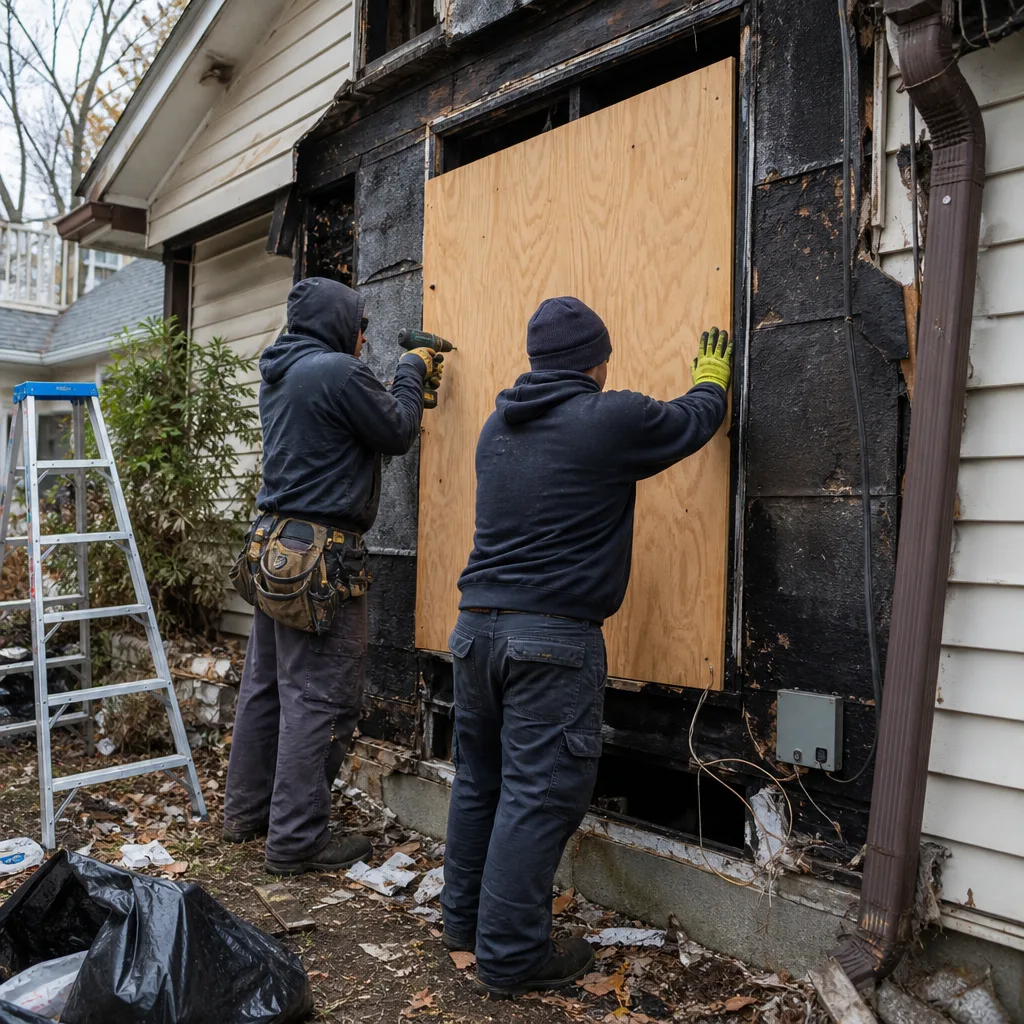
Because hygroscopic salt residues from Flushing Bay storm surge continue pulling moisture from College Point’s humid coastal air long after standing water is removed. Extraction and standard dehumidification don’t neutralize these chemically active residues, so the basement re-wets atmospherically until salt-aware treatment is applied. Call (516) 687-6900 and we’ll scope for residue presence with moisture mapping that proves whether the problem is new water or old salt.
Yes. Salt water is Category 3 black water requiring full PPE, antimicrobial treatment, and chemical neutralization of hygroscopic residues that standard freshwater protocols don’t address. Salt also corrodes mechanical systems faster, so our scopes include HVAC and electrical assessment where freshwater flooding wouldn’t require it. Our equipment specifications and drying timelines adjust for coastal conditions on every College Point job.
College Point’s higher ambient humidity from three-sided bay exposure shortens the safe window to 24-48 hours, compared to 48-72 hours in drier inland Queens neighborhoods. Mold colonization begins when moisture content in organic materials stays above 16% and relative humidity exceeds 60%, conditions that establish faster here. Our 24-hour live dispatch exists precisely because waiting until business hours in College Point often means crossing that threshold.
We probe for prior unremediated damage as standard practice on every College Point scope, documenting findings with photo records before any new work begins. If hidden mold or damp sill plates from 2012-era work are discovered, we separate pre-existing conditions from new loss in our written scope and drying logs, giving your adjuster clear documentation to distinguish coverage. This documentation-first approach is why Back to Dry was founded by a former claims adjuster.
Category 3 black water, due to storm-surge mixing with sewage, industrial runoff, and saline bay water. This classification requires full containment, antimicrobial treatment, and disposal protocols that Category 1 clean water doesn’t. Never assume tidal flooding is “just seawater.” Call (516) 687-6900 for proper categorization and documented safe handling.
Written by Alicia Brennan, Owner at Back to Dry Restoration, serving College Point since 2011.