
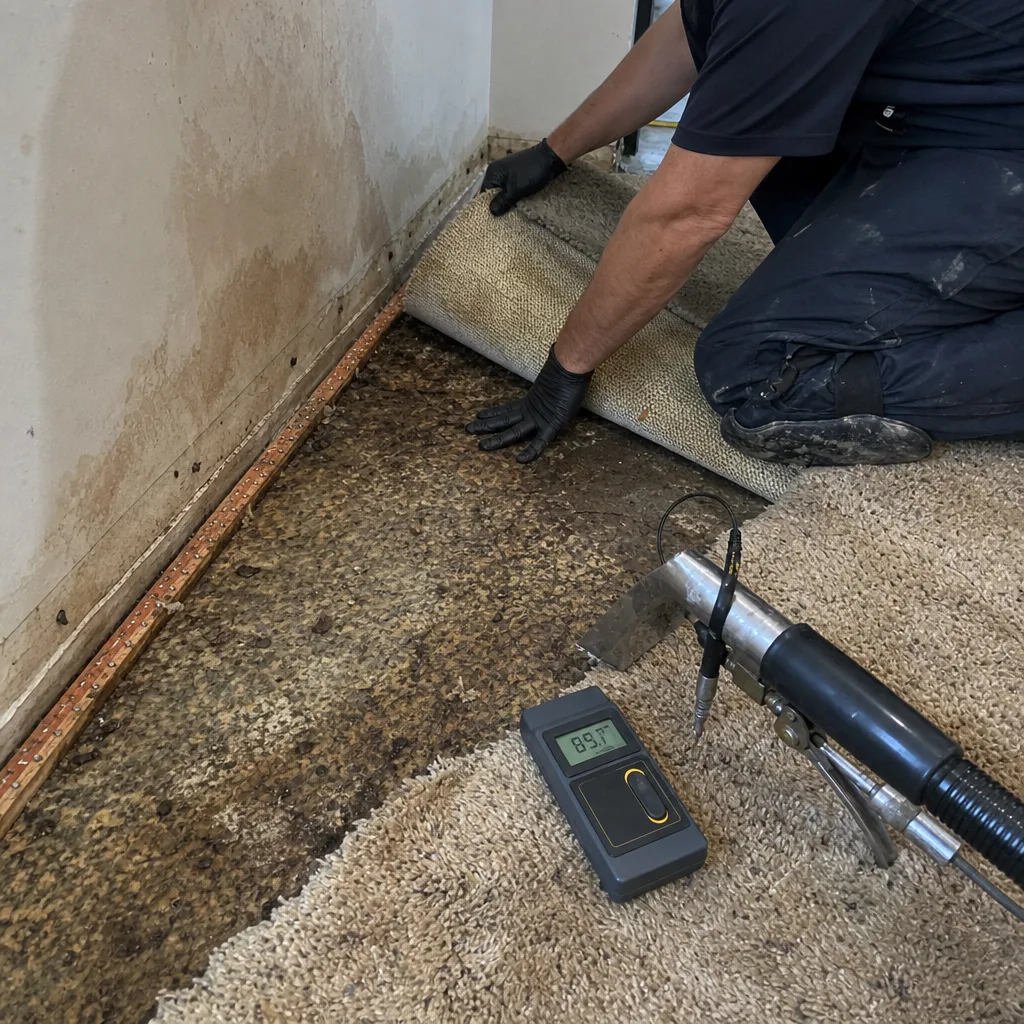
Free visual inspection and a written scope of work before any mitigation begins - photos, moisture readings, and drying logs go in your claim file
The scope we write is the scope we bill. Anything new gets shown to you, in writing, before we touch it.
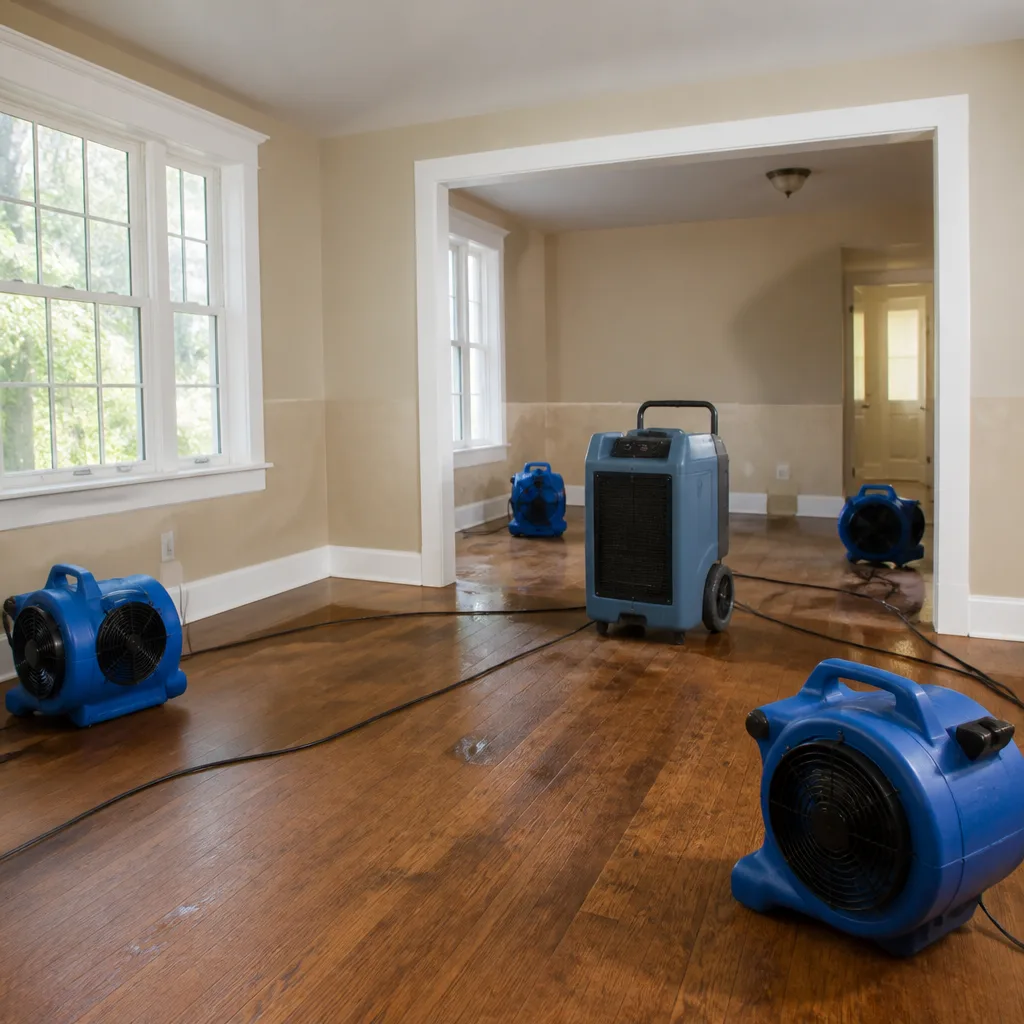
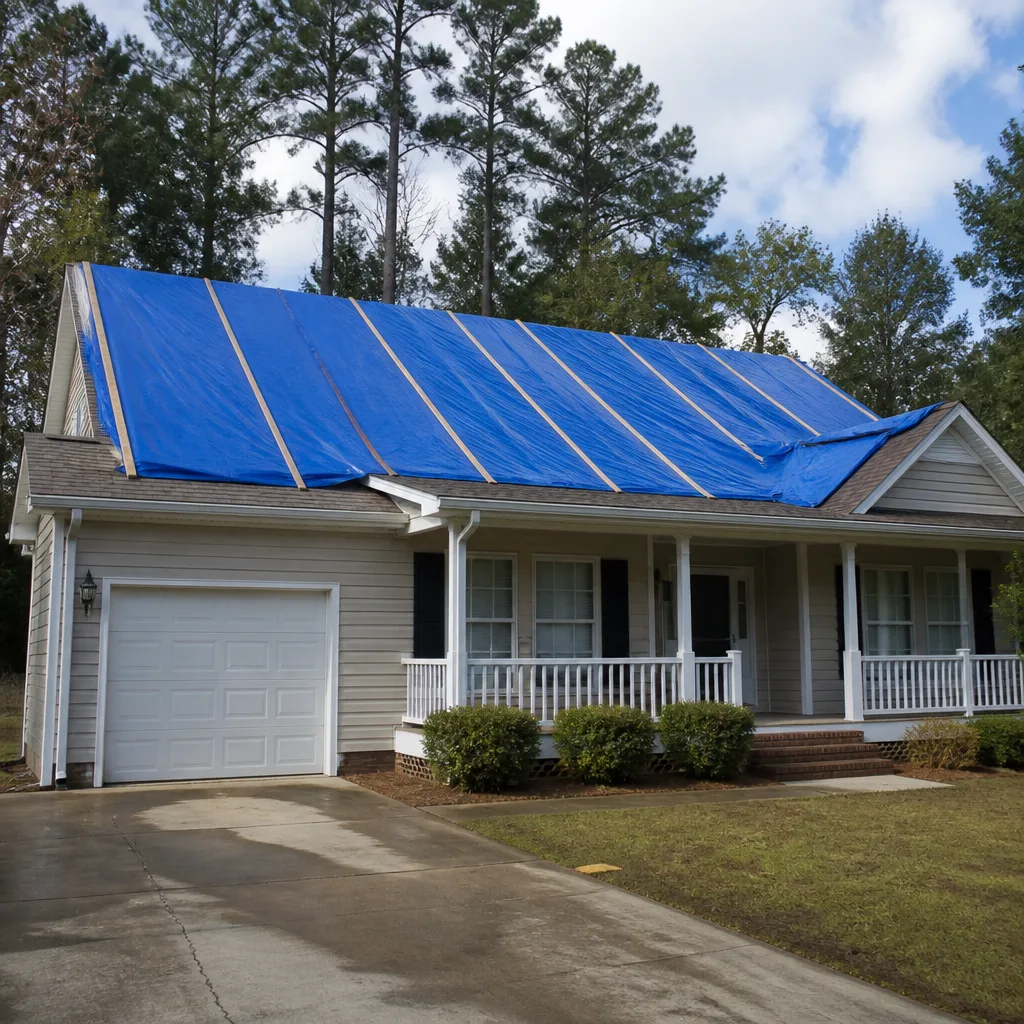
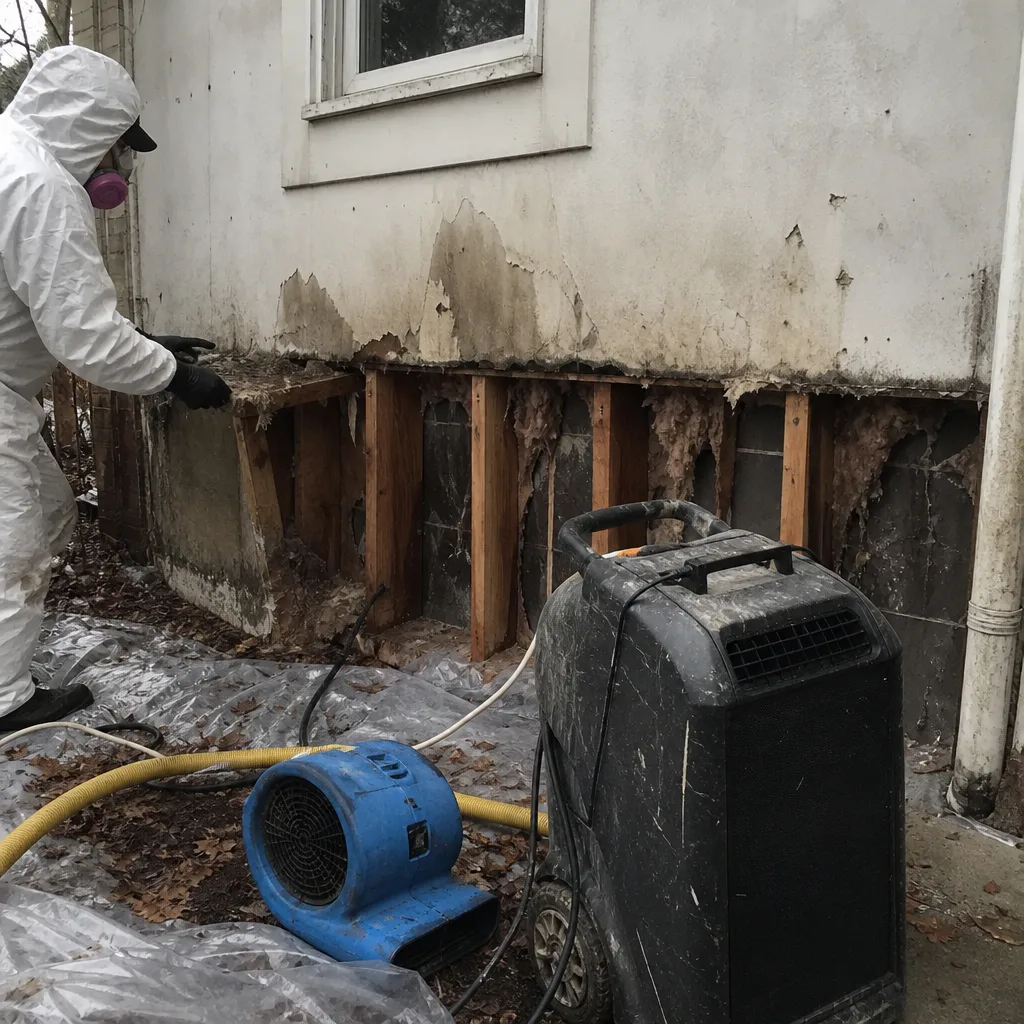 Before
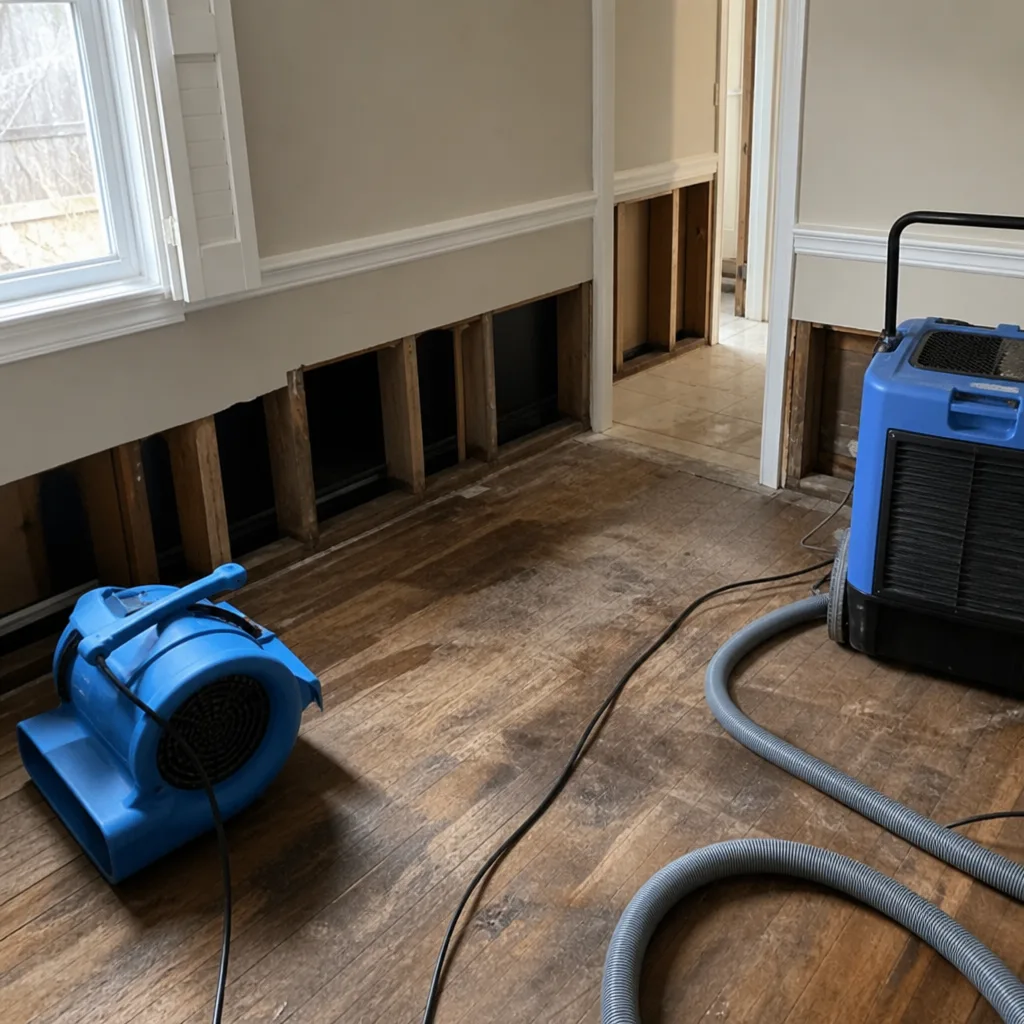 After
After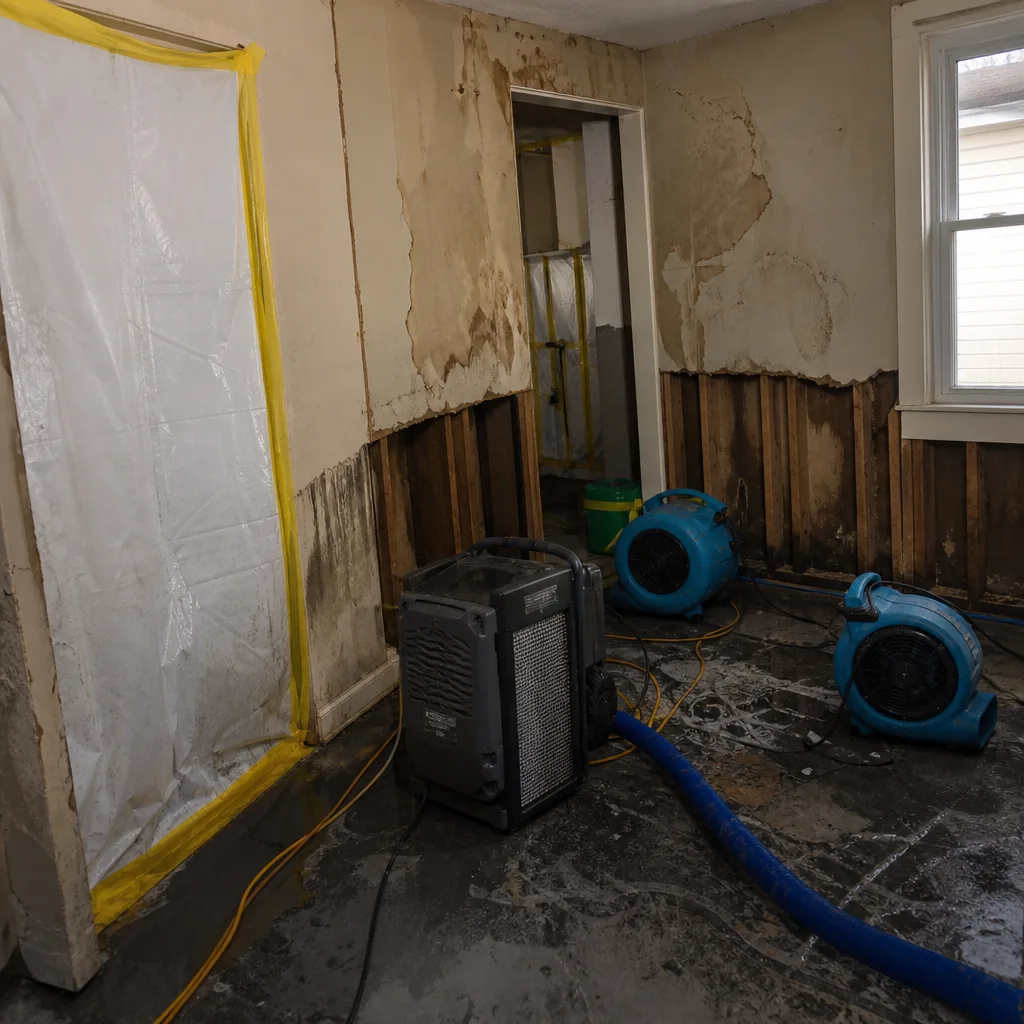 Before
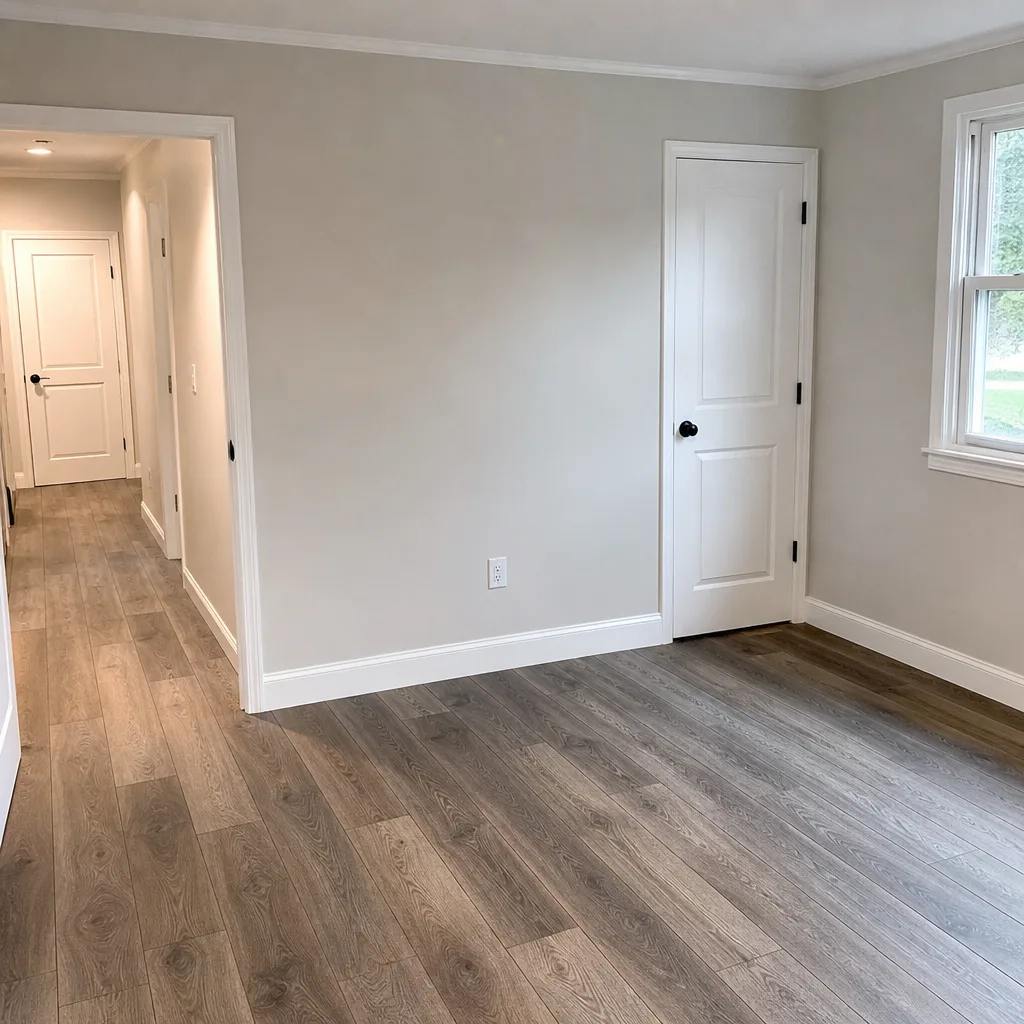 After
After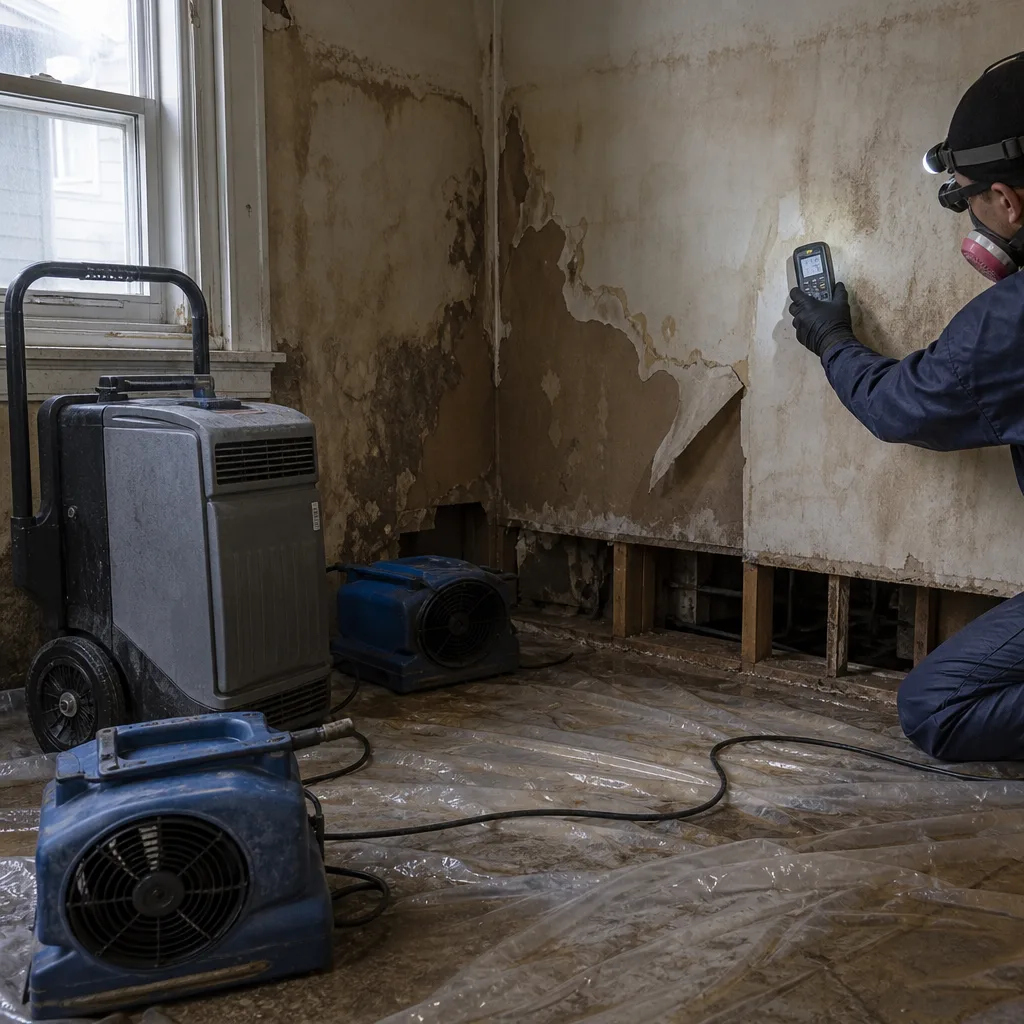 Before
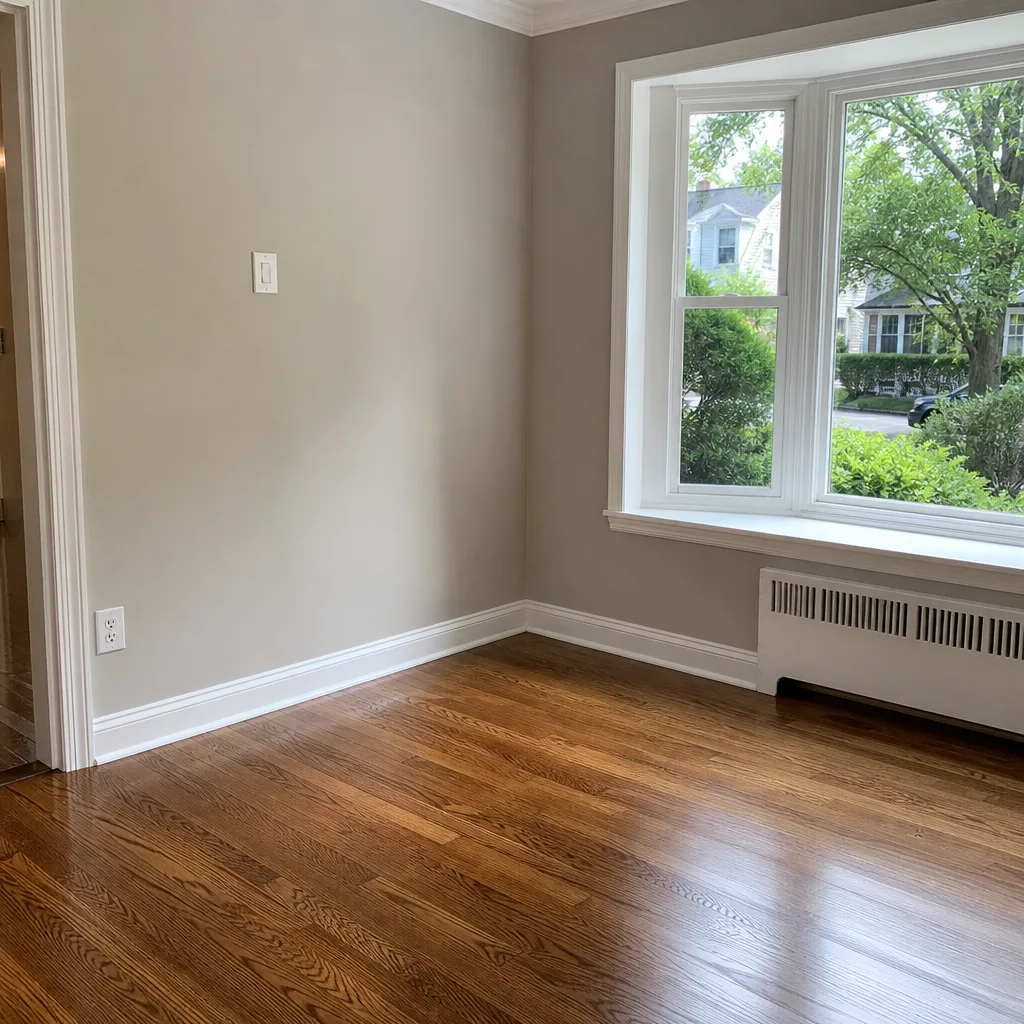 After
AfterFast, Reliable Mold Remediation Across Middle Village
Mold remediation in Middle Village typically runs $2,800-$7,500 for a standard basement scope, with our Mold Remediation team able to inspect most properties within 2-4 hours of your call. We know the neighborhood’s grid of 1920s-1940s brick row houses near Lutheran All Faiths Cemetery, and we’ve documented the way their shared combined sewer laterals turn one backup into a multi-property mold risk. Call (516) 687-6900 - a live person answers, 24 hours a day, 7 days a week, and we’ll deliver a written price before any work begins, Haven Standard, Clause 1.
Why DryMark Restoration Forest Hills Is Middle Village’s Preferred Mold Remediation Company
We’ve restored more than 12,000 homes since 2011, and a significant cluster of those jobs sits in Middle Village’s compressed residential blocks. Our crews know the difference between horsehair plaster over wood lath and modern drywall, and they know that scoping one as the other turns a three-day job into a three-week insurance dispute.
Reviews from Middle Village customers consistently cite our documentation - the photo record on every visit, the daily moisture log, the written scope signed before work starts. One recent customer on 79th Street noted that our crew identified wicking behind her lath-and-plaster wall that two previous inspectors had missed entirely.
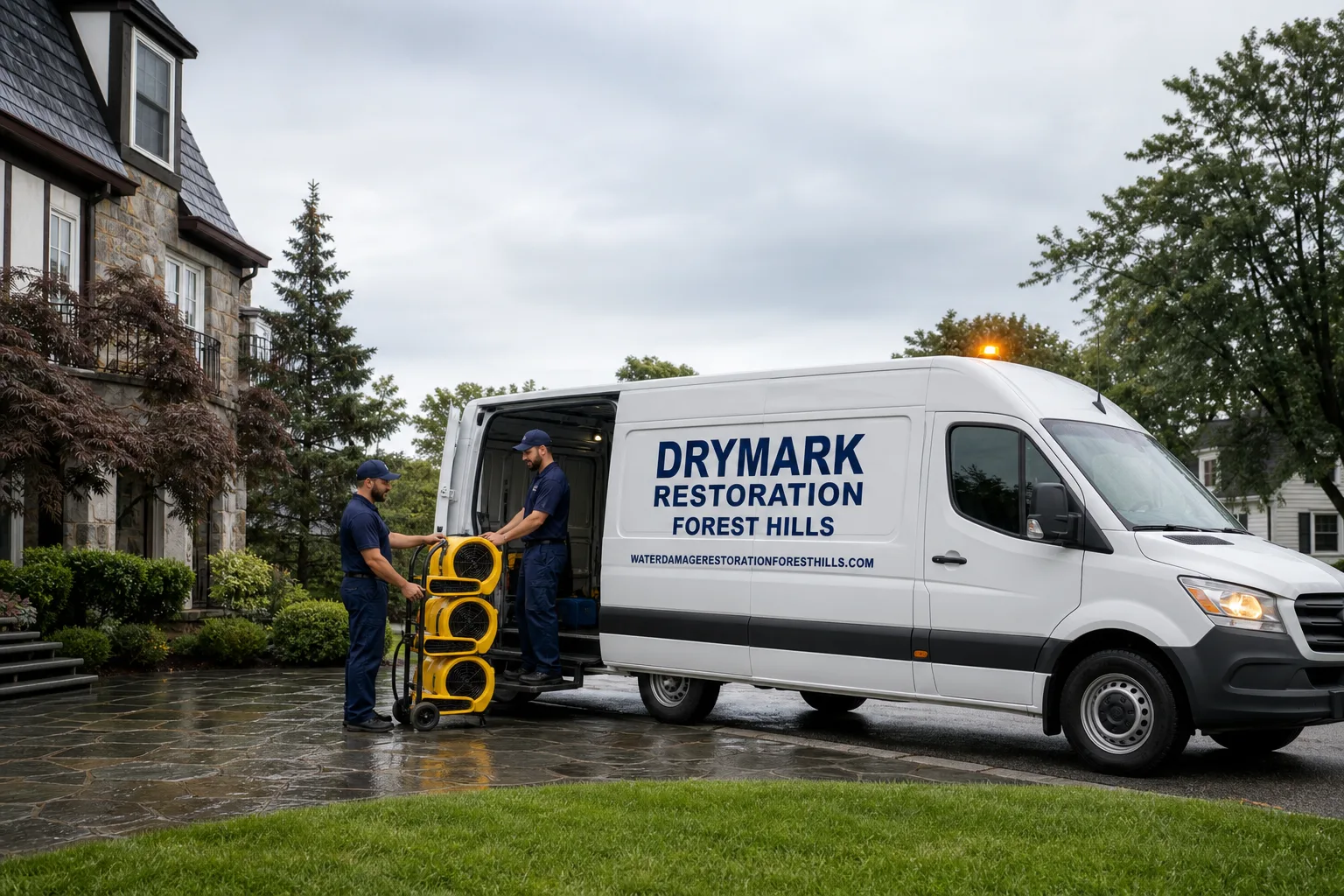
Response time to Middle Village averages 2-4 hours from call to on-site inspection. Dispatch and scheduling are coordinated from our New York City office, but crews serve Middle Village locally and carry the equipment to begin containment and air filtration immediately.
Local knowledge matters here. Crews who don’t understand that Middle Village’s row houses share sewer branch lines often treat mold as a single-property problem. We don’t. On a block near Lutheran All Faiths Cemetery, a homeowner called after heavy rain sent raw sewage up through the basement floor drain; we pulled Category 3 water with truck-mount extraction, then found wicking behind the original horsehair-plaster-over-lath wall that had been wet for months and was fully colonized. We set up containment, performed antimicrobial treatment, and used Injectidry and Dri-Eaz equipment to bring the plaster to dry standard, logging moisture readings daily because plaster dries far slower than drywall. The job grew into a three-property canvass of the same shared lateral, and we completed mitigation on all three before the next storm.
Our Mold Remediation Services in Middle Village
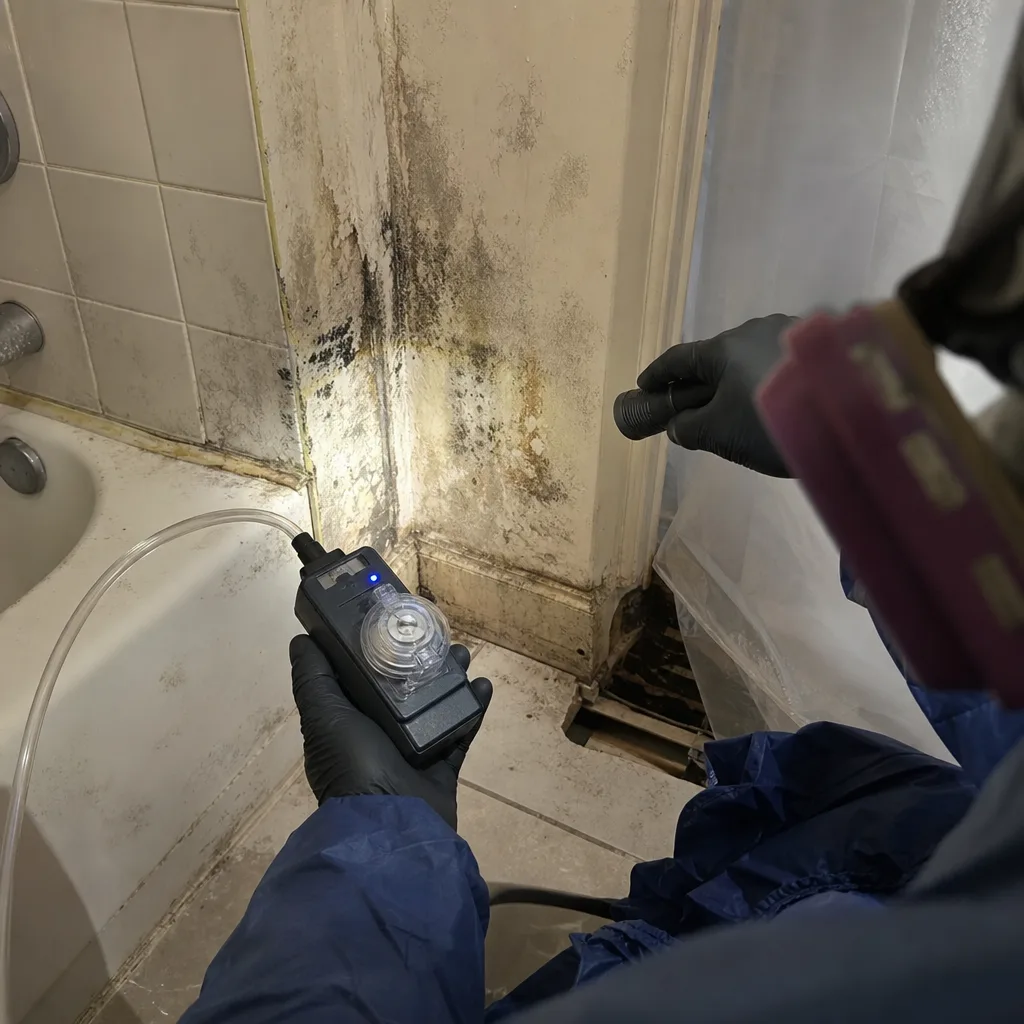
Mold Inspection & Testing
A proper mold inspection in Middle Village starts with understanding what the building is made of. We don’t just swab visible spots. We test behind horsehair plaster, inside wall cavities where lath creates air gaps, and along the base of basement walls where mortar joint failure lets water wick upward. Our documentation includes moisture readings, thermal imaging, and air sampling with chain-of-custody lab analysis - the evidence an adjuster needs to approve the scope.
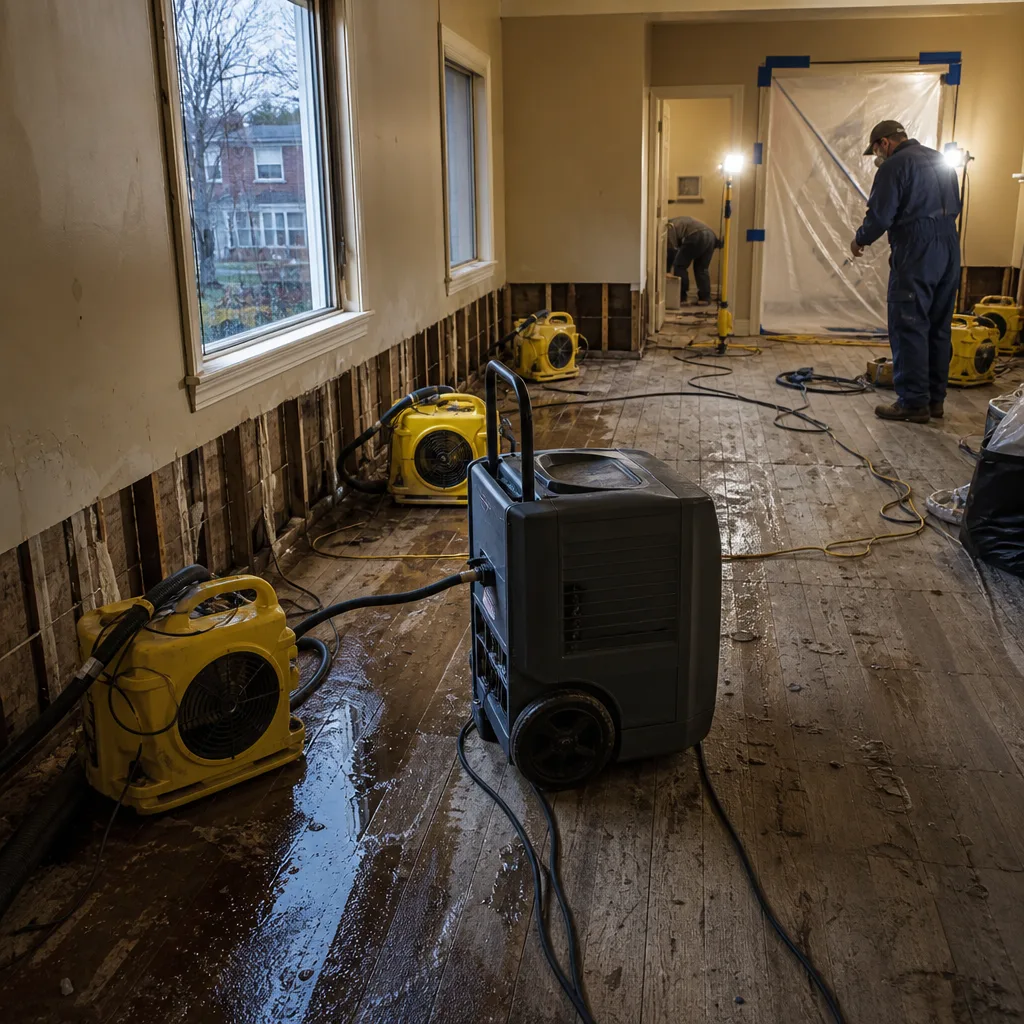
Mold Removal
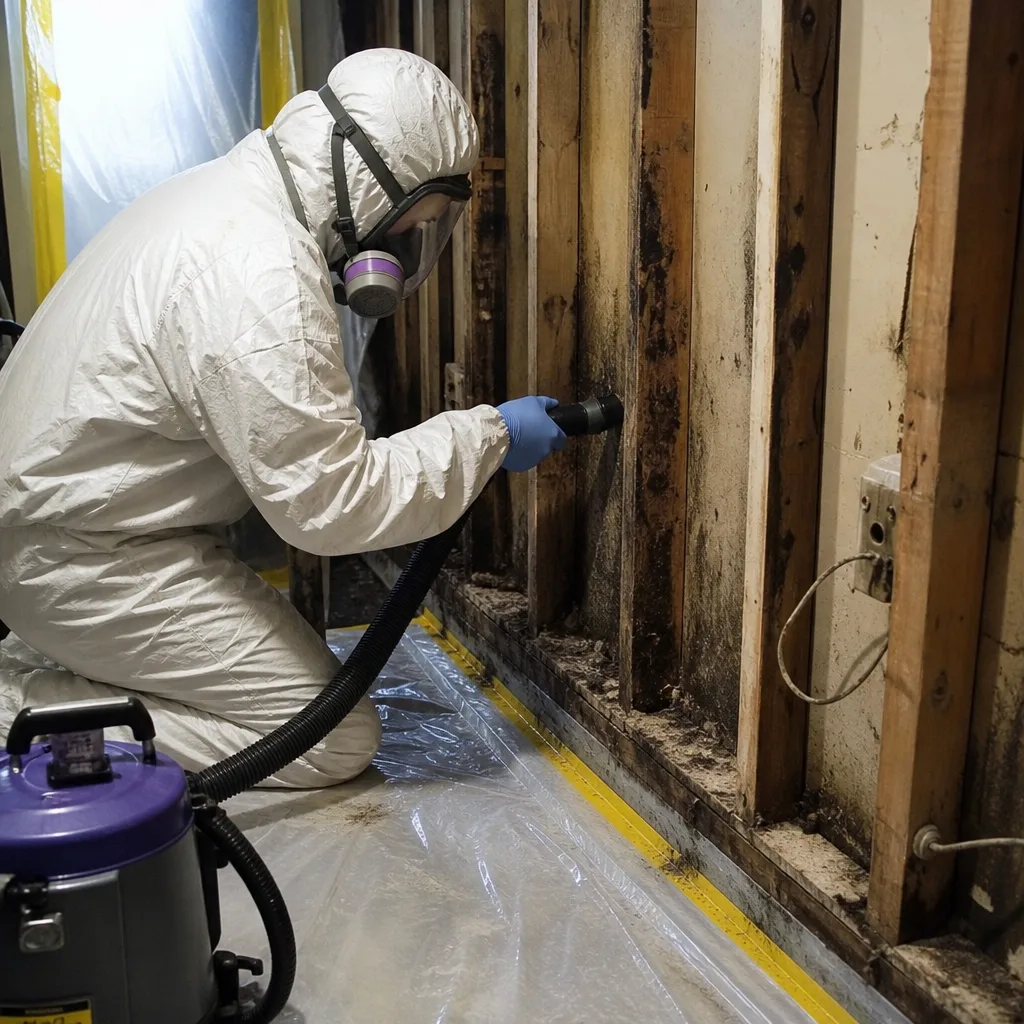
Removal in Middle Village’s brick row houses requires NYC-mandated asbestos and lead-paint assessment before any demolition. We coordinate this as part of our standard workflow, not as an add-on. Our technicians are background-checked, uniformed, and named on your work order, with state license numbers documented. Containment is built to IICRC standards, negative air pressure is maintained throughout, and all debris is disposed of under RIA protocols.
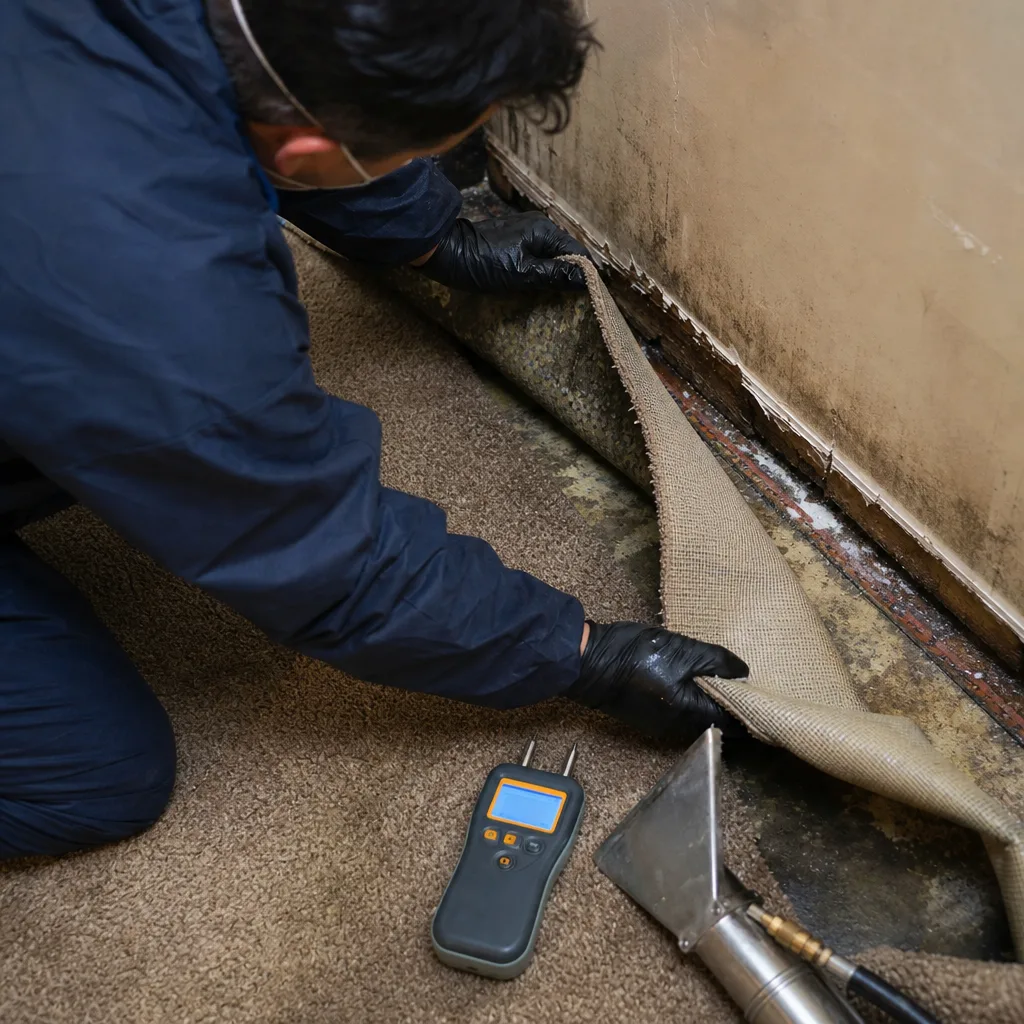
Black Mold Remediation
Stachybotrys and other toxigenic species thrive on cellulose-rich materials kept wet. In Middle Village, that means the paper backing of vinyl wallpaper applied over horsehair plaster, the cardboard backing of basement paneling, and the wood lath itself once moisture penetrates. Black mold remediation here requires longer drying timelines than modern construction because plaster holds water differently than drywall. We document vapor pressure differential and psychrometric data - the relationship between air temperature, humidity, and moisture content - to prove the structure is dry before we clear containment.
Air Quality Restoration
After remediation, we don’t just declare the air clean. We run post-remediation verification with airborne particle counters and, when required, third-party lab analysis. In Middle Village’s tight row house configuration, where shared walls mean no natural cross-ventilation, this step is critical. We also assess whether the HVAC system has been compromised, particularly in homes where basement air handlers pulled contamination through the supply ducts.
Crawl Space Treatment & Moisture Control
Few Middle Village homes have true crawl spaces, but many have partial excavations under additions or enclosed porches. These spaces share the same soil moisture and sewer lateral risks as full basements. We treat them with the same documentation standards: moisture mapping, vapor barrier assessment, and dehumidification spec’d to the space’s actual cubic volume.
What happens when you call
- 1
A real person answersNo phone trees - you reach a local pro.
- 2
You get an upfront price rangeHonest numbers before anyone is dispatched.
- 3
A background-checked tech heads outLicensed & insured, dispatched right away.
- 4
You approve before work beginsNothing starts until you say go.
BeforeAfterTrusted Equipment & Standards We Deploy in Middle Village
We don’t rent equipment by the day and hope it keeps up. Our fleet includes Injectidry cavity-drying systems that force dry air through wall voids without removing intact plaster, Dri-Eaz and Phoenix dehumidifiers sized to the latent moisture load of plaster-and-lath construction, and B-Air air scrubbers that maintain negative pressure during remediation. All work is documented to IICRC, RIA, and IFA standards, producing the daily drying logs that turn restoration invoices into payable insurance claims. For Middle Village homeowners, this means your documentation package includes moisture readings, photo records, equipment deployment logs, and a written scope - everything an adjuster needs to approve payment without dispute.
Common Mold Remediation Problems We See in Middle Village Homes
- Scoping mold remediation as if walls were modern drywall. Horsehair plaster over lath holds moisture for weeks and requires extended structural drying with daily moisture readings. A crew that sets a three-day timeline based on drywall experience will leave the job wet and the mold will return.
- Skipping the NYC-mandated asbestos and lead-paint assessment before demolition. Every 1920s-1940s brick row house in Middle Village triggers this protocol. Skipping it doesn’t save time; it stops work mid-mitigation when the inspector arrives, doubling the timeline and the displacement cost.
- Treating only the visible mold in one basement without checking the shared combined sewer lateral. Because Lutheran All Faiths Cemetery splits the neighborhood’s residential grid, dozens of attached row houses share branch lines. A backup at one address means adjoining properties on the same lateral are at risk. We canvass them before the next heavy rain.
- Missing mortar joint failure as the moisture source. Queens’ freeze-thaw cycling stresses aging mortar. Water infiltrates, wicks behind lath-and-plaster walls, and fosters mold colonies that go undetected for months. Remediation scopes based only on visible damage are routinely too small.
Pricing for Mold Remediation in Middle Village, NY
Here’s what mold remediation costs in Middle Village’s market:
| Service | Typical Range |
|---|---|
| Mold inspection & testing | $450-$850 |
| Basement mold removal (up to 500 sq ft, drywall) | $2,800-$4,200 |
| Basement mold removal (plaster/lath, extended drying) | $4,500-$7,500 |
| Black mold remediation with containment | $5,500-$9,000 |
| Air quality restoration / post-remediation verification | $650-$1,200 |
| Crawl space treatment | $2,200-$4,800 |
Three factors push Middle Village jobs toward the higher end: plaster-and-lath construction requiring longer drying timelines, NYC-mandated asbestos/lead assessment before demolition, and Category 3 sewage contamination requiring biohazard protocols. Every job is quoted in writing before work begins, Haven Standard, Clause 1, with no scope-creep additions once the crew is inside. Bring a competitor’s written estimate and we’ll review it free - our Free Second Opinion, no charge.
We Also Serve Cities Near Middle Village
Our crews work throughout central and western Queens, including Mold Remediation in Middle Village and surrounding Maspeth, Elmhurst, Forest Hills, and Jackson Heights. Each neighborhood has distinct housing stock and moisture patterns, and our documentation approach adapts to each - but the standard never changes: written price first, photo record on every visit, 365-Day Done Right Promise on every job.
Serving Middle Village, NY - Our Local Coverage Area
We’re based in the Middle Village area and know this community well. Use the map below to see our service coverage - if you’re nearby, we can almost certainly help.
FAQs - Mold Remediation in Middle Village
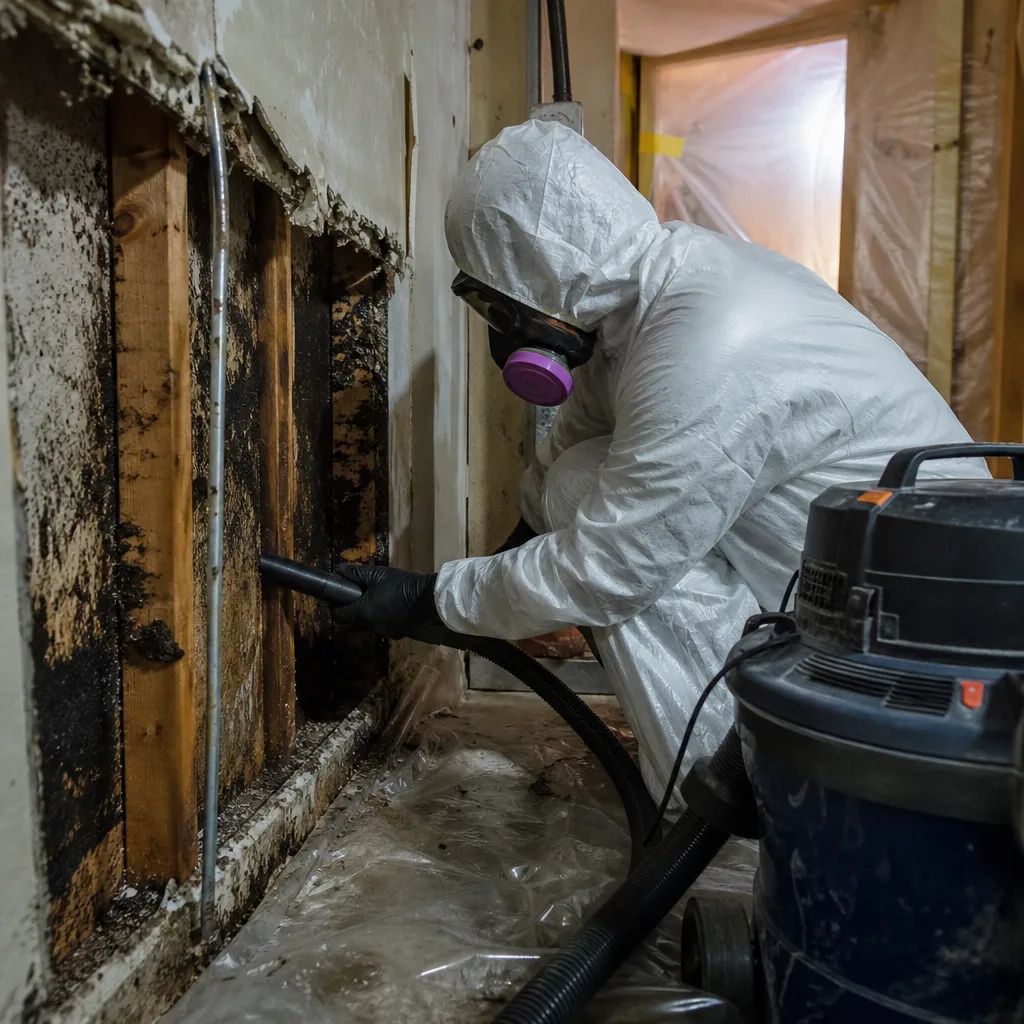
Yes. In Middle Village’s 1920s-1940s brick row houses, mortar joint failure from freeze-thaw cycling lets water infiltrate behind walls weeks or months before any visible backup occurs. Horsehair plaster over lath holds that moisture silently, and mold colonies establish well before homeowners smell or see them. If your basement has a musty odor or you’ve noticed efflorescence on brick walls, call (516) 687-6900 for moisture mapping - estimates are free.
Plaster over wood lath holds moisture differently than modern drywall and requires extended structural drying with daily moisture readings to prove it’s dry. A typical drywall basement might reach dry standard in 72 hours; horsehair plaster often needs 7-12 days. We document every reading because insurers require proof before they’ll pay for reconstruction. Call (516) 687-6900 and we’ll explain the timeline for your specific basement.
Yes, if you share the same combined sewer lateral. Because Lutheran All Faiths Cemetery compresses Middle Village’s residential grid, dozens of row houses share branch lines - a backup at one address is a reliable indicator that adjoining properties are at risk. We offer moisture mapping to neighboring properties after any Category 3 event on the block. Call (516) 687-6900 to schedule; the inspection is documented and can be submitted to your insurer if contamination is found.
Category 2 water contains significant contamination and requires antimicrobial treatment; Category 3 water - raw sewage, as in most Middle Village basement backups - is grossly contaminated and triggers biohazard protocols including full PPE, stricter containment, and more aggressive material removal. Category 3 jobs also require proof of sanitization before reconstruction, which we document with ATP testing and written clearance. The distinction matters for insurance coverage and health safety alike. Call (516) 687-6900 if you’re unsure which category applies to your situation.
We identify and eliminate the moisture source, dry the structure to IICRC-standard moisture content, and apply antimicrobial treatment to affected materials. For Middle Village’s shared-lateral risk, we also document the sewer line condition and recommend backwater valve installation where appropriate. Our 365-Day Done Right Promise under The Haven Standard means if mold returns in the same area within a year, we make it right. Call (516) 687-6900 for a written scope and price before any work begins.
Written by Alicia Brennan, Owner at Back to Dry Restoration, serving Middle Village since 2011 under The Haven Standard.