
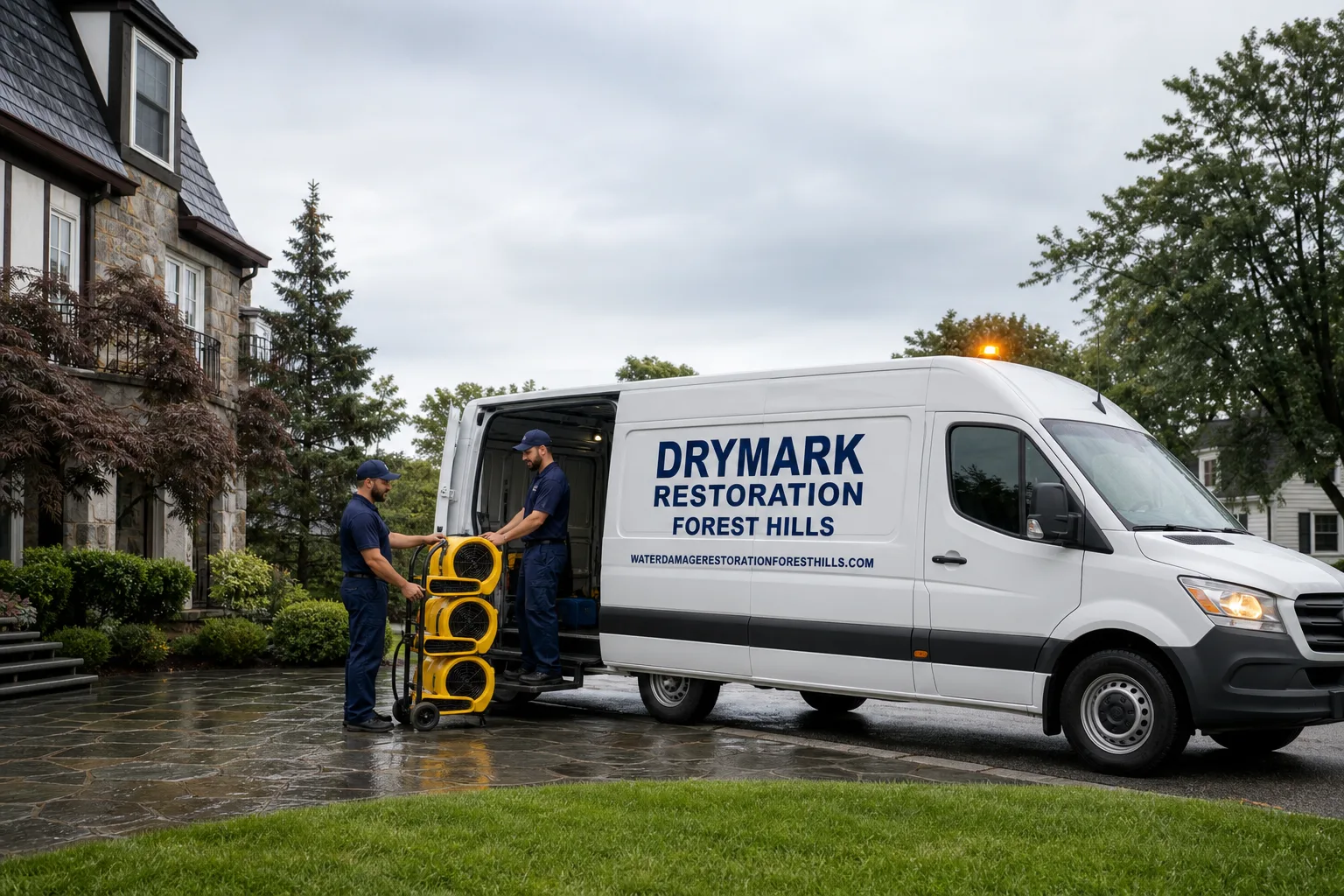
Free visual inspection and a written scope of work before any mitigation begins - photos, moisture readings, and drying logs go in your claim file
The scope we write is the scope we bill. Anything new gets shown to you, in writing, before we touch it.
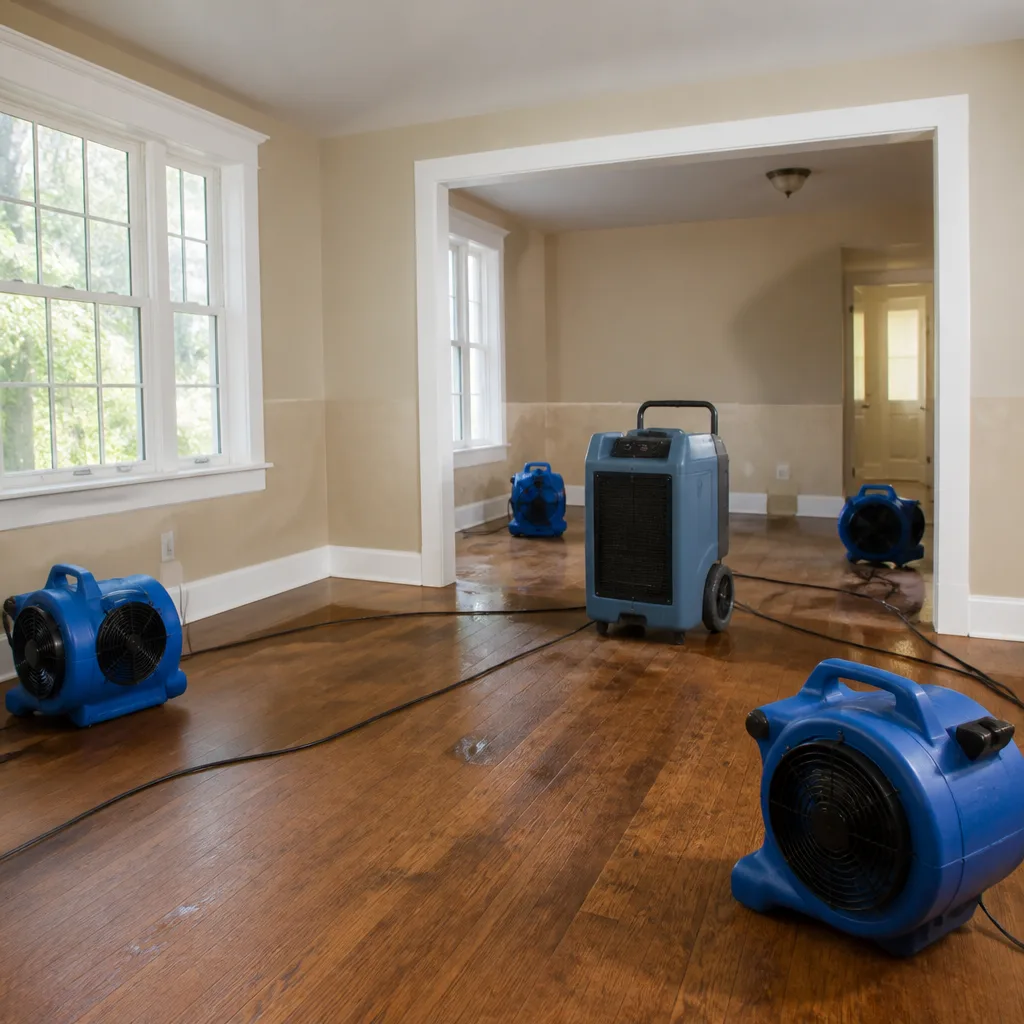
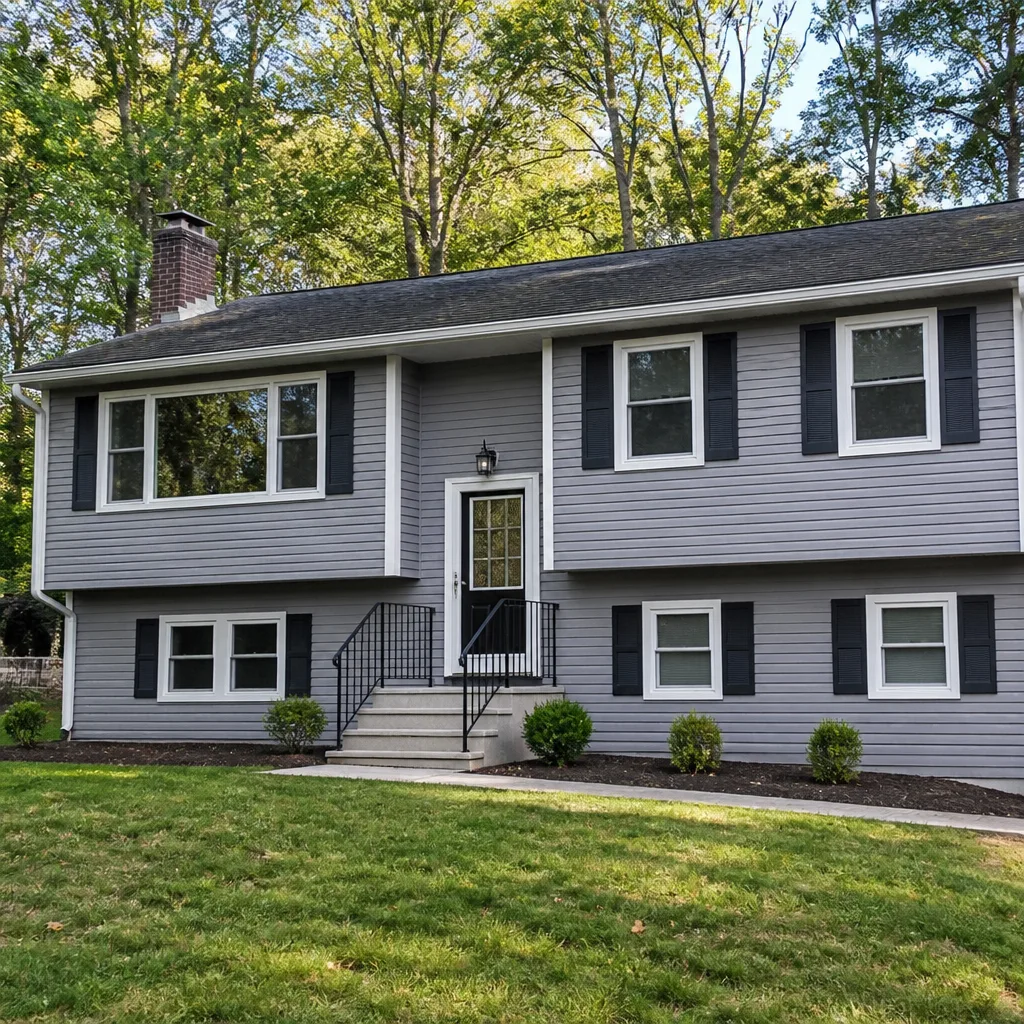
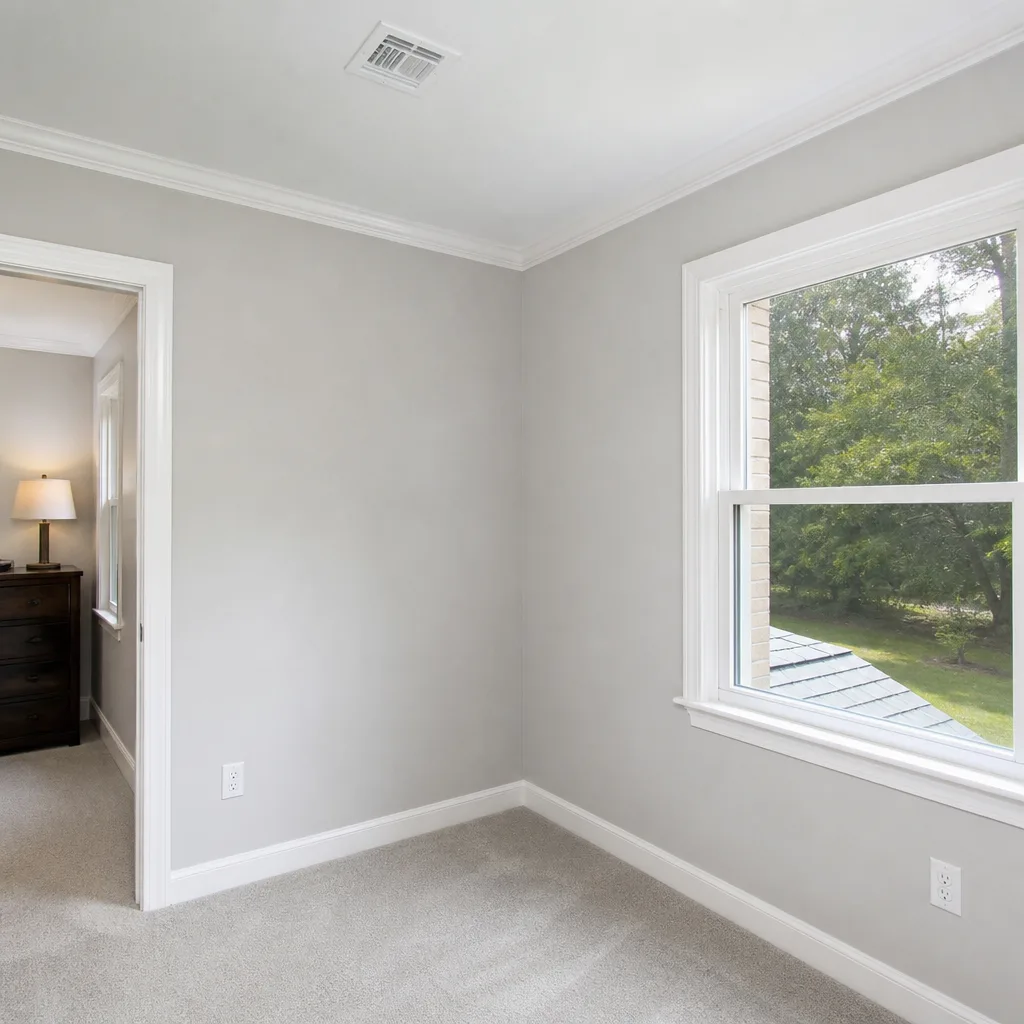
 Before
 After
After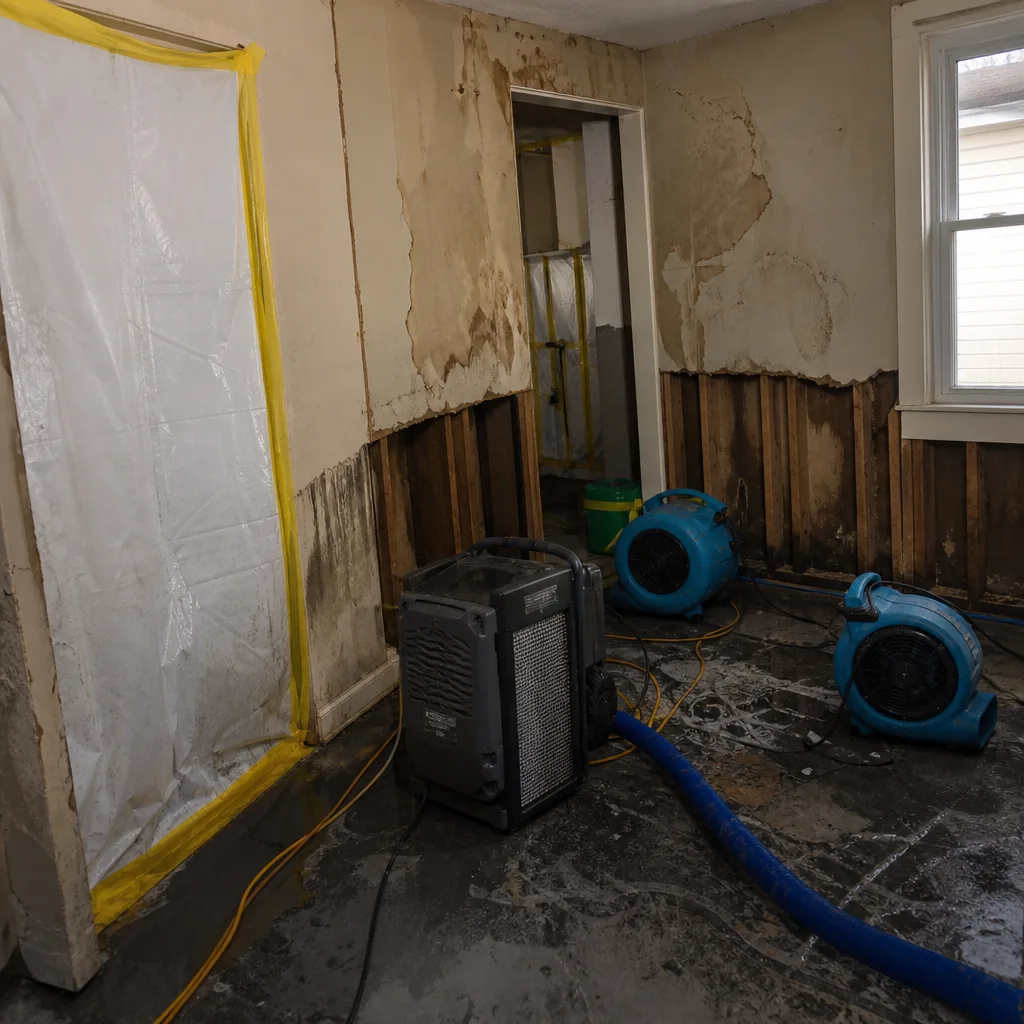 Before
 After
After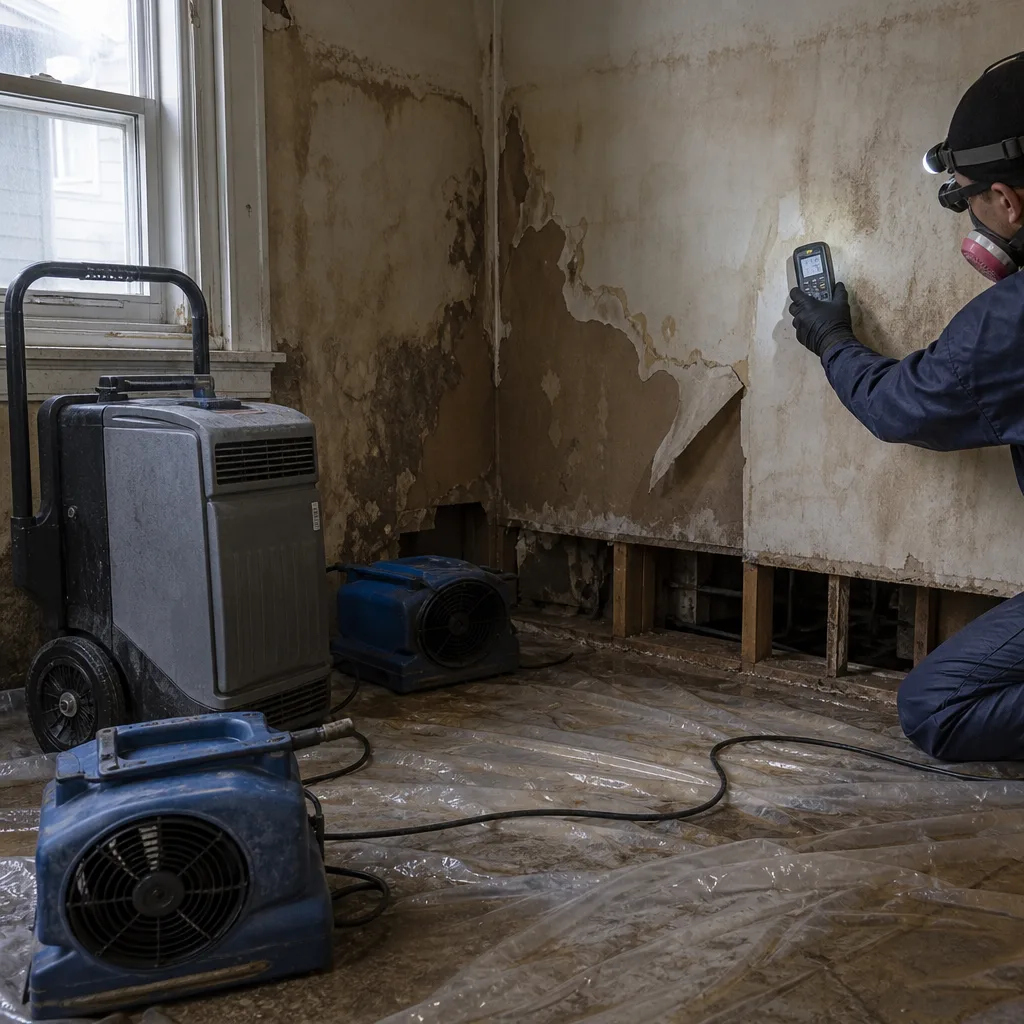 Before
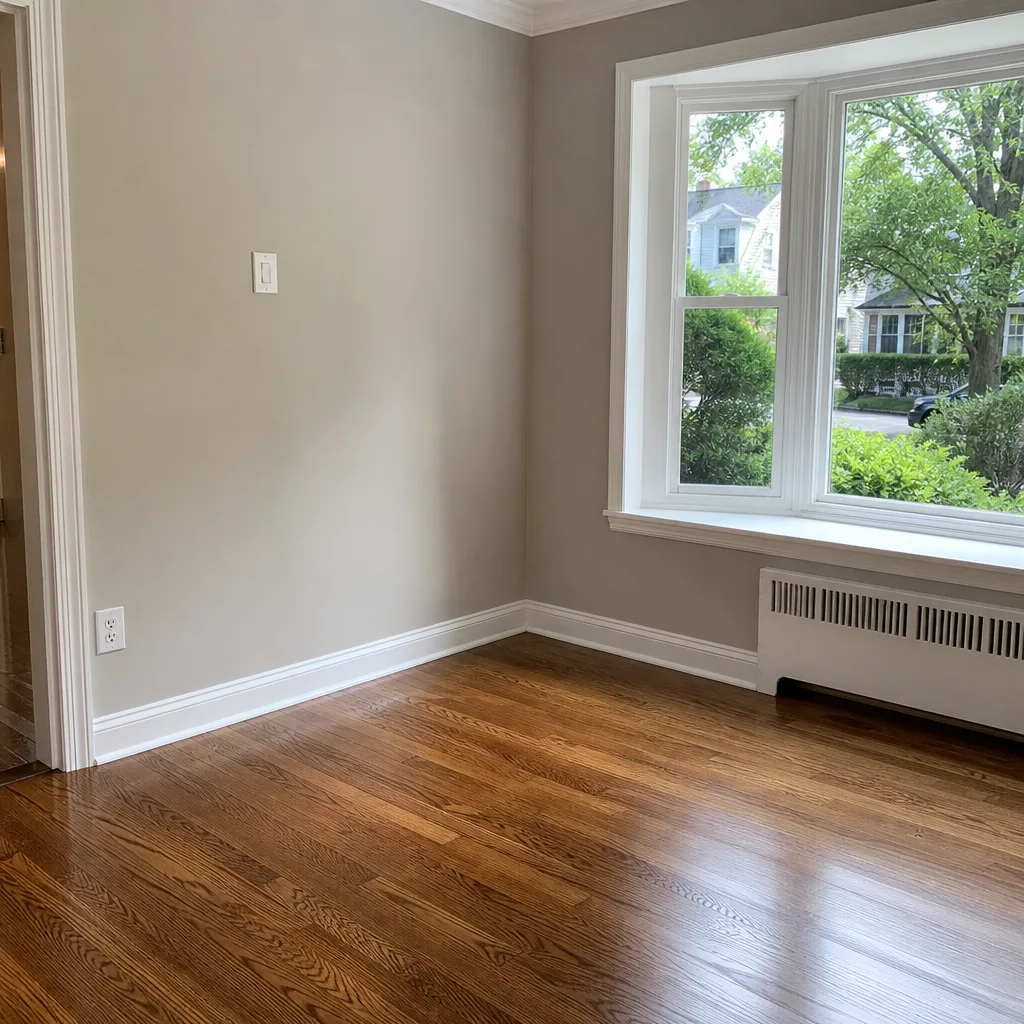 After
AfterFast, Reliable Fire & Smoke Damage Restoration Across Middle Village
Fire and smoke damage restoration in Middle Village typically runs $3,200-$8,500 for a standard row-house cleanup, with emergency board-up and tarping available within 90 minutes of your call. Our crews are dispatched from our New York City office and carry wind-rated door hardware, Dri-Eaz dehumidifiers, and Phoenix air scrubbers pre-staged for the 1920s-1940s brick construction that dominates this neighborhood. Call (516) 687-6900 - a live person answers, 24 hours a day, 7 days a week, no voicemail.
We’ve restored fire and storm damage in Middle Village since 2011, and we’ve learned that a smoke-odor call on one block of attached row houses is rarely isolated. The compressed grid around Lutheran All Faiths Cemetery means dozens of homes share combined sewer branch lines and common wall assemblies. Smoke migrates through shared attics. Wind-driven rain enters through a neighbor’s failed storm door and wicks across party walls. Our Fire & Smoke Damage Restoration team documents every wall cavity, logs moisture readings on original horsehair plaster, and scopes adjoining properties for linked damage - because in Middle Village, the fire you see is rarely the only problem.
Why DryMark Restoration Forest Hills Is Middle Village’s Preferred Fire & Smoke Damage Restoration Company
Back to Dry Restoration, led by Alicia Brennan, was built by a former claims adjuster who watched homeowners lose legitimate fire claims over missing documentation. That origin shapes every Middle Village job we take: a written price before work starts (Haven Standard, Clause 1), a photo record on every visit, and daily moisture logs that turn restoration invoices into payable claims.
Our 12,000+ restored homes since 2011 include hundreds in Queens’ inner neighborhoods. Middle Village customers specifically mention our crew’s familiarity with aging row-house construction - the horsehair plaster, the galvanized pipe, the shared laterals - in reviews that cite our documentation as the reason their adjuster paid without a fight.
Response time to Middle Village averages 75-90 minutes for emergency board-up and tarping. We don’t promise same-day reconstruction - that work is scoped, scheduled, and priced in writing like a remodel - but we do stop the damage from spreading while it’s still stoppable.
Local knowledge matters here. Our crews know that a post-storm fire-loss call on a block served by one combined sewer lateral means checking the three or four adjoining properties for wind-rated door failures and impending Category 3 backup risk. Generic restoration companies don’t think in lateral lines. We do.
Our Fire & Smoke Damage Restoration Services in Middle Village
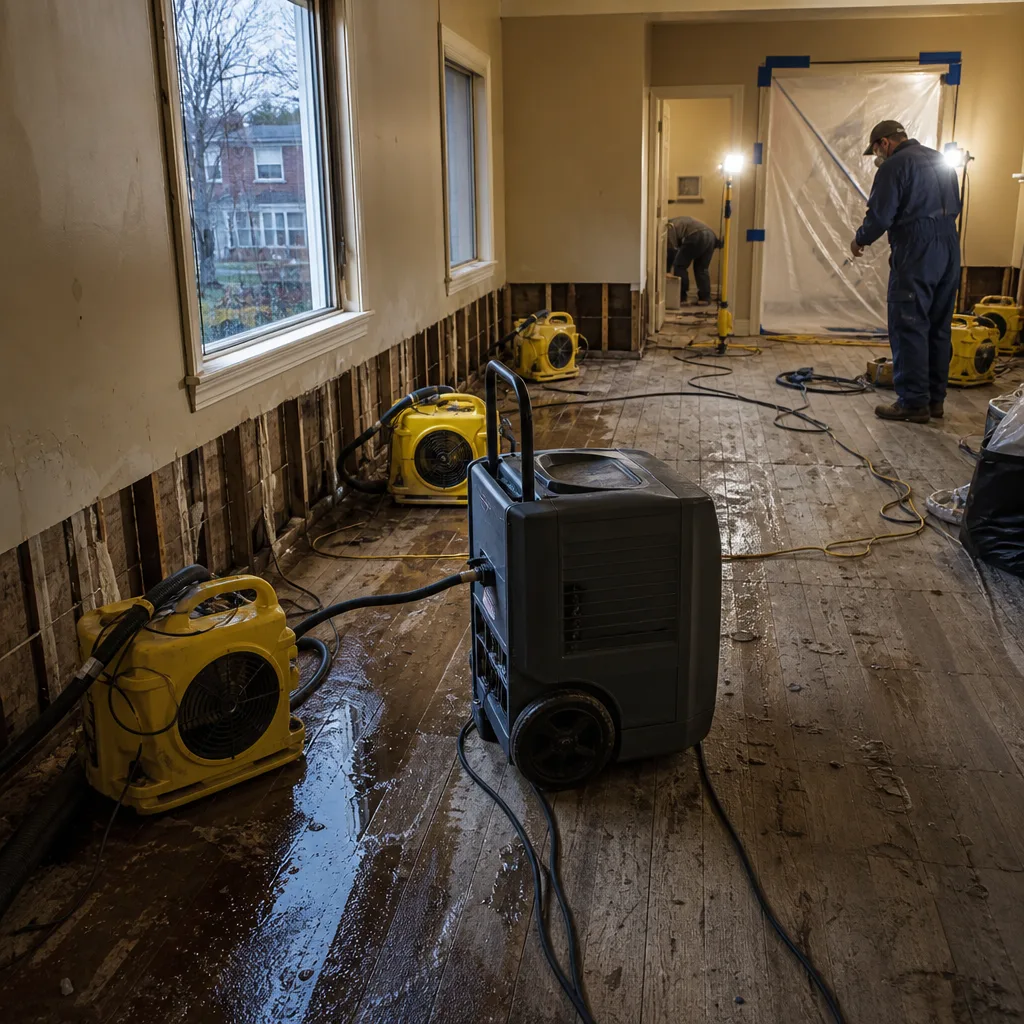
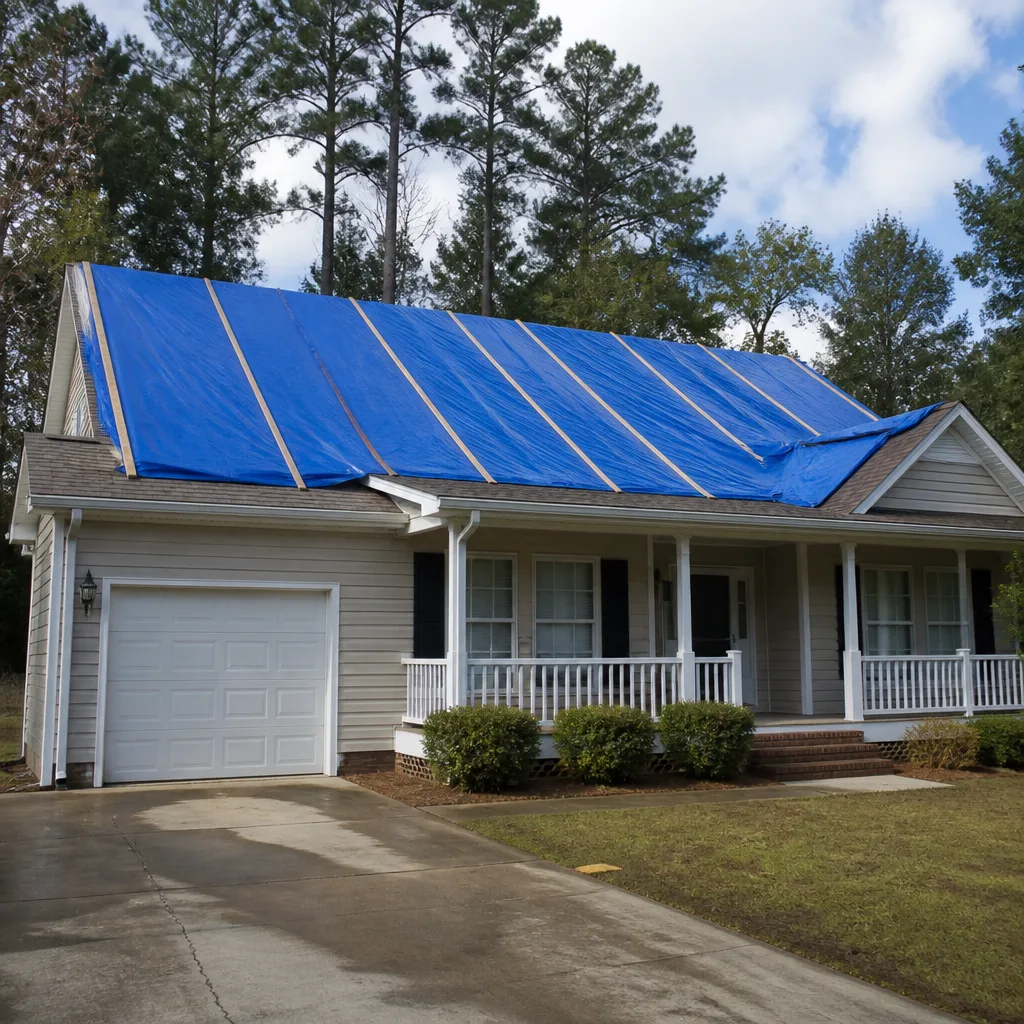
Emergency Board-Up & Tarping
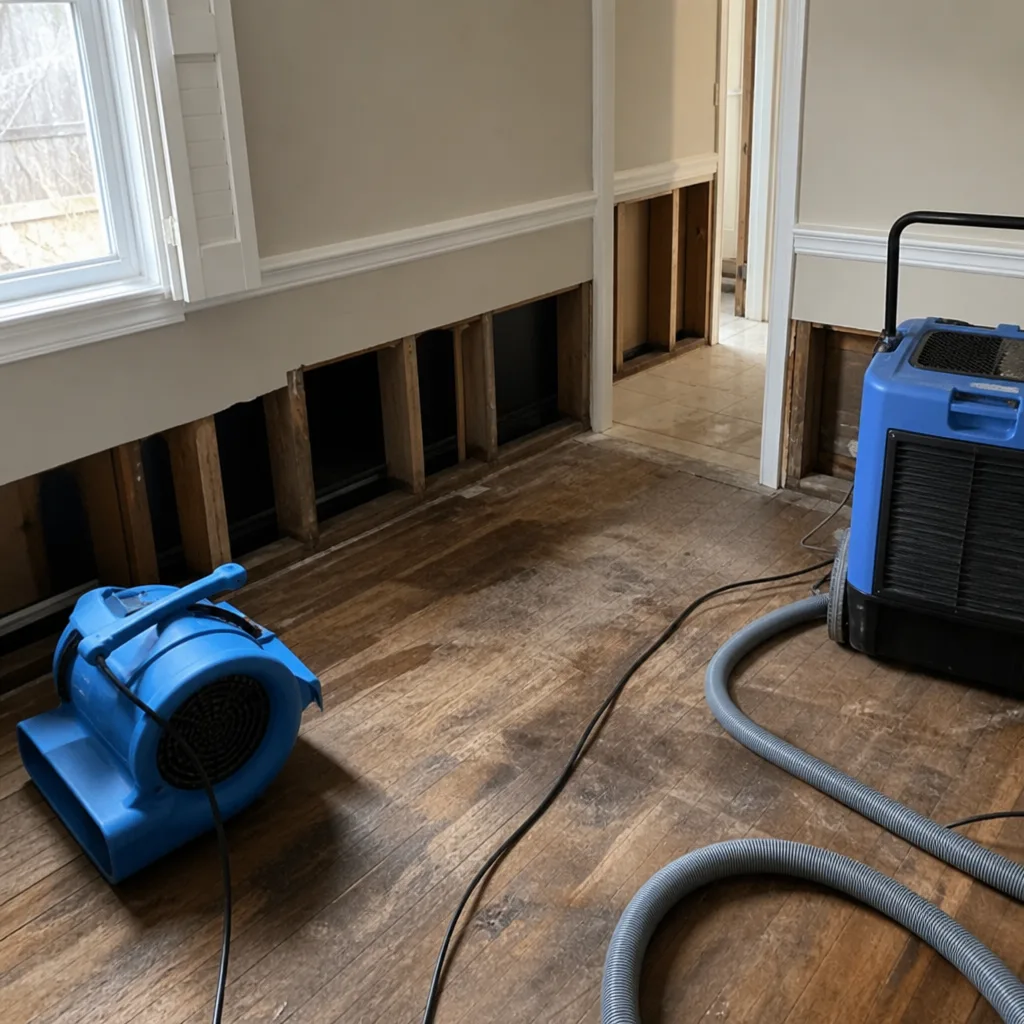
After a fast-moving nor’easter tore the impact-rated storm door off a 1930s brick semi-detached on Dry Harbor Road near Lutheran All Faiths Cemetery, our crew tarped the blown-in doorway, set up containment, and ran air movers with a Dri-Eaz dehumidifier to dry the soaked horsehair plaster and lath before mold could take hold. Soot and wind-driven rain had wicked behind the original horsehair plaster, so we did moisture mapping, logged moisture readings on every wall cavity, and pack-out of smoke-odored contents before structural drying. Because the same combined sewer lateral serves the adjoining row houses, we scoped the three neighboring basements for Category 3 risk while we rebuilt the door frame to NYC wind-load requirements.
Board-up in Middle Village isn’t plywood and hope. We document the pre-existing condition of every door frame, window sash, and brick course before we touch anything. Your insurer gets photos. You get a written scope. Haven Standard, Clause 1.
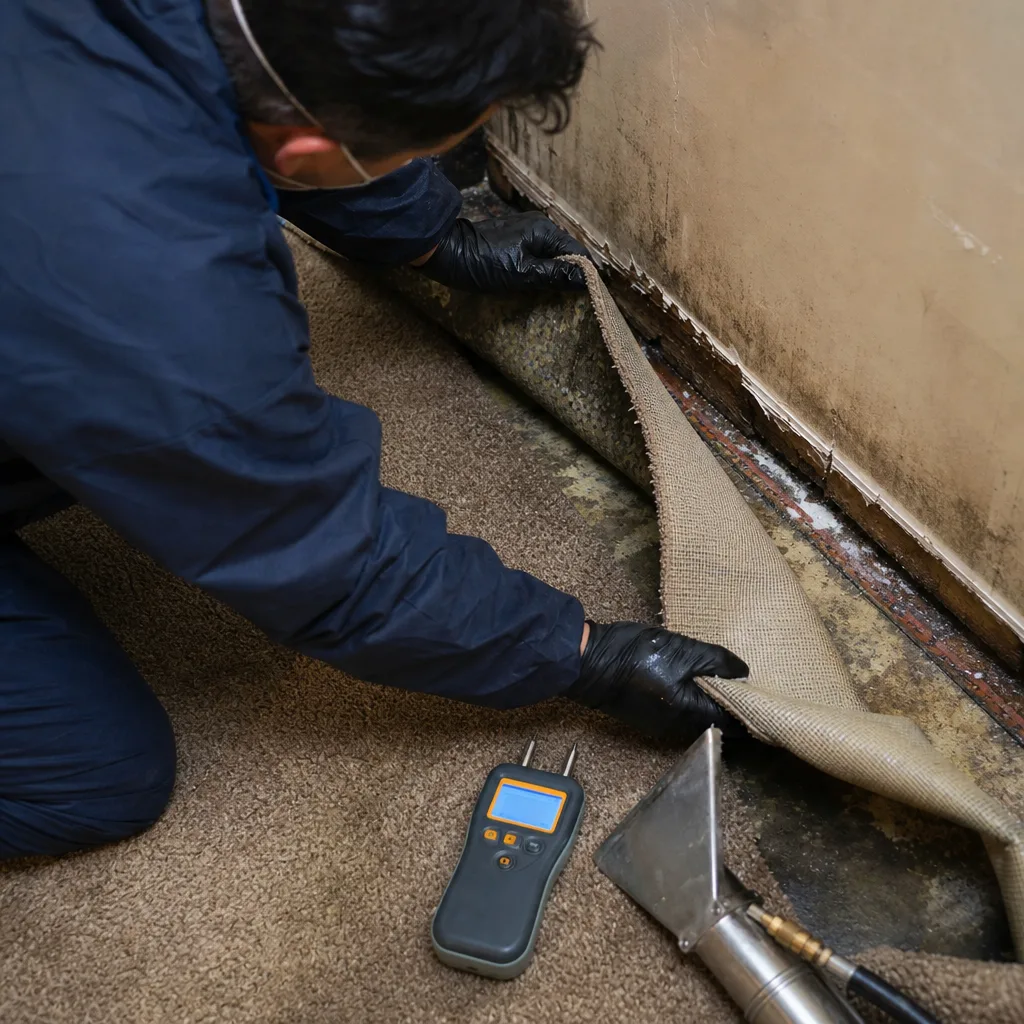
Smoke & Soot Removal
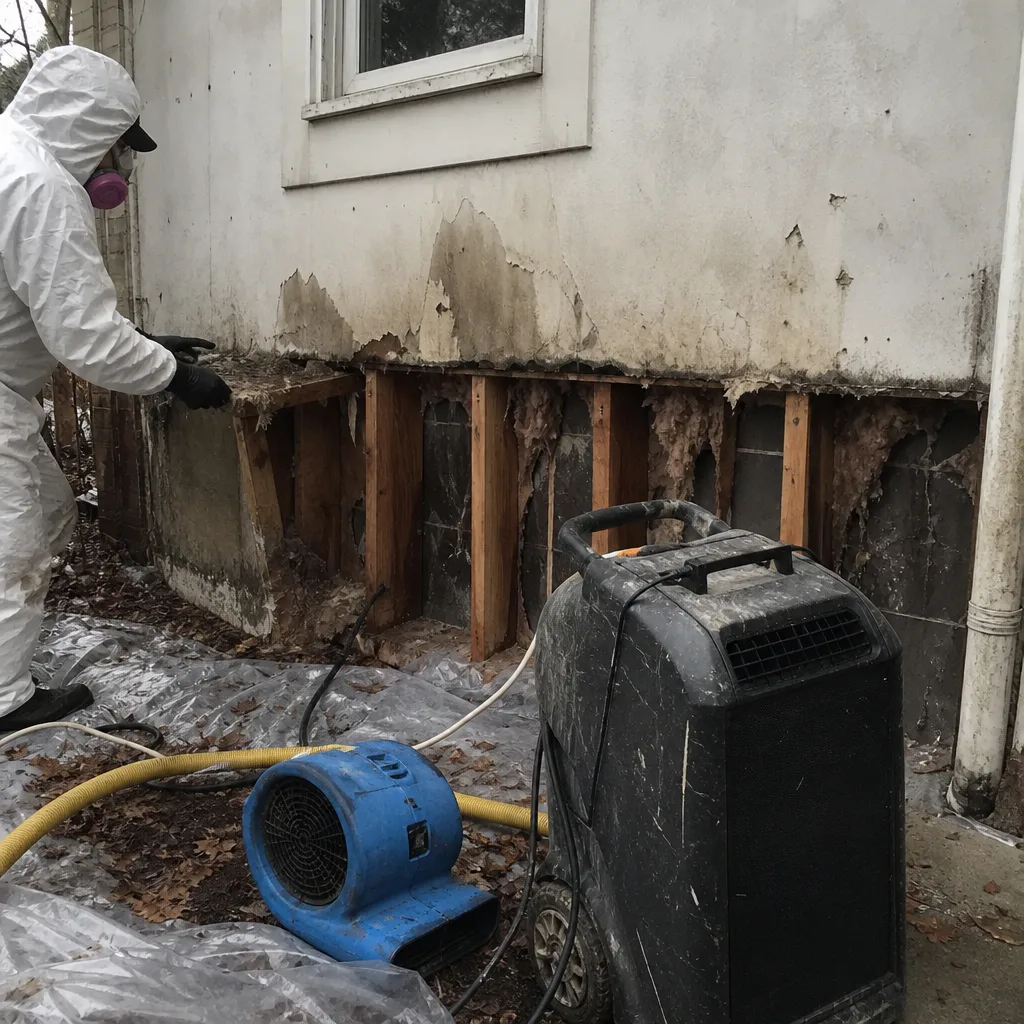
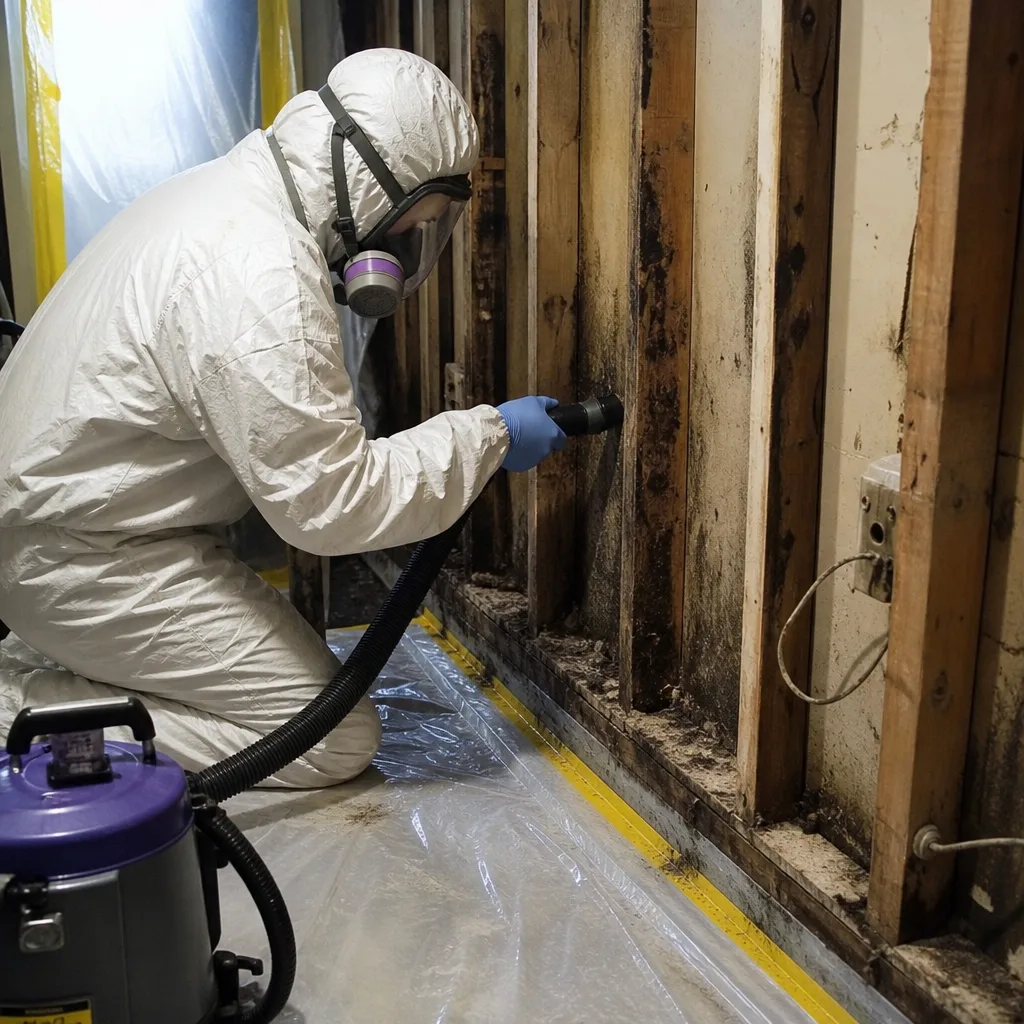
Middle Village’s attached row houses share attic spaces and wall cavities that smoke travels like water through a straw. We’ve found soot deposits in basements three doors down from the original fire, carried through shared joist bays and the gaps around aging galvanized stacks. Our process: source-containment with ZIPWALL barriers, negative air pressure with HEPA filtration, then surface-specific cleaning - dry sponging for unfinished plaster, alkaline wash for painted surfaces, ultrasonic for contents.
Every step is photo-documented. Every moisture reading is logged. Your adjuster sees what we found, where we found it, and what we did about it.
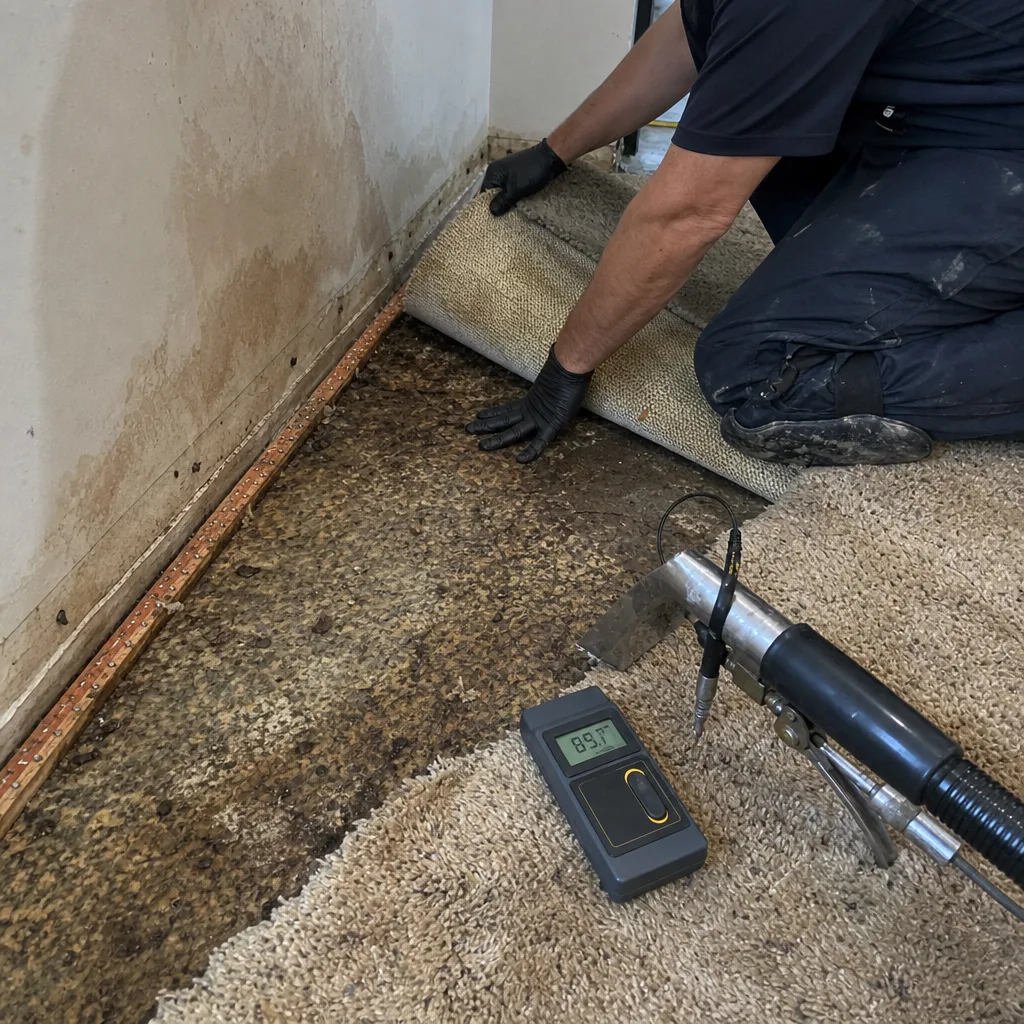
Odor Removal & Deodorization
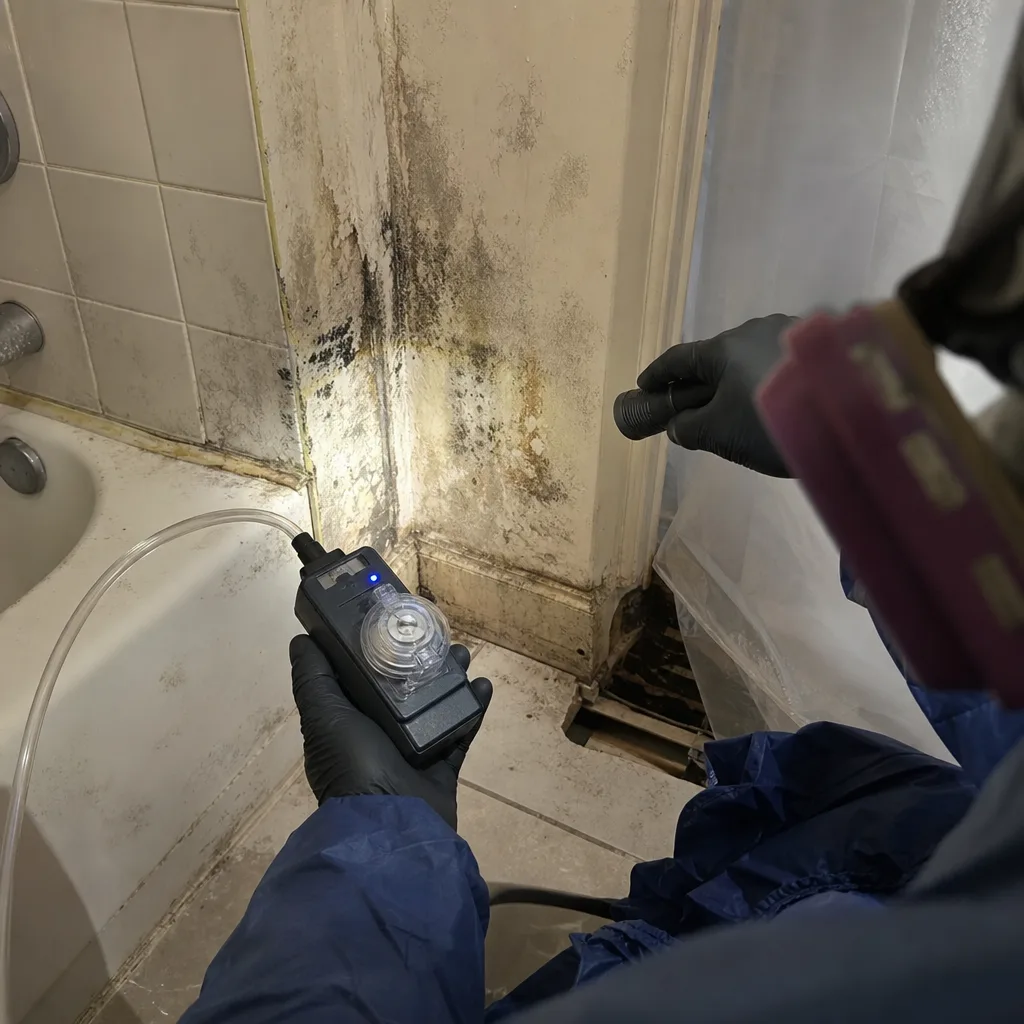
Smoke odor in horsehair plaster doesn’t respond to surface treatments. The alkaline pH of historic plaster binds acidic smoke compounds deep in the wall matrix. We deploy thermal fogging with odor-counteractant formulations specific to protein fires (kitchen grease) versus cellulose fires (wood framing), then seal with shellac-based primer where testing confirms penetration.
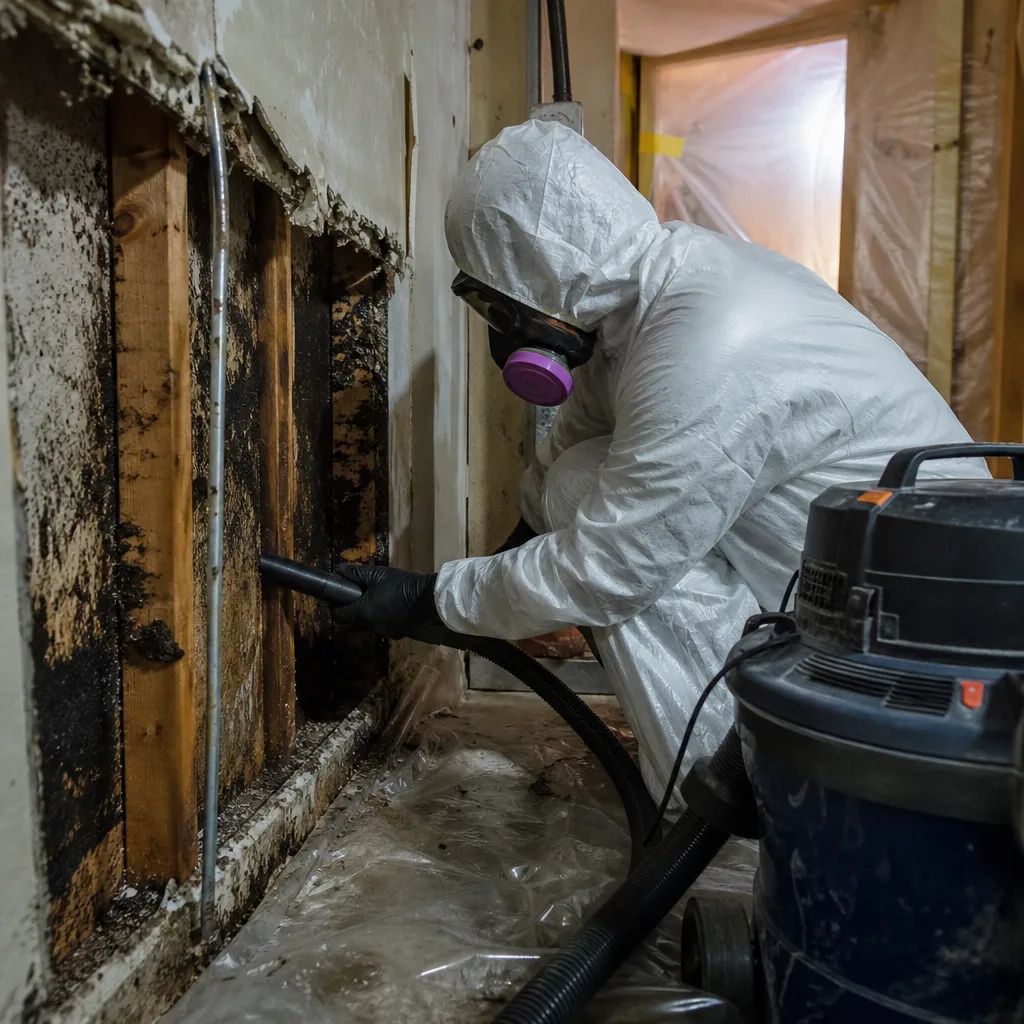
In Middle Village’s finished basements - nearly all of them, in this neighborhood - odor removal requires accessing the wall cavity through strategic plaster removal, not just masking. We mark every cut, photograph every layer, and write the scope before we start cutting.
Structural Fire Repair
Fire-damaged joists in 1920s row houses are almost always true 2x10s of old-growth lumber, sized differently than modern dimensional lumber. Replacing them with off-the-shelf lumber from a big-box store creates structural mismatch and code failure. We source reclaimed or custom-milled matching stock, document the grade and species, and photograph the repair for your structural engineer and your insurer.
Wind-load requirements for replacement doors and frames in NYC have tightened significantly. A cosmetic rebuild that ignores the load path will fail at the next nor’easter. We engineer to code, permit through the NYC Department of Buildings, and provide the stamped documentation your adjuster needs to approve the line item.
Contents Cleaning & Pack-Out
Our Middle Village pack-outs inventory every item with photo documentation before it leaves the premises. Contents travel to our cleaning facility for ultrasonic, ozone, or specialized textile processing depending on material classification. You receive an itemized chain-of-custody record that satisfies even the most documentation-demanding adjusters.
What happens when you call
- 1
A real person answersNo phone trees - you reach a local pro.
- 2
You get an upfront price rangeHonest numbers before anyone is dispatched.
- 3
A background-checked tech heads outLicensed & insured, dispatched right away.
- 4
You approve before work beginsNothing starts until you say go.
BeforeAfterTrusted Brands We Service in Middle Village
We deploy professional-grade drying and air quality systems from Phoenix, XPOWER, and B-Air on every Middle Village fire restoration. Phoenix dehumidifiers handle the heavy vapor load of saturated horsehair plaster; XPOWER air movers create the controlled airflow that structural drying of lath-and-plaster assemblies demands; B-Air HEPA air scrubbers maintain negative pressure during soot removal to prevent cross-contamination through shared wall cavities. These aren’t brand names we drop - they’re the specific tools we use to generate the psychrometric data, the daily moisture logs, and the documented drying curve that your insurance claim requires.
Common Fire & Smoke Damage Restoration Problems We See in Middle Village Homes
- Wind-rated doors treated as cosmetic repairs. Contractors replace a storm-damaged door with standard hardware, ignoring the load-path connection to the row house’s masonry frame. The next nor’easter blows the assembly back in before the plaster has finished structural drying. We engineer to NYC wind-load requirements and permit the work.
- Shared combined sewer laterals missed during fire board-up. A crew boards up a storm-damaged row house without checking the lateral serving the block. The next heavy rain sends Category 3 sewage into the finished basement while the homeowner is still fighting the fire claim. We scope adjoining properties on the same lateral as standard practice.
- Horsehair plaster dried on standard timelines. Soot and wind-driven rain are dried over original horsehair plaster and lath with dehumidification schedules designed for modern drywall. Hidden moisture triggers mold colonies behind the walls within 24 to 48 hours. We extend drying timelines for plaster assemblies and log moisture readings until vapor pressure differential confirms equilibrium.
- Asbestos and lead-paint assessments skipped pre-demolition. NYC mandates testing before any disturbance of pre-1978 finishes. Middle Village’s housing stock is virtually all pre-1945. We coordinate assessment, document results, and include abatement in the written scope when required - never as a surprise addition.
Pricing for Fire & Smoke Damage Restoration in Middle Village, NY
Emergency board-up and tarping in Middle Village typically runs $850-$1,400 for a standard row-house doorway or window assembly. Smoke and soot removal for a single-floor affected area runs $2,400-$4,200. Full-structure odor removal and deodorization with thermal fogging, cavity access, and sealant application runs $3,800-$6,500. Structural fire repair - joist replacement, door/frame rebuild to wind-load code, plaster restoration - runs $4,500-$12,000 depending on affected square footage and material matching requirements. Contents cleaning and pack-out is itemized per piece or per cubic foot, typically $1,200-$3,500 for a row-house basement and first-floor inventory.
What moves the price: extent of smoke migration through shared cavities, presence of Category 3 water from sewer backup, asbestos/lead abatement requirements, and whether wind-load engineering is needed for door/frame replacement. Every job is quoted in writing before work begins, with no scope-creep additions once the crew is inside. Haven Standard, Clause 1. Bring a competitor’s written estimate and we’ll review it free - our Free Second Opinion, no charge.
We Also Serve Cities Near Middle Village
Our crews respond to fire and smoke damage calls throughout central Queens, including Middle Village and the surrounding communities of Maspeth, Elmhurst, Forest Hills, and Jackson Heights. Each neighborhood shares some of Middle Village’s row-house stock and combined-sewer infrastructure, though the specific lateral mapping and wind-exposure profiles differ block by block. We know the differences because we’ve documented the jobs.
Serving Middle Village, NY - Our Local Coverage Area
We’re based in the Middle Village area and know this community well. Use the map below to see our service coverage - if you’re nearby, we can almost certainly help.
FAQs - Fire & Smoke Damage Restoration in Middle Village
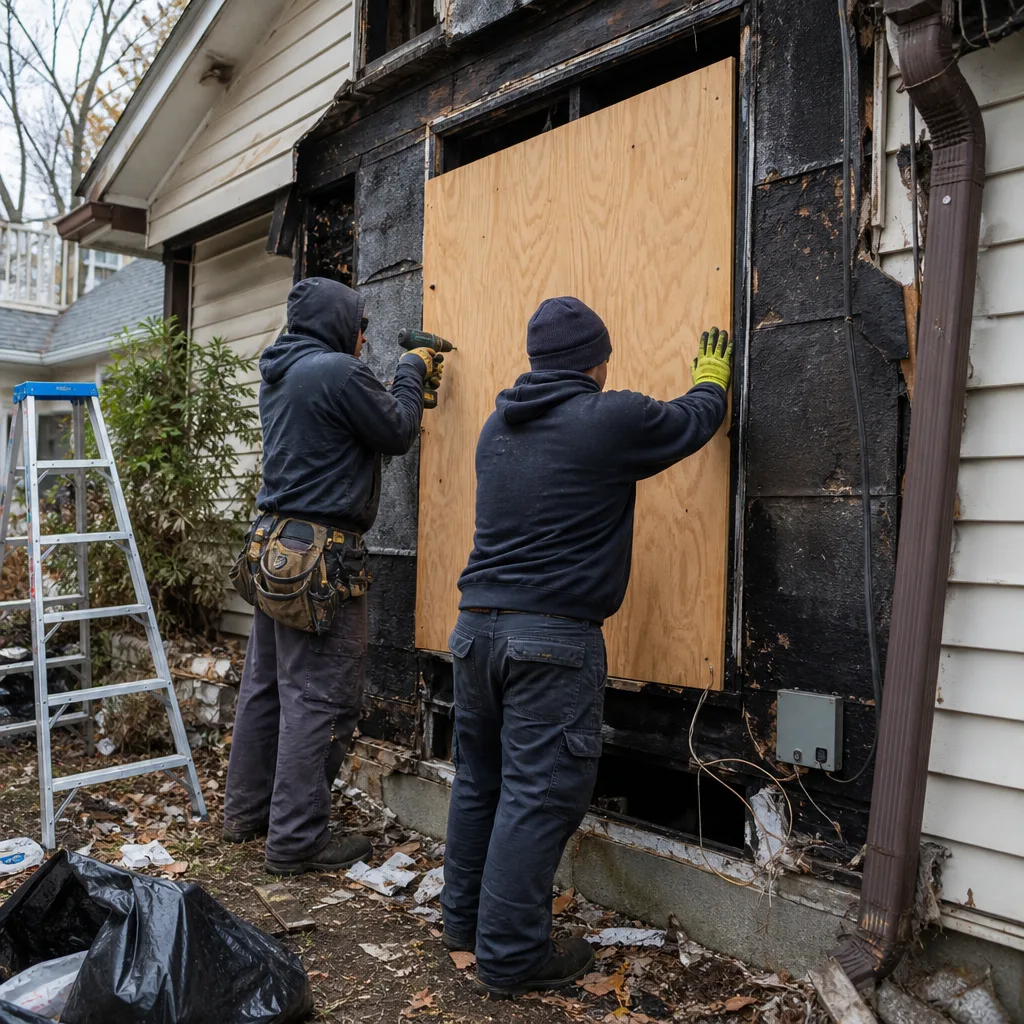
A failed door in an attached row house is a breach in a continuous structural line that shares wall cavities, attic spaces, and lateral loads with neighboring units. Wind-driven rain enters, soaks horsehair plaster that modern drying schedules can’t handle, and creates mold risk that spreads through shared joist bays. We treat door replacement as load-path engineering, not cosmetic repair, and we permit to NYC wind-load requirements.
Call (516) 687-6900 for a written scope - estimates are free.
We can often save original horsehair plaster if drying begins within 24-48 hours and we maintain extended dehumidification timelines that standard drywall protocols don’t allow. We log moisture readings daily until vapor pressure differential - the measurable force that drives moisture out of dense materials - confirms the plaster has reached equilibrium. If smoke compounds have chemically bonded to the alkaline plaster matrix, we may need strategic removal and replacement with matched materials. The decision is documented, photographed, and written into your scope before any demolition starts.
Call (516) 687-6900 for a written scope - estimates are free.
Yes. NYC Department of Buildings requires a permit for any structural door or frame replacement in a one- or two-family dwelling, and the installed assembly must meet current wind-load standards for Queens’ exposure category. We engineer the replacement, pull the permit, and provide stamped documentation for your insurer. The alternative - an unpermitted cosmetic rebuild - voids coverage for the next failure and creates liability if the door blows in and damages neighboring property.
Call (516) 687-6900 for a written scope - estimates are free.
Yes to both, in Middle Village’s specific conditions. Smoke migrates through shared attic spaces and the gaps around aging galvanized stacks. Shared combined sewer laterals mean a fire-loss board-up on your block often signals impending Category 3 backup risk for adjoining properties on the same line. We offer complimentary lateral-risk assessment and smoke-migration inspection for neighbors of active fire restoration jobs in the same row - documented, photographed, and written up for your insurer if action is needed.
Call (516) 687-6900 for a written scope - estimates are free.
A typical scope for a finished basement in a 1930s row house includes: Category 3 water assessment from the shared lateral; asbestos/lead testing before any demolition; moisture mapping of horsehair plaster and lath assemblies; contents pack-out with photo inventory; HEPA-contained soot removal; extended structural drying with logged psychrometric data; odor counteraction with thermal fogging and cavity access; and structural repair or replacement of damaged framing with matched old-growth lumber. Every step is photo-documented, every price is written before work starts, and every job carries our 365-Day Done Right Promise under The Haven Standard.
Call (516) 687-6900 for a written scope - estimates are free.
Written by Alicia Brennan, Owner at Back to Dry Restoration, serving Middle Village since 2011.