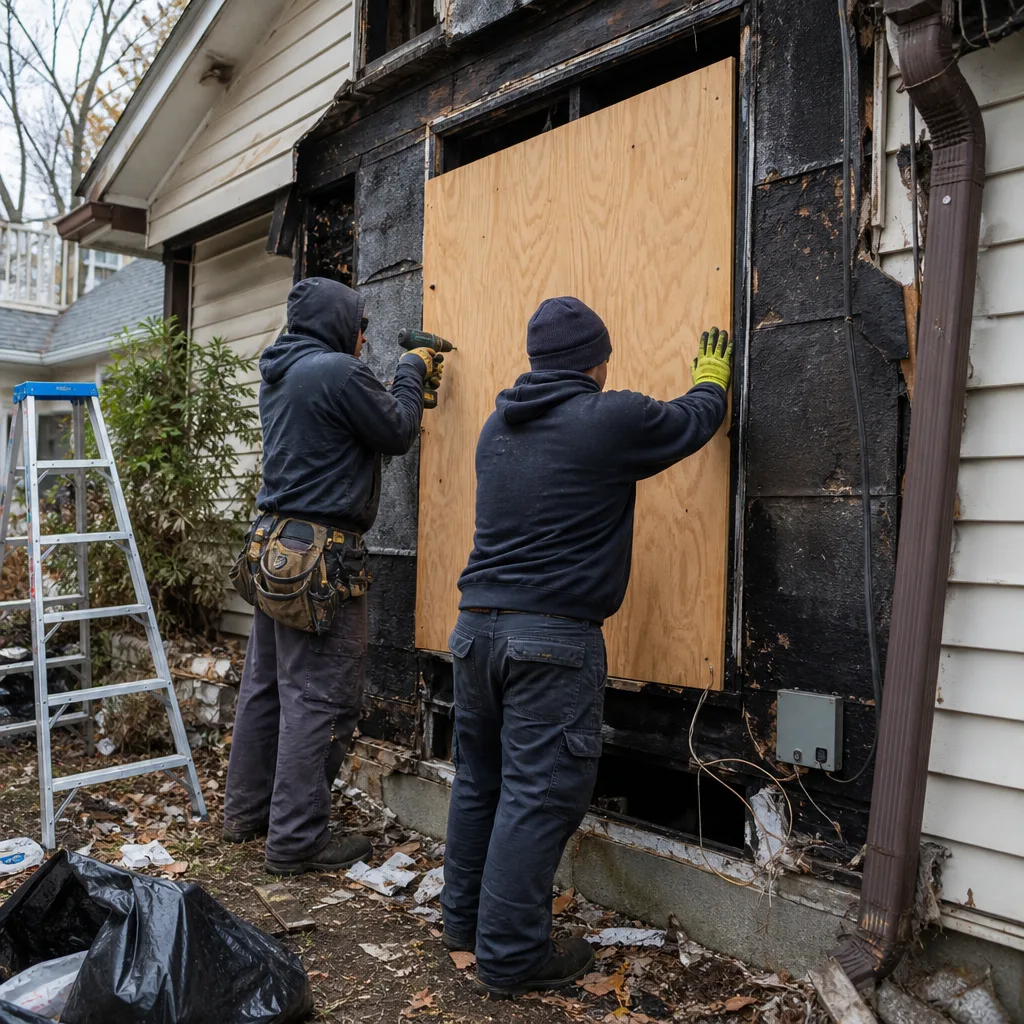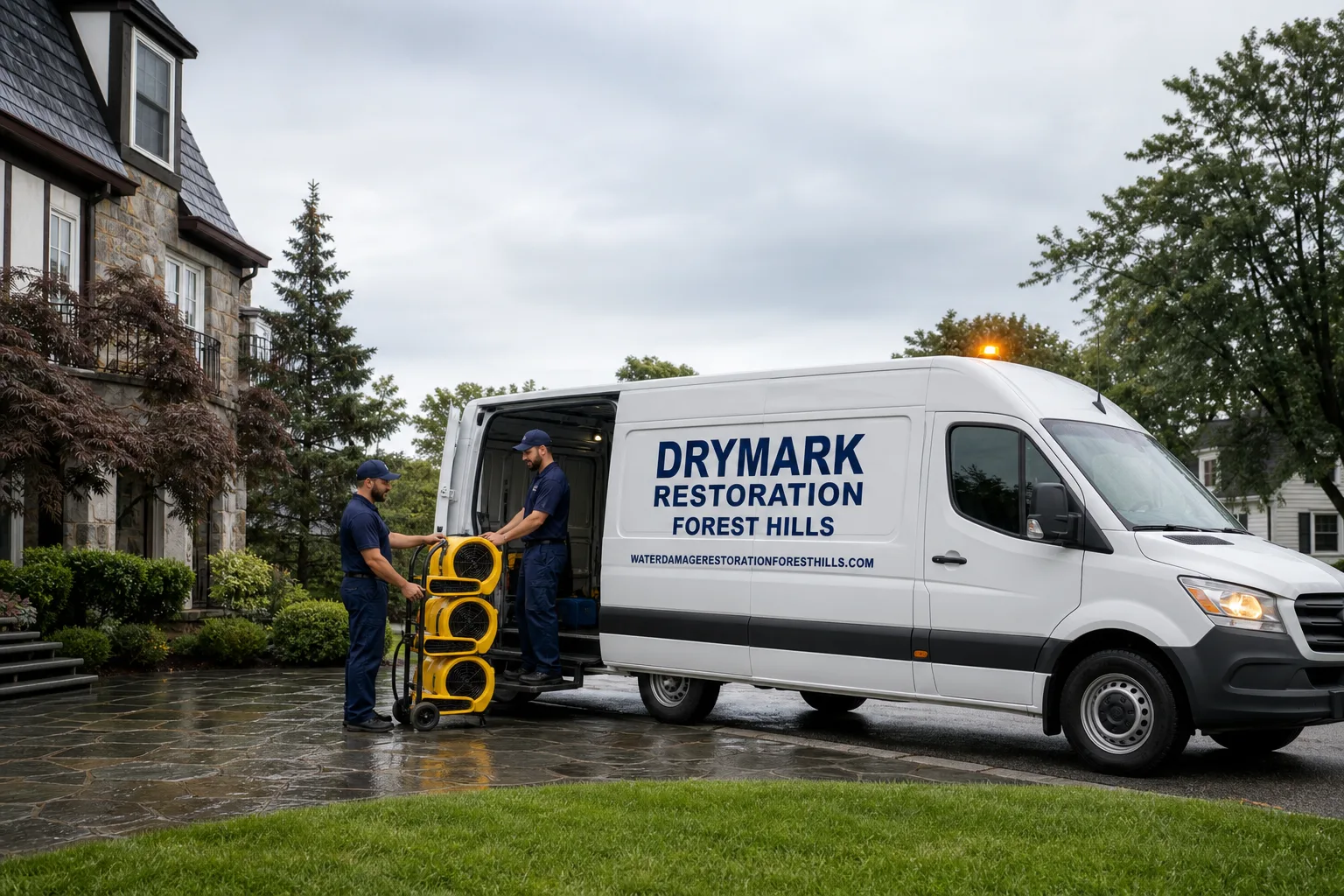
Free visual inspection and a written scope of work before any mitigation begins - photos, moisture readings, and drying logs go in your claim file
The scope we write is the scope we bill. Anything new gets shown to you, in writing, before we touch it.
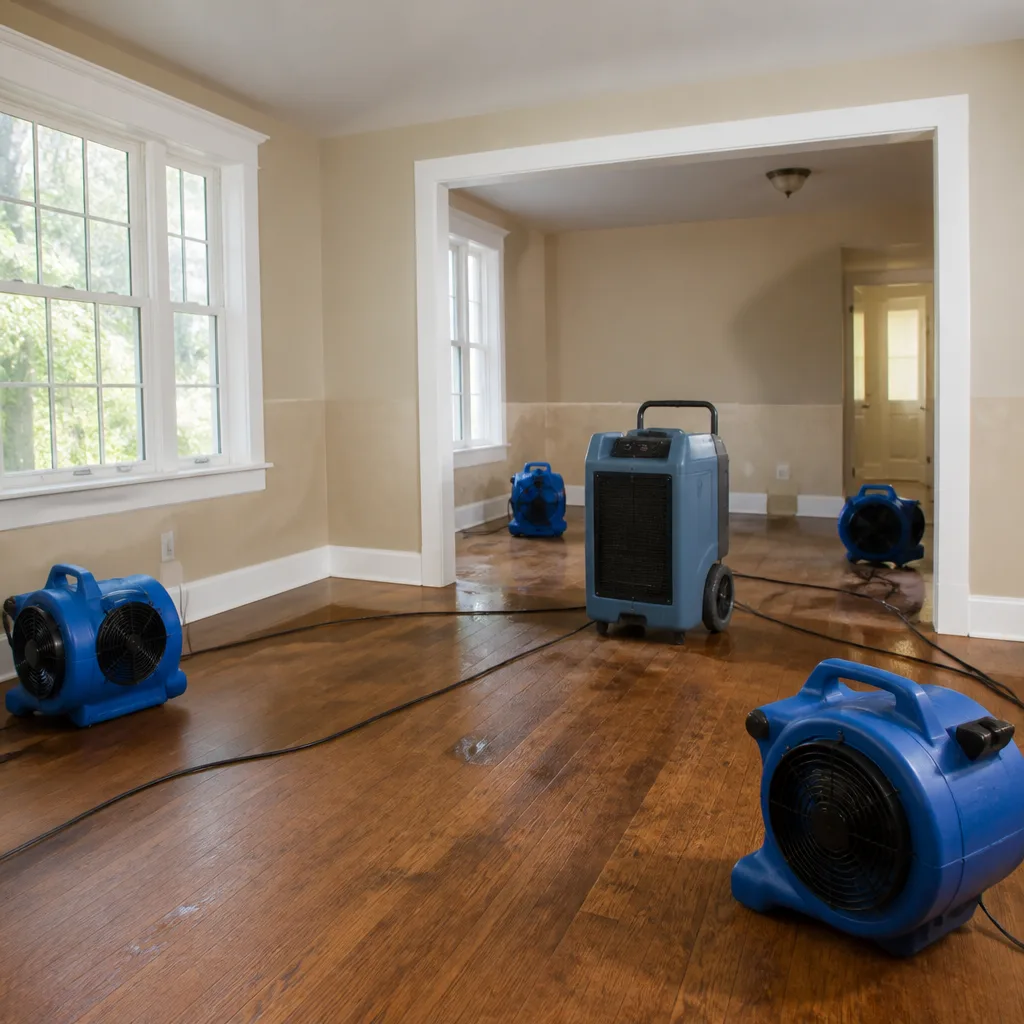
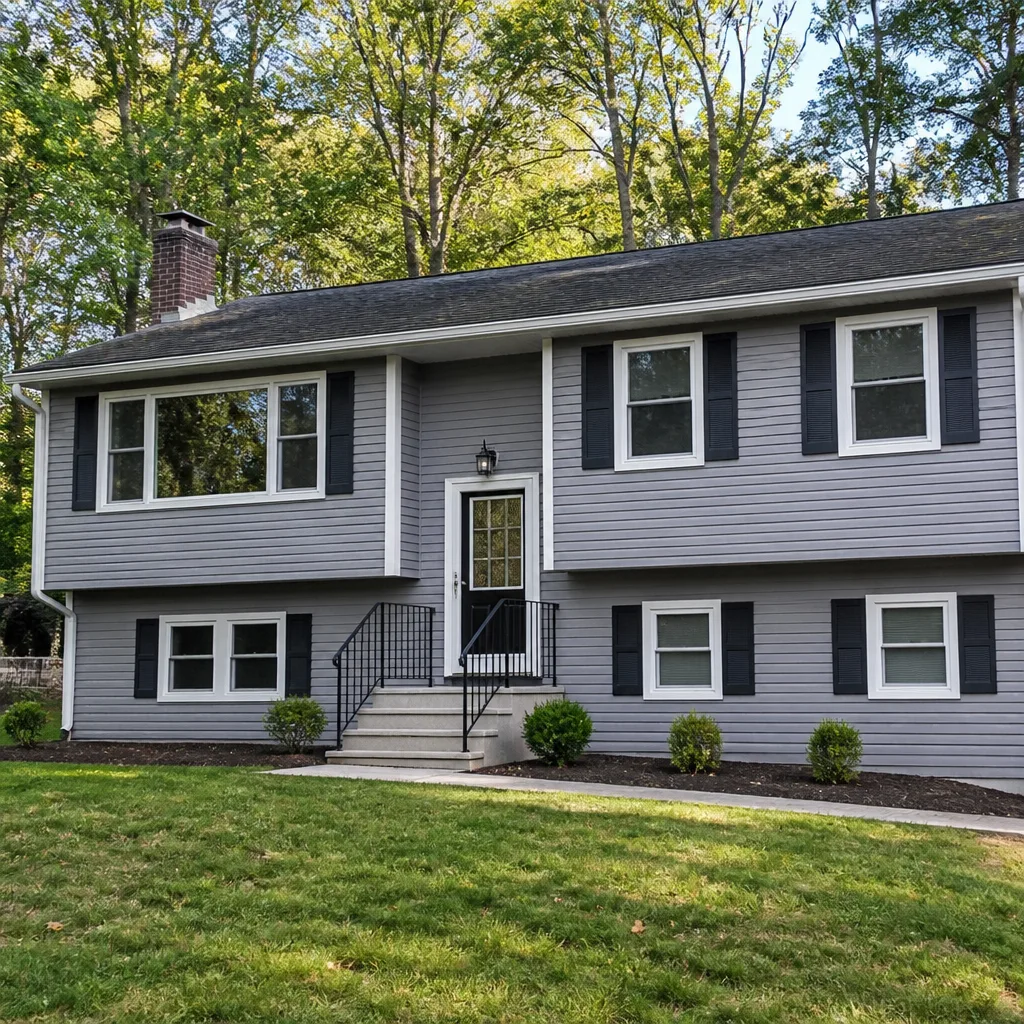
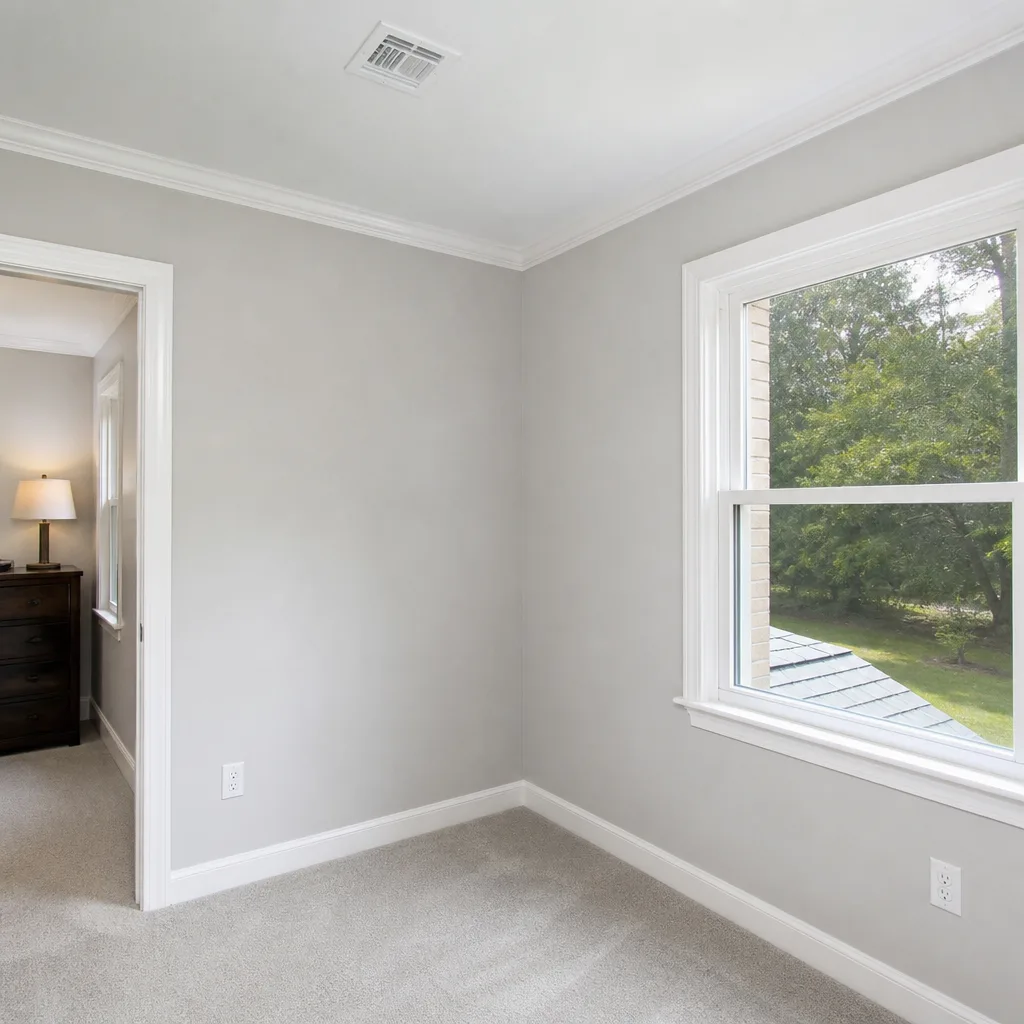
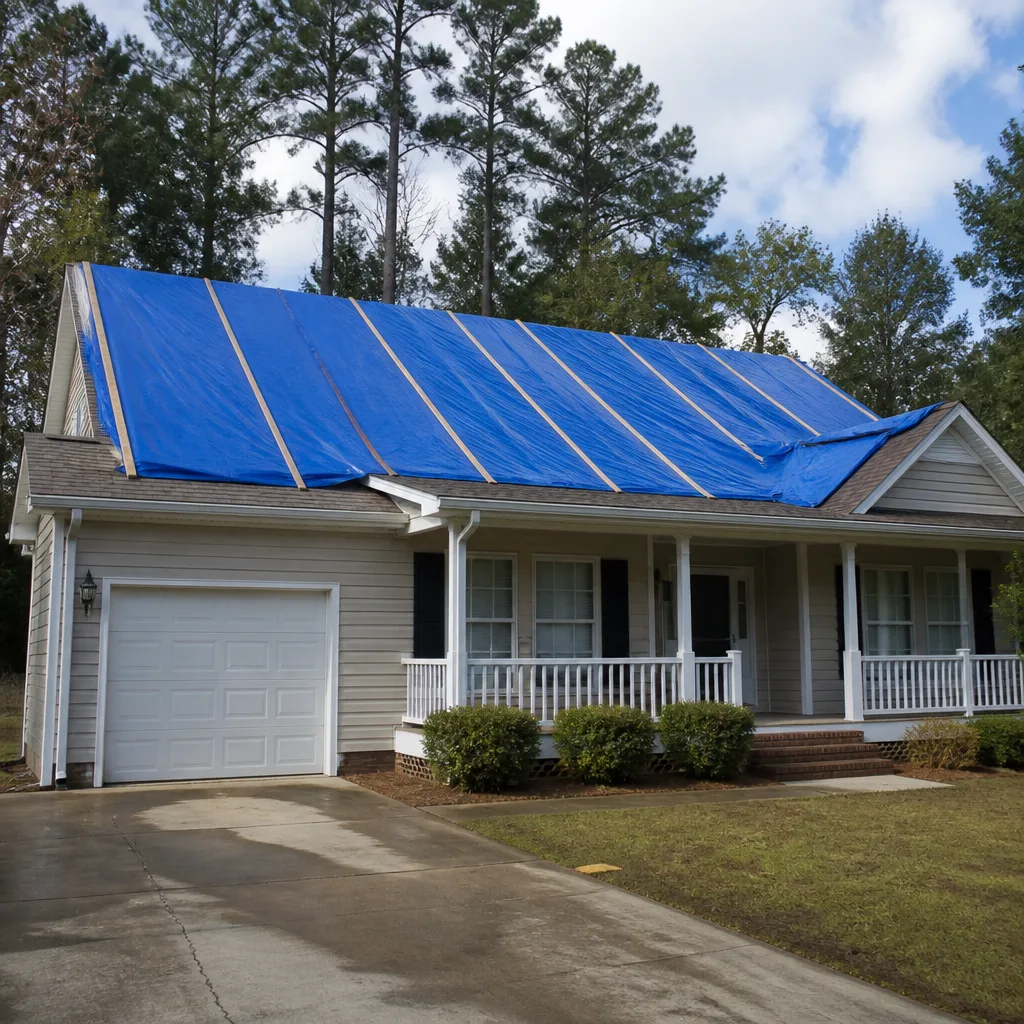
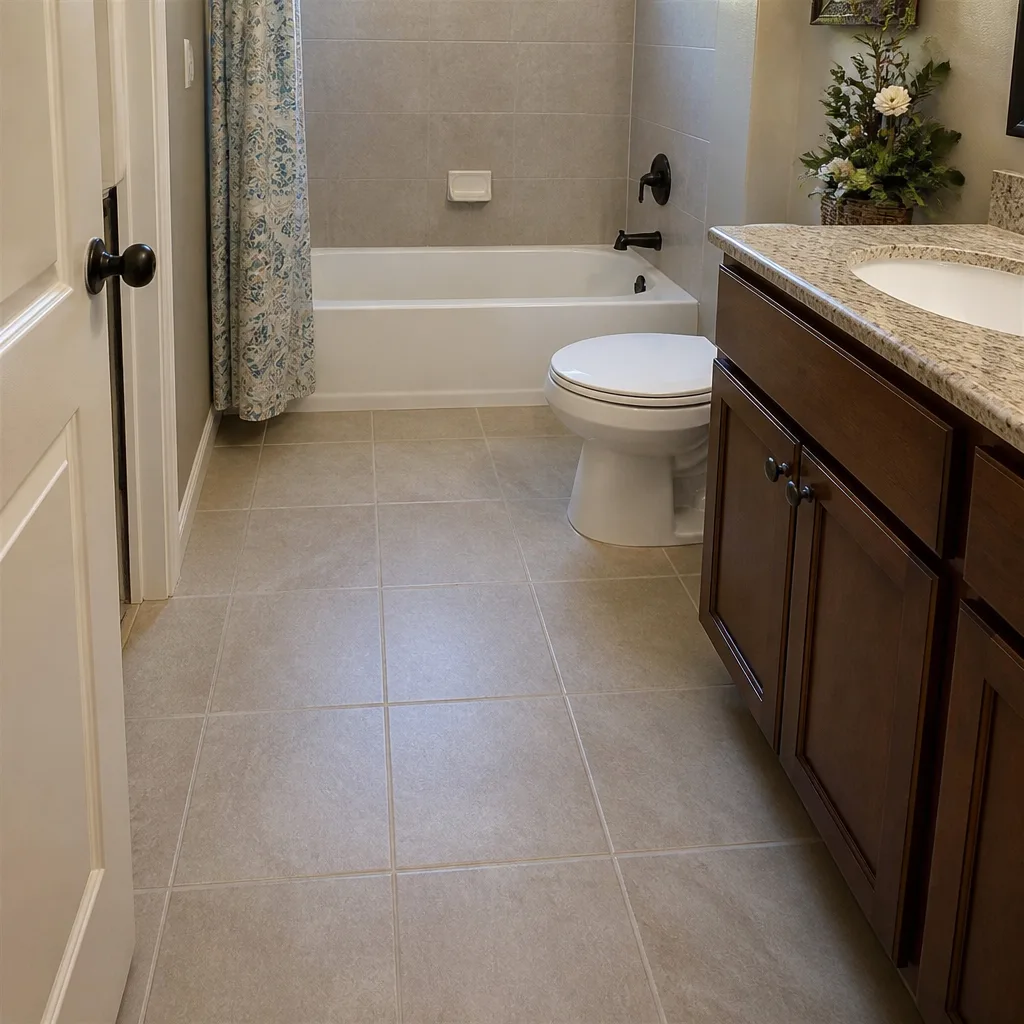
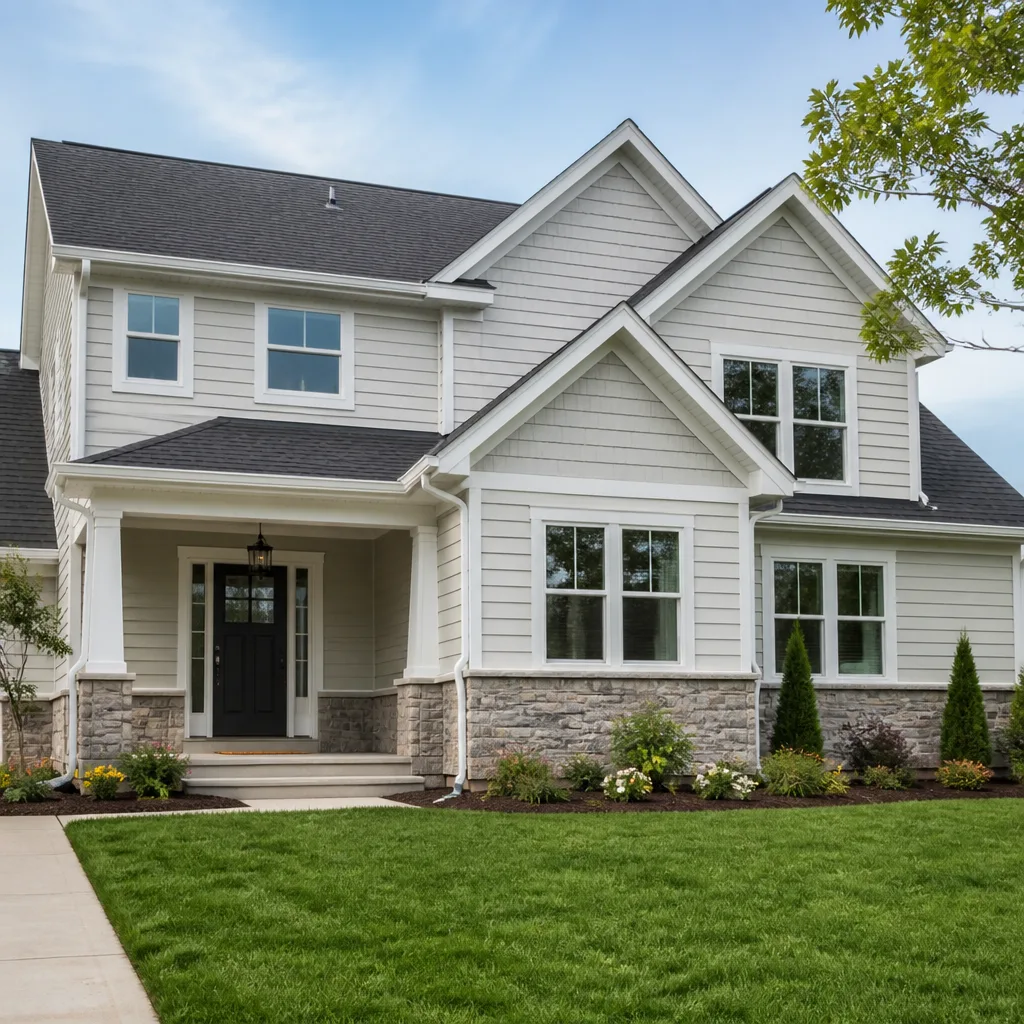
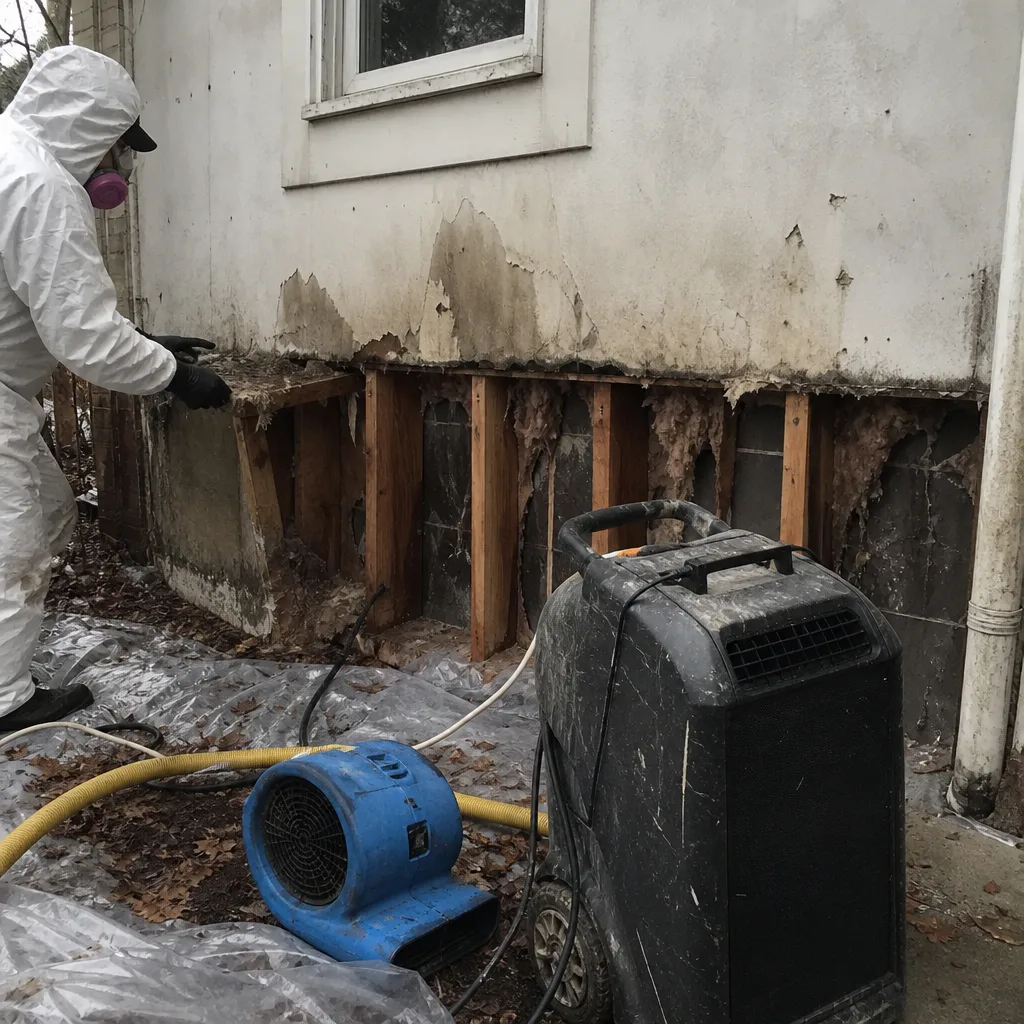 Before
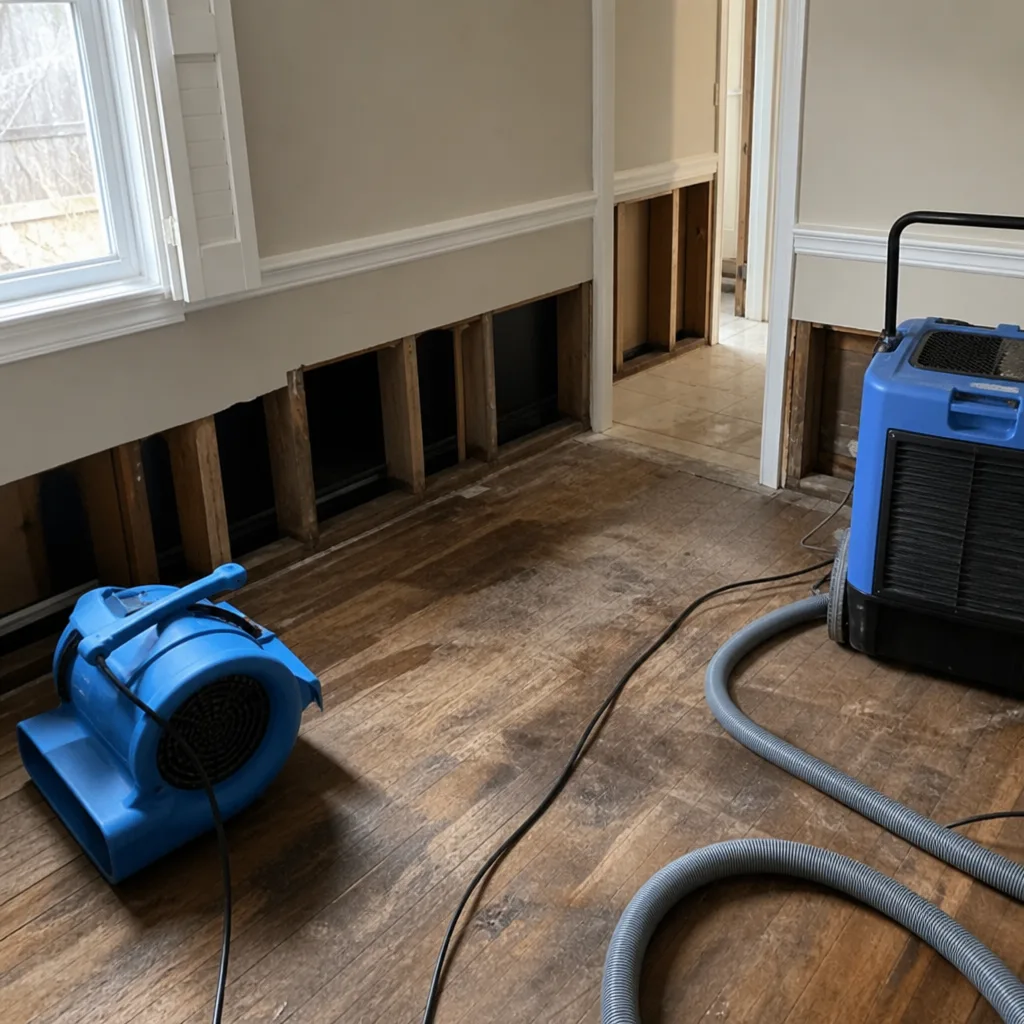 After
After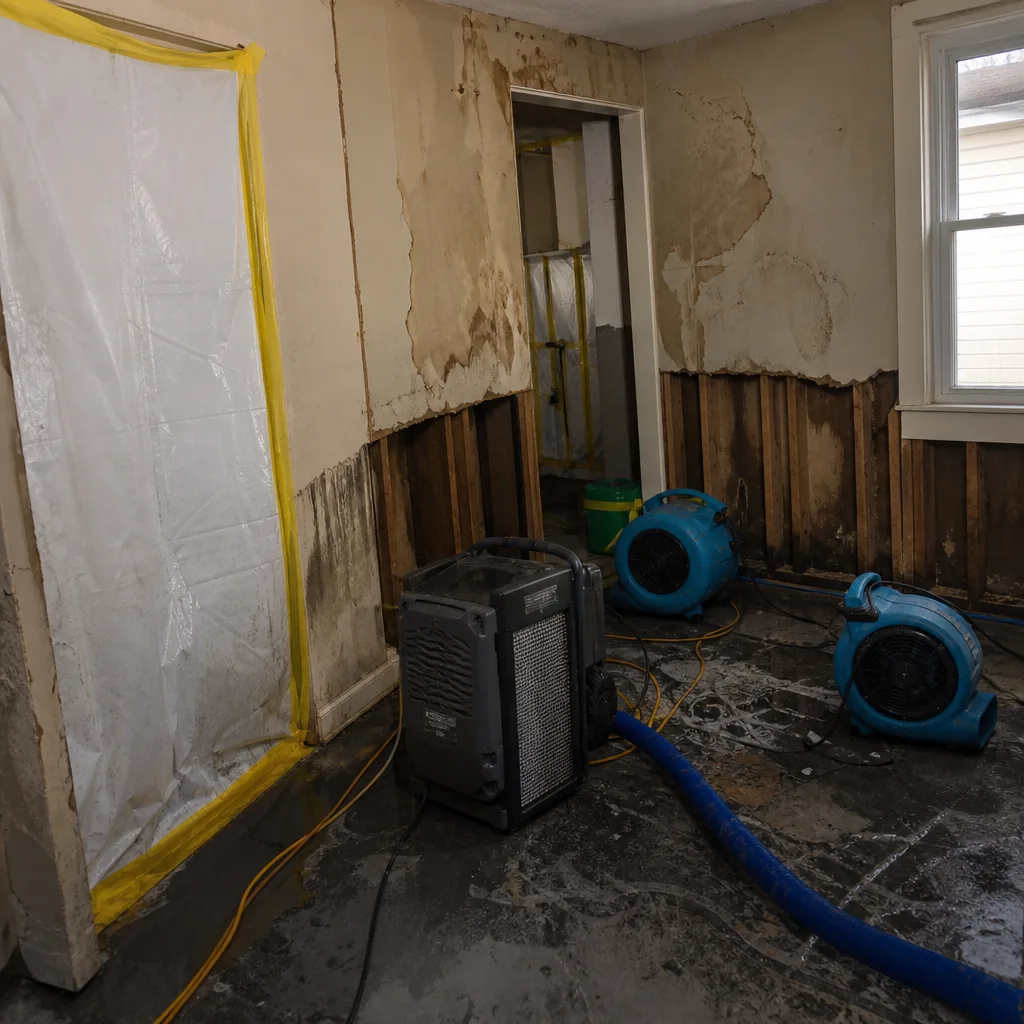 Before
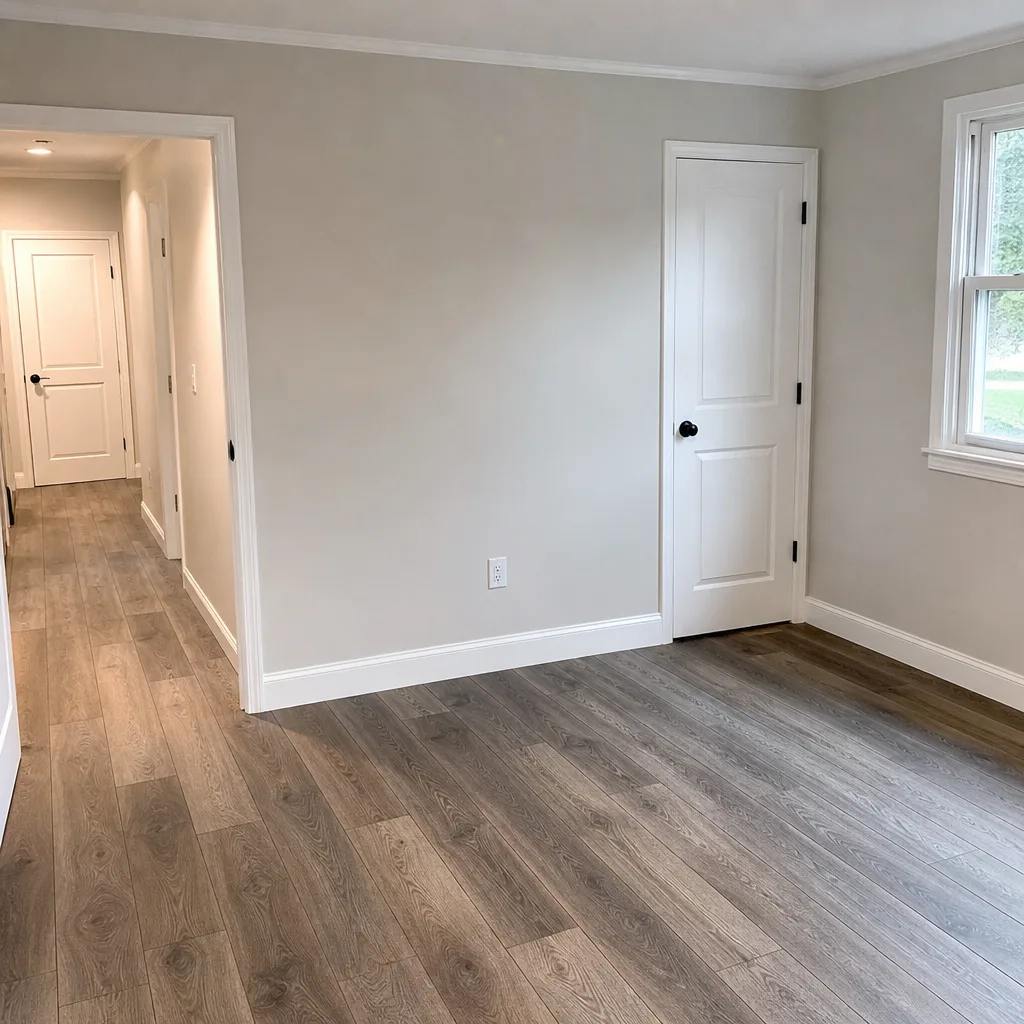 After
After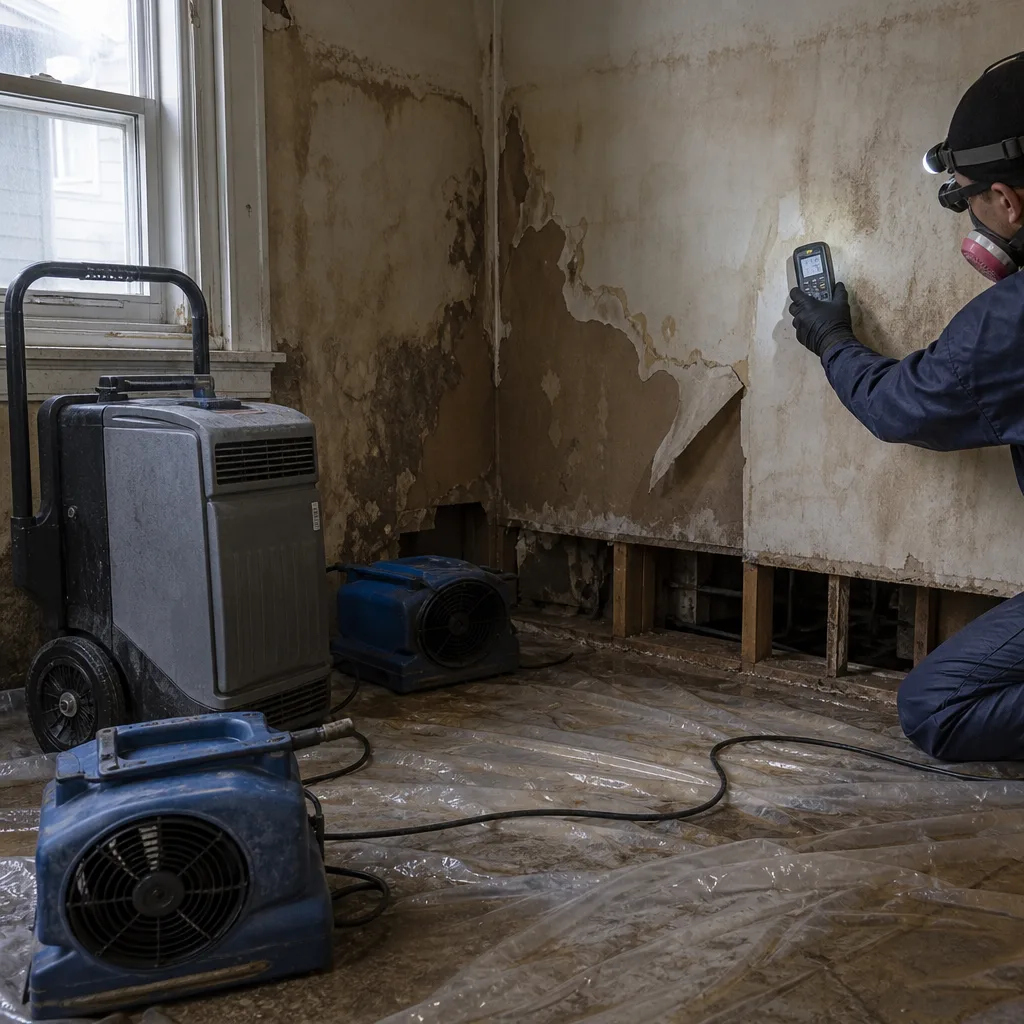 Before
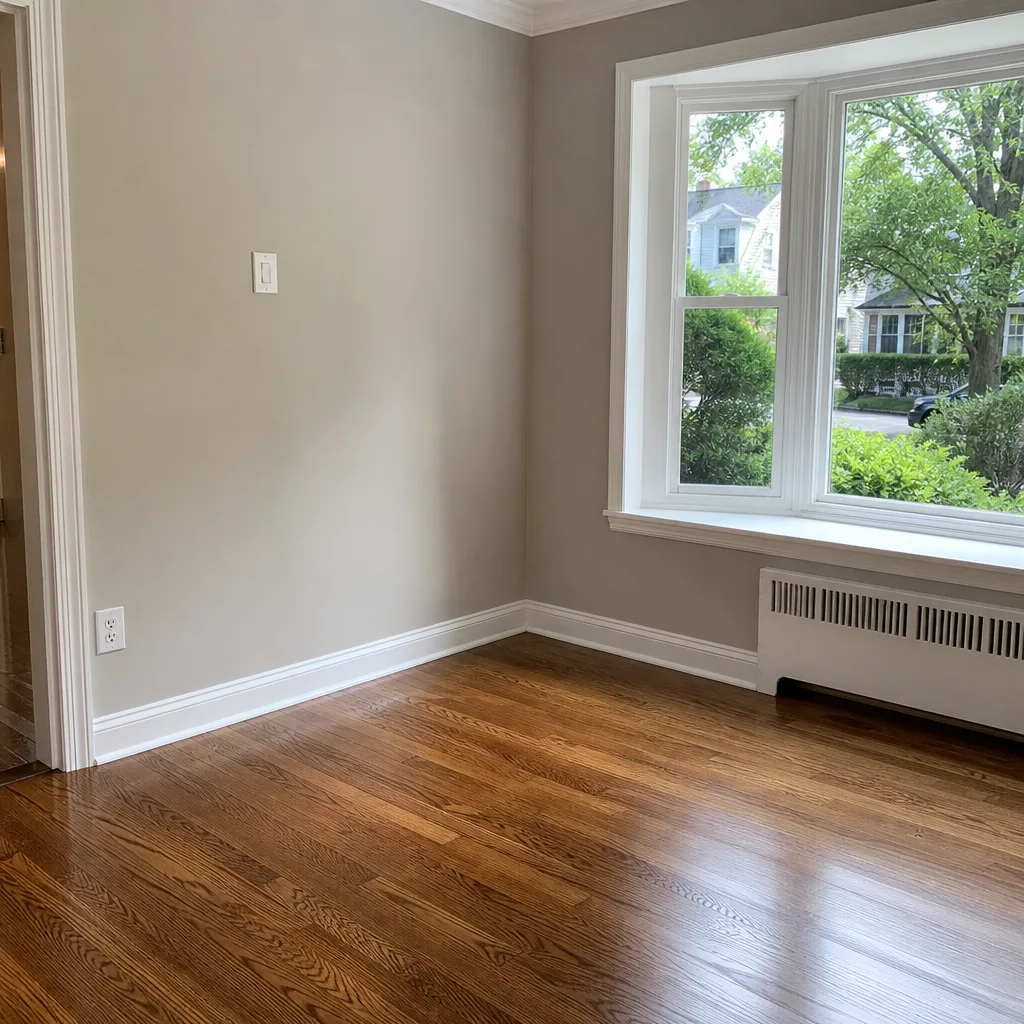 After
AfterFast, Reliable Water Damage Restoration Across Williamsburg
Water damage restoration in Williamsburg, NY typically costs between $2,800 and $7,500 for a standard residential dryout, with Category 3 sewage losses running $5,500-$12,000 due to biohazard protocols. Most emergency calls in Williamsburg receive a crew on-site within 60-90 minutes, and every job starts with a written price before any equipment is unloaded. Call (516) 687-6900 now - estimates are free, and a live person answers every call, 24 hours a day, 7 days a week.
We know Williamsburg’s buildings. The pre-war brick tenements along Bedford Avenue and the converted warehouse lofts facing the East River waterfront present two entirely different restoration challenges, often on the same block. Our crews carry the equipment and certifications to handle both: Dri-Eaz and Phoenix dehumidification systems for structural drying, Injectidry cavity-drying systems for plaster-and-lath walls, and full biohazard PPE for the Category 3 black-water losses that NYC’s combined sewer system routinely pushes into basement units during heavy rain. Dispatch and scheduling are coordinated from our New York City office, and our Water Damage Restoration team serves Williamsburg locally with the documentation standards that turn insurance claims into paid invoices.
Why DryMark Restoration Forest Hills Is Williamsburg’s Preferred Water Damage Restoration Company
Back to Dry Restoration, led by Alicia Brennan, has restored more than 12,000 homes since 2011. Every single job began with a written price before work started and ended with a documented photo record. That is Haven Standard, Clause 1, and it exists because our founder spent years as a claims adjuster watching homeowners lose thousands to restoration invoices that insurers rejected for lack of documentation.
In Williamsburg specifically, we have handled losses in the shared-wall tenements of the South Side, the converted industrial lofts along Kent Avenue, and the newer construction near McCarren Park. Our crews understand the lateral moisture migration patterns that turn a single-unit leak into a four-apartment drying job, and we know which buildings require NYC DEP asbestos testing before demolition can begin. Reviews from Williamsburg customers consistently cite our moisture logs and photo documentation as the reason their claims were paid without dispute.
Response time to Williamsburg averages 60-90 minutes for emergency calls. We do not use voicemail trees on emergency lines. A live person answers, confirms the address, and dispatches a crew with the specific equipment profile for your building type.
Our Water Damage Restoration Services in Williamsburg
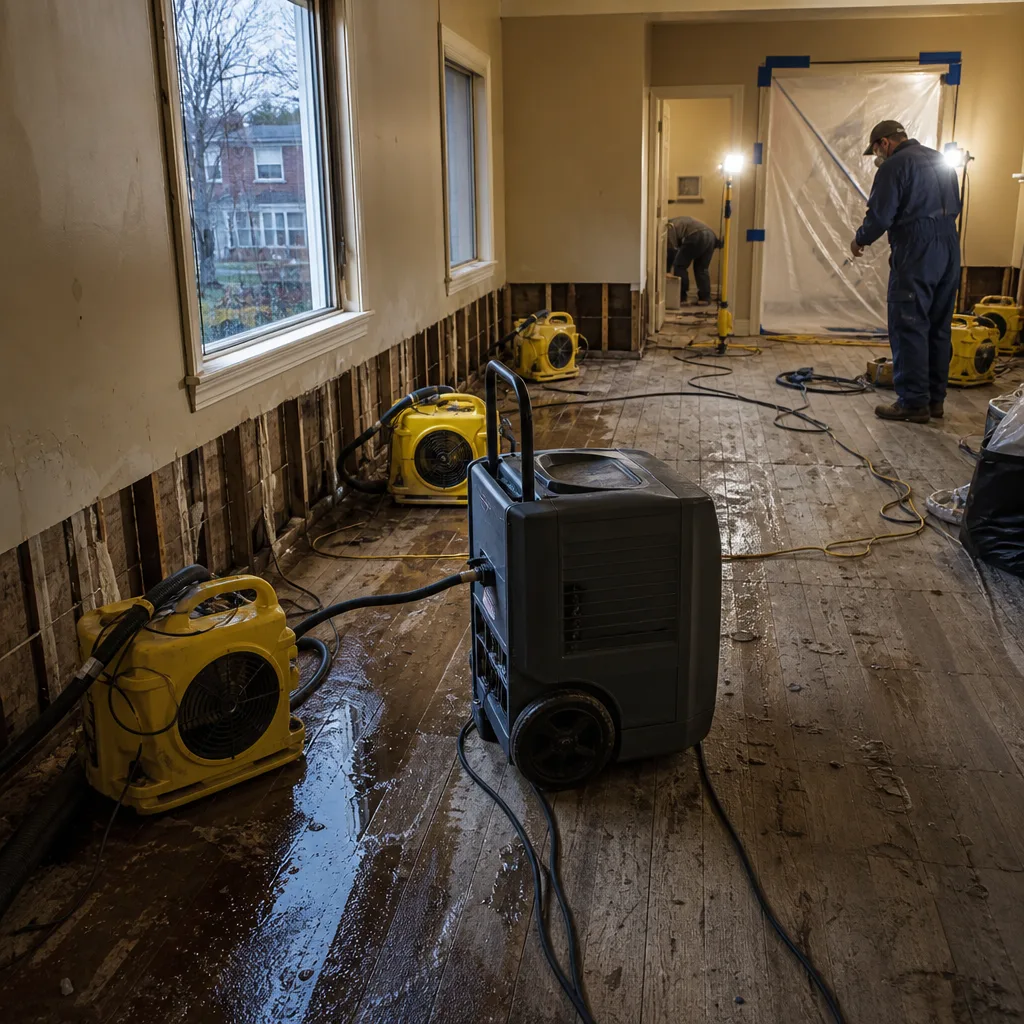
Emergency Water Extraction
When a pipe bursts at 2 a.m. in a South Side tenement or storm surge pushes East River water into a Kent Avenue loft, speed matters - but only if the extraction is documented. Our crews arrive with truck-mounted extraction systems and portable XPOWER units for buildings without freight elevator access. Every gallon removed is logged, and every affected room is photographed before any equipment is placed. In Williamsburg’s older buildings, we also test for asbestos-containing materials in damaged plaster or floor tile before beginning demolition, because starting dryout without that clearance halts the job mid-stream and exposes everyone to liability.
Structural Drying & Dehumidification
Williamsburg’s pre-war tenements have plaster-and-lath walls that hold moisture differently than modern drywall, and converted warehouse lofts have concrete slabs that wick water laterally across open floor plates. We match the drying protocol to the substrate: Dri-Eaz and Phoenix LGR dehumidifiers for standard residential losses, Injectidry systems for cavity drying behind intact plaster, and specialized vapor-pressure management for concrete slab construction. Daily moisture readings are recorded in a written drying log that becomes part of your claim documentation. Tertiary drying - the final phase where hidden moisture is drawn from dense materials - is often the difference between a closed claim and a mold callback six months later.
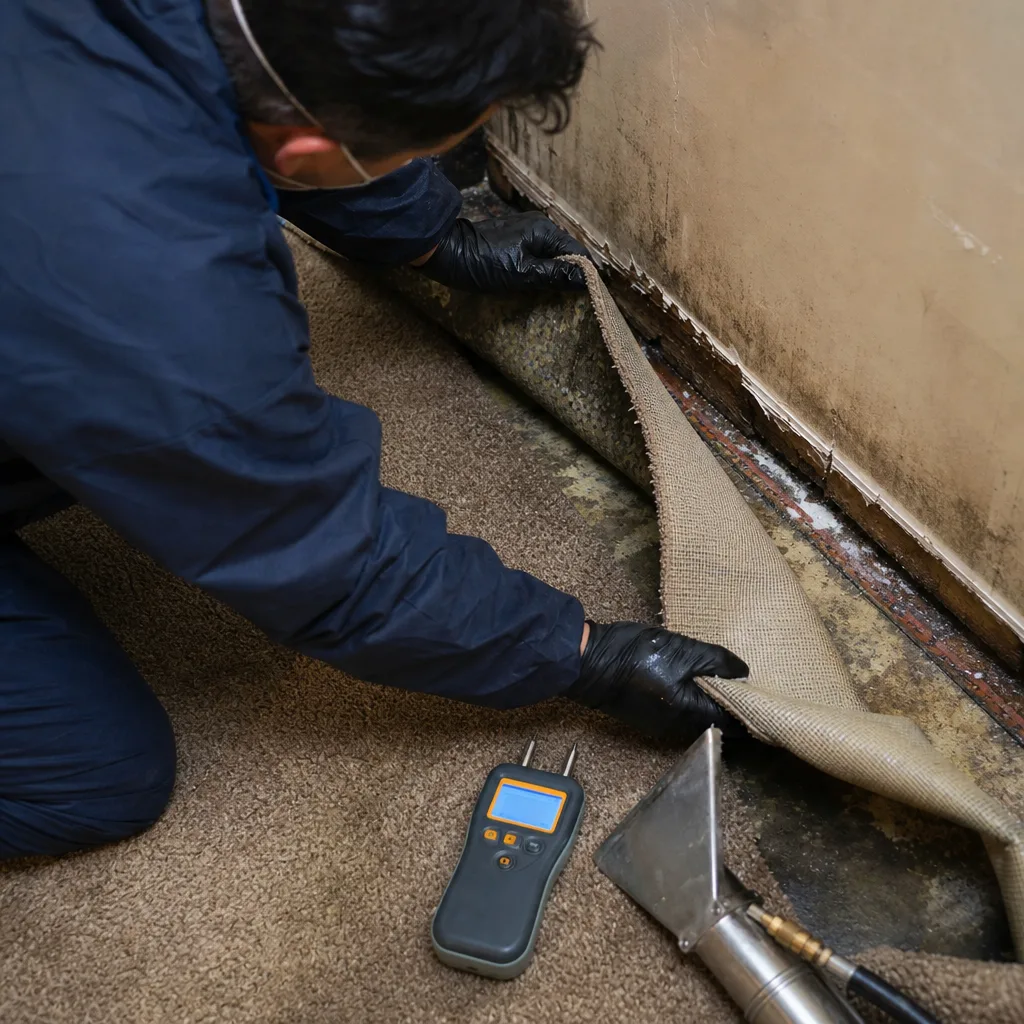
Flood Cleanup
Flood cleanup in Williamsburg carries a specific risk profile that generic restoration pages never address. The neighborhood’s East River waterfront sits within FEMA-designated AE flood zones, and Hurricane Sandy proved in 2012 that storm surge can inundate ground-floor and basement units with several feet of contaminated water in a single event. But flood cleanup in Williamsburg also means something else: the combined sewer system that serves those dense 1880s-1920s tenements routinely back-floods raw sewage into basements during heavy rain. What looks like a routine wet-basement call is often a Category 3 black-water loss requiring full biohazard containment, antimicrobial treatment, and disposal under RIA protocols. Our crews carry the PPE, the waste-disposal certifications, and the documentation systems for both scenarios.
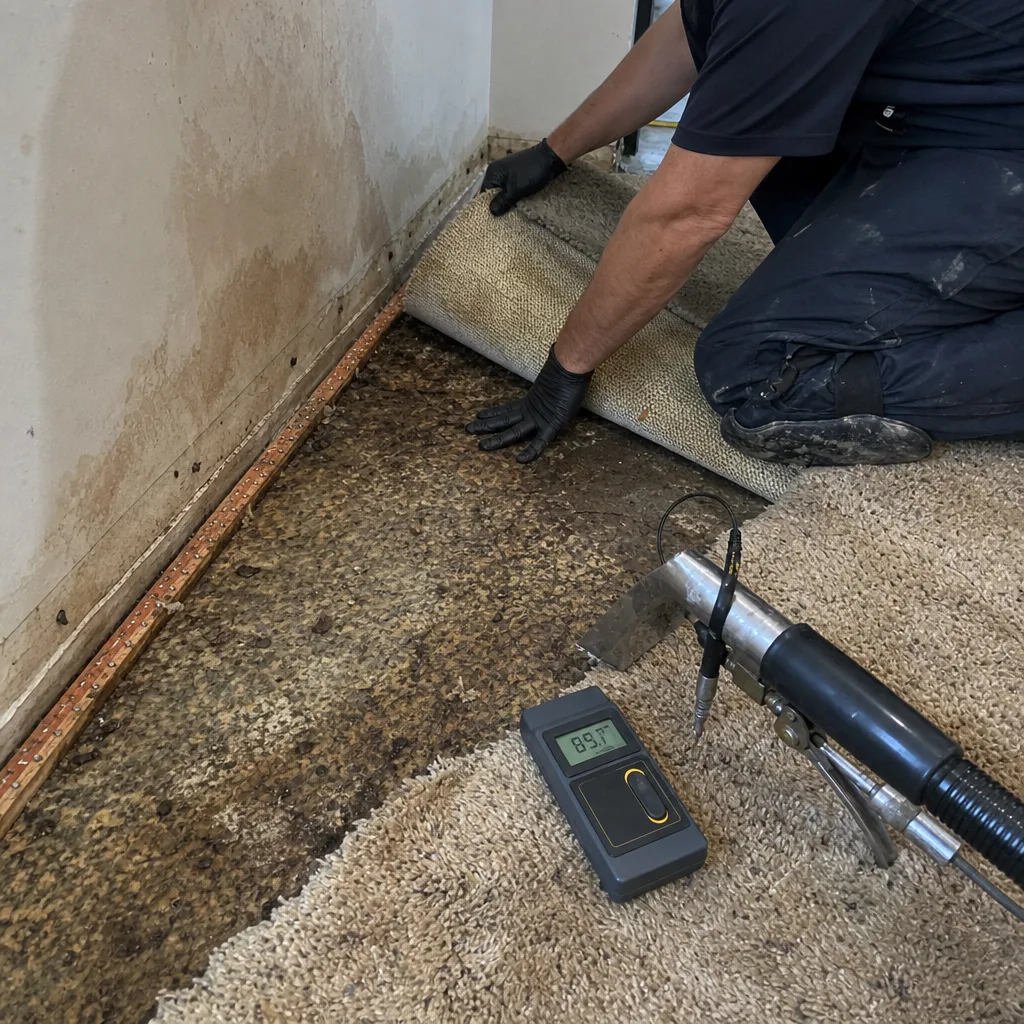
Burst Pipe Restoration
Williamsburg’s aging cast iron and galvanized supply lines - original plumbing in most pre-war buildings - fail predictably in winter freeze-thaw cycles and under the pressure of decades of internal corrosion. A burst pipe in a shared-wall tenement rarely stays in one unit. On a shared-wall tenement block just off Bedford Avenue, a single slow supply-line leak on an upper floor had migrated laterally through four adjoining apartments before any tenant noticed - our techs used moisture mapping and thermal imaging to trace the path, then set up containment and air movers in each unit while negotiating access with three different landlords. The affected ceiling cavities contained suspected asbestos-containing plaster, so we paused demolition, coordinated NYC DEP-mandated testing and abatement, then completed structural drying with Dri-Eaz dehumidification and documented every moisture reading in our drying logs for the property manager’s insurance carrier.
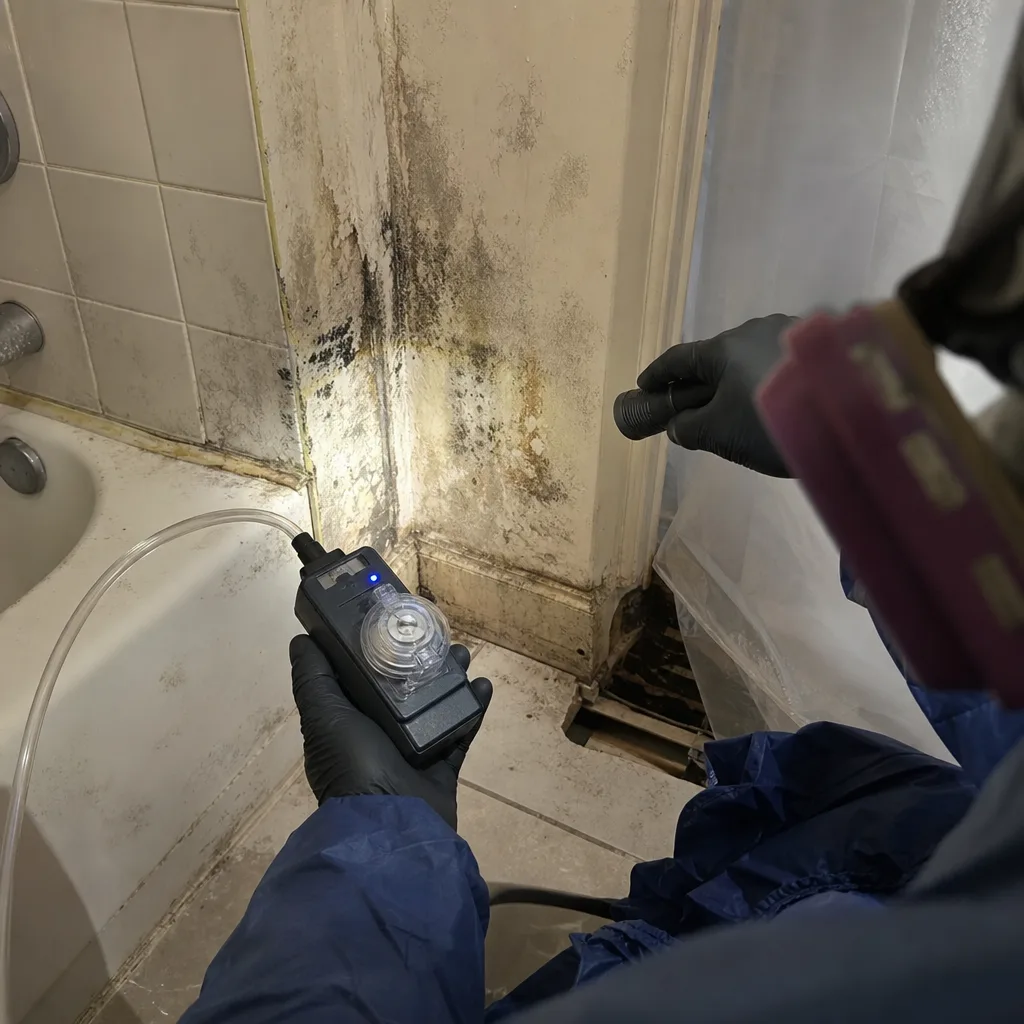
Basement Water Removal
Basement water removal in Williamsburg is often basement sewage removal. The combined sewer system has limited capacity, and during intense rainfall, the lowest point in the building becomes the discharge point. Category 3 water demands full biohazard protocol: contained work zones, negative air pressure, antimicrobial application, and disposal of porous materials that cannot be salvaged. We do not treat sewage backup as “just water.” The documentation reflects the classification, and the written scope reflects the actual work required.
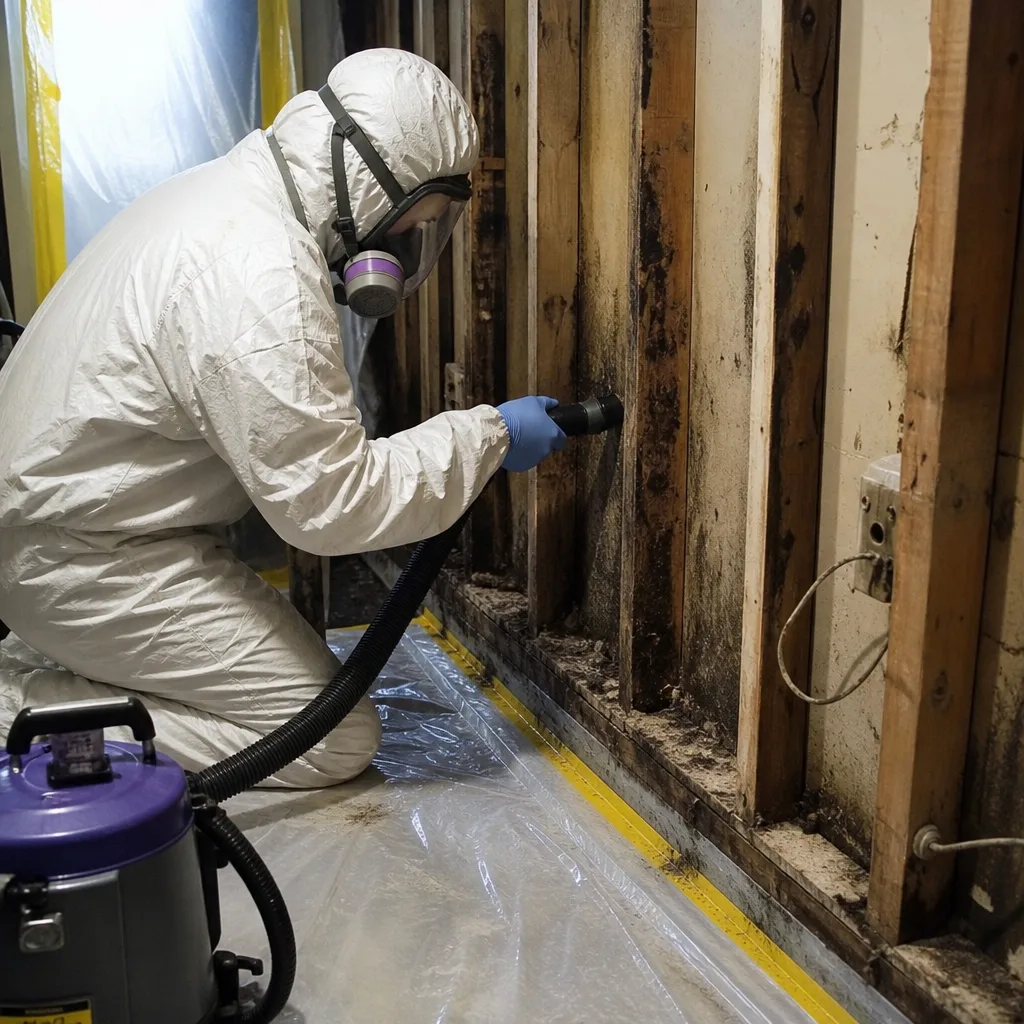
Ceiling & Roof Leak Water Damage
Roof leaks in Williamsburg’s pre-war buildings often travel: water enters at a parapet wall failure or flashing breach, runs along steel beams or wooden joists, and exits three rooms away from the source. Our thermal imaging locates the actual entry point, and our written scope addresses the full migration path - not just the visible stain. In buildings with suspected asbestos-containing ceiling textures or plaster, we test before we cut.
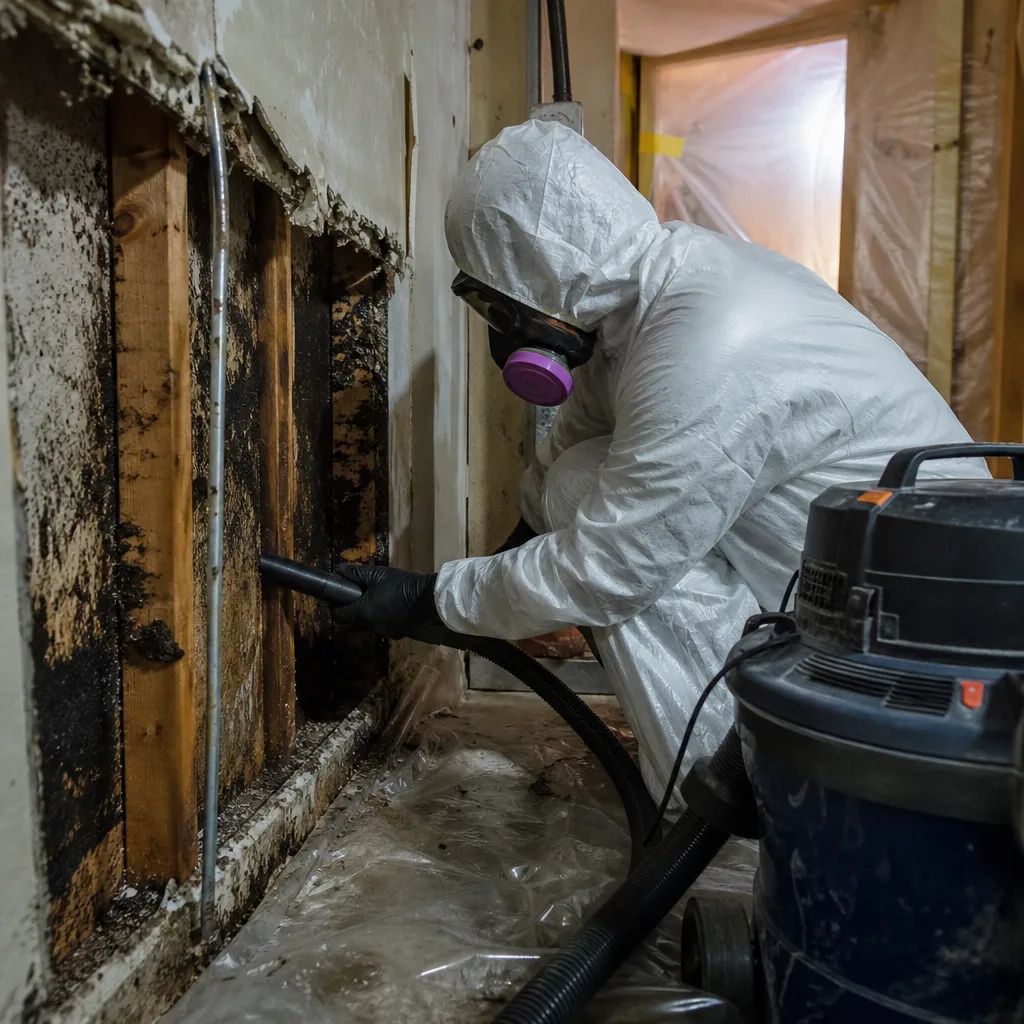
What happens when you call
- 1
A real person answersNo phone trees - you reach a local pro.
- 2
You get an upfront price rangeHonest numbers before anyone is dispatched.
- 3
A background-checked tech heads outLicensed & insured, dispatched right away.
- 4
You approve before work beginsNothing starts until you say go.
BeforeAfterCommon Water Damage Restoration Problems We See in Williamsburg Homes
- Contractors misclassify sewage backup as clean water. NYC’s combined sewer system means heavy rain routinely produces Category 3 black-water conditions in Williamsburg tenement basements. Standard drying without biohazard containment leaves bacteria and viruses in porous materials, and insurers reject the invoice when the classification is wrong.
- Demolition starts before asbestos clearance. 1880s-1920s plaster and floor tile in Williamsburg’s pre-war stock frequently contains asbestos. NYC DEP mandates testing and abatement before disturbance. Crews that skip this step expose workers and tenants, halt the job mid-dryout, and create liability that the property owner inherits.
- Single-unit scopes miss lateral migration. In shared-wall tenements, moisture moves through party walls and ceiling/floor assemblies into adjoining units. A scope that addresses only the visible apartment leaves hidden moisture that feeds mold within 24-48 hours and forces a costly re-scope after the pack-out is complete.
- Storm-surge flooding is treated like a plumbing leak. East River waterfront lofts in FEMA AE zones face inundation with contaminated water carrying sediment, fuel, and biological contaminants. The drying protocol and documentation requirements differ fundamentally from a Category 1 supply-line break.
Pricing for Water Damage Restoration in Williamsburg, NY
These are the price ranges we see in the Williamsburg market for work performed to IICRC and RIA standards with full documentation:
| Service | Typical Range in Williamsburg |
|---|---|
| Emergency water extraction (Category 1, single room) | $1,200 - $2,800 |
| Structural drying & dehumidification (standard residential) | $2,800 - $5,500 |
| Flood cleanup, Category 3 (sewage/storm surge) | $5,500 - $12,000 |
| Burst pipe restoration with adjoining-unit mitigation | $4,500 - $9,500 |
| Basement water removal with biohazard protocol | $3,800 - $8,500 |
| Asbestos abatement coordination (NYC DEP-mandated, separate contractor) | $2,500 - $6,000+ |
What moves a job to the higher end: Category 3 water classification requiring biohazard disposal, multiple affected units in a shared-wall building, asbestos or lead abatement holds, and storm-surge losses with sediment contamination. What we guarantee: Haven Standard, Clause 1 - a written price before any work starts, every time, with no scope-creep additions once the crew is inside. Bring a competitor’s written estimate and we will review it at no charge. Call (516) 687-6900 for an exact quote on your specific loss.
We Also Serve Cities Near Williamsburg
Our crews respond throughout the area, including Williamsburg and the nearby communities of Forest Hills, Middle Village, Elmhurst, and Ozone Park. Each neighborhood has its own building stock and risk profile, and we adjust our equipment loadout and documentation protocols accordingly.
Serving Williamsburg, NY - Our Local Coverage Area
We’re based in the Williamsburg area and know this community well. Use the map below to see our service coverage - if you’re nearby, we can almost certainly help.
FAQs - Water Damage Restoration in Williamsburg
NYC’s combined sewer system carries both storm runoff and sanitary waste in the same pipes. During heavy rain, the system’s capacity is exceeded, and the lowest discharge point in dense neighborhoods like Williamsburg becomes the basement of pre-war tenements. This is not a plumbing failure in your building; it is a system-wide backflow that produces Category 3 black-water conditions requiring full biohazard protocol. Call (516) 687-6900 - we will classify the loss correctly in our written scope and document it for your insurer.
Yes. Cast iron and galvanized supply lines common in Williamsburg’s 1880s-1920s buildings corrode internally, producing pinhole leaks that spray pressurized water into wall cavities for days before visible damage appears. The restoration scope must include moisture mapping of the full migration path, and demolition cannot proceed until NYC DEP asbestos testing clears suspected plaster and floor tile. Our written price accounts for both the plumbing age and the testing holds.
In Williamsburg’s shared-wall tenements, moisture migrates laterally through party walls and ceiling/floor assemblies into two to four adjoining units before any tenant notices. A scope that dries only your visible damage leaves hidden moisture that feeds mold within 24-48 hours. Our thermal imaging traces the full path, and our written scope documents every unit that requires containment and drying equipment. We coordinate access with multiple landlords or property managers as part of the job.
Mold colonization begins in 24-48 hours on organic materials at moisture content above 16 percent. Williamsburg’s converted warehouse lofts with concrete slabs and non-standard HVAC often have humidity control issues that accelerate growth. Our drying logs track moisture content daily, and tertiary drying continues until readings fall below the threshold - documented in writing for your records. Call (516) 687-6900 for emergency dryout before the 48-hour window closes.
Category 1 is clean water from a supply line break. Category 2 is gray water with chemical or biological contamination, such as dishwasher discharge. Category 3 is black water: sewage, storm surge, or any water with pathogenic agents. In Williamsburg, Category 3 is the most commonly misclassified: a tenement basement after heavy rain is Category 3 due to combined-sewer backup, and an East River waterfront loft after storm surge is Category 3 due to sediment and fuel contamination. The restoration protocol, disposal requirements, and insurance documentation differ substantially. We classify correctly in our written scope before any work begins.
Every job we perform in Williamsburg is covered by our 365-Day Done Right Promise under The Haven Standard: if it is not done right, we make it right. That is a written guarantee, not a marketing line. You also receive a documented photo record on every visit, a daily drying log with moisture readings, and a final written scope signed by your technician. If you have a competitor’s estimate, we will review it at no charge.
Call (516) 687-6900 now. A live person will answer, confirm your Williamsburg address, and dispatch a crew with the right equipment profile for your building. Estimates are free. Written prices are delivered before any work starts, every time, with no exceptions.
Written by Alicia Brennan, Owner at Back to Dry Restoration, serving Williamsburg since 2011.
Water Damage Restoration in Nearby Areas