
Free visual inspection and a written scope of work before any mitigation begins - photos, moisture readings, and drying logs go in your claim file
The scope we write is the scope we bill. Anything new gets shown to you, in writing, before we touch it.
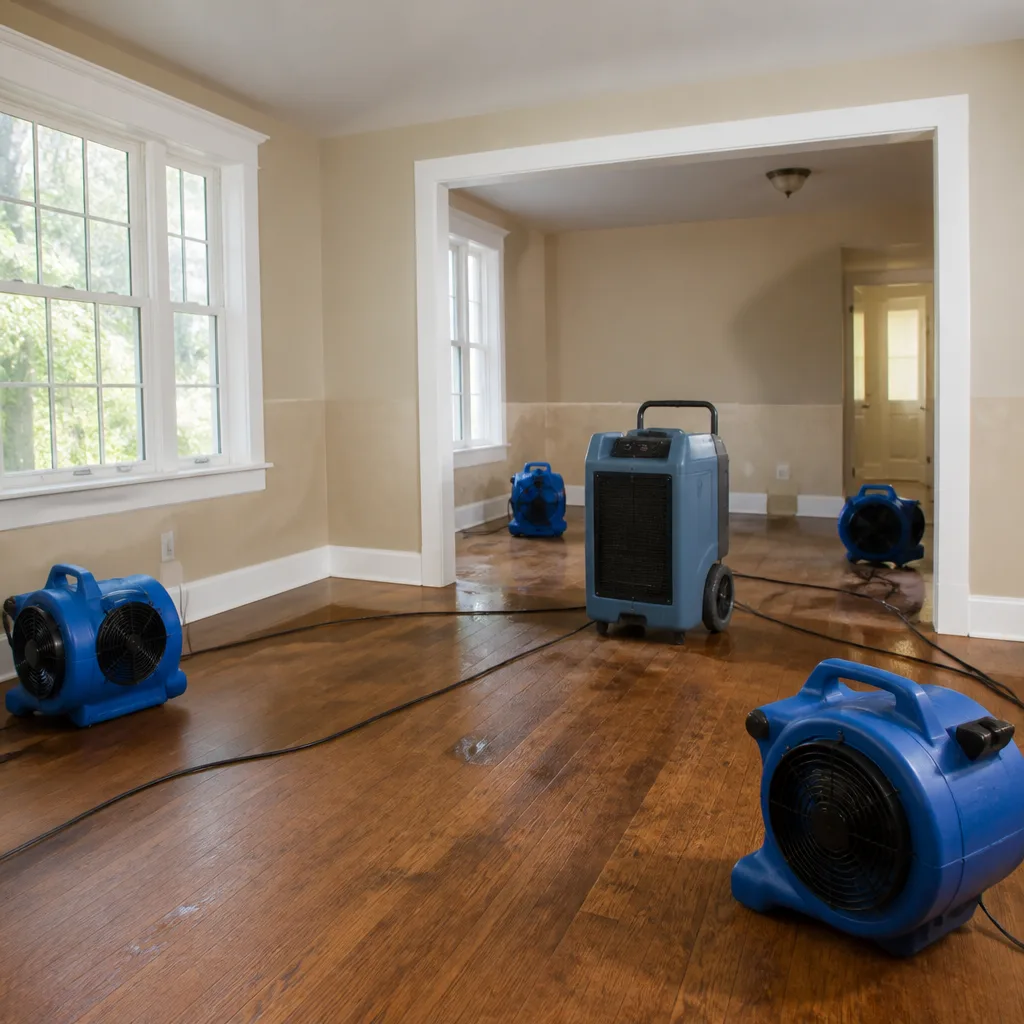
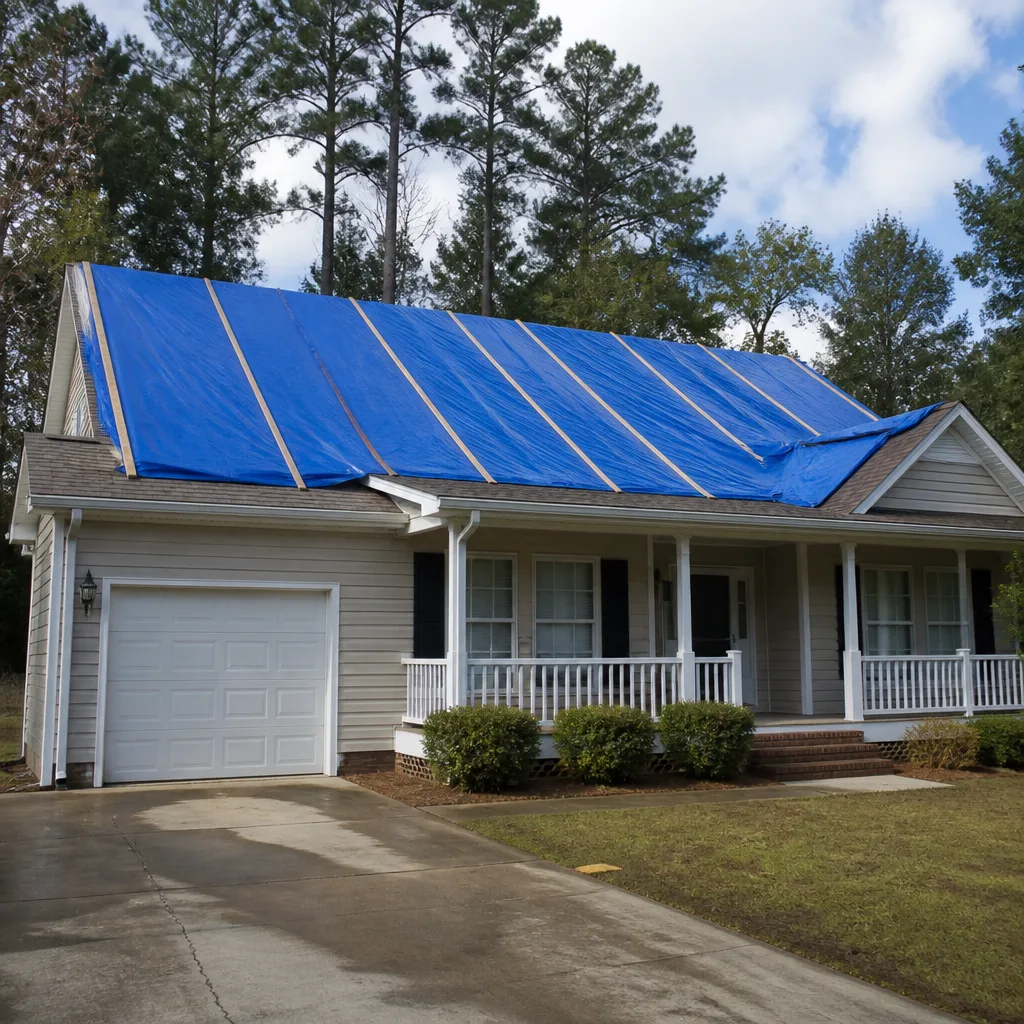
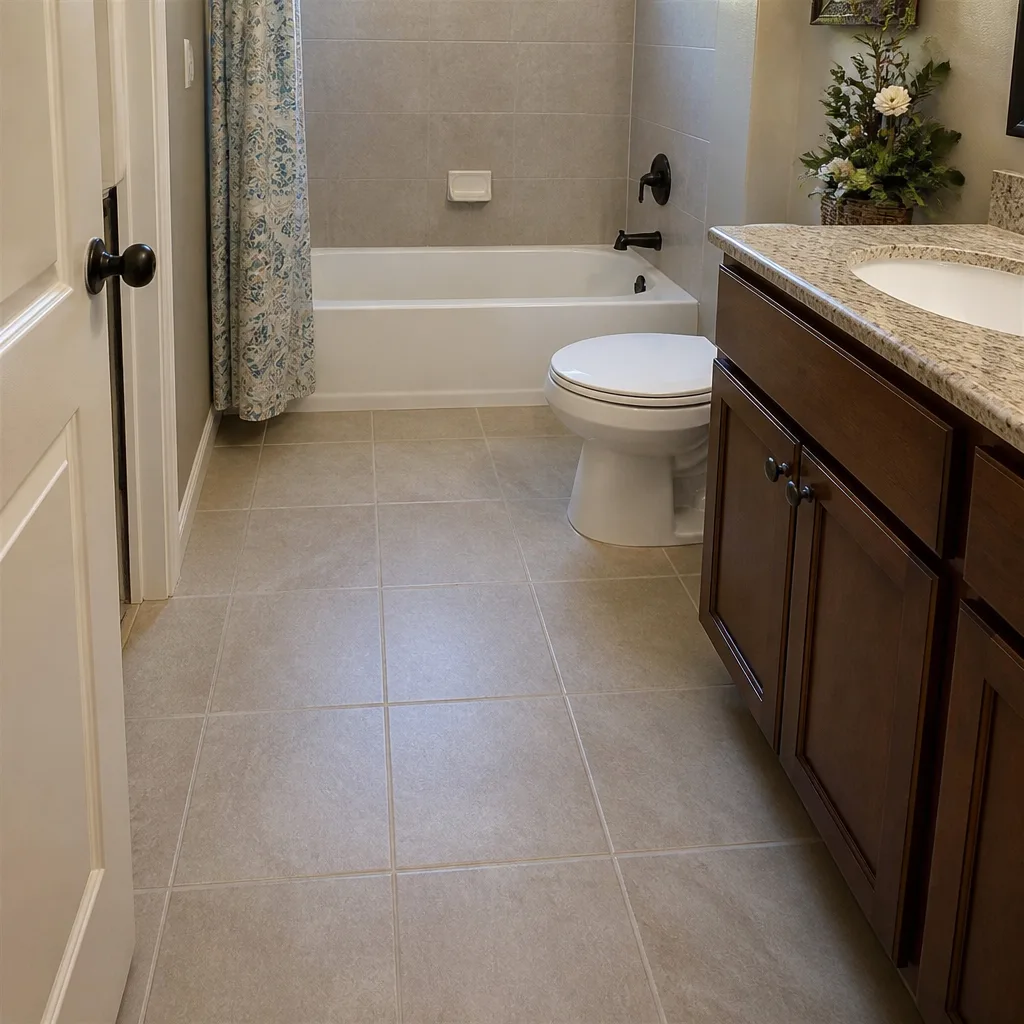
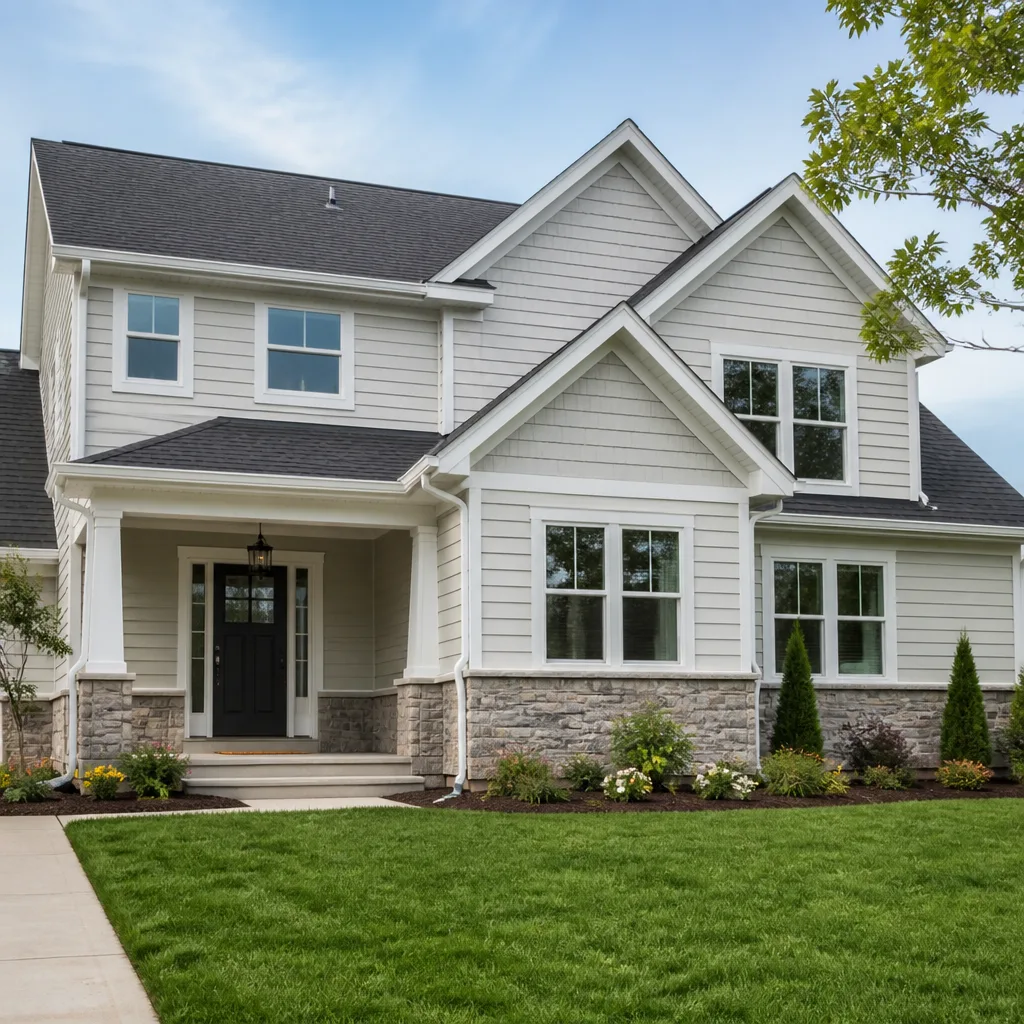
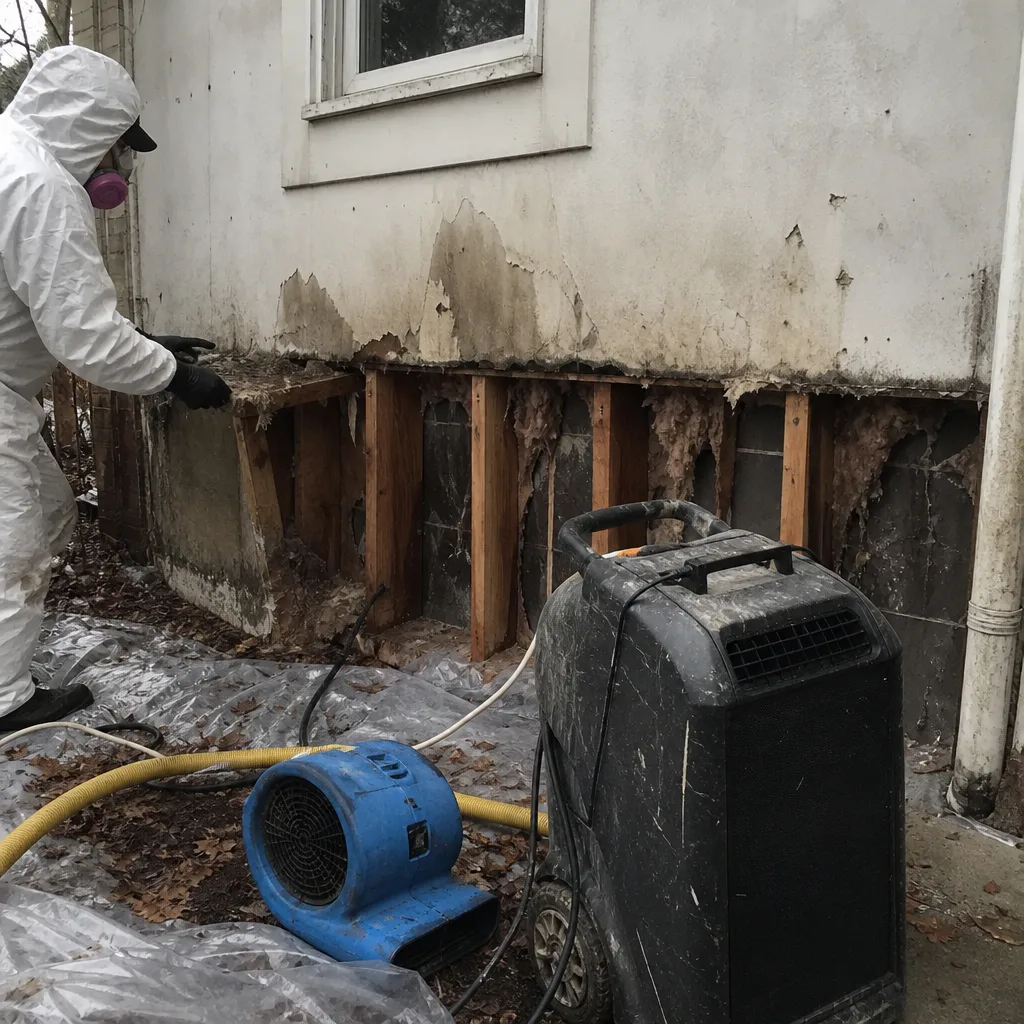 Before
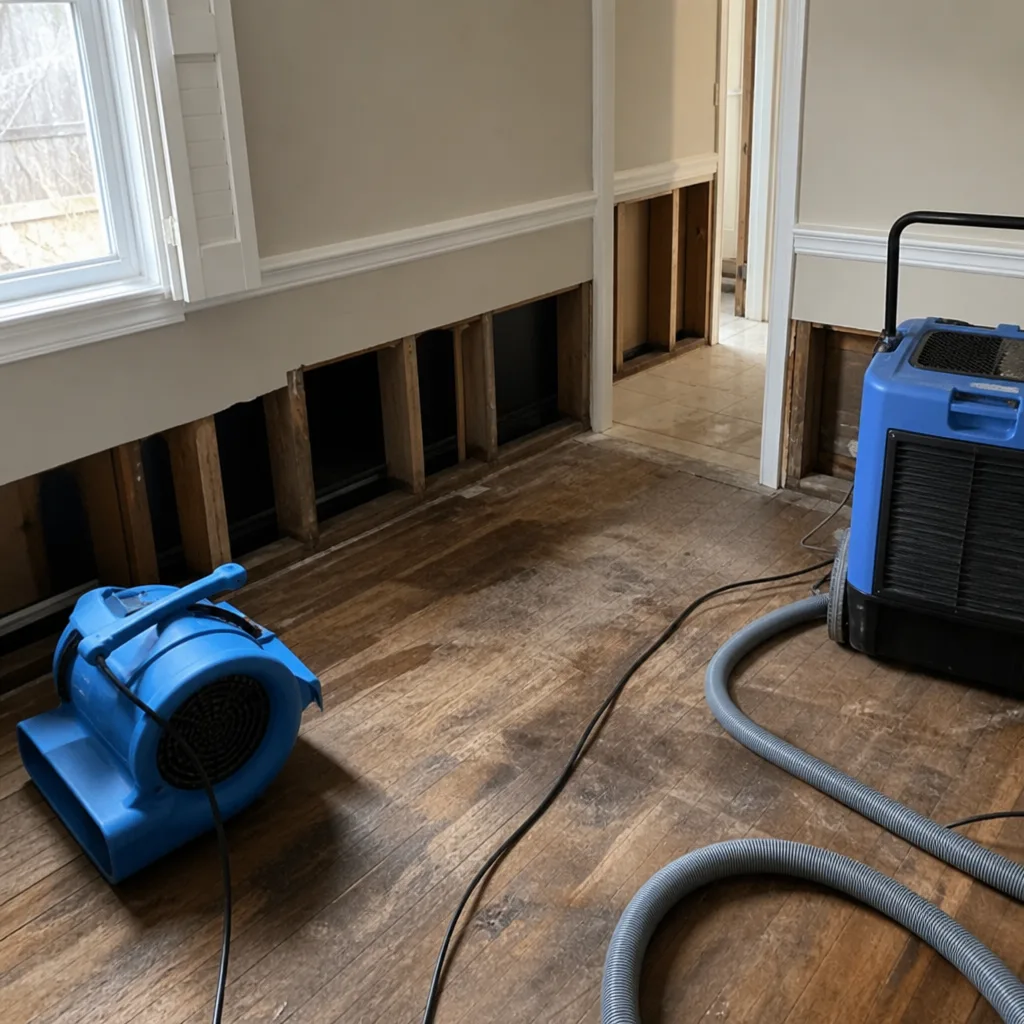 After
After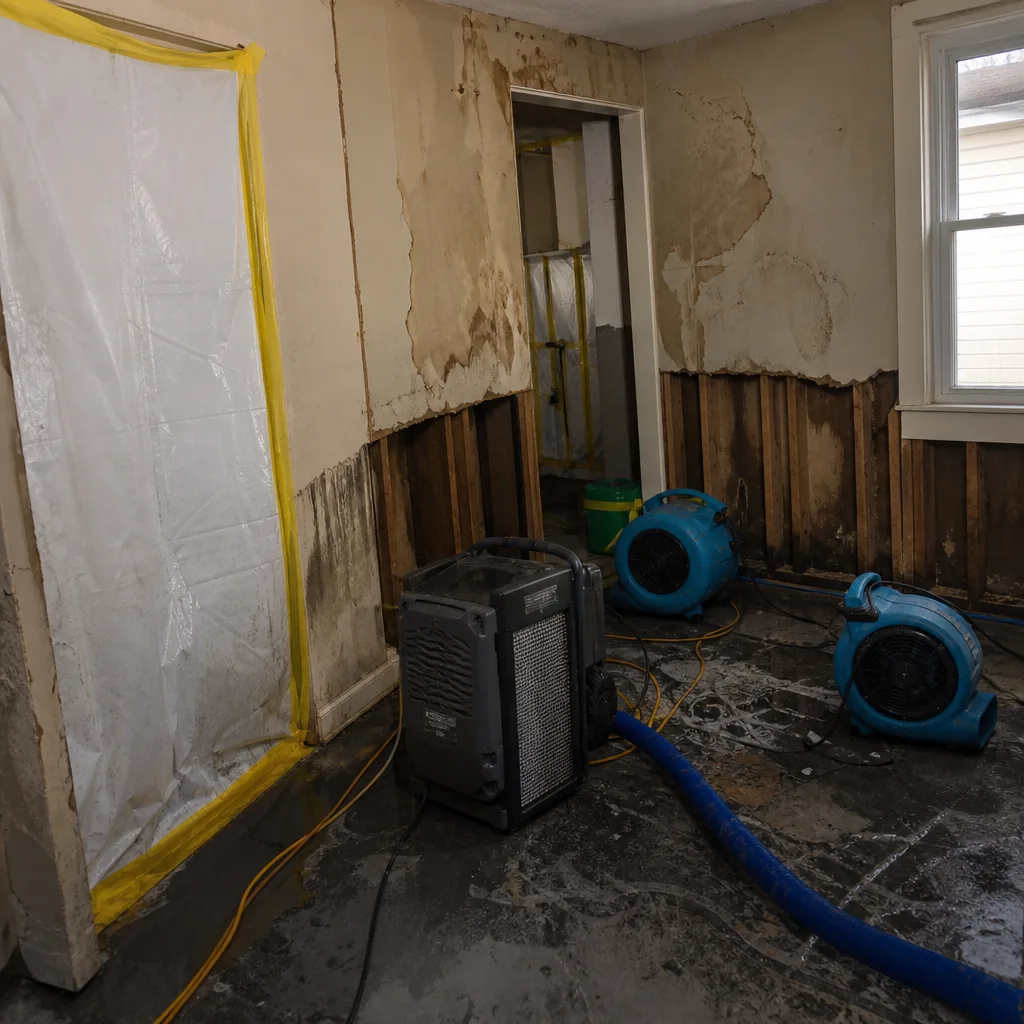 Before
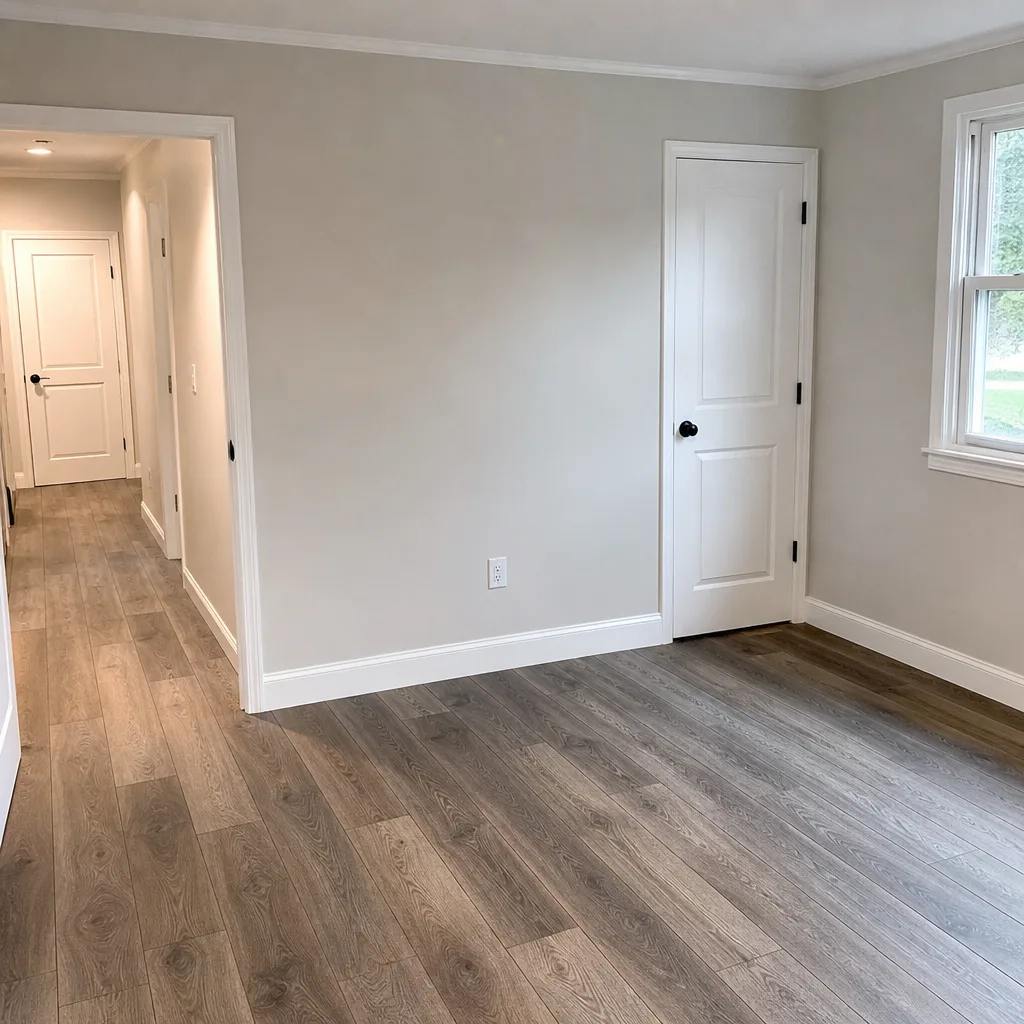 After
After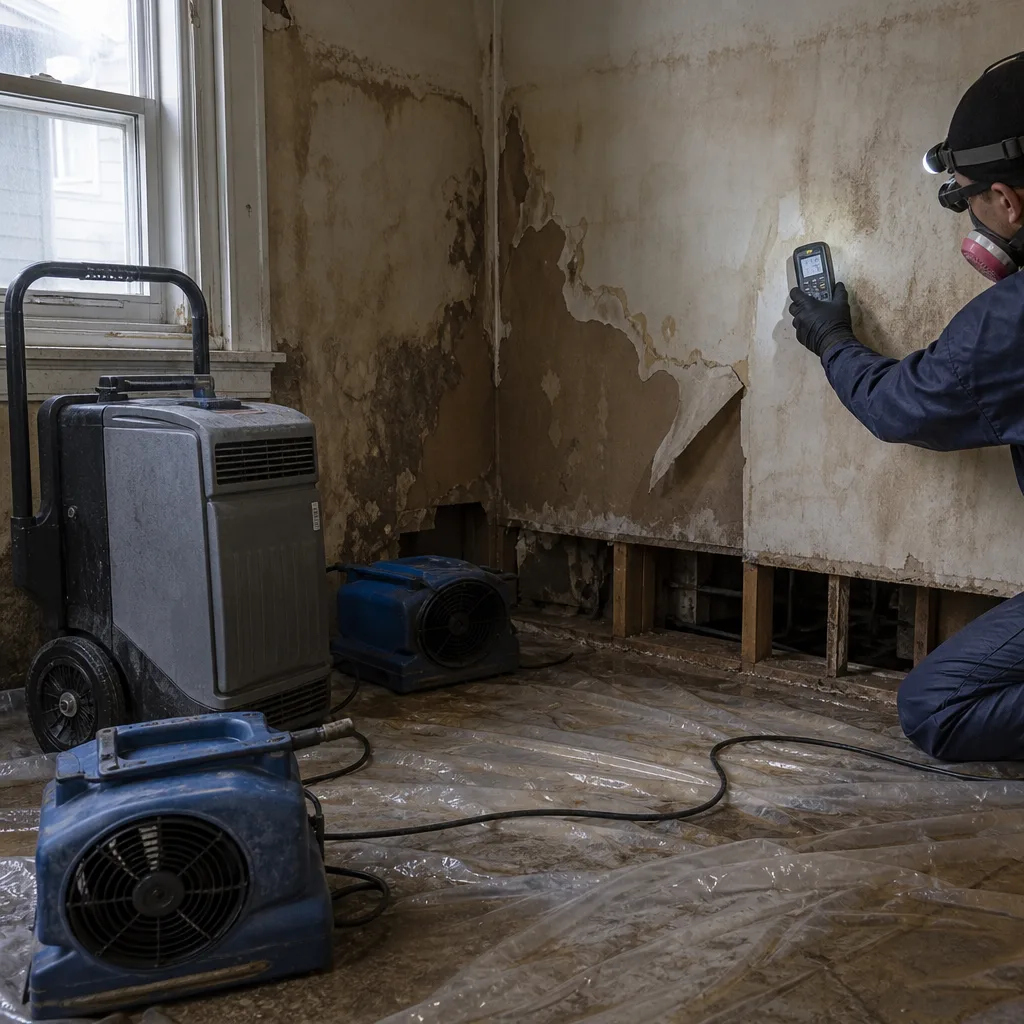 Before
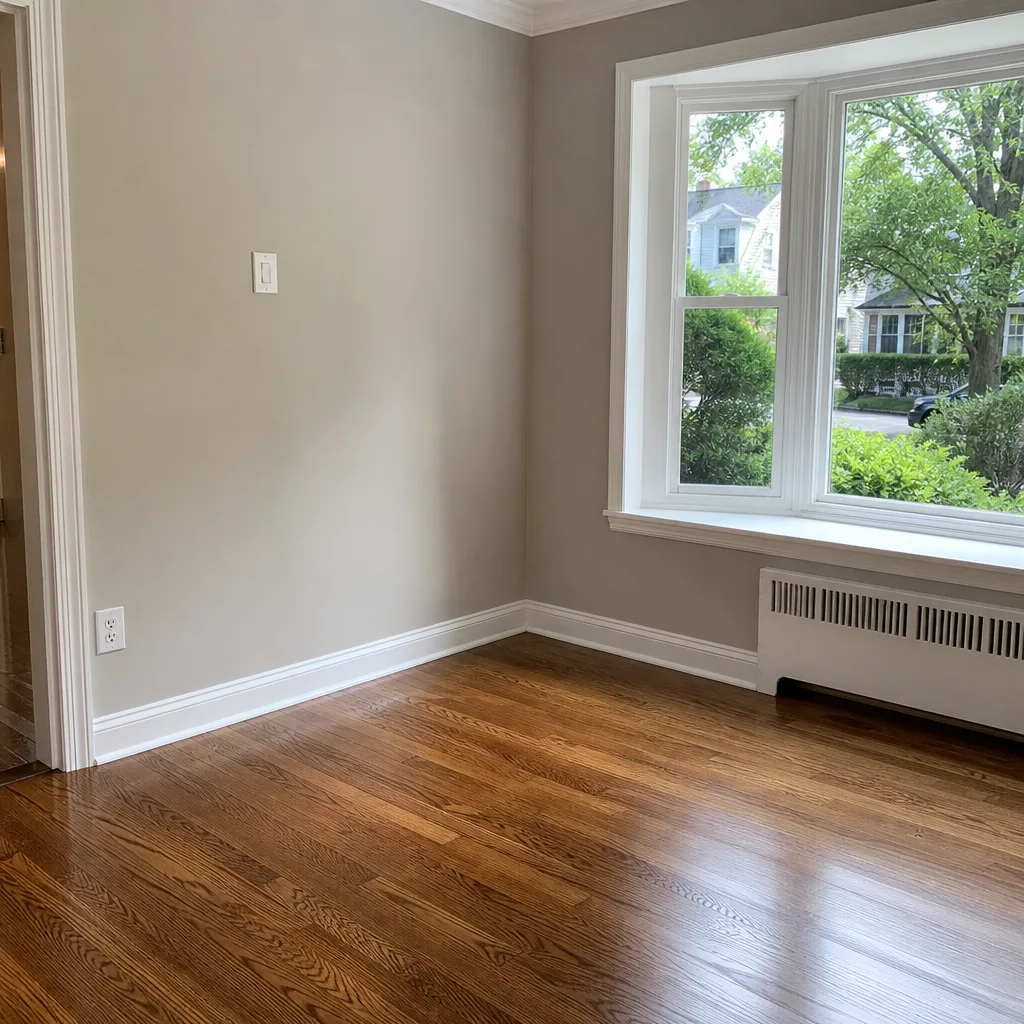 After
AfterFast, Reliable Water Damage Restoration Across Middle Village
Water damage restoration in Middle Village, NY typically costs $2,800-$7,500 for a finished basement affected by sewage backup, with emergency extraction available within 60-90 minutes and structural drying extending 5-12 days due to the neighborhood’s original horsehair-plaster construction. We’re DryMark Restoration Forest Hills, and our crews know Middle Village’s 1920s-1940s brick row houses - the full basements, the combined sewer laterals, the lath-and-plaster walls that refuse to dry on modern timelines. Call (516) 687-6900; a live person answers, 24 hours a day, 7 days a week.
Why DryMark Restoration Forest Hills Is Middle Village’s Preferred Water Damage Restoration Company
We’ve restored water-damaged homes in Middle Village since 2011, and our reputation here was built on documentation that survives adjuster scrutiny. Our Water Damage Restoration team produces written prices before work starts, photo records on every visit, and daily moisture logs tied to IICRC standards - the evidence that turns restoration invoices into paid claims.
Homeowners in Middle Village’s compressed row-house grid, from Metropolitan Avenue down to Cooper Avenue and across to Eliot Avenue, call us back because we’ve documented their properties correctly the first time. Our 365-Day Done Right Promise under The Haven Standard means if it’s not done right, we make it right - a signed guarantee, not a verbal assurance.
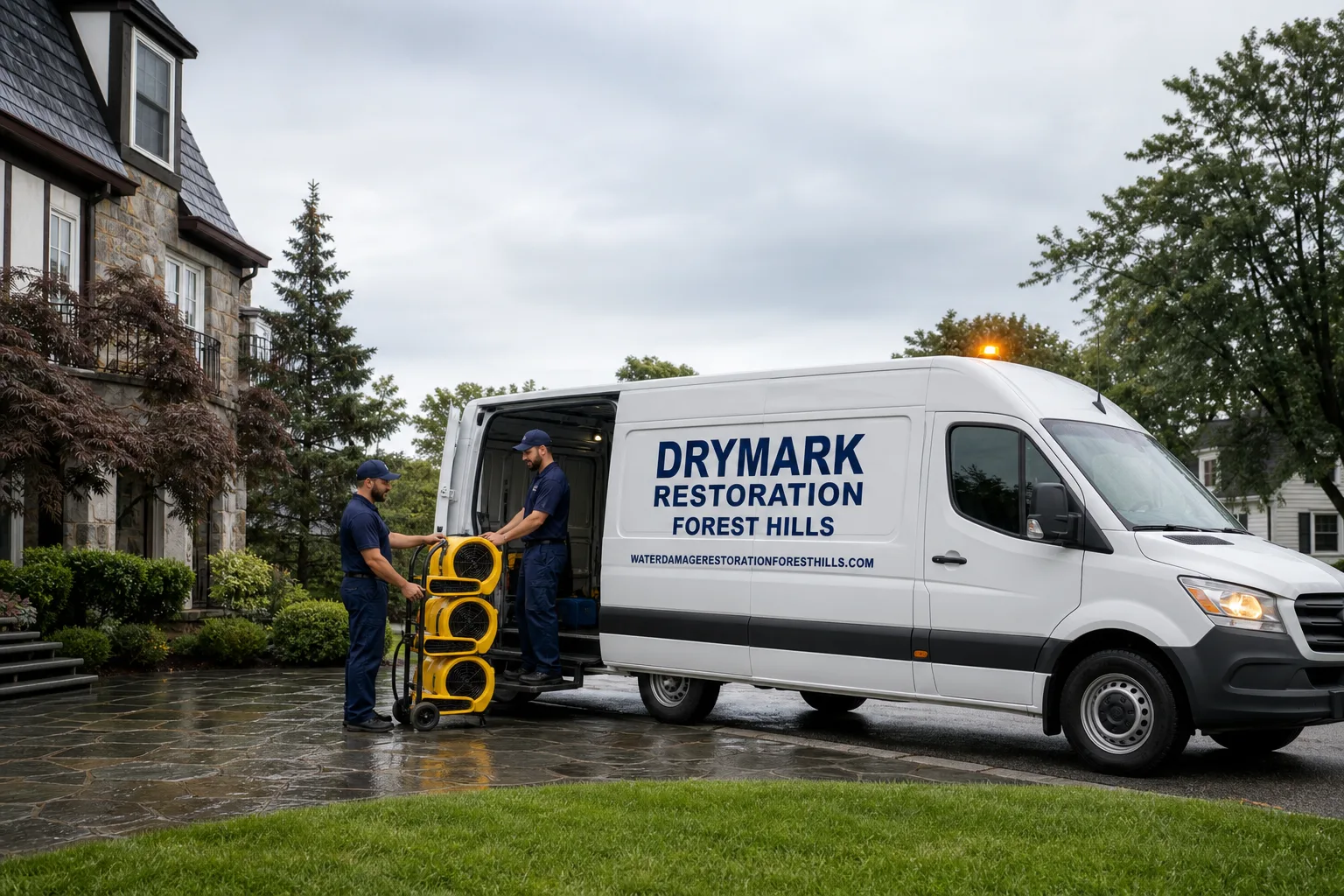
Response time to Middle Village averages 60-90 minutes from dispatch. Our New York City office coordinates scheduling and crew deployment; technicians arrive background-checked, uniformed, and licensed, with equipment from Dri-Eaz, Phoenix, and Injectidry already loaded.
Our Water Damage Restoration Services in Middle Village
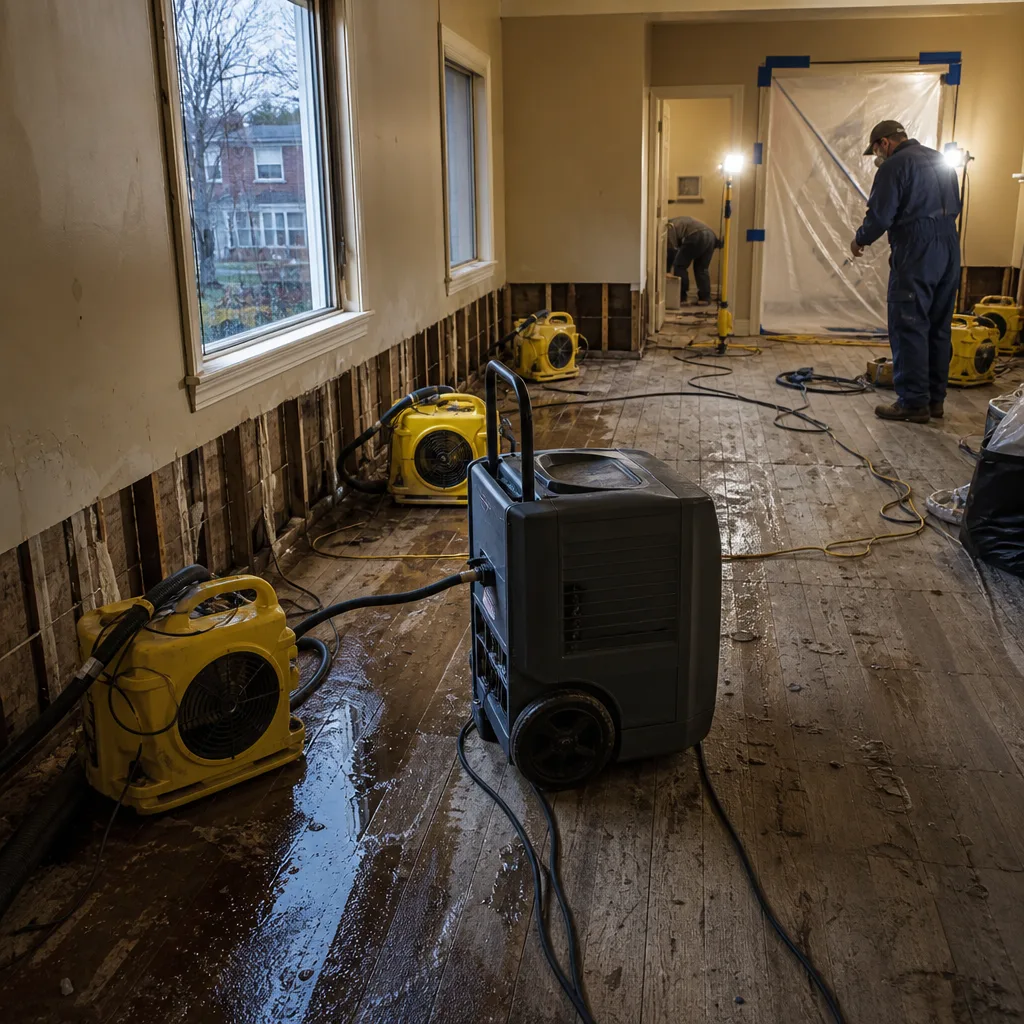
Emergency Water Extraction
When a combined sewer lateral backs up on a block near Lutheran All Faiths Cemetery, water moves fast through basement floor drains. We extract Category 3 contamination with sealed vacuums and immediate containment - not standard wet-dry equipment that aerosolizes bacteria. Every extraction in Middle Village is documented with pre-work photos, moisture readings, and a written scope before any demolition begins, Haven Standard, Clause 1.
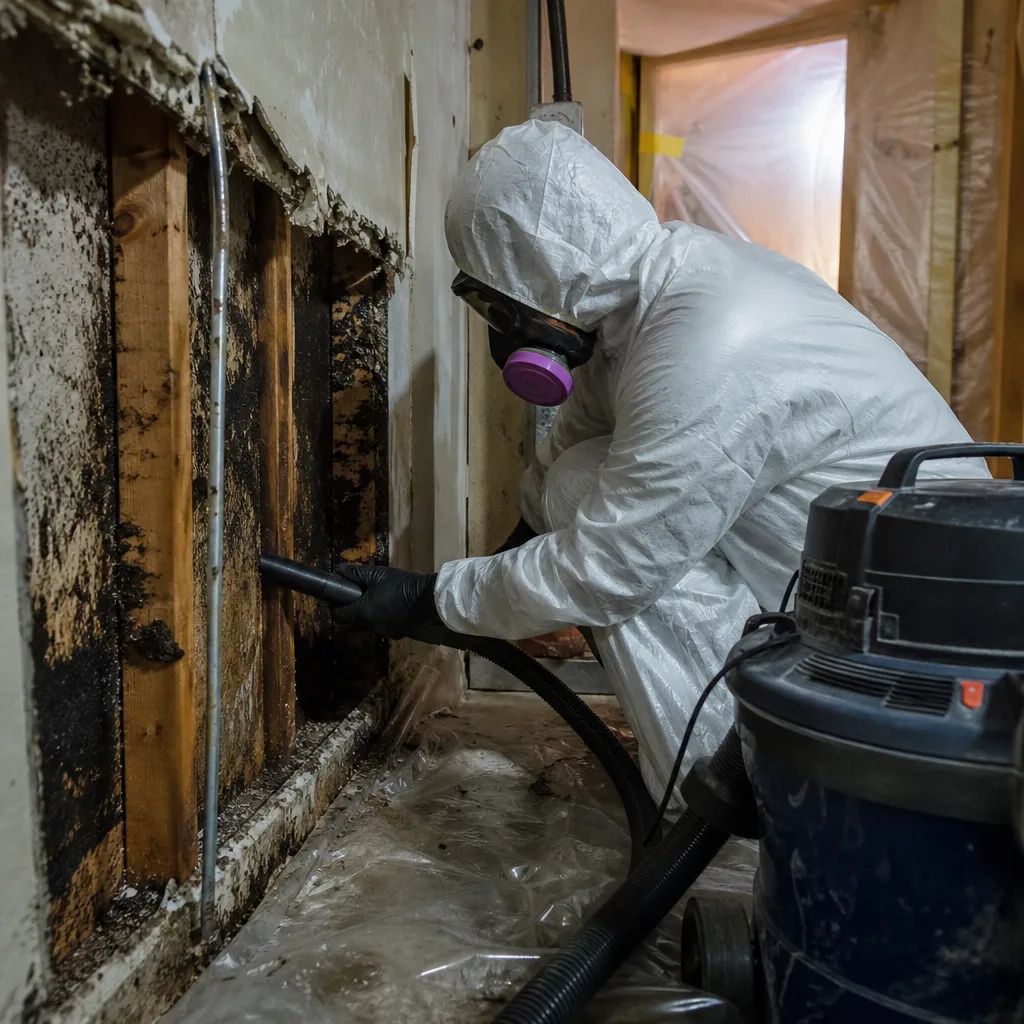
Structural Drying & Dehumidification
Horsehair plaster over wood lath, standard in Middle Village’s row houses, holds moisture differently than modern drywall. We’ve seen plaster walls read 18% moisture content on the surface while the lath behind them sits at 35% - a differential that requires Injectidry wall-cavity drying panels, controlled vapor pressure, and psychrometric data logged daily. Tertiary drying, the final phase where we drop ambient humidity below 40% RH, often takes 3-5 days longer here than in homes with drywall. We don’t call drying “done” until the numbers prove it.
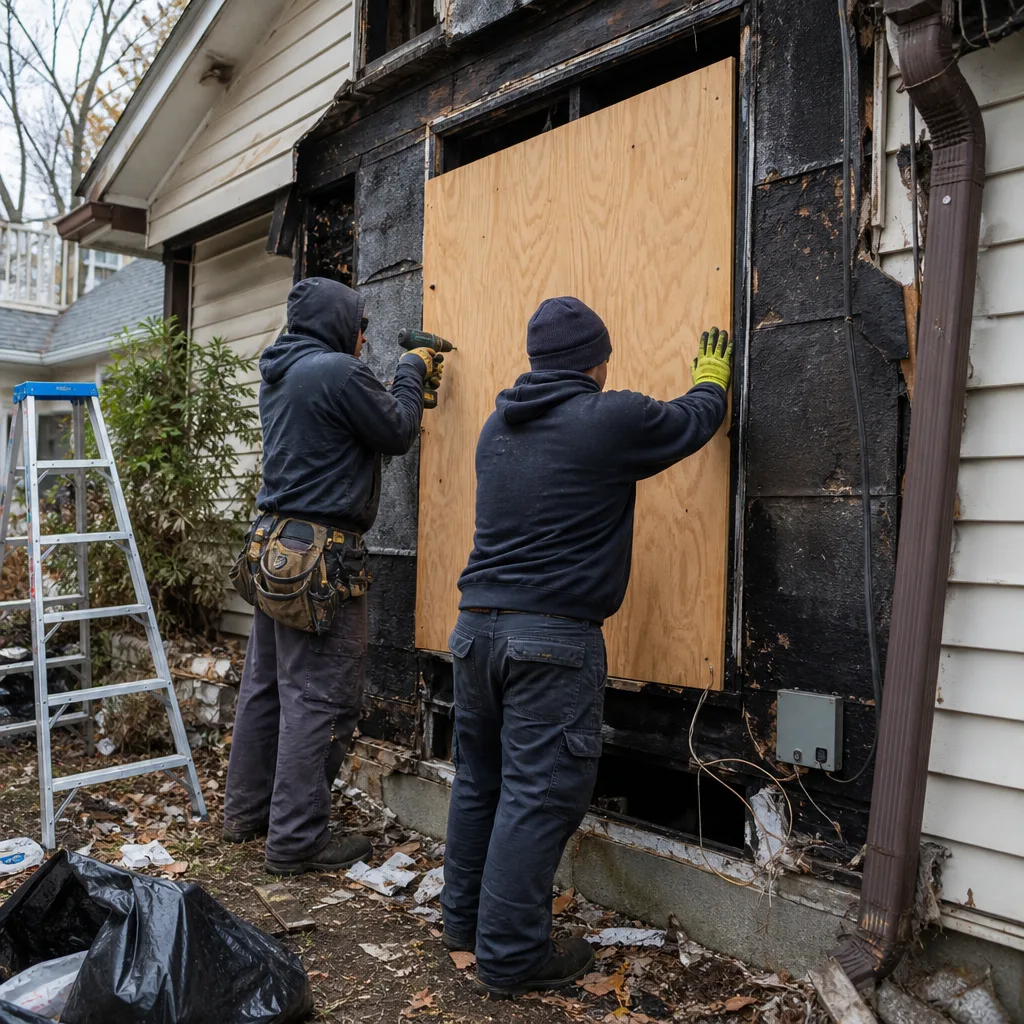
Flood Cleanup
Heavy rain events overwhelm Middle Village’s aging combined sewer infrastructure, flooding basements along shared branch lines. Our flood cleanup addresses the water you see and the wicking you don’t - moisture mapping that tracks how far water traveled behind lath, through mortar joints, and into adjacent stud bays. We coordinate NYC’s mandatory asbestos and lead-paint assessments before any demolition, so your insurance scope remains valid and work doesn’t stall for regulatory compliance.
Burst Pipe Restoration
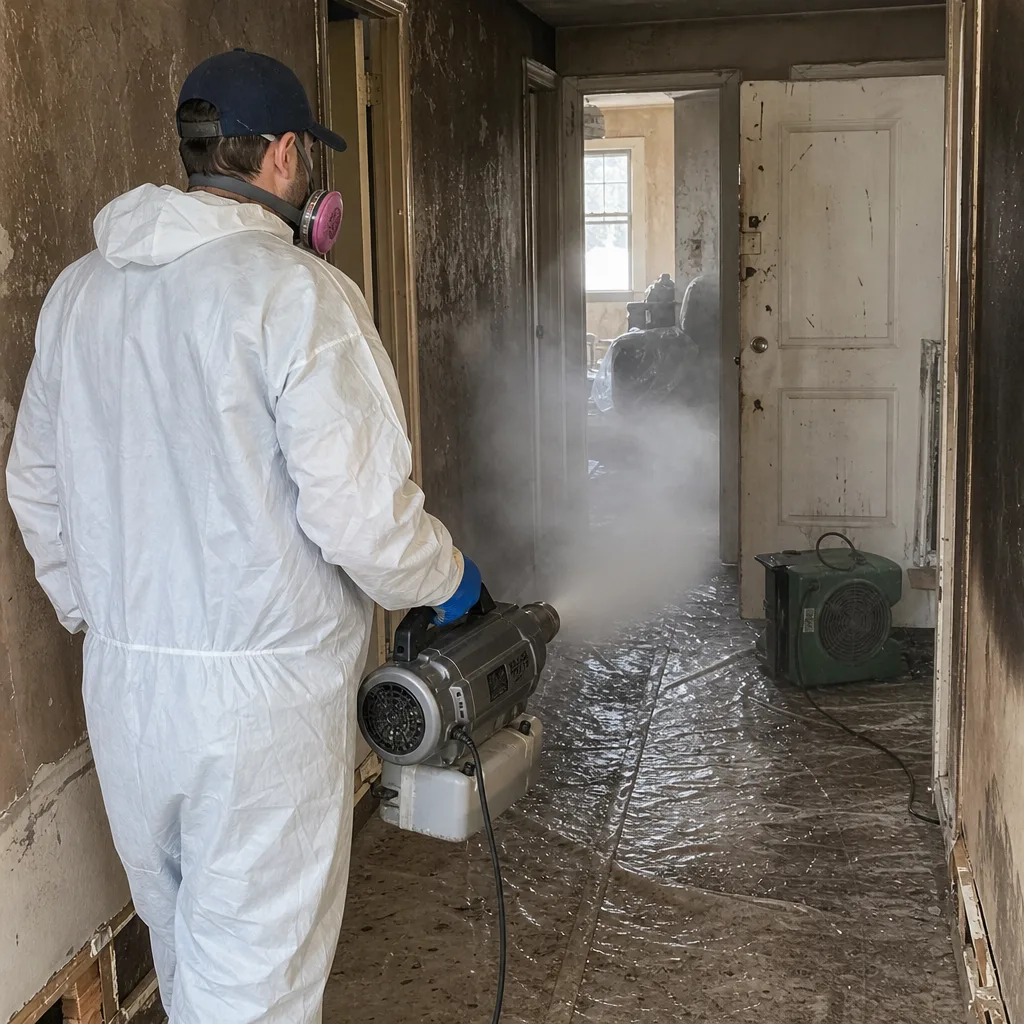
Galvanized and early copper supply lines in Middle Village’s housing stock fail at joints stressed by decades of Queens freeze-thaw cycling. A burst pipe on a second floor sends water down through horsehair-plaster ceilings, across lathe, and into wall cavities where it pools on top of fireblocking. We extract standing water, map the full migration path with thermal imaging, and dry the assembly without unnecessary demolition when the plaster and lath can be salvaged - documented with photo records on every visit.
Basement Water Removal
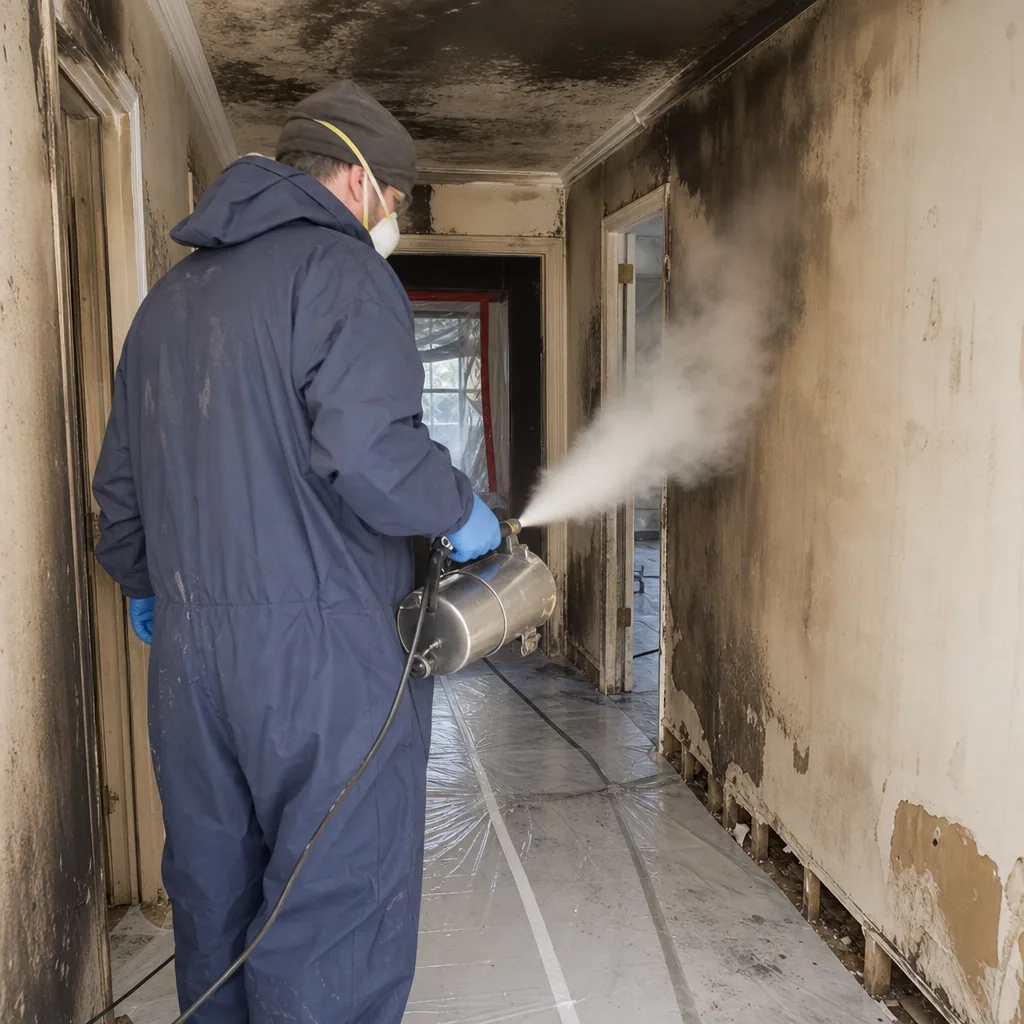
This is the call we answer most in Middle Village. Finished basements with original plaster walls, vintage paneling, and decades of accumulated storage face Category 3 sewage contamination that demands biohazard protocols. We remove contaminated materials per IICRC S500 standards, treat exposed framing with antimicrobial, and establish drying chambers with HEPA-filtered negative air pressure. The basement isn’t just “pumped out” - it’s documented, treated, and verified dry before reconstruction is scoped.
Ceiling & Roof Leak Water Damage
Failing mortar joints in Middle Village’s brick facades let water infiltrate during freeze-thaw cycles, wicking behind plaster and creating stains that appear months after the actual leak. We trace the source, document the spread with moisture mapping, and dry the assembly without tearing out sound plaster when possible - saving the character details that make these homes distinctive.
What happens when you call
- 1
A real person answersNo phone trees - you reach a local pro.
- 2
You get an upfront price rangeHonest numbers before anyone is dispatched.
- 3
A background-checked tech heads outLicensed & insured, dispatched right away.
- 4
You approve before work beginsNothing starts until you say go.
BeforeAfterTrusted Equipment Standards We Deploy in Middle Village
Our crews arrive with professional-grade drying systems: Dri-Eaz and Phoenix dehumidifiers, XPOWER and B-Air air movers, and Injectidry cavity-drying panels specifically configured for lath-and-plaster assemblies. All work is documented to IICRC, RIA, and IFA standards, producing the daily drying logs that turn restoration invoices into payable insurance claims. We don’t guess at dryness - we measure it, log it, and prove it.
Common Water Damage Restoration Problems We See in Middle Village Homes
- Category 3 misclassification. Technicians unfamiliar with Middle Village’s combined sewer laterals see thin, gray water and call it Category 2. It’s not. Raw sewage contamination requires biohazard remediation, antimicrobial treatment, and disposal protocols that change the scope and the price.
- Skipped asbestos and lead-paint assessments. NYC mandates testing before demolition in pre-1940s construction. Crews that skip this step stall the job, invalidate insurance coverage, and expose homeowners to liability.
- Premature drying completion. Visible basement floors read dry while moisture wicks two or three stud bays behind lath. We map until the numbers match, not until the stain disappears.
- Single-address cleanup on shared laterals. One backup on a block served by one sewer branch means neighboring row houses are at risk. We advise adjoining properties before the next heavy rain.
Pricing for Water Damage Restoration in Middle Village, NY
Emergency water extraction in Middle Village runs $800-$1,800 for a standard row-house basement, depending on contamination category and square footage affected. Structural drying and dehumidification for horsehair-plaster assemblies adds $1,800-$4,200 due to extended drying timelines and cavity-panel deployment. Full Category 3 sewage remediation, including antimicrobial treatment, controlled demolition, and disposal, typically ranges $3,500-$7,500.
Factors that move the price: the contamination category (Category 1 clean water vs. Category 3 sewage), whether NYC asbestos and lead-paint assessments are required, the extent of hidden moisture behind lath, and whether adjoining properties need evaluation. We deliver a written price before any work starts, every time, with no scope-creep additions once the crew is inside - Haven Standard, Clause 1. Free Second Opinion on any competitor’s written estimate.
We Also Serve Cities Near Middle Village
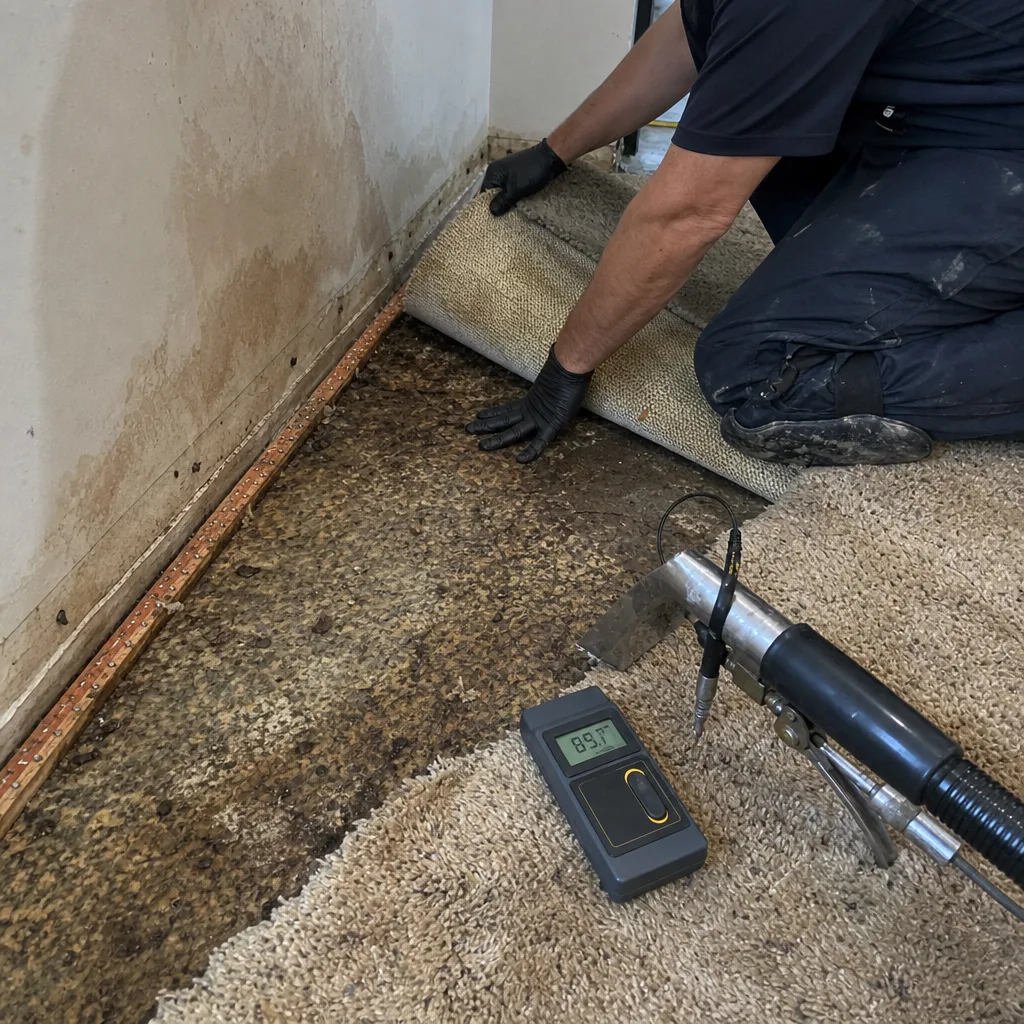
Our crews respond throughout central and western Queens, including Middle Village and neighboring Maspeth, Elmhurst, Forest Hills, and Jackson Heights. Shared sewer infrastructure, similar brick row-house stock, and comparable freeze-thaw exposure mean the documentation-first approach that works here works there too.
Serving Middle Village, NY - Our Local Coverage Area
We’re based in the Middle Village area and know this community well. Use the map below to see our service coverage - if you’re nearby, we can almost certainly help.
FAQs - Water Damage Restoration in Middle Village
Because the water originates in NYC’s combined sewer system, carrying raw sewage, bacteria, and pathogens from household and industrial waste streams. The “thin” or “gray” appearance of combined-sewer backup deceives some technicians, but IICRC S500 standards are clear: any water with anticipated pathogenic content is Category 3. In Middle Village’s shared lateral system, this is virtually every basement backup we see. Call (516) 687-6900 for a free assessment and written scope.
Typically 5-12 days, compared to 3-5 days for modern drywall assemblies. Horsehair plaster is hygroscopic - it absorbs and retains moisture deep in its matrix - and the wood lath behind it creates air gaps that trap humidity. We use Injectidry cavity panels and extended dehumidification cycles, logged daily to IICRC standards, until moisture content readings prove equilibrium. Call (516) 687-6900 to schedule moisture mapping.
Yes. NYC Department of Environmental Protection and Department of Health regulations mandate asbestos and lead-paint assessment before any demolition or disturbance in pre-1978 construction. Middle Village’s housing stock is overwhelmingly pre-1940s. We coordinate certified third-party assessment as a standard project phase, not an upsell, so your insurance scope remains valid and work proceeds without regulatory delay. Call (516) 687-6900 and we’ll include assessment timing in your written price.
Yes. Dozens of nearly identical row houses on these compressed blocks share the same combined sewer branch lines. A backup on one property signals lateral capacity issues that affect adjoining homes. We offer proactive moisture mapping and drain-line evaluation for neighboring properties, documented with the same photo records and written scopes as emergency calls. Call (516) 687-6900 to arrange preventive assessment before the next heavy rain.
We deploy sealed extraction systems for Category 3 contamination, Dri-Eaz and Phoenix LGR dehumidifiers, XPOWER and B-Air axial and centrifugal air movers, and Injectidry wall-cavity drying panels with HEPA-filtered negative air machines. All equipment selection is documented in your drying log with daily psychrometric readings - temperature, relative humidity, and vapor pressure differential - so your adjuster can verify that drying was performed to IICRC standards, not guessed. Call (516) 687-6900 for equipment specifications tied to your written scope.
Written by Alicia Brennan, Owner at DryMark Restoration Forest Hills, serving Middle Village since 2011.