
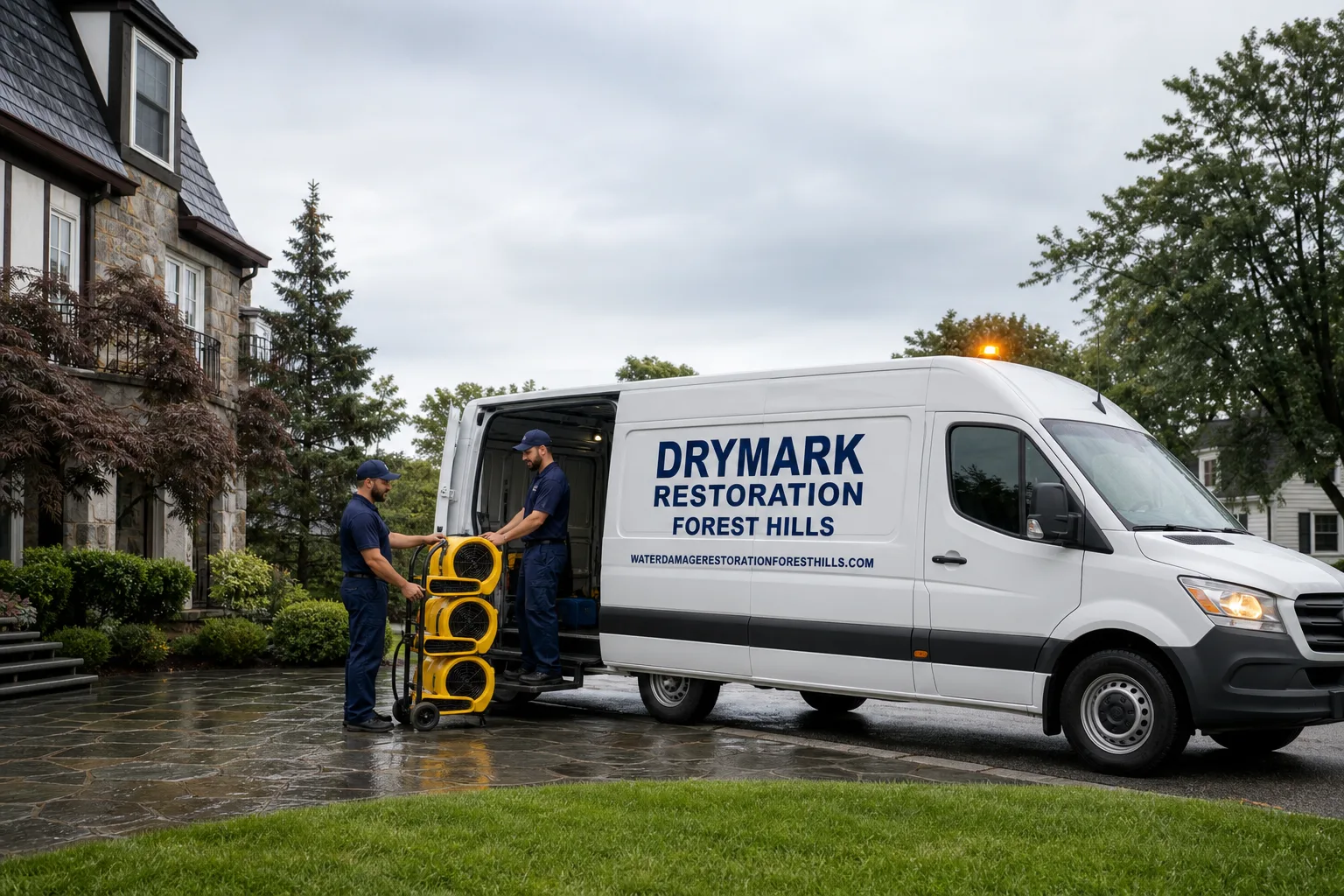
Free visual inspection and a written scope of work before any mitigation begins - photos, moisture readings, and drying logs go in your claim file
The scope we write is the scope we bill. Anything new gets shown to you, in writing, before we touch it.
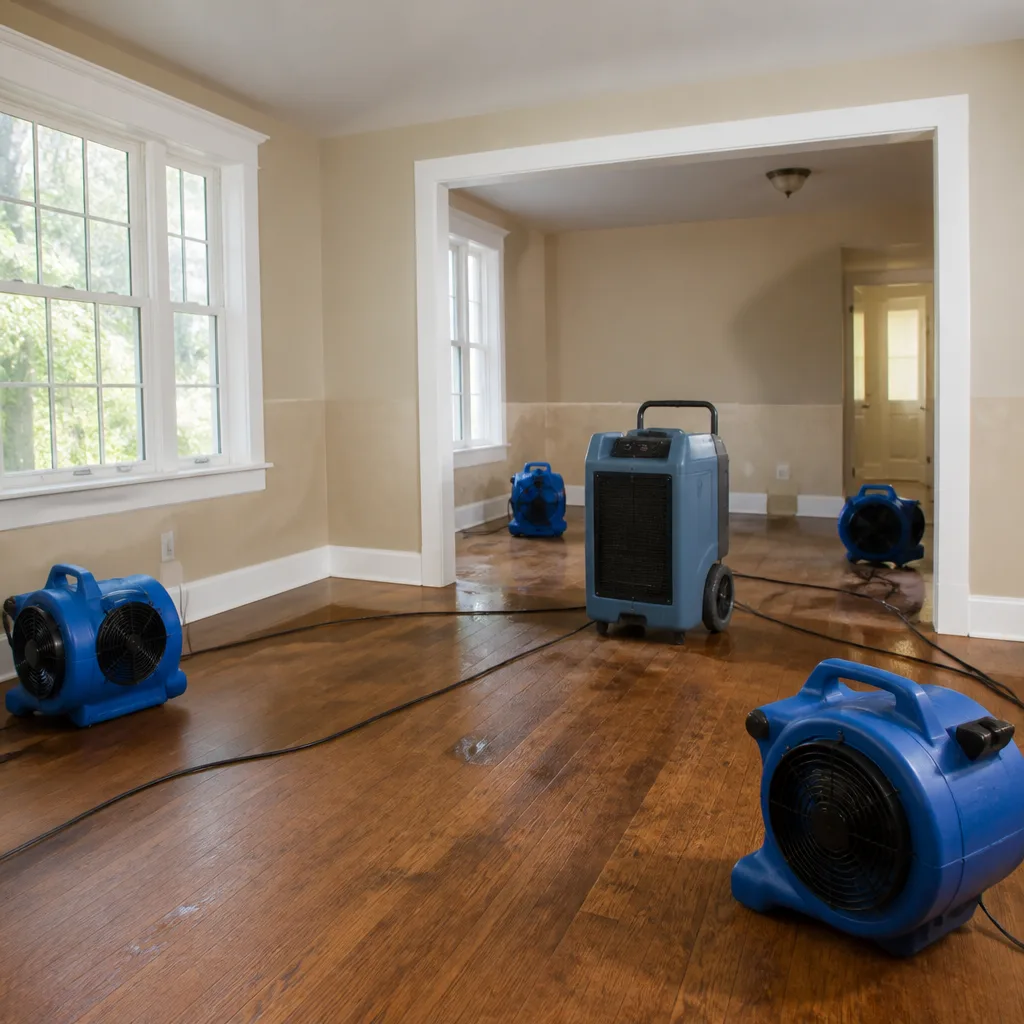
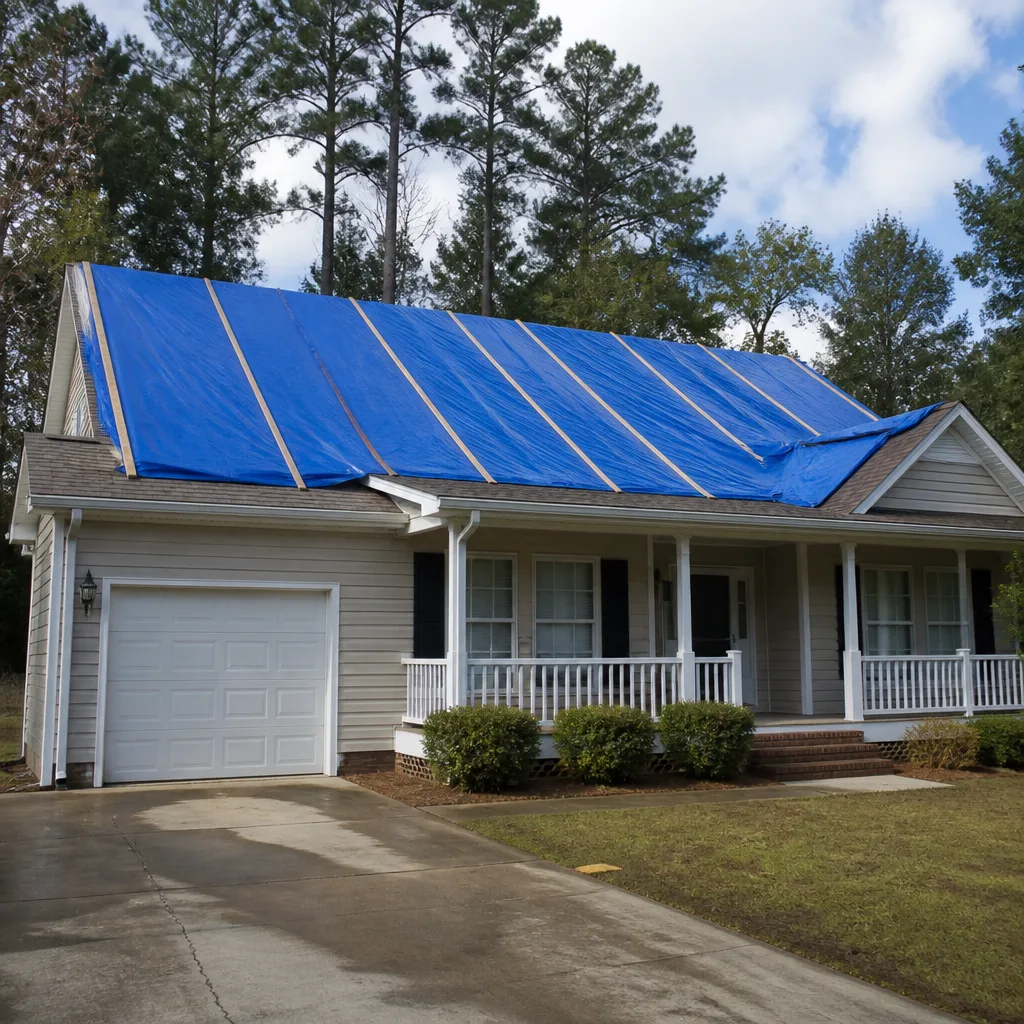
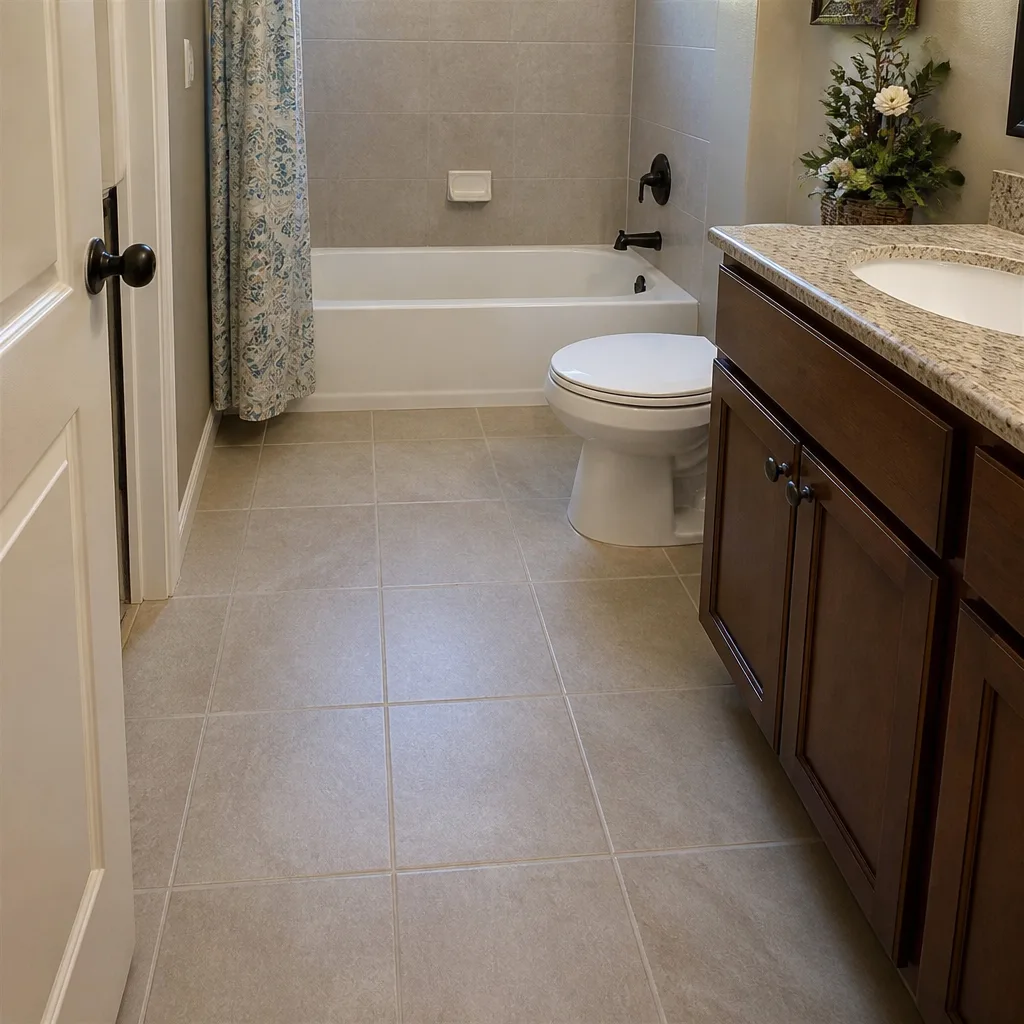
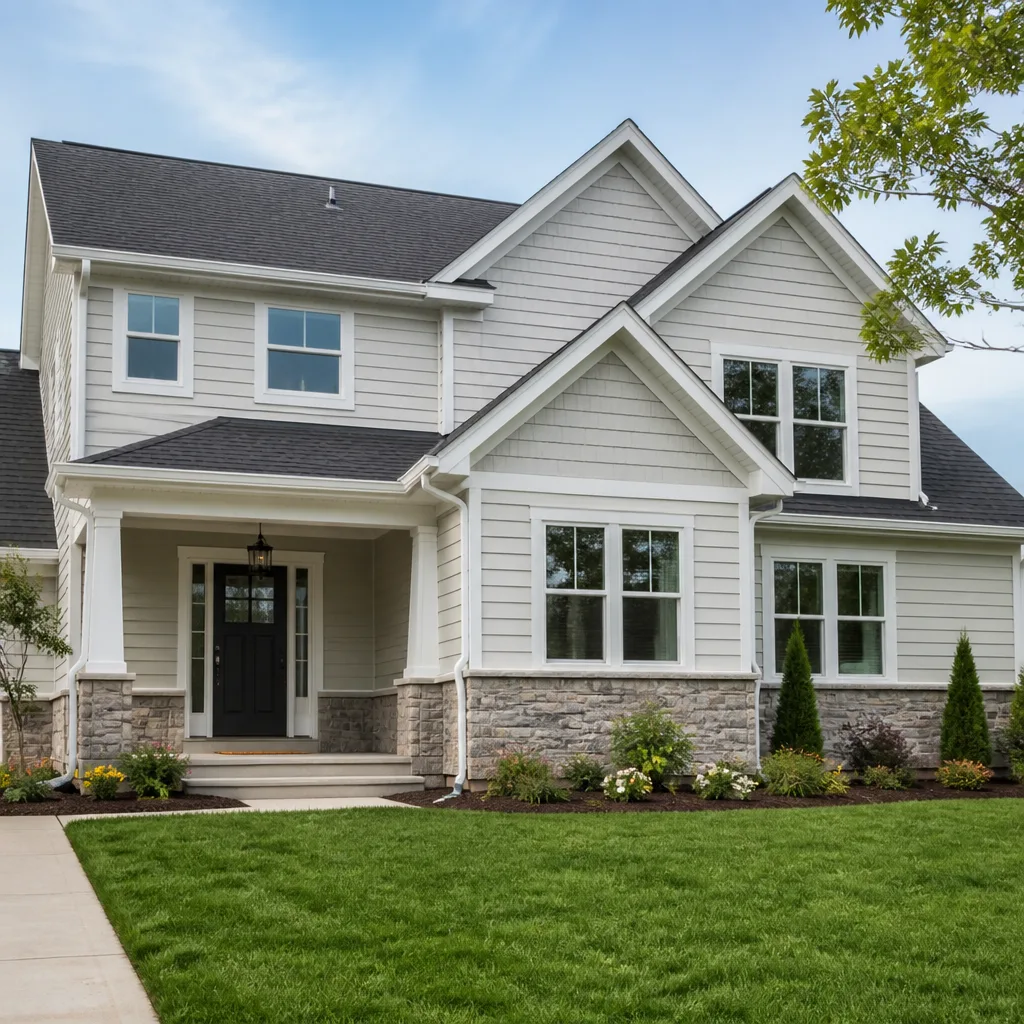
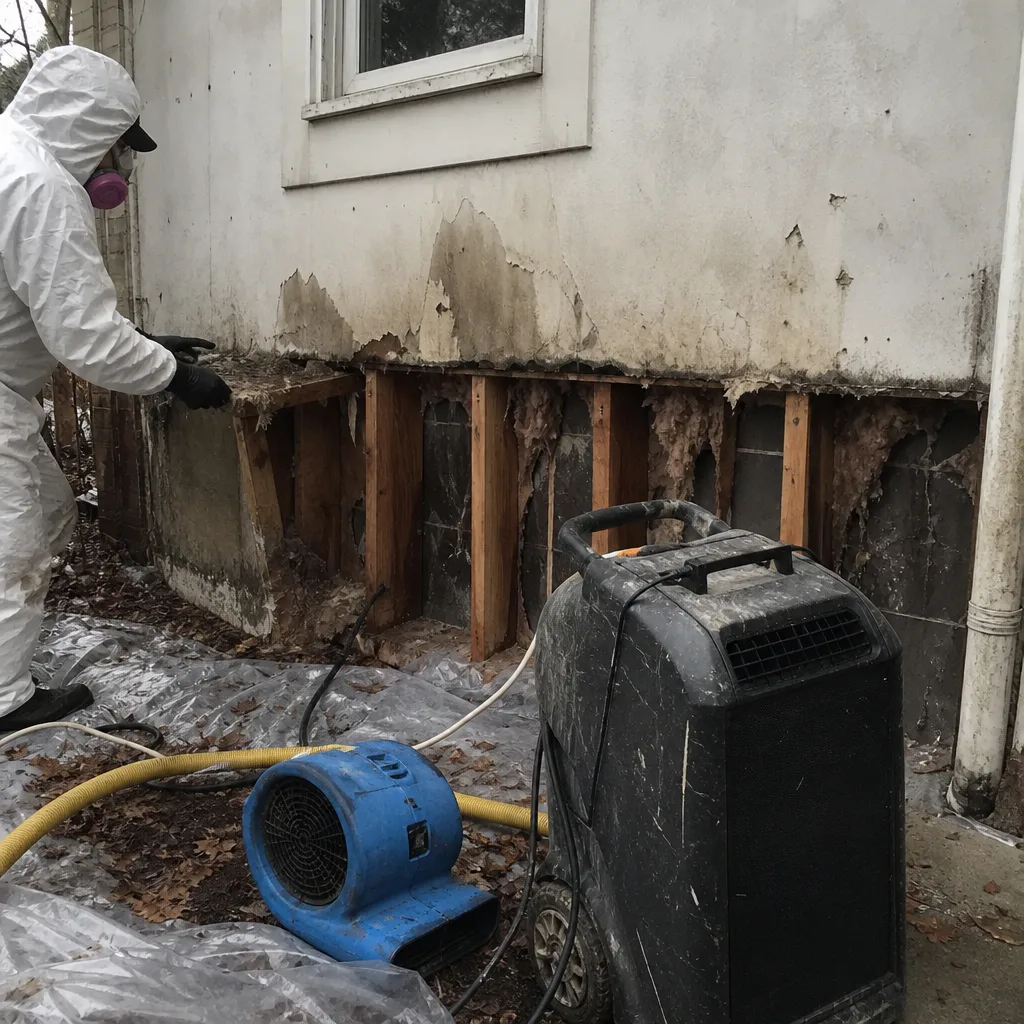 Before
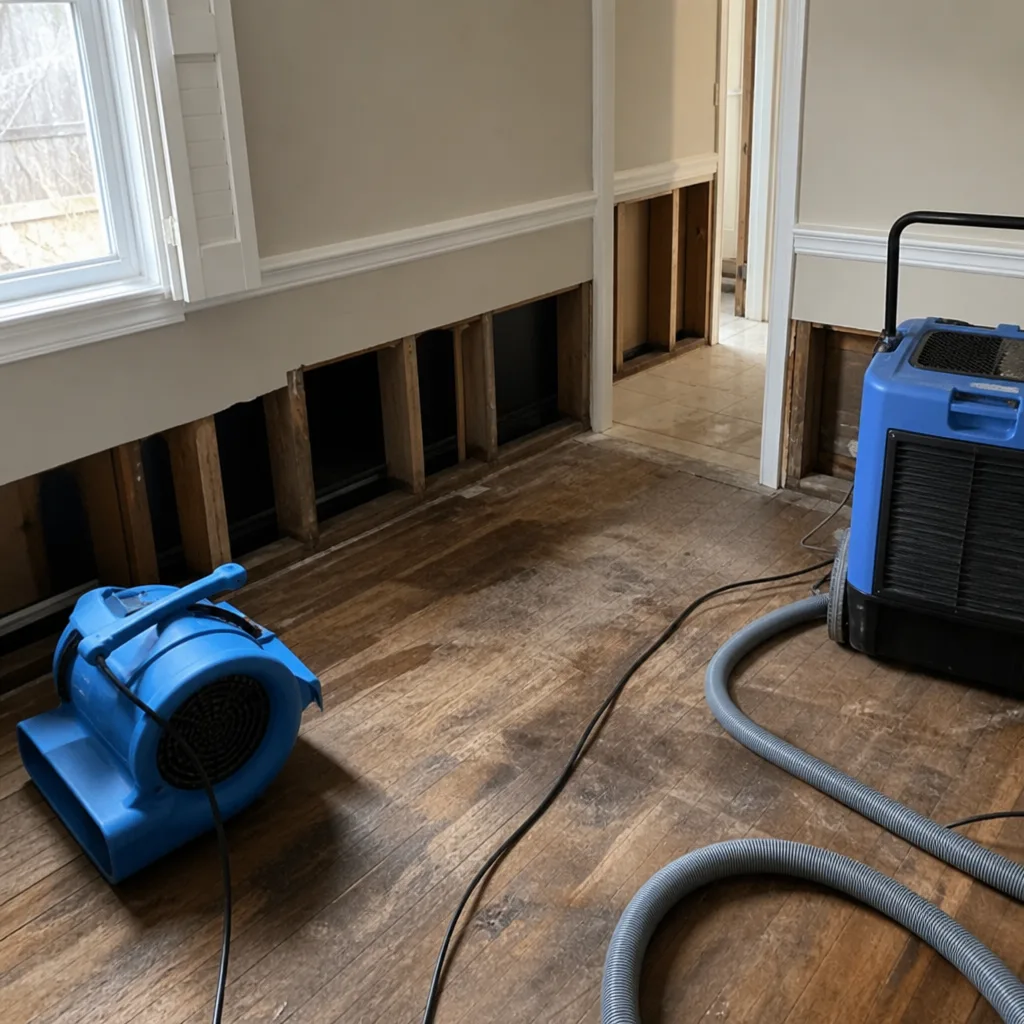 After
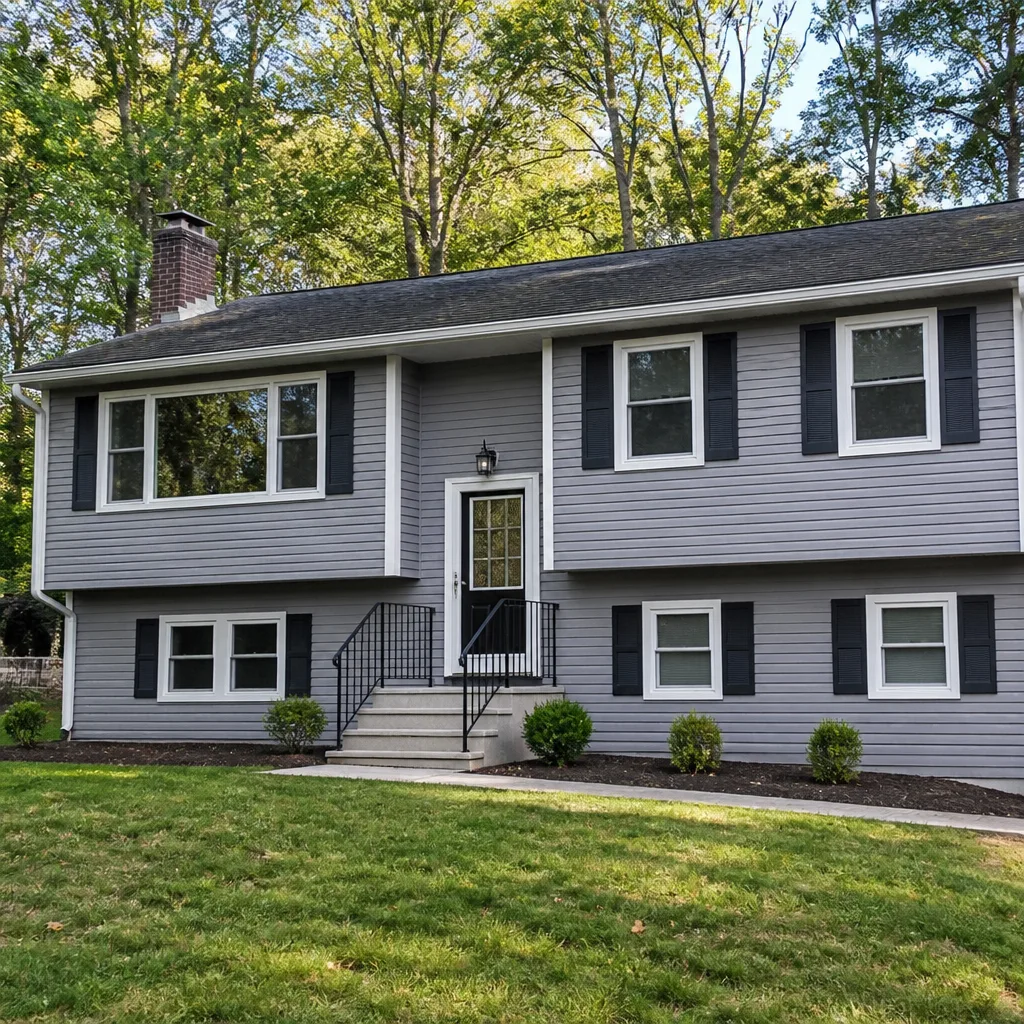
After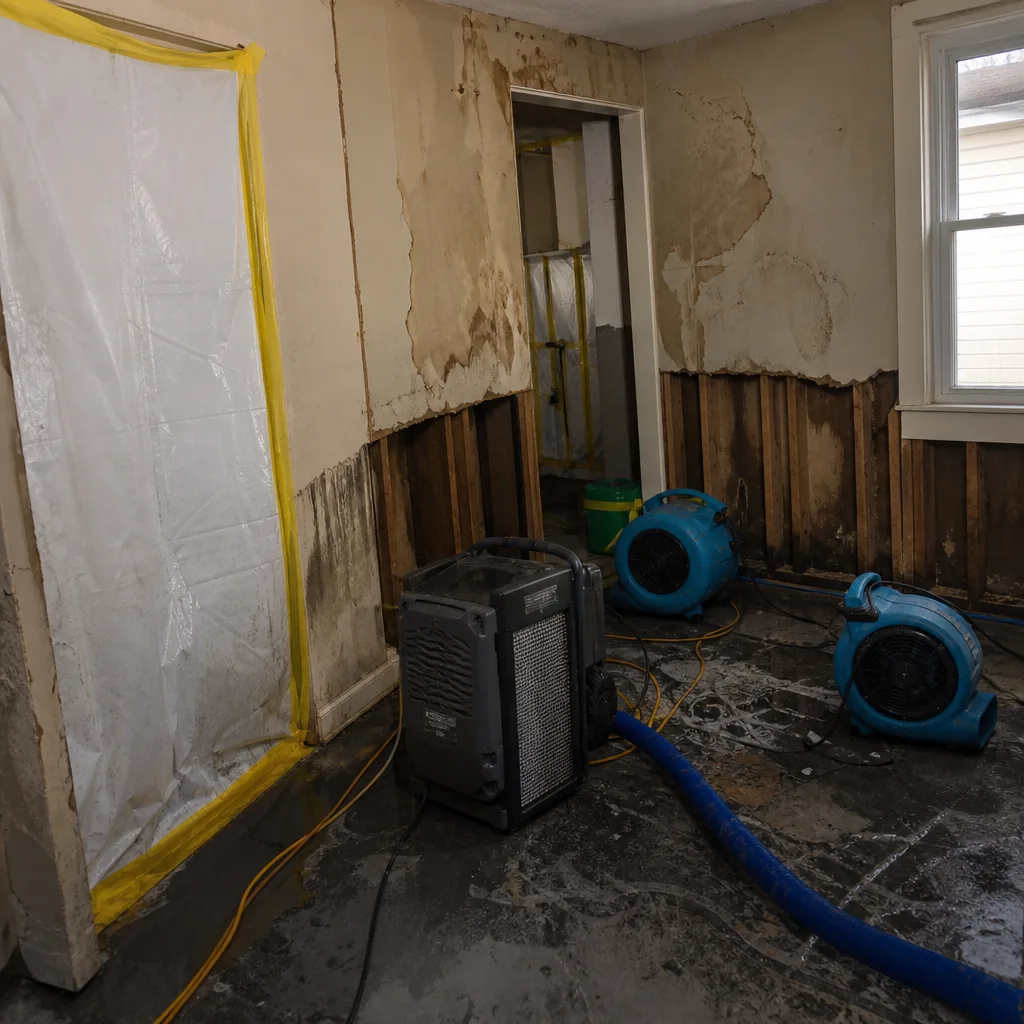 Before
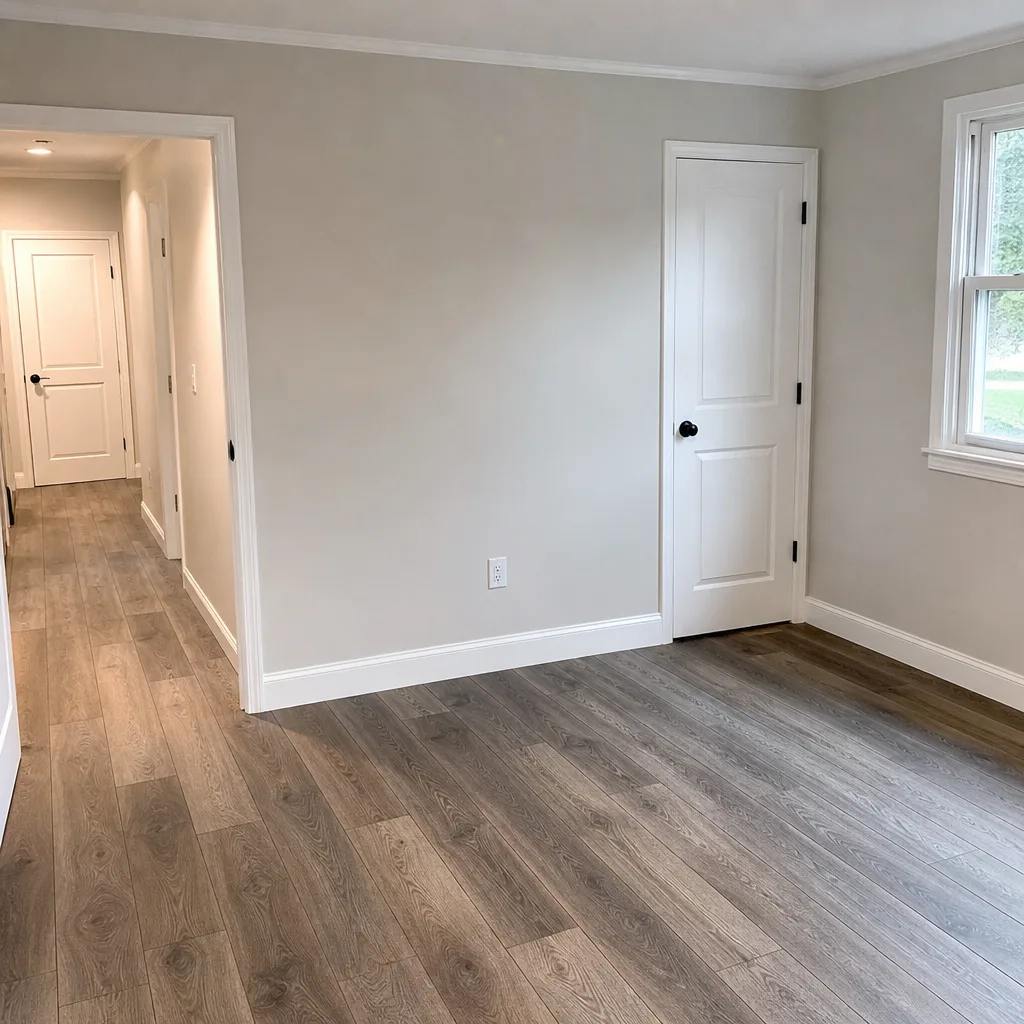 After
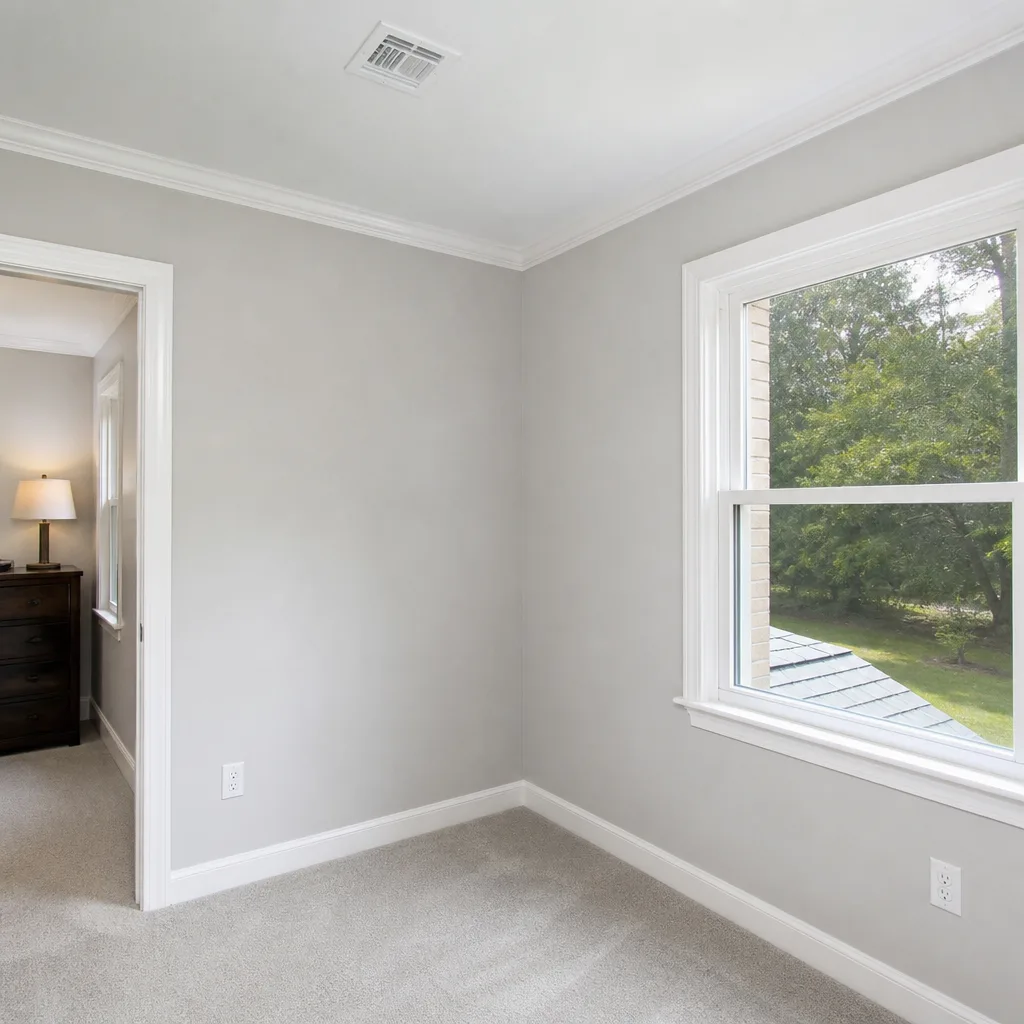
After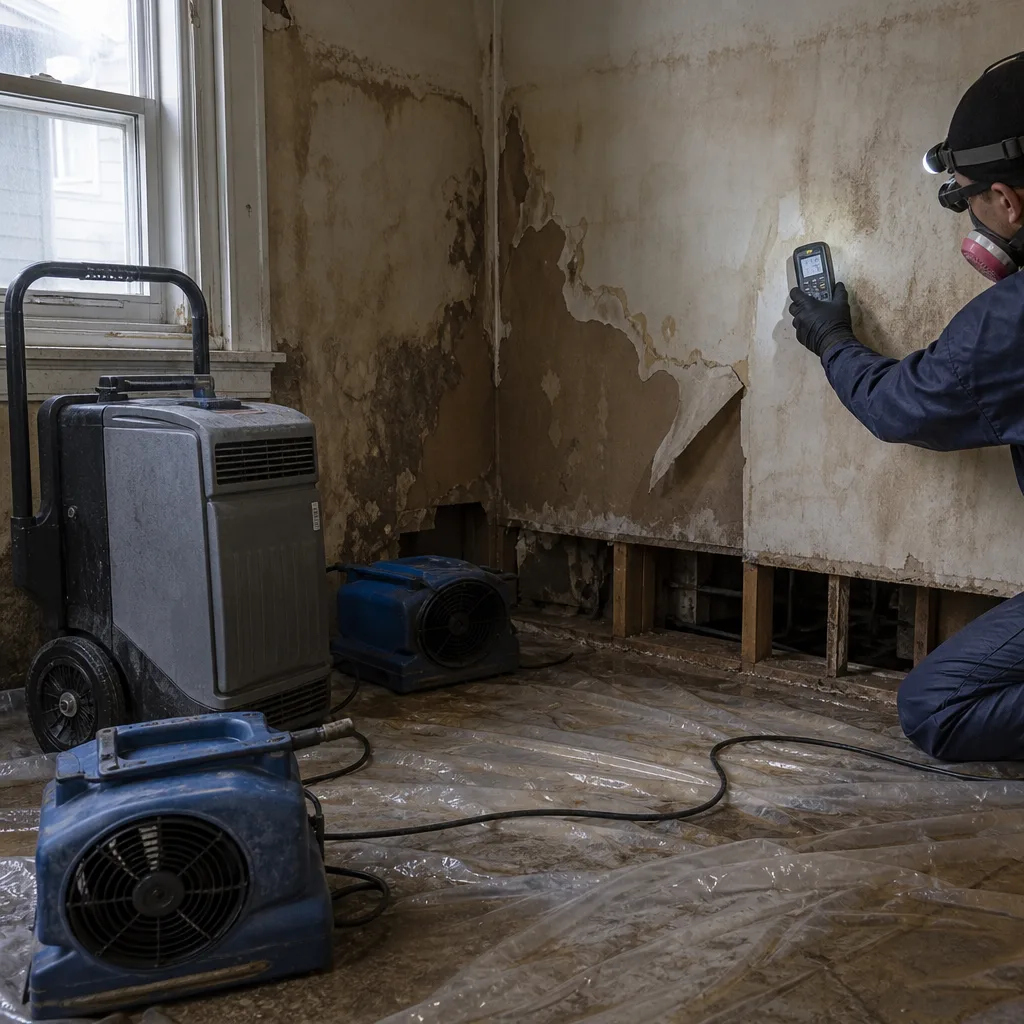 Before
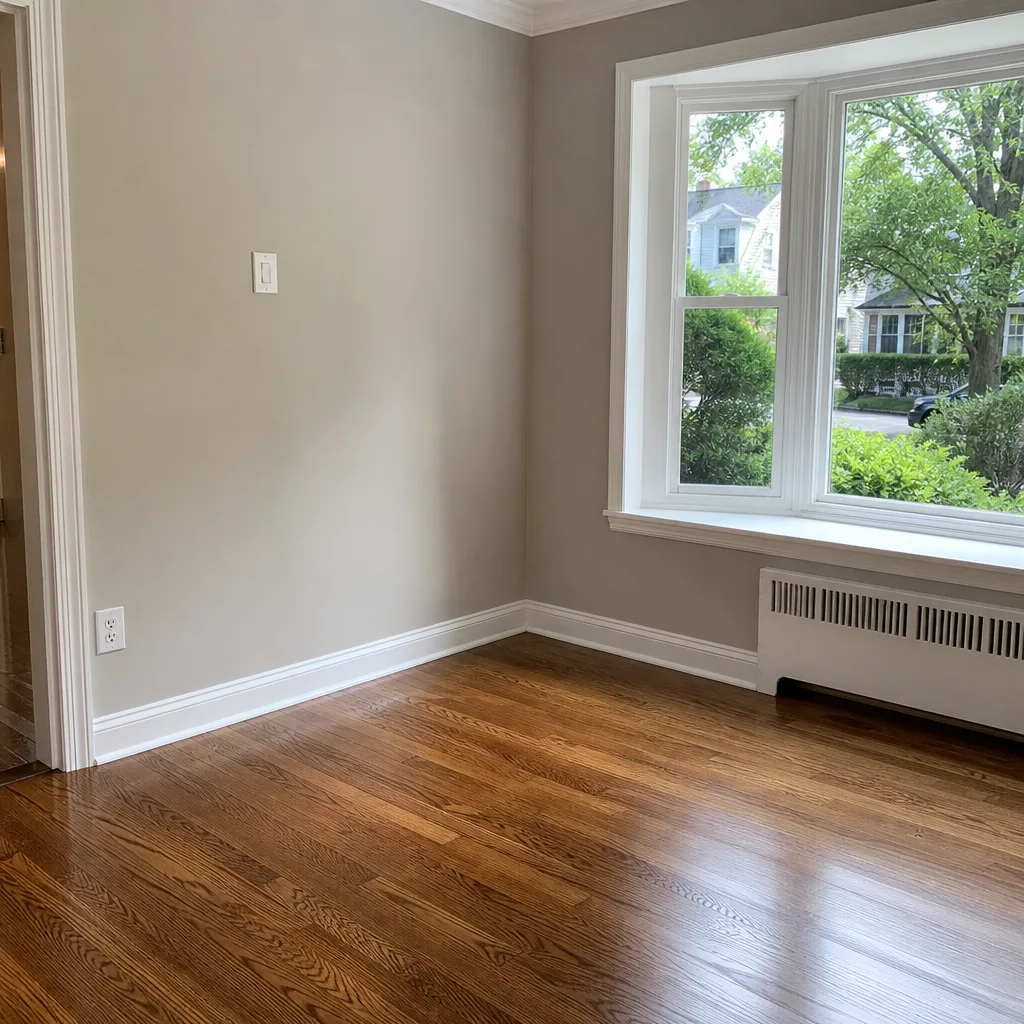 After
AfterFast, Reliable Mold Remediation Across Flushing
Mold remediation in Flushing, NY typically costs $1,200-$4,500 for residential jobs, with full blackwater reclassification adding $800-$1,800 when tidal creek surge pushes sewage through basement floor drains. Our crews dispatch to Flushing within 90 minutes of call receipt, and every job starts with a written price before any containment goes up.
We know Flushing’s building stock. The 1920s-1950s attached brick rowhouses near Main Street, the mid-century walk-ups off Roosevelt Avenue, and the converted basement units in the blocks between Flushing Creek and Northern Boulevard. We’ve restored more than 12,000 homes since 2011, and a significant share of those jobs came from Queens neighborhoods where the water source isn’t what it first appears. That’s why our Mold Remediation team arrives with Category 3 PPE already in the truck, not back at the warehouse.
Call (516) 687-6900 now. A live person answers, 24 hours a day, 7 days a week. No voicemail trees.
Why DryMark Restoration Forest Hills Is Flushing’s Preferred Mold Remediation Company
We don’t sell urgency. We sell documentation that gets your claim paid.
Flushing homeowners measure us by what we can show them: a written price before work starts (Haven Standard, Clause 1), a photo record on every visit, and daily moisture logs with psychrometric data-temperature, relative humidity, and vapor pressure differential-documented to IICRC, RIA, and IFA standards. Alicia Brennan founded Back to Dry in 2011 after years as a claims adjuster watching homeowners lose coverage because their restoration contractor’s paperwork wouldn’t hold up under review. That gap is what we built this company to close.
Our response time to Flushing averages under 90 minutes because dispatch and scheduling are coordinated from our New York City office, with crews already working Queens routes. We don’t route trucks from Long Island or Westchester and call it local service.
The reviews we value most are the detailed ones. Flushing customers specifically mention our techs naming the moisture reading on their basement sill plate, or explaining why a job had to be reclassified from Category 1 to Category 3 after opening the floor drain. That’s the local knowledge that matters when your finished basement backs up at 2 a.m. during a nor’easter surge.
Our Mold Remediation Services in Flushing
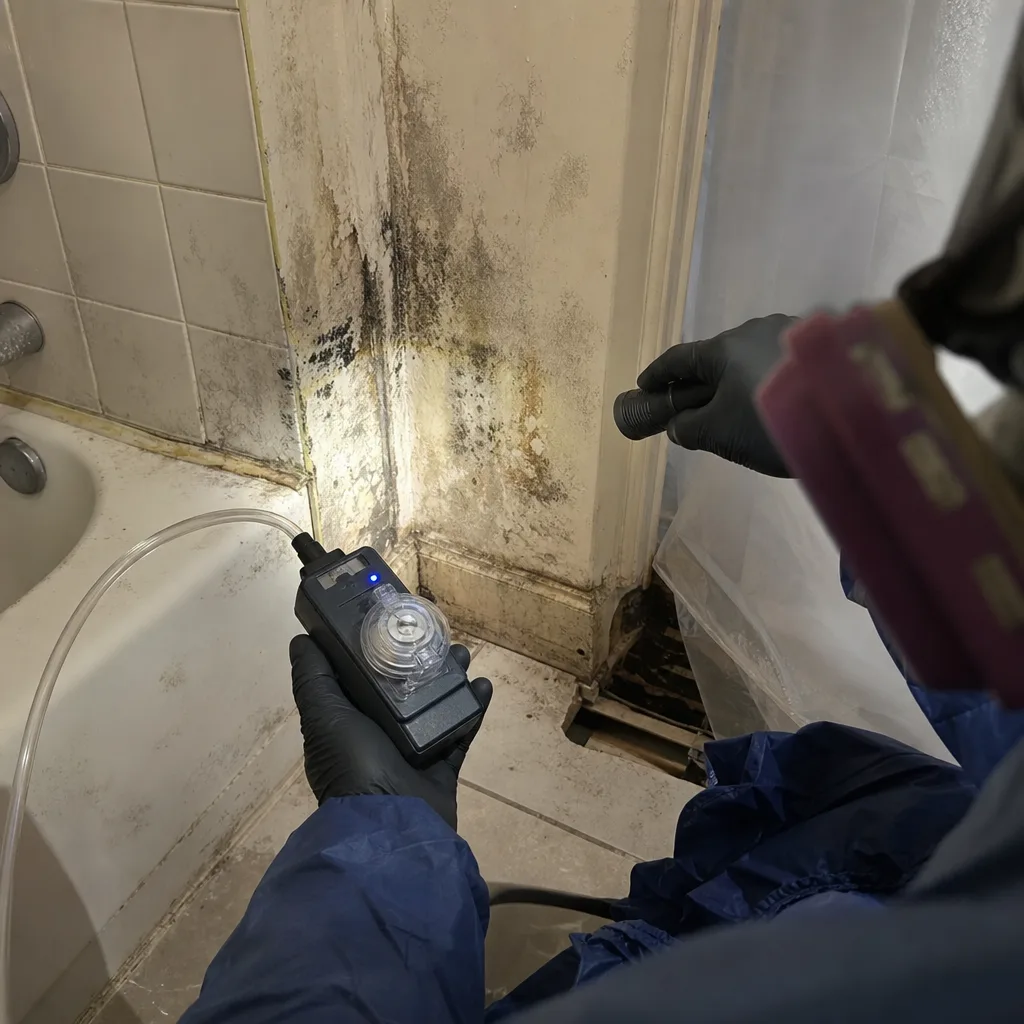
Mold Inspection & Testing
Every Flushing inspection begins with a moisture map, not a visual scan. We use thermal imaging and penetrating moisture meters to find water trapped in party-wall cavities, a common miss in 1930s rowhouses where the brick wythe wicks horizontally into adjacent units. Air sampling and surface testing follow, with lab results typically returned within 48 hours. In Flushing’s pre-war stock, we specifically test behind baseboards in units adjoining known floods, because mold colonies often surface 5-14 days after the source unit was declared dry.
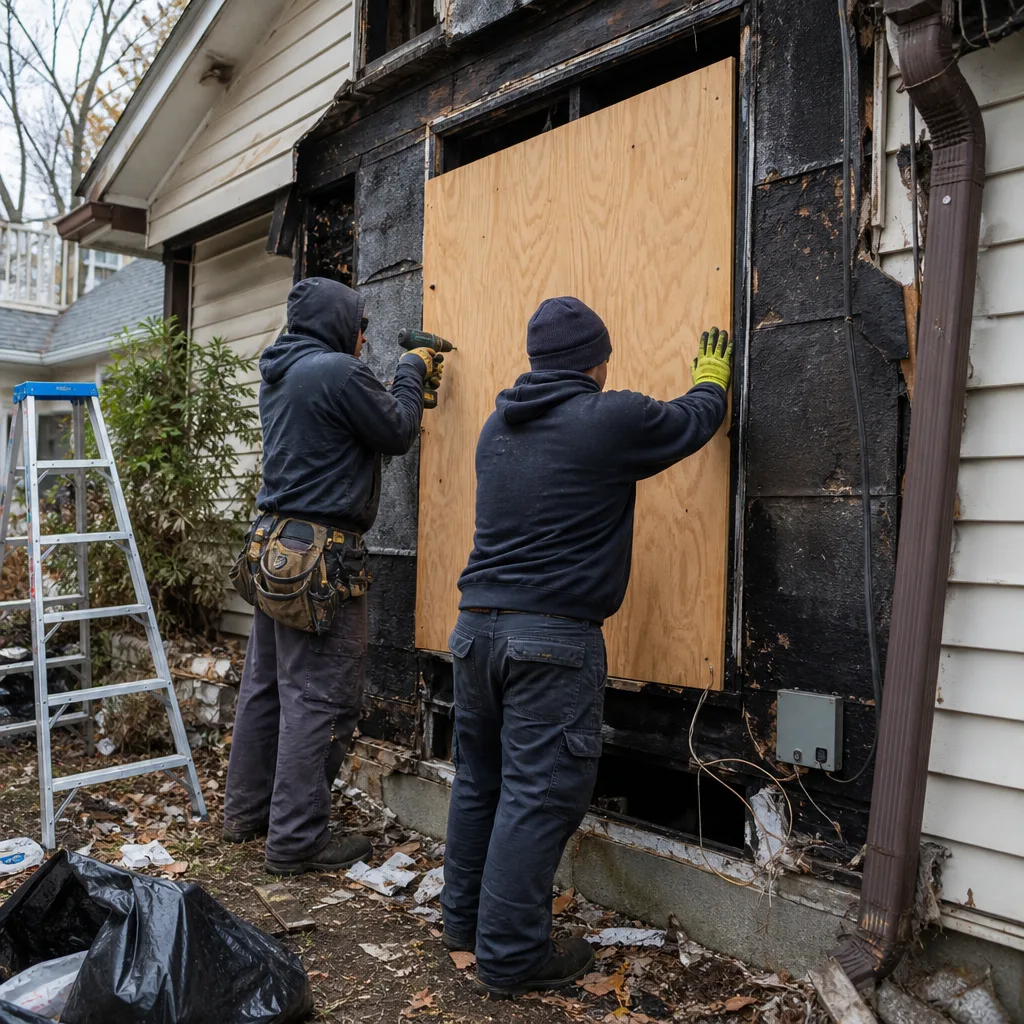
Mold Removal
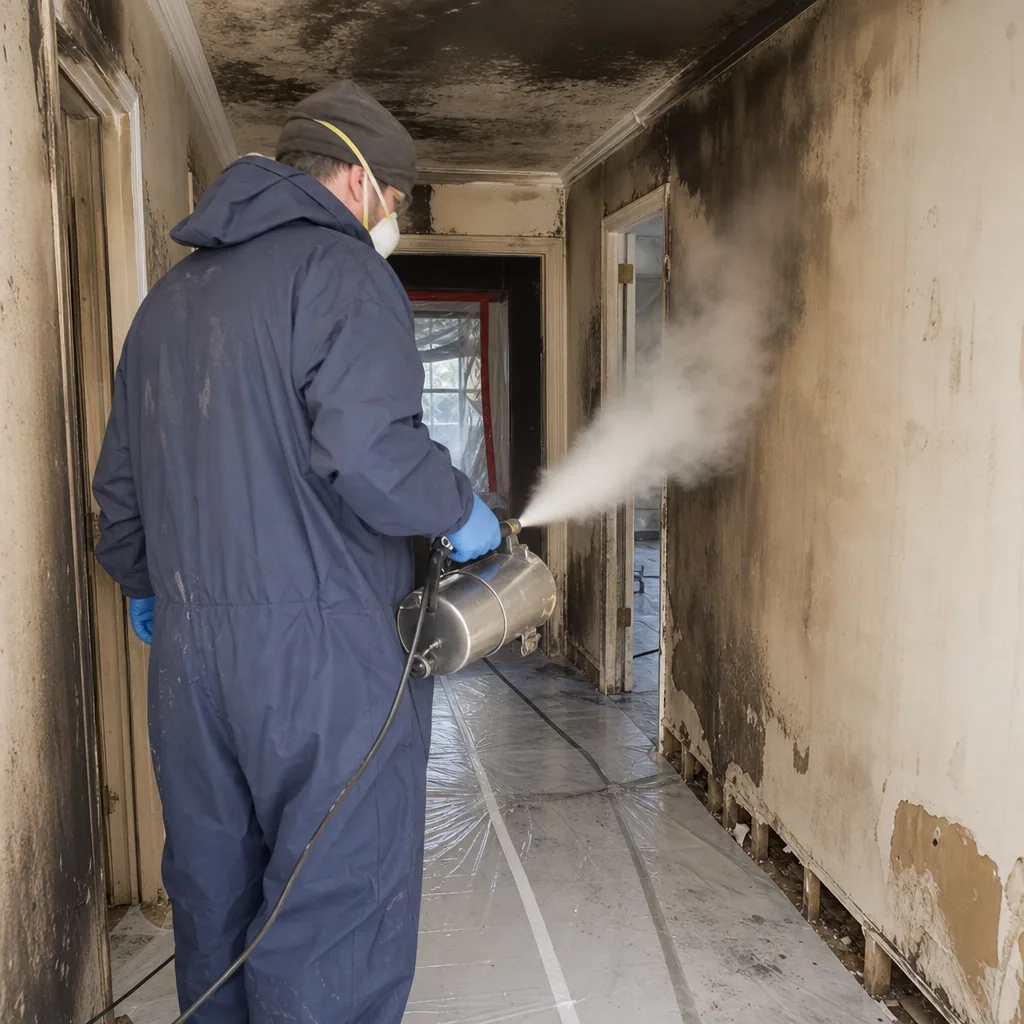
Removal protocols in Flushing differ from standard suburban jobs. When tidal creek surge backs sewage through the combined sewer line, we’re not removing mold from rainwater intrusion. We’re remediating Category 3 blackwater contamination, which means full PPE, negative air containment, and disposal as regulated medical waste. Our crews use HEPA vacuums and antimicrobial application followed by abrasive cleaning on semi-porous materials. In Flushing’s attached housing, we also inspect and treat the neighboring unit’s shared wall cavity before signing off, because we’ve seen too many jobs where mold bloomed in Apartment 2B three days after 2A dried clean.
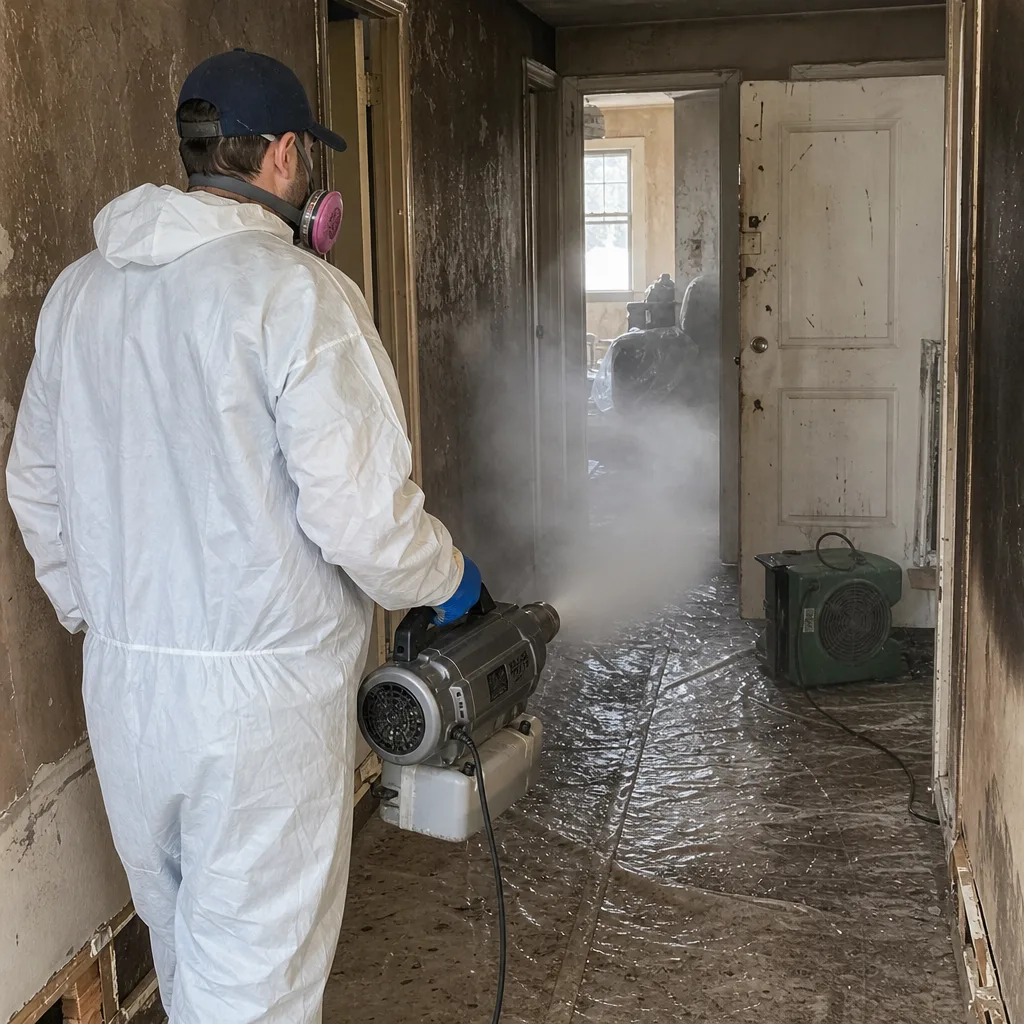
Black Mold Remediation
Stachybotrys and other toxigenic species thrive on cellulose materials that stay wet past 72 hours. In Flushing’s below-grade spaces, that’s often the paper backing of drywall installed against foundation walls with no vapor barrier, or the oriented strand board subflooring in converted basement apartments. Black mold remediation here requires source removal of contaminated materials, not bleach spraying. We contain the work area, establish negative pressure with HEPA filtration, remove affected drywall and insulation to one foot beyond visible growth, and treat framing with EPA-registered antimicrobials. Post-remediation verification includes air sampling and moisture readings below 16% wood moisture equivalent before we release containment.
Air Quality Restoration
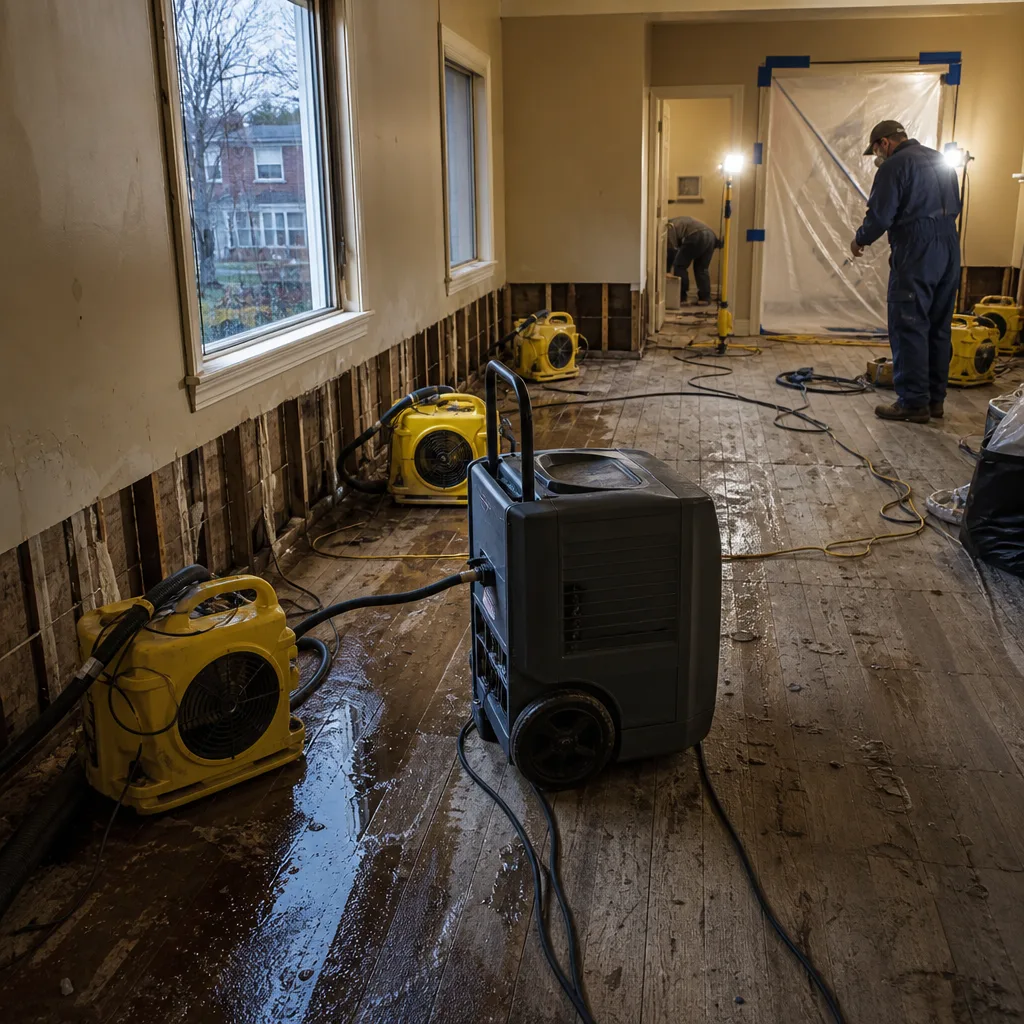
After mold removal in Flushing’s dense housing, air scrubbing runs 24-72 hours depending on cubic footage and ACH requirements. We deploy Phoenix and XPOWER HEPA air scrubbers sized to the space, with carbon filtration when volatile organic compounds from sewage contamination are present. Final air sampling compares indoor spore counts to outdoor baseline levels for the Flushing area. Documentation includes pre- and post-treatment lab reports, scrubber run logs, and photographic evidence of filter condition at installation and removal.
Crawl Space Treatment
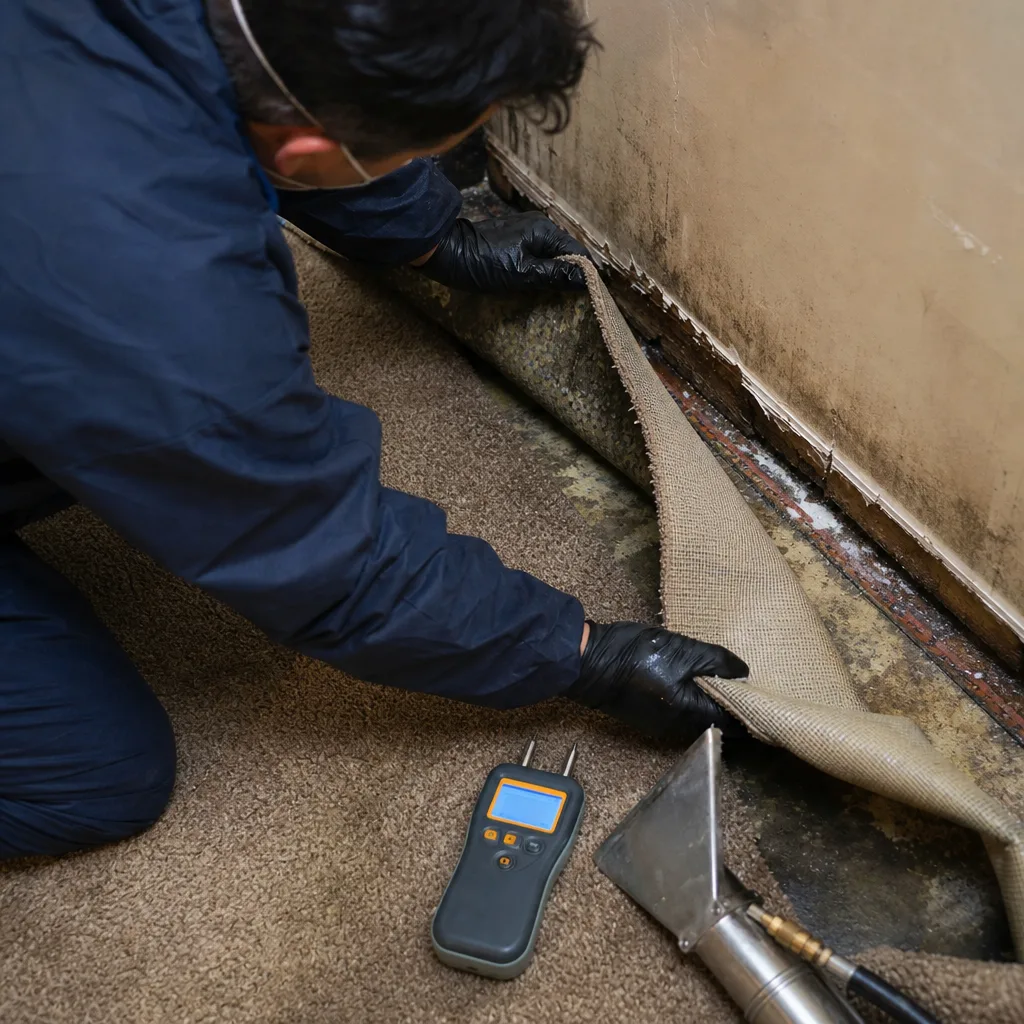
Flushing’s older rowhouses and some mid-century multi-family buildings have partial crawl spaces beneath ground-floor additions or rear extensions. These spaces sit below grade, often with dirt floors and no mechanical ventilation, creating vapor pressure differentials that drive moisture upward into finished flooring. We install vapor barriers, dehumidify with B-Air and Dri-Eaz equipment, and treat structural members with borate-based antimicrobials. Moisture readings are taken at the sill plate, rim joist, and subfloor sheathing until equilibrium is documented.
Moisture & Humidity Control
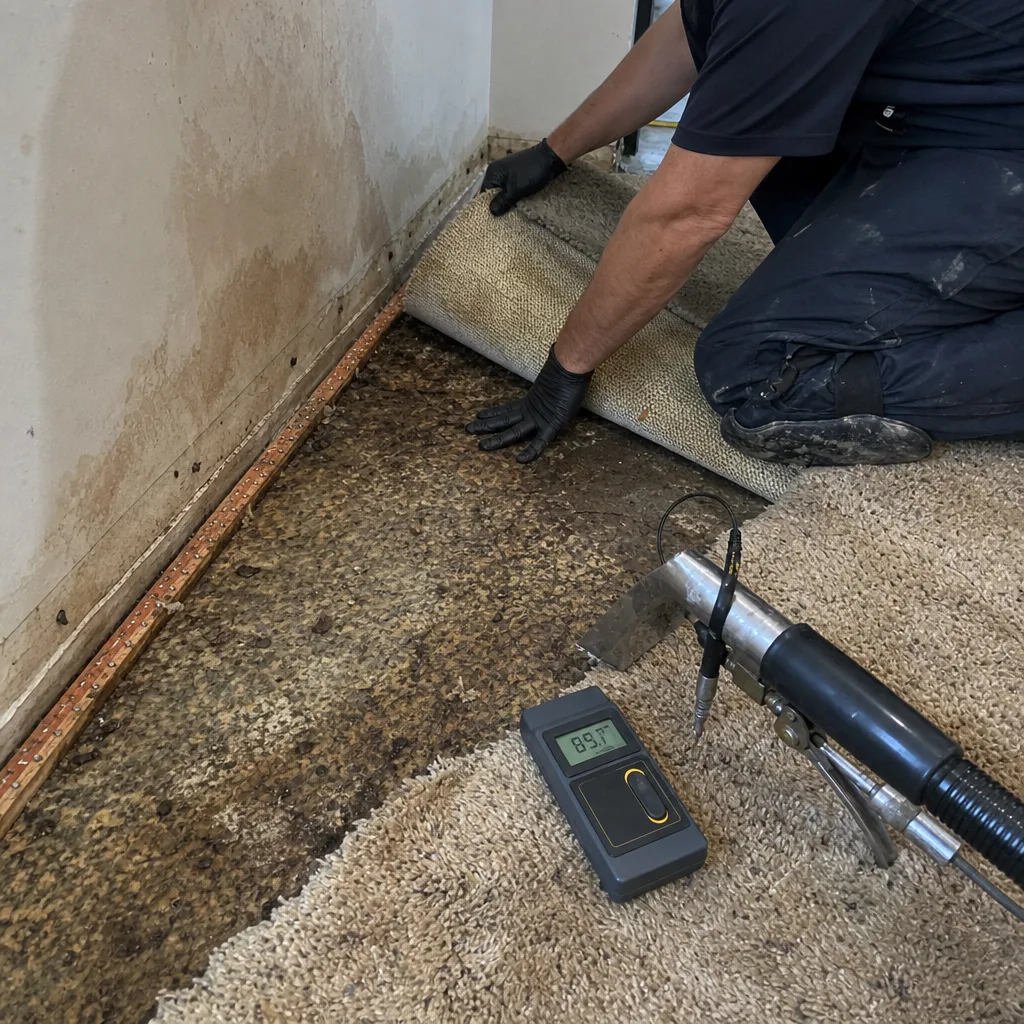
Long-term mold prevention in Flushing requires controlling the moisture source, not just killing what’s visible. For properties near Flushing Creek and Flushing Bay, that often means addressing chronic sewer backflow through floor drains, installing backwater valves, and maintaining dehumidification in below-grade spaces. We specify permanent dehumidification systems for basements and provide written maintenance protocols. Our drying logs become your documentation if the same drain backs up next season.
What happens when you call
- 1
A real person answersNo phone trees - you reach a local pro.
- 2
You get an upfront price rangeHonest numbers before anyone is dispatched.
- 3
A background-checked tech heads outLicensed & insured, dispatched right away.
- 4
You approve before work beginsNothing starts until you say go.
BeforeAfterTrusted Brands We Service in Flushing
Our equipment inventory stays stocked for Flushing response: Dri-Eaz and Phoenix dehumidifiers, Injectidry cavity drying systems, XPOWER and B-Air air movers and scrubbers. We don’t wait for a parts run from a central warehouse. When a nor’easter hits and three rowhouse basements on the same block need simultaneous drying, we have the machines and the filtration media on the truck. That stock position matters when mold grows in 24 to 48 hours and your insurance adjuster wants to know why drying didn’t start same-day.
Common Mold Remediation Problems We See in Flushing Homes
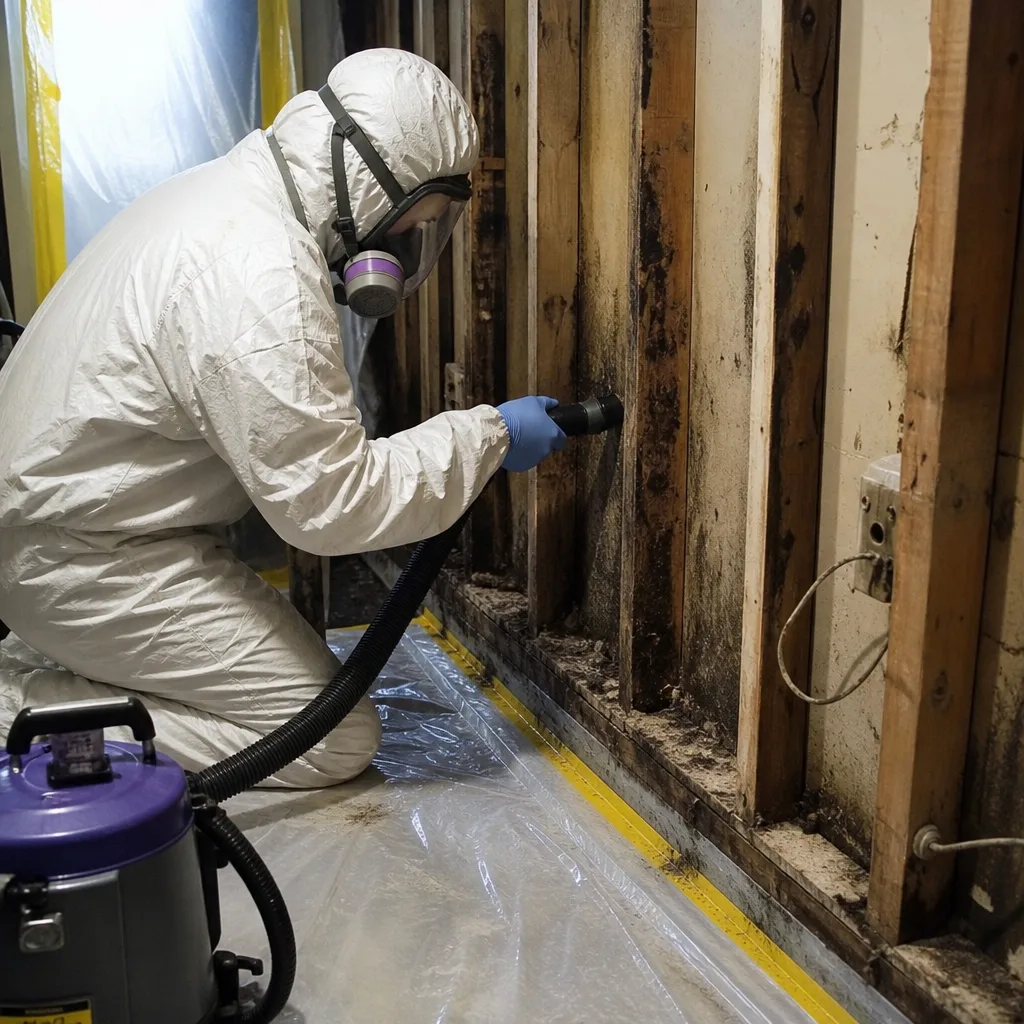
- Assuming floodwater is clean stormwater. Flushing Creek is tidal. Storm surge pushes raw sewage up through basement floor drains even during modest weather events. A crew that opens the drain expecting groundwater and finds blackwater must immediately reclassify the job, don full PPE, and reset containment. Delaying that pivot spreads contamination and voids standard homeowners coverage for improper handling.
- Drying only the flooded unit in attached rowhouses. The 1920s-1950s brick party walls in Flushing’s rowhouse stock wick moisture laterally through mortar joints and empty cavities. We’ve responded to dozens of jobs where Unit B showed mold seven to ten days after Unit A was signed off as dry. Moisture mapping must include both sides of every shared wall.
- Ignoring chronic sewer backflow. The combined sewer infrastructure under most of Flushing means the same floor drain that flooded last month will flood again. Remediating mold without addressing the backflow source, or at minimum documenting it for the homeowner’s plumber, guarantees a repeat job. We note active backflow in our written scope and photo record so there’s no dispute about pre-existing conditions.
- Closing out drying before party-wall cavities reach equilibrium. Our field protocol requires moisture readings at 24-inch intervals along shared walls, with documented proof that cavity insulation and framing are below 16% wood moisture content. In Flushing’s dense housing, skipping this step means mold in the neighbor’s unit becomes your liability.
Pricing for Mold Remediation in Flushing, NY
Here’s what mold remediation costs in Flushing’s market:
| Service | Typical Range |
|---|---|
| Mold inspection & testing | $350-$650 |
| Localized mold removal (single room, Category 1 water) | $1,200-$2,400 |
| Full basement remediation with Category 3 reclassification | $2,800-$4,500 |
| Black mold remediation with containment & air scrubbing | $3,200-$5,800 |
| Crawl space treatment with vapor barrier | $1,800-$3,200 |
| Moisture control system installation | $900-$2,100 |
Three factors push Flushing jobs toward the higher end: Category 3 blackwater reclassification requiring regulated waste disposal, shared-wall construction demanding dual-unit moisture mapping, and the density of finished basement spaces with built-in cabinetry and finishes that must be removed for access. Every Flushing job gets a written price before work begins, Haven Standard, Clause 1. Bring a competitor’s written estimate and we’ll review it free under our Free Second Opinion policy. Call (516) 687-6900 for an exact quote on your property.
We Also Serve Cities Near Flushing
Our crews work Flushing daily and rotate through College Point, Bayside, Jackson Heights, and Fresh Meadows on scheduled routes. Same documentation standards, same written-price-first protocol, same 365-Day Done Right Promise backed by The Haven Standard. If you’re in a bordering neighborhood and your basement’s taking on water, call (516) 687-6900-we’ll confirm dispatch time when you call.
Serving Flushing, NY - Our Local Coverage Area
We’re based in the Flushing area and know this community well. Use the map below to see our service coverage - if you’re nearby, we can almost certainly help.
FAQs - Mold Remediation in Flushing
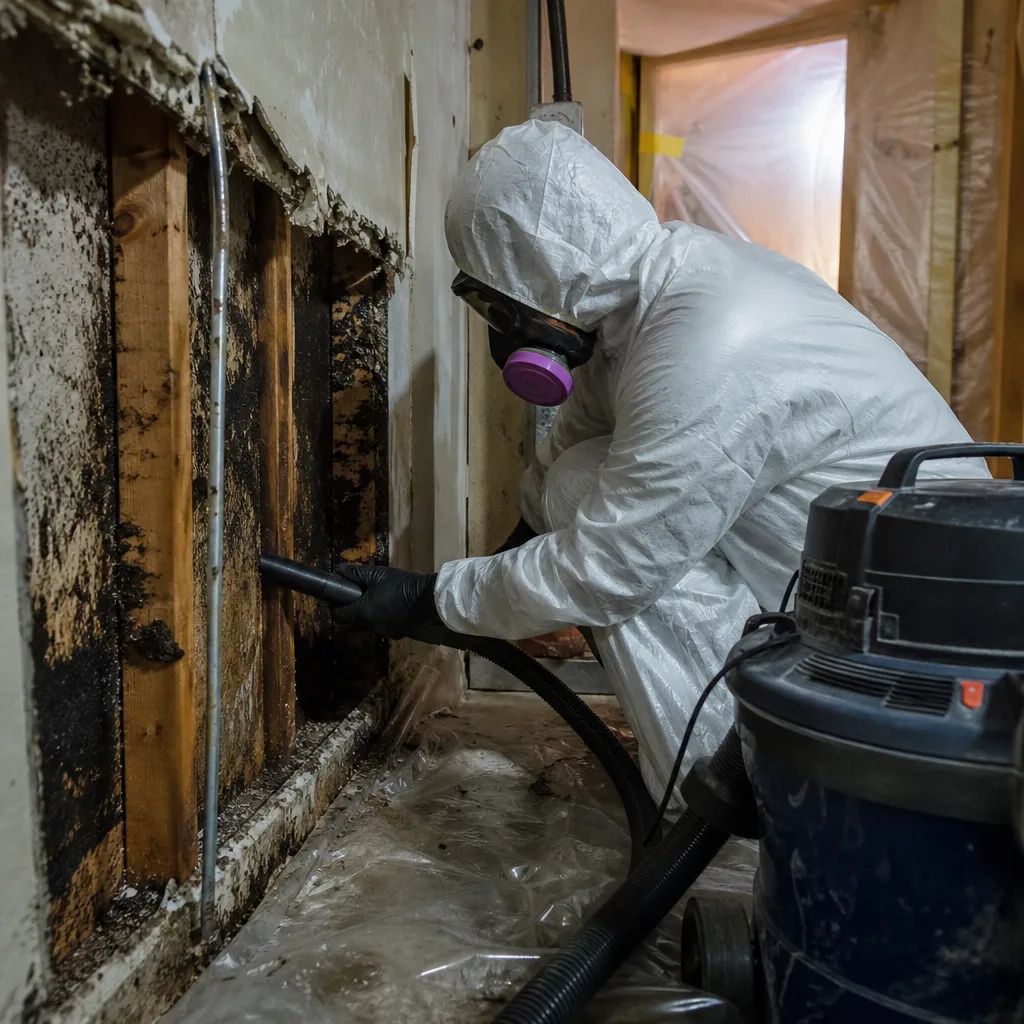
Because Flushing Creek is tidal, storm surge pushes combined sewer contents backward through the drainage system and up through basement floor drains. A crew opens the drain expecting groundwater and finds raw sewage actively flowing in. That reclassification changes everything: PPE level, waste disposal protocol, antimicrobial selection, and insurance documentation. We arrive prepared for this pivot because it happens routinely in Flushing’s low-lying basin. Call (516) 687-6900 and we’ll explain what your specific property’s drainage history suggests.
Brick party walls from the 1920s-1950s wick moisture laterally through mortar joints, unfilled collar joints, and any gaps where services pass through. Water moves by capillary action and vapor pressure differential, then mold colonies establish on the damp paper facing of drywall in the adjacent unit. We’ve documented mold growth in Unit B seven days after Unit A was extracted and signed off. That’s why our Flushing protocol requires moisture readings on both sides of every shared wall before we close any job. Call (516) 687-6900 if your neighbor recently flooded and you’re seeing musty odors or discoloration.
Yes. Mold germinates on wet cellulose materials within 24 to 48 hours at room temperature. In Flushing’s below-grade spaces, the masonry thermal mass keeps temperatures in the optimal range, and the high humidity from tidal groundwater limits natural evaporation. That mildew smell is microbial volatile organic compounds (MVOCs) from active growth. Extraction alone doesn’t stop the clock; structural drying with measured airflow and dehumidification does. Call (516) 687-6900 for emergency drying before the 48-hour window closes.
Prevention requires controlling the moisture source, not just the symptom. For chronic backflow, we document active sewer conditions in our photo record and written scope so your plumber has evidence for backwater valve installation. For groundwater intrusion, we specify permanent dehumidification sized to the space and provide written maintenance protocols. The Haven Standard 365-Day Done Right Promise covers our work: if mold returns in a treated area within one year due to a deficiency in our remediation, we return at no charge. Call (516) 687-6900 for a prevention assessment.
Yes. Visual dryness means nothing for cavity moisture. We’ve found saturated insulation and framing in apparently dry units, with mold colonies established behind intact drywall. Our Flushing protocol includes penetrating moisture meter readings at the base of shared walls and thermal imaging for temperature differentials indicating trapped water. Testing costs $350-$650 and provides documentation for your insurer if growth is found, or peace of mind if the wall is genuinely dry. Call (516) 687-6900 to schedule testing before you finish any repairs.
Ready to get started? Call (516) 687-6900 now. A live person will answer, gather your property details, and dispatch a crew to Flushing with a written price in hand before any work begins. Every job is documented with a photo record on every visit, covered by our 365-Day Done Right Promise under The Haven Standard, and backed by more than 12,000 restored homes since 2011.
Written by Alicia Brennan, Owner at Back to Dry Restoration, serving Flushing since 2011.