
Free visual inspection and a written scope of work before any mitigation begins - photos, moisture readings, and drying logs go in your claim file
The scope we write is the scope we bill. Anything new gets shown to you, in writing, before we touch it.
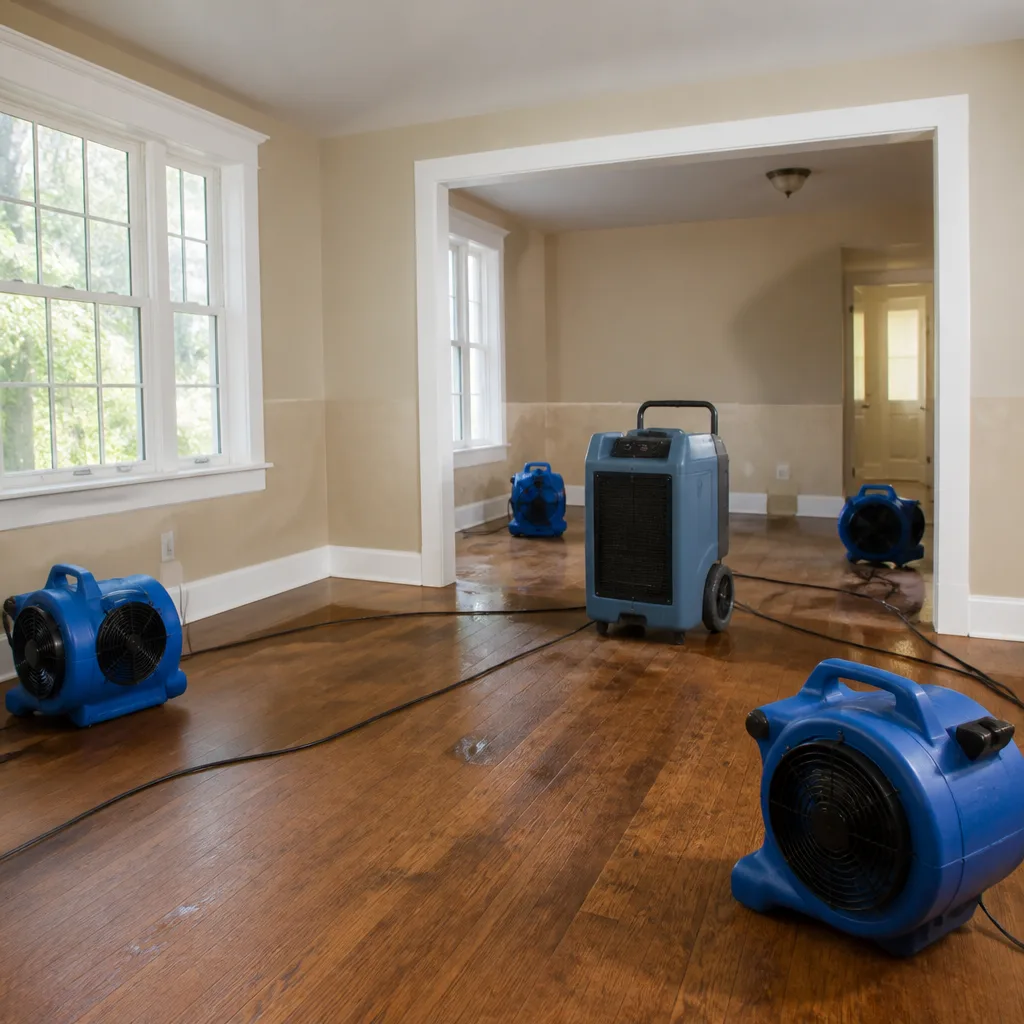
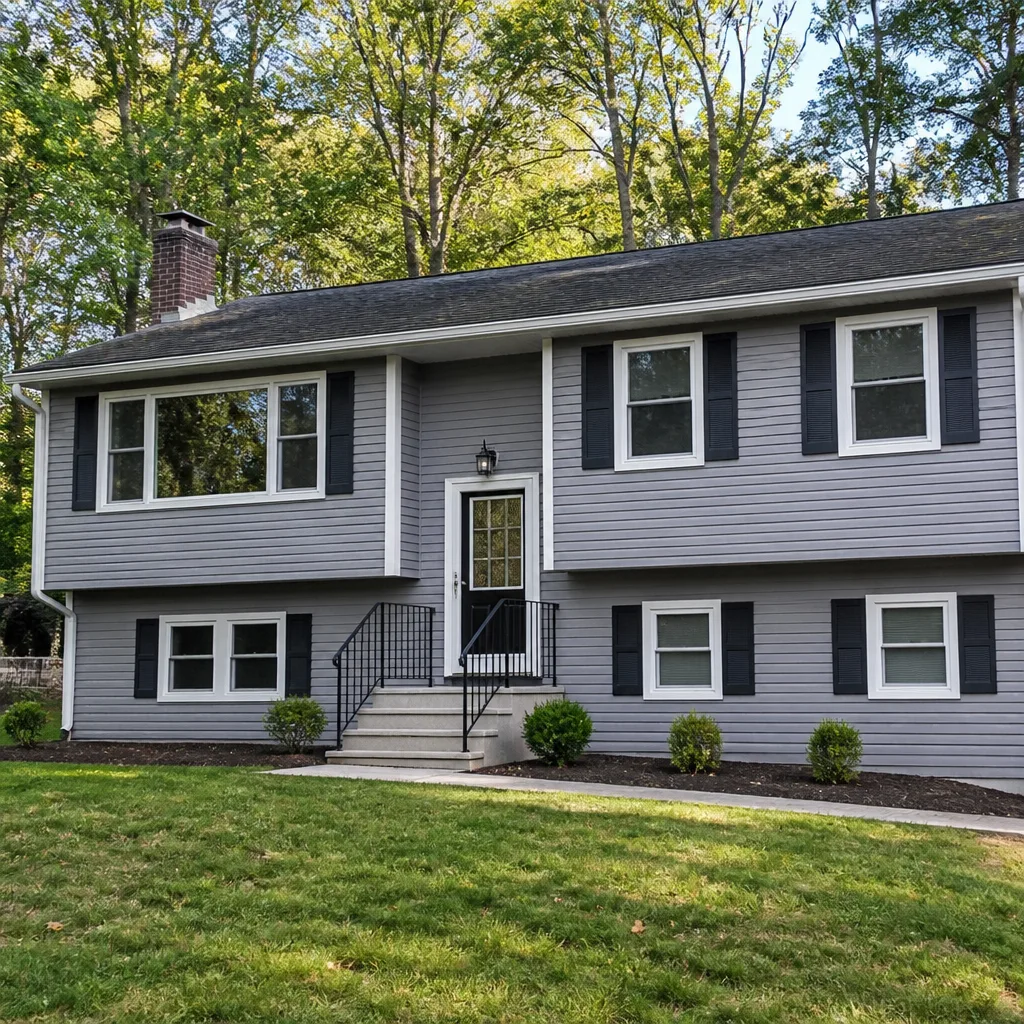
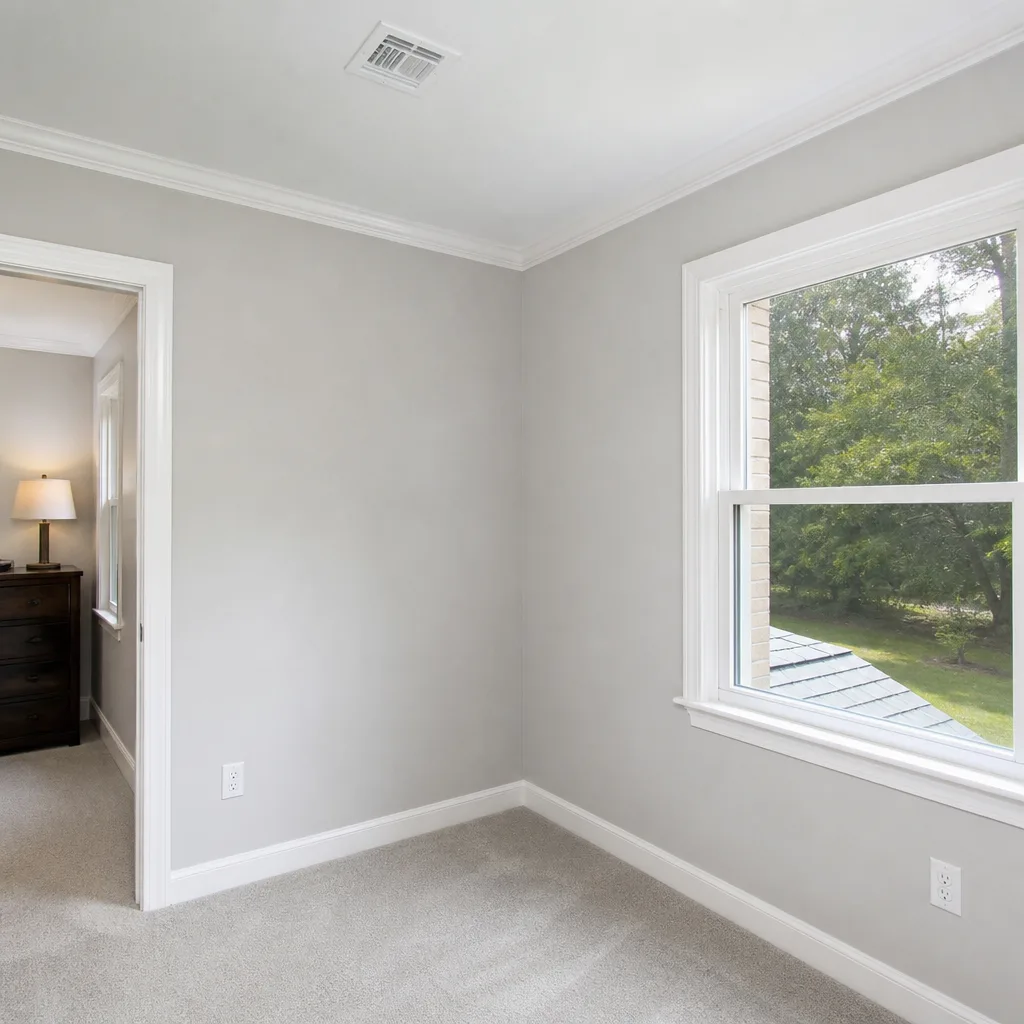
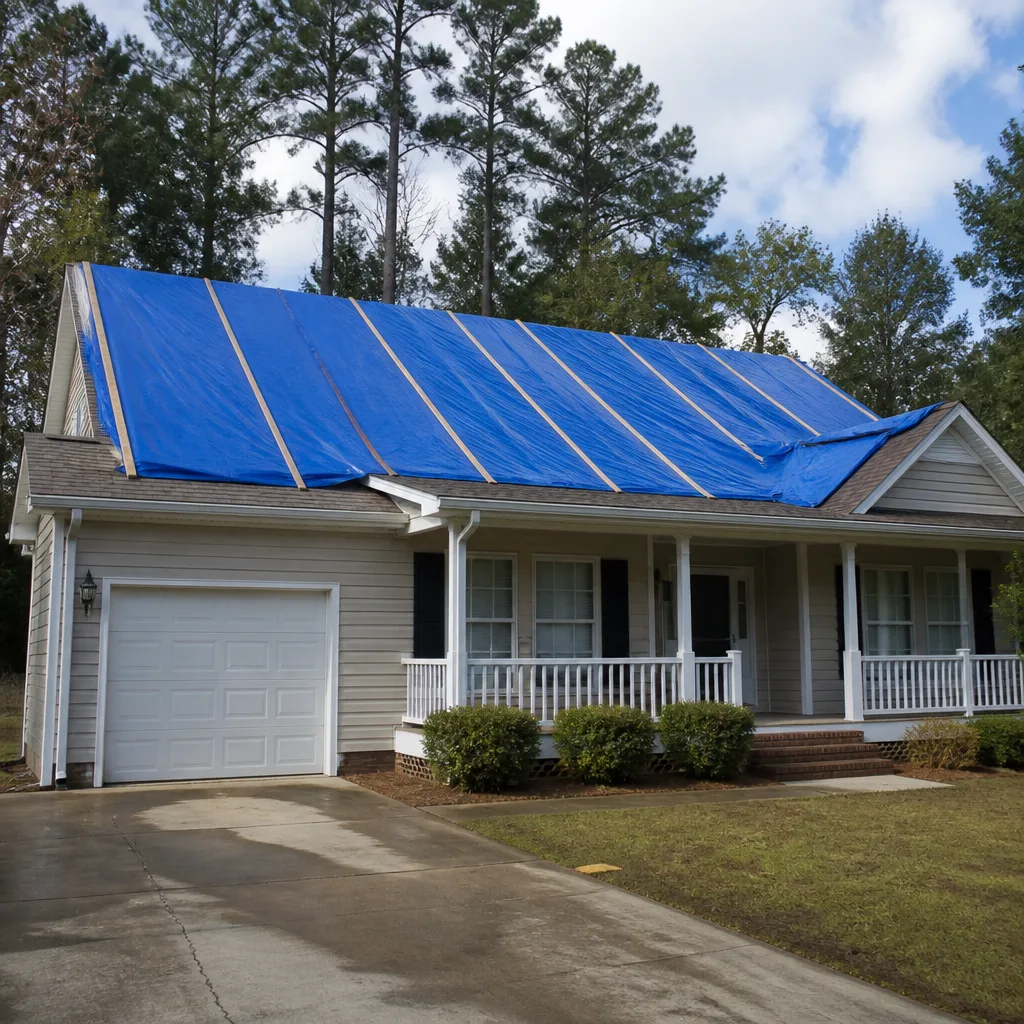
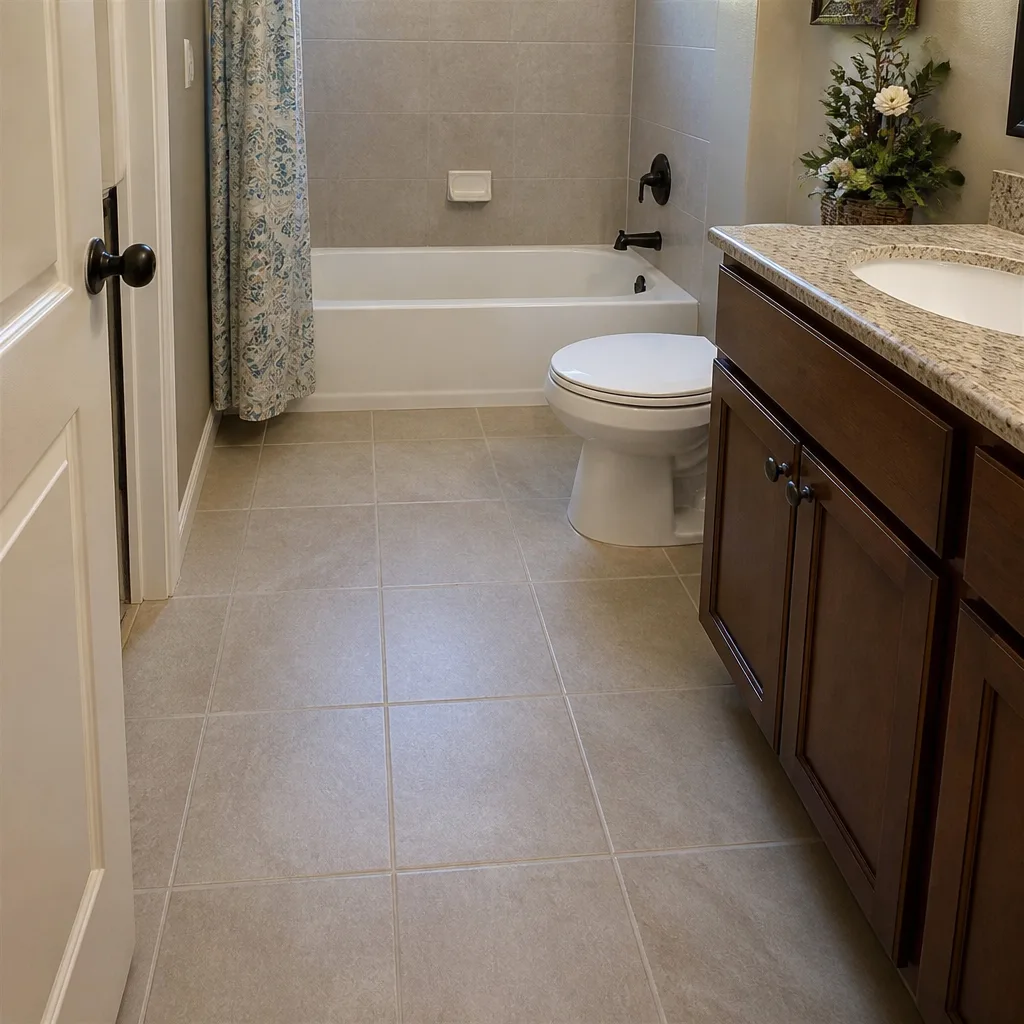
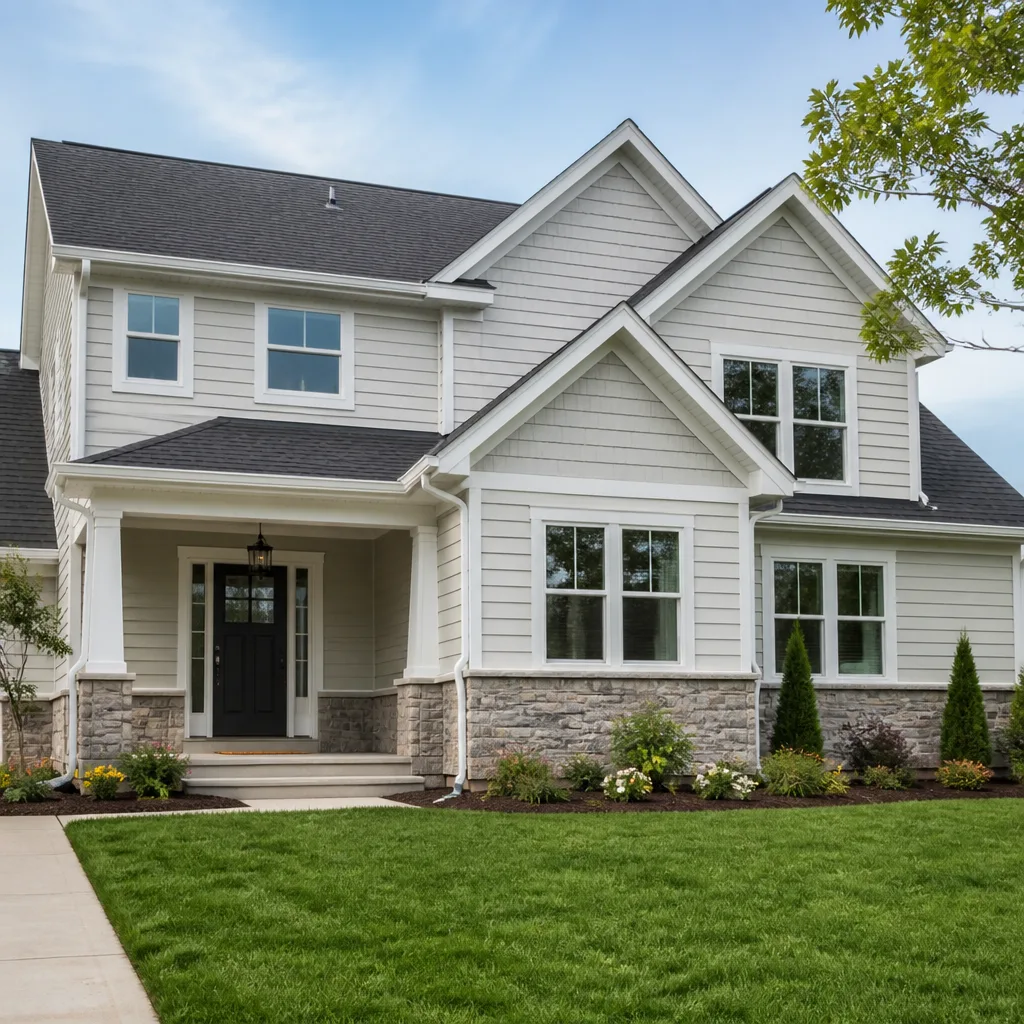
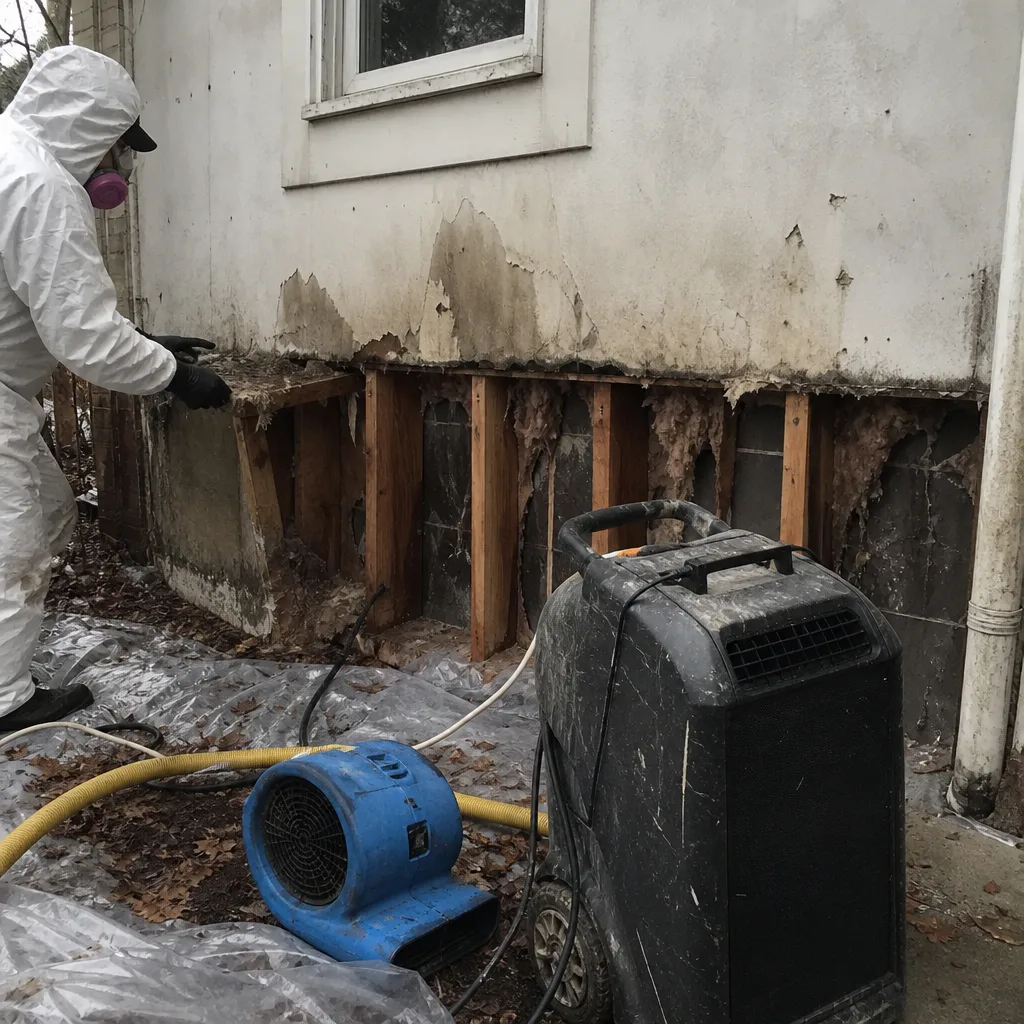 Before
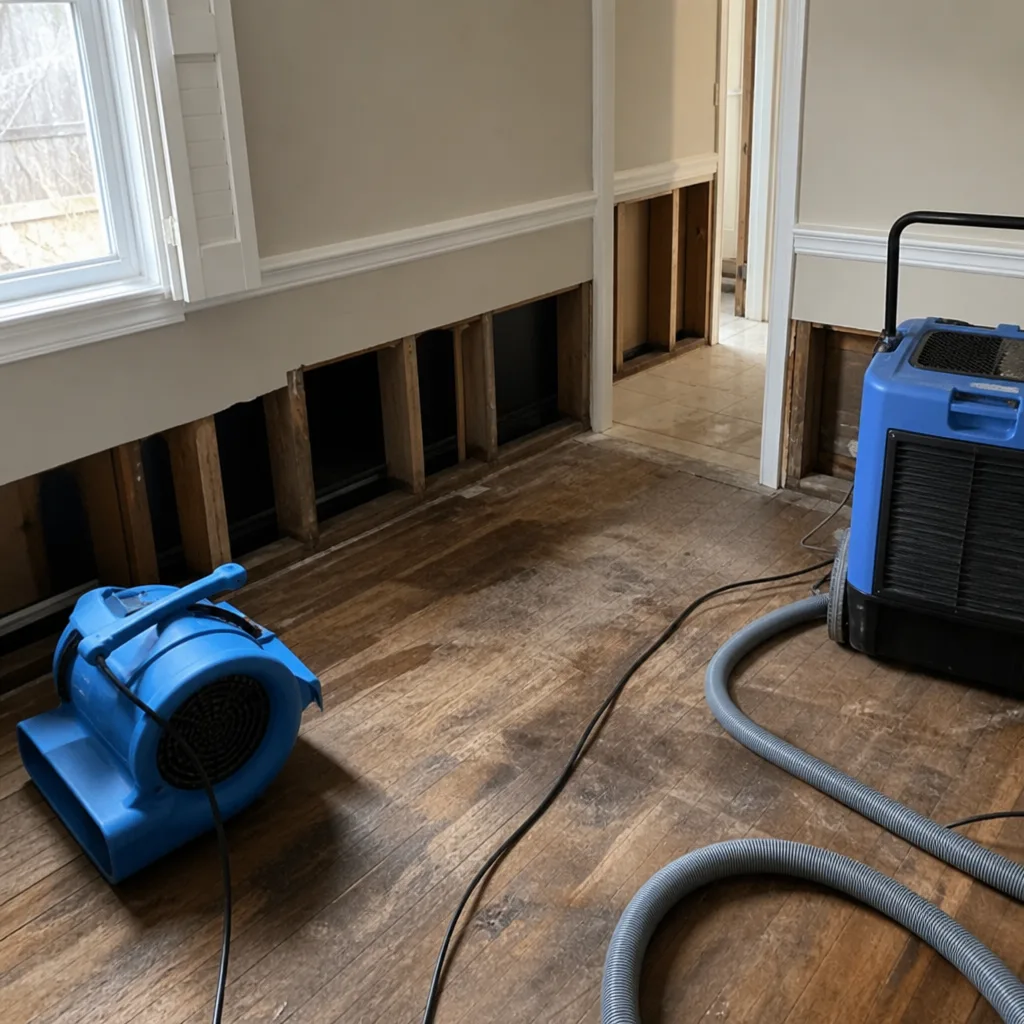 After
After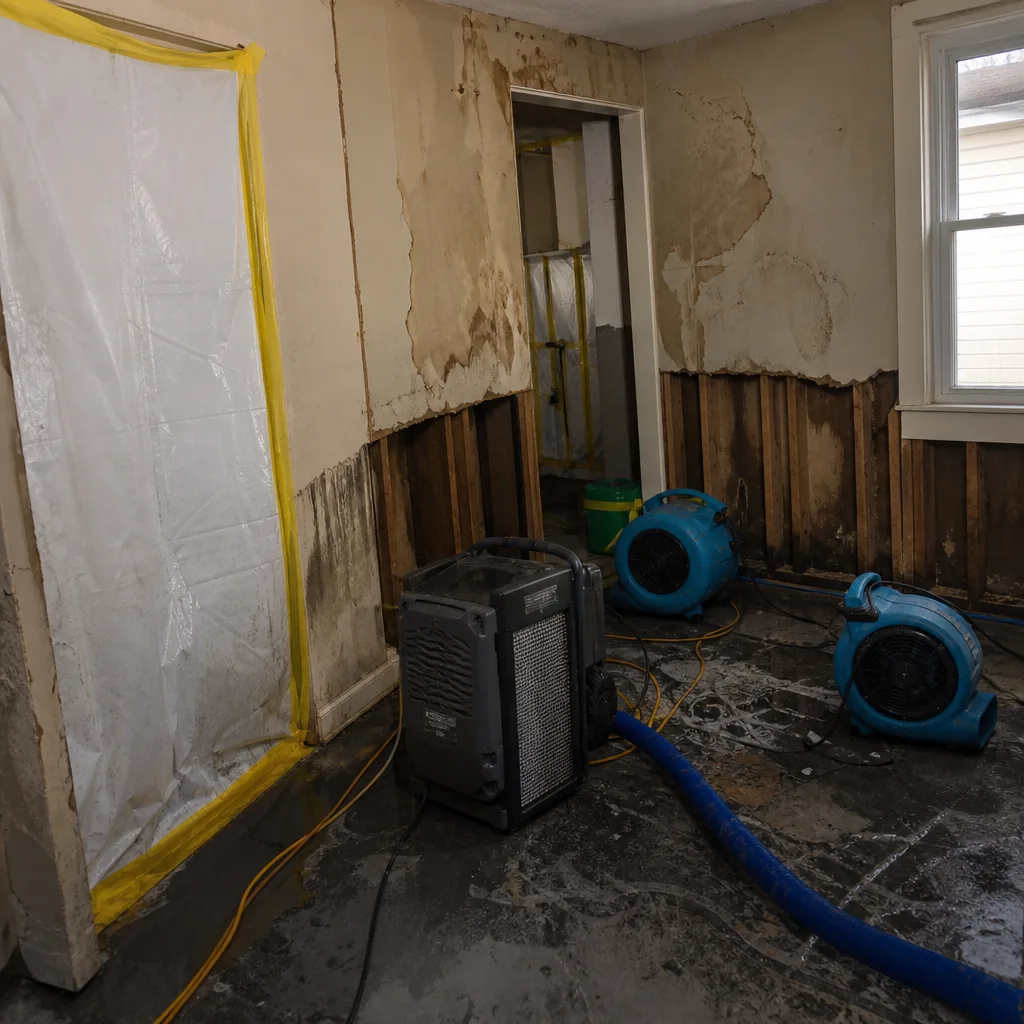 Before
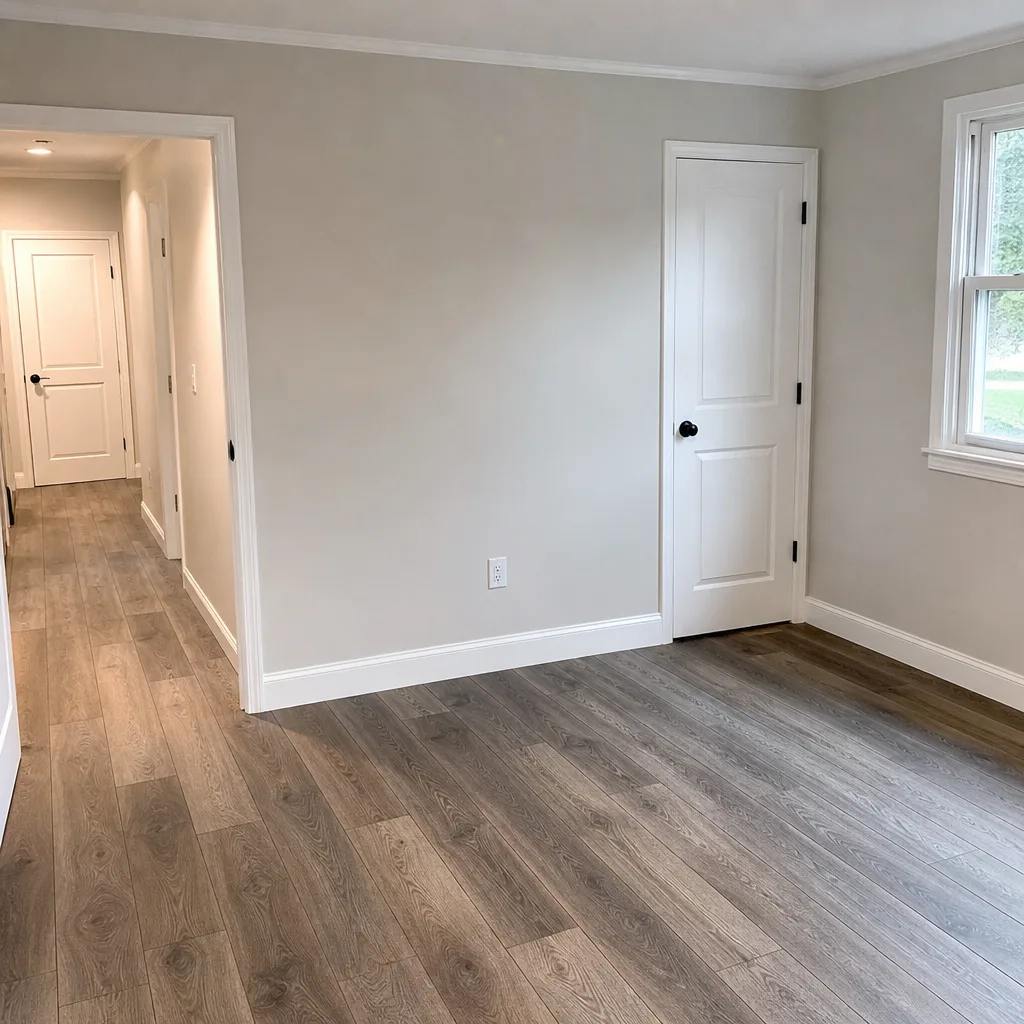 After
After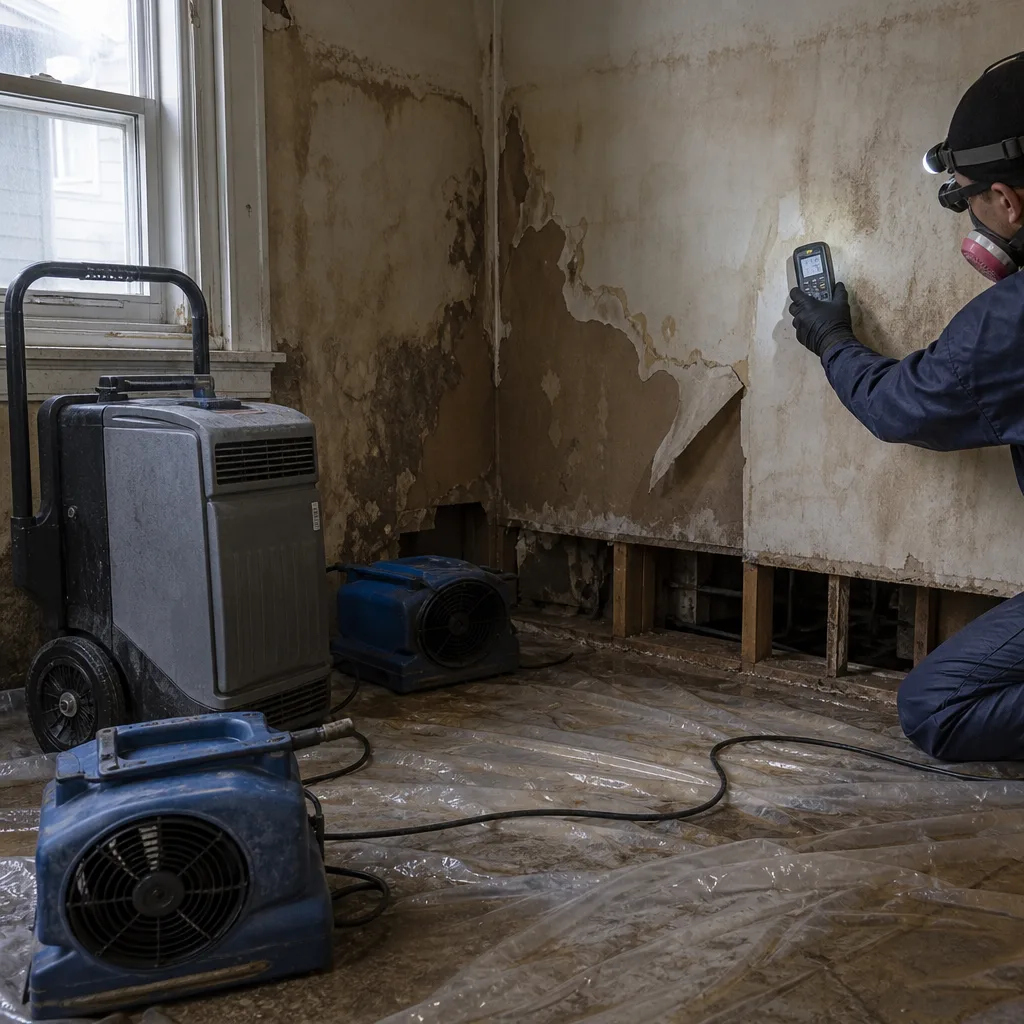 Before
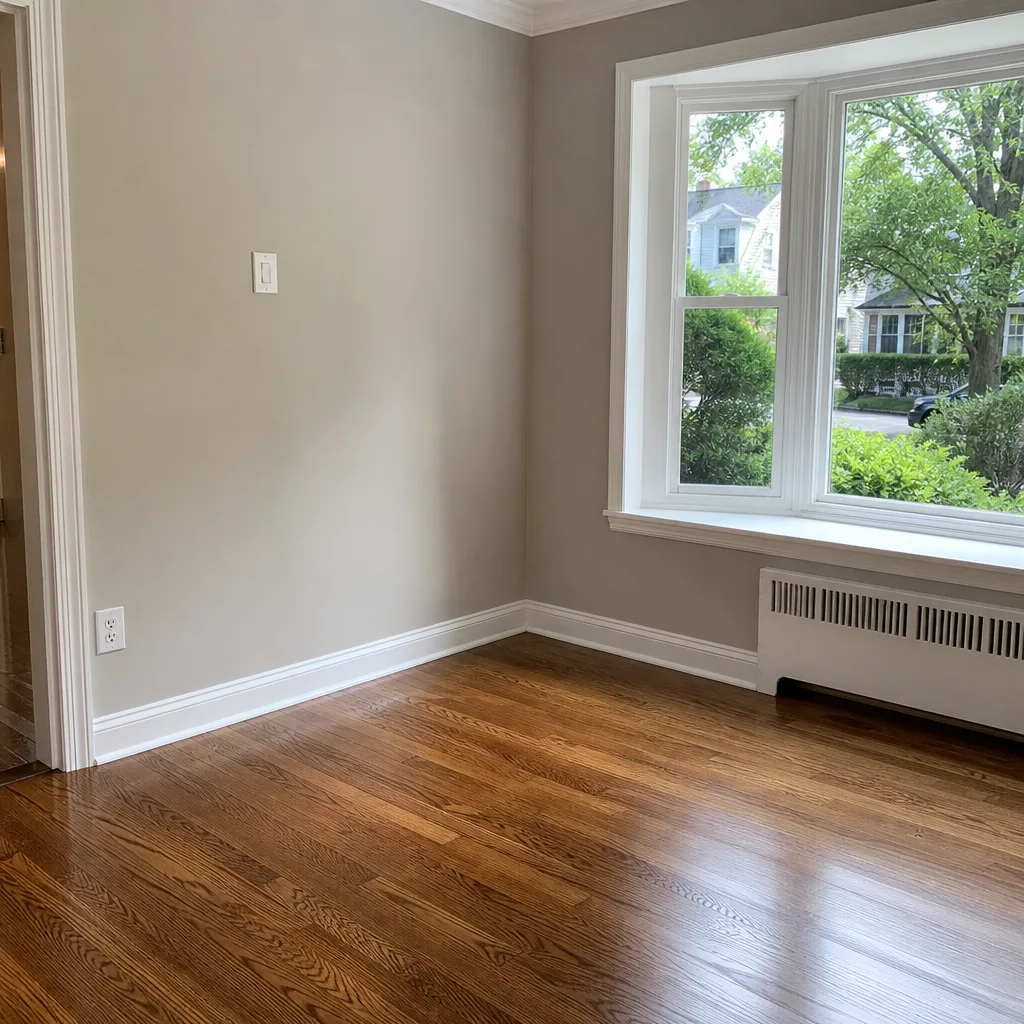 After
AfterStructural Drying & Dehumidification in Forest Hills, NY
Structural drying and dehumidification in Forest Hills typically costs between $1,800 and $4,500 depending on the square footage affected, the class of water loss, and the number of days required for professional equipment to stabilize the environment. When water penetrates walls, flooring, or subflooring, simply cleaning the surface is insufficient; you must remove the moisture trapped within the structure to prevent secondary damage like mold growth and structural decay. At DryMark Restoration Forest Hills, we specialize in this technical phase of Water Damage Restoration in Forest Hills, using industrial-grade equipment to return your home to a pre-loss condition.
We operate under the Haven Standard, which means we do not guess at moisture levels. We use psychrometric data-measuring the relationship between air temperature, humidity, and moisture content-to document exactly when your home is dry. If you are dealing with a leak, flood, or sewage backup, our Water Damage Restoration team is ready to help-call us at (516) 687-6900. We provide a written price before any work begins, ensuring you understand exactly what you are paying for before a single piece of equipment is plugged in.
When You Need Structural Drying & Dehumidification
You need professional structural drying when moisture has moved beyond the surface and into the building materials. In Forest Hills homes, which often feature older construction with plaster walls or hardwood floors, this happens faster than most homeowners realize. You should contact our Water Damage Restoration Near Me in Forest Hills, NY team for an assessment if you notice the following:
- Visible Buckling or Cupping: If your hardwood floors in your Forest Hills living room are starting to rise or cup at the edges, moisture has already penetrated the subfloor. This requires immediate targeted drying to prevent permanent warping.
- Musty Odors After a Leak: A persistent, damp smell in a basement or crawlspace indicates that moisture is trapped in the drywall or insulation. Odors are often the first sign that organic material is beginning to break down.
- Condensation on Interior Walls: If you see water beads forming on the inside of exterior walls, the humidity level in that room is too high. This often happens when a pipe burst has saturated the insulation behind the drywall.
- Discolored Drywall or Paint: Yellow or brown rings on your ceiling or walls are clear indicators of water saturation. By the time you see the stain, the structural members behind the wall are likely saturated.
- High Humidity Readings: If you use a hygrometer and find indoor humidity levels consistently above 55% after a water event, your structure is actively holding moisture that will lead to mold if not removed by specialized dehumidifiers.
Structural drying is not just about moving air; it is about vapor pressure differentials. We use specialized equipment from brands like Phoenix and Injectidry to force dry air into the materials, pulling trapped moisture out. This is a technical process that requires documented moisture readings. Without this documentation, you risk an incomplete claim with your insurance provider. We provide that documentation on every visit.
Our Structural Drying & Dehumidification Process
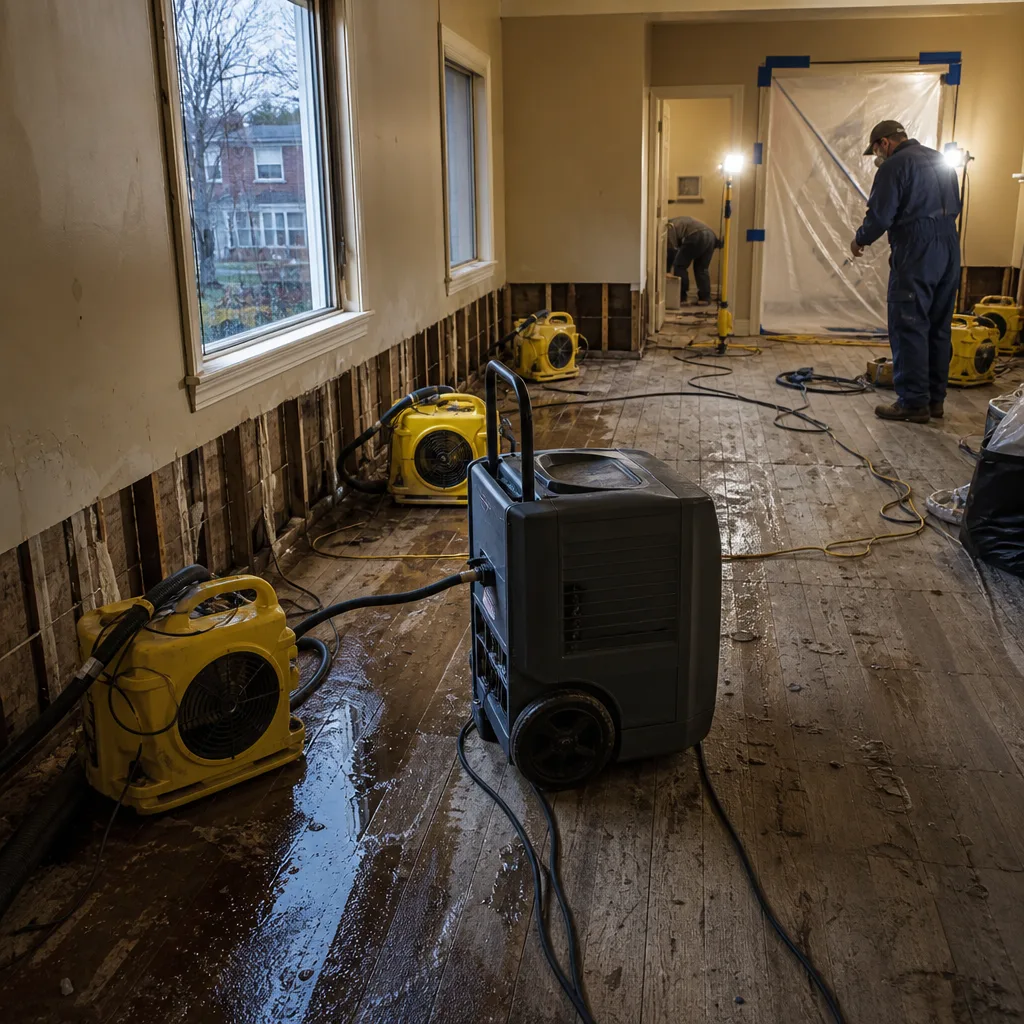
At DryMark Restoration Forest Hills, we follow a rigorous, documented process for every job. We do not use guesswork. Every step is designed to meet IICRC, RIA, and IFA standards, ensuring your home is dried properly the first time.
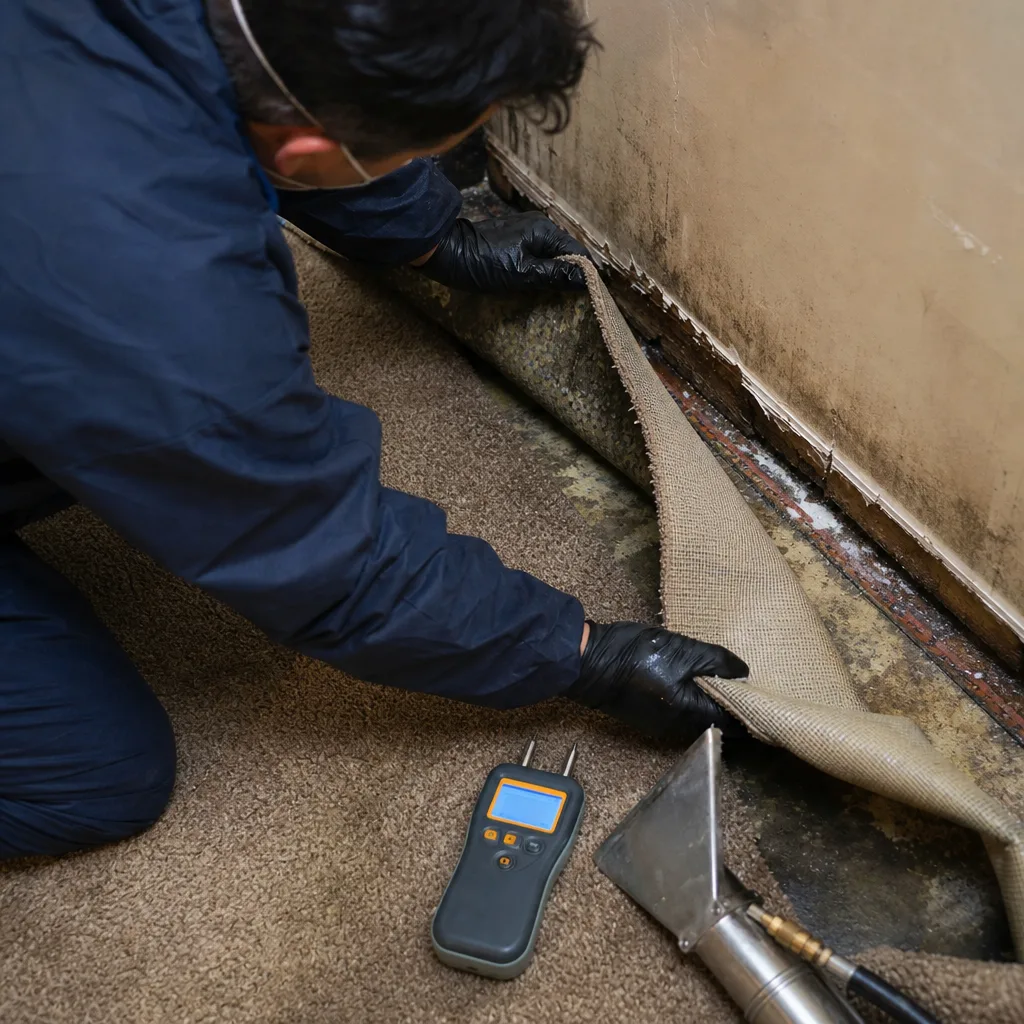
- Initial Assessment and Moisture Mapping: We arrive and use moisture meters to map the exact extent of the water intrusion. We document the moisture content of affected materials versus unaffected materials to establish a drying goal.
- Water Extraction: Before drying begins, we remove all standing water. For deep-seated water, we use specialized extraction tools that pull water from carpet padding and hardwood floors, reducing the total evaporation load.
- Equipment Setup: Based on the room size and material type, we deploy professional-grade dehumidifiers and air movers. We use equipment like Phoenix dehumidifiers to pull moisture out of the air, while XPOWER air movers accelerate the evaporation rate.
- Daily Monitoring and Drying Logs: We return daily to check moisture readings. We record these in a drying log, which tracks the progress of the structure. If a material is not drying as expected, we adjust the equipment configuration immediately.
- Final Verification: Once moisture readings return to the pre-loss baseline, we remove our equipment. We provide you with a final report showing the moisture levels before and after, which serves as proof that the structure is dry.
This process is covered by our 365-Day Done Right Promise. If we determine an area is dry, we stand by that assessment for a full year. If issues arise related to our work, we make it right. That is the Haven Standard in action.
BeforeAfterStructural Drying & Dehumidification Pricing in Forest Hills
Because every water loss is different, we provide a written price before any work begins, per the Haven Standard, Clause 1. We do not provide estimates over the phone because an accurate scope requires an on-site evaluation of the affected materials. However, to help you understand the market in Forest Hills, we have provided typical ranges-see How Much Does Water Damage Restoration Cost? (2026 Price Guide) - Forest Hills, NY-for our services below.
| Service Component | Typical Cost Range |
|---|---|
| Initial Inspection & Moisture Mapping | $250 – $450 |
| Equipment Setup (Dehumidifiers/Air Movers) | $600 – $1,200 per day |
| Daily Monitoring & Log Documentation | $150 – $300 per visit |
| Full Structural Drying (3-5 day cycle) | $1,800 – $4,500 |
These numbers are estimates based on standard residential square footage. Large-scale flooding in basements-learn more about our Basement Water Removal services-or multi-room losses will naturally sit at the higher end of the spectrum. We offer a Free Second Opinion on any competitor’s written estimate. If you have been given a quote by another company, bring it to us. We will review it, explain the scope, and ensure you are not being overcharged for unnecessary work. Call (516) 687-6900 to discuss your situation.
FAQs - Structural Drying & Dehumidification
How long does the drying process usually take in a home?
Most structural drying projects in Forest Hills take between three and five days, provided the source of the water is stopped and the extraction is thorough. Factors such as the porosity of the materials-for example, hardwood floors take longer to dry than tile-and the ambient humidity levels will dictate the exact timeline we document in your daily drying log.
Can I just use a fan and a dehumidifier from the hardware store?
Standard retail dehumidifiers and fans do not have the grain depression capacity or the cubic-feet-per-minute (CFM) rating required to dry a structure to industry standards. Using household equipment often results in “surface drying,” where the top layer of material feels dry while the structural members underneath remain wet, eventually leading to mold growth. Professional-grade equipment from brands like B-Air is necessary to move enough air to pull moisture out of wall cavities and subflooring.
What happens if you find mold during the drying process?
If we identify mold growth during our initial assessment or while drying, we stop and discuss the remediation plan with you immediately. Because we are a full-service restoration firm, we can transition seamlessly into mold remediation if necessary, ensuring the area is safely cleaned and disinfected before we complete the structural drying process. Call (516) 687-6900 to speak with us about any concerns regarding your property.
Do I need to leave my home while the equipment is running?
You generally do not need to move out, but the drying equipment is loud and produces warm, dry air, which can make living spaces uncomfortable. We position our equipment to minimize disruption to your daily life, but you should expect significant noise while our air movers and dehumidifiers are running. We will work with you to maintain access to essential areas of your home throughout the process.
Written by Alicia Brennan, Owner at DryMark Restoration Forest Hills, serving Forest Hills.