
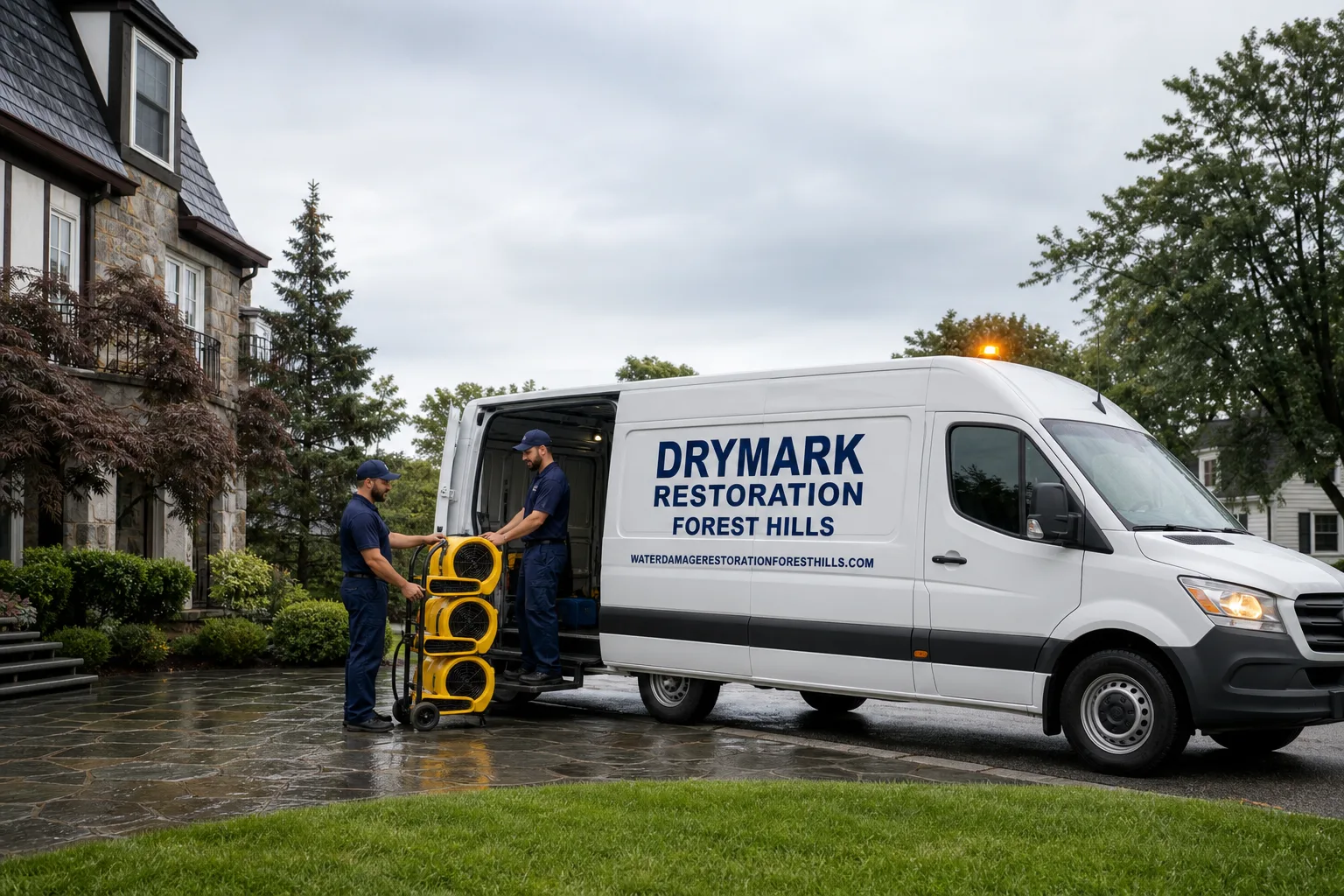
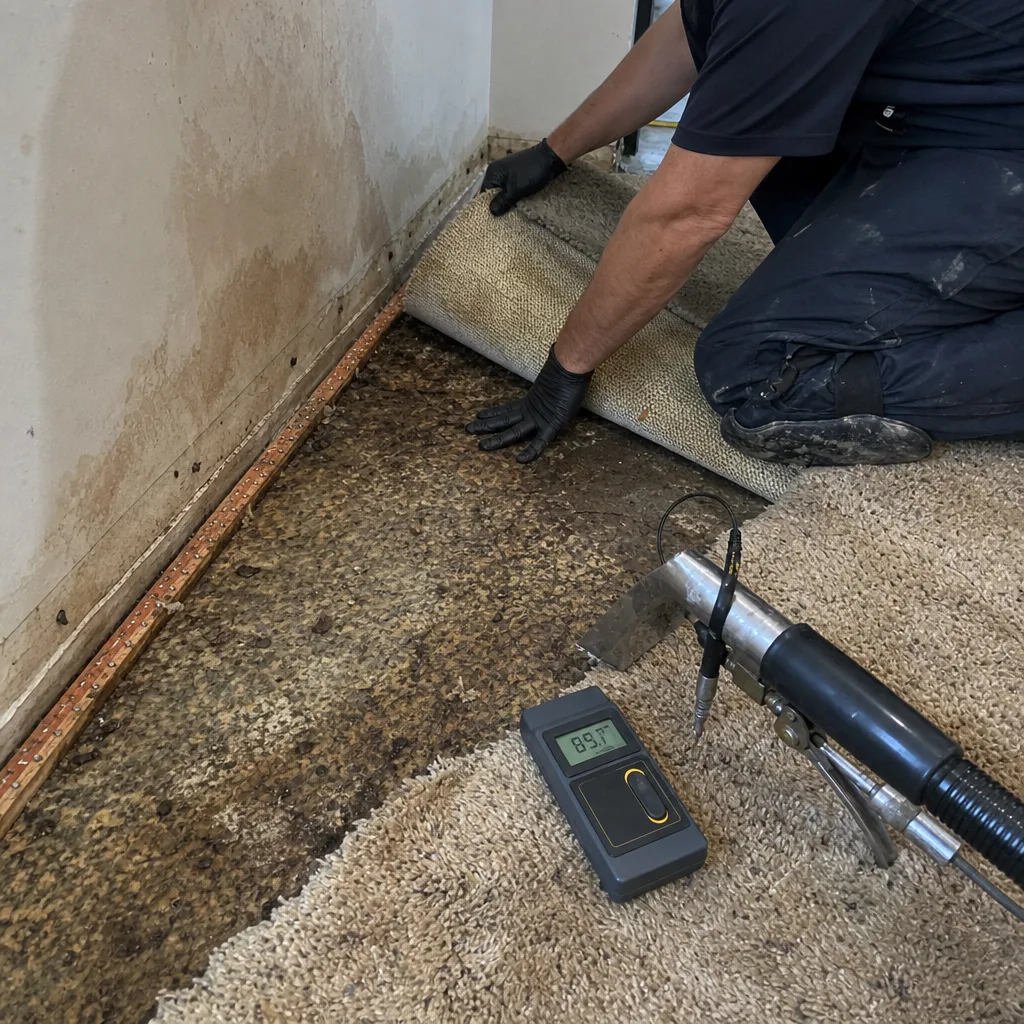
Free visual inspection and a written scope of work before any mitigation begins - photos, moisture readings, and drying logs go in your claim file
The scope we write is the scope we bill. Anything new gets shown to you, in writing, before we touch it.
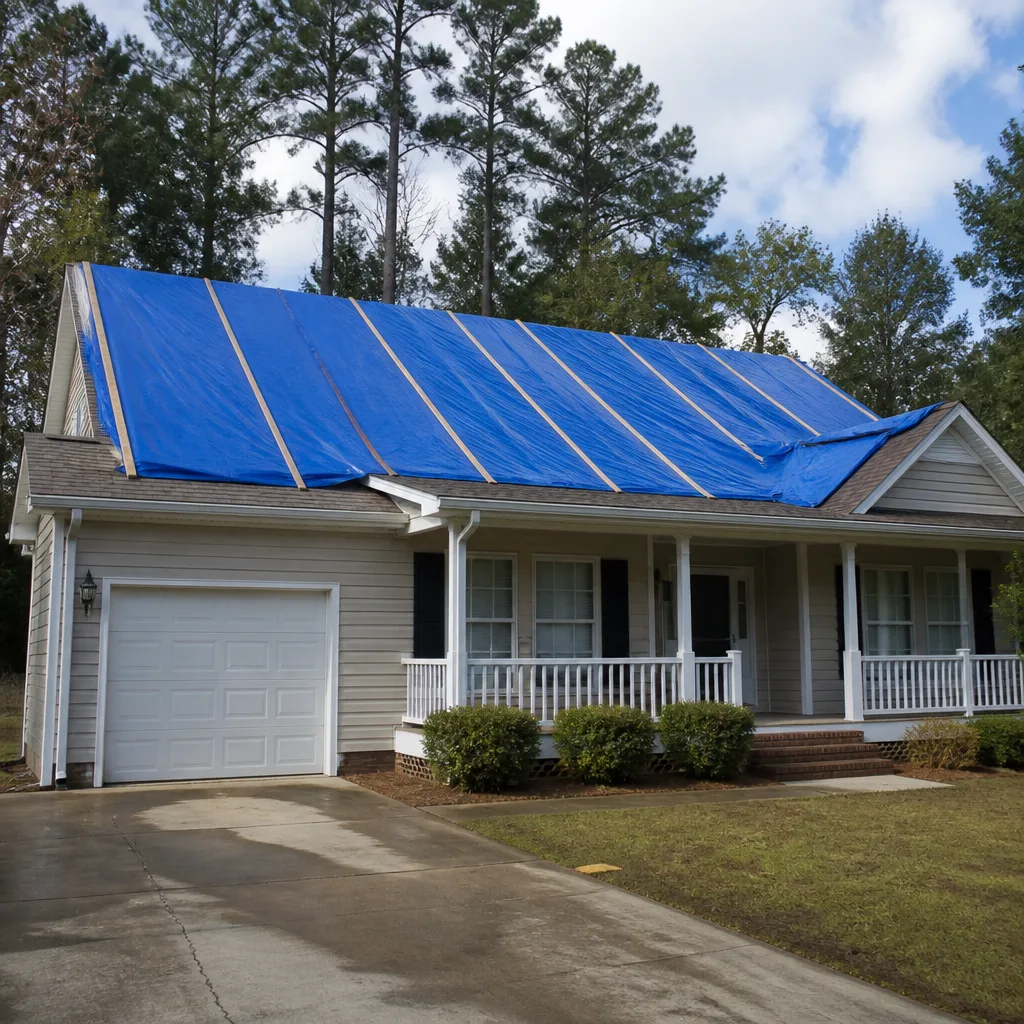
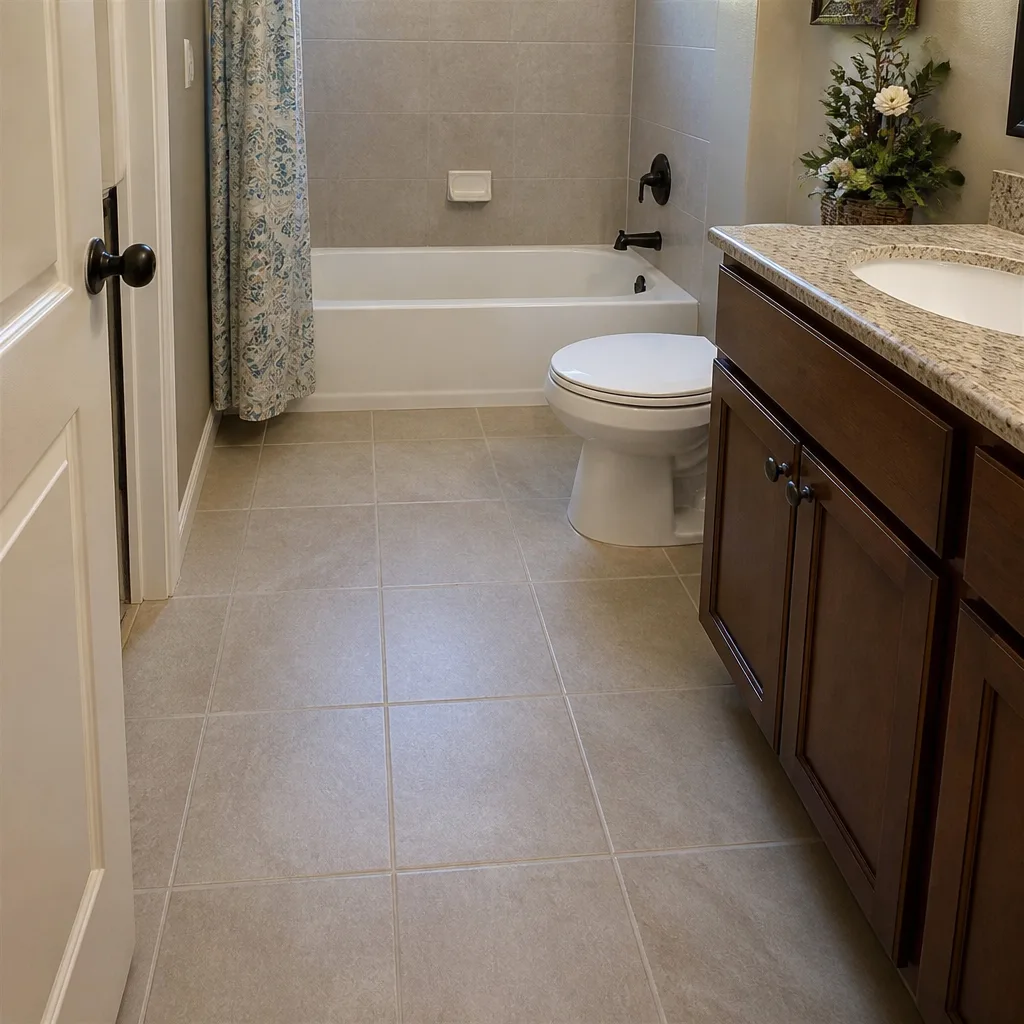
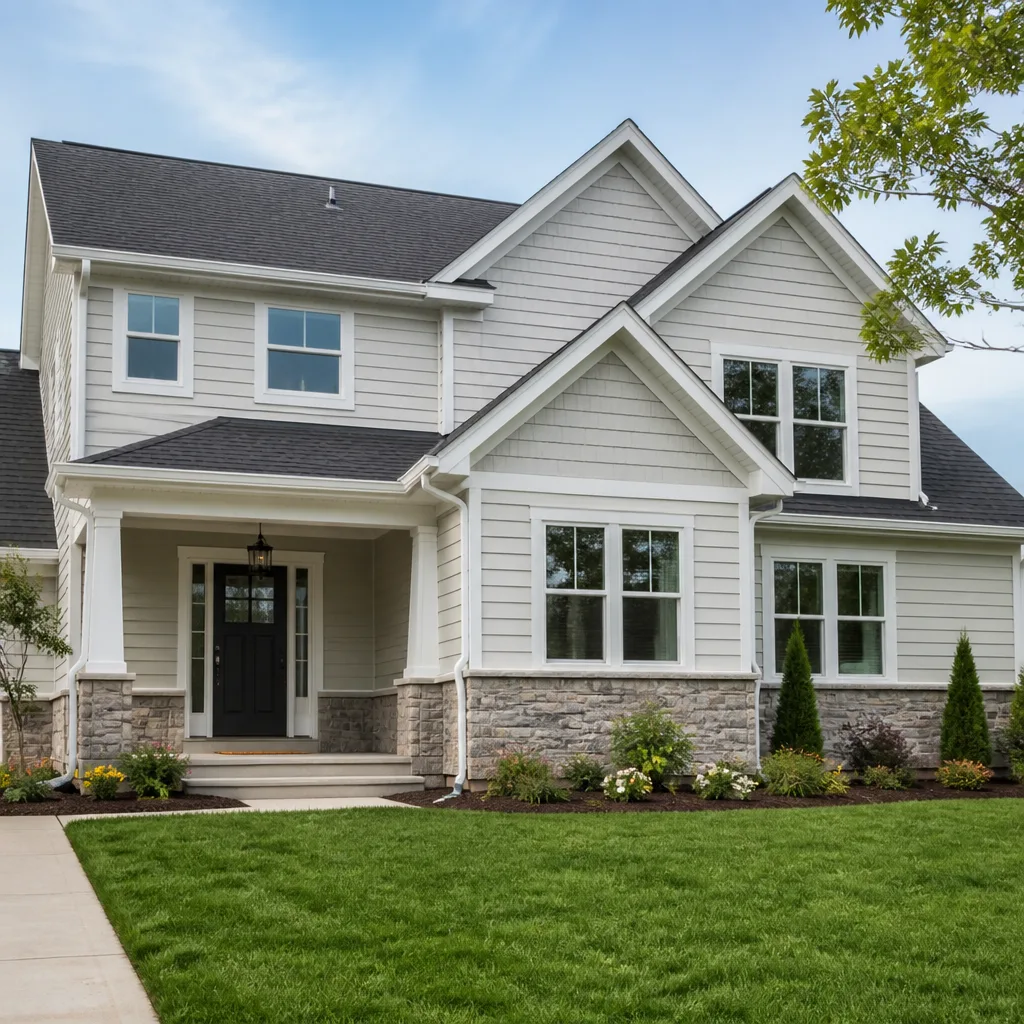
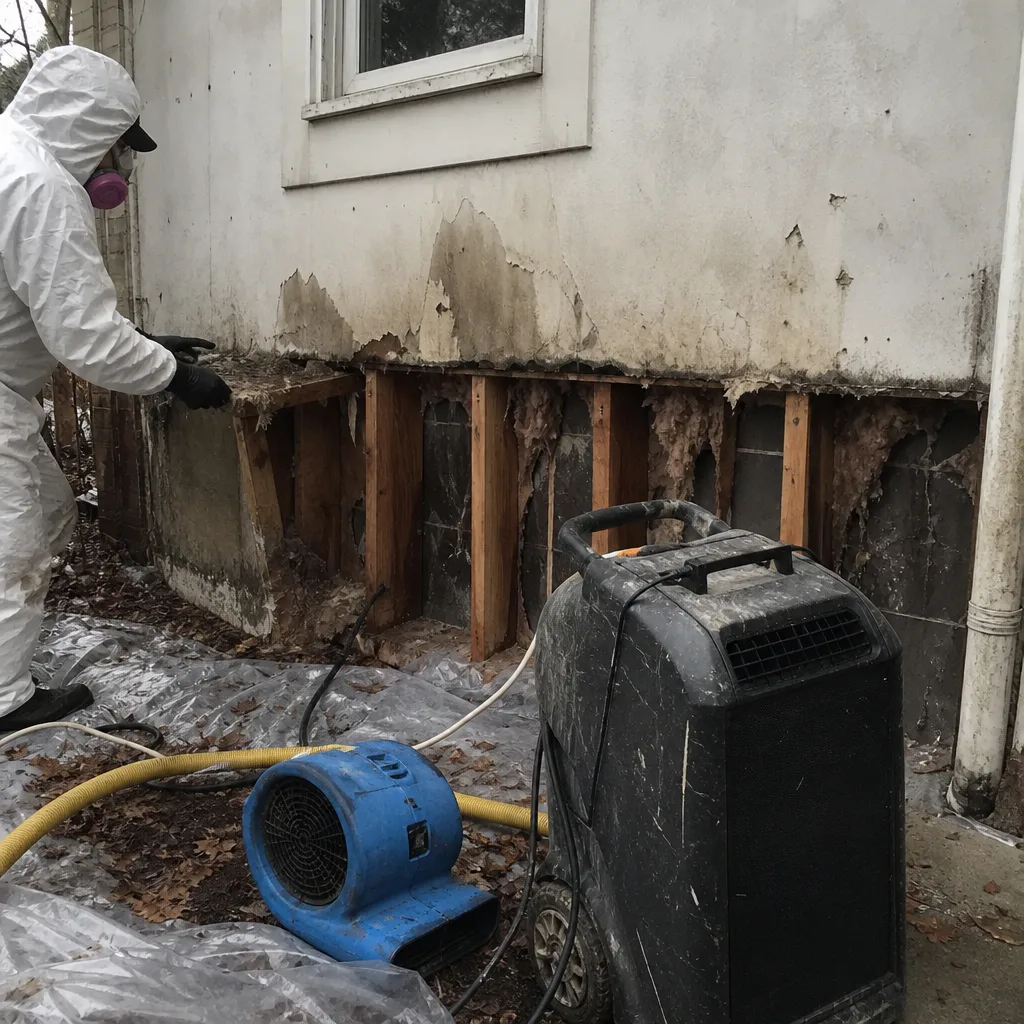 Before
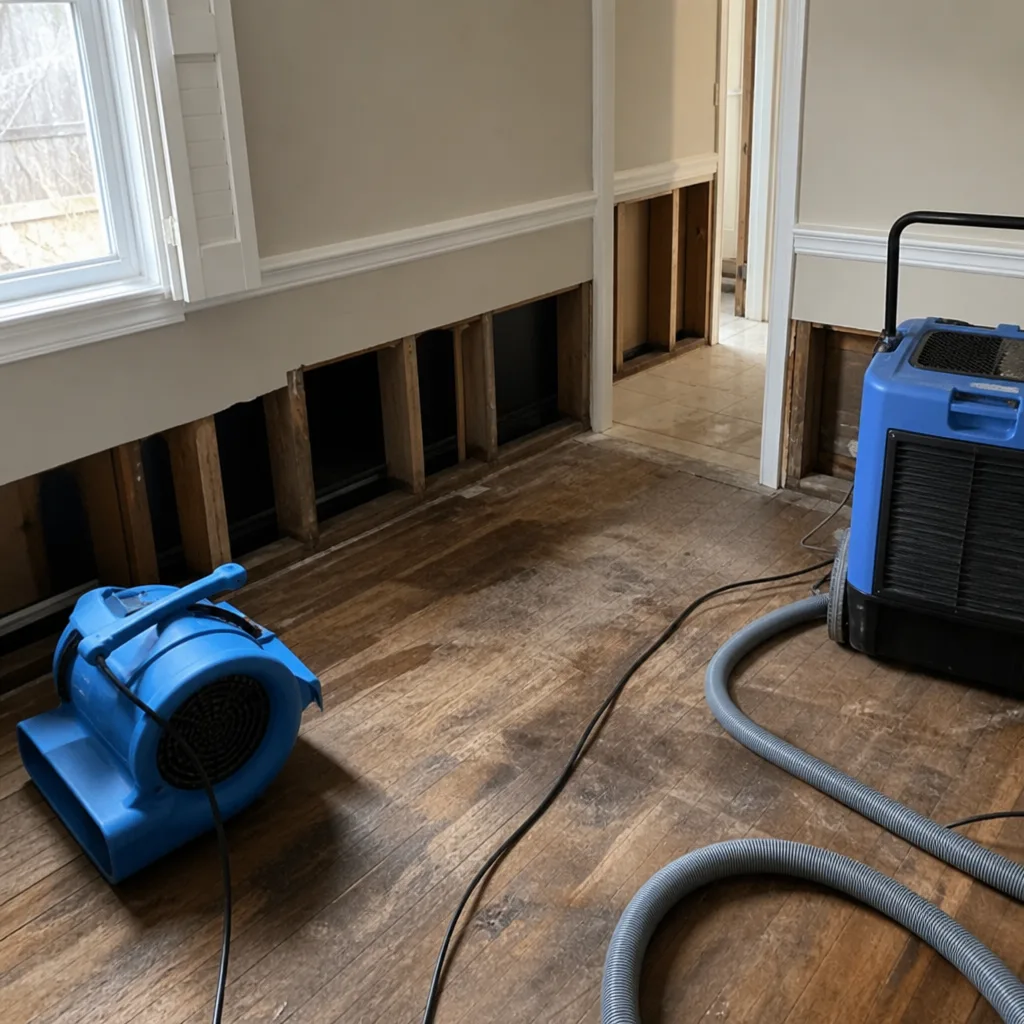 After
After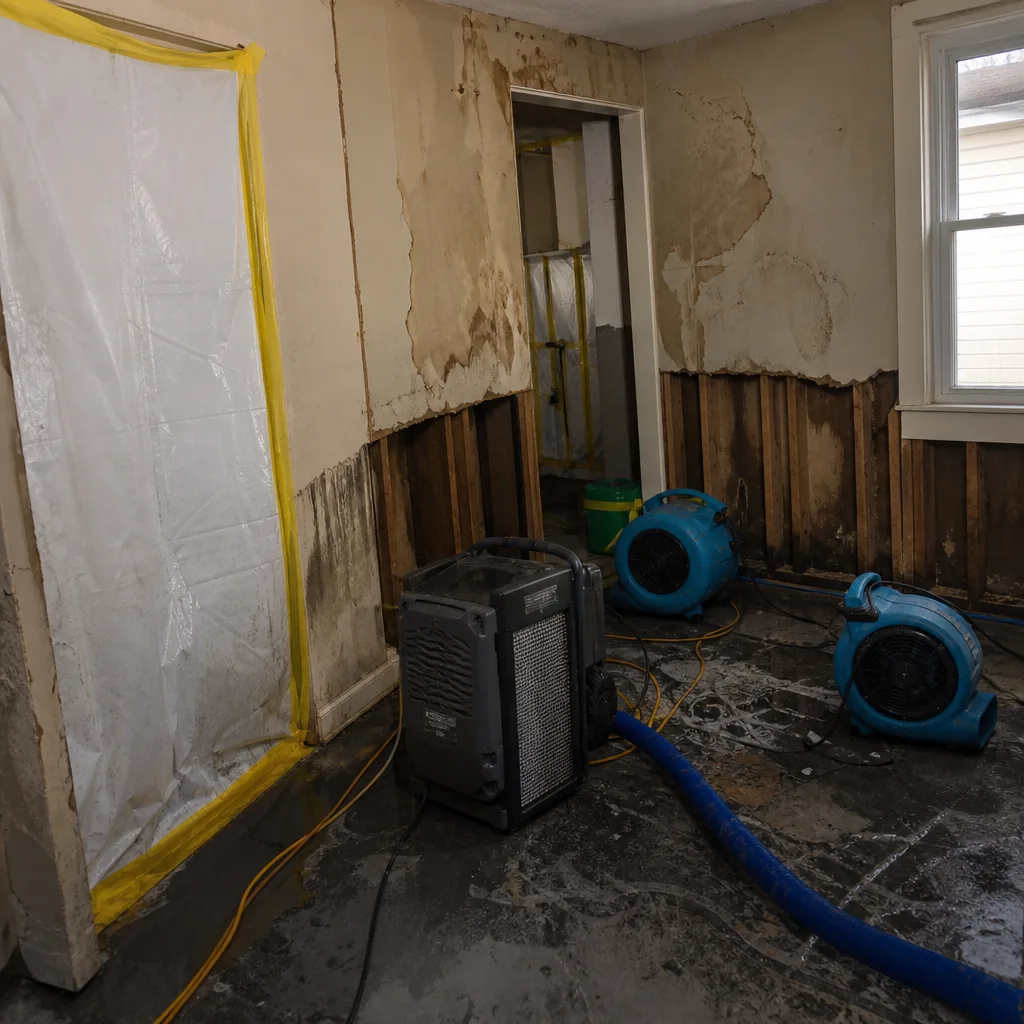 Before
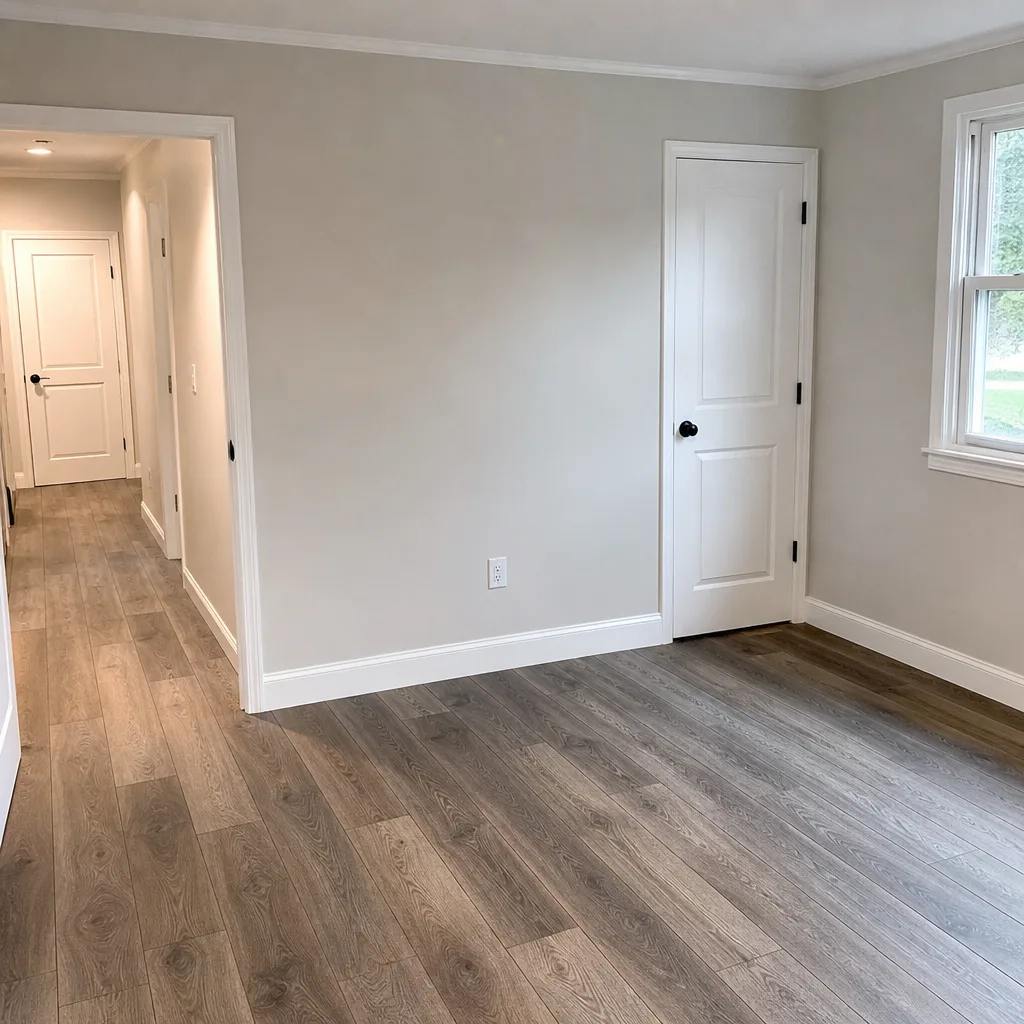 After
After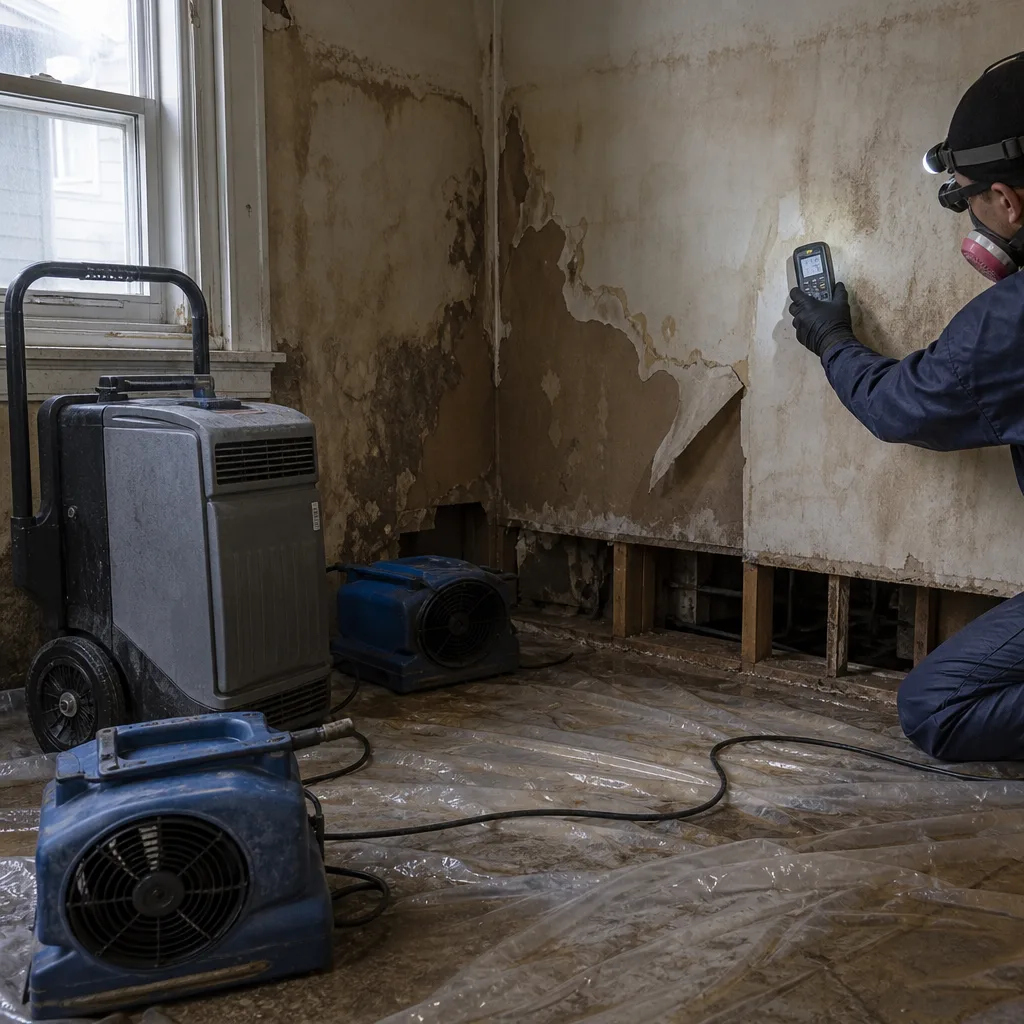 Before
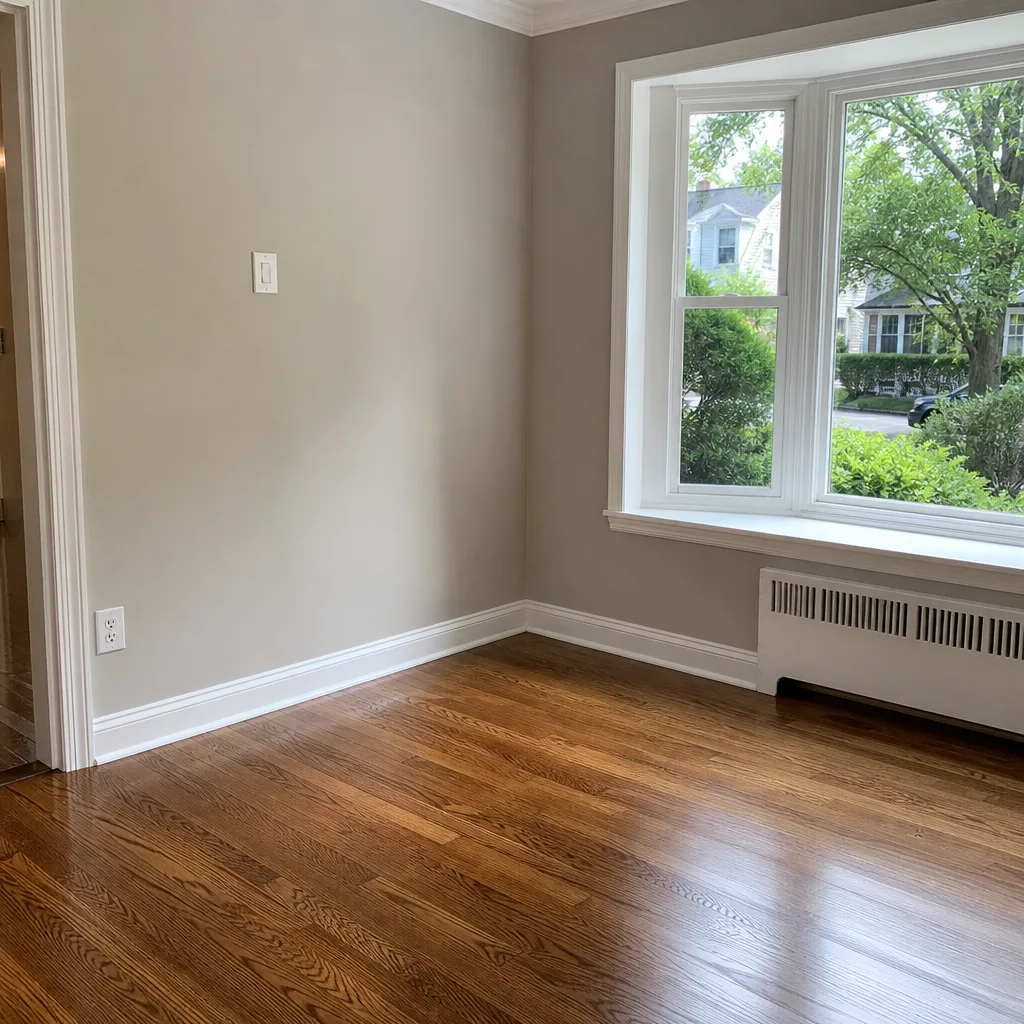 After
AfterFast, Reliable Water Damage Restoration Across Woodside
Water damage restoration in Woodside, NY typically runs $2,800-$6,500 for a standard basement flood in a two-family rowhouse, with emergency water extraction available within 60-90 minutes of your call. Our crews are already working in Queens daily, and we understand the specific challenges of Woodside’s attached brick housing stock - party-wall construction, combined-sewer backups, and basement apartments that flood fast and dry slow. Call (516) 687-6900; a live person answers every time, 24 hours a day.
We’ve restored water-damaged homes on 61st Street, near Roosevelt Avenue, and throughout the blocks between Northern Boulevard and the Brooklyn-Queens Expressway. Woodside’s 1920s-1940s brick two-families aren’t like detached suburban homes. Water moves through party walls, shared foundations, and aging combined-sewer lines. You need a crew that knows what to look for before opening a wall and finding your neighbor’s wet insulation.
Why DryMark Restoration Forest Hills Is Woodside’s Preferred Water Damage Restoration Company
Woodside homeowners call us back because we document everything. Alicia Brennan built Back to Dry Restoration in 2011 after years as a claims adjuster watching homeowners lose coverage disputes over missing photos and verbal estimates. We don’t operate that way. Haven Standard, Clause 1: a written price before any work starts, every time, with no scope-creep additions once the crew is inside your Woodside home.
Our response time to Woodside averages under 90 minutes for emergency calls. Dispatch and scheduling are coordinated from our New York City office, but crews serve Woodside locally and carry the neighborhood’s common building profiles in their job folders. We’ve handled Category 3 sewage backups from Queens’ combined sewer system, freeze-thaw roof leaks at spalled brick parapets, and the lateral water migration that turns one owner’s burst pipe into two owners’ restoration claims.
We bring photo-documented assessments, direct insurance adjuster coordination, and daily drying logs that satisfy even the most detailed claim review. Our 365-Day Done Right Promise, backed by The Haven Standard, is a signed guarantee - not a marketing line. And if you’ve already got a competitor’s written estimate, we’ll review it free under our Free Second Opinion policy.
Our Water Damage Restoration Services in Woodside
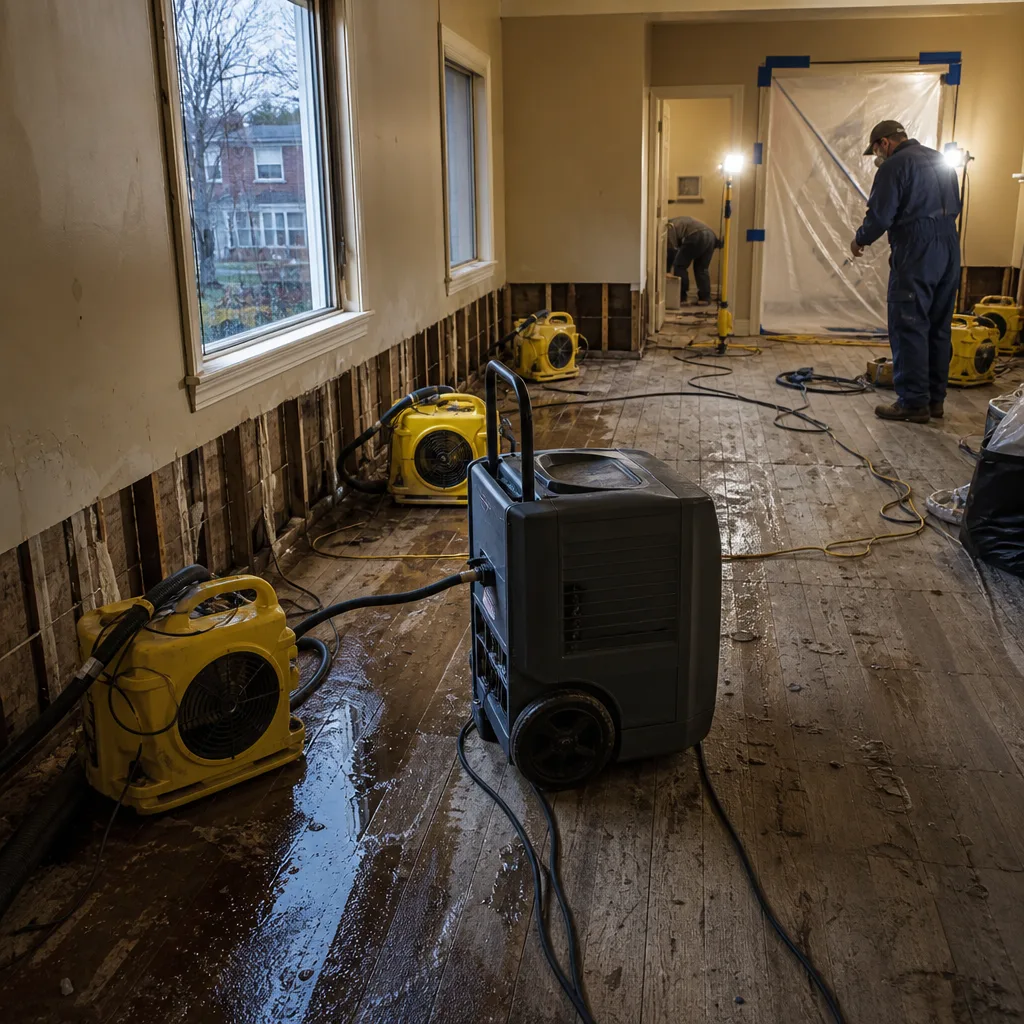
Emergency Water Extraction
When a combined-sewer backup pushes black water through your basement floor drain on a rainy night in Woodside, speed matters - but so does containment. We extract standing water with truck-mounted and portable systems, then immediately classify the loss. In Woodside, basement floods from floor drains are almost always Category 3 due to sewage contamination, which changes the protocol entirely: affected porous materials must be removed, surfaces must be decontaminated, and antimicrobial treatment must be documented before structural drying begins.
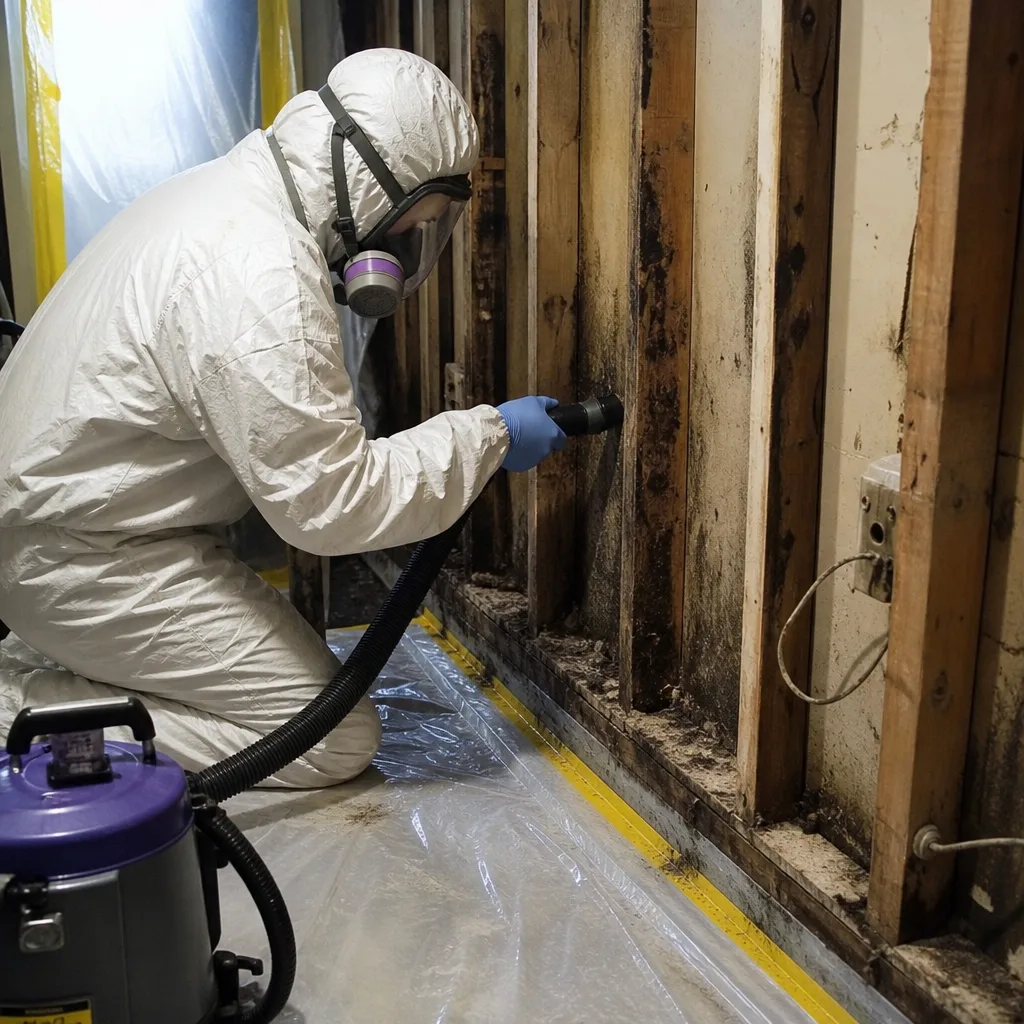
Structural Drying & Dehumidification
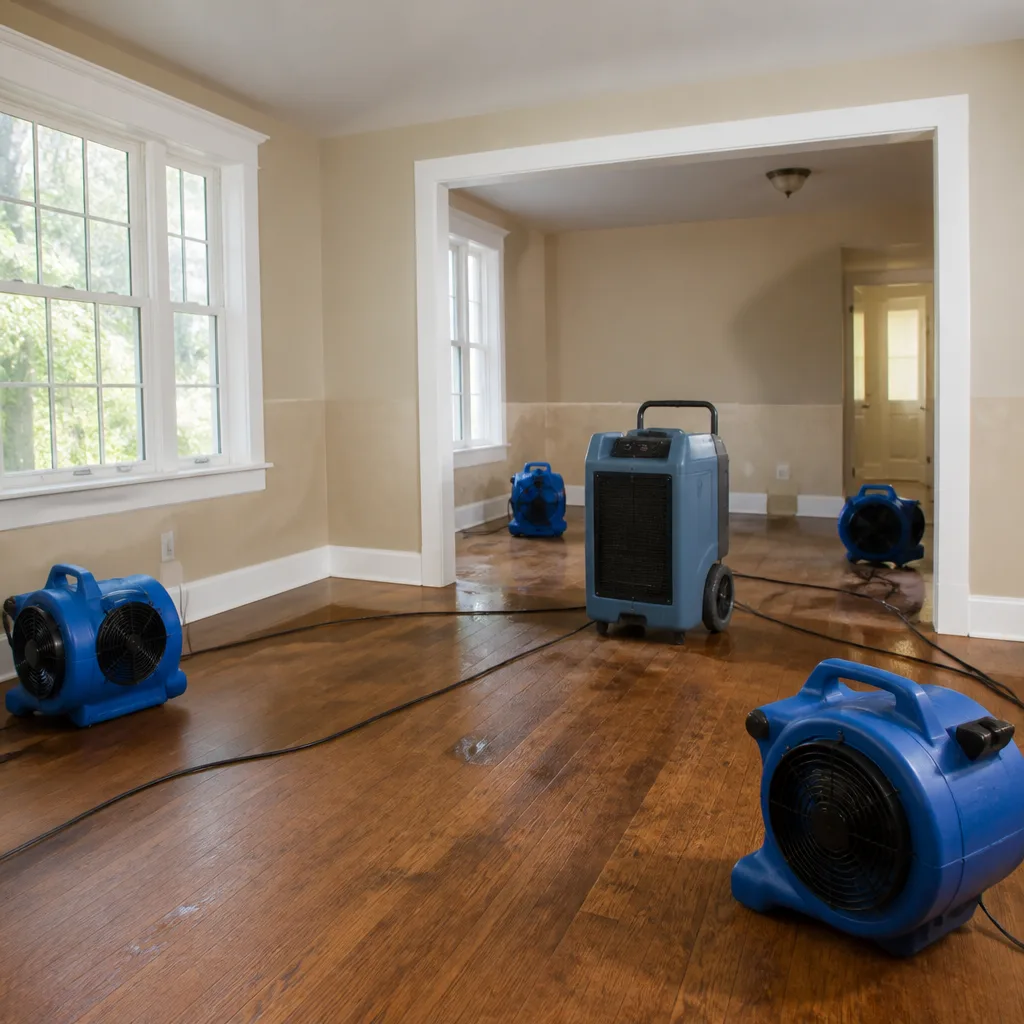
Woodside’s attached brick rowhouses create unique drying challenges. Party walls are thick, dense, and slow to release moisture. Basement apartments often have minimal clearance and unpermitted partitions that block airflow. We deploy Phoenix and XPOWER air movers with low-grain refrigerant dehumidifiers, positioning equipment to create vapor pressure differentials that pull moisture from masonry cavities into the air stream. Daily psychrometric readings - temperature, relative humidity, and specific humidity - go into your drying log, which becomes part of your insurance documentation. Tertiary drying, the final phase where hidden moisture in dense materials equalizes with the room environment, often takes longer in Woodside’s older brick construction than in modern frame homes.
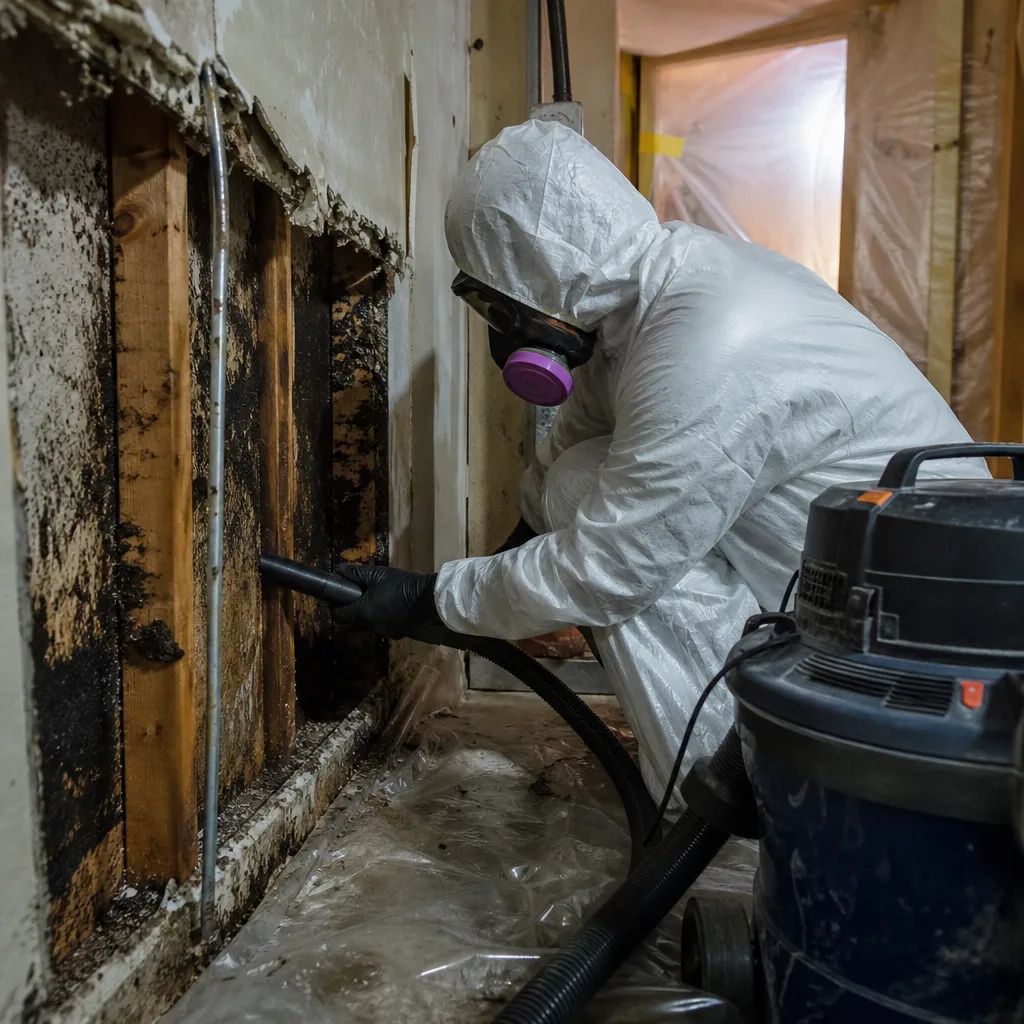
Flood Cleanup
Woodside sits on Queens’ combined sewer system, which means intense rain events regularly overwhelm capacity and push contaminated water back up through basement drains. Hurricane Ida in September 2021 exposed how many basement apartments in the neighborhood were informally converted and uninsured. Our flood cleanup in Woodside addresses the full chain of loss: water extraction, contaminated material removal, antimicrobial treatment of concrete and framing, odor control, and documentation of pre-loss condition for insurance and regulatory purposes. When we encounter unpermitted subpanels or improvised plumbing - common in these conversions - we flag them immediately so the owner can address code compliance without delaying the drying timeline.
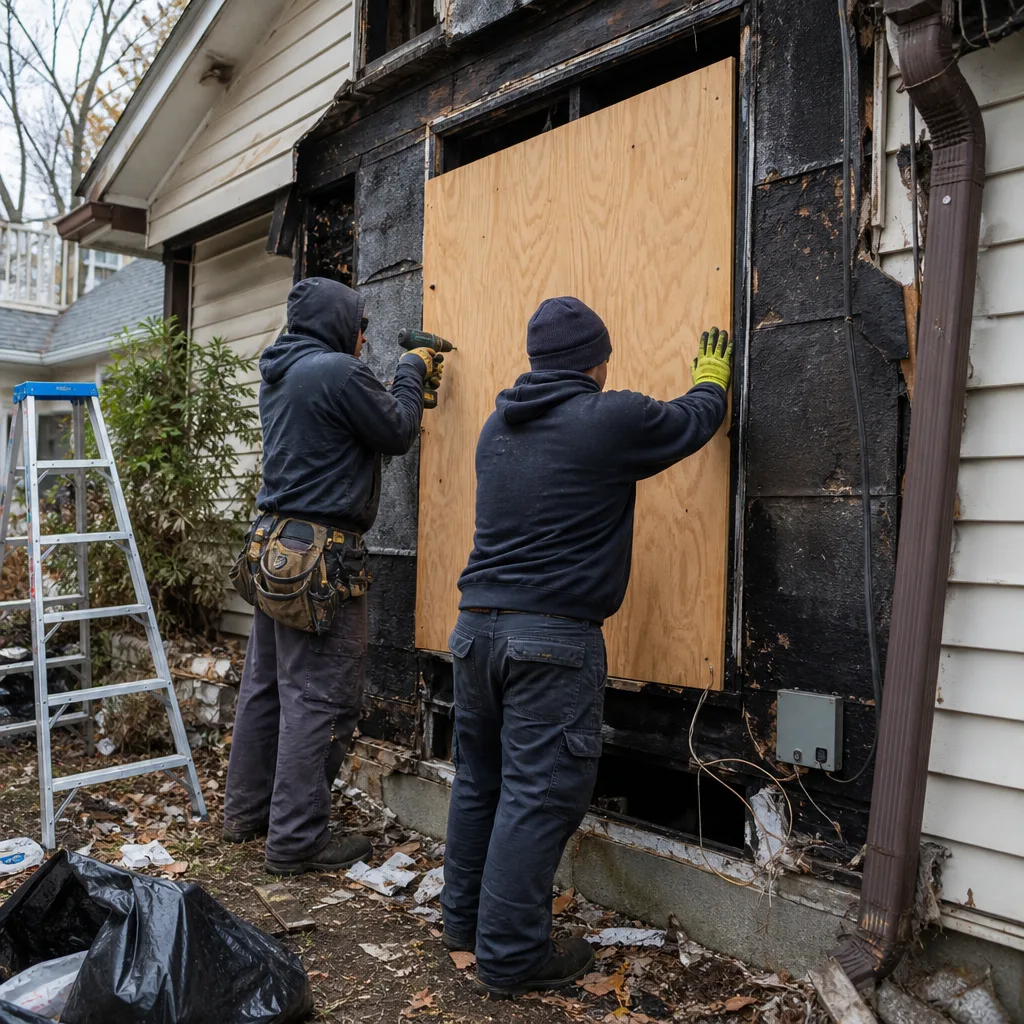
Burst Pipe Restoration
Freeze-thaw cycling in late winter cracks aging copper and galvanized supply lines in Woodside’s older two-families. A burst pipe in an upstairs unit sends water down through walls, across ceilings, and into basement apartments below. Because of party-wall construction, we’ve seen burst pipes in one unit saturate the shared wall cavity and appear as water damage in the neighbor’s basement two days later. Our moisture mapping with thermal imaging finds the full extent before mold sets in - typically 24-48 hours in Woodside’s humid summer basement conditions, faster in winter when heating systems create temperature differentials that drive condensation.
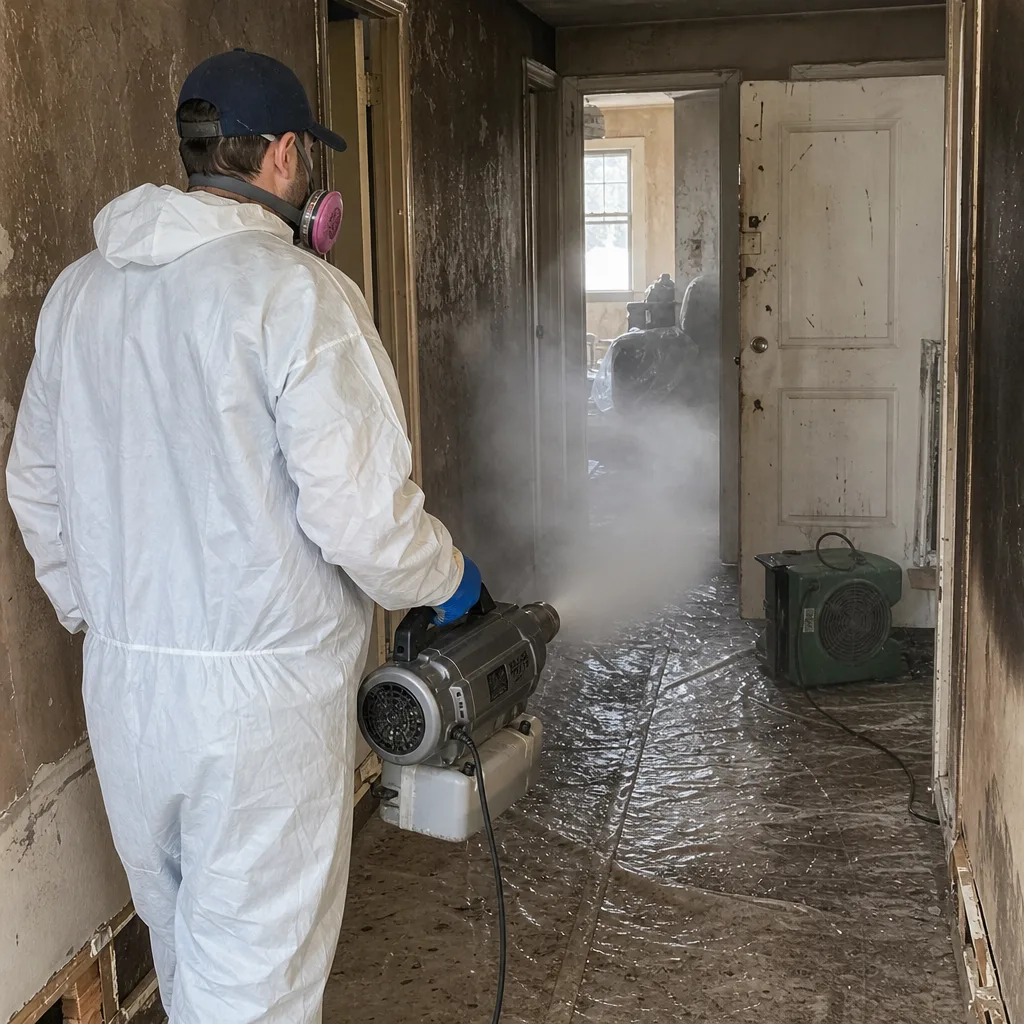
Ceiling & Roof Leak Water Damage
Woodside’s flat built-up roofs and brick parapets take a beating from freeze-thaw cycles. Spalled masonry and failed flashing at roof edges produce seasonal leaks that track along steel lintels and down interior walls. We trace the water path, document the entry point with photos, and dry affected cavities with Injectidry hose systems that feed dry air into wall voids without tearing out finished surfaces unnecessarily.
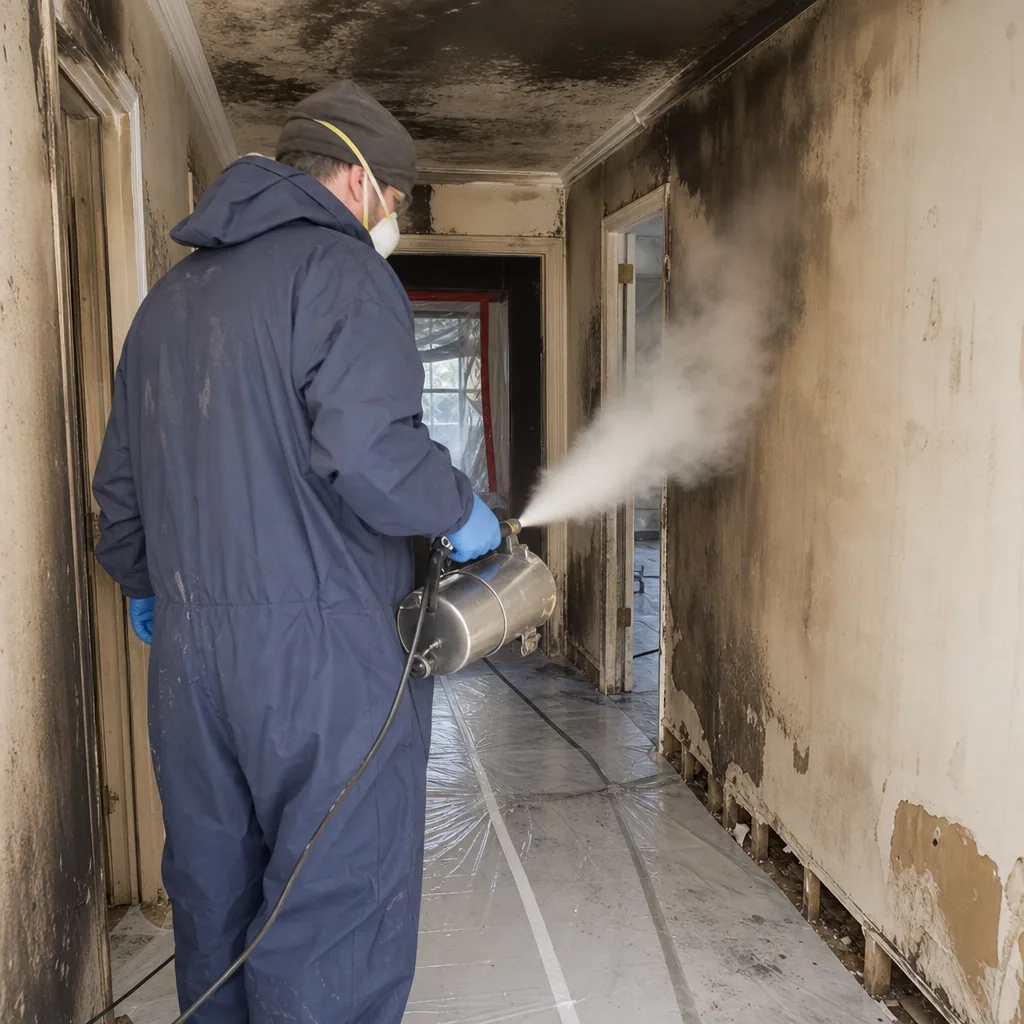
Basement Water Removal
Basement apartments in Woodside are particularly vulnerable. Low ceiling heights, limited egress, and informal construction mean standard equipment doesn’t always fit. We use portable extraction units and compact air movers designed for tight clearances, and we coordinate tenant displacement when Category 3 contamination makes the unit temporarily uninhabitable. Every step is photo-documented for your insurance claim and your records.
What happens when you call
- 1
A real person answersNo phone trees - you reach a local pro.
- 2
You get an upfront price rangeHonest numbers before anyone is dispatched.
- 3
A background-checked tech heads outLicensed & insured, dispatched right away.
- 4
You approve before work beginsNothing starts until you say go.
BeforeAfterCommon Water Damage Restoration Problems We See in Woodside Homes
- Combined-sewer backups misclassified as clean water. A backed-up basement floor drain in Woodside carries sewage from the neighborhood’s combined storm and sanitary system. Treating it as Category 1 or 2 water and only extracting leaves contamination in porous concrete and framing. We classify it correctly from the first pump-out and run full decontamination protocols.
- Party-wall migration missed in scope. Water wicks laterally through shared brick walls between attached two-families. If your scope only covers your unit, your neighbor’s wet wall cavity becomes a mold source that comes back as your problem. We moisture-map both sides of shared walls and document findings for both owners.
- Unpermitted basement conversions stalling mitigation. When our crew uncovers an unpermitted subpanel or illegal egress during water removal, we document it, notify the owner, and flag it for DOB if required. We don’t ignore code violations to keep a timeline, and we don’t let them surprise you after the fact.
- Freeze-thaw roof leaks recurring annually. The same parapet cracks and failed flashing produce the same leaks each late winter. We photograph the entry point and note recommended repairs in your scope so you or your roofer can break the cycle before next season.
Pricing for Water Damage Restoration in Woodside, NY
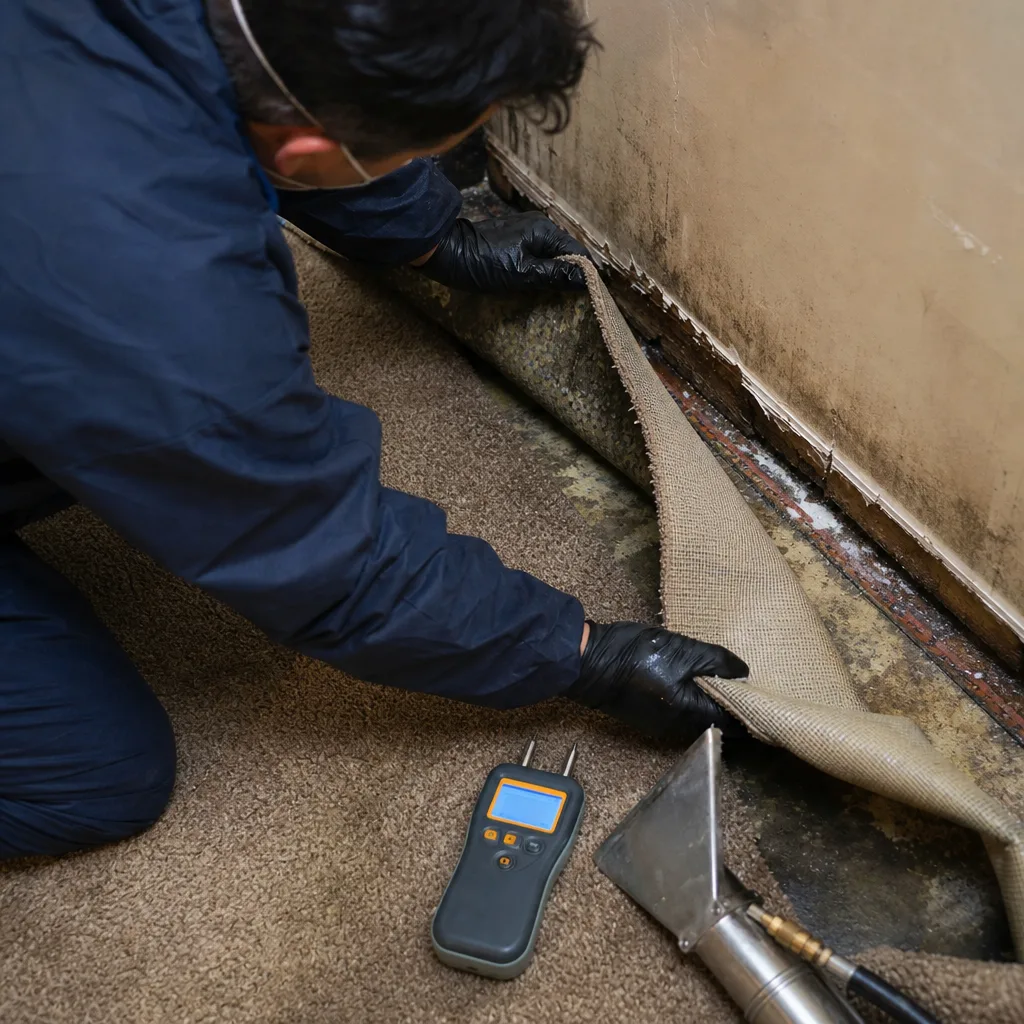
Here’s what water damage restoration costs in Woodside’s market, based on the jobs we’ve scoped and documented since 2011:
| Service | Typical Range in Woodside |
|---|---|
| Emergency water extraction (basement) | $1,200 - $2,800 |
| Structural drying & dehumidification (3-5 day standard) | $1,800 - $3,500 |
| Category 3 flood cleanup with decontamination | $3,500 - $7,200 |
| Burst pipe restoration with ceiling/wall repair | $2,200 - $5,500 |
| Basement water removal (tight-clearance apartment) | $1,500 - $3,200 |
What moves you within or above these ranges: square footage affected, contamination category (Category 3 requires more labor and material removal), whether the basement apartment was finished with drywall and flooring, and whether party-wall migration into an adjacent unit expands the scope. Every job gets a written price before work begins - Haven Standard, Clause 1 - with no additions once our crew is inside. Estimates are free. Call (516) 687-6900.
We Also Serve Cities Near Woodside
Our crews work across western Queens daily, including Water Damage Restoration in Woodside and neighboring Jackson Heights, Long Island City, Maspeth, and Elmhurst. Each area has its own building stock and infrastructure challenges; we scope accordingly. If you’re unsure whether your address falls in our service area, call and we’ll confirm.
Serving Woodside, NY - Our Local Coverage Area
We’re based in the Woodside area and know this community well. Use the map below to see our service coverage - if you’re nearby, we can almost certainly help.
FAQs - Water Damage Restoration in Woodside
It’s Category 3 black water. Woodside sits on Queens’ combined sewer system, so floor drain backups contain untreated sewage mixed with storm runoff. Full decontamination is required, including removal of contaminated porous materials and antimicrobial treatment of remaining surfaces. Call (516) 687-6900 and we’ll classify it on arrival - estimates are free.
Both owners need coordinated scopes. Woodside’s party-wall construction means water routinely migrates laterally through shared brick cavities. We moisture-map both sides, document findings with photos, and provide separate written scopes so each owner can file with their own insurer. Delays in addressing the neighbor’s side typically produce mold within 48-72 hours in Woodside’s basement humidity.
24 to 48 hours in summer conditions, slightly longer in winter if heating is maintaining lower humidity. Woodside’s below-grade basement apartments often run 60-70% relative humidity before any water intrusion, so the margin is thin. We begin structural drying within hours of extraction to stay ahead of mold germination. Daily moisture logs track progress until readings confirm the space is dry.
It can, if unpermitted electrical or plumbing is uncovered mid-job. We document what we find, notify you immediately, and flag serious code issues for DOB when required. We don’t conceal violations to protect a timeline, and we work with you to sequence code compliance so it doesn’t unnecessarily extend drying. Photo documentation of pre-loss condition protects you in any subsequent regulatory review.
Not always. If the water is Category 1 from a clean supply line and we can establish drying airflow through Injectidry systems or strategic access points, we may save finished surfaces. For Category 3 sewage backups - common in Woodside basement floods - contaminated drywall and insulation must be removed per IICRC standards. We scope conservatively and explain what must come out before we start.
On a rainy night on 61st Street near Roosevelt Avenue, we answered a call where a backed-up basement floor drain had pushed Category 3 sewage water through an informal basement apartment and into the party wall shared with the adjacent two-family. Our tech set containment at both doorways, performed water extraction and an antimicrobial treatment on the concrete and lower wall cavities, then ran moisture mapping and structural drying with Dri-Eaz air movers and dehumidification until daily drying logs read dry. Because the unit was occupied and the subpanel was unpermitted, we documented pre-loss condition and coordinated a pack-out of the tenant’s belongings while flagging the wiring for the owner and DOB.
Written by Alicia Brennan, Owner at Back to Dry Restoration, serving Woodside since 2011.
Water Damage Restoration in Nearby Areas