
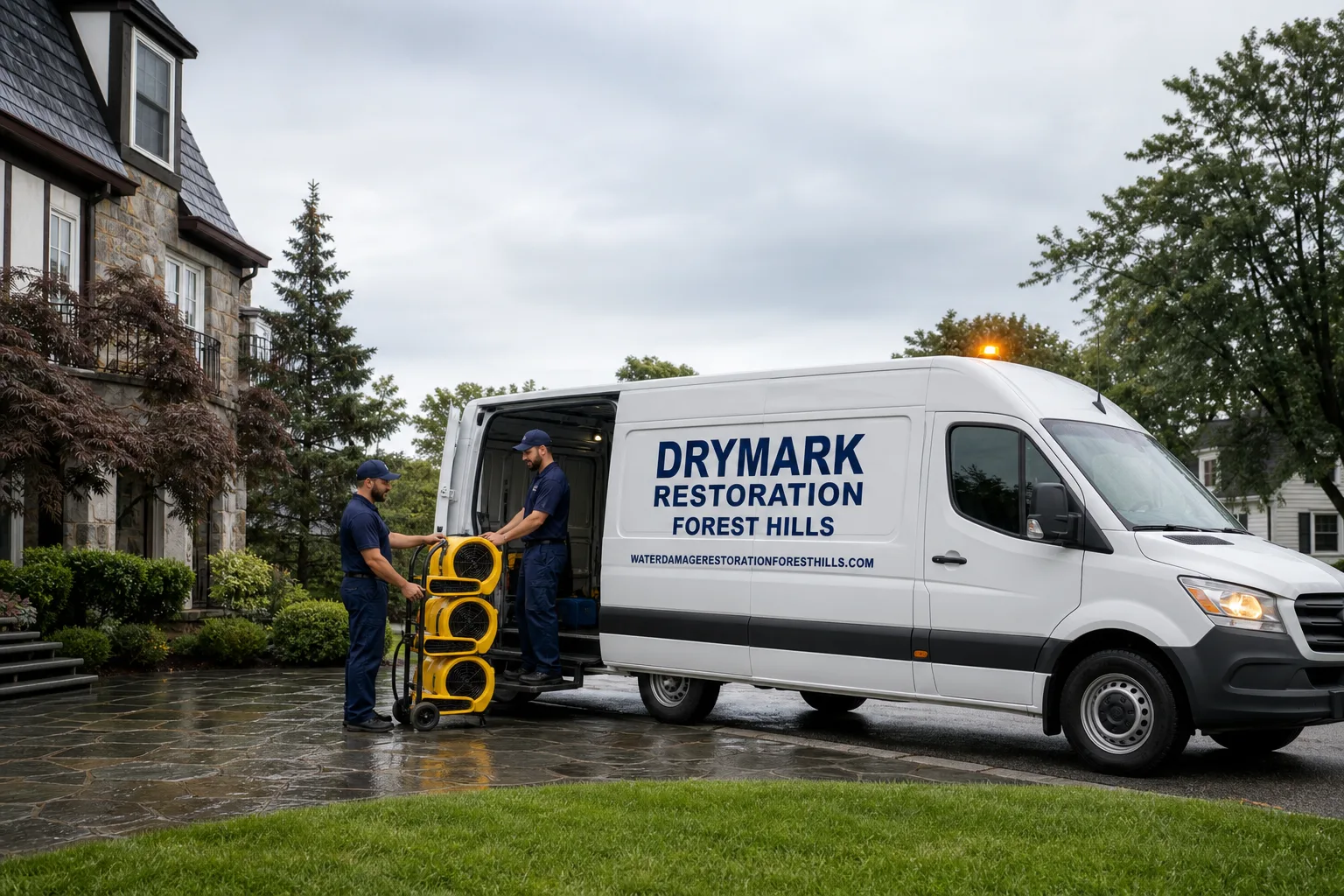
Free visual inspection and a written scope of work before any mitigation begins - photos, moisture readings, and drying logs go in your claim file
The scope we write is the scope we bill. Anything new gets shown to you, in writing, before we touch it.
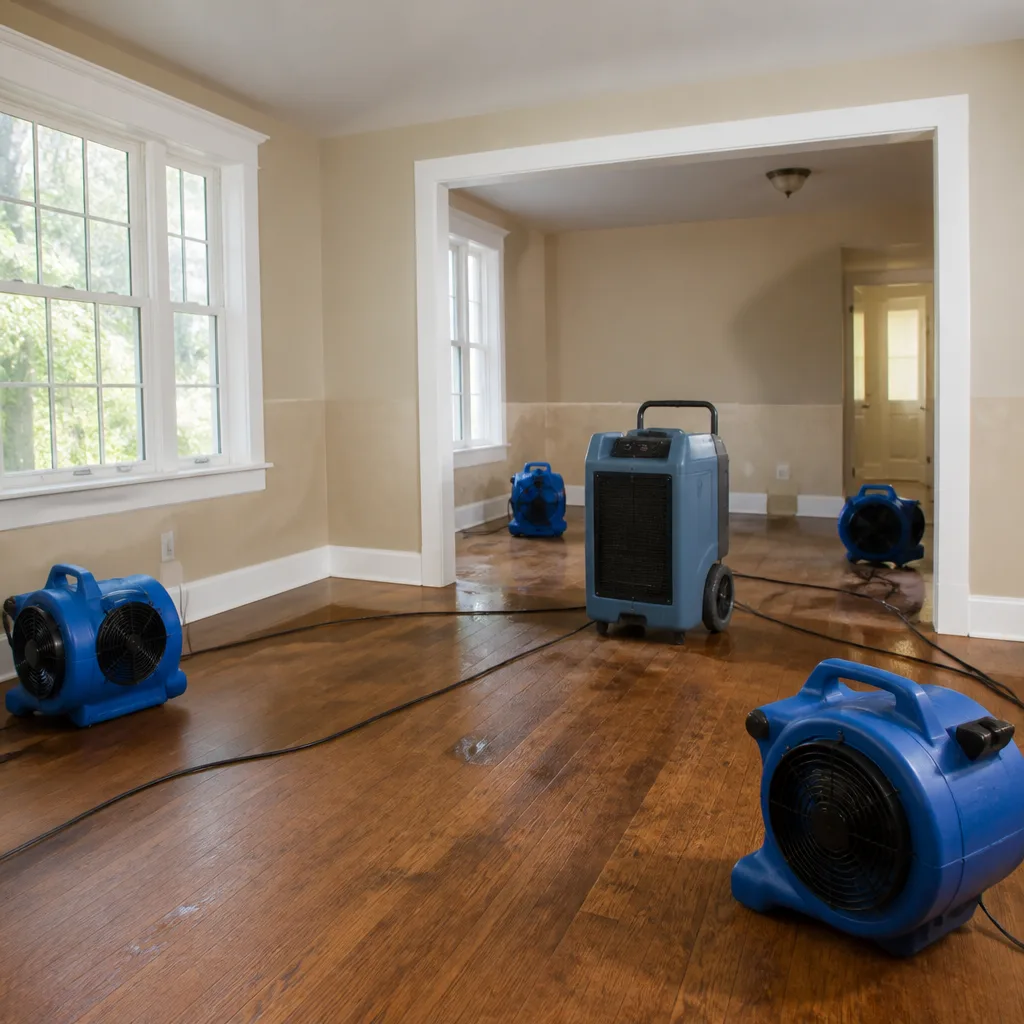
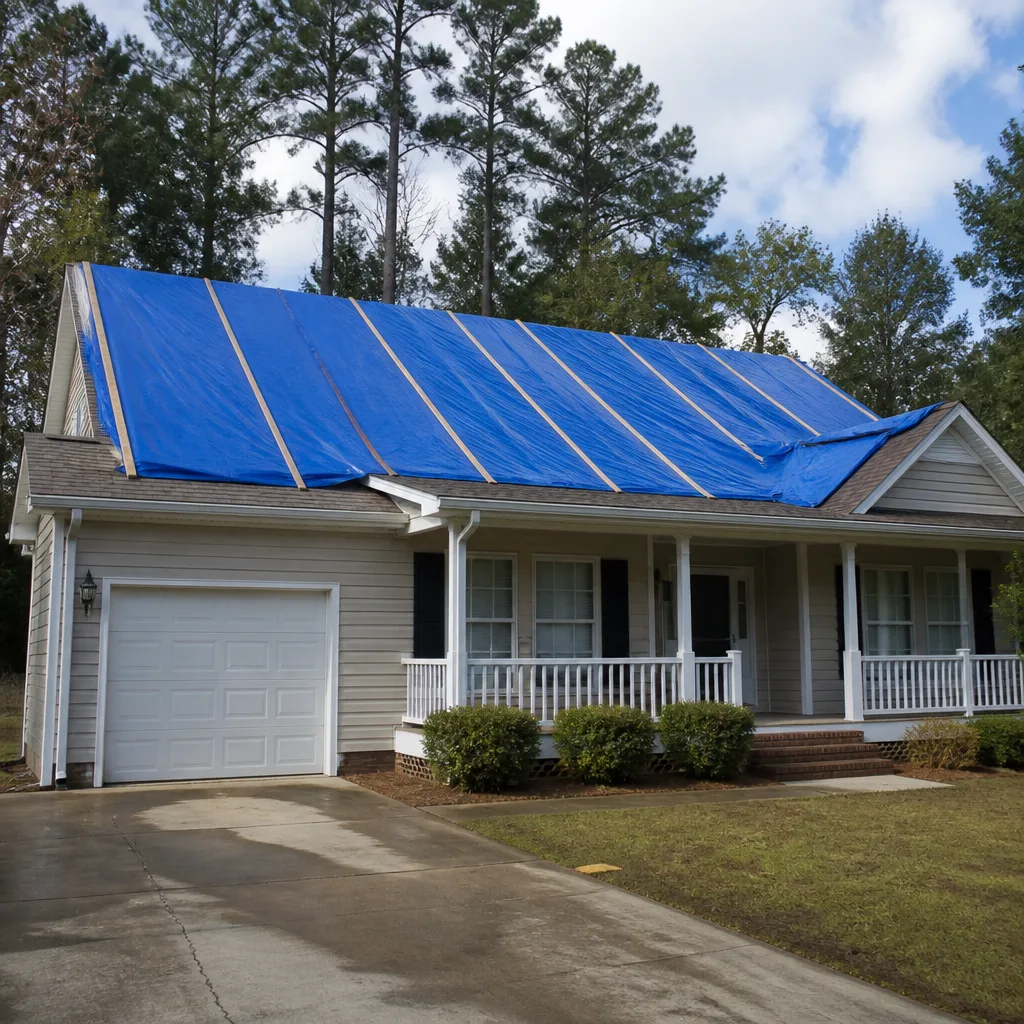
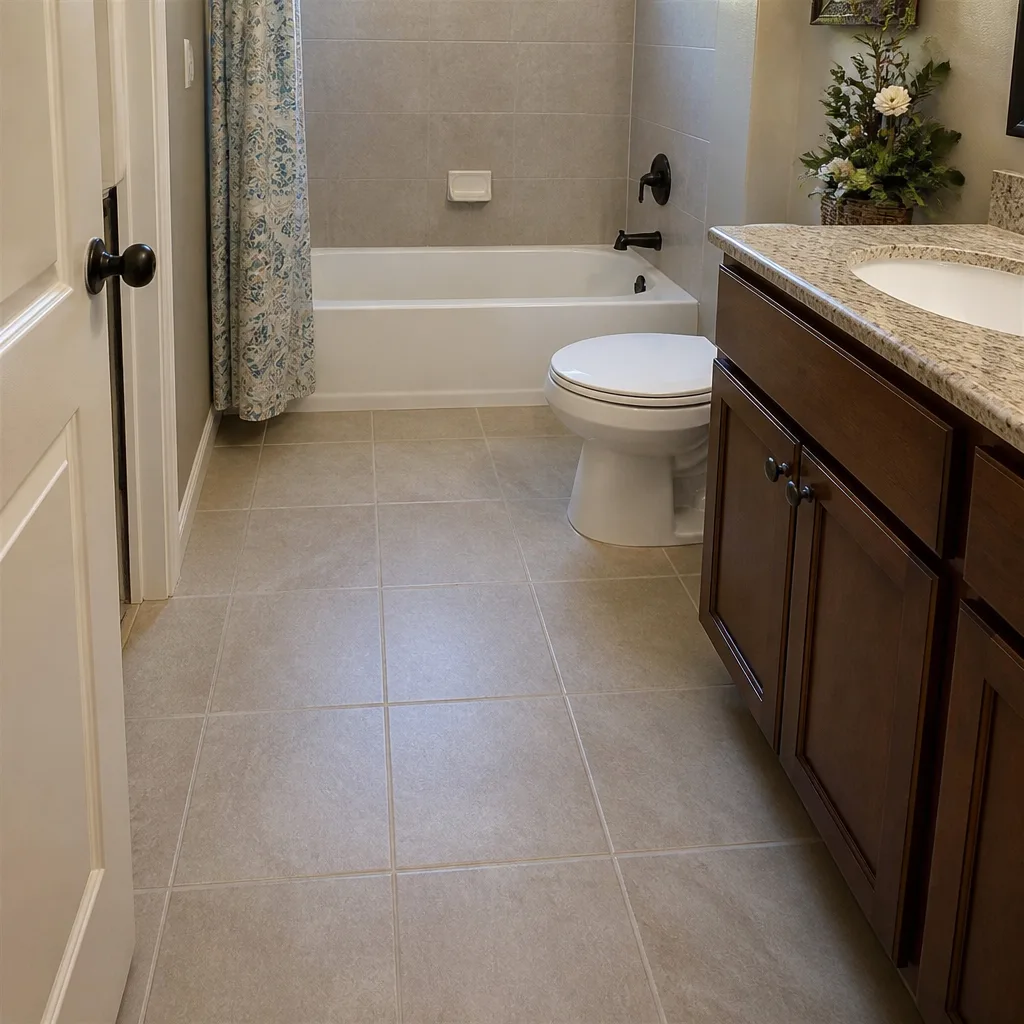
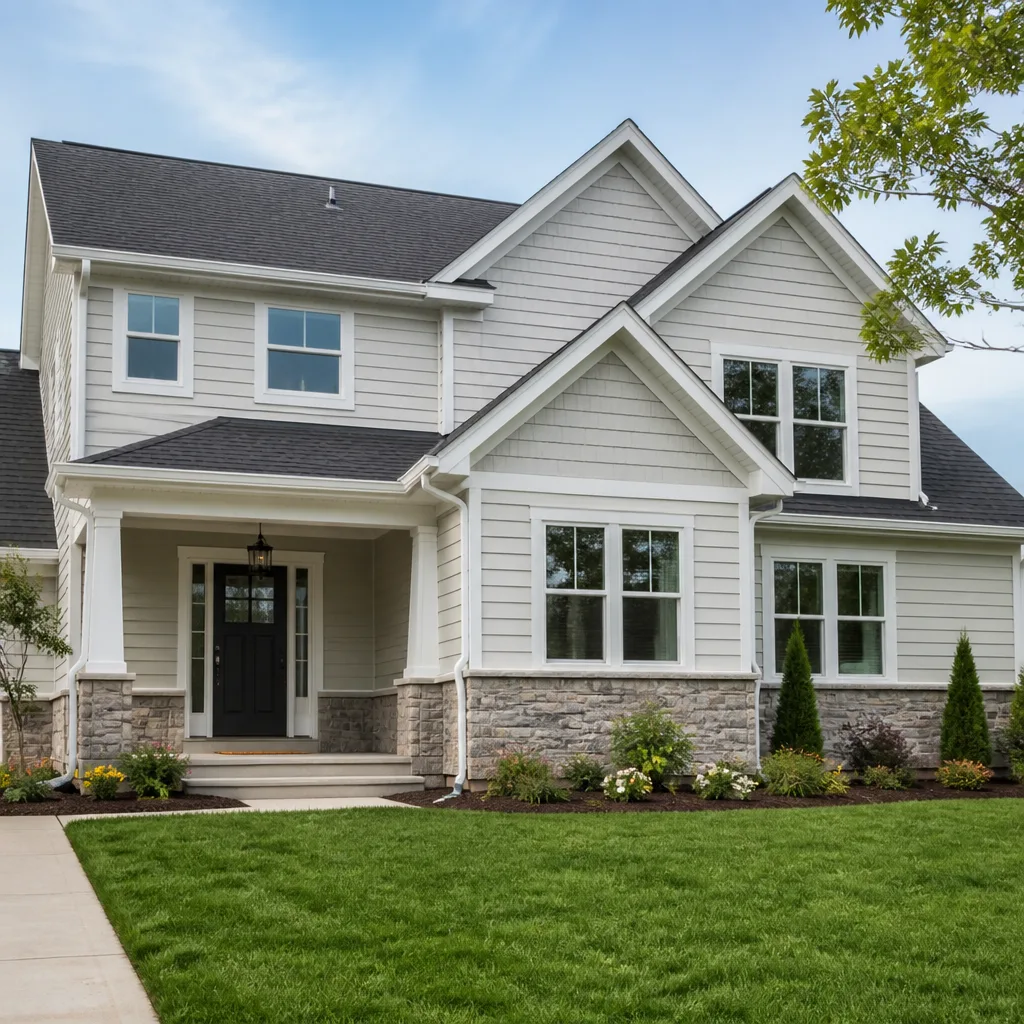
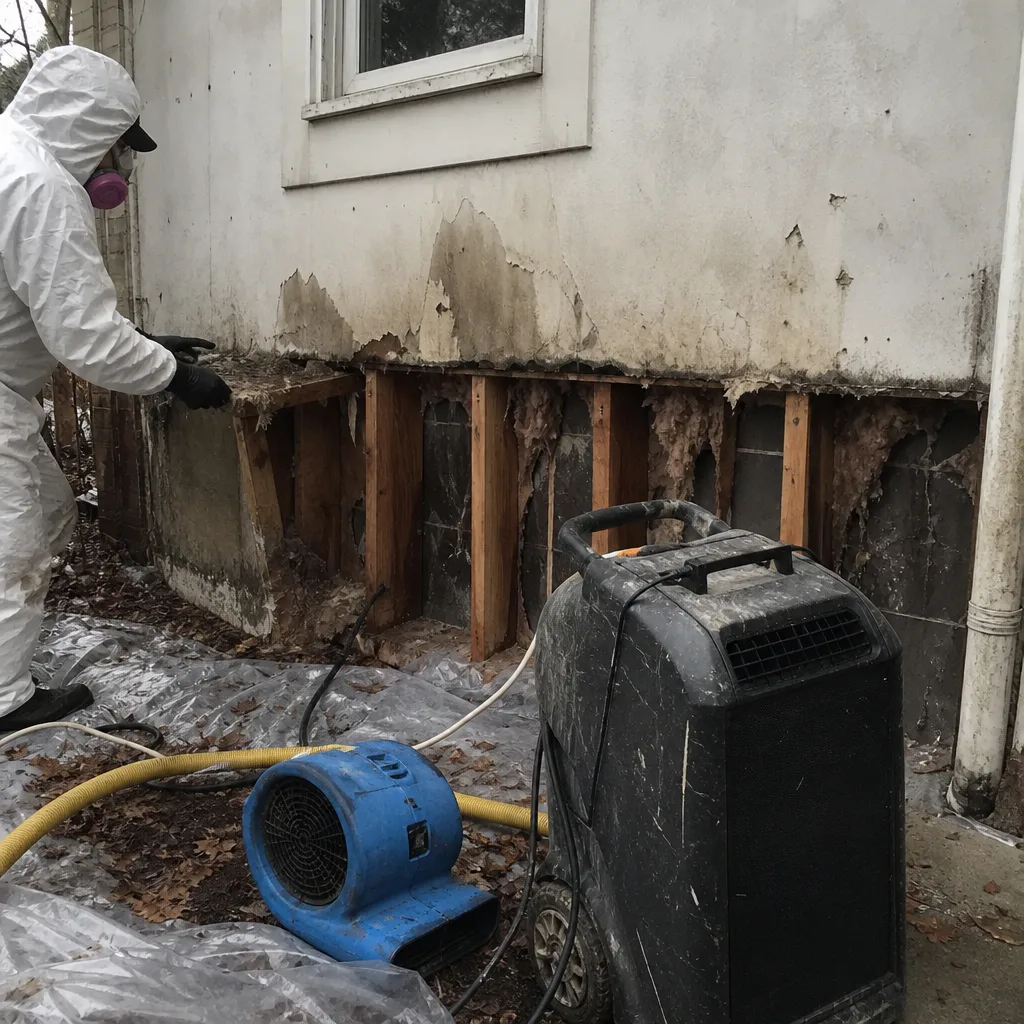 Before
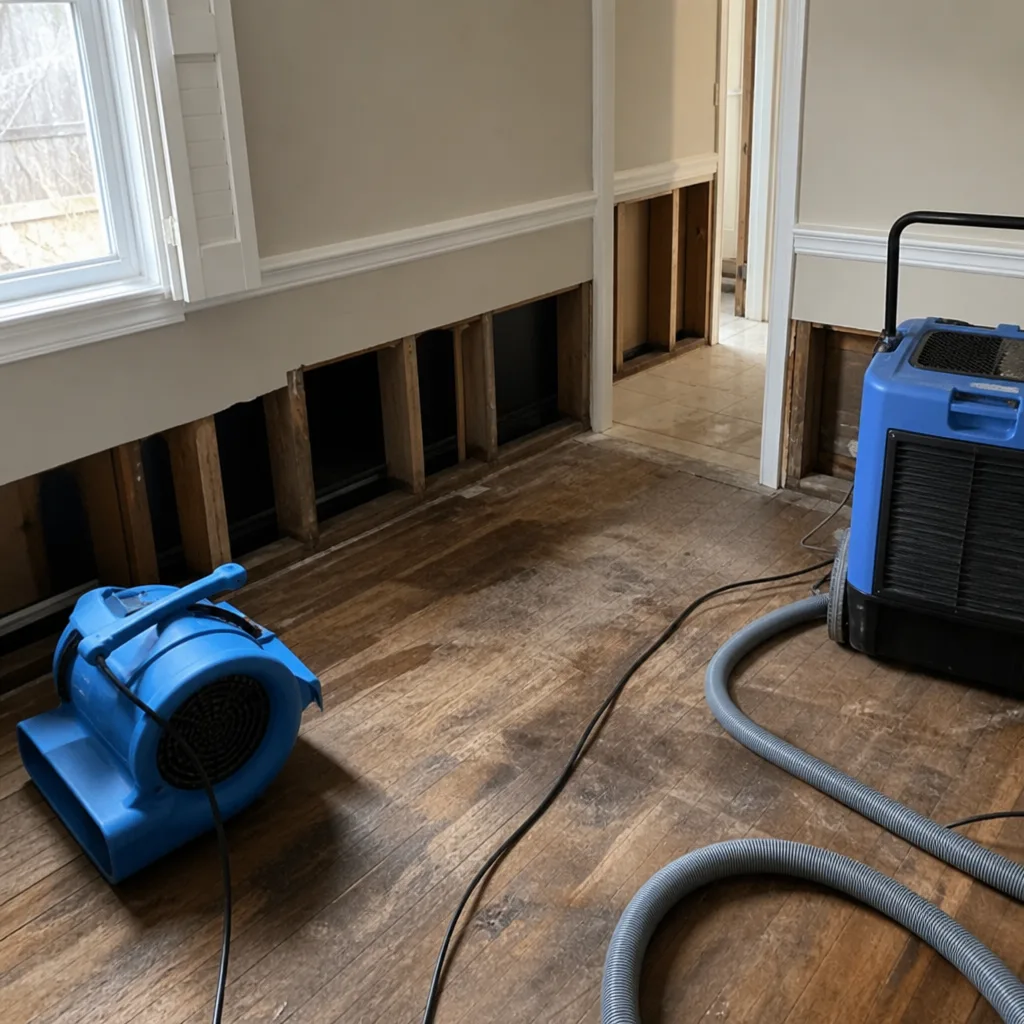 After
After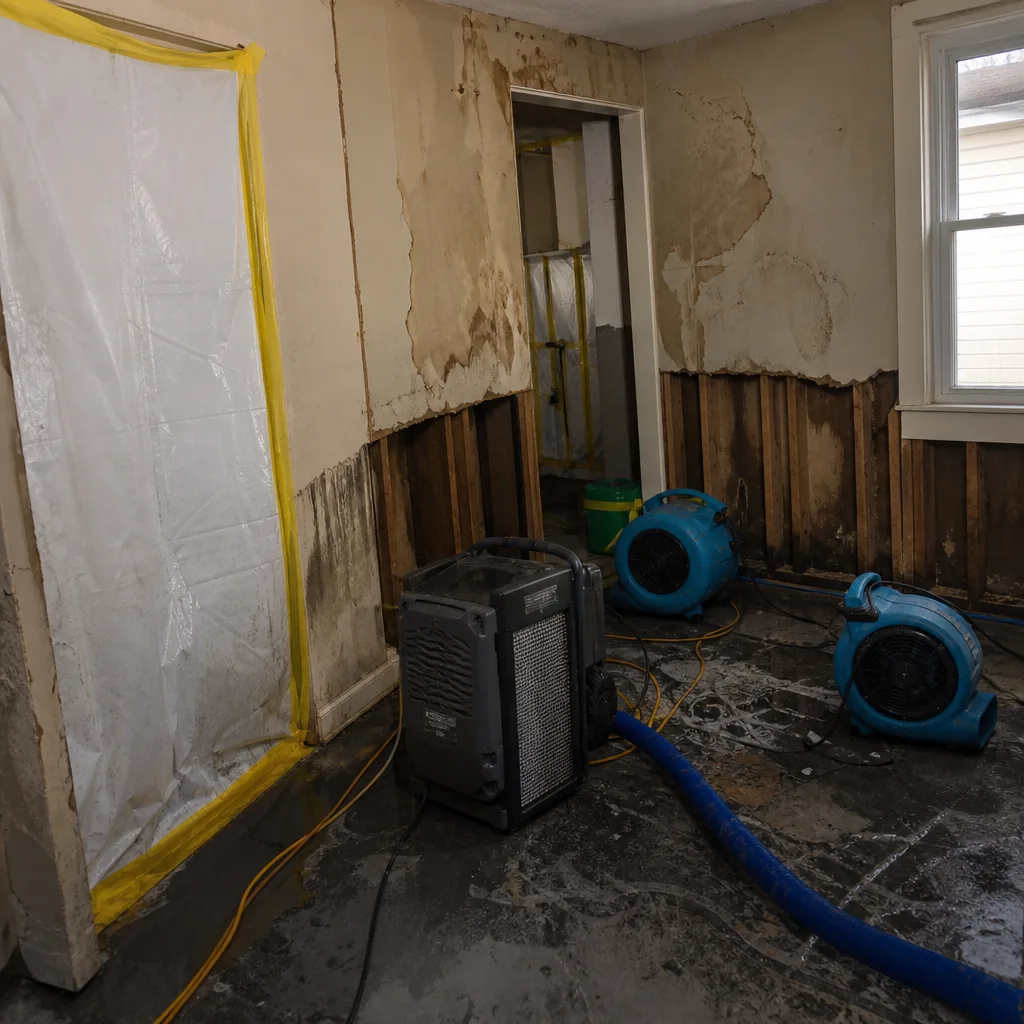 Before
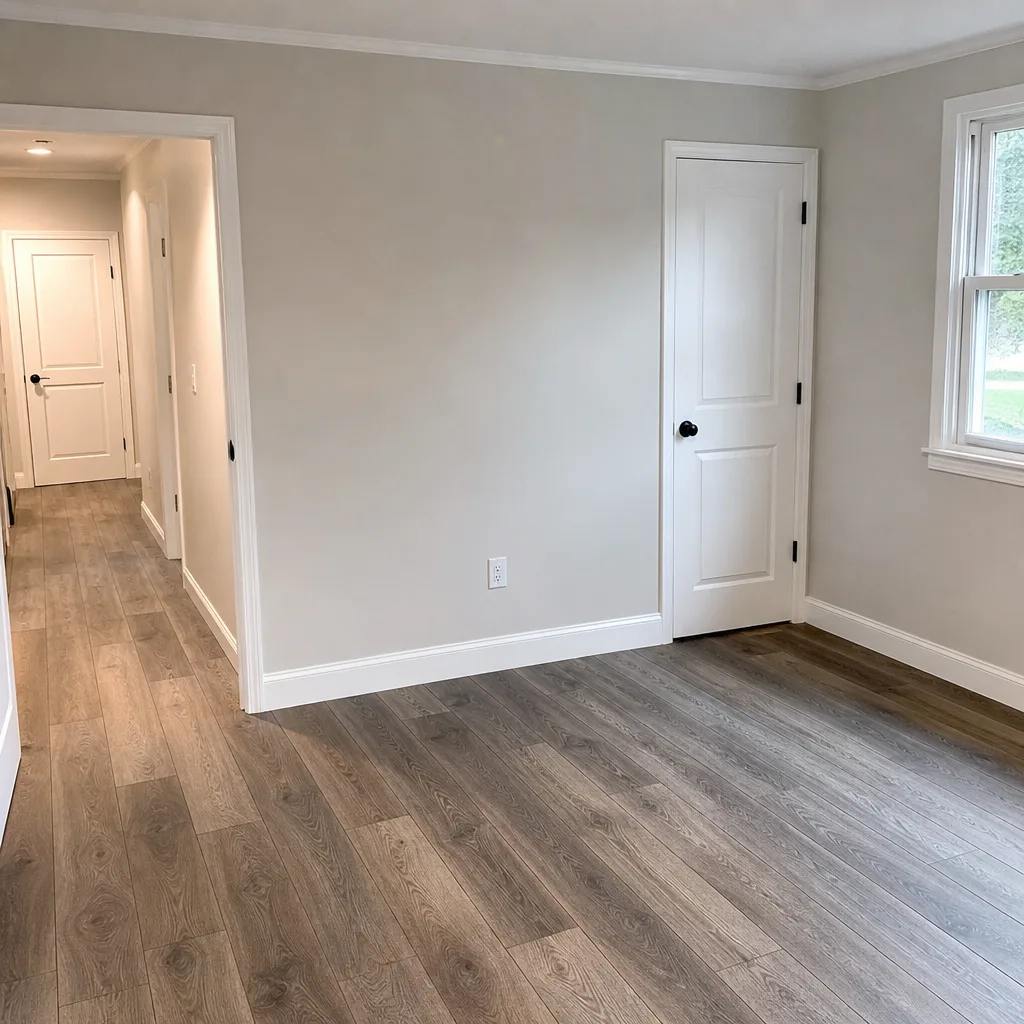 After
After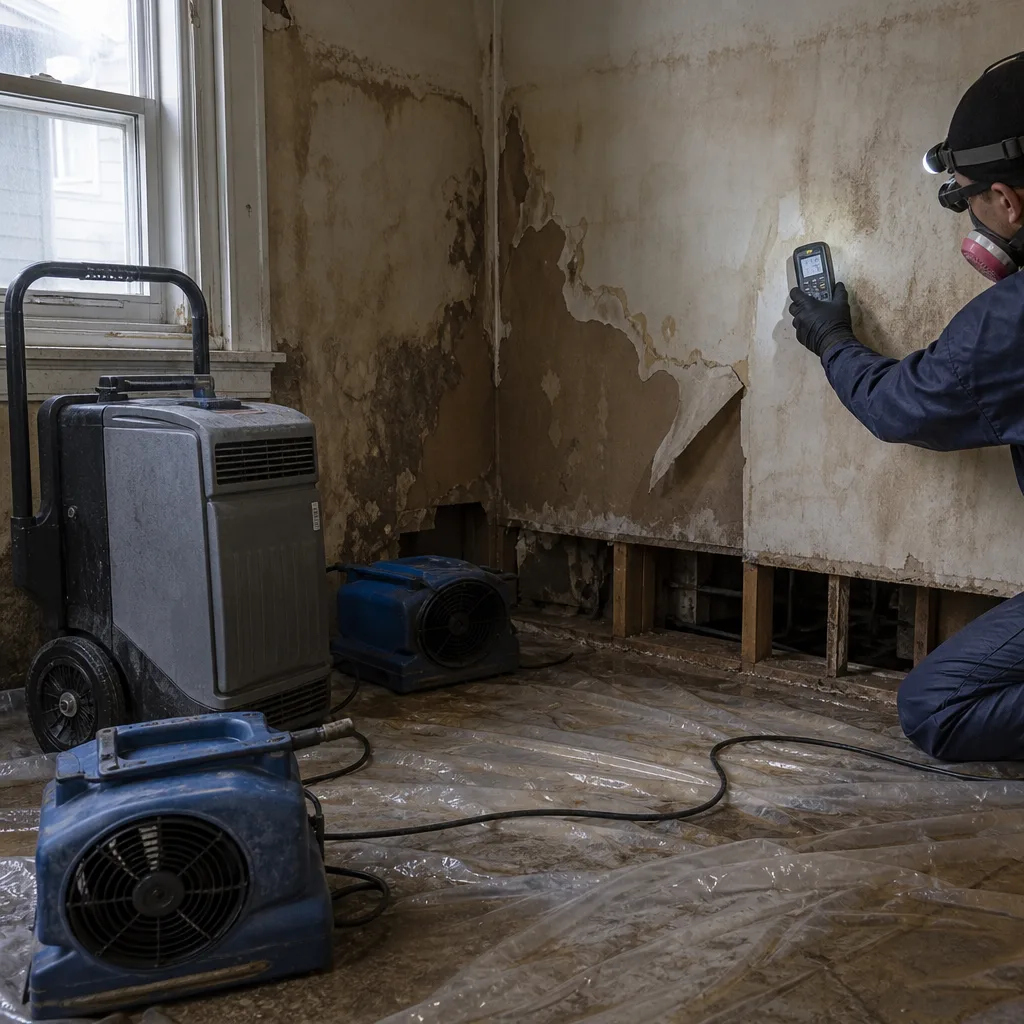 Before
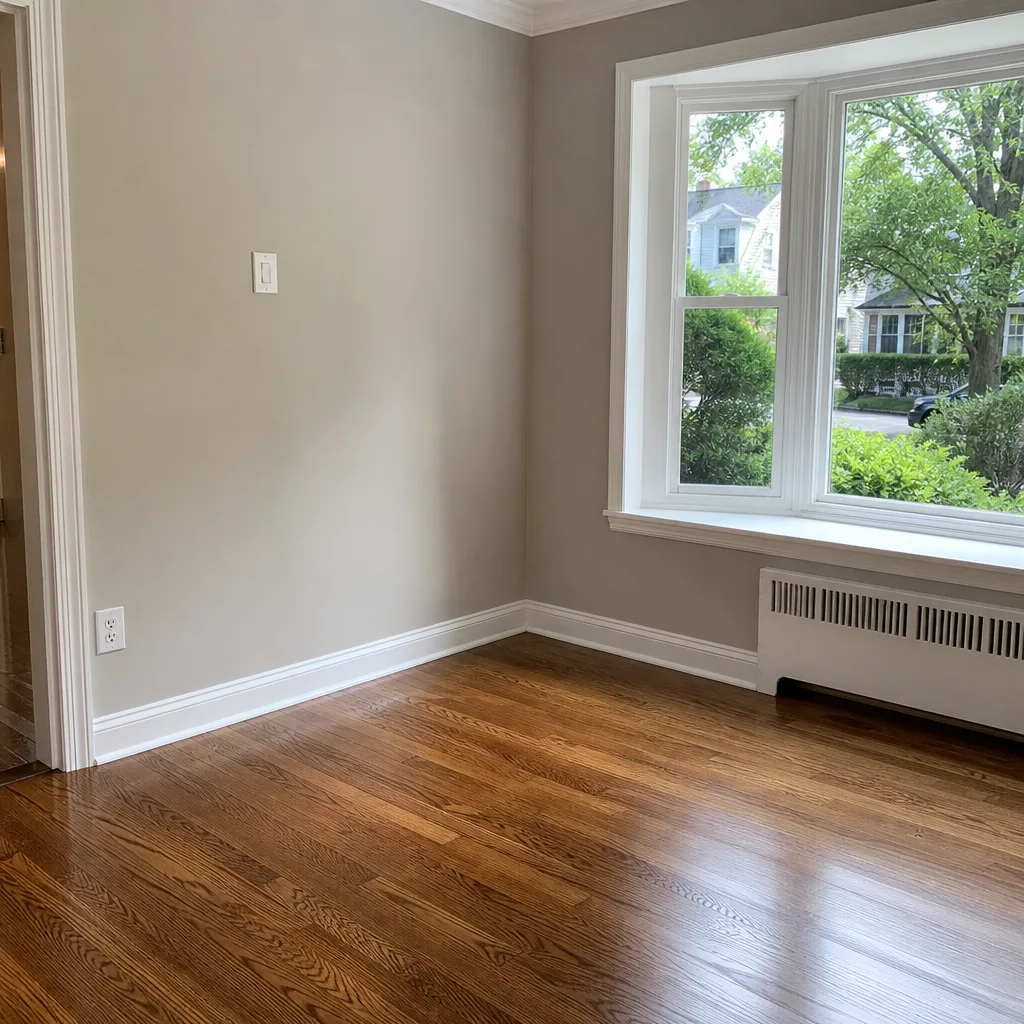 After
AfterFast, Reliable Water Damage Restoration Across Astoria
Water damage restoration in Astoria typically costs between $1,800 and $6,500 for a standard residential job, with emergency extraction and structural drying usually underway within 60 to 90 minutes of your call. Our crews serve Astoria from our New York City office, carrying Dri-Eaz and Phoenix drying systems, Injectidry cavity equipment, and the documentation tools that turn restoration invoices into payable insurance claims. If you’re standing in water right now, call (516) 687-6900 - a live person answers, 24 hours a day, 7 days a week, no voicemail trees.
We know Astoria’s building stock because we’ve dried it. The pre-war attached brick rowhouses off Ditmars Boulevard, the walk-up apartments near 30th Avenue, the converted basement units below Steinway Street - each carries a distinct water-damage fingerprint that determines how we scope, extract, and document the job. Our Water Damage Restoration team doesn’t guess at moisture migration paths through solid masonry. We map them.
Why DryMark Restoration Forest Hills Is Astoria’s Preferred Water Damage Restoration Company
We’ve restored water-damaged properties in Astoria since our founding in 2011, and the pattern we see most often isn’t in any textbook: a single-unit call that becomes a multi-owner restoration event because the building’s solid brick party walls carry water laterally with no air gap to slow it down. That local knowledge changes how we dispatch, what equipment we load, and how we write the initial scope.
Our response time to Astoria averages under 90 minutes during peak hours and under 60 minutes for emergency calls originating in the 11105 and 11106 ZIP codes. We don’t route you through a national call center. A live person at our New York City office takes the call, logs the loss category, and confirms that a written price will be delivered before any work begins - Haven Standard, Clause 1.
Homeowners in Astoria’s waterfront blocks near Shore Boulevard and the Hell Gate tidal strait have a specific flood exposure profile that inland Queens neighborhoods don’t share. We document that elevation and FEMA zone data in every scope, because insurers pay closer attention to Astoria flood claims than to standard pipe-break losses. Alicia Brennan built this company around the documentation gap that costs homeowners their claims; we don’t repeat that mistake.
Our reviews from Astoria customers consistently cite two things: the photo record we deliver on every visit, and the drying logs that made their adjuster stop asking questions. We don’t chase star counts. We chase documentation that holds up under review.
Our Water Damage Restoration Services in Astoria
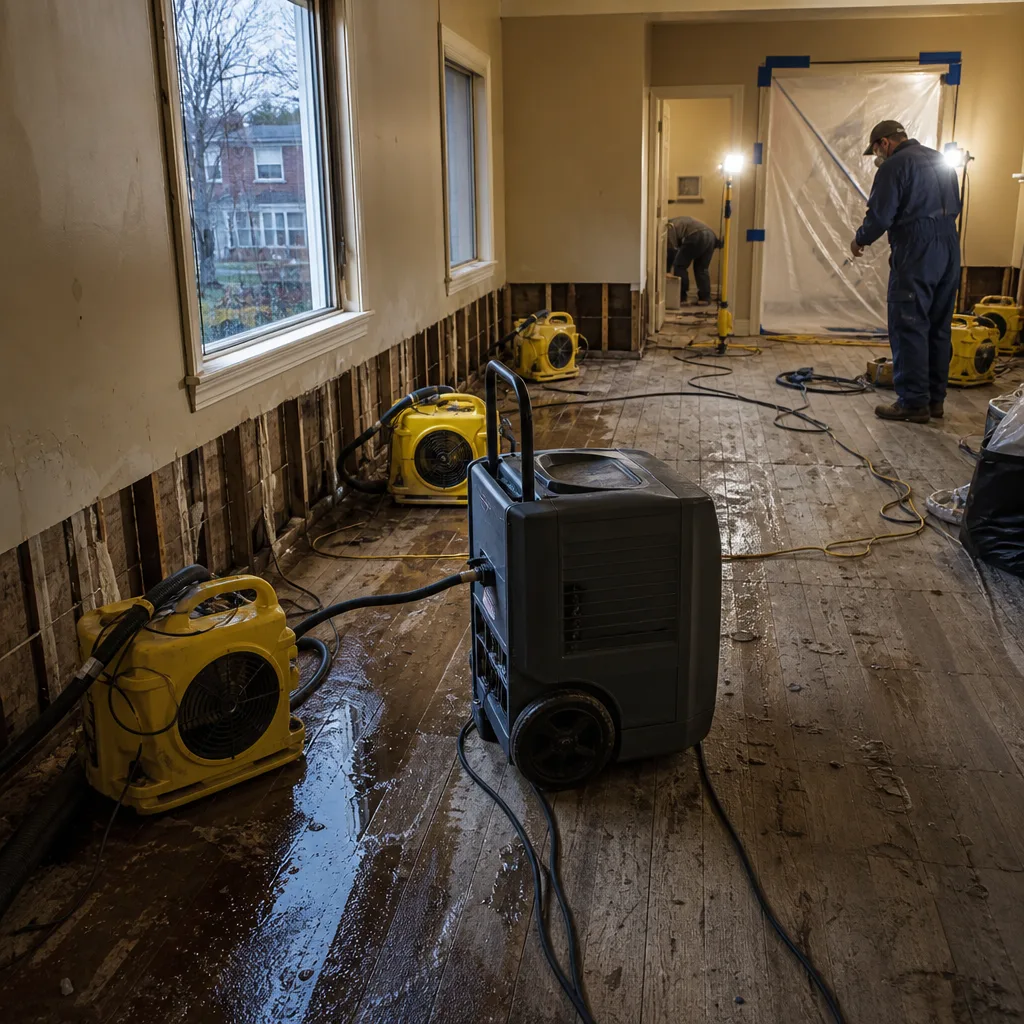
Emergency Water Extraction
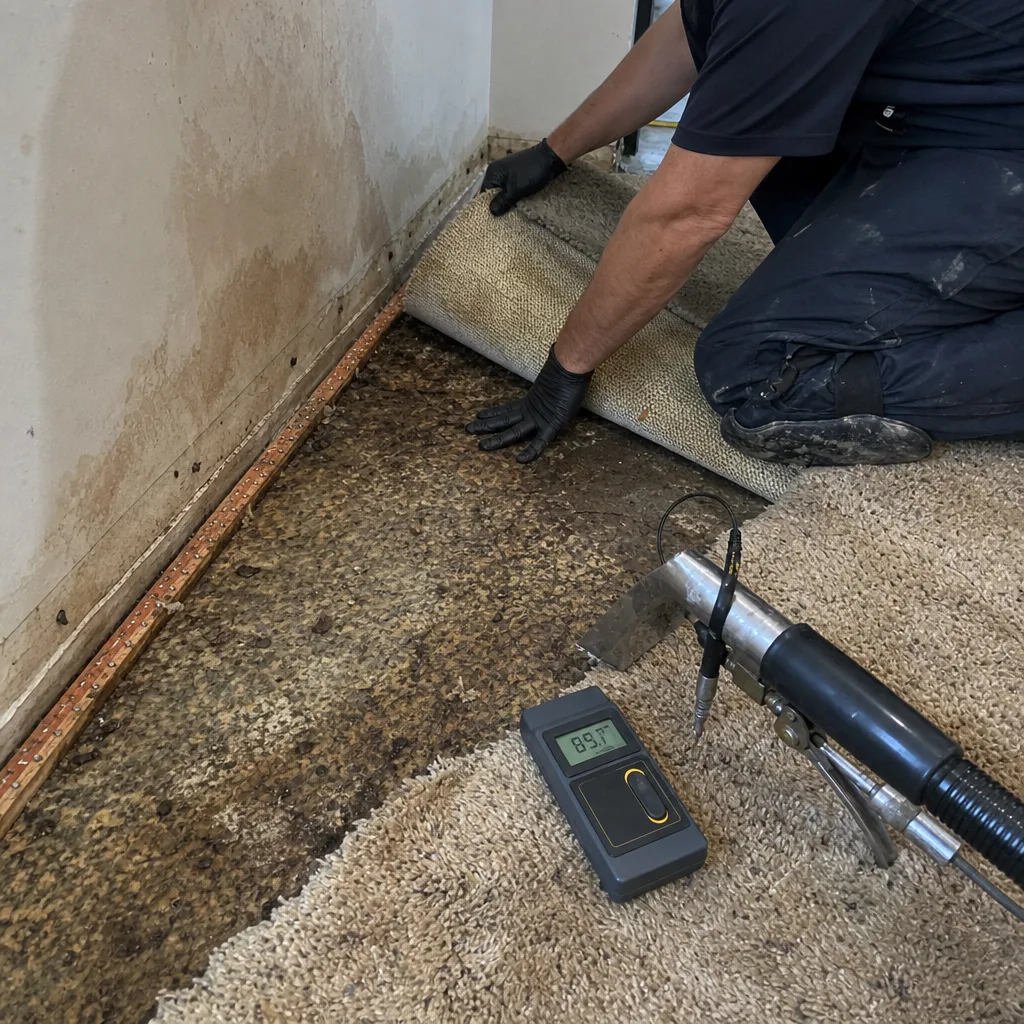
Water moves fast in Astoria’s attached rowhouses. A burst supply line on the second floor of a 1920s brick building off Broadway can saturate the joist bays, drop through the lath-and-plaster ceiling below, and begin wicking laterally through the solid masonry party wall before the first hour passes. Our emergency extraction crews arrive with truck-mounted extraction units, weighted water claws for carpet and pad, and portable submersible pumps for basement apartment flooding. We extract standing water first, then move to bound water in structural materials. Every gallon removed is logged. Every moisture reading is photographed. The photo record starts on arrival, not when the drying equipment goes in.
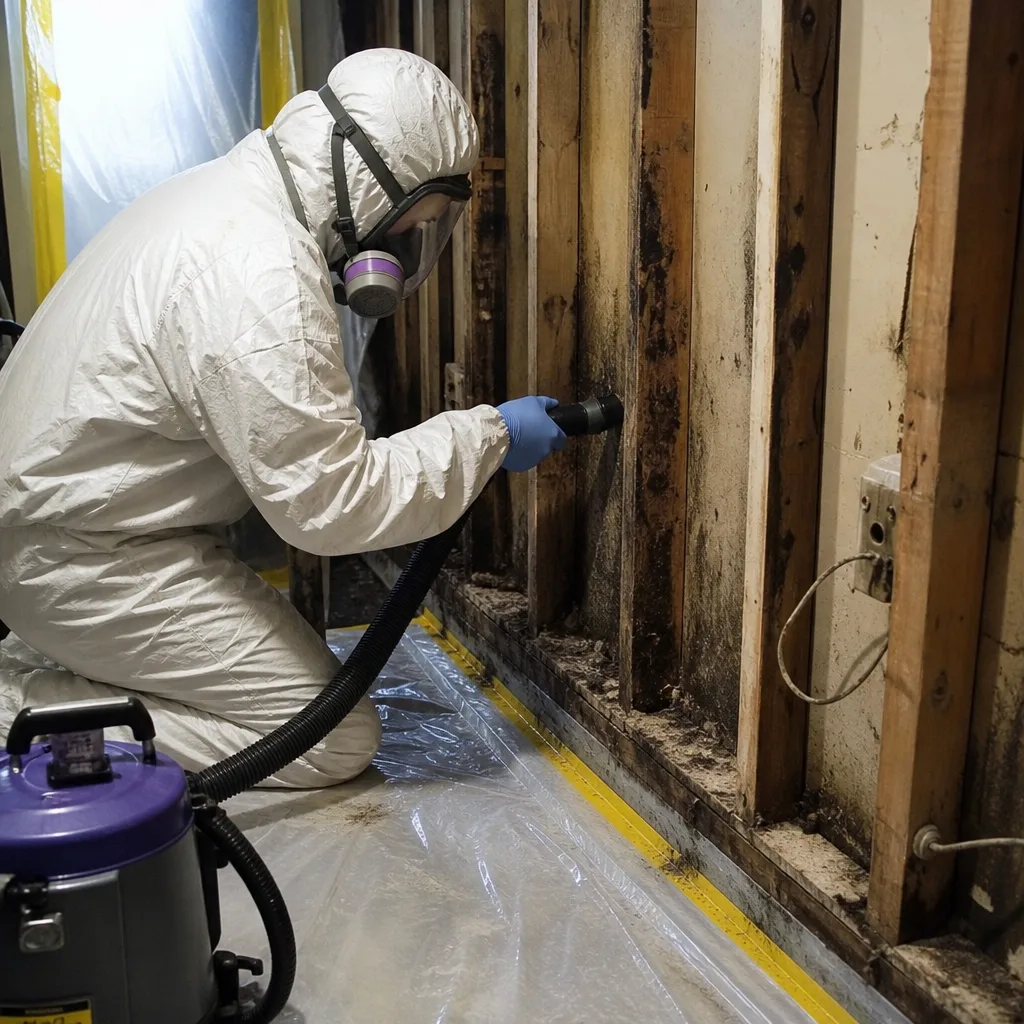
Structural Drying & Dehumidification
Astoria’s pre-war buildings don’t dry the way new construction does. Solid brick walls, plaster over wood lath, and dense floor assemblies hold moisture differently than drywall and fiberglass insulation. We calculate the specific psychrometric target for each affected room - the precise combination of temperature, relative humidity, and vapor pressure differential that forces evaporation without over-drying and cracking plaster. Our crews deploy Dri-Eaz and Phoenix LGR dehumidifiers sized to the cubic footage of the affected space, not to equipment availability. For cavity drying in shared wall assemblies, we use Injectidry panel systems that introduce controlled airflow into voids that conventional drying can’t reach. Daily moisture logs track every drop from extraction to dry standard, documented to IICRC S500 and RIA standards.
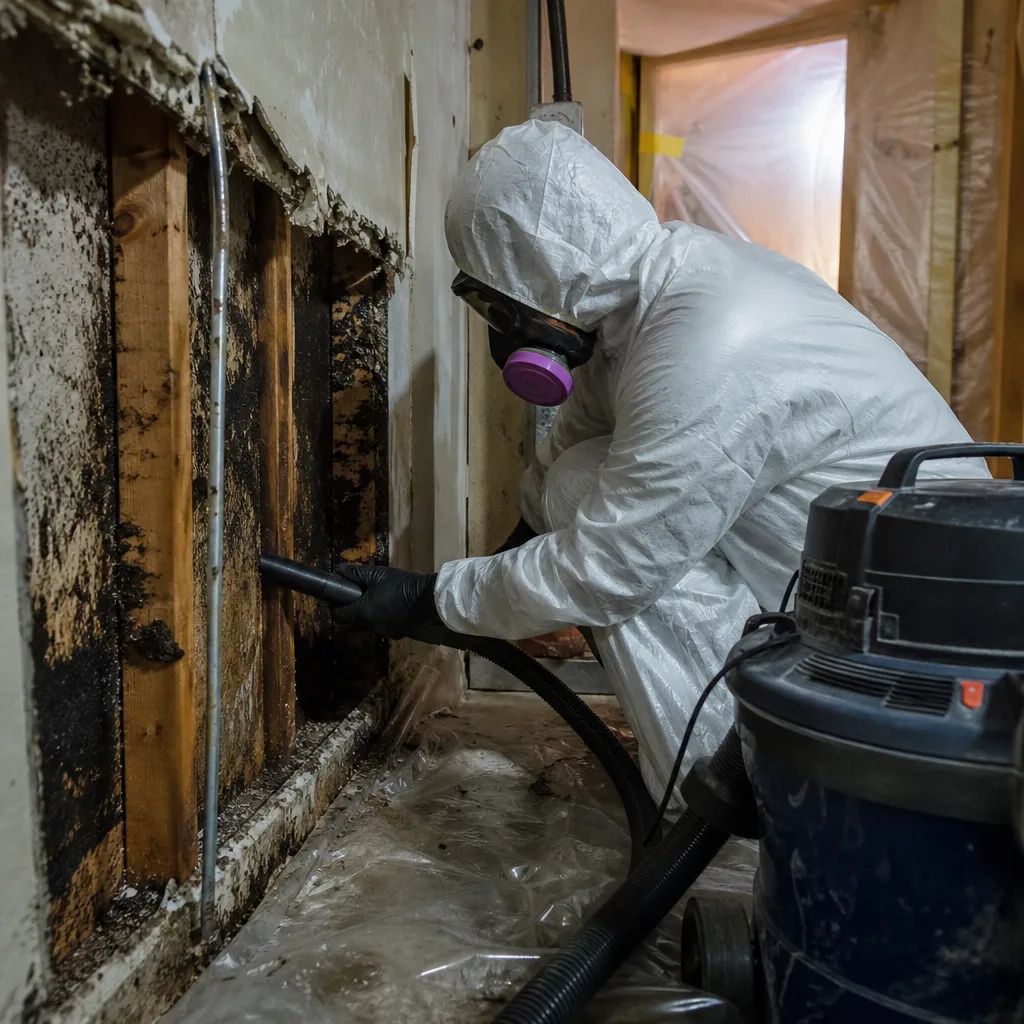
Basement Water Removal
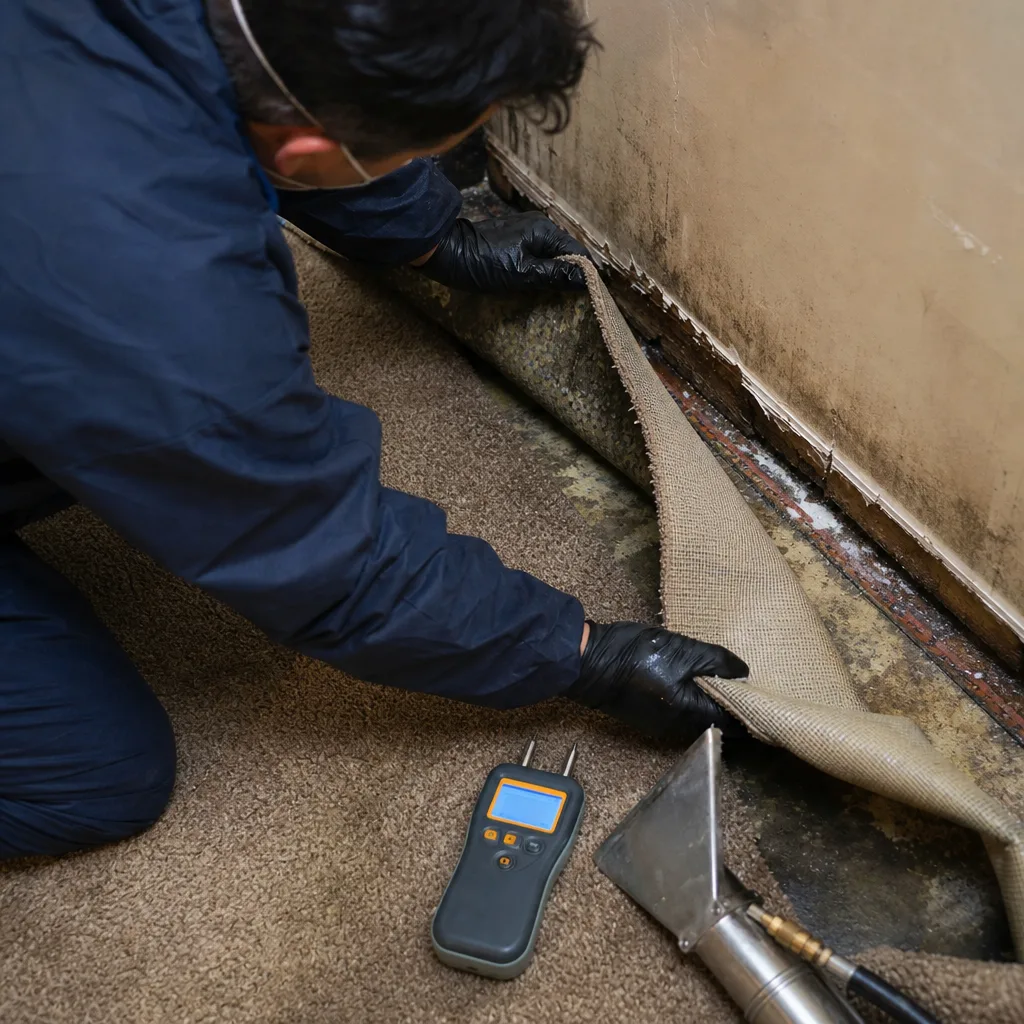
Finished basement apartments are standard throughout Astoria, from the garden-level units below 31st Street to the walk-down spaces near Astoria Park. When these flood - whether from sewage backup through original clay laterals, sump pump failure during a Hell Gate storm surge, or supply-line breaks from the floor above - the damage category determines what must be removed, not the cause. Category 3 water, which includes any sewage intrusion or groundwater flooding in Astoria’s low-lying blocks, requires removal of porous materials that can’t be restored to pre-loss condition: carpet and pad, baseboard, drywall below the water line, and any insulation in contact with contaminated water. We don’t dry Category 3 materials in place. The category decides, not the convenience. We scope this in writing before demolition begins, with photo documentation of every removed square foot.
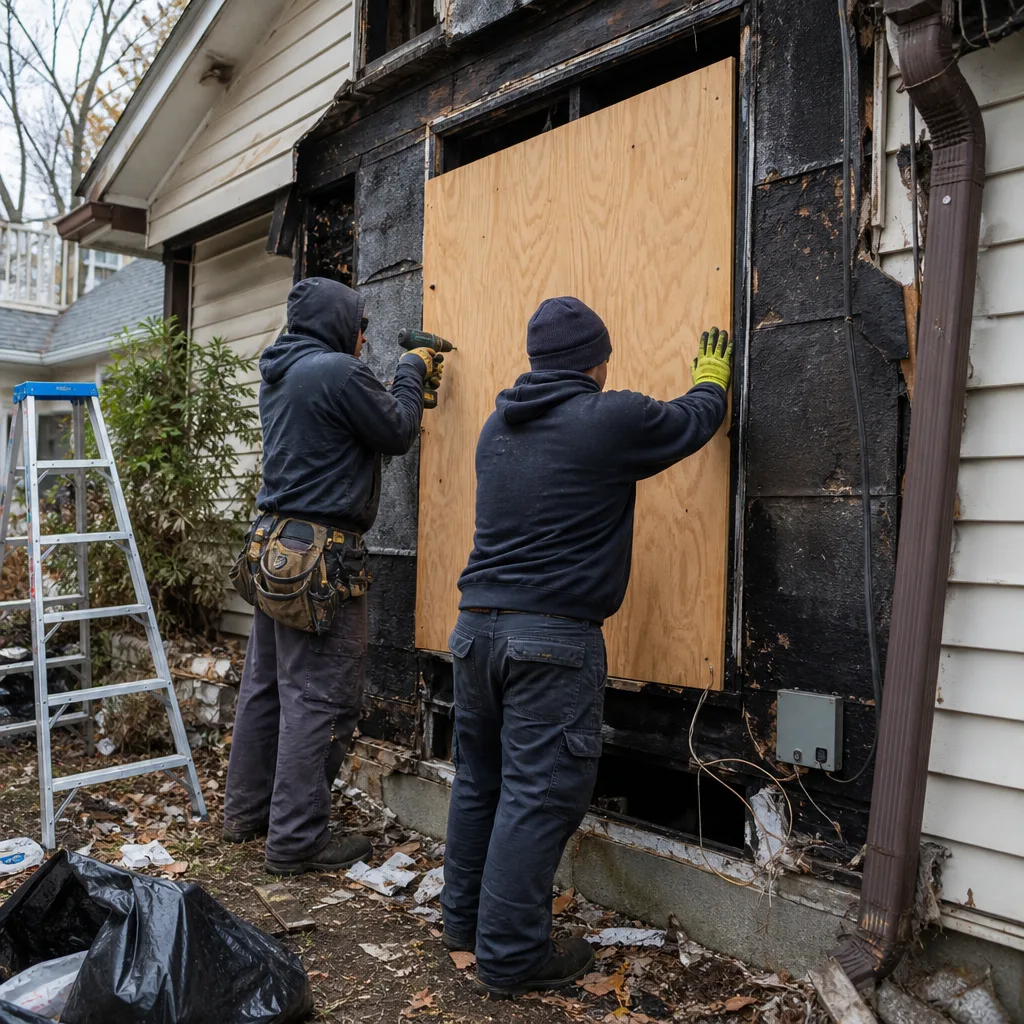
Flood Cleanup
Astoria’s position along the East River and the narrow, turbulent Hell Gate tidal strait creates localized storm-surge flood risk that exceeds what nearby inland Queens neighborhoods face. The waterfront blocks near Shore Boulevard and the Astoria Park southern edge sit in FEMA-designated flood zones, a risk made viscerally real by Hurricane Sandy inundation in 2012. Flood cleanup in these areas involves Category 3 water protocols from the start: full extraction, controlled demolition of affected porous materials, antimicrobial application to structural surfaces, and HEPA air filtration during the drying phase. We coordinate directly with your flood insurance adjuster, providing the documented moisture logs and photo records that distinguish a payable flood claim from a denied one. Our scopes reference the specific FEMA flood zone and base flood elevation for your Astoria block, because that documentation matters when the carrier reviews the file.
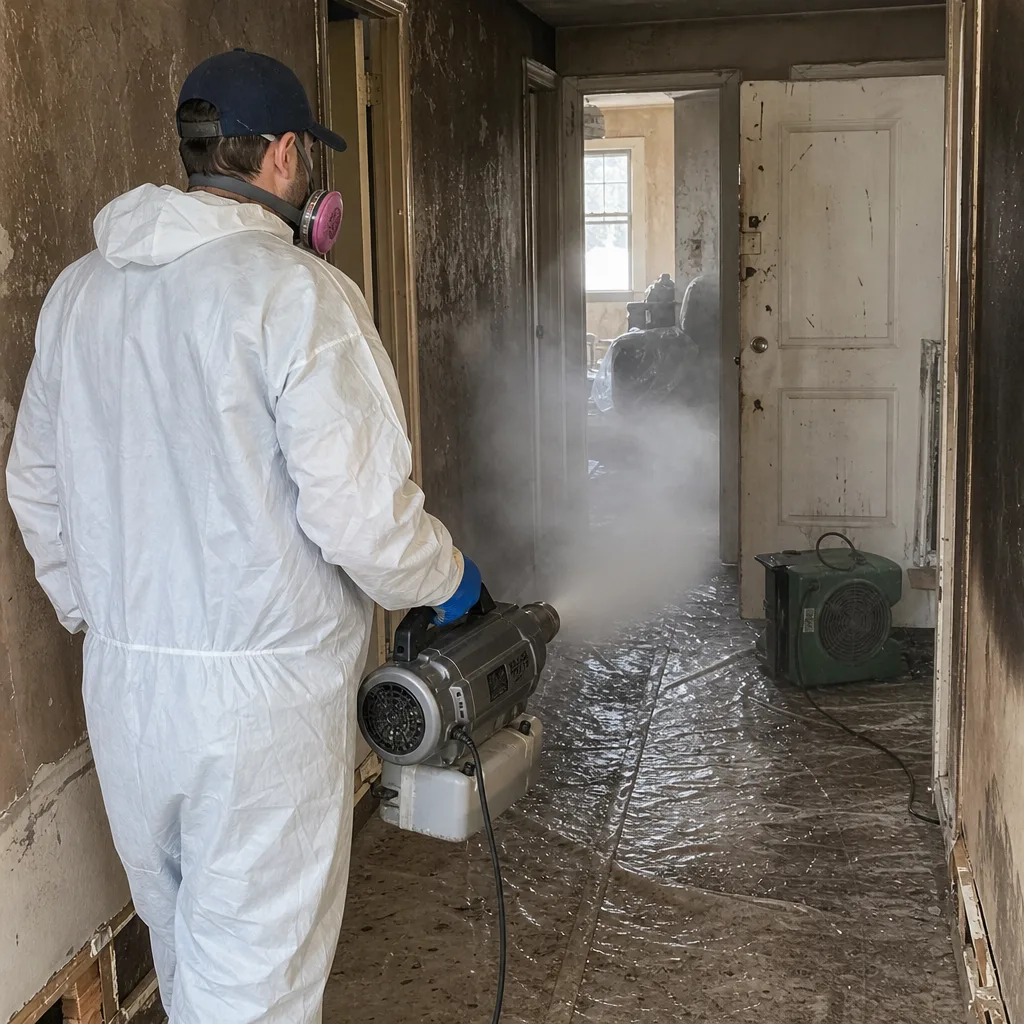
What happens when you call
- 1
A real person answersNo phone trees - you reach a local pro.
- 2
You get an upfront price rangeHonest numbers before anyone is dispatched.
- 3
A background-checked tech heads outLicensed & insured, dispatched right away.
- 4
You approve before work beginsNothing starts until you say go.
BeforeAfterTrusted Brands We Service in Astoria
Our equipment inventory includes professional-grade drying systems from Dri-Eaz, Phoenix, and B-Air, with Injectidry cavity-drying systems for the shared-wall assemblies that are universal in Astoria’s attached housing stock. We don’t rent equipment by the day and hope it matches the job. We own our fleet, maintain it to manufacturer specifications, and size each deployment to the psychrometric load of the specific loss. For Astoria’s multi-family buildings, that often means coordinating multiple dehumidifier zones across separate units with independent moisture targets - equipment and documentation that rental-grade operations can’t replicate. Every machine on your job is logged by serial number, run-time, and daily moisture removal, and that log travels with your claim file.
Common Water Damage Restoration Problems We See in Astoria Homes
- Freeze-thaw cycles split flat-roof membranes and brick parapets in late winter. Astoria’s near-universal flat or low-slope built-up roofs pond water during rain events, and the repeated late-winter freeze-thaw stress produces membrane splits and spalling masonry that accelerates infiltration. The resulting roof leak gets scoped as a one-room ceiling repair while ponding water keeps feeding the wall assembly below - we map the full migration path before writing the scope.
- Category 3 sewage backups from original clay laterals get treated as Category 1 and dried in place. Aging cast-iron drain stacks and original clay sewer laterals are standard throughout Astoria’s pre-war housing. When these fail, the resulting backup is Category 3 water by definition, requiring removal of affected porous materials regardless of how “clean” the water appears. We classify by the water’s source and contamination potential, not by visual inspection.
- Crews stop at the address on the work order and miss lateral wicking through solid masonry party walls. Because Astoria rowhouses share unbroken masonry party walls with no gap or air space, moisture from one unit routinely migrates into the neighboring building within hours. Our thermal imaging and non-penetrating moisture meters check adjacent units as standard protocol, not as an add-on.
- Finished basement apartments flood from multiple simultaneous failure points. The combination of aging infrastructure, below-grade living space, and storm-surge exposure in Astoria’s low-lying blocks means basement apartments often flood from overlapping causes: sewer backup during a rain event, plus sump pump failure, plus groundwater intrusion through foundation walls. We identify and document each contributing source because insurers separate coverage differently for each.
Pricing for Water Damage Restoration in Astoria, NY
Water damage restoration pricing in Astoria reflects the specific building stock, density, and multi-occupancy complexity that suburban markets don’t face. Here’s what we typically see:
| Service | Typical Range in Astoria |
|---|---|
| Emergency water extraction (single room) | $450 - $950 |
| Structural drying & dehumidification (per day) | $285 - $475 |
| Basement water removal (finished, Category 3) | $2,200 - $5,800 |
| Burst pipe restoration with drywall repair | $1,800 - $4,200 |
| Multi-unit rowhouse drying (shared wall assembly) | $4,500 - $12,000+ |
| Flood cleanup (FEMA zone, Category 3 protocol) | $3,800 - $9,500 |
What moves a job within these ranges: the water category (Category 1 clean water vs. Category 3 sewage or flood), the affected square footage, whether the loss involves multiple units across party walls, and the materials affected (plaster and lath require different drying protocols than drywall). Every job gets a written price before work begins - Haven Standard, Clause 1 - with no scope-creep additions once the crew is inside. We also provide a Free Second Opinion on any competitor’s written estimate. Call (516) 687-6900 for an exact quote; estimates are free.
We Also Serve Cities Near Astoria
Our crews respond throughout western Queens, including Astoria and the neighboring communities of Long Island City, Woodside, Jackson Heights, and Maspeth. Each of these markets shares some of Astoria’s building-stock characteristics - the pre-war attached housing in Woodside, the elevated flood exposure in Long Island City’s waterfront blocks - but none replicate Astoria’s specific combination of solid-masonry party walls, Hell Gate storm surge, and dense multi-family occupancy. We scope accordingly.
Serving Astoria, NY - Our Local Coverage Area
We’re based in the Astoria area and know this community well. Use the map below to see our service coverage - if you’re nearby, we can almost certainly help.
FAQs - Water Damage Restoration in Astoria
Yes, and it routinely does within hours of the initial loss. Astoria’s pre-war attached brick rowhouses share unbroken masonry party walls with no air gap, so moisture wicks laterally through the brick and mortar joints into your ceiling and wall assemblies before you see visible staining. We caught a 2 a.m. call on a 1920s attached brick rowhouse off Ditmars Boulevard where a second-floor supply line let go above a finished basement apartment. Because the party wall runs solid brick with no air space, our moisture mapping with thermal imaging showed readings climbing in the neighbor’s ceiling assembly before their tenant ever called anyone. We set containment at both units, ran Dri-Eaz and Phoenix air movers with Injectidry panel drying on the shared wall cavities, logged moisture readings every four hours, and coordinated two separate adjusters - plus the third owner whose party wall was reading elevated - before we closed the drying logs. If your neighbor has active water damage, we recommend a non-invasive moisture survey of your shared wall. Call (516) 687-6900 to schedule; estimates are free.
Everything porous that contacted Category 3 water must be removed and discarded, not dried in place. Sewage backups in Astoria’s finished basement apartments involve Category 3 water by definition, which means carpet and pad, baseboard, drywall below the water line, and any insulation in the affected wall cavities cannot be restored to pre-loss condition and must be removed. Hard, non-porous materials - concrete floors, ceramic tile, metal framing - can be cleaned, disinfected, and restored. We scope the full removal in writing before demolition begins, with photo documentation of every affected square foot, and we coordinate directly with your adjuster on the replacement value of removed materials. The category decides what comes out, not the cause or the appearance of the water. Call (516) 687-6900 for a written scope; estimates are free.
Mold colonization can begin on wet organic materials within 24 to 48 hours of water intrusion, and Astoria’s pre-war building stock accelerates that timeline. The plaster and wood lath common in Astoria walk-ups provide more organic substrate than modern drywall, and the dense masonry construction slows natural drying, maintaining humidity levels that support fungal growth. A late-winter roof leak from a split membrane or spalling parapet - the pattern we see most often on Astoria’s flat-roof buildings - can saturate the ceiling assembly for days before visible staining appears. By then, mold may be established in the cavity. We recommend emergency drying within the first 24 hours for any confirmed roof leak, with thermal imaging to check for hidden saturation in the joist bays above. Our crews carry HEPA containment and negative air machines for jobs where mold is already suspected. Call (516) 687-6900 for immediate response; live dispatch 24/7.
Yes, and we follow Category 3 water protocols from arrival through final clearance. The waterfront blocks near Shore Boulevard and the Astoria Park southern edge sit in FEMA-designated flood zones with documented storm-surge exposure from Hurricane Sandy and subsequent tidal events. Flood cleanup in these areas requires full extraction, controlled demolition of affected porous materials, antimicrobial application to structural surfaces, and HEPA air filtration during the drying phase. We document the specific FEMA flood zone and base flood elevation for your property, and we coordinate directly with your flood insurance adjuster on the moisture logs and photo records required for claim payment. Our scopes separate flood-related damage from pre-existing maintenance issues, because carriers review Astoria flood claims with particular scrutiny. Call (516) 687-6900; we respond to active flooding immediately.
A proper scope for an Astoria multi-family building includes: moisture mapping of the affected unit and all adjacent units sharing party walls; classification of the water category by source and contamination potential; extraction of standing water; controlled demolition of non-salvageable materials; deployment of structural drying equipment sized to the psychrometric load; daily moisture logs with documented readings to IICRC and RIA standards; photo documentation of every phase; antimicrobial application where Category 2 or 3 water is involved; coordination with multiple adjusters when multiple owners are affected; and a written price delivered before any work begins, backed by our 365-Day Done Right Promise under The Haven Standard. For rowhouse buildings with solid masonry party walls, we also include Injectidry cavity drying of shared wall assemblies and formal moisture clearance testing before equipment removal. No scope is final until all affected units read dry. Call (516) 687-6900 for a written scope on your building; estimates are free.
Written by Alicia Brennan, Owner at Back to Dry Restoration, serving Astoria since 2011 under The Haven Standard.