
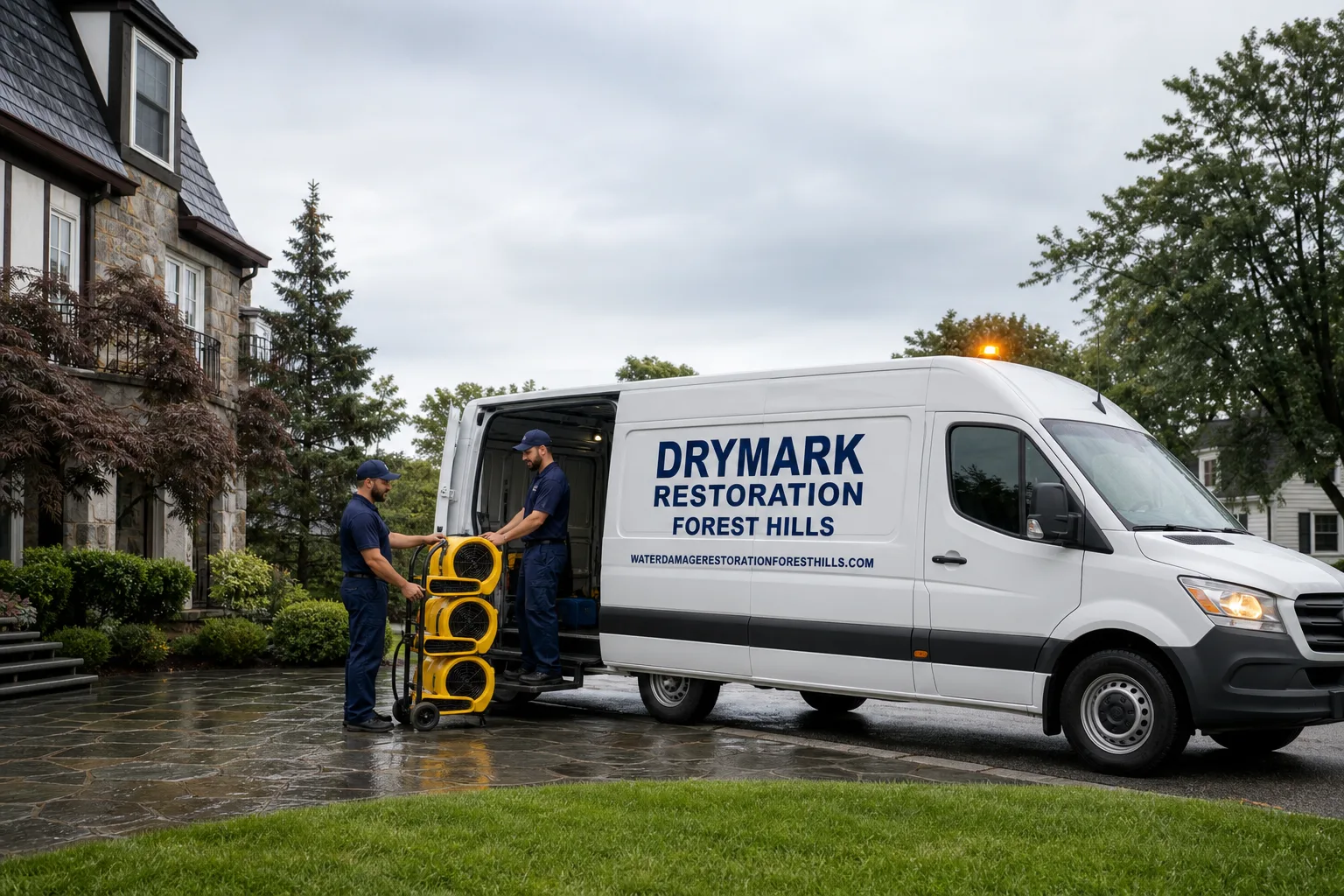
Free visual inspection and a written scope of work before any mitigation begins - photos, moisture readings, and drying logs go in your claim file
The scope we write is the scope we bill. Anything new gets shown to you, in writing, before we touch it.
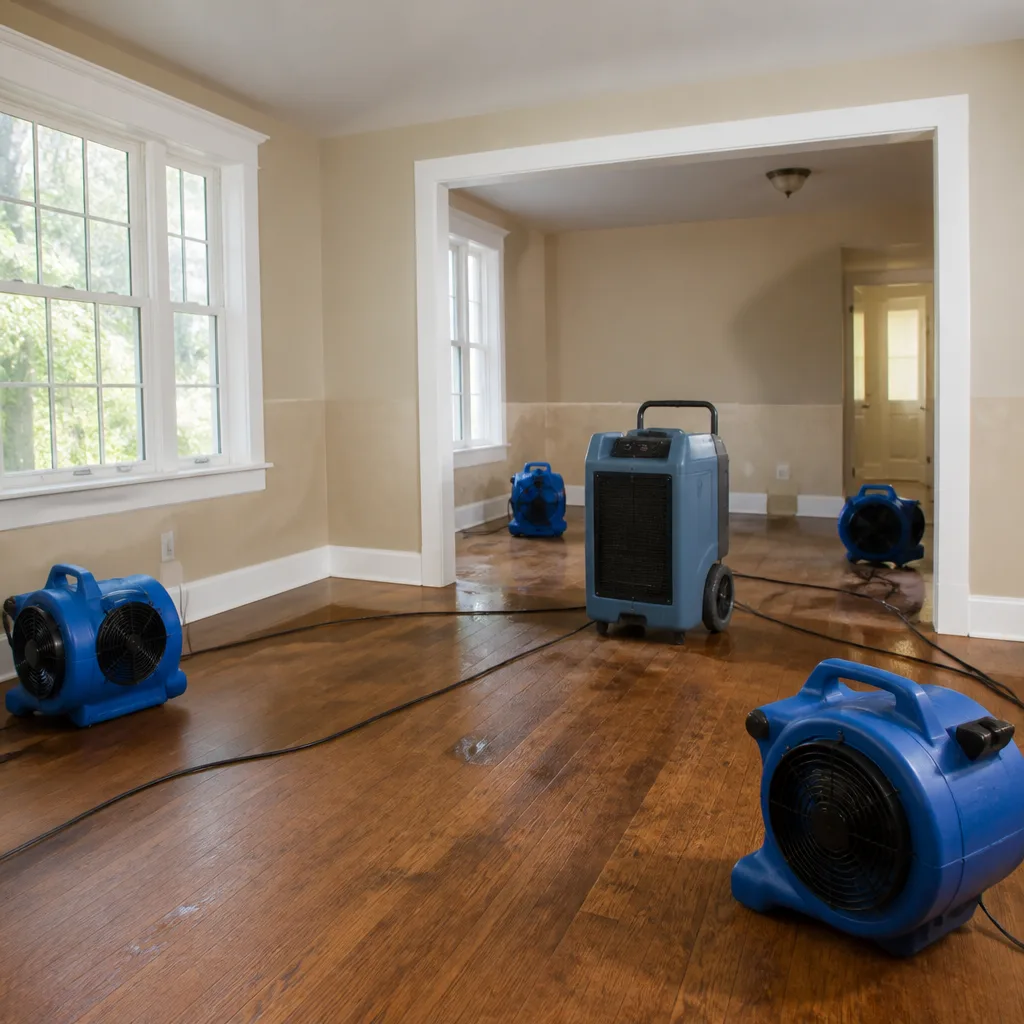
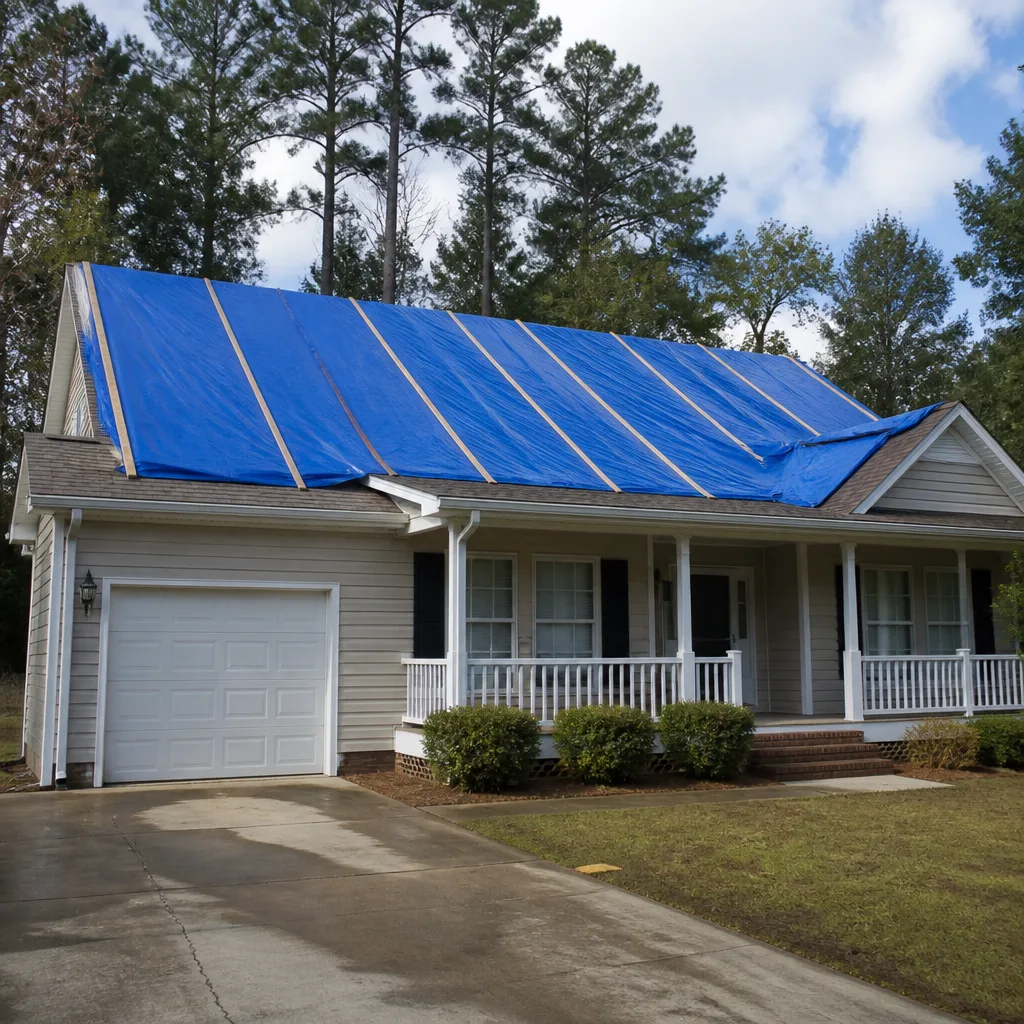
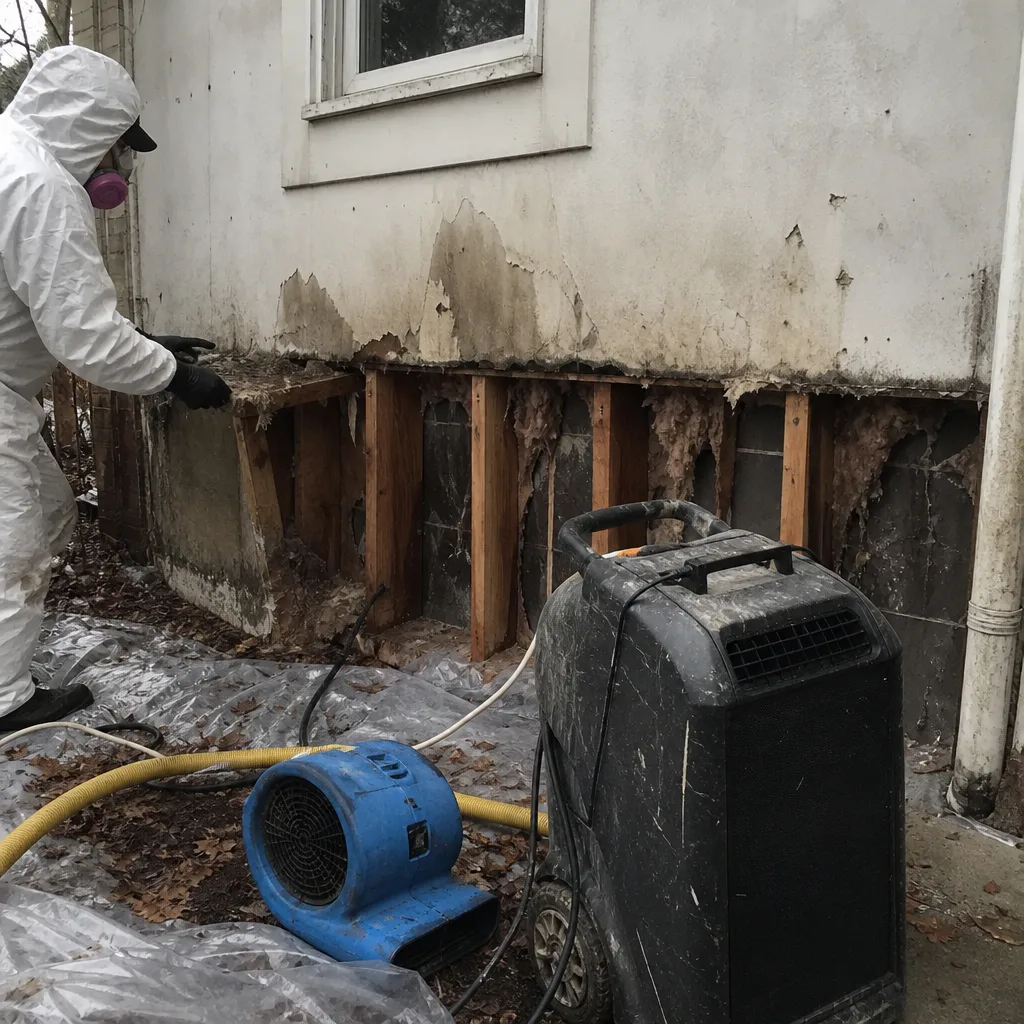 Before
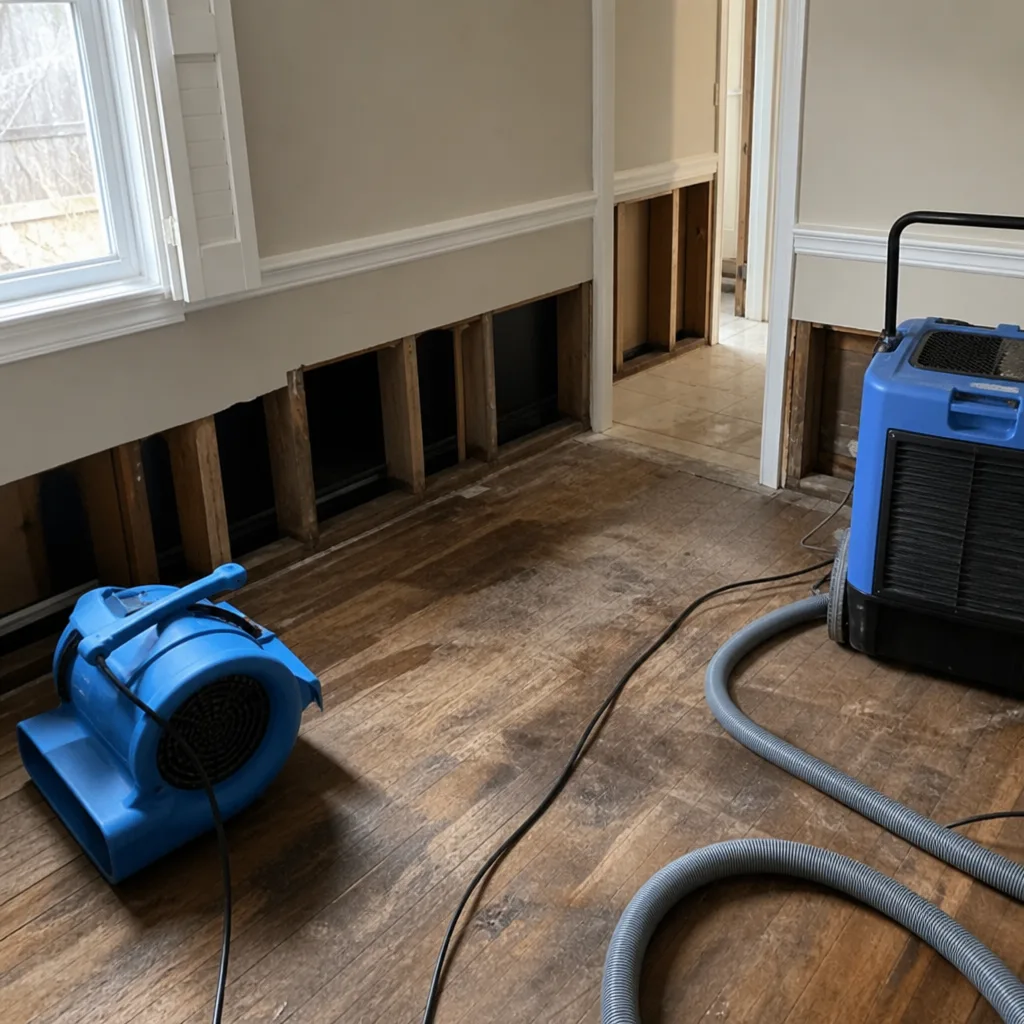 After
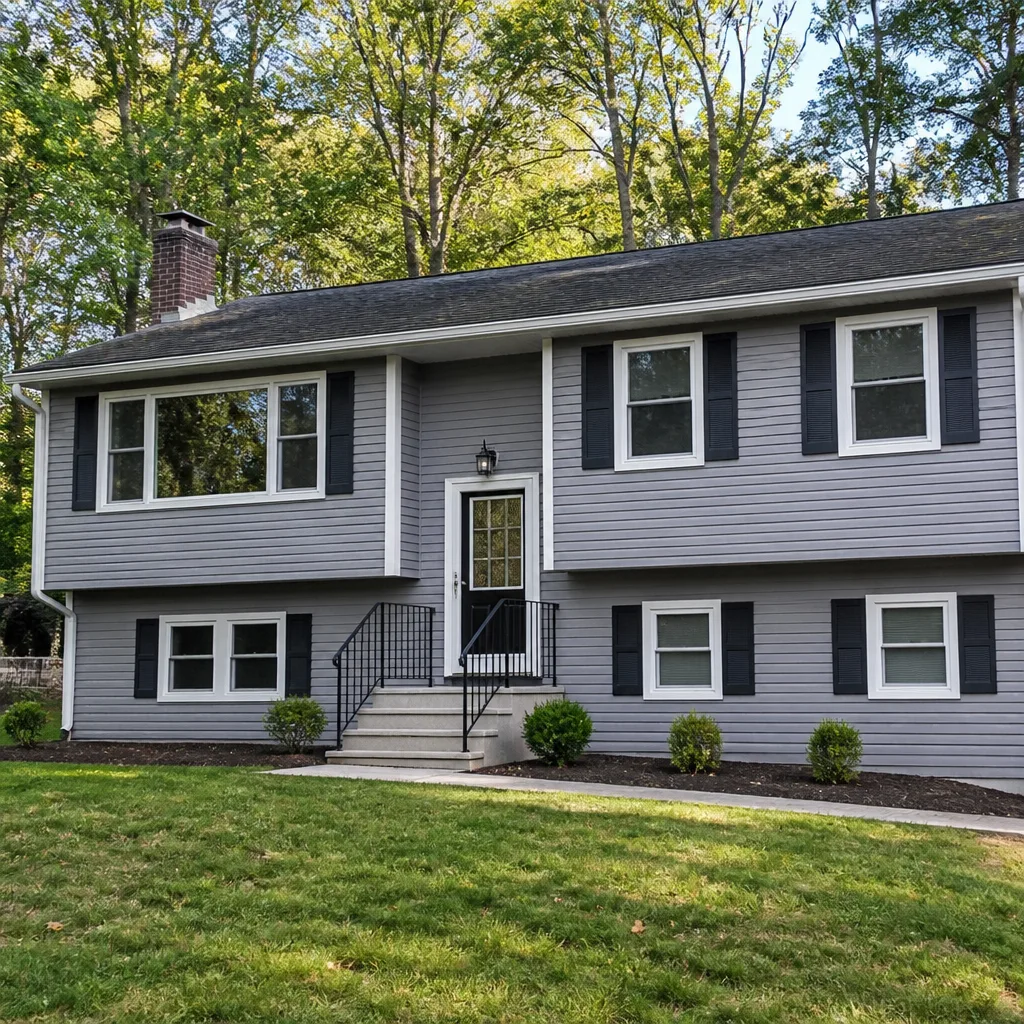
After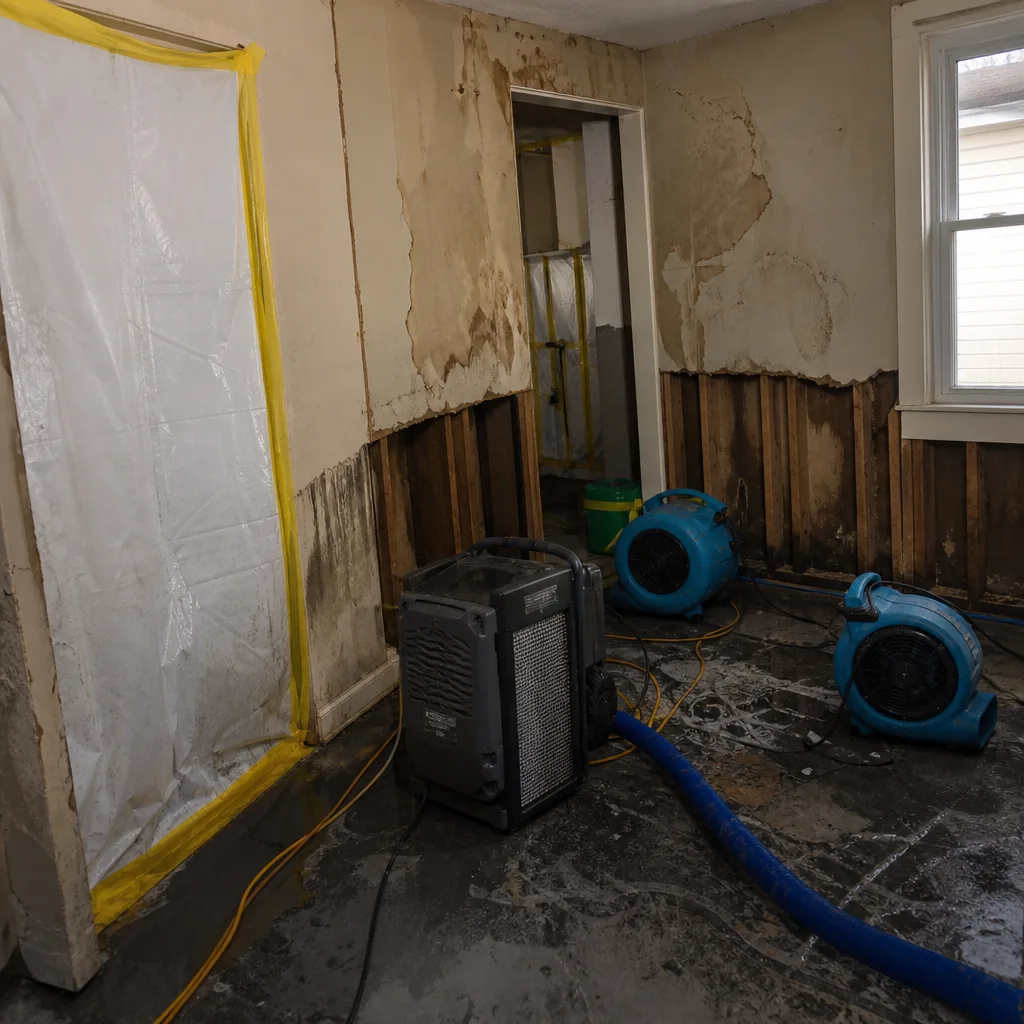 Before
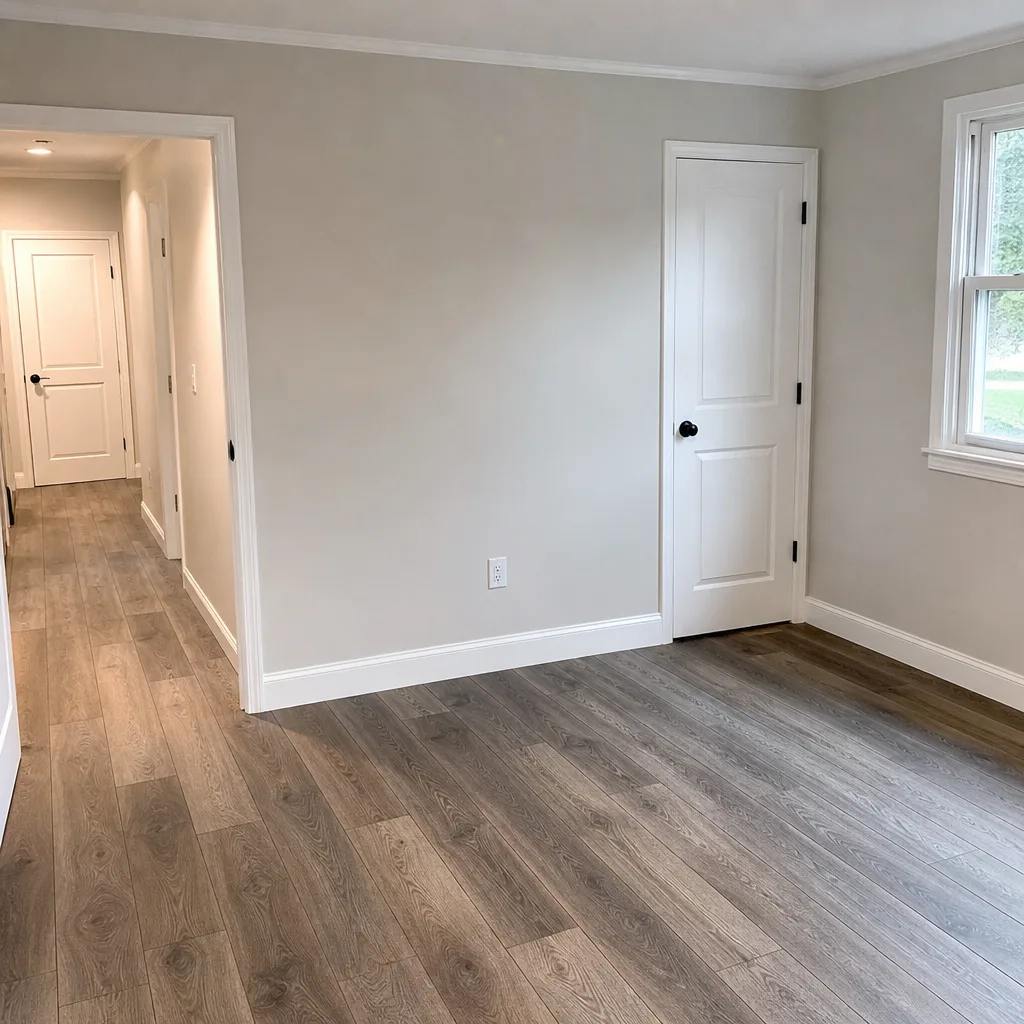 After
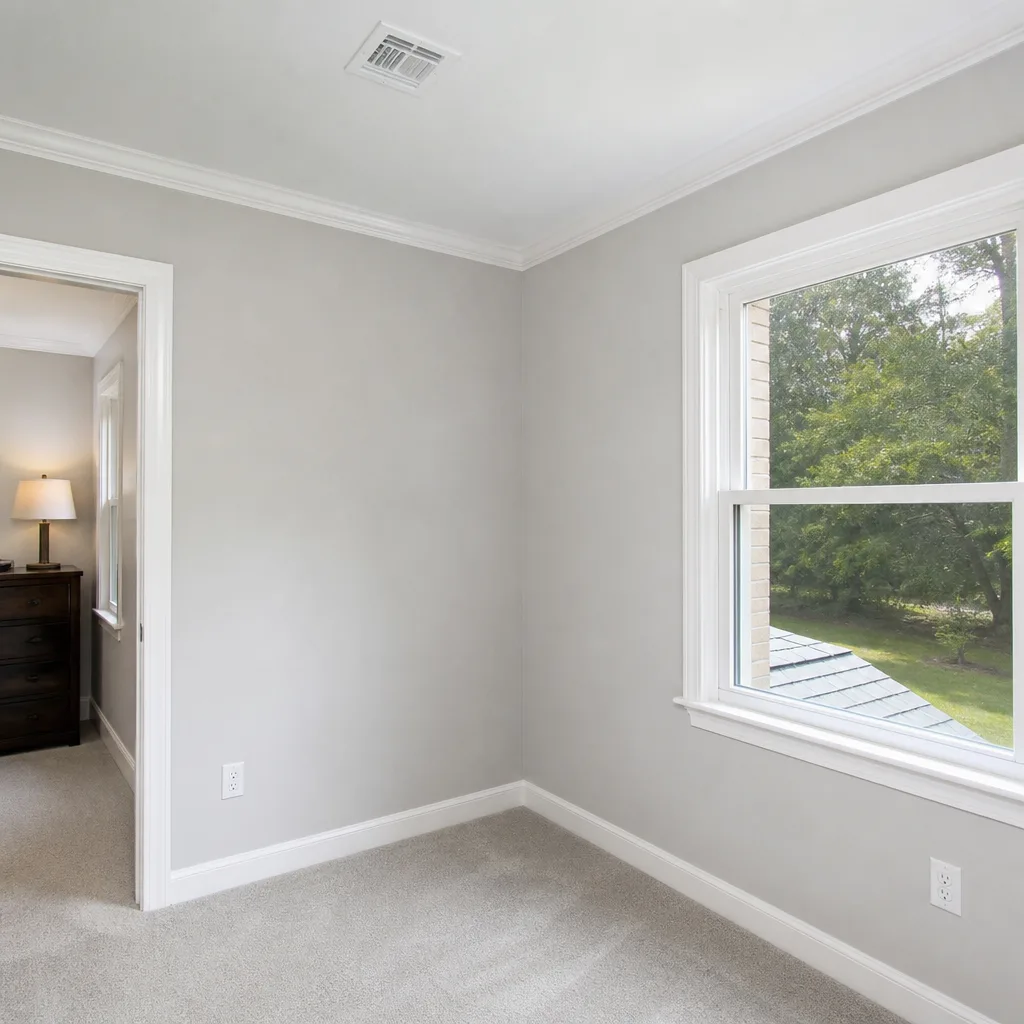
After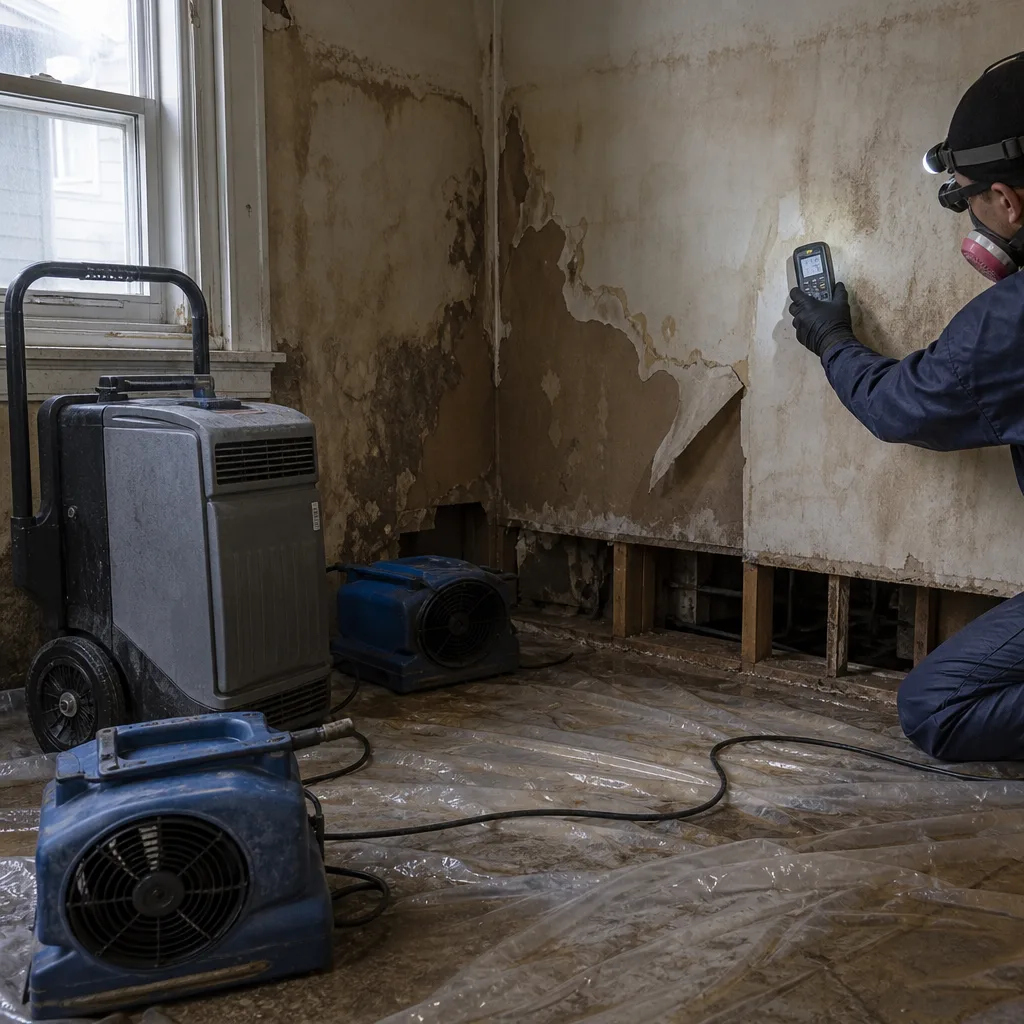 Before
 After
AfterFast, Reliable Mold Remediation Across Elmhurst
Mold remediation in Elmhurst typically costs $1,800-$5,500 for residential jobs, with most inspections completed same-day and containment set within 24 hours. We dispatch crews from our New York City office to Elmhurst daily, carrying containment systems, HEPA filtration, and moisture detection gear sized for the narrow entries and tight basement stairs common to 1920s-1950s brick row houses here. Call (516) 687-6900 and a live person answers, 24 hours a day, 7 days a week - no voicemail, no callback queue.
Elmhurst’s flat, low-lying terrain and aging combined sewer infrastructure create conditions we see nowhere else in Queens. After Hurricane Ida in September 2021, basement and cellar units throughout the neighborhood filled with floodwater in minutes. The brick masonry envelopes that define this housing stock trap moisture behind original plaster and inside floor joists long after surfaces appear dry. That hidden moisture drives mold colonization unless it’s found with calibrated meters and eliminated with documented drying protocols.
Why DryMark Restoration Forest Hills Is Elmhurst’s Preferred Mold Remediation Company
We’ve restored more than 12,000 homes since 2011, every one with a written price before work started and a photo record on every visit. In Elmhurst specifically, our crews understand the documentation requirements that turn restoration invoices into payable insurance claims - because Alicia Brennan founded this company after working as a claims adjuster and watching homeowners lose coverage over sloppy paperwork.
Our response time to Elmhurst averages under 90 minutes for active mold emergencies. We know the parking constraints near Broadway, the alley-load entries off Whitney Avenue, and the narrow staircases that standard equipment won’t fit through. Every technician is background-checked, uniformed, and licensed, with license numbers provided on request.
Reviews from Elmhurst customers consistently cite two things: our written scope delivered before any work begins (Haven Standard, Clause 1), and our daily photo documentation that their adjusters accepted without dispute. We’re independently owned and operated under The Haven Standard - never a franchise.
Before we scope any below-grade mold job in Elmhurst, we pull the Certificate of Occupancy. This step is non-negotiable here. The NYC Department of Buildings distinguishes habitable basements from uninhabitable cellars, and Elmhurst has one of Queens’ highest concentrations of converted cellar rental units. Rebuilding an illegal cellar to habitable condition without flagging it exposes both homeowner and contractor to stop-work orders and fines. This C of O check is far less common in neighboring Queens neighborhoods with fewer converted cellar units. It’s the kind of local knowledge that prevents a remediation job from becoming a legal problem.
Our Mold Remediation Services in Elmhurst
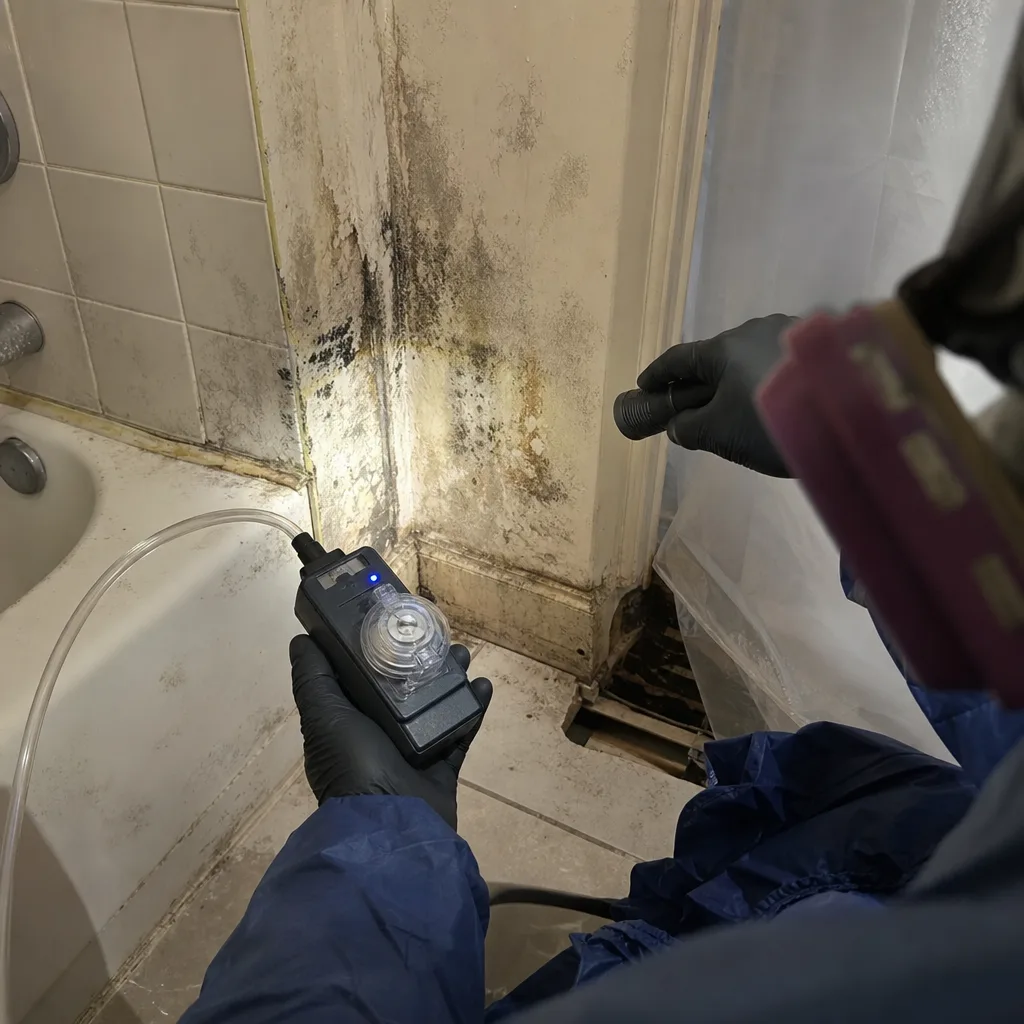
Mold Inspection & Testing
Every Elmhurst inspection starts with moisture mapping using thermal imaging and calibrated hygrometers, not visual guesswork. We measure vapor pressure differential - the force that drives moisture through walls - and document psychrometric data (temperature, relative humidity, dew point) for every room. In 1920s-1950s brick row houses near Broadway and Whitney Avenue, we regularly find mold colonizing behind intact plaster where cast-iron drain stacks have leaked for months. Surface swabs and air sampling follow IICRC standards, with lab results typically returned in 48 hours. The written inspection report includes photo documentation, moisture readings, and a scope of work with a fixed price - Haven Standard, Clause 1.
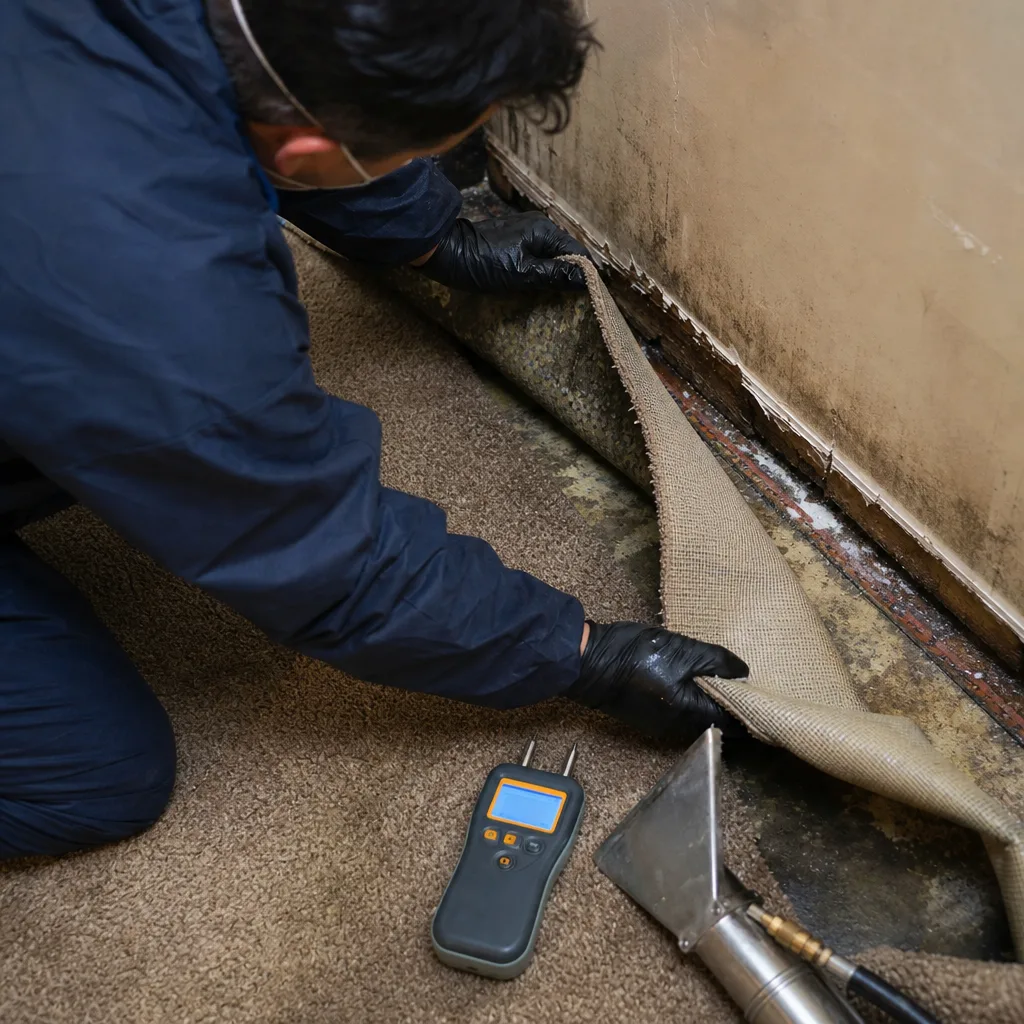
Black Mold Remediation
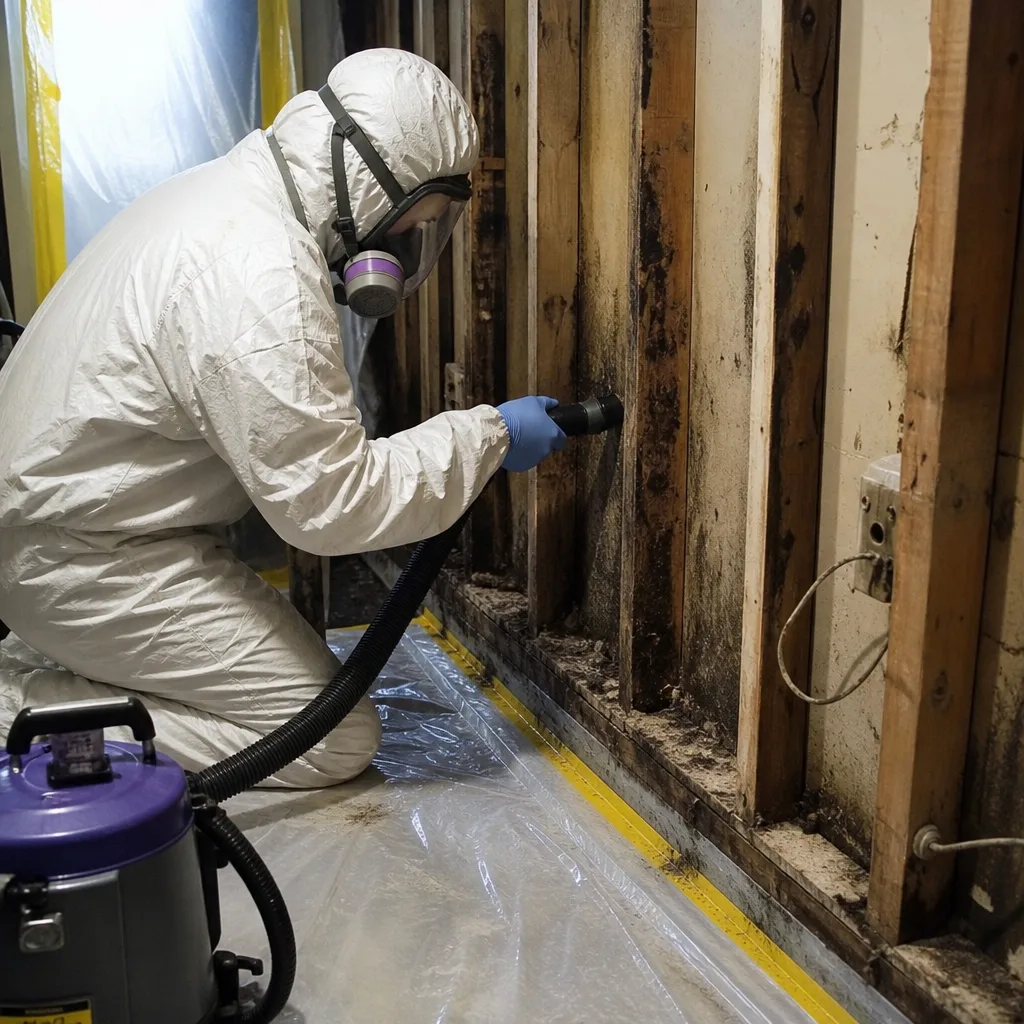
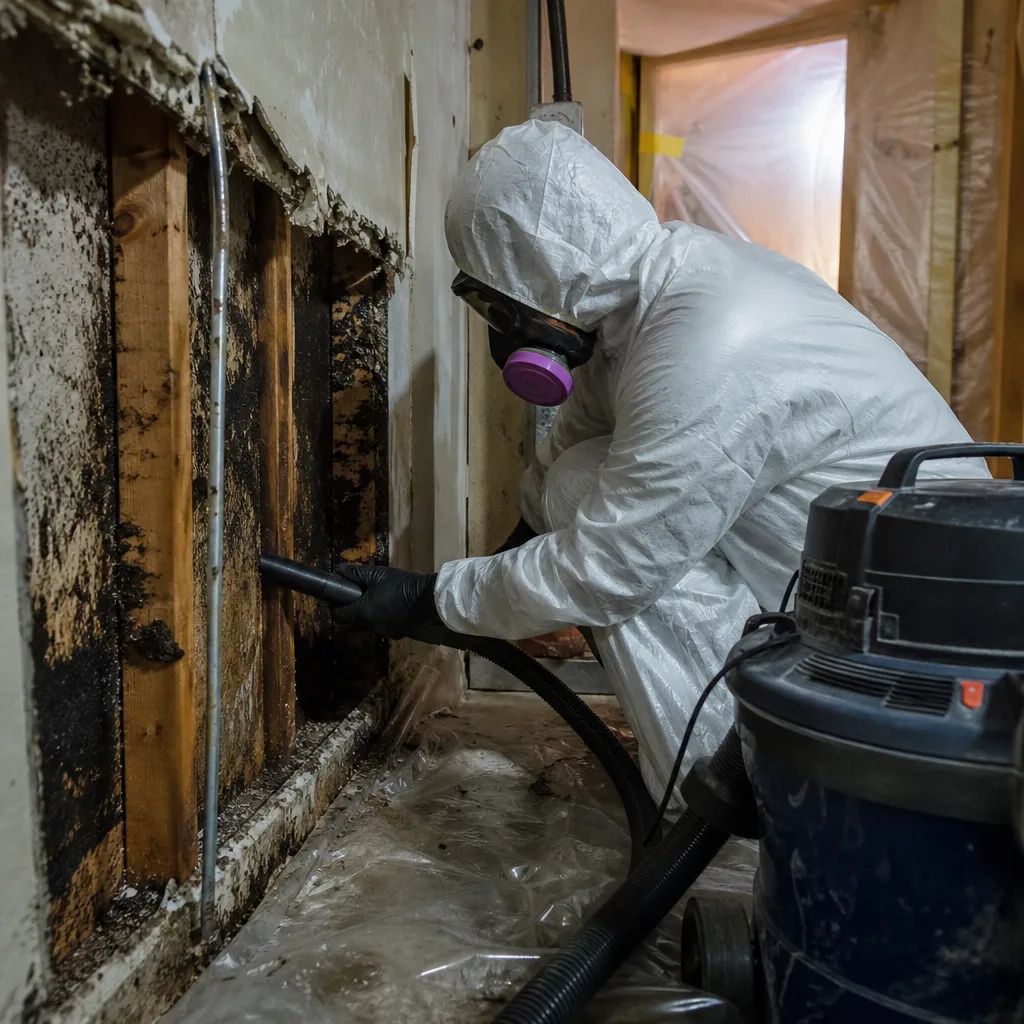
Stachybotrys and other toxigenic molds require full containment with negative air pressure, not surface cleaning. In Elmhurst’s dense attached housing, we seal work areas with polyethylene barriers and run HEPA-filtered air scrubbers to prevent cross-contamination through shared walls and HVAC systems. After a nor’easter pushed combined sewer backflow into a 1920s brick row house near Broadway and Whitney Avenue, our crew found the finished cellar apartment had soaked plaster and joists from a Category 3 loss. We set up containment, ran moisture mapping and structural drying with Dri-Eaz dehumidifiers and XPOWER air movers, then applied antimicrobial treatment once readings confirmed the masonry was dry. Because the DOB classified the space as a cellar, we documented the pre-loss condition and adjusted the scope of work so the homeowner avoided a stop-work order while we removed the mold.
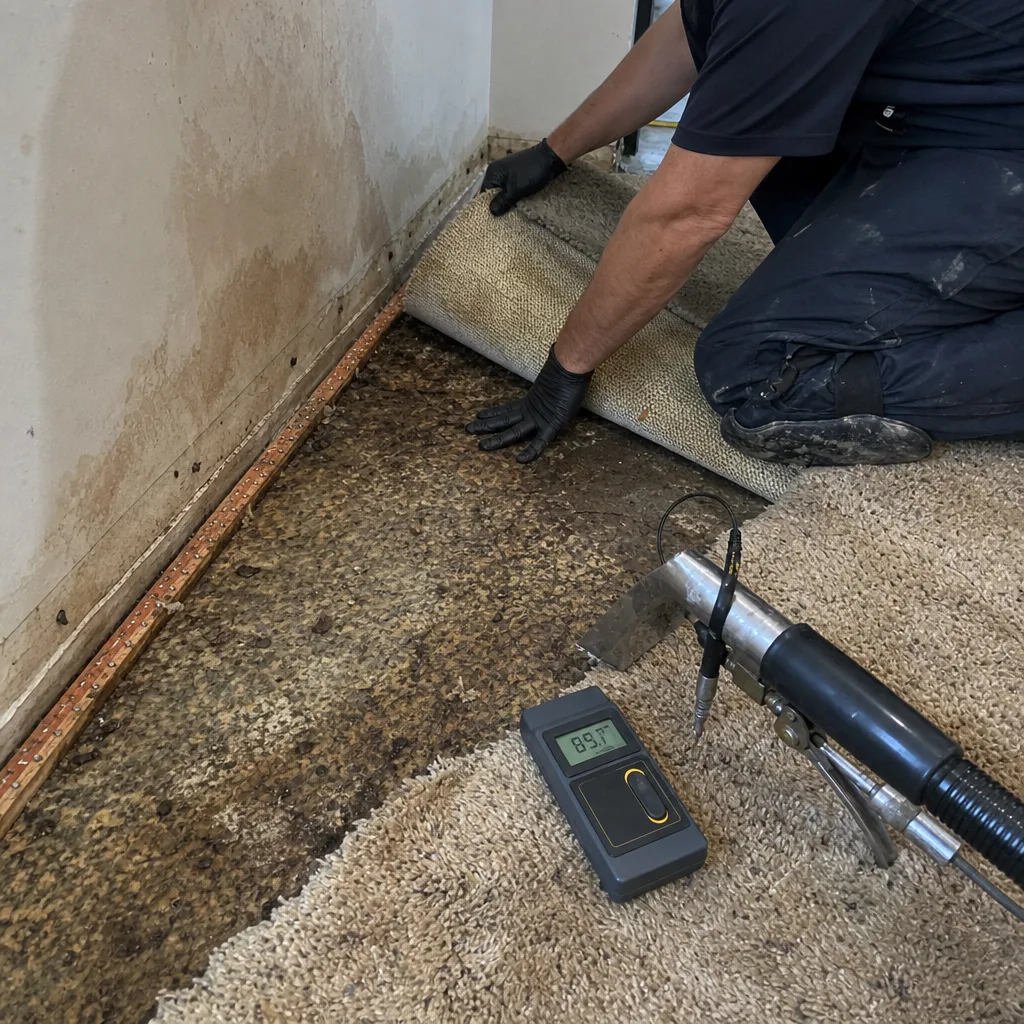
Mold Removal
Removal scope depends on material classification and moisture history. Non-porous materials (tile, metal, sealed concrete) clean with HEPA vacuuming and antimicrobial application. Porous materials (drywall, insulation, carpet, unfinished wood) that have absorbed Category 3 black water from combined sewer backflow must be removed - cleaning alone leaves contamination. In Elmhurst’s original plaster walls, we test density and adhesion; salvageable plaster dries in place with Injectidry cavity systems, while compromised sections come out with controlled demolition. Every removal phase is photo-documented, with waste manifests for hazardous materials.
Moisture & Humidity Control
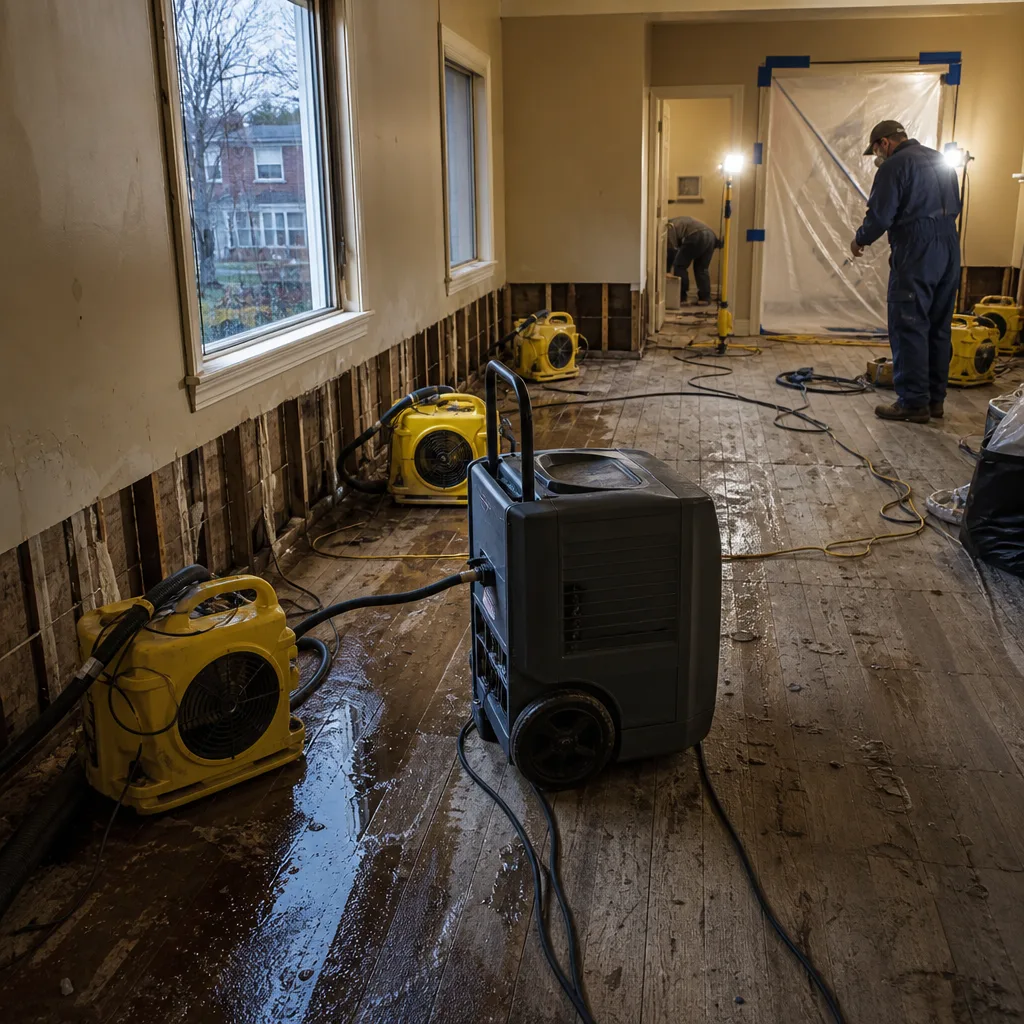
Elmhurst’s heavily impervious, nearly flat terrain provides almost no natural stormwater absorption. Combined sewer backflow during intense rainfall events pushes contaminated water directly into basements, elevating every flood job to Category 3 status. Our humidity control protocols use B-Air and Phoenix dehumidifiers sized to the cubic footage of each space, with daily moisture logs tracking specific humidity and grain depression until readings stabilize within IICRC drying standards. Without this documentation, insurance adjusters routinely deny secondary damage claims. We produce the drying logs that turn restoration invoices into payable claims.
Air Quality Restoration
Post-remediation air testing verifies that spore counts have returned to background levels. In Elmhurst’s tight row house construction, we pay particular attention to HVAC ductwork that may have circulated spores before containment. HEPA filtration runs continuously during work, with final clearance testing by an independent lab where required by insurance or property management agreements.
What happens when you call
- 1
A real person answersNo phone trees - you reach a local pro.
- 2
You get an upfront price rangeHonest numbers before anyone is dispatched.
- 3
A background-checked tech heads outLicensed & insured, dispatched right away.
- 4
You approve before work beginsNothing starts until you say go.
BeforeAfterTrusted Brands We Service in Elmhurst
Our Elmhurst crews deploy professional-grade drying and remediation equipment from Dri-Eaz, Phoenix, XPOWER, B-Air, and Injectidry - brands specified by IICRC, RIA, and IFA standards for water damage and mold remediation. We stock HEPA air scrubbers, negative air machines, and dehumidifiers in capacities matched to Elmhurst’s typical basement and cellar dimensions, so we’re not waiting on rental deliveries while mold continues colonizing. For cavity drying in original plaster walls, Injectidry systems push dry air through wall voids without destructive demolition. Equipment is maintained, calibrated, and documented on every job. Fast turnaround on Elmhurst streets means knowing which gear fits through 30-inch basement entries and which requires exterior staging.
Common Mold Remediation Problems We See in Elmhurst Homes
- Skipping the Certificate of Occupancy check before scoping below-grade work. In Elmhurst’s dense converted cellars, this can lead to rebuilding an illegal unit and trigger DOB fines or a stop-work order mid-remediation. We pull the C of O on every below-grade job.
- Treating sewer backflow as a clean-water loss. Elmhurst’s combined sewers push Category 3 black water into basements. Any mold remediation that doesn’t remove contaminated porous materials - drywall, insulation, carpet pad - will leave mold and bacteria behind.
- Ignoring moisture trapped behind original plaster and inside floor joists. The 1920s-1950s masonry envelopes here hold water long after surfaces look dry. Mold colonizes hidden cavities unless moisture readings and daily drying logs guide the work.
- Failure to document pre-loss conditions for insurance. Without photo records, moisture logs, and written scopes, adjusters deny claims. Our documentation package is standard on every Elmhurst job, never an upsell.
Pricing for Mold Remediation in Elmhurst, NY
A typical mold inspection and testing in Elmhurst runs $350-$650, depending on square footage and sample count. Contained mold removal for a standard basement or cellar unit ranges $1,800-$4,200. Whole-house remediation with HVAC decontamination can reach $5,500-$8,500. Black mold remediation with full containment and negative air pressure starts around $2,800 for localized areas.
| Service | Typical Range in Elmhurst |
|---|---|
| Mold Inspection & Testing | $350 - $650 |
| Localized Mold Removal | $1,800 - $4,200 |
| Black Mold Remediation (contained) | $2,800 - $5,500 |
| Whole-House Remediation + HVAC | $5,500 - $8,500 |
| Moisture & Humidity Control (post-remediation) | $450 - $1,200/month |
What affects cost: affected square footage, material classification (porous vs. non-porous), whether the space requires Category 3 contamination protocols, and whether the Certificate of Occupancy reveals permit complications. Every job gets a written price before work begins - Haven Standard, Clause 1 - with no scope-creep additions once the crew is inside. Bring a competitor’s written estimate and we’ll review it at no charge. Call (516) 687-6900 for an exact quote; estimates are free.
We Also Serve Cities Near Elmhurst
Our Mold Remediation in Elmhurst crews respond daily to Jackson Heights, Middle Village, Maspeth, and Woodside. Each neighborhood shares Elmhurst’s combined sewer infrastructure and aging housing stock, but none match Elmhurst’s concentration of converted cellar units and the C of O complications they create. Dispatch and scheduling are coordinated from our New York City office; crews serve Elmhurst locally with equipment staged for Queens building types.
Serving Elmhurst, NY - Our Local Coverage Area
We’re based in the Elmhurst area and know this community well. Use the map below to see our service coverage - if you’re nearby, we can almost certainly help.
FAQs - Mold Remediation in Elmhurst
Yes, if the NYC DOB classifies your below-grade space as a cellar rather than a legal basement, permit requirements and restoration scope shift dramatically. We pull the Certificate of Occupancy before scoping any below-grade mold job in Elmhurst to determine whether the space is legally habitable. Rebuilding a cellar to habitable condition without proper classification can trigger stop-work orders and fines for both homeowner and contractor. Call (516) 687-6900 and we’ll verify your C of O as part of our free estimate.
Mold colonization begins 24-72 hours after water intrusion, but in Elmhurst’s dense masonry construction it often starts faster. Original plaster and floor joists in 1920s-1950s row houses hold moisture from combined sewer backflow long after surfaces appear dry. Category 3 black water from these events also introduces bacterial contamination that accelerates material degradation. We aim to set containment and begin moisture mapping within hours, not days. Call (516) 687-6900 for emergency dispatch.
Category 1 is clean water from a broken supply line; Category 3 is grossly contaminated water containing pathogens, including sewage. In Elmhurst, combined sewer backflow during heavy rainfall virtually always produces Category 3 water. This changes everything: porous materials must be removed rather than cleaned, antimicrobial protocols intensify, and documentation requirements for insurance become stricter. Treating a Category 3 loss as Category 1 leaves mold, bacteria, and denied claims behind. Our crews test and classify water on arrival, with photo documentation for your adjuster.
Yes. We use thermal imaging and moisture meters to detect temperature differentials and elevated moisture behind intact plaster, then deploy Injectidry cavity drying systems or controlled inspection ports to verify mold presence without unnecessary demolition. In Elmhurst’s 1920s-1950s housing stock, we regularly find mold colonizing the gap between plaster and brick where cast-iron drains have leaked. Every finding is photo-documented with moisture readings included in your written report.
We stage smaller-footprint equipment - XPOWER air movers, compact dehumidifiers, and modular HEPA scrubbers - for properties with alley-load entries or street parking only. For jobs near Broadway and Whitney Avenue with no driveway access, we coordinate loading zones in advance and carry containment materials by hand if needed. Our Elmhurst crews know which blocks have alternate-side restrictions and which buildings require basement entry through rear courtyards. Equipment never blocks fire hydrants, bus stops, or access-aisle markings; we photograph staging positions as part of site documentation.
Written by Alicia Brennan, Owner at DryMark Restoration Forest Hills, serving Elmhurst since 2011 under The Haven Standard.